Loading city...
Skip to main content
Attractions in Ljubljana
13 attractions selected in this guide.
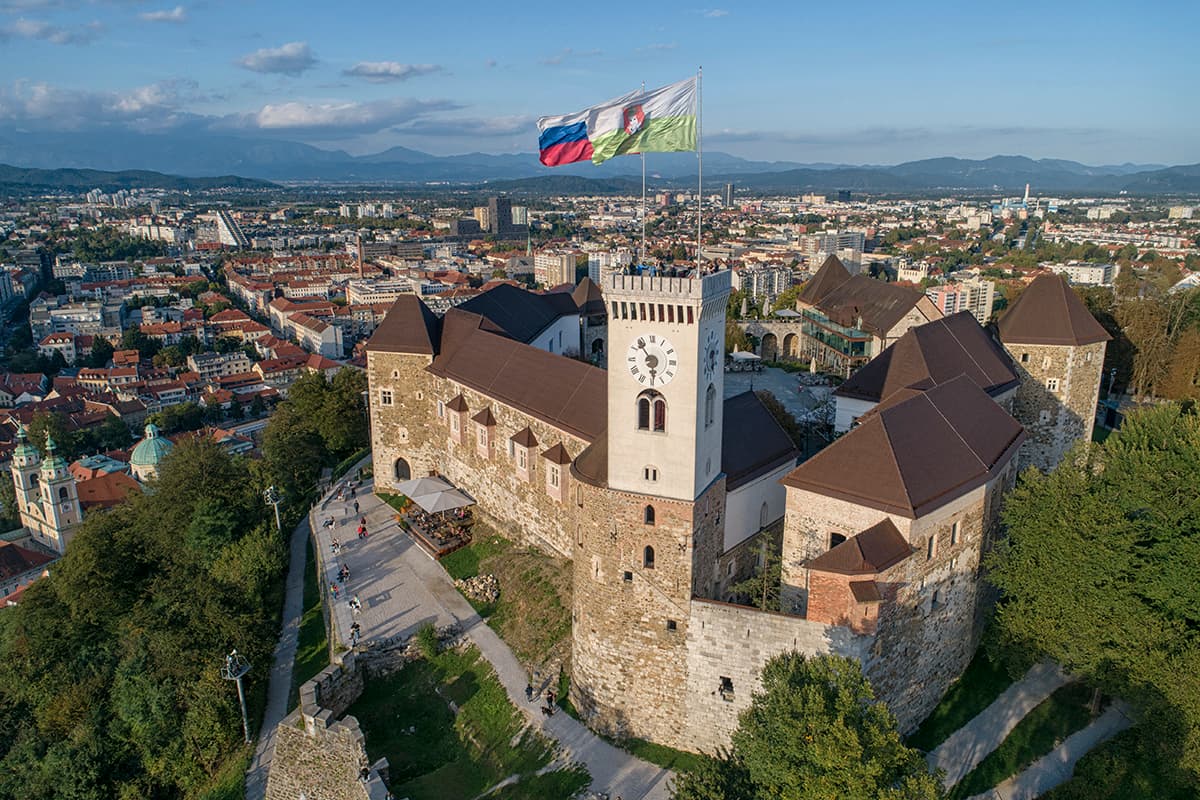 Ljubljana CastleAttraction · 2h · €15
Ljubljana Castle is a medieval fortress perched atop Castle Hill, dominating the city's skyline since the 12th century. Rebuilt in the 15th–17th centuries, it now houses museums, a chapel with Baroque frescoes, and a panoramic lookout tower. It is Ljubljana's most visited attraction and a symbol of the city.
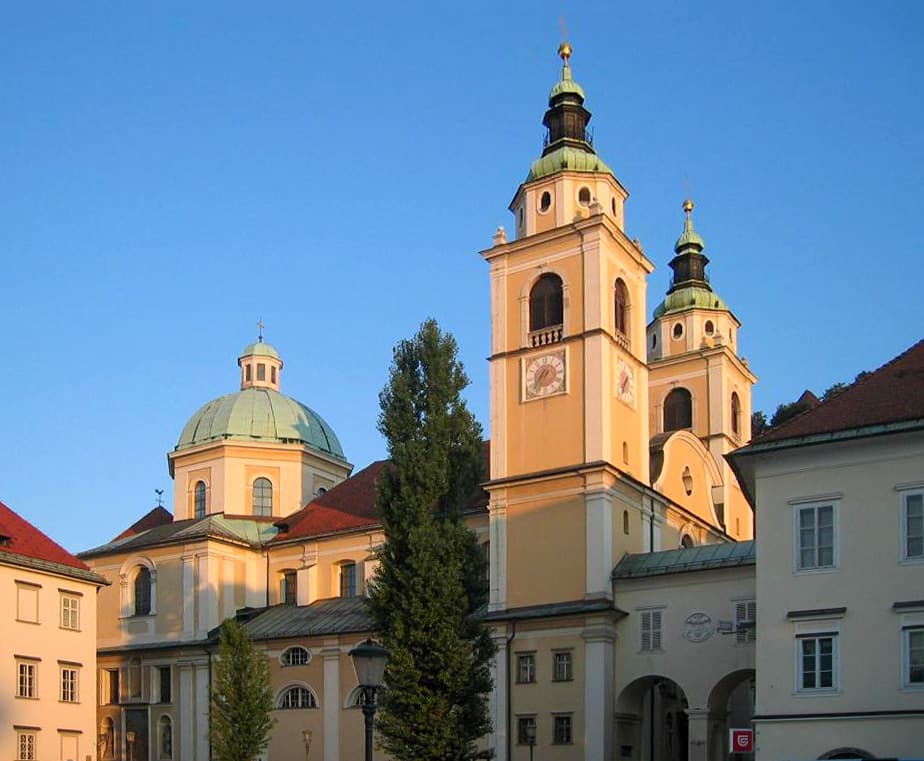 Cathedral of St. NicholasAttraction · 30 min · Free
The Cathedral of St. Nicholas is Ljubljana's principal church, a Baroque masterpiece built between 1701 and 1706 by Andrea Pozzo. Its twin bell towers and green copper dome are landmarks of the skyline.
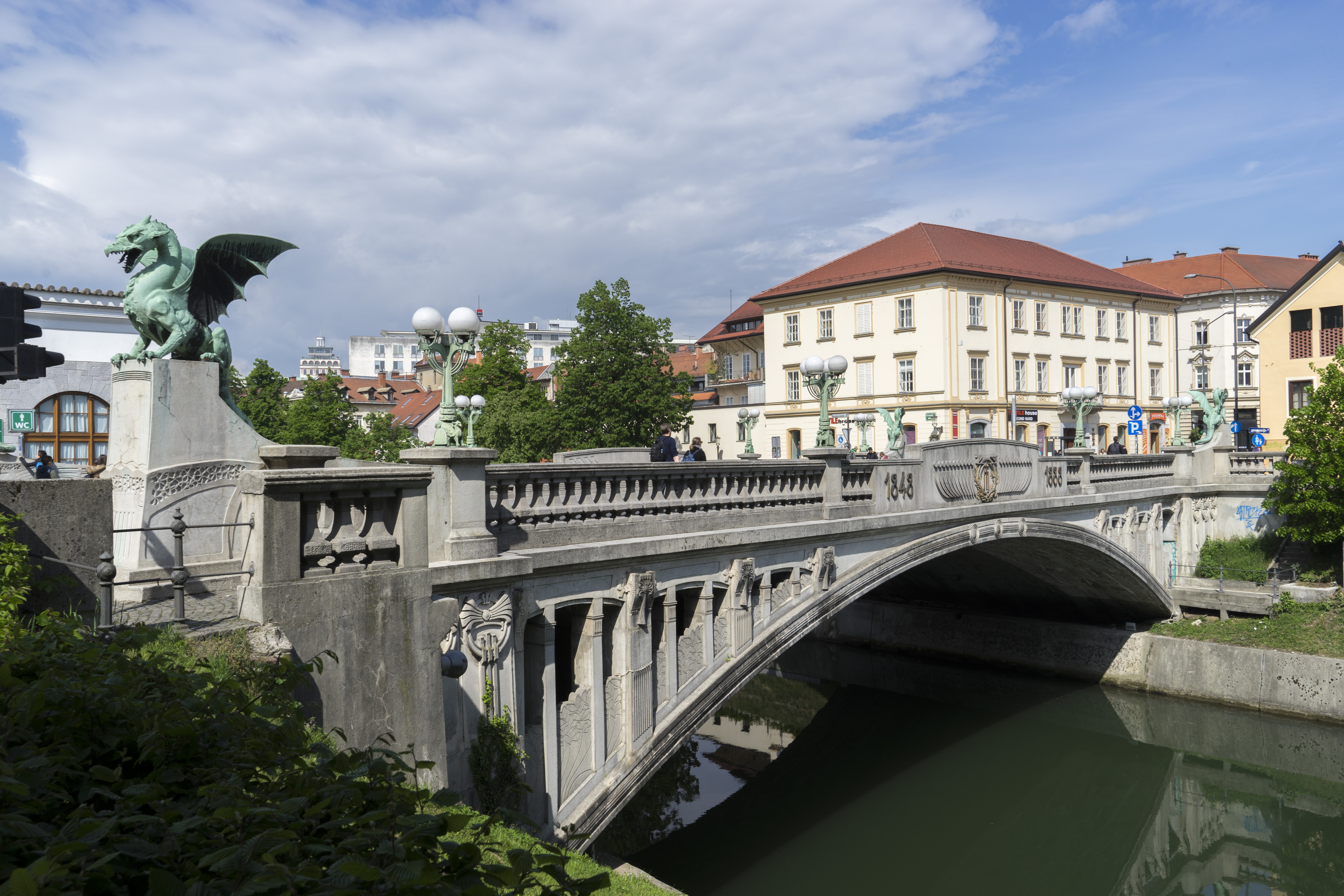 Dragon BridgeAttraction · 15 min · Free
Dragon Bridge (Zmajski most) is an Art Nouveau bridge guarded by four imposing copper dragon statues, completed in 1901. It was one of the first reinforced-concrete bridges in Europe and has become Ljubljana's most recognizable symbol.
 Triple BridgeAttraction · 15 min · Free
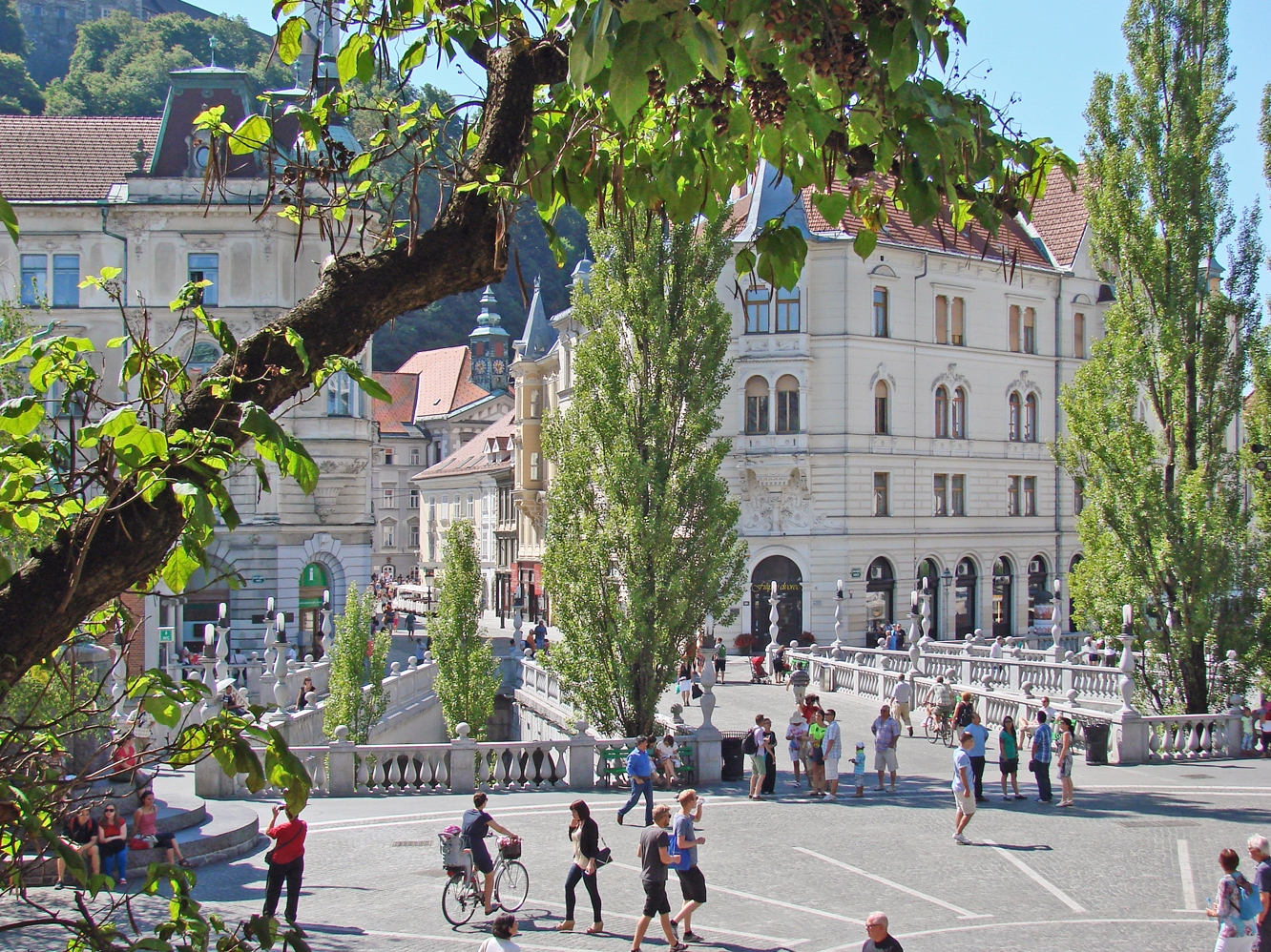
Triple Bridge (Tromostovje) is a unique set of three pedestrian bridges spanning the Ljubljanica River, connecting Prešeren Square to the old town. Designed by Jože Plečnik in 1932, it transformed a single stone bridge into an iconic architectural landmark.
 National and University LibraryAttraction · 30 min · Free
The National and University Library (Narodna in univerzitetna knjižnica, NUK) is Plečnik's acknowledged masterpiece, completed in 1941. Its austere black marble and brick exterior gives way to a breathtaking staircase ascending from darkness into a light-filled reading hall.
 Roman Wall RemainsAttraction · 20 min · Free
Scattered across Ljubljana's southern neighborhoods are excavated remains of Emona, a 1st-century Roman colony. The best-preserved sections include defensive walls, a house floor mosaic, and foundations displayed in situ.
 Prešeren SquareAttraction · 20 min · Free
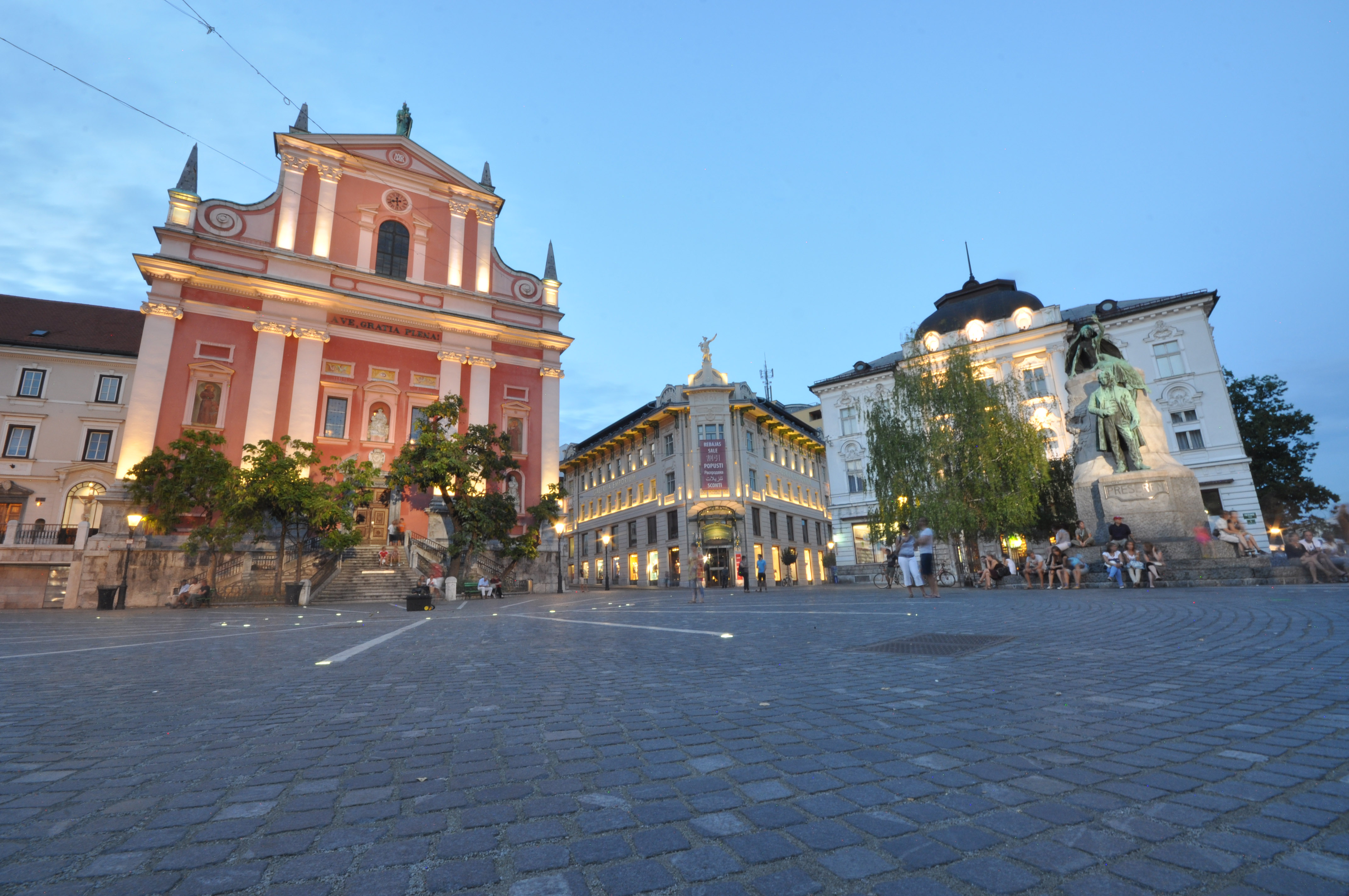
Prešeren Square is Ljubljana's central gathering place, named after France Prešeren, Slovenia's greatest poet. Dominated by the pink Franciscan Church of the Annunciation and a bronze statue of the poet, it is the social heart of the city.
 Butchers' BridgeAttraction · 15 min · Free
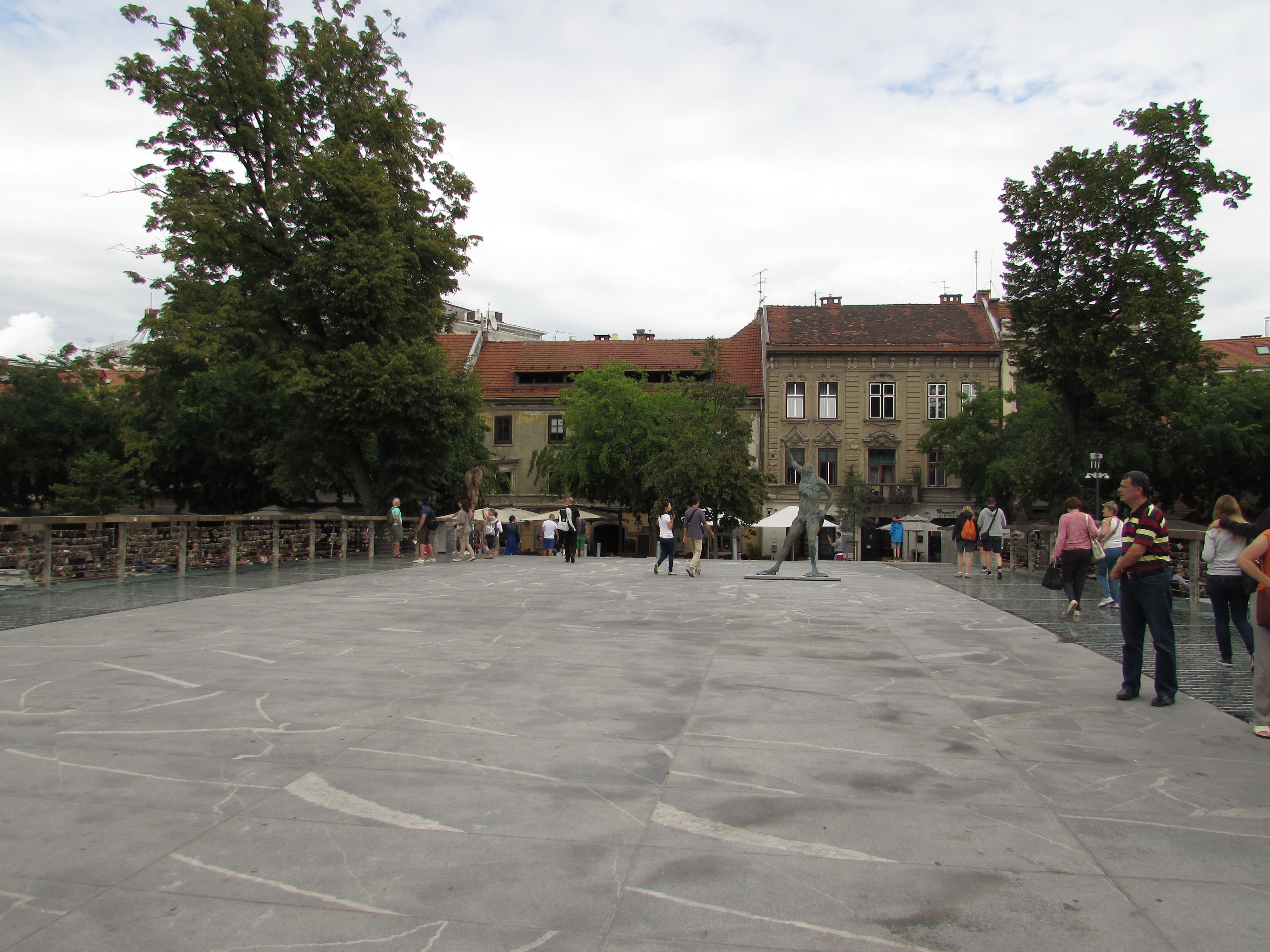
Butchers' Bridge (Mesarski most) is a modern glass-floored pedestrian bridge connecting the Central Market to the Petkovšek embankment. Opened in 2010, it is adorned with Jakov Brdar's bronze sculptures and has become Ljubljana's "love lock" bridge.
 Cobbler's BridgeAttraction · 10 min · Free
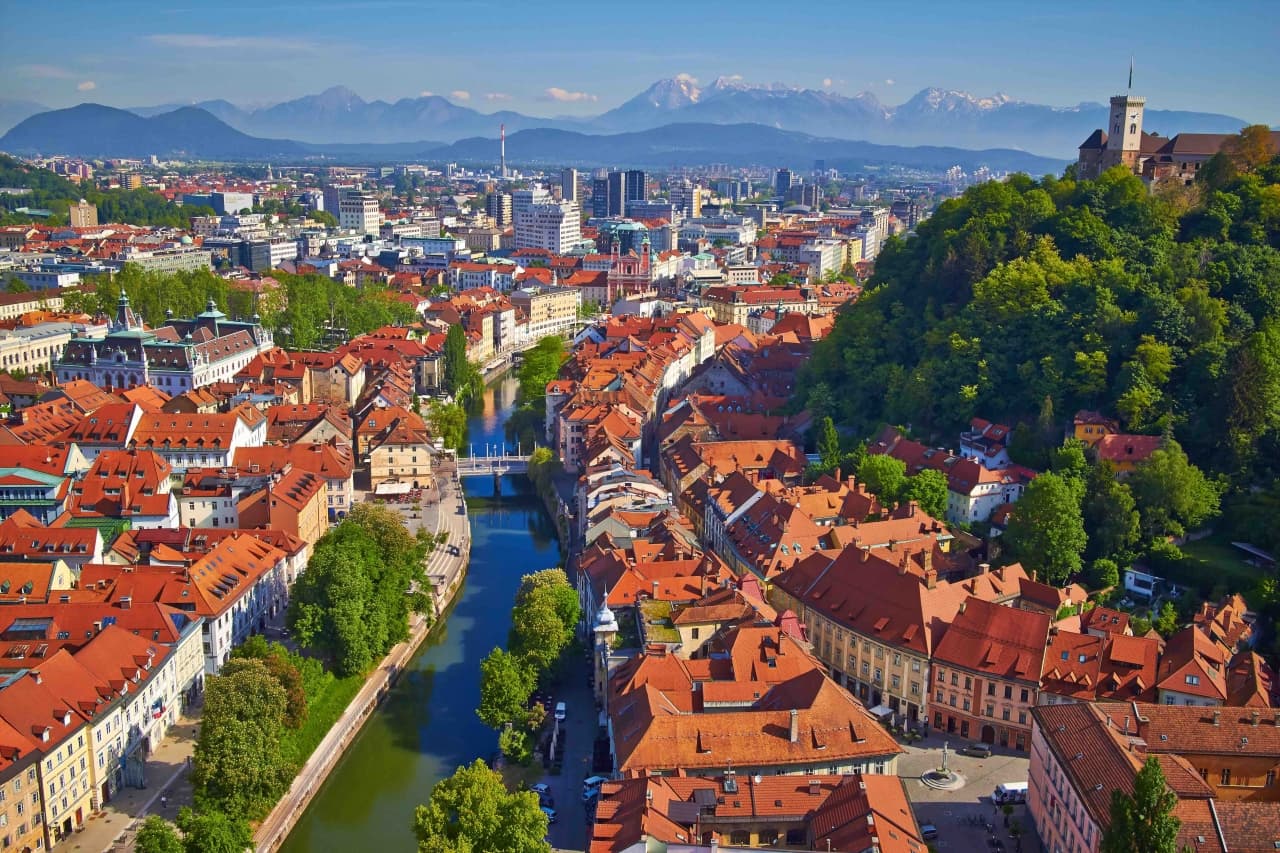
Cobbler's Bridge (Čevljarski most) is a Plečnik-designed pedestrian bridge linking Novi trg to Stari trg across the Ljubljanica. Its Corinthian columns and stone balustrades make it one of the city's most elegant crossings.
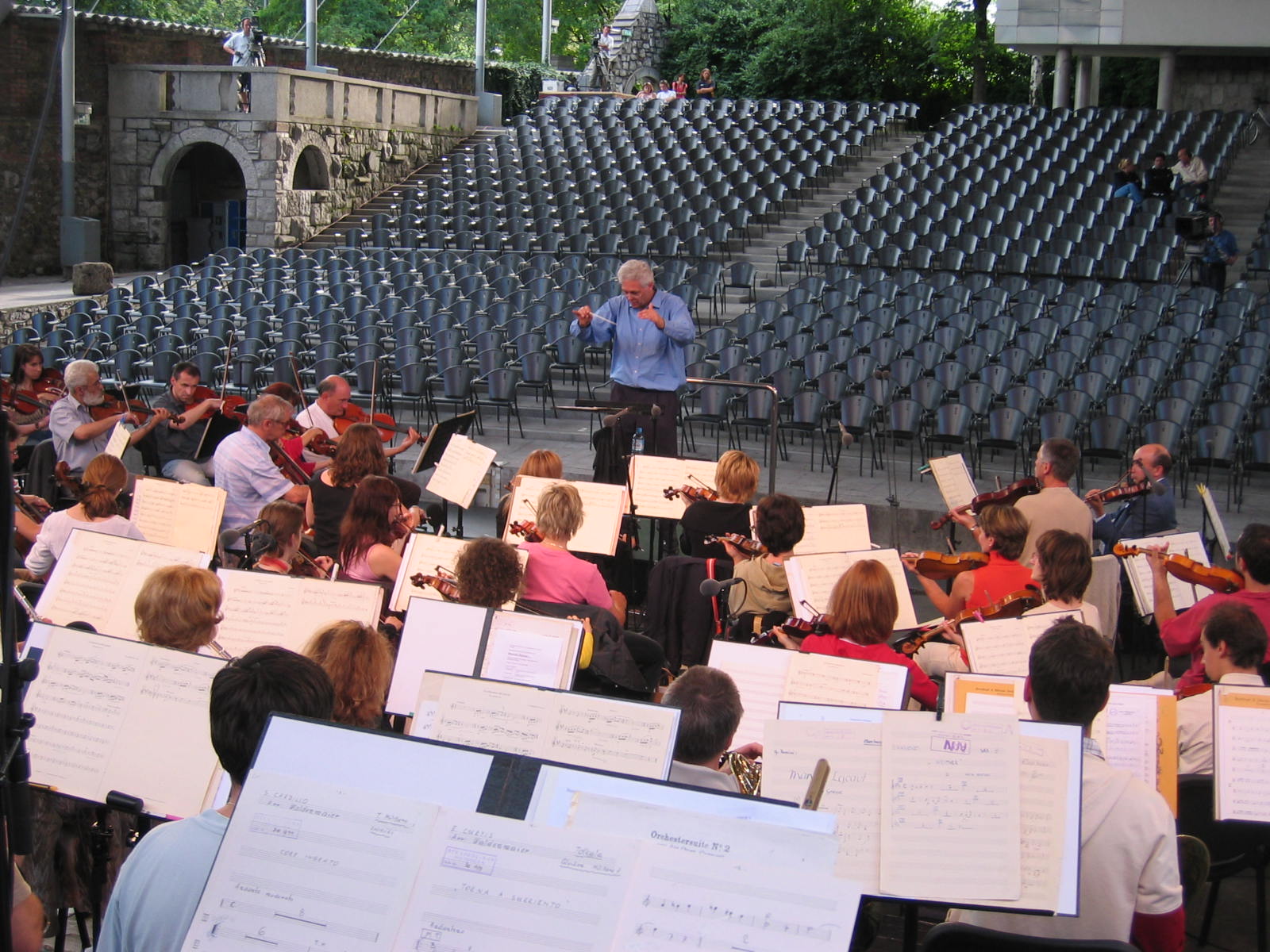 Križanke Summer TheatreAttraction · 1.5h · €20
Križanke is an open-air theatre set in a Plečnik-renovated former monastery courtyard. It is the principal venue for the Ljubljana Summer Festival, hosting opera, ballet, orchestral concerts, and drama from late June through August.
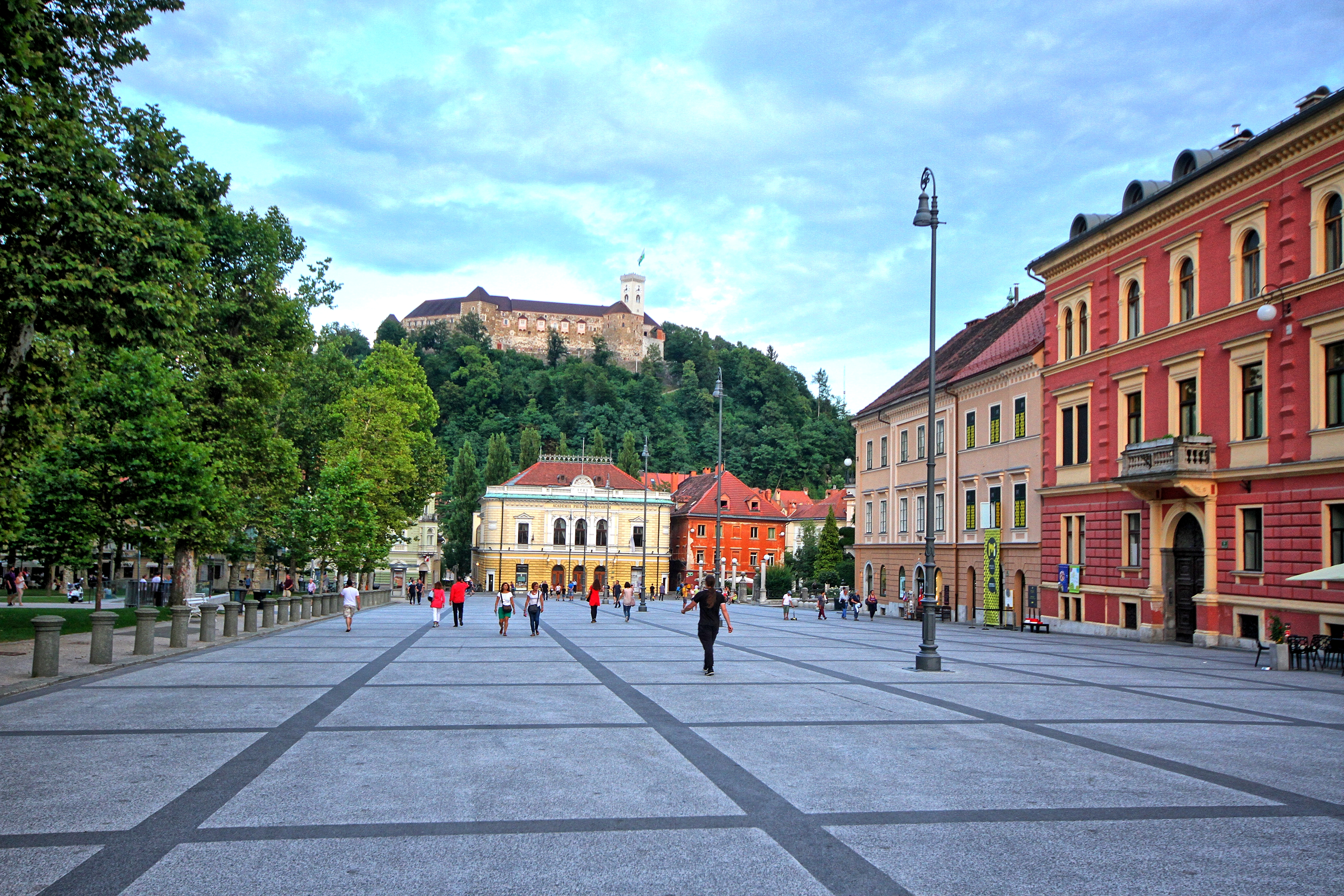 Kongresni Trg (Congress Square)Attraction · 20 min · Free
Congress Square (Kongresni trg) is a grand neoclassical public square flanked by the University of Ljubljana, the Slovenian Philharmonic, and the Ursuline Church. Below it lies Star Park (Zvezda), a green space with plane trees dating from the 19th century.
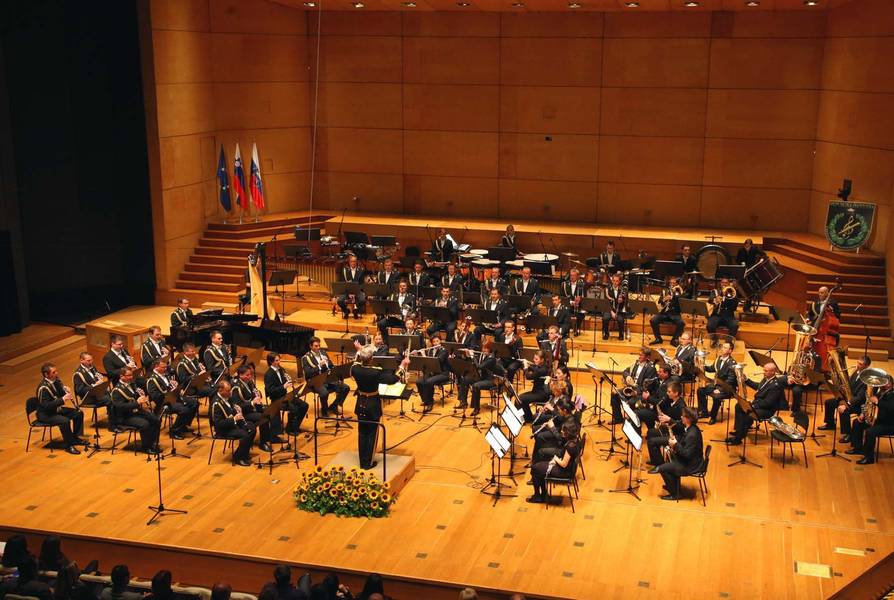 Cankarjev DomAttraction · 1.5h · €15
Cankarjev dom is Slovenia's largest cultural and congress center, named after the writer Ivan Cankar. Its brutalist architecture houses multiple concert halls, theatres, and gallery spaces hosting a year-round program of music, dance, and visual arts.
 Vegalnica — Plečnik's Covered MarketAttraction · 30 min · Free
The Vegalnica is Plečnik's columned riverside arcade, part of his Central Market complex. It hosts market stalls on the ground floor and the permanent exhibition "Plečnik's Ljubljana" inside, documenting his transformative urban vision.