Loading city...
Skip to main content
Attractions in Cairo
28 attractions selected in this guide.
 Great Pyramid of GizaAttraction · 2h · EGP1060
The Great Pyramid of Giza is the last surviving wonder of the ancient world and the largest of the three pyramids on the Giza Plateau. Built around 2560 BC for Pharaoh Khufu, it stood as the tallest man-made structure on Earth for over 3,800 years.
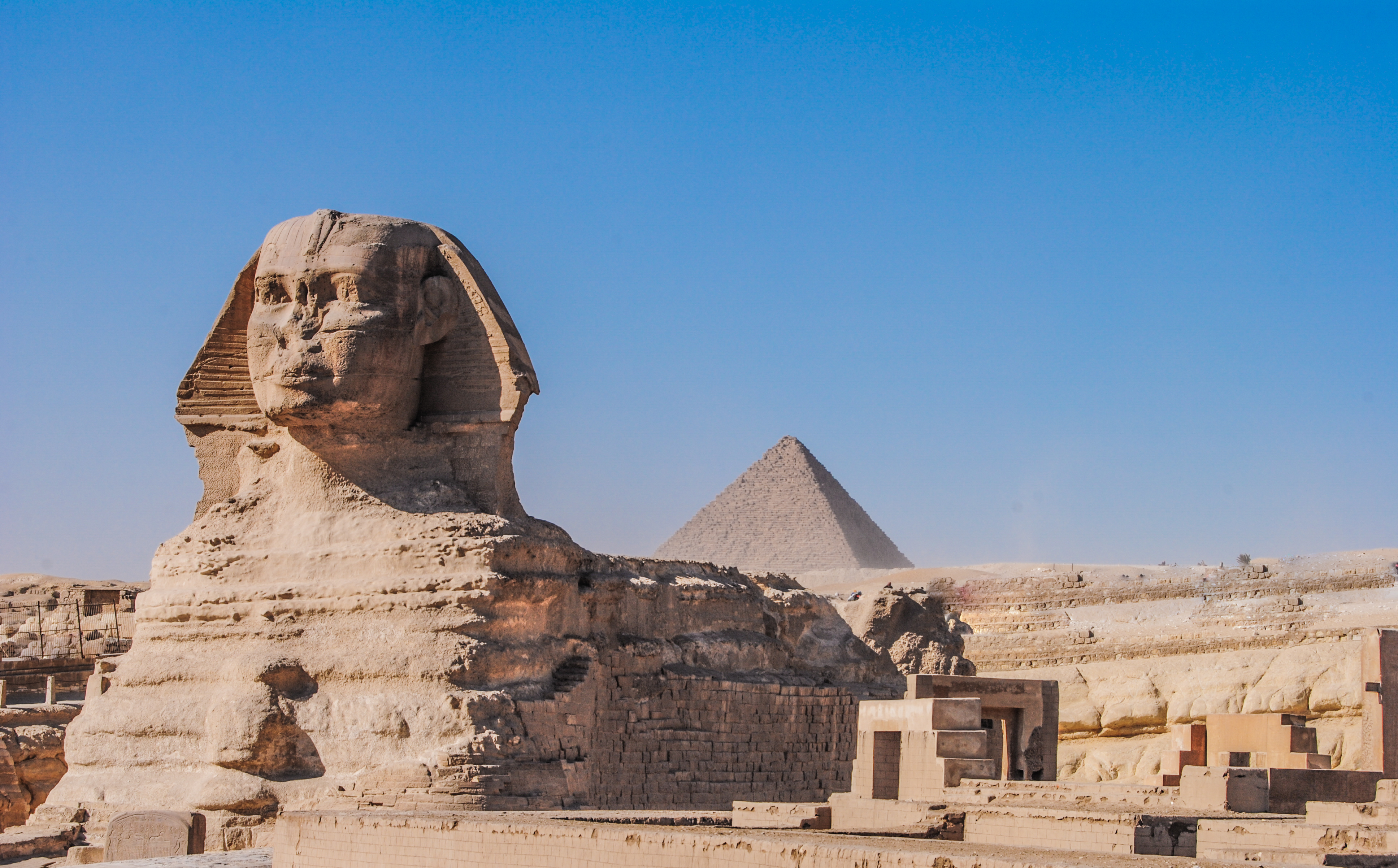 Great Sphinx of GizaAttraction · 45 min · Free
The Great Sphinx is a colossal limestone statue with the body of a lion and the head of a human, believed to represent Pharaoh Khafre. At 73 metres long and 20 metres high, it is the largest single-stone statue in the ancient world.
 Al-Azhar UniversityAttraction · 45 min · Free
Founded in 970 CE, Al-Azhar University is one of the oldest continuously operating universities in the world and the foremost institution of Sunni Islamic learning. The mosque-university complex features a stunning courtyard of marble columns, carved stucco and soaring minarets spanning Fatimid, Mamluk and Ottoman periods.
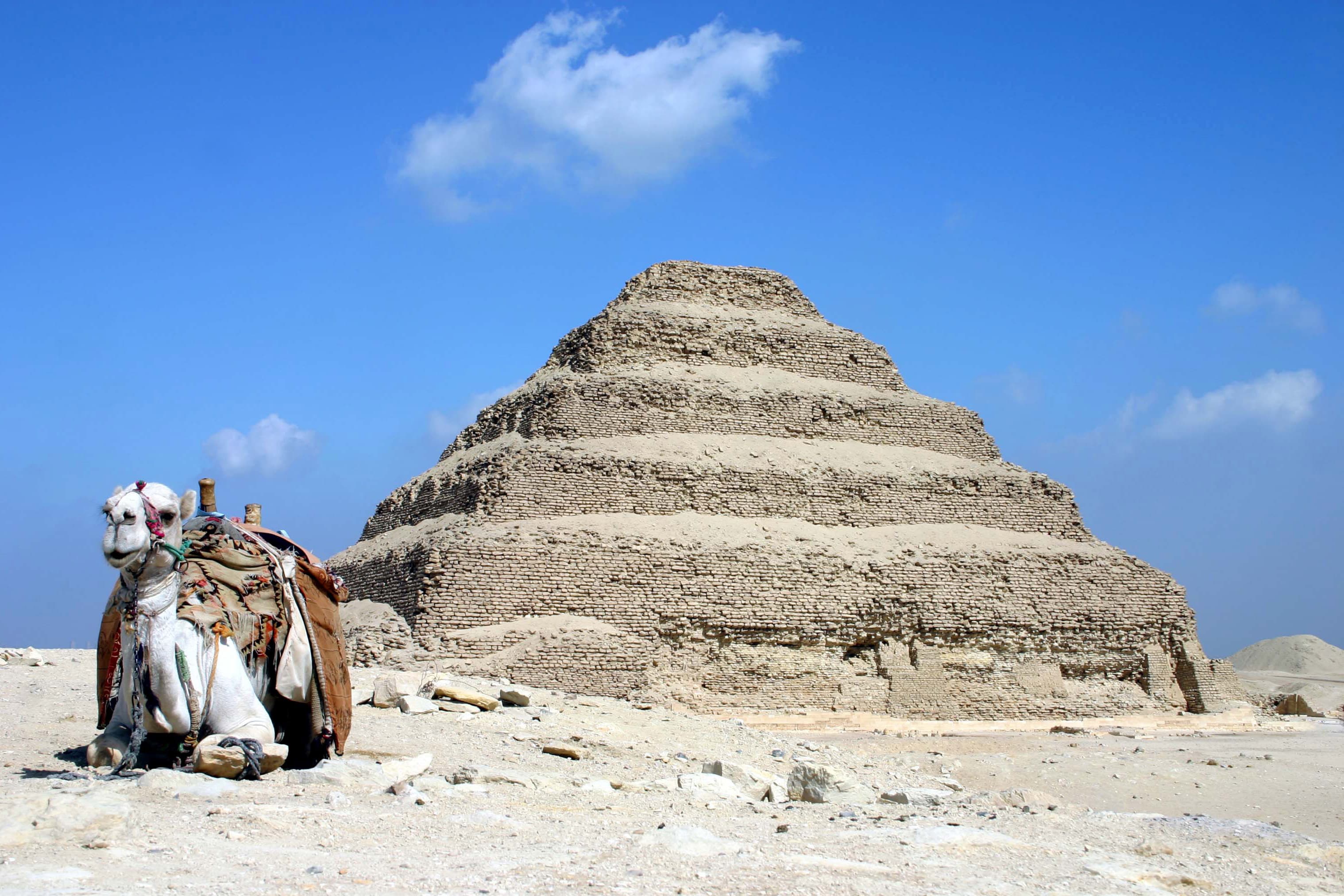 Saqqara NecropolisAttraction · 3h · EGP600
Saqqara is a vast ancient burial ground stretching 7 km along the desert plateau west of Memphis. It served as the necropolis for the ancient capital for over 3,000 years, containing dozens of pyramids and hundreds of tombs.
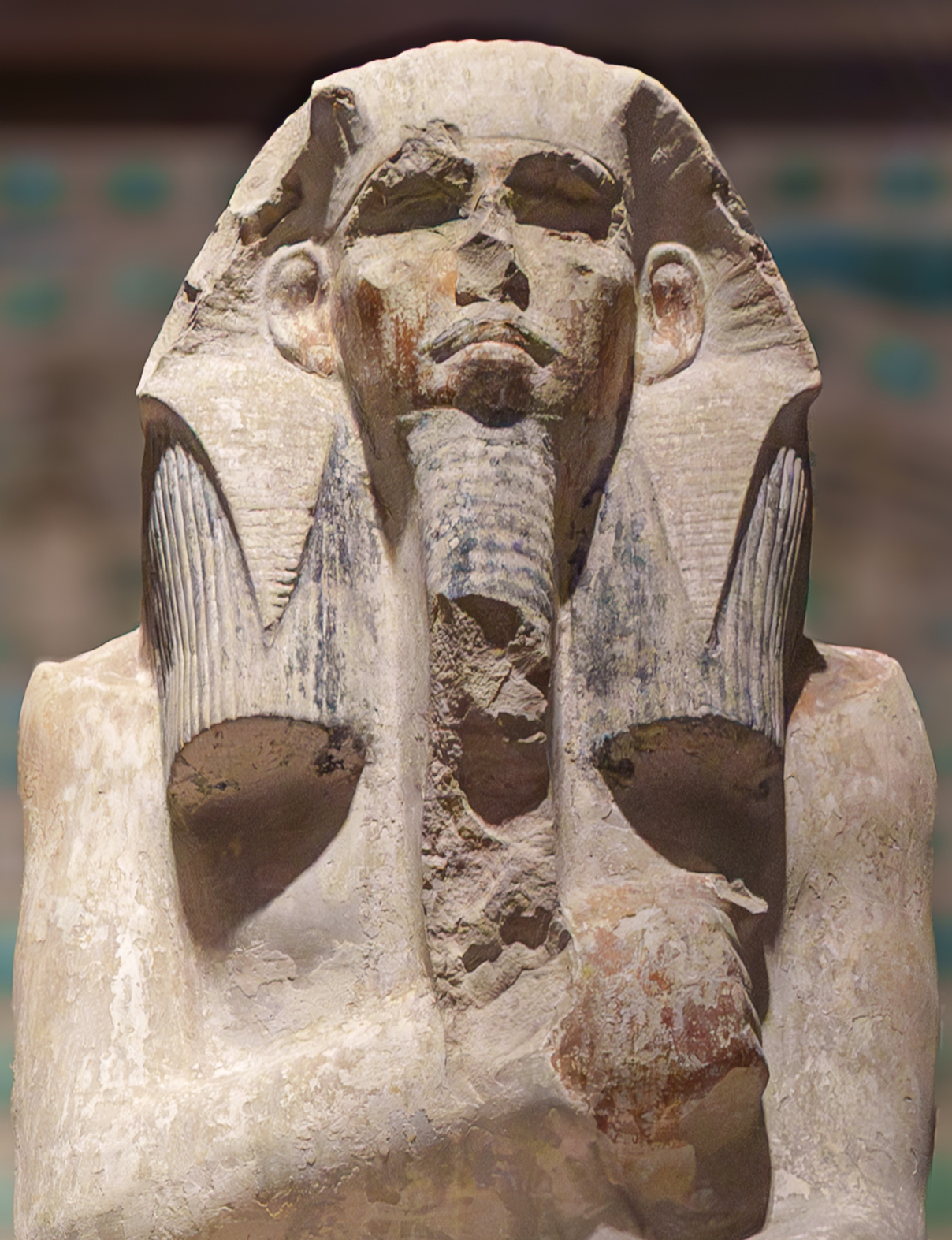 Step Pyramid of DjoserAttraction · 1h · EGP280
The Step Pyramid of Djoser at Saqqara is the oldest complete stone building complex in the world, built around 2670 BC. Its distinctive six-tiered structure marks the evolutionary leap from mud-brick mastabas to the true pyramids of Giza.
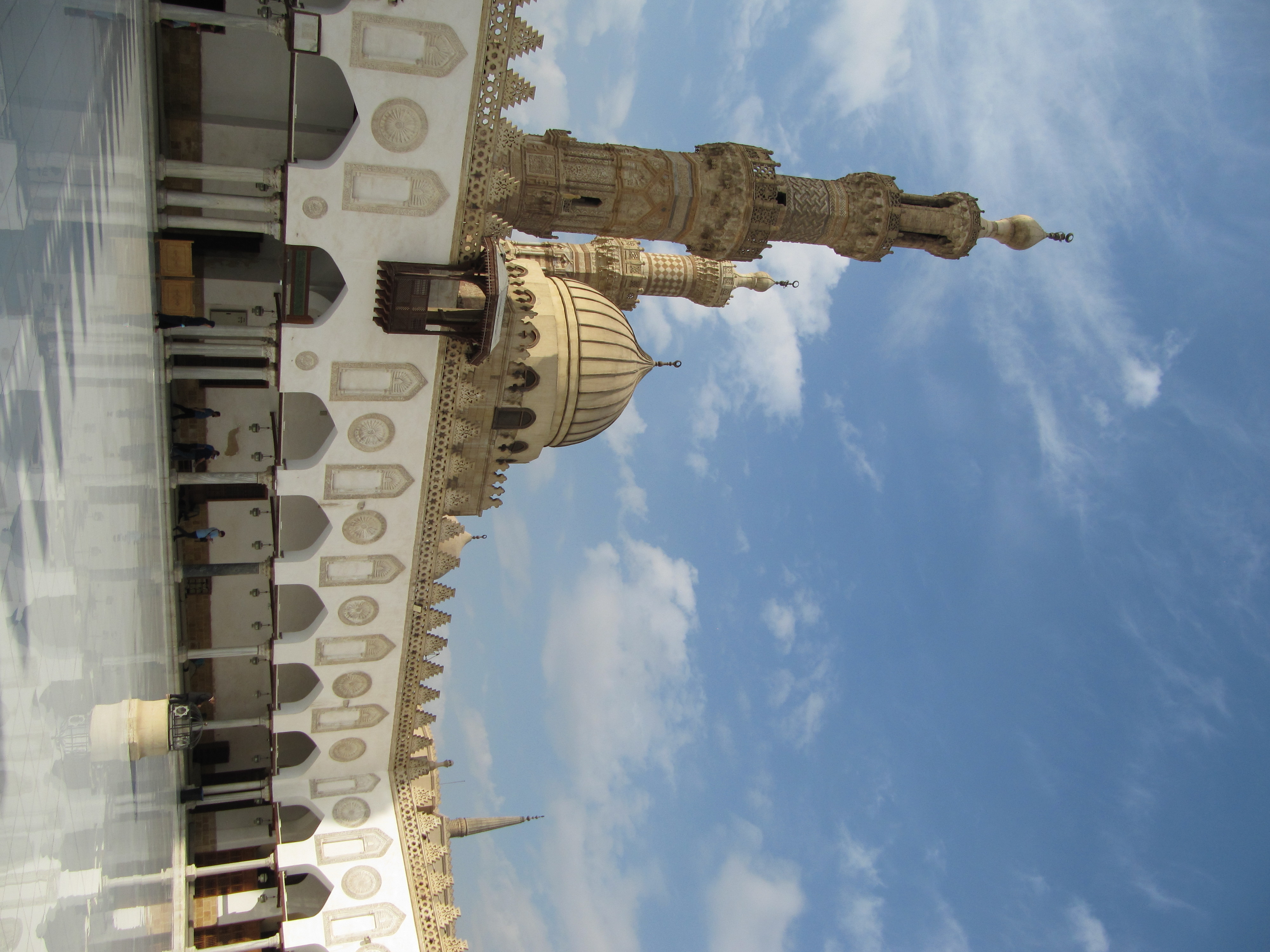 Al-Azhar MosqueAttraction · 45 min · Free
Al-Azhar Mosque, founded in 970 AD, is one of the oldest mosques in Cairo and home to Al-Azhar University, the world's second-oldest continuously operating university and Sunni Islam's most prestigious centre of learning.
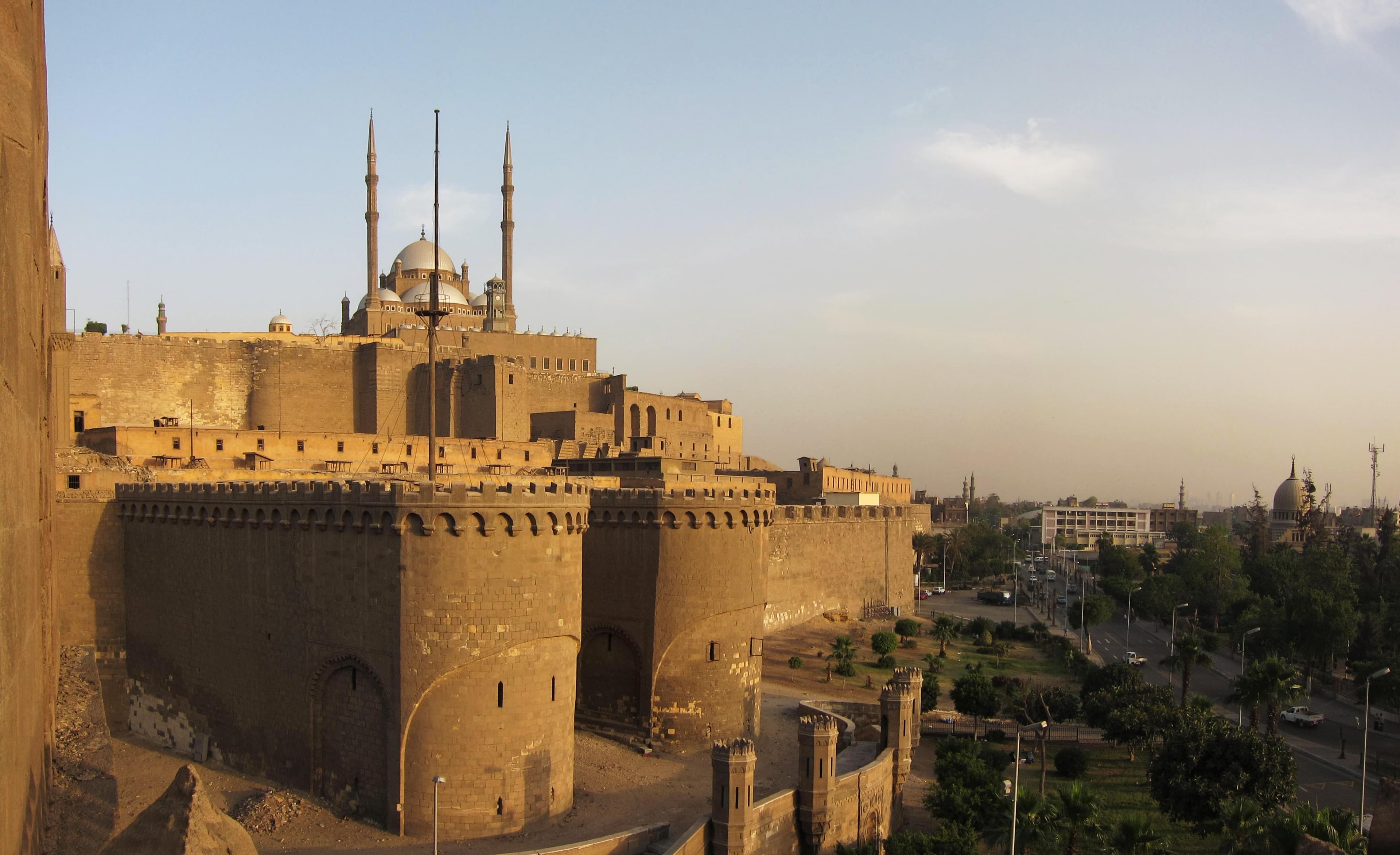 Saladin CitadelAttraction · 2h · EGP550
The Citadel of Saladin is a massive medieval fortification perched on the Mokattam Hills, dominating Cairo's skyline. For nearly 700 years it served as Egypt's seat of government, housing sultans, Ottoman pashas, and khedives.
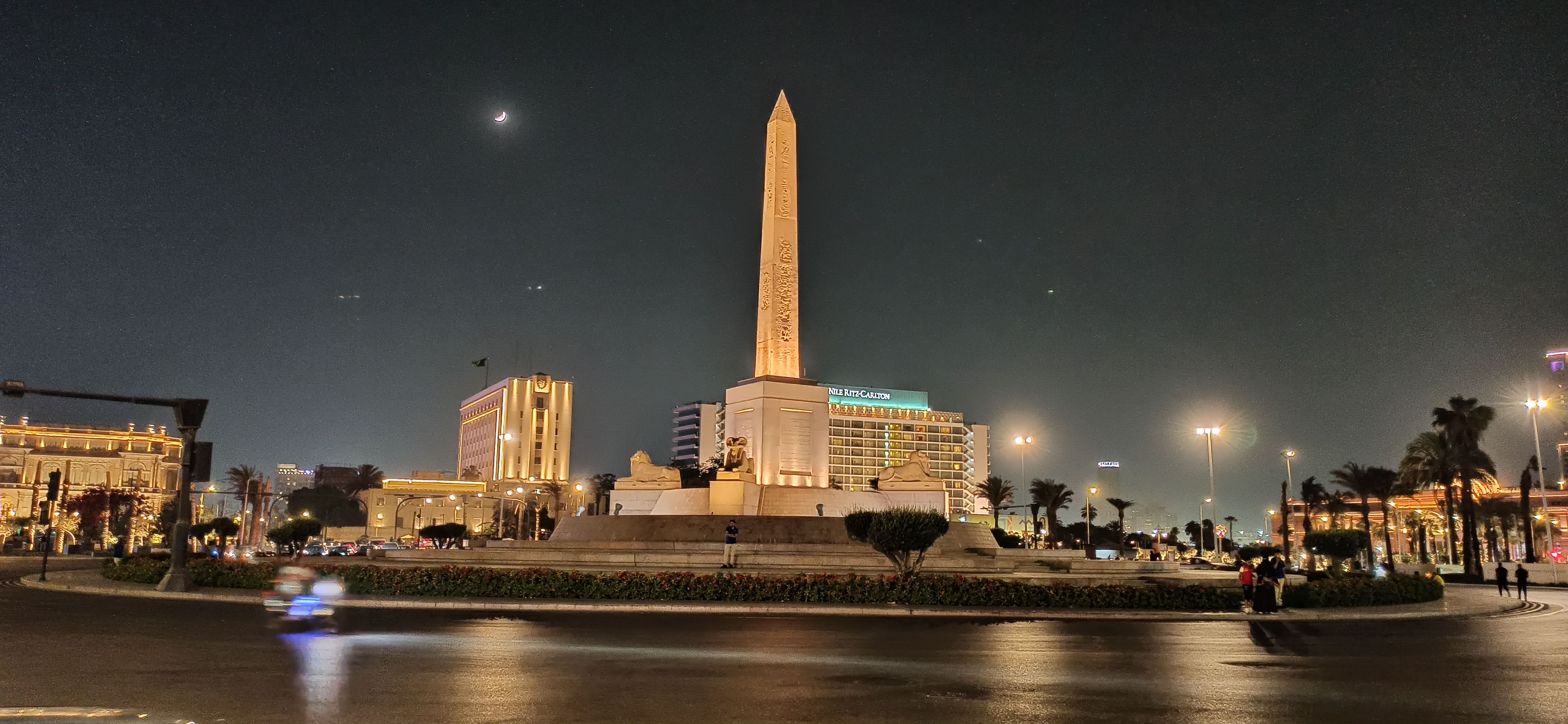 Tahrir SquareAttraction · 20 min · Free
Tahrir (Liberation) Square is the geographic and symbolic heart of modern Cairo. This sprawling traffic roundabout became the epicentre of the 2011 Egyptian Revolution and remains the country's most politically significant public space.
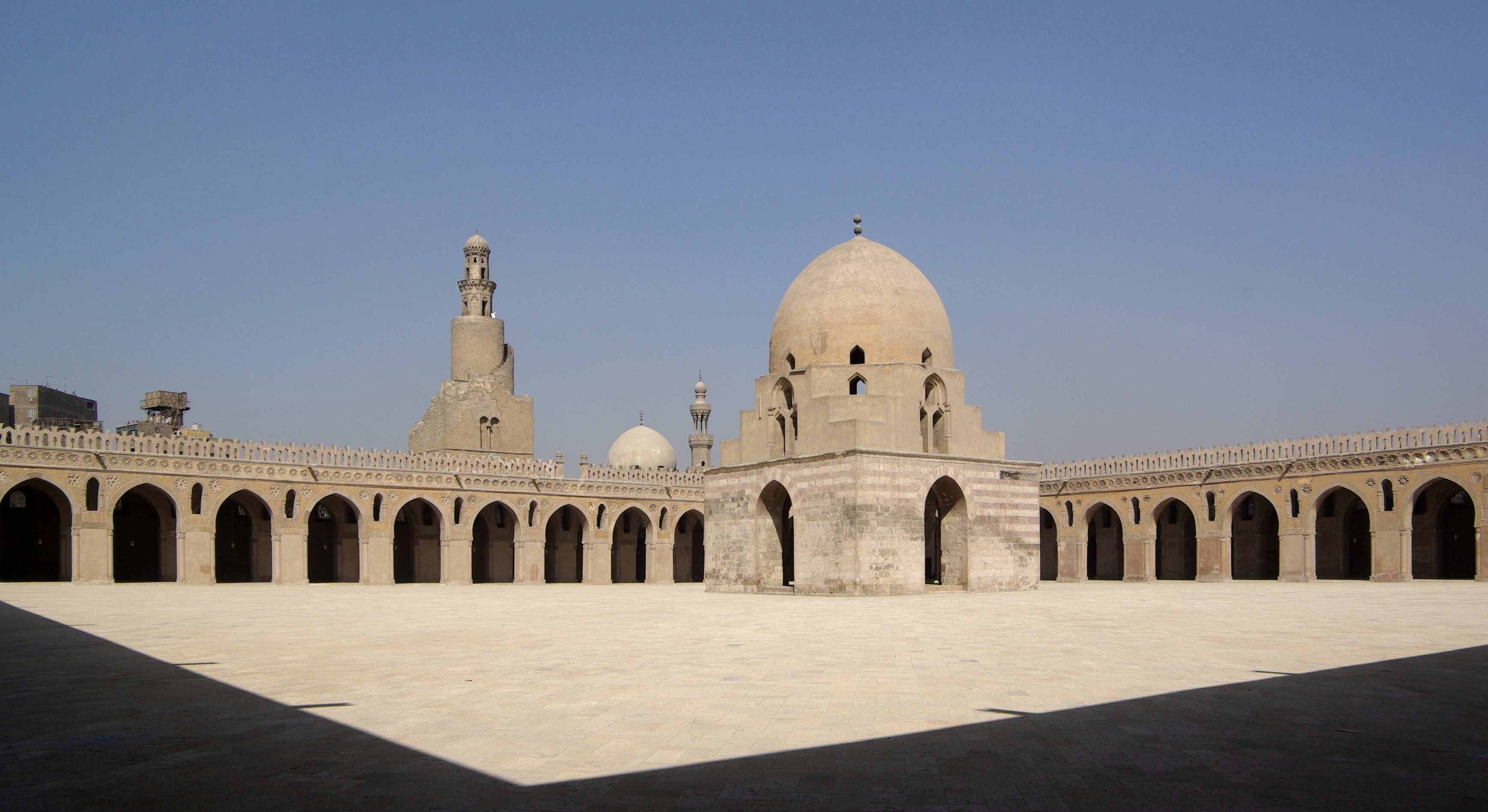 Ibn Tulun MosqueAttraction · 45 min · EGP100
The Mosque of Ibn Tulun is the oldest mosque in Cairo that survives in its original form, built in 879 AD. Its vast, austere courtyard and distinctive spiral minaret make it one of the most architecturally unique mosques in the Islamic world.
 Dahshur PyramidsAttraction · 2h · EGP200
Dahshur is a royal necropolis located about 40 km south of Cairo, home to two of the most architecturally significant pyramids in Egypt: the Bent Pyramid and the Red Pyramid, both built by Pharaoh Sneferu around 2600 BC.
 Muhammad Ali MosqueAttraction · 45 min · Free
The Mosque of Muhammad Ali, also known as the Alabaster Mosque, is Cairo's most recognizable landmark. Its Ottoman-style twin minarets and massive central dome dominate the skyline from within the Saladin Citadel.
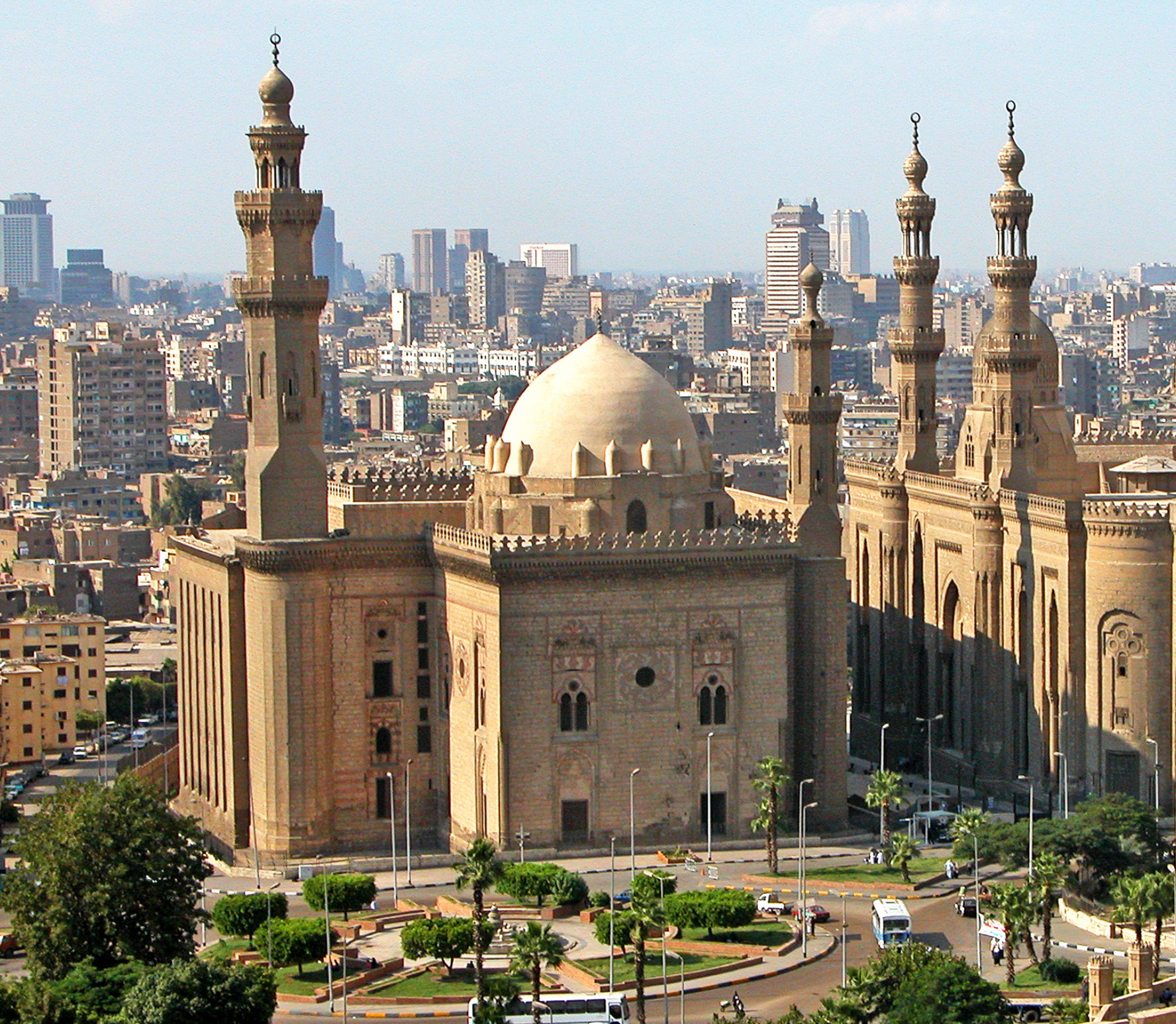 Mosque-Madrasa of Sultan BarquqAttraction · 30 min · Free
The Mosque-Madrasa of Sultan Barquq on al-Muizz Street was the first major building of the Burji Mamluk dynasty. Its monumental stone portal, intricately carved marble mihrab and richly decorated ceilings represent the peak of medieval Cairo's architectural ambition.
- Sultan Hassan MosqueAttraction · 45 min · EGP220
The Mosque-Madrasa of Sultan Hassan is considered the masterpiece of Mamluk architecture and one of the greatest mosques in the Islamic world. Its sheer scale and austere geometry have been compared to the finest Gothic cathedrals of Europe.
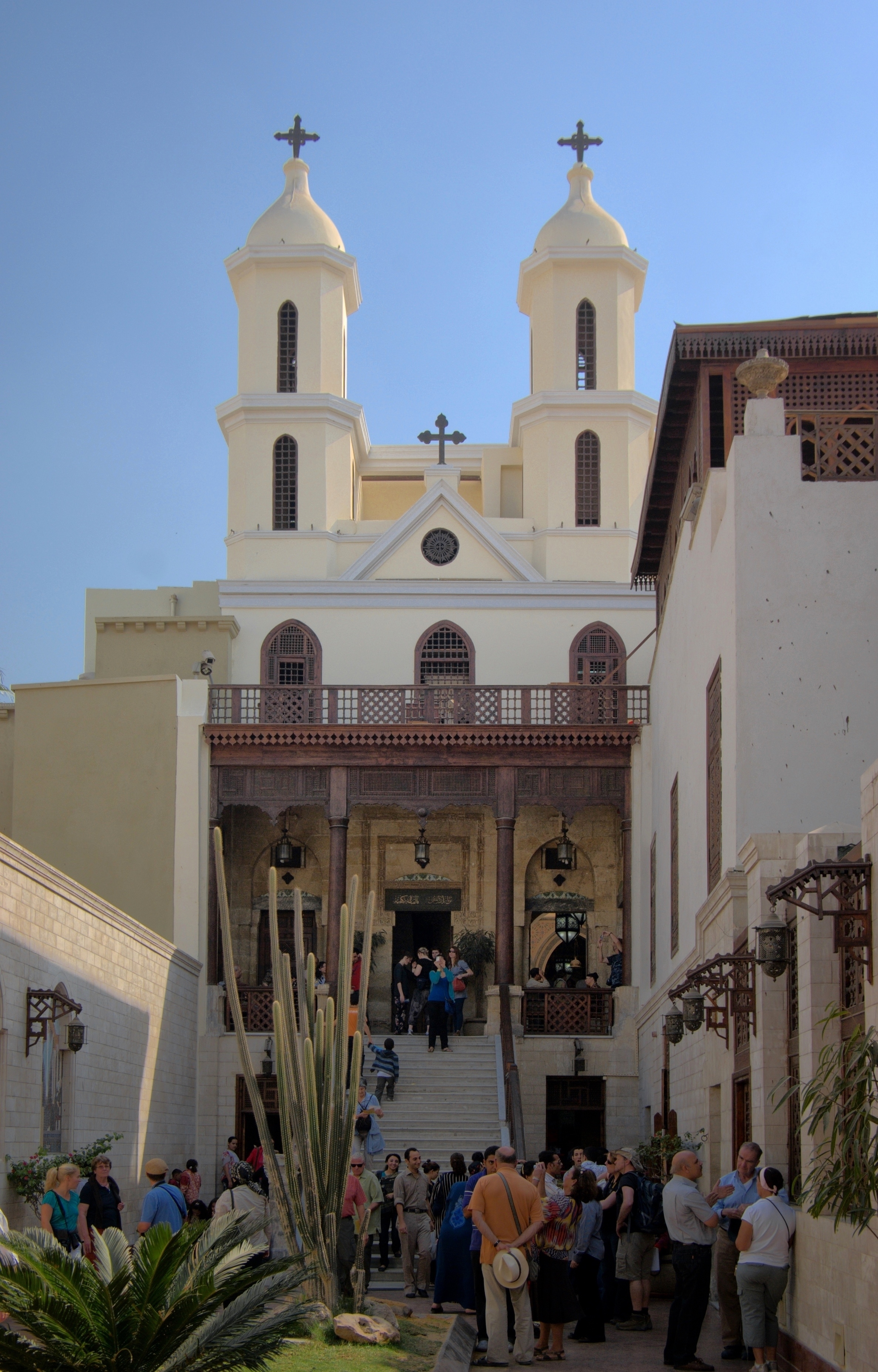 Hanging ChurchAttraction · 30 min · EGP50
The Hanging Church (Al-Muallaqa) is one of the oldest Christian churches in Egypt, built atop the gatehouse of the Roman Babylon Fortress. Its nave appears to be suspended over the passageway below, giving the church its evocative name.
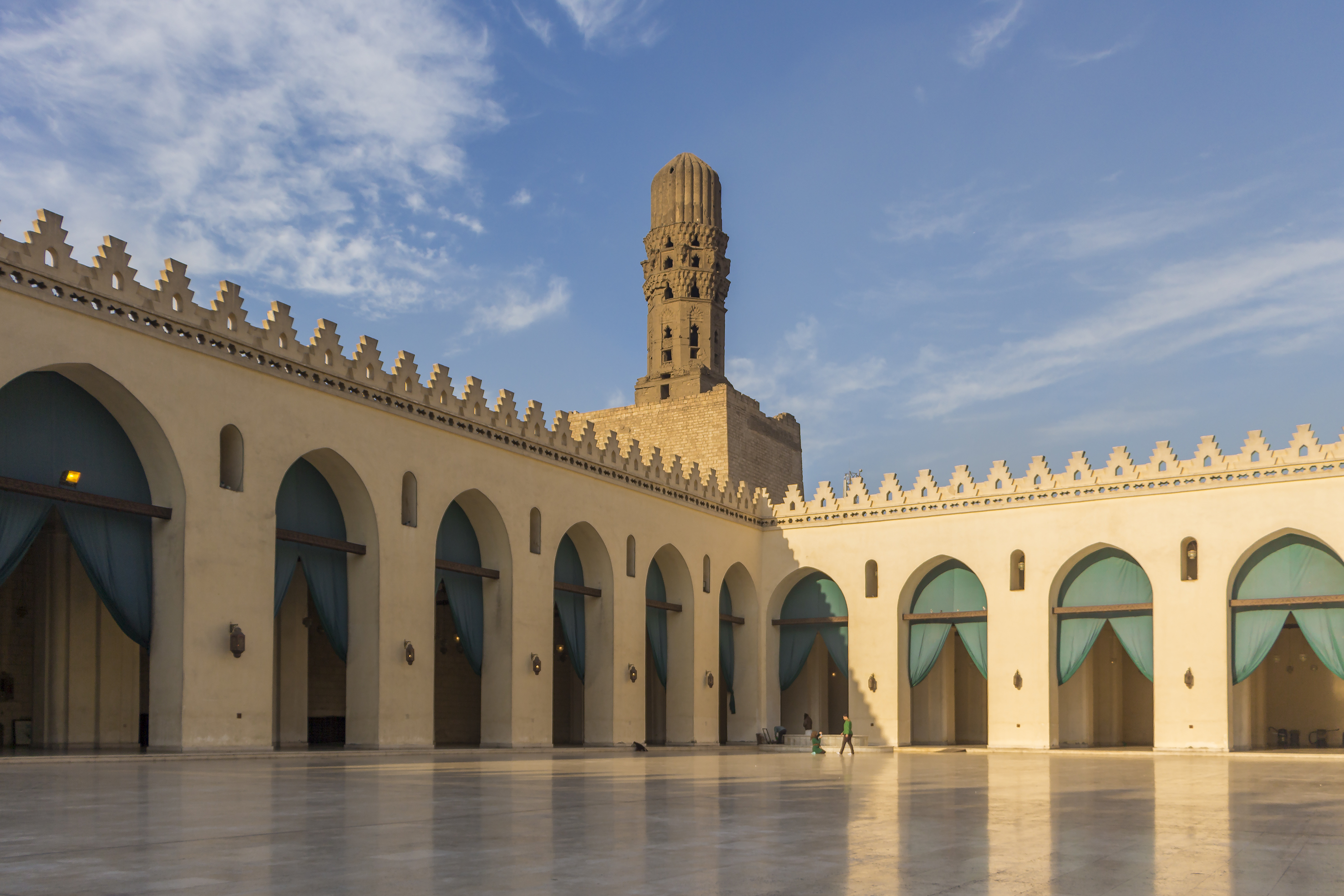 Al-Hakim MosqueAttraction · 30 min · Free
The Mosque of al-Hakim bi-Amr Allah stands at the northern end of Al-Muizz Street, just inside Bab al-Futuh. This massive Fatimid-era mosque was recently controversially restored by the Dawoodi Bohra community.
 Al-Rifa'i MosqueAttraction · 30 min · EGP220
The Al-Rifa'i Mosque stands directly opposite Sultan Hassan Mosque, deliberately built to match its scale and complement its grandeur. Despite its medieval appearance, it was completed in 1912 and serves as the final resting place of Egypt's modern royal family.
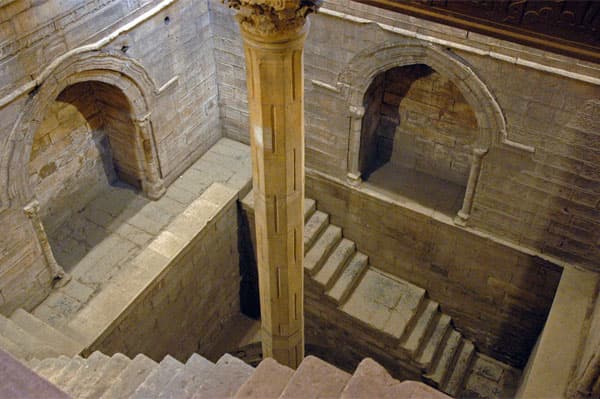 NilometerAttraction · 30 min · EGP120
The Nilometer on the southern tip of Roda Island is an ancient instrument used to measure the Nile's annual flood levels. It is one of the most important and oldest surviving hydraulic structures in the world.
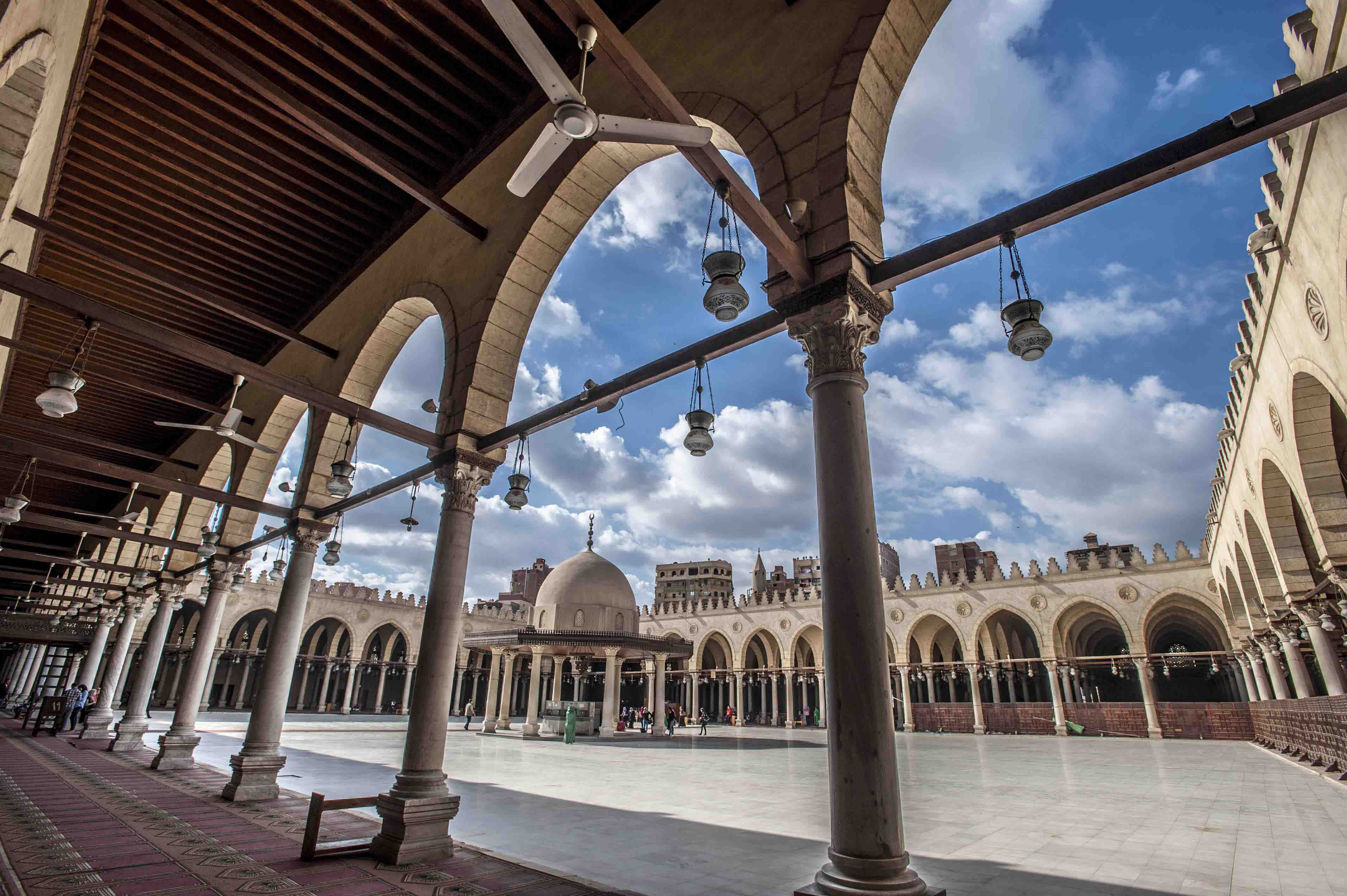 Mosque of Amr ibn al-AsAttraction · 30 min · Free
The Mosque of Amr ibn al-As was Africa's first mosque, founded in 642 CE during the Arab conquest of Egypt. Although rebuilt several times over the centuries, its vast prayer hall with forest-like rows of columns retains a powerful sense of history.
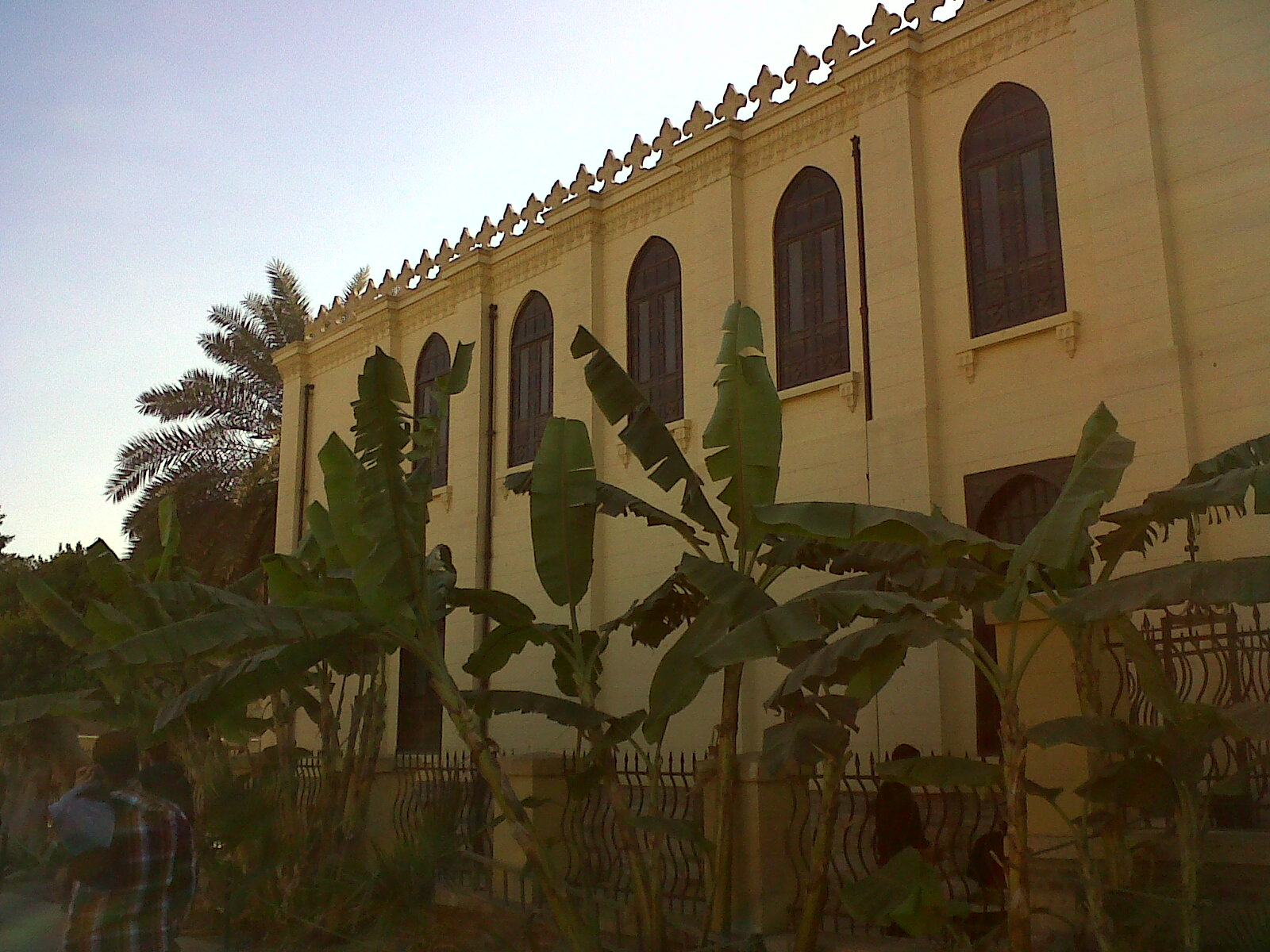 Ben Ezra SynagogueAttraction · 20 min · Free
The Ben Ezra Synagogue is the oldest synagogue in Cairo, located in the Coptic Cairo compound. It occupies a site traditionally associated with the place where baby Moses was found in the Nile.
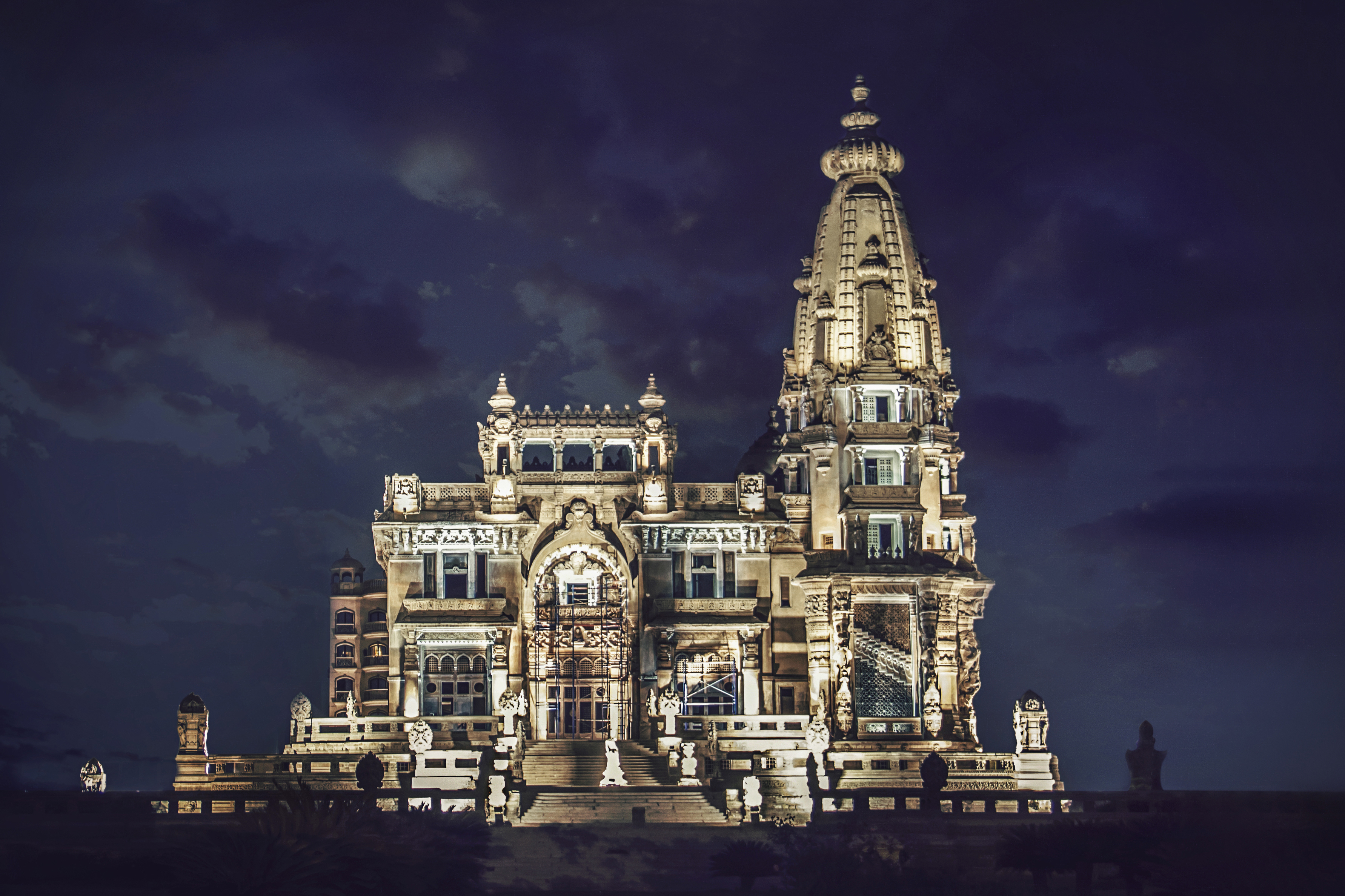 Baron Empain PalaceAttraction · 1h · EGP220
The Baron Empain Palace (Le Palais Hindou) is one of Cairo's most eccentric landmarks — a Hindu temple-inspired mansion built in the Heliopolis district that looks completely unlike any other building in Egypt.
 Cairo Opera HouseAttraction · 2h · Free
The Cairo Opera House is the main performing arts venue in Egypt, located in the National Cultural Center on Gezira Island. It hosts opera, ballet, symphony, and Arabic music performances in a modern complex with several concert halls.
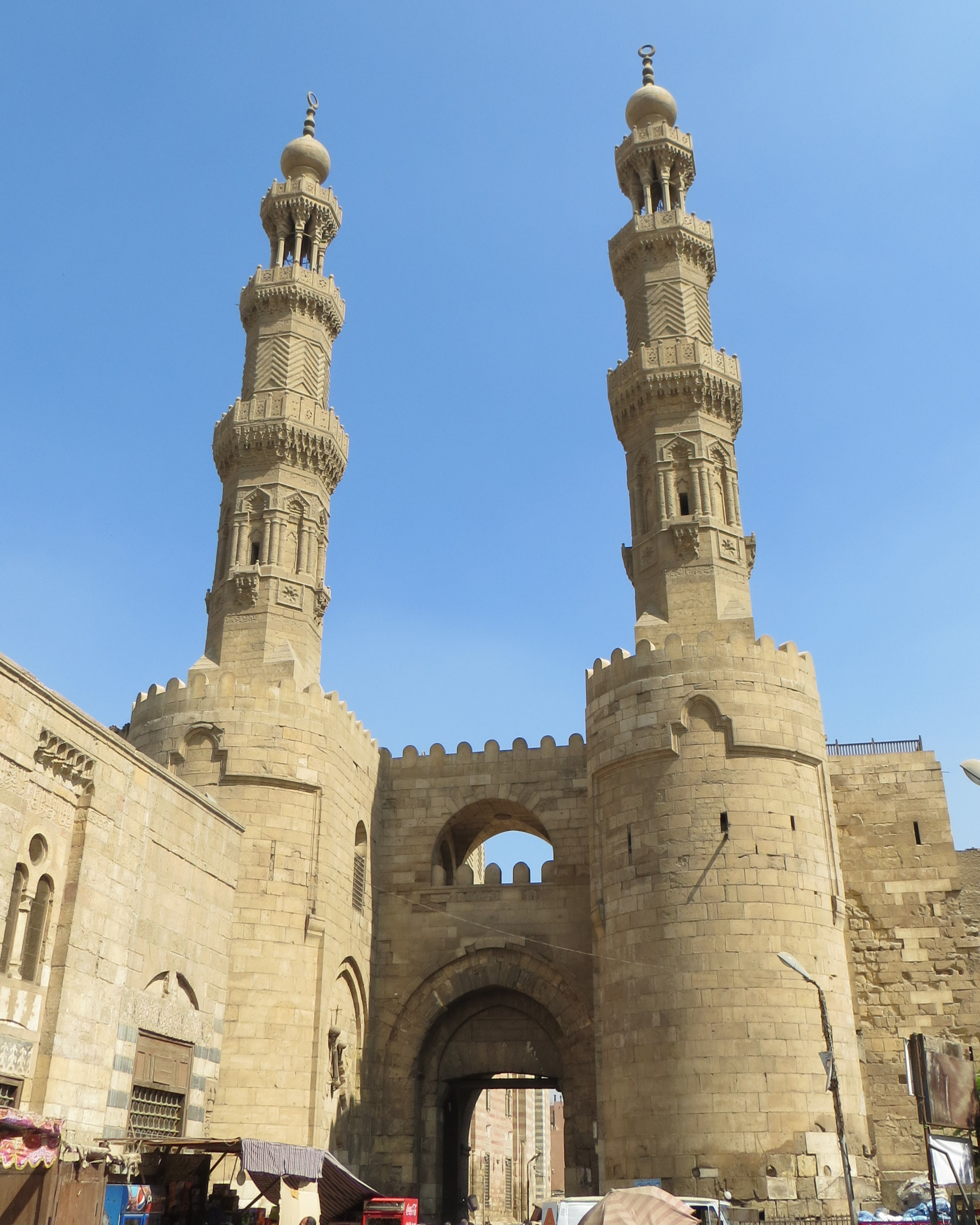 Bab ZuweilaAttraction · 30 min · EGP100
Bab Zuweila is the last remaining southern gate of the medieval walled city of Cairo. Its twin Mamluk minarets make it one of the most distinctive landmarks in Islamic Cairo.
 Mosque of al-Nasir MuhammadAttraction · 30 min · Free
The Mosque of al-Nasir Muhammad rises within the walls of the Saladin Citadel, its twin minarets topped with distinctive Persian ceramic tiles unique in Cairo's architectural landscape. Built in the 14th century, the hypostyle prayer hall uses columns salvaged from Pharaonic and Coptic buildings.
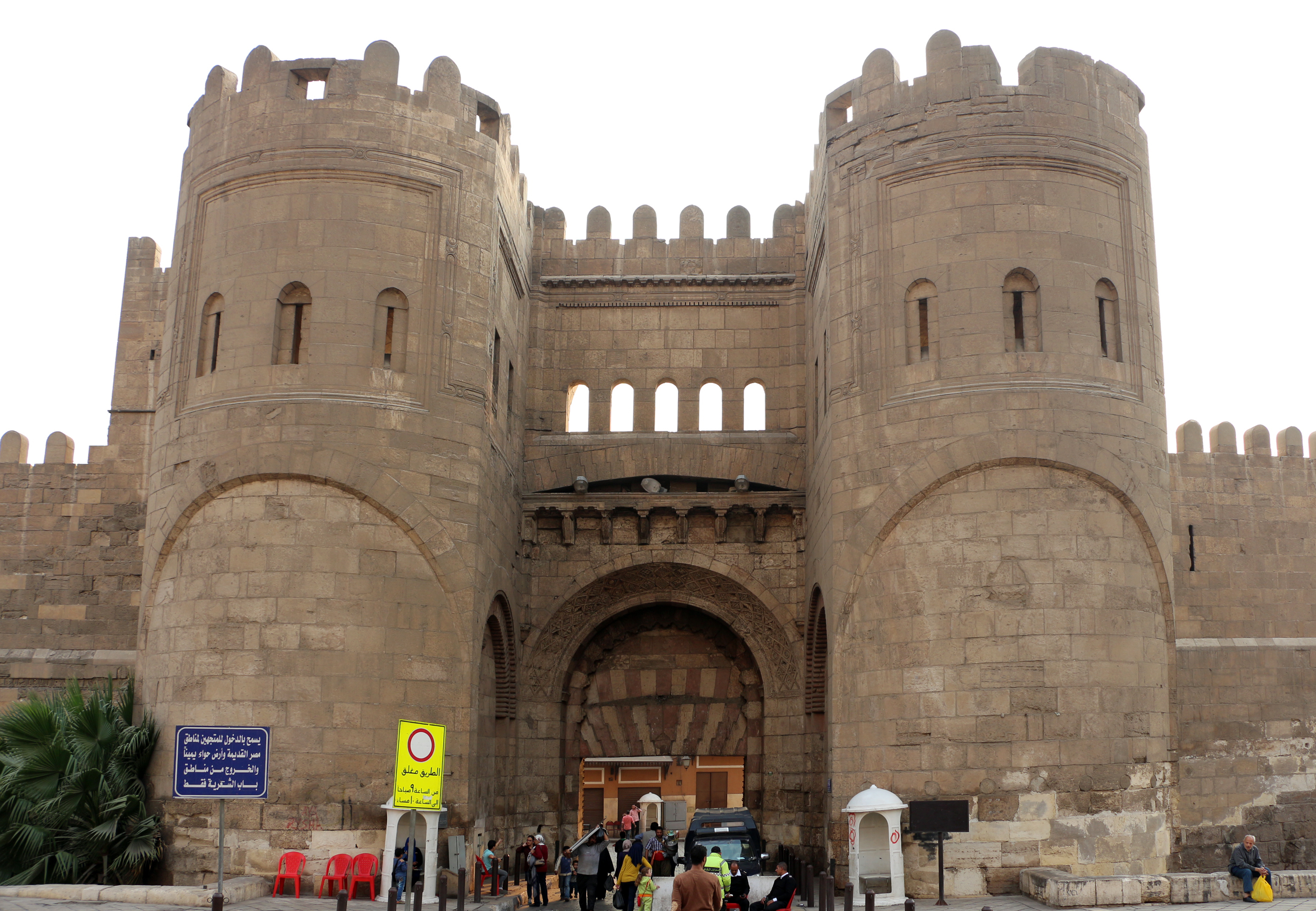 Bab al-FutuhAttraction · 20 min · EGP60
Bab al-Futuh (Gate of Conquests) is the imposing northern gate of Fatimid Cairo, standing as one of the best-preserved medieval city gates in the Islamic world.
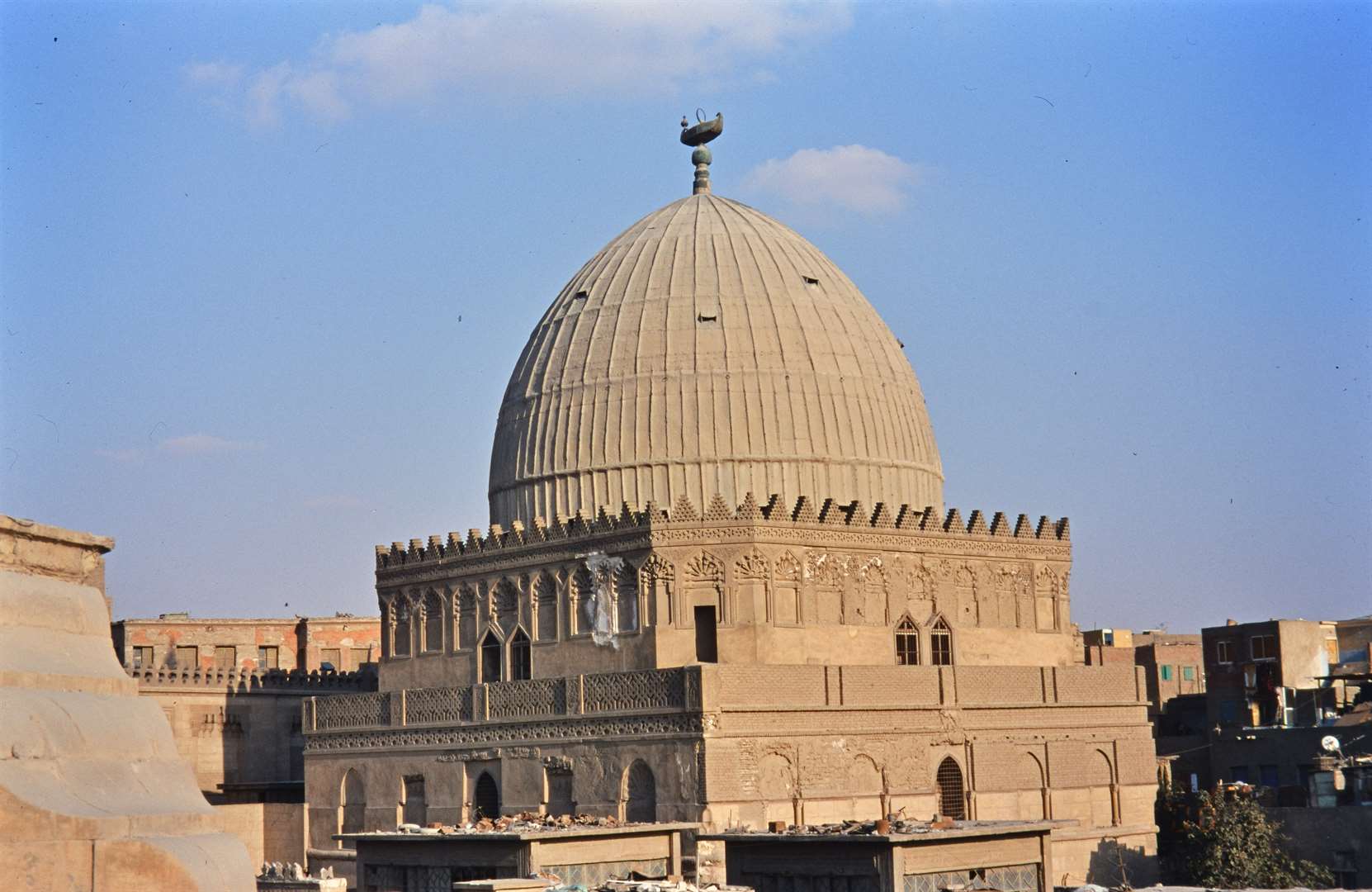 Tomb of Imam al-Shafi'iAttraction · 20 min · Free
The Tomb of Imam al-Shafi'i is the largest Islamic mausoleum in Egypt, crowned by a magnificent Ayyubid-era wooden dome that was the biggest of its kind when built in 1211. The carved teak interior is exquisitely detailed with muqarnas and calligraphy.
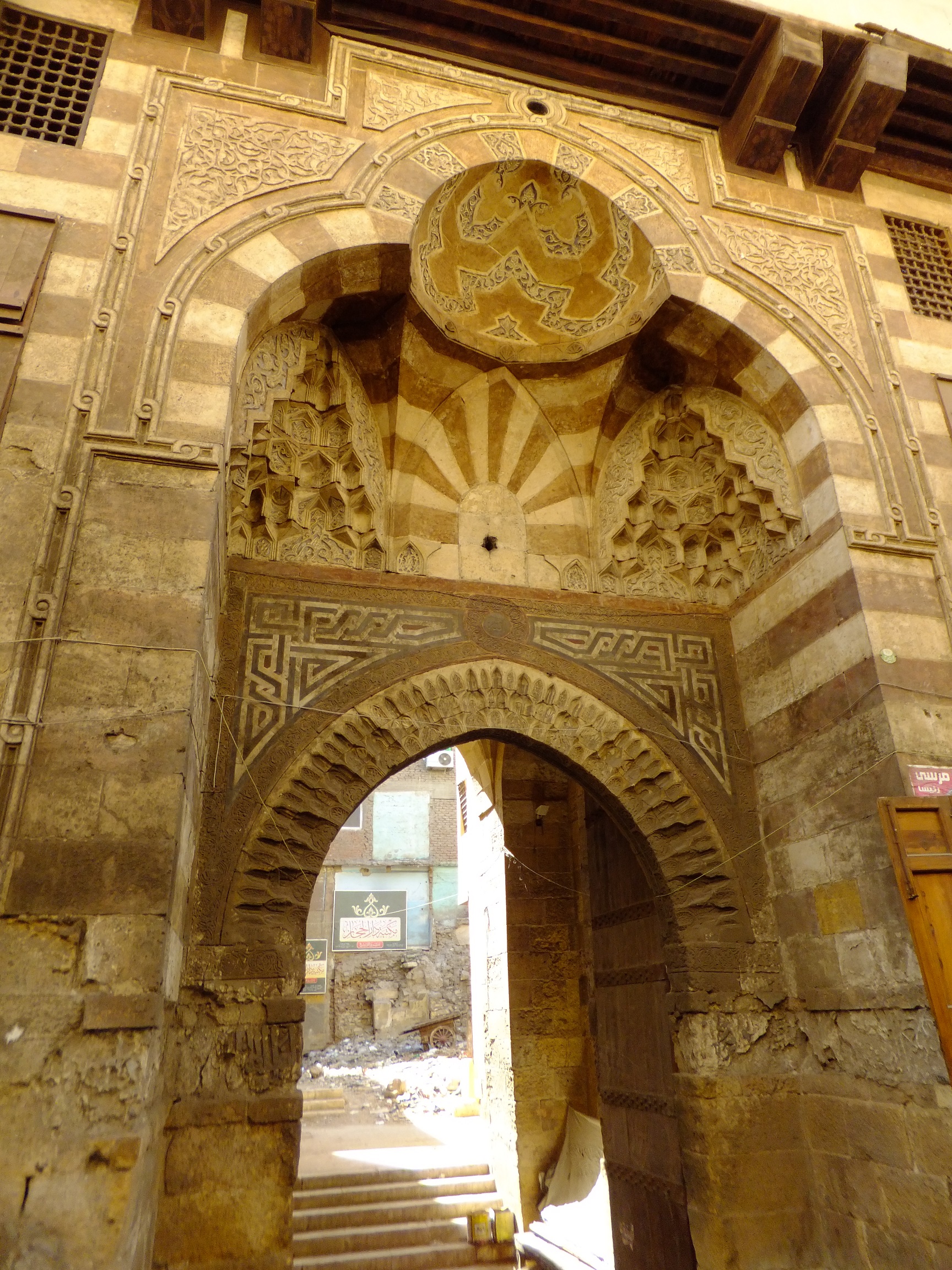 Qaytbay WikalaAttraction · 30 min · Free
The Wikala of Qaytbay is a restored 15th-century Ottoman caravanserai on al-Muizz Street. Its arcaded courtyard once housed merchants and stored goods on the overland trade route; today it hosts rotating craft exhibitions and cultural events.
- Sabil-Kuttab of Abdel Rahman KatkhudaAttraction · 15 min · Free
The Sabil-Kuttab of Abdel Rahman Katkhuda is one of the most ornate Ottoman-era public fountains in Cairo. The lower floor dispensed free drinking water (sabil), while the upper floor served as a Quran school (kuttab).
 Qasr al-Aini Street Heritage WalkAttraction · 1h · Free
Qasr al-Aini Street is the historical spine of modern Cairo, running from Tahrir Square south to Old Cairo. The boulevard passes the Egyptian Parliament, medical-school campuses and grand 19th-century government buildings that chart the city's modernisation under Khedive Ismail.