Loading city...
Skip to main content
Attractions in Chiang Mai
14 attractions selected in this guide.
 Wat Chiang ManAttraction · 45 min · Free
Wat Chiang Man is the oldest temple in Chiang Mai, established in 1296 by King Mengrai at the site where he camped while supervising construction of his new capital city. It houses two important Buddha images: the Crystal Buddha and the marble Phra Sila.
 Wat Phra That Doi SuthepAttraction · 1.5h · ฿50
Wat Phra That Doi Suthep is Chiang Mai's most sacred temple, perched at 1,055 metres on the slopes of Doi Suthep mountain. Founded in 1383 during the reign of King Kue Na, the temple enshrines a relic of the Buddha and is the spiritual heart of the Lanna region.
 Wat Chedi LuangAttraction · 1h · ฿50
Wat Chedi Luang stands at the centre of the Old City and once housed the Emerald Buddha. Its massive brick chedi, originally 82 metres tall, was partially toppled by an earthquake in 1545 and now rises to about 60 metres—still one of the tallest structures in the historic quarter.
 Wat Phra SinghAttraction · 1h · ฿50
Wat Phra Singh is the most revered temple within the Old City walls, home to the Phra Singh (Lion Buddha) image—one of northern Thailand's most sacred icons. The compound is a masterclass in Lanna architecture, with tiered roofs, gilded gables, and intricate wood carvings.
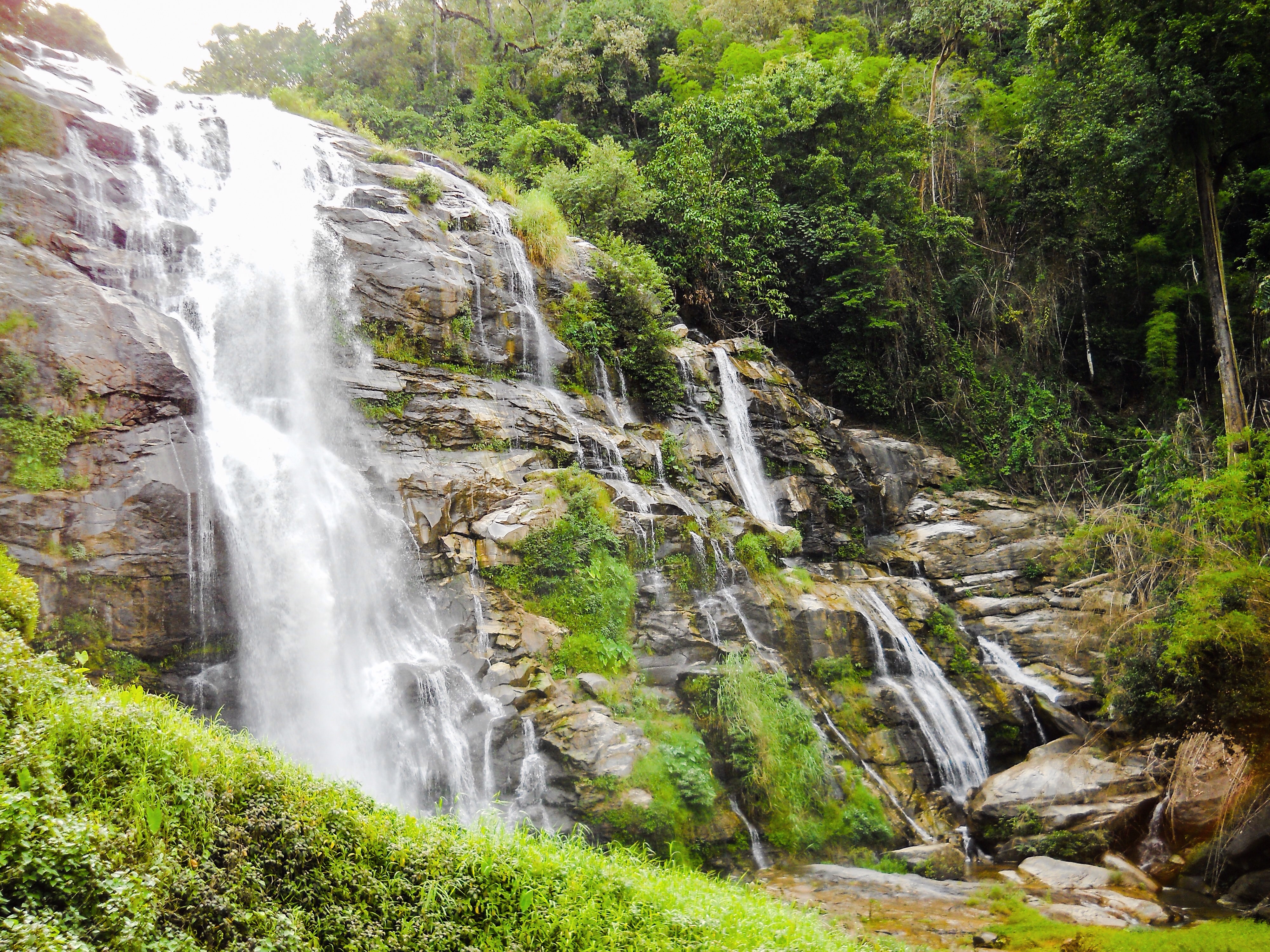 Doi Inthanon National ParkAttraction · 5h · ฿300
Doi Inthanon is the highest peak in Thailand at 2,565 metres, located about 90 km southwest of Chiang Mai. The national park surrounding it is a mosaic of cloud forests, waterfalls, hill-tribe villages, and the striking Twin Royal Pagodas at the summit ridge.
 Wat Suan DokAttraction · 45 min · Free
Wat Suan Dok, the "Flower Garden Temple," sits west of the Old City on Suthep Road. Its open grounds host a striking collection of whitewashed royal chedis against the backdrop of Doi Suthep mountain, making it one of Chiang Mai's most photogenic temple compounds.
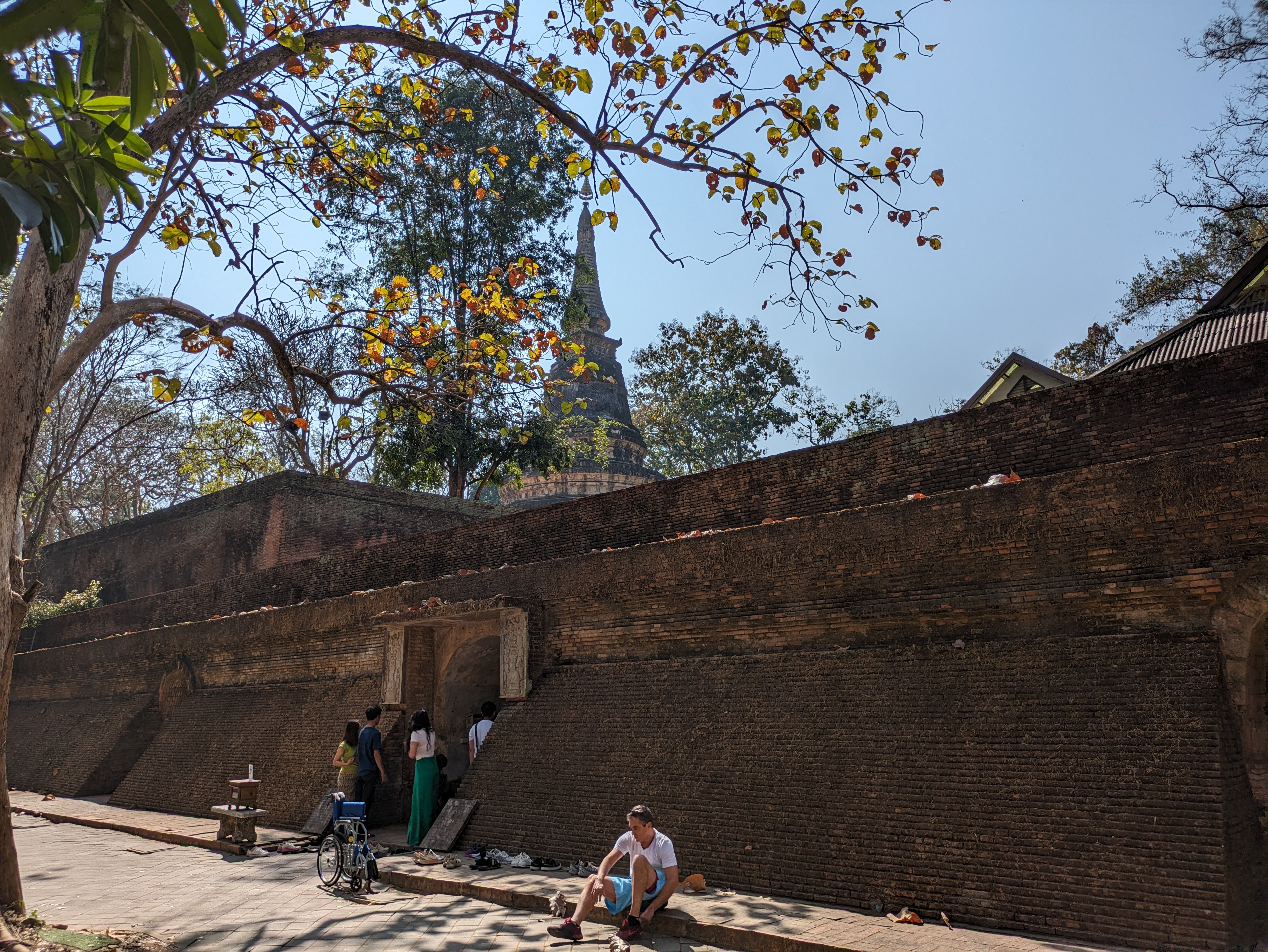 Wat UmongAttraction · 1h · Free
Wat Umong is a 700-year-old forest temple hidden in the foothills west of the city. Unlike Chiang Mai's glittering inner-city temples, Wat Umong is defined by its moss-covered brick tunnels, towering trees, and meditative silence—a genuine escape from the bustle.
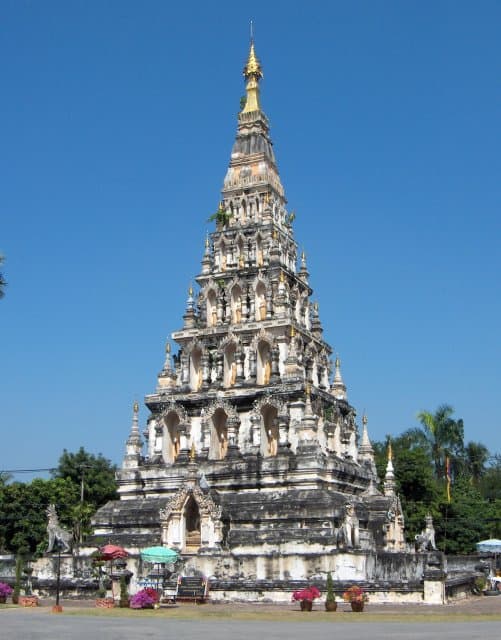 Wiang Kum KamAttraction · 1.5h · Free
Wiang Kum Kam is the excavated archaeological site of an ancient city on the south bank of the Ping River, predating Chiang Mai by several decades. The ruins include partially restored temples, stupa bases, and laterite walls spread across mango orchards and quiet residential land.
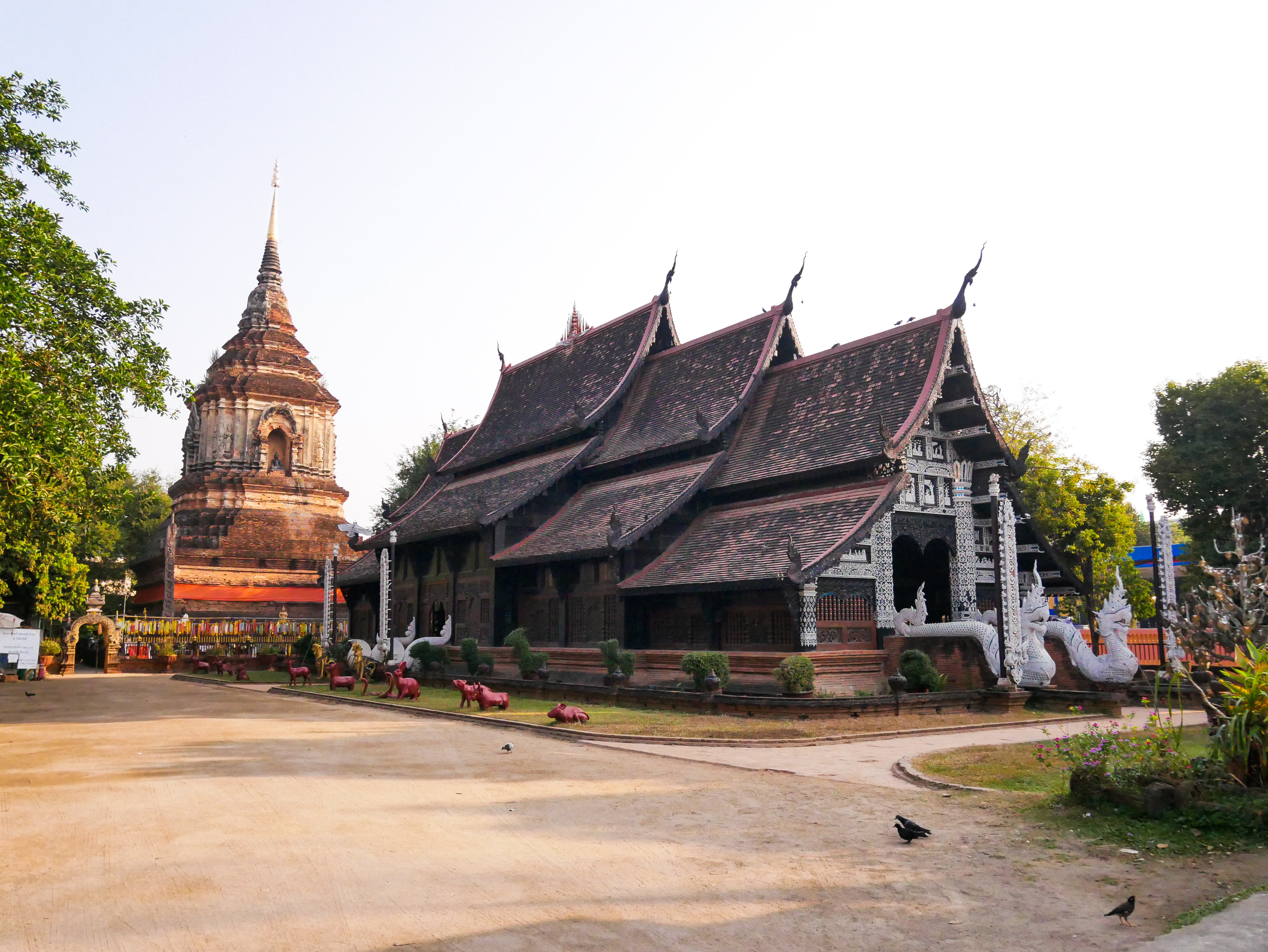 Wat Lok MoleeAttraction · 30 min · Free
Wat Lok Molee is a serene temple just north of the Old City moat, distinguished by its impressive Lanna-era brick chedi and a 500-year-old main hall. It is far less touristed than the Old City's flagship temples, offering an atmospheric and unhurried visit.
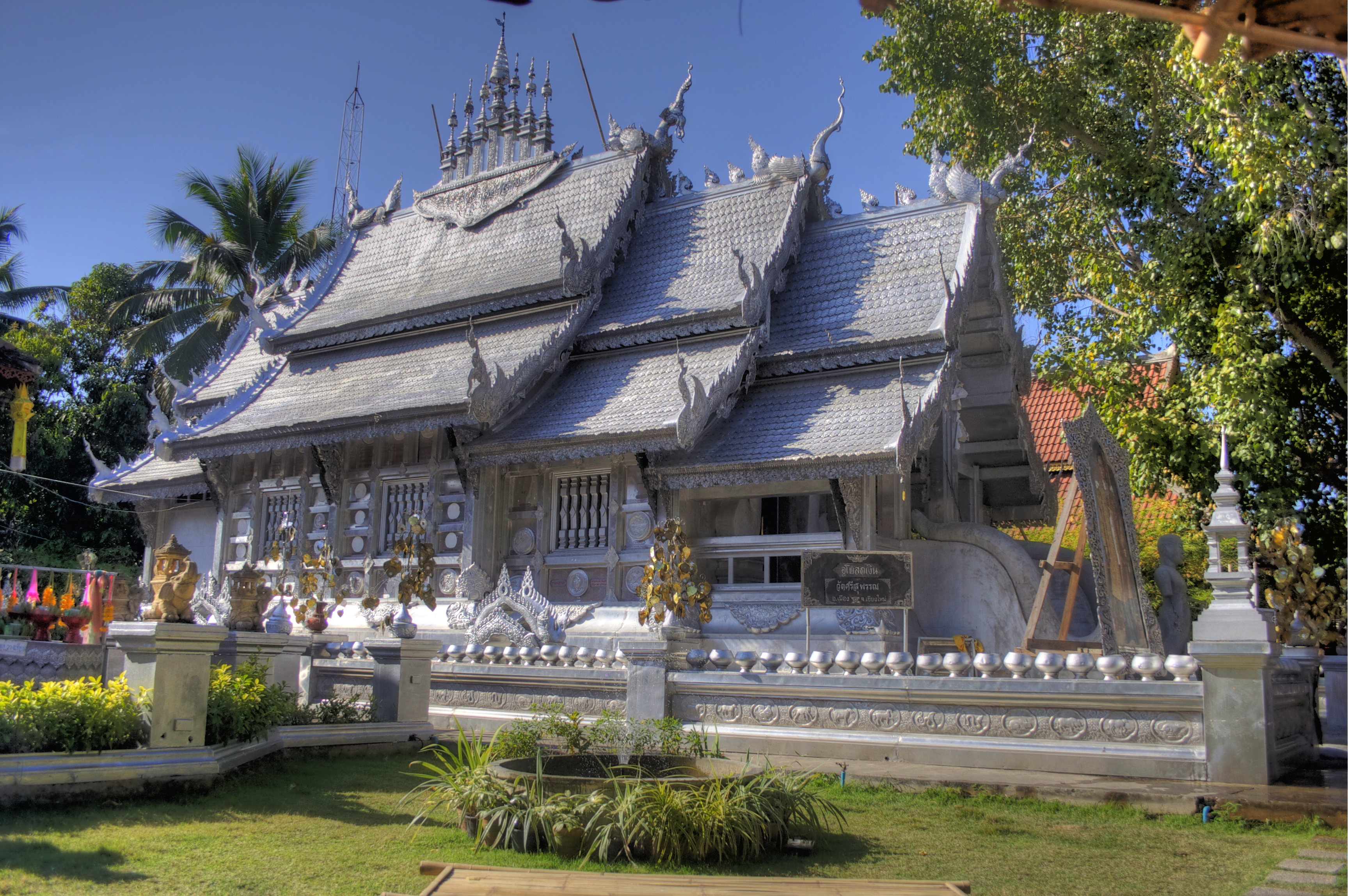 Wat Sri SuphanAttraction · 45 min · ฿50
Wat Sri Suphan, known as the Silver Temple, is an extraordinary chapel where virtually every surface—walls, ceiling, roof—is covered in hand-worked aluminium and silver panels. It stands in the heart of the Wualai silversmiths' quarter south of the Old City.
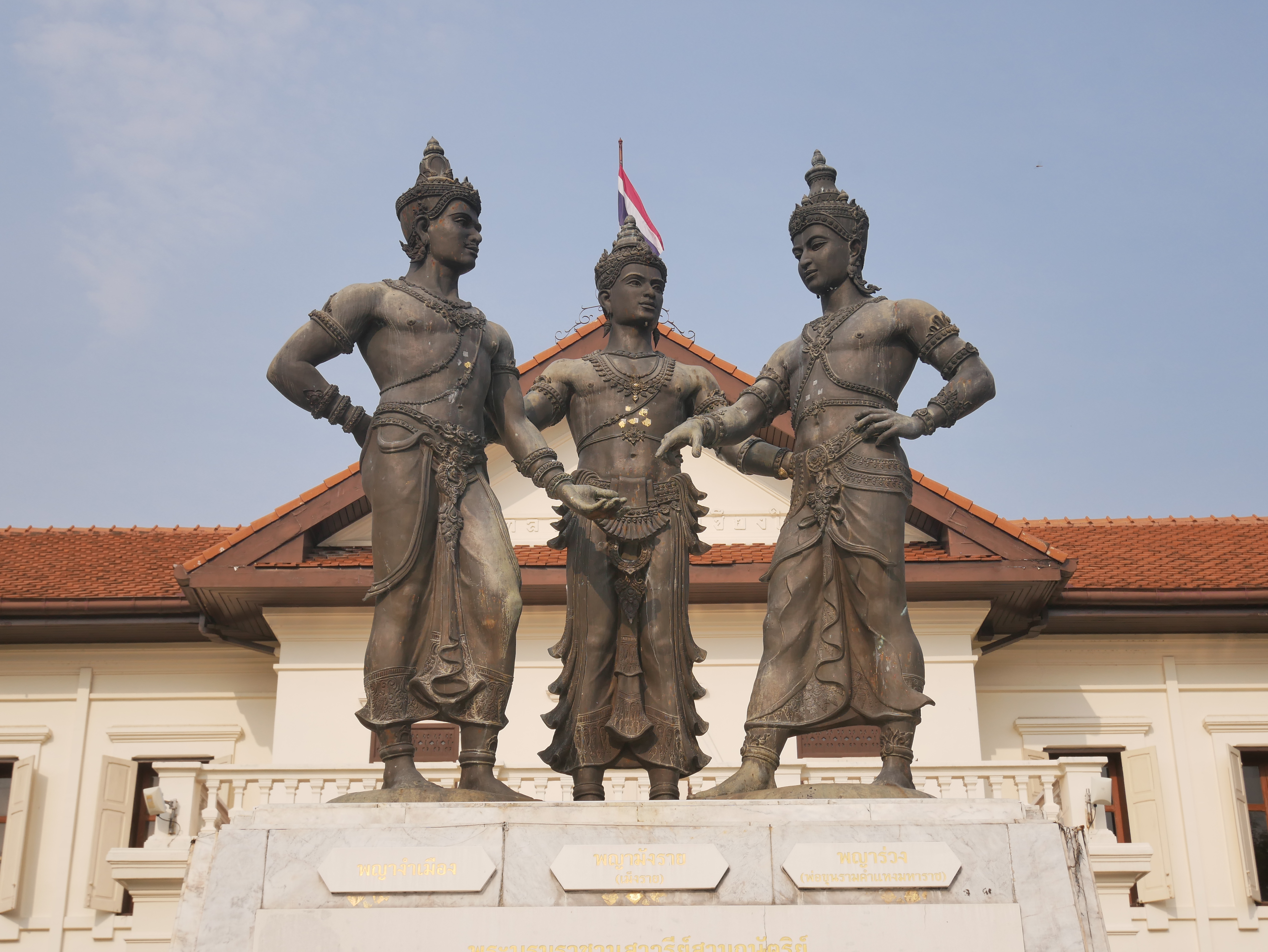 Three Kings MonumentAttraction · 20 min · Free
The Three Kings Monument is a civic landmark at the centre of the Old City, depicting the three monarchs who founded Chiang Mai in 1296: King Mengrai, King Ngam Muang, and King Ramkhamhaeng. It serves as a gathering point and photo stop for visitors exploring the walled quarter.
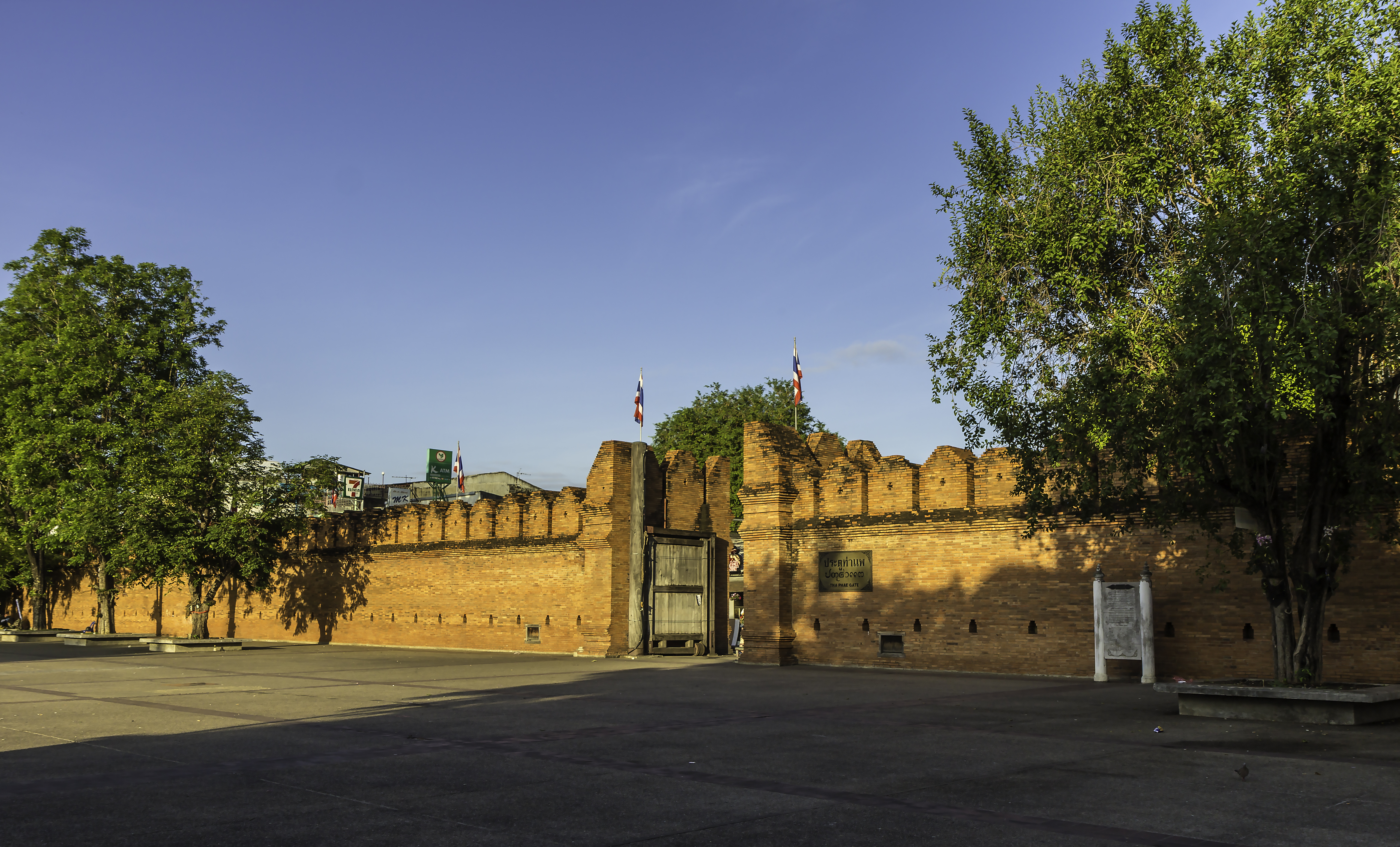 Tha Phae GateAttraction · 20 min · Free
Tha Phae Gate is the most iconic surviving section of Chiang Mai's 13th-century city walls. The reconstructed brick gateway and adjacent moat mark the eastern entrance to the Old City and serve as a natural meeting point, public square, and pigeon-feeding spot.
 Wat Pha LatAttraction · 1h · Free
Wat Pha Lat is a hidden forest monastery partway up the road to Doi Suthep, draped in moss and straddled by a mountain stream. It rarely appears in guidebooks, making it one of Chiang Mai's most atmospheric and uncrowded temple discoveries.
 Borsang Umbrella VillageAttraction · 1h · Free
Bo Sang (Borsang) is a village 9 km east of Chiang Mai that has been crafting hand-painted saa-paper umbrellas and fans for over 200 years. Workshop-showrooms line the main road, and visitors can watch artisans paint floral and mythological designs by hand.