Loading city...
Skip to main content
Attractions in Heraklion
16 attractions selected in this guide.
 Fodele Village – El Greco BirthplaceAttraction · 1h · €2
Fodele is a serene village 28 km west of Heraklion, nestled in a valley of orange groves and traditionally considered the birthplace of Domenikos Theotokopoulos (El Greco). A small museum in a restored stone house commemorates the painter, while the village offers a tranquil escape from the coast.
 Palace of KnossosAttraction · 2.5h · €20
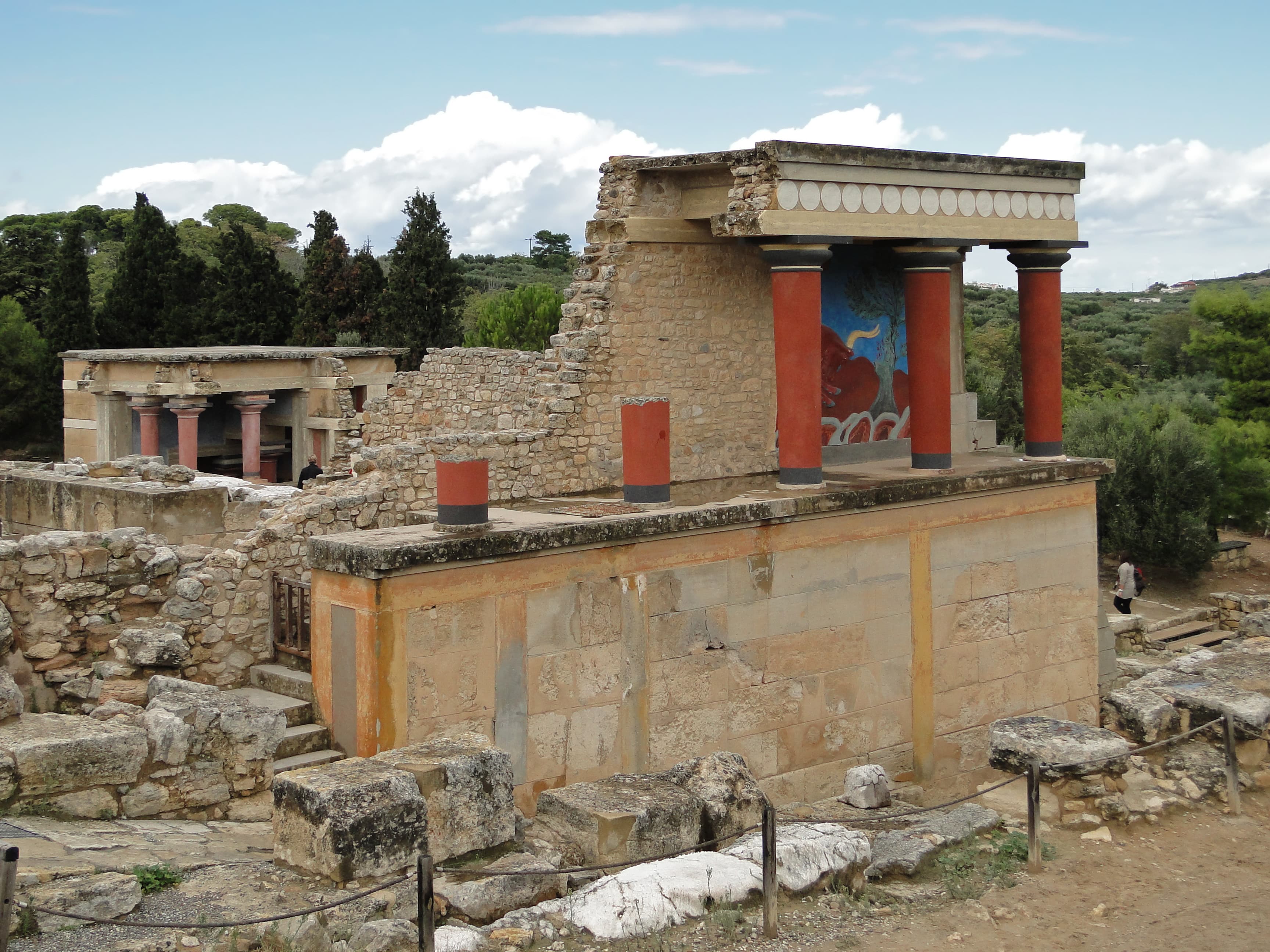
The Palace of Knossos is the largest and most important Minoan archaeological site on Crete, dating back to approximately 1900 BCE. Located 5 km south of Heraklion, it was the ceremonial and political center of the Minoan civilization and is closely linked to the Greek myth of the Labyrinth and the Minotaur. The partially reconstructed ruins, controversially restored by Sir Arthur Evans in the early 20th century, offer a vivid picture of Bronze Age palace life.
 Phaistos PalaceAttraction · 1.5h · €15
Phaistos is the second-largest Minoan palace, perched atop a hill commanding panoramic views of the fertile Messara Plain and the Asterousia Mountains. Unlike Knossos, it has been left unrestored, allowing visitors to see the original ruins as the archaeologists found them. It is the site where the famous Phaistos Disc was discovered.
 Malia PalaceAttraction · 1.5h · €8
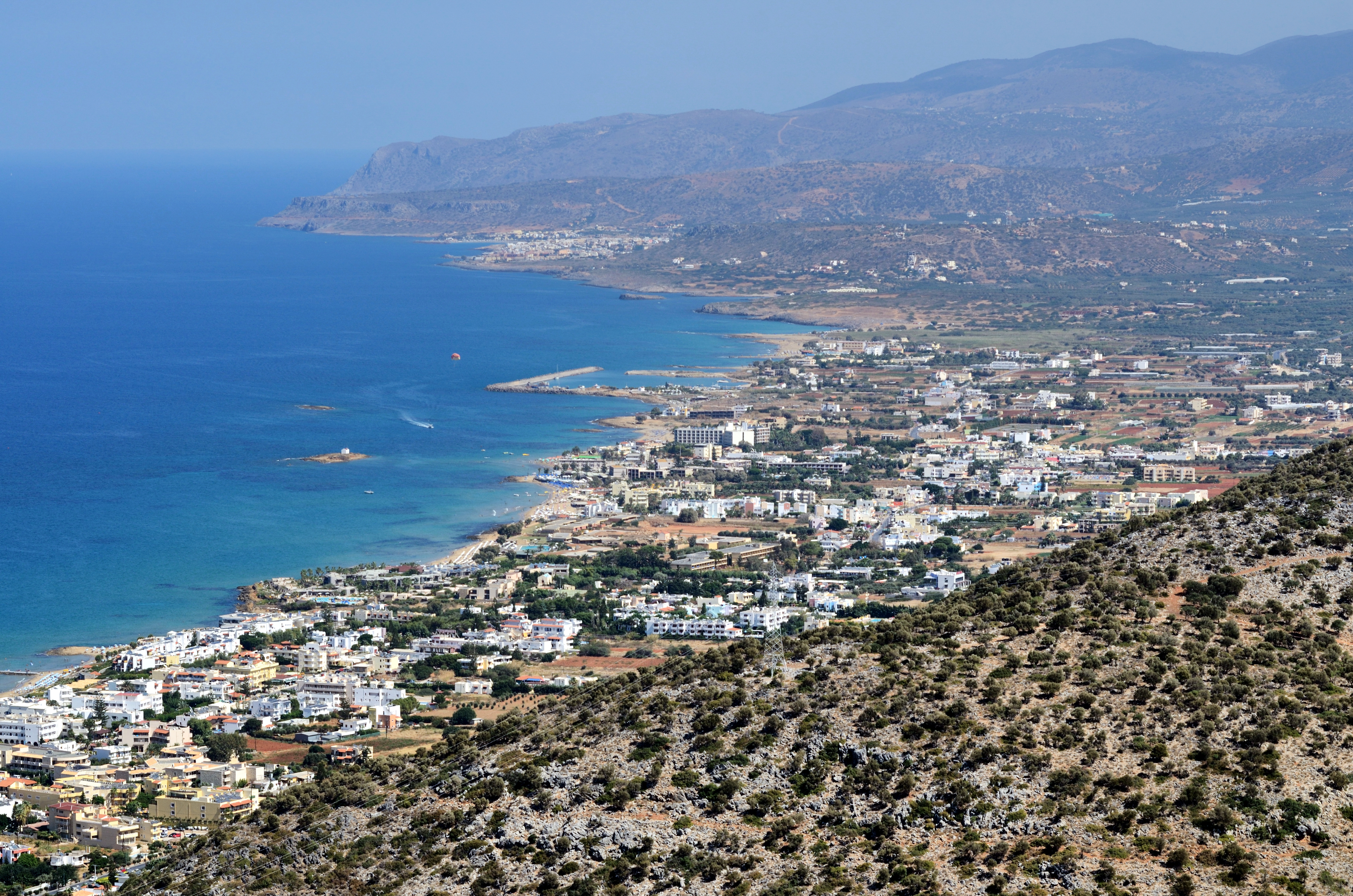
The Palace of Malia is the third-largest Minoan palace complex on Crete, located 37 km east of Heraklion beside the sea. Less reconstructed than Knossos, it offers a more authentic archaeological experience, with original flagstones, storage rooms, and ceremonial areas still clearly visible.
 Koules FortressAttraction · 1h · €10
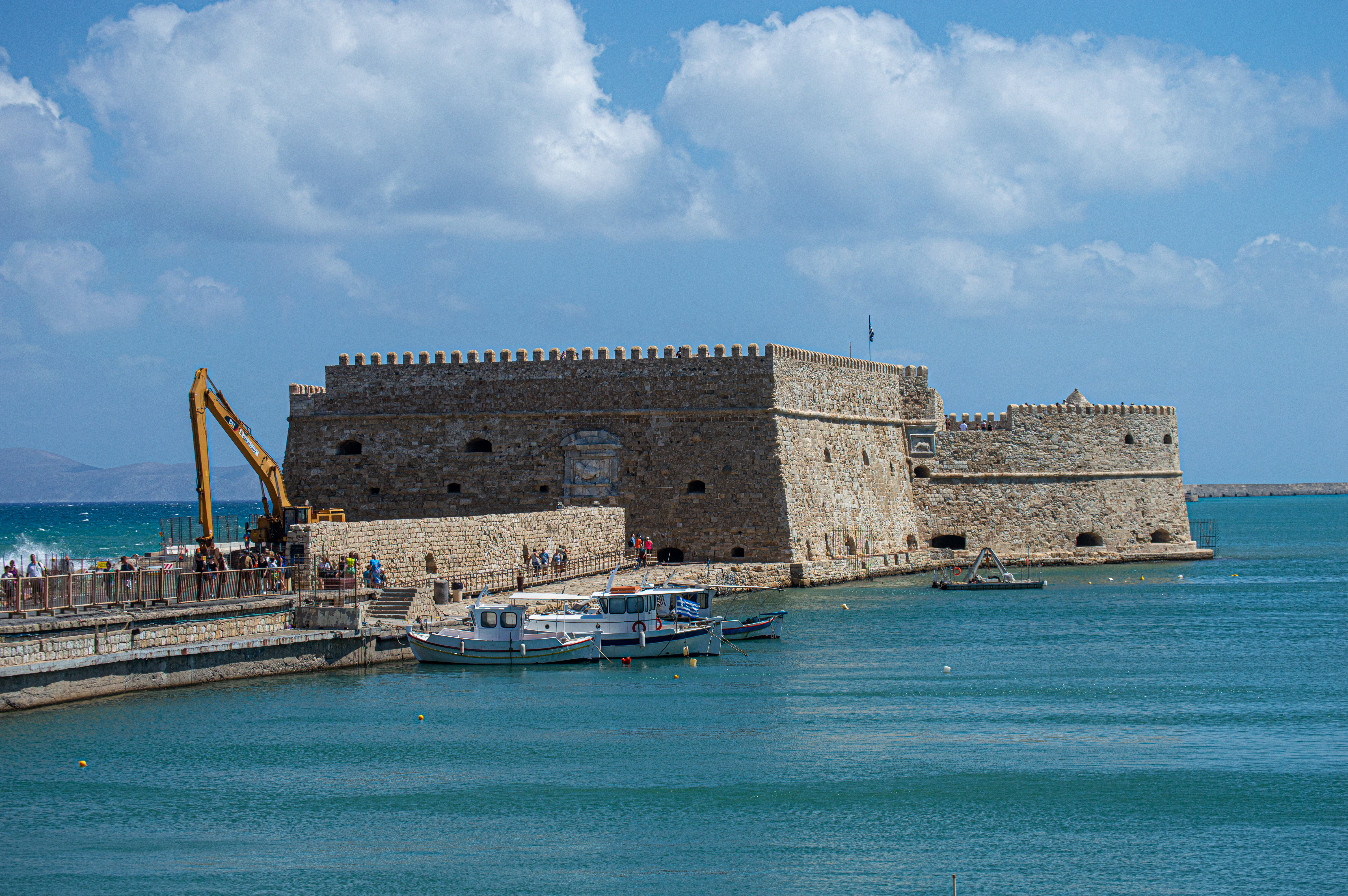
Koules (Castello a Mare) is a massive Venetian sea fortress guarding the entrance to Heraklion's old harbor. Built between 1523 and 1540, it replaced an earlier fortification and served as a military stronghold, prison, and warehouse throughout Venetian and Ottoman rule. Today it hosts cultural exhibitions and offers sweeping views of the harbor and open sea.
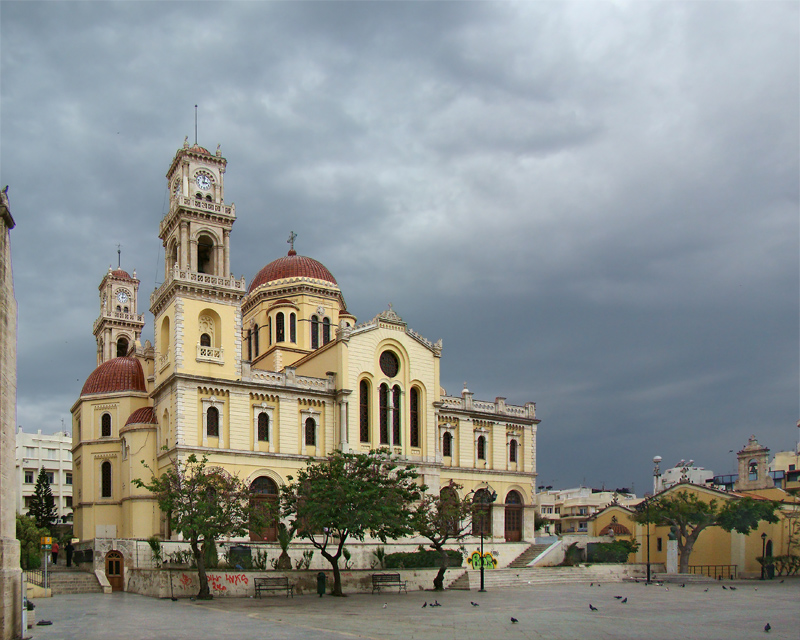 Cathedral of Saint MinasAttraction · 30 min · Free
The Cathedral of Saint Minas (Agios Minas) is one of the largest Greek Orthodox cathedrals in the country, with a capacity of approximately 8,000 worshippers. Its imposing neoclassical façade and grand dome dominate the skyline of the old city. The cathedral is the seat of the Archbishop of Crete.
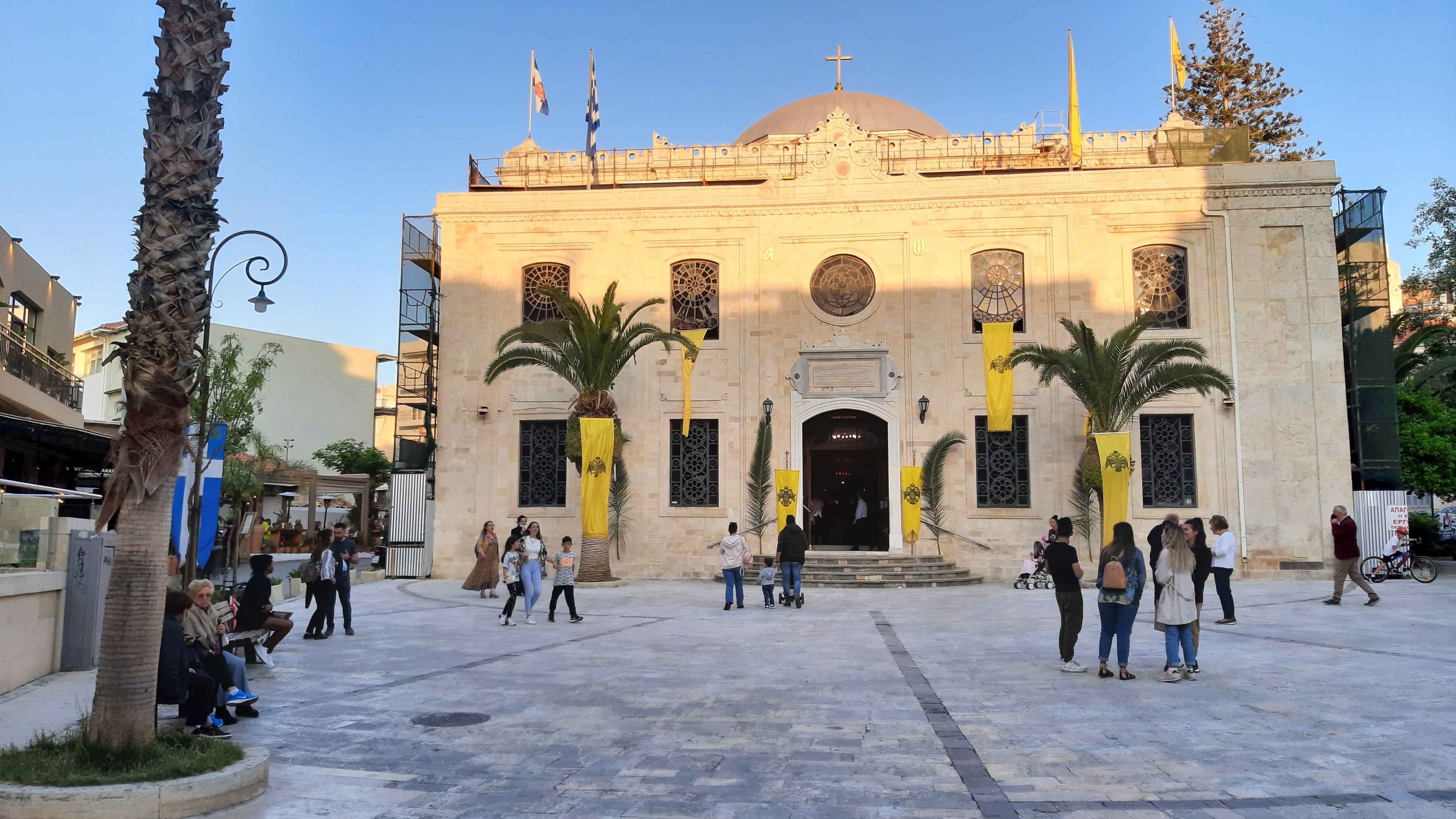 Church of Saint TitusAttraction · 25 min · Free
The Church of Saint Titus (Agios Titos) is a landmark church in central Heraklion, dedicated to the patron saint of Crete. Originally built in the 10th century, it has been rebuilt multiple times in Byzantine, Venetian, and Ottoman styles and stands today as a symbol of the city's layered religious history.
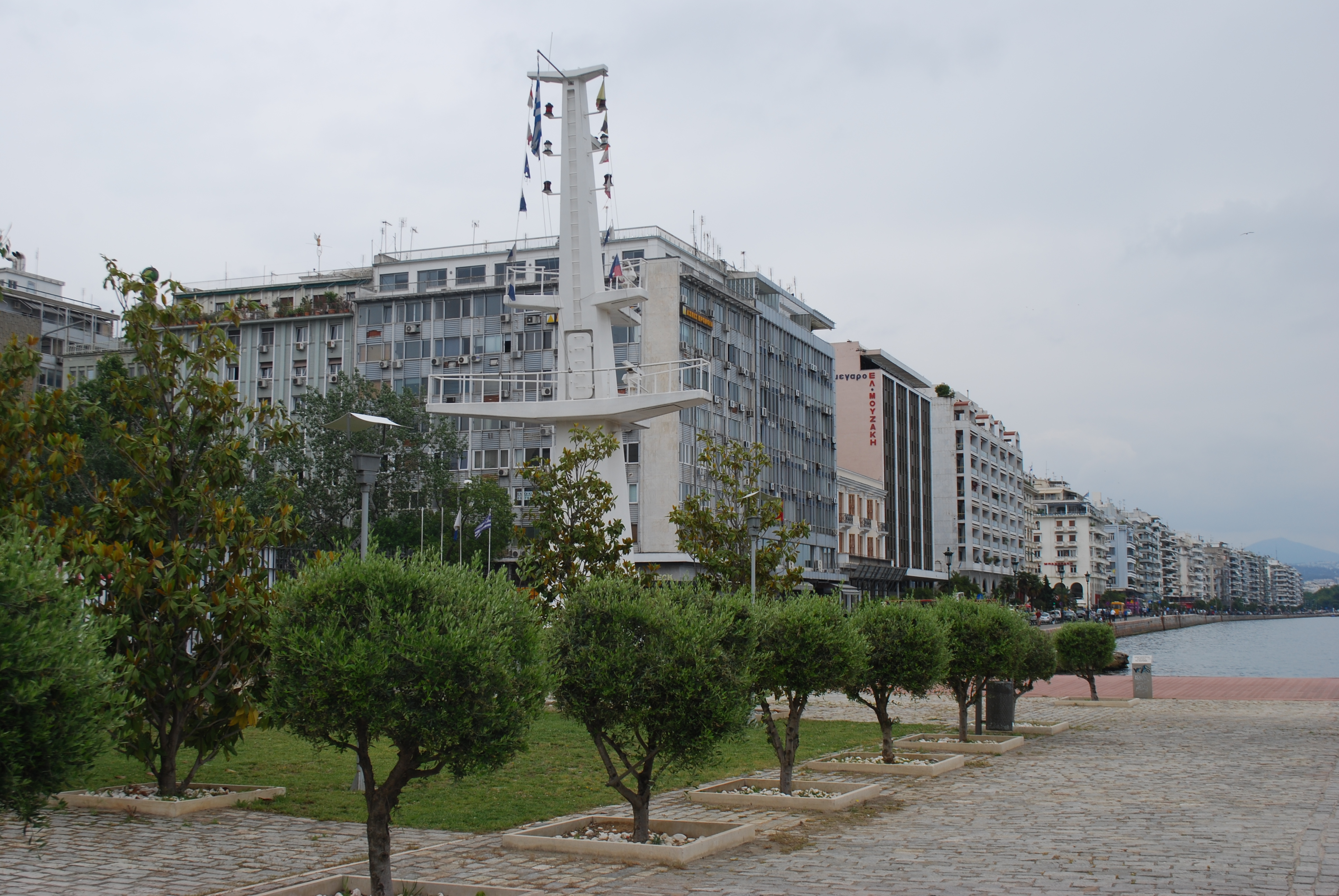 Eleftherias SquareAttraction · 20 min · Free
Eleftherias Square (Liberty Square) is the largest public square in Heraklion, recently redesigned by architect Falk Jaeger into a modern urban plaza with stepped terraces, greenery, and integrated access to the Archaeological Museum. It serves as the civic heart of the modern city.
 Loggia of HeraklionAttraction · 20 min · Free
The Loggia of Heraklion is an elegant Venetian arcade built in the 17th century, serving as the meeting place for the nobility and ruling class of Venetian Candia. Designed by architect Francesco Morosini, it now houses Heraklion's City Hall and has received a Europa Nostra Prize for its meticulous restoration.
 Morosini FountainAttraction · 15 min · Free
The Morosini Fountain (Lions Fountain) is a 17th-century Venetian masterpiece and the iconic symbol of Heraklion. Positioned at the center of Lion Square, it features four carved stone lions supporting a large basin, with intricate relief panels depicting figures from Greek mythology and marine scenes.
 Basilica of Saint MarkAttraction · 30 min · Free
The Basilica of Saint Mark is a 13th-century Venetian church on the western edge of Lion Square, now repurposed as the Municipal Art Gallery of Heraklion. Originally the cathedral of the Duke of Crete, its elegant stone exterior and single-nave interior reflect the peak of Venetian ecclesiastical architecture on the island.
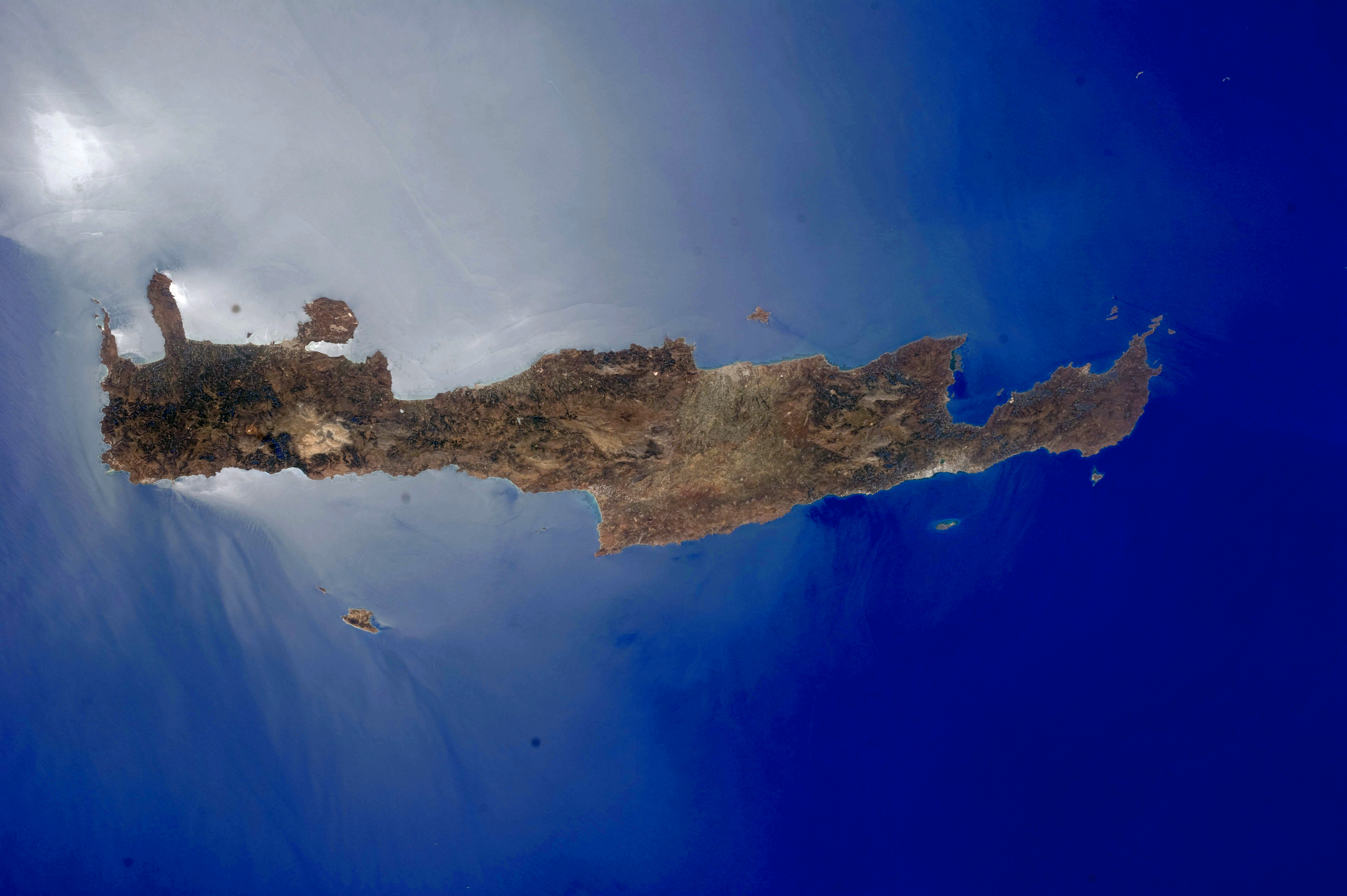 Gortys Archaeological SiteAttraction · 1h · €10
Gortys (Gortyna) was the capital of Roman Crete and the most powerful city on the island from the Roman through early Byzantine periods. The extensive ruins include a famous law code inscription, a Roman odeon, a basilica, and baths, spread across olive groves in the Messara Plain.
- Bembo FountainAttraction · 15 min · Free
The Bembo Fountain is the oldest surviving Venetian fountain in Heraklion, built in 1588 by the Venetian captain Gianmatteo Bembo. Situated at Kornarou Square at the southern end of the old market street, it incorporates a headless Roman statue and ornamental carved spout.
- Venetian Old HarborAttraction · 45 min · Free
The Venetian Old Harbor is the picturesque heart of Heraklion's waterfront, ringed by fishing boats, restored arsenali (Venetian shipyards), and outdoor cafés. Built in the 13th century as the principal port of Candia, it remained the commercial lifeline of Crete for over four centuries. Today it is a favorite evening strolling spot for locals and visitors.
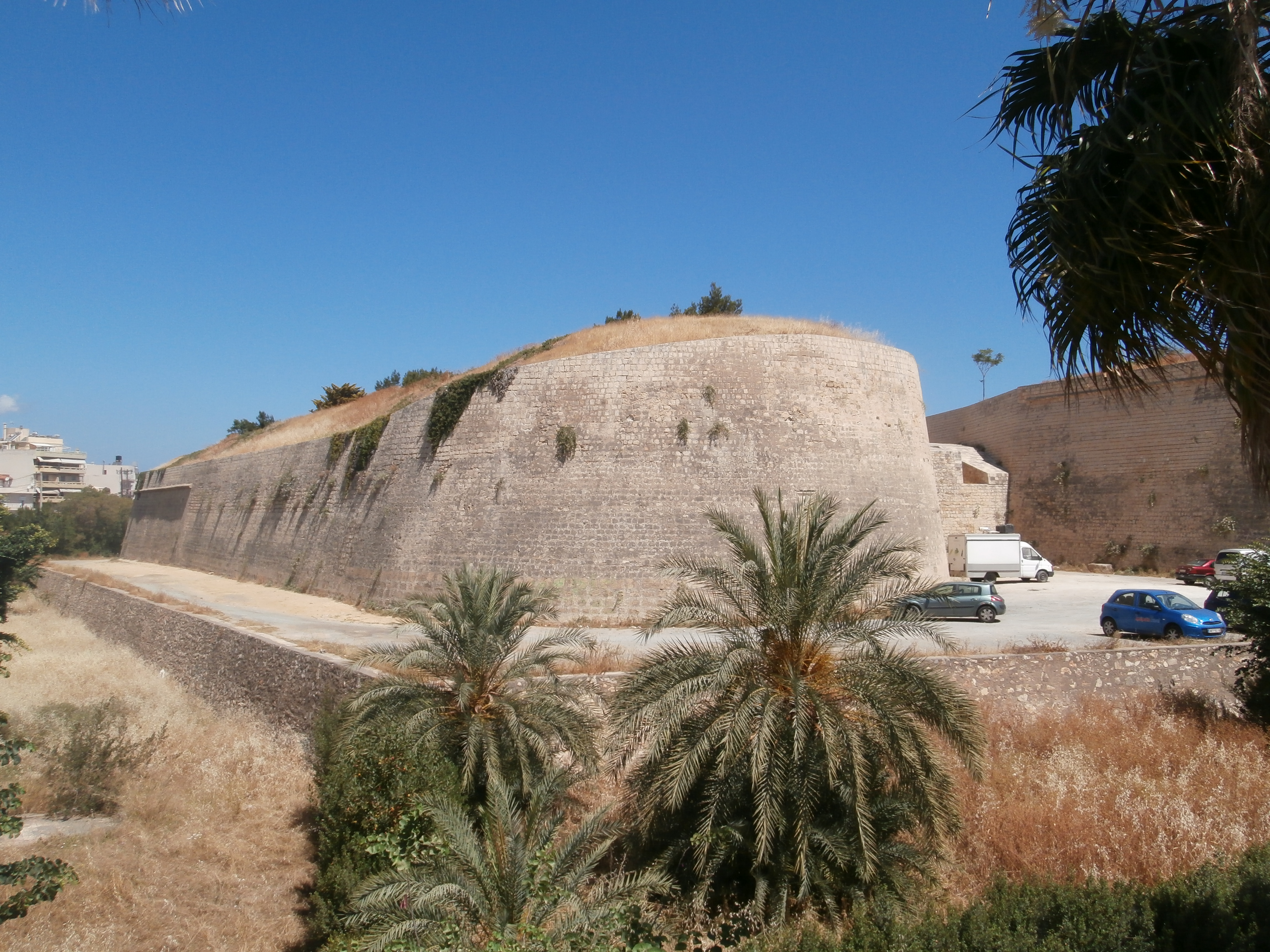 Venetian Walls and Martinengo BastionAttraction · 1h · Free
The Venetian Walls are a massive ring of Renaissance fortifications encircling Heraklion's old city, stretching over 3 km with seven bastions. The Martinengo Bastion, the largest, is the final resting place of the celebrated Greek writer Nikos Kazantzakis. Walking along the walls offers an elevated perspective on the city and the sea.
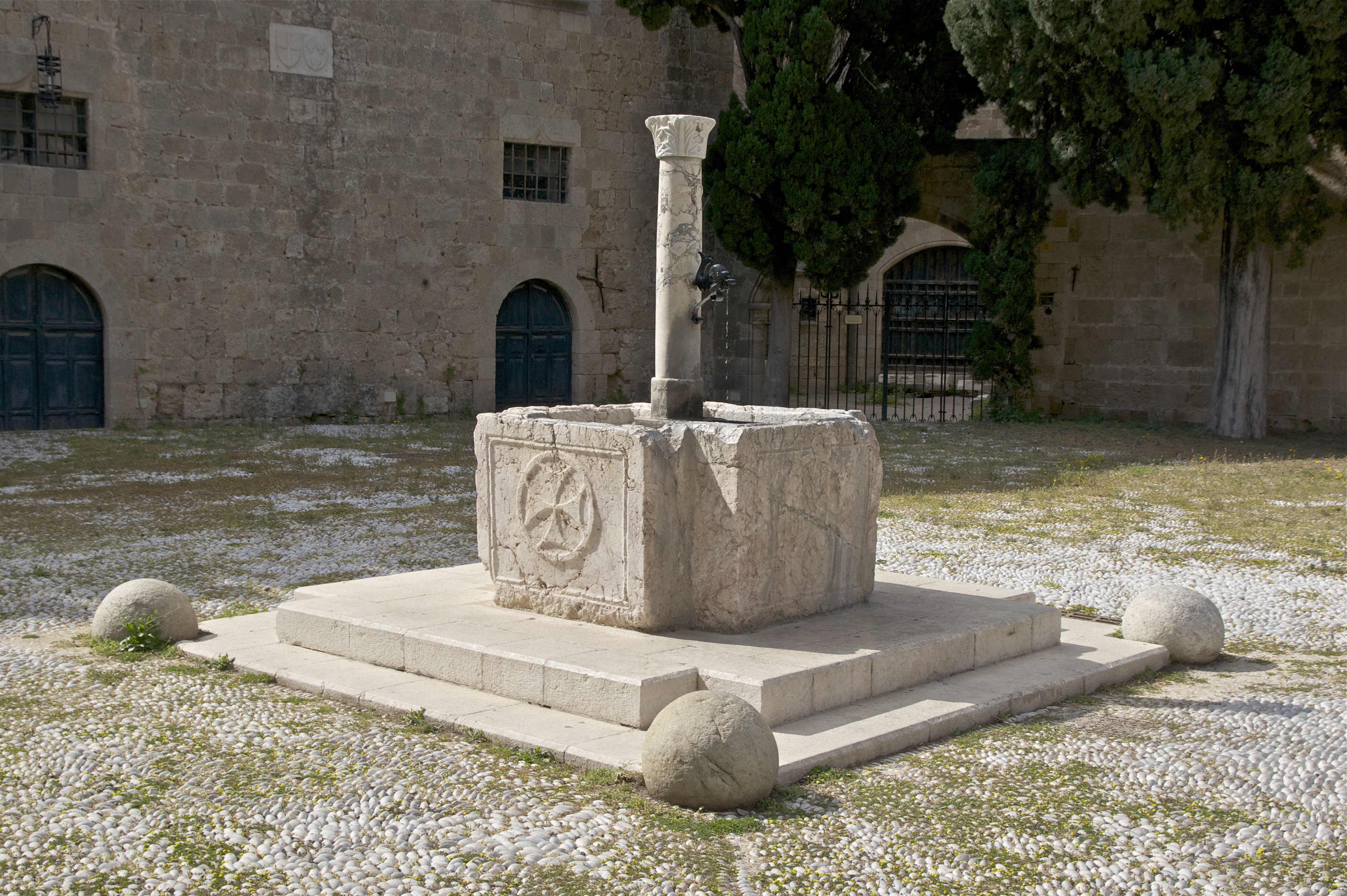 Lion Square (Plateia Venizelou)Attraction · 30 min · Free
Lion Square (Plateia Venizelou) is the vibrant social center of Heraklion, anchored by the 17th-century Morosini Fountain. Surrounded by cafés, shops, and Venetian-era buildings, it has been the city's main gathering place for centuries. The square marks the convergence of major pedestrian streets and is the natural starting point for exploring the old town.