Loading city...
Skip to main content
Attractions in Paris
38 attractions selected in this guide.
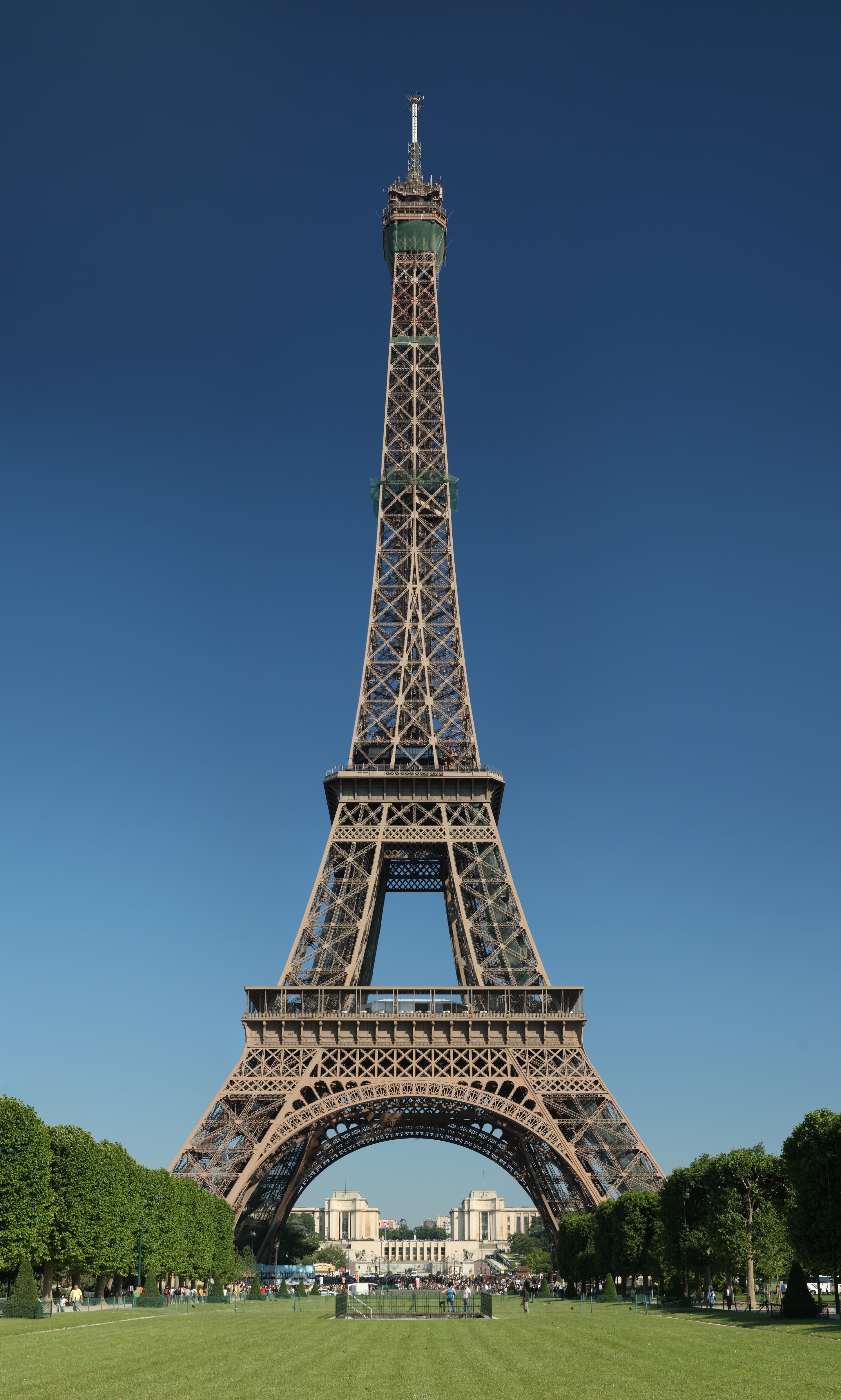 Eiffel TowerAttraction · 2.5h · €37
The Eiffel Tower is the undisputed icon of Paris and one of the most recognizable structures in the world. This soaring, wrought-iron masterpiece stands grandly on the Champ de Mars, offering unmatched panoramic views over the French capital.
 Notre-Dame CathedralAttraction · 45 min · Free
Notre-Dame de Paris is an undisputed masterpiece of French Gothic architecture sitting gracefully on the Île de la Cité. World-famous for its flying buttresses and gargoyles, it remains the spiritual and historical heart of France.
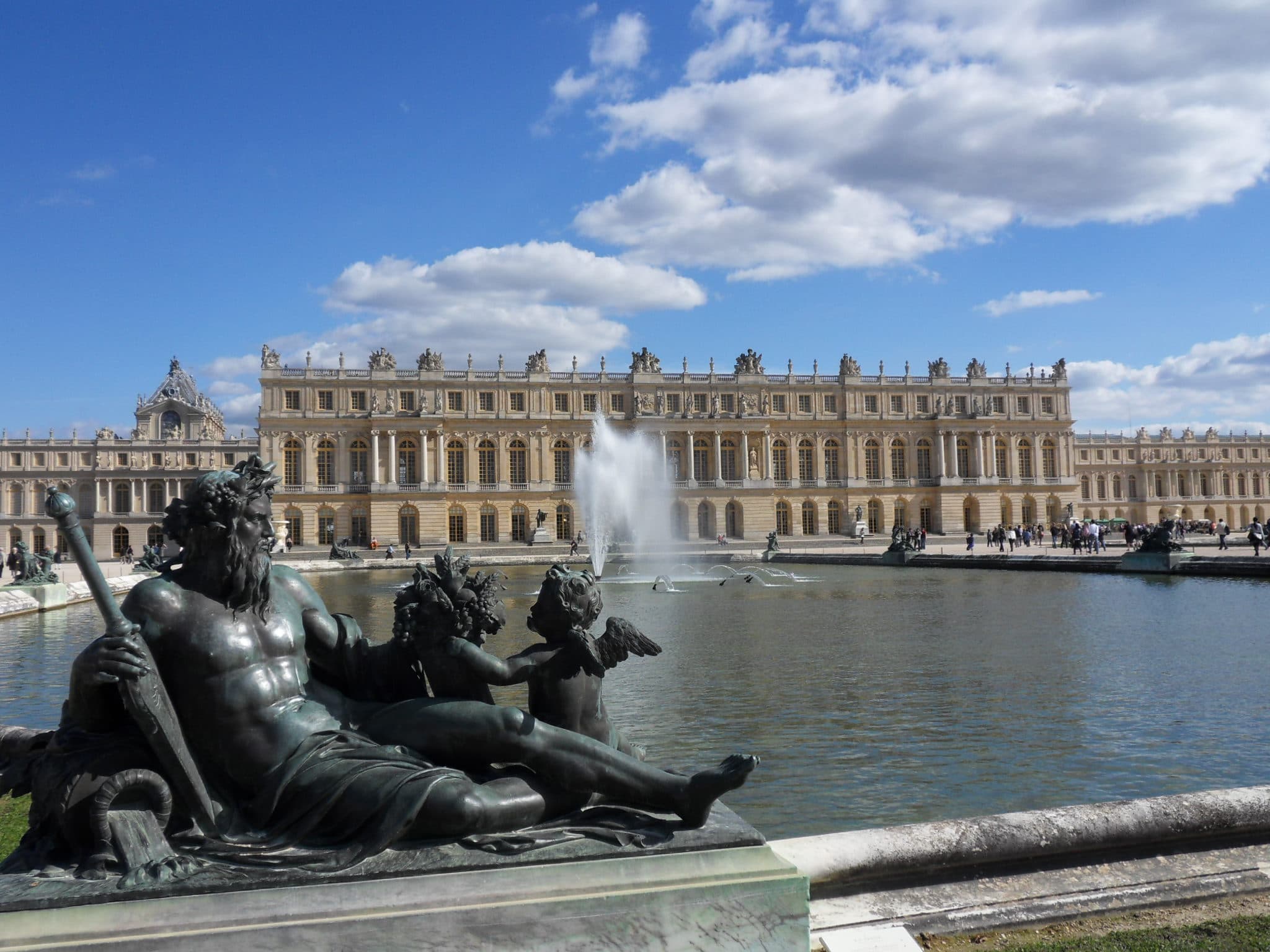 Palace of VersaillesAttraction · 4h · €35
The Palace of Versailles is the ultimate, unrivaled symbol of absolute monarchy and unrestrained opulence. Located 20 kilometres outside Paris, this sprawling complex was the glittering epicenter of French political power for over a century.
 Arc de TriompheAttraction · 1h · €16
The Arc de Triomphe is a colossal, proud neoclassical arch commanding the western end of the Champs-Élysées. It stands as a monumental tribute to those who fought and died for France, anchoring the massive roundabout of Place Charles de Gaulle.
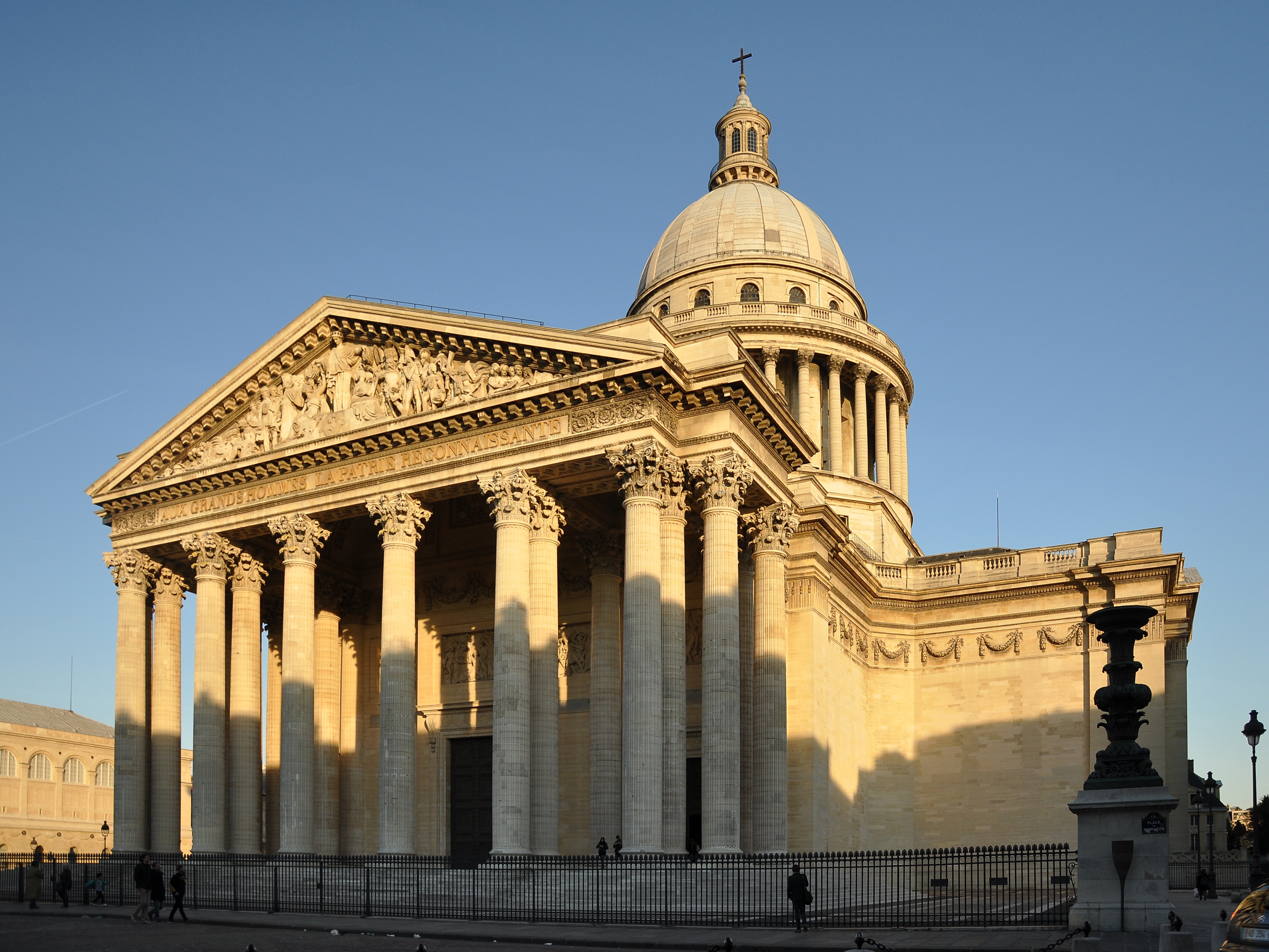 PanthéonAttraction · 1h · €13
Dominating the peak of the Latin Quarter, the Panthéon is a massive, awe-inspiring neoclassical mausoleum. Originally built as a church, it functions today as a secular temple honoring the absolute greatest minds and heroes of the French Republic.
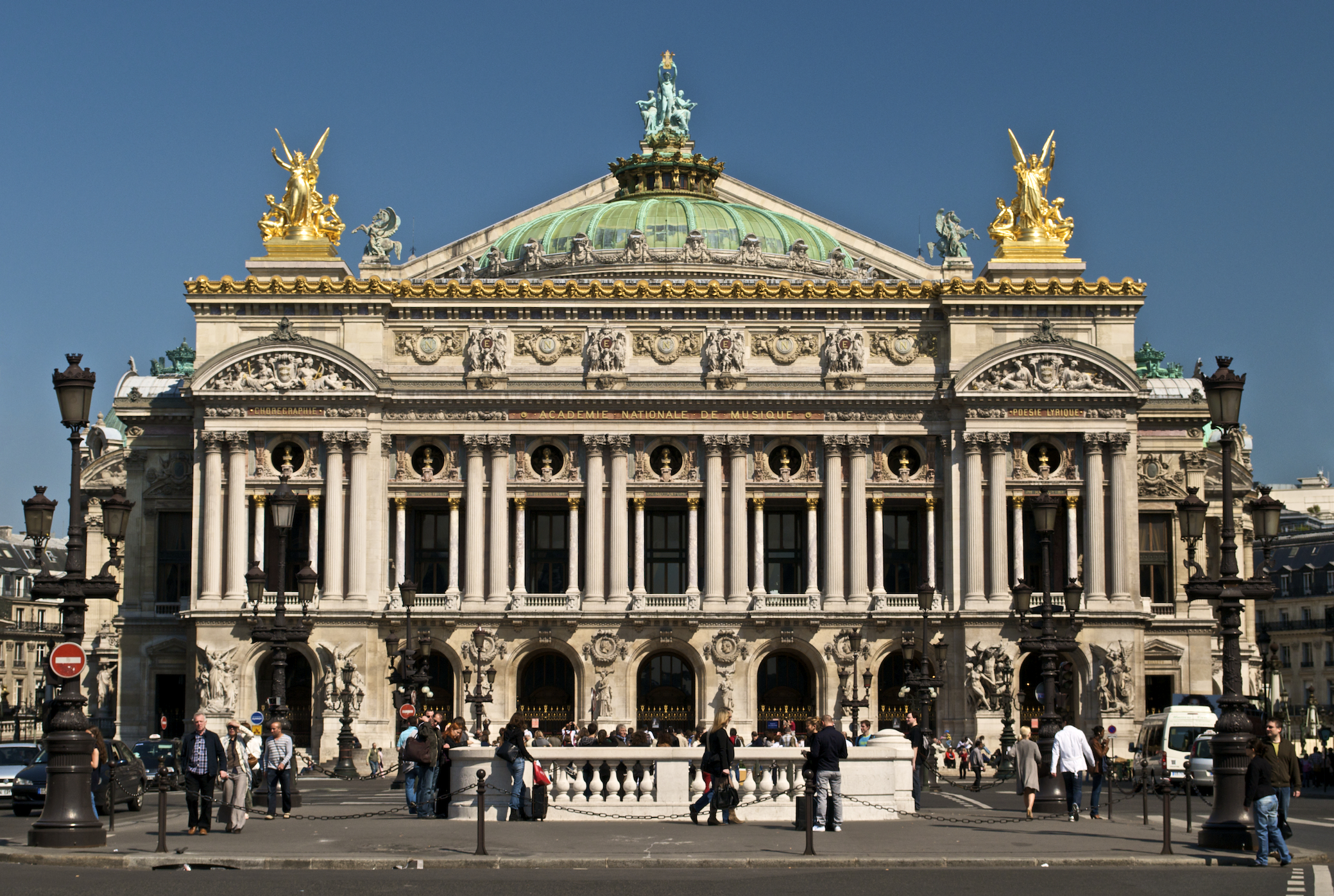 Palais GarnierAttraction · 1.5h · €14
The Palais Garnier is widely considered the most famous opera house in the world. It is an overwhelming, intoxicating masterpiece of Napoleon III architecture, characterized by its unapologetic, glittering opulence and sweeping grand staircases.
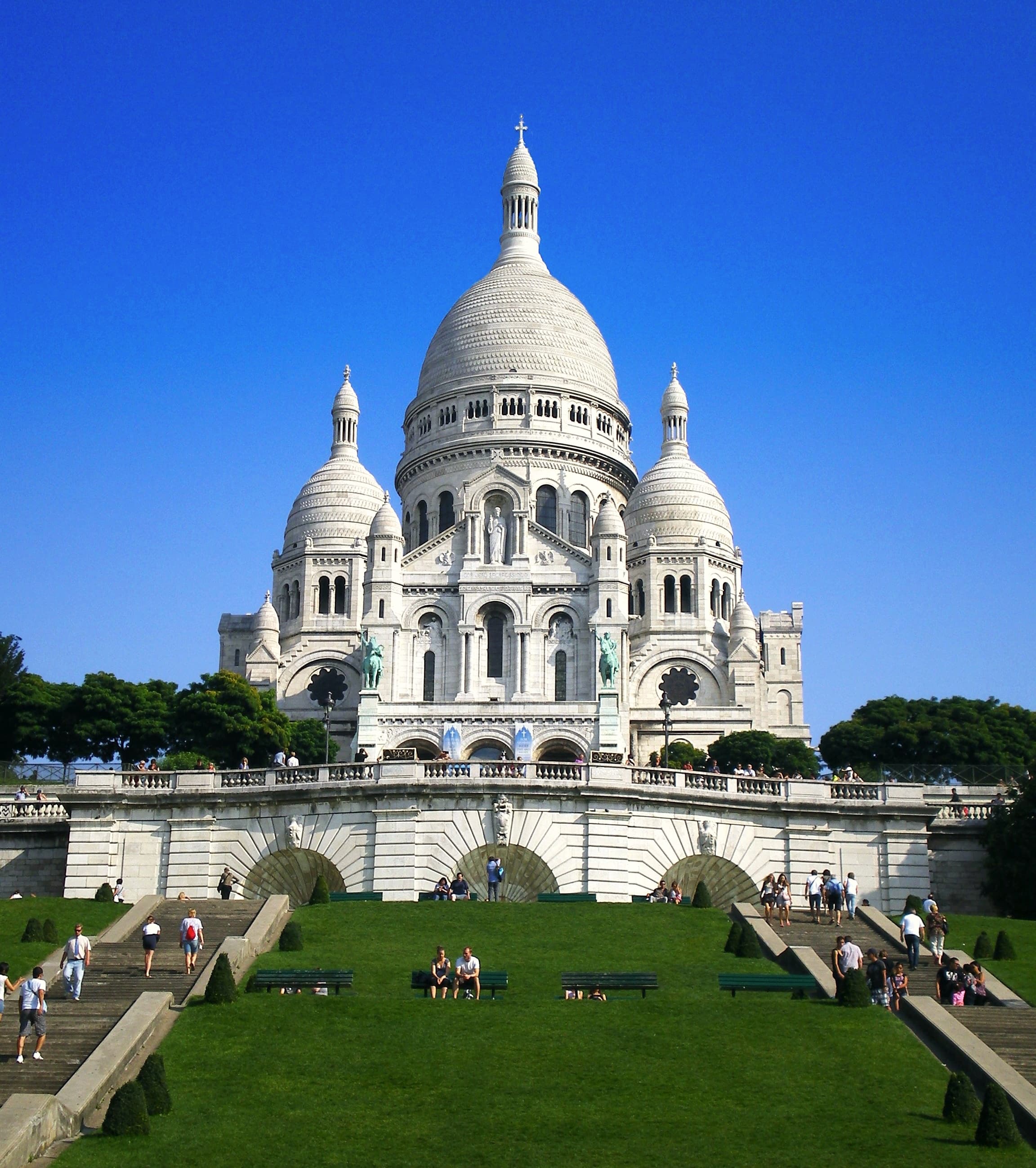 Sacré-Cœur BasilicaAttraction · 1h · Free
Perched at the highest point of the city atop the butte Montmartre, the Sacré-Cœur Basilica is a spectacular, blindingly white Romano-Byzantine church. It offers breathtaking, uninterrupted panoramas across the entire Parisian skyline.
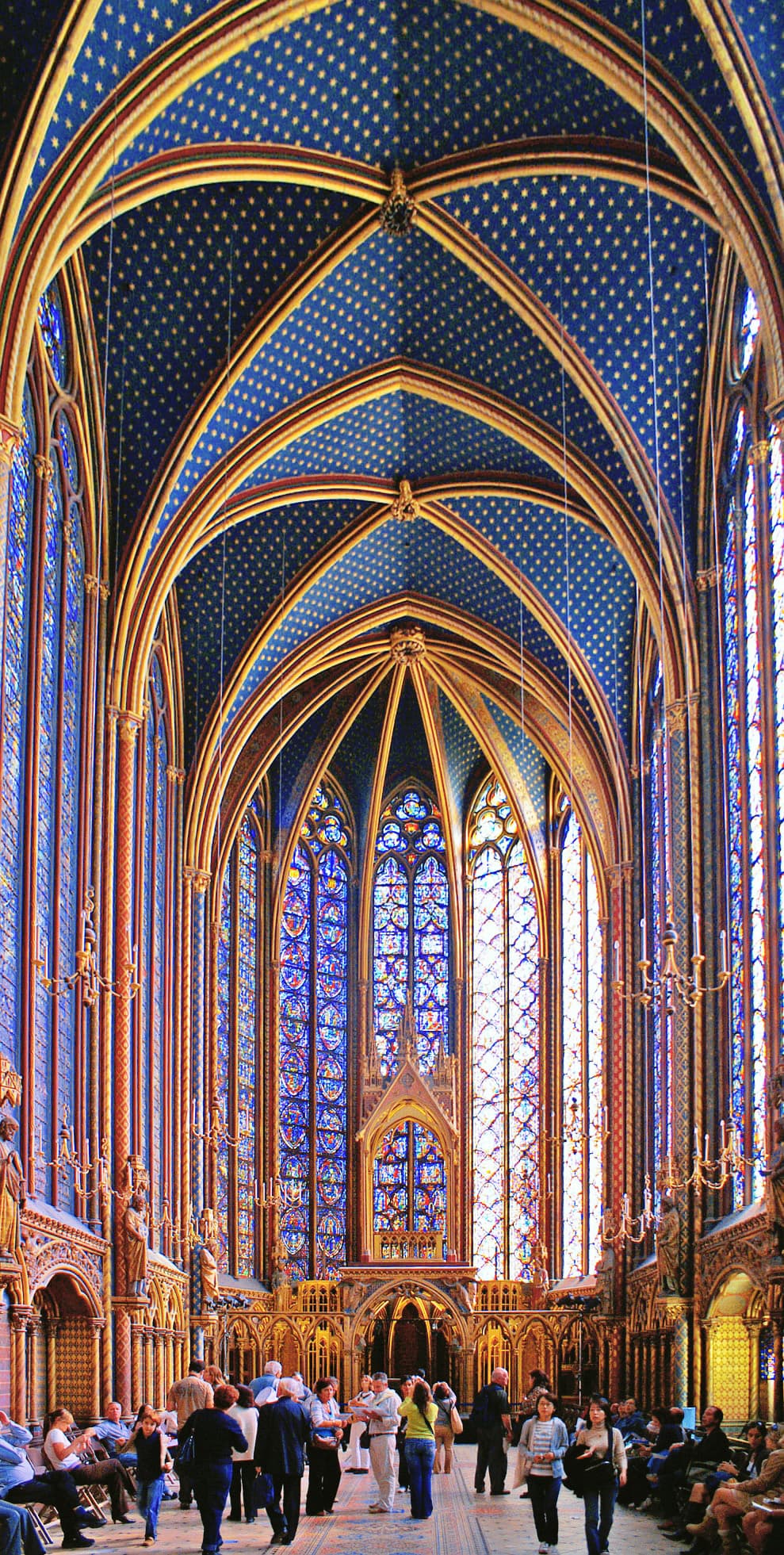 Sainte-ChapelleAttraction · 1h · €22
Hidden within the courtyard of the medieval Palais de la Cité, Sainte-Chapelle is a jaw-dropping architectural jewel. It is considered the absolute pinnacle of the Rayonnant Gothic style, functioning less like a building and more like a towering cage of glass.
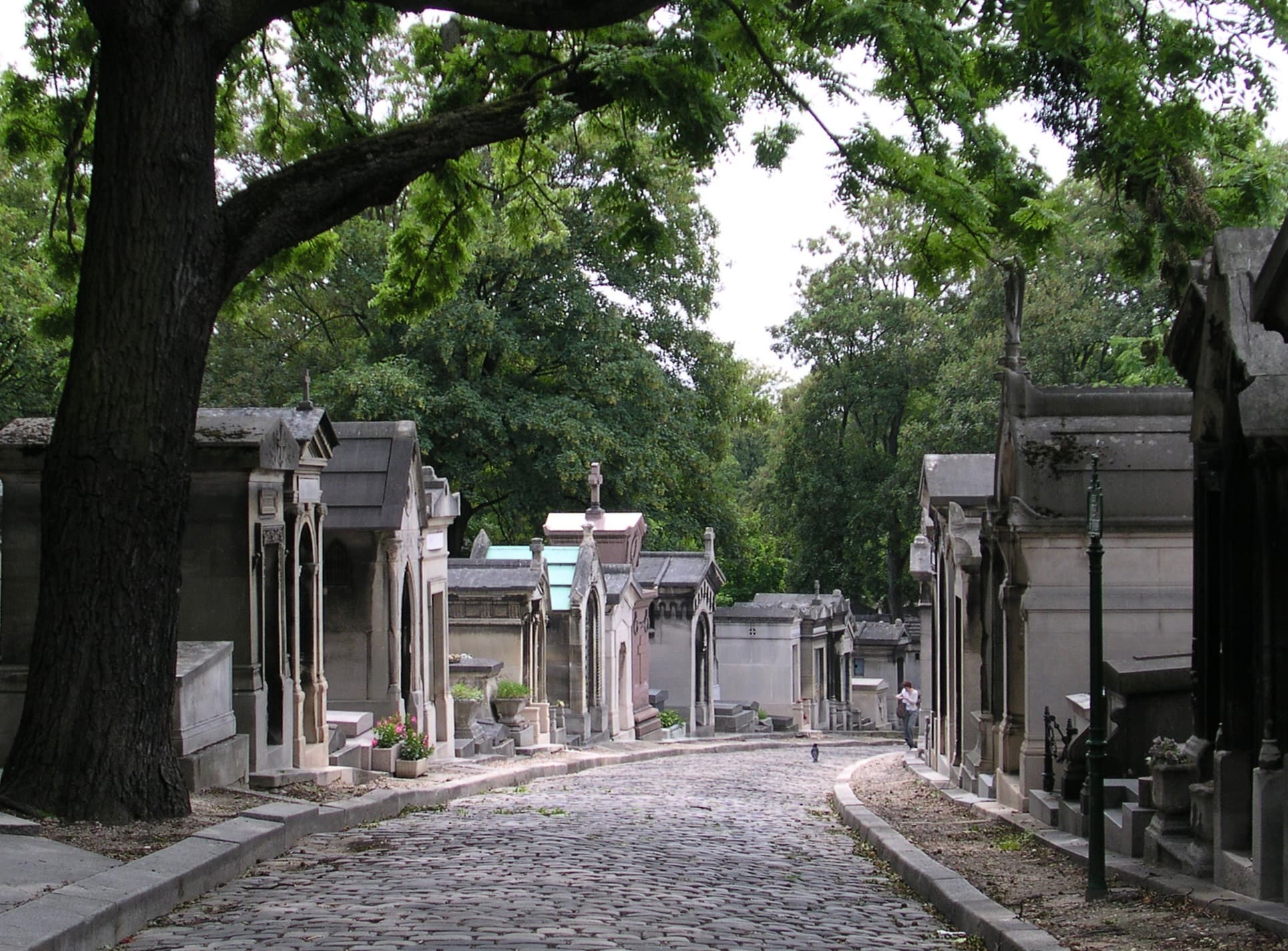 Père Lachaise CemeteryAttraction · 1.5h · Free
Père Lachaise is the largest, most prestigious, and arguably most beautiful cemetery in Paris. Stretching across a hillside in the 20th arrondissement, it is a hauntingly romantic, 44-hectare park filled with winding cobblestone paths and spectacular funerary architecture.
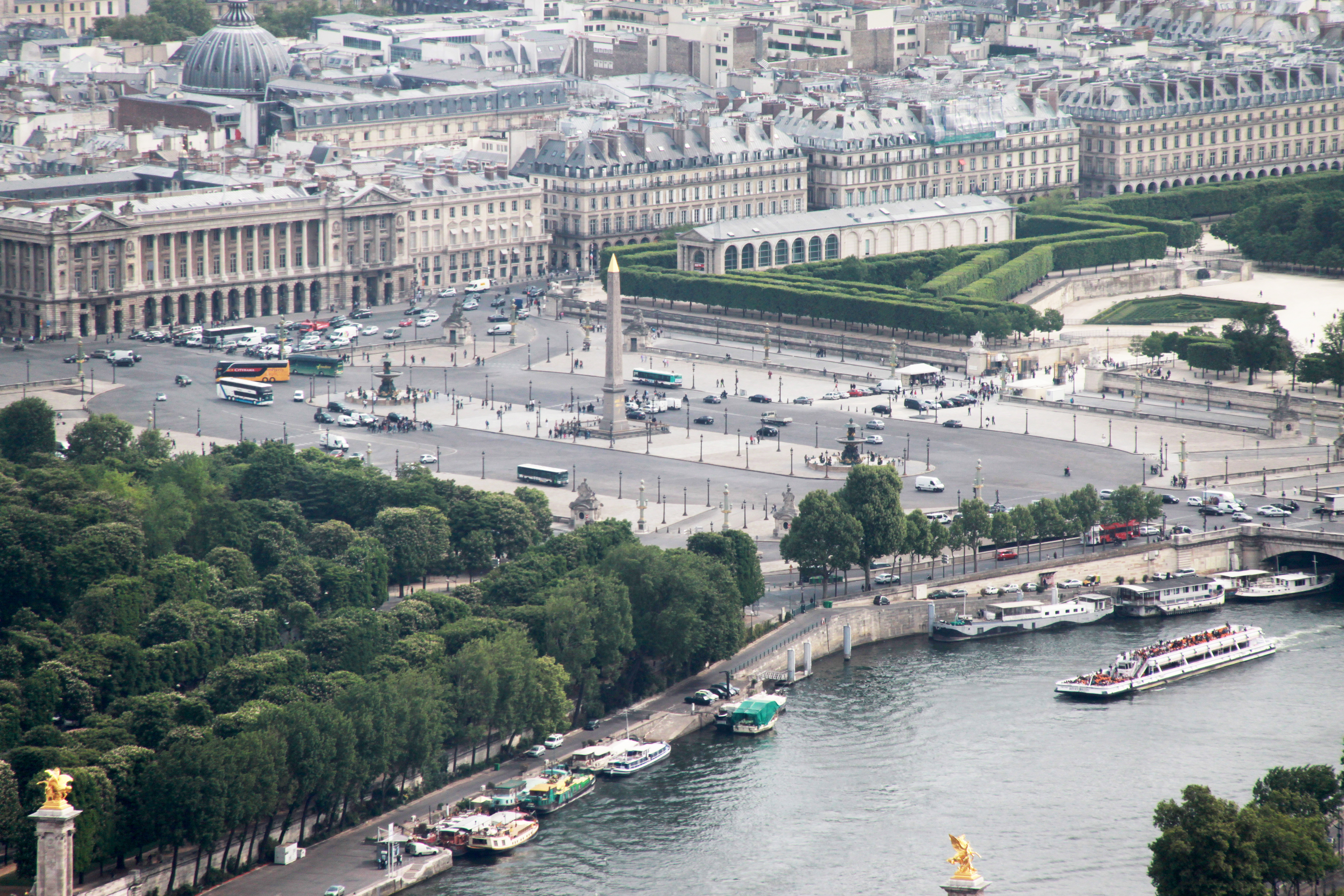 Place de la ConcordeAttraction · 30 min · Free
Place de la Concorde is the largest public square in Paris, sitting at the eastern end of the Champs-Élysées. Grand, monumental, and chaotic, it serves as a spectacular open-air vestibule connecting the Louvre, the Tuileries, and the Seine.
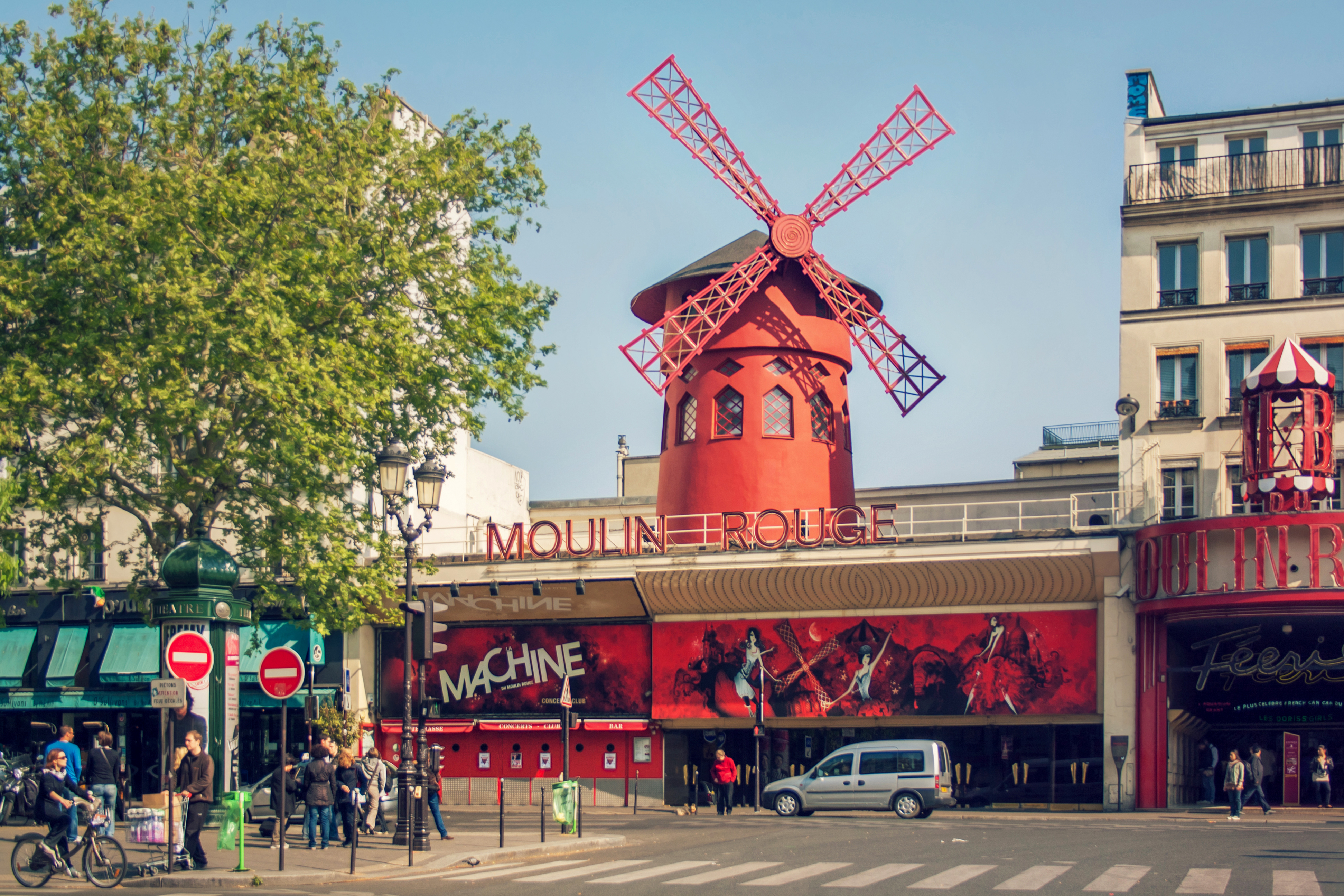 Moulin RougeAttraction · 2h · €100
The Moulin Rouge is the flamboyant, world-famous spiritual birthplace of the modern can-can dance. Located at the foot of Montmartre in the Pigalle district, its iconic, slowly spinning red windmill remains a global symbol of Parisian nightlife and cabaret.
 Hôtel des InvalidesAttraction · 2h · €14
With its magnificent, towering golden dome catching the sun across Paris, Les Invalides is a vast complex dedicated to the military history of France. It serves as both a museum and the final resting place of the country's greatest military figures.
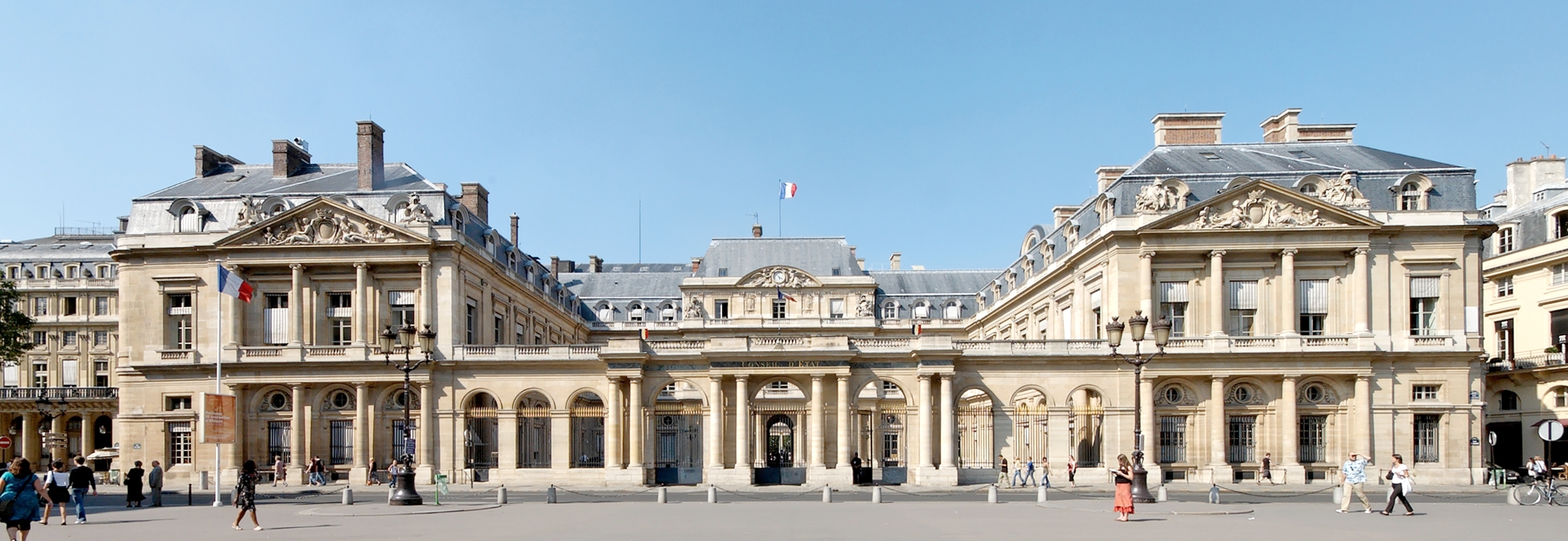 Palais RoyalAttraction · 30 min · Free
Hidden in plain sight directly across from the Louvre, the Palais Royal offers a pristine, impossibly elegant retreat from the city crowds. The former royal palace features a stunning enclosed courtyard and perfectly manicured, tree-lined gardens.
 Grand PalaisAttraction · 1h · €17
The Grand Palais is a massive, awe-inspiring historic exhibition hall commanding the Champs-Élysées. It is globally recognizable for its absolutely staggering glass barrel-vaulted roof, representing the ultimate triumph of Belle Époque architecture.
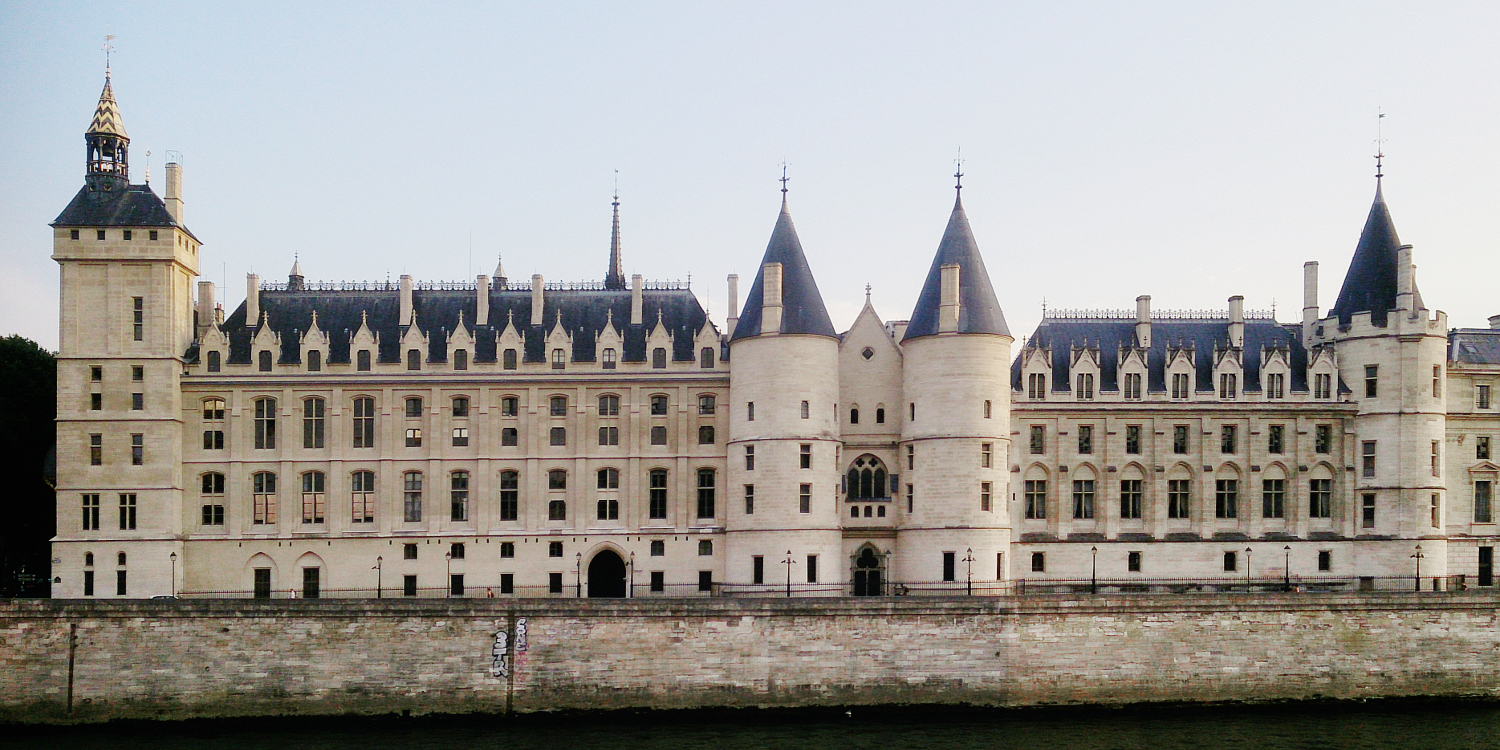 ConciergerieAttraction · 1h · €13
The Conciergerie is a massive, looming medieval fortress on the Île de la Cité with a deeply dark, bloody history. Originally functioning as a magnificent royal palace, it was grimly transformed into the most terrifying prison of the French Revolution.
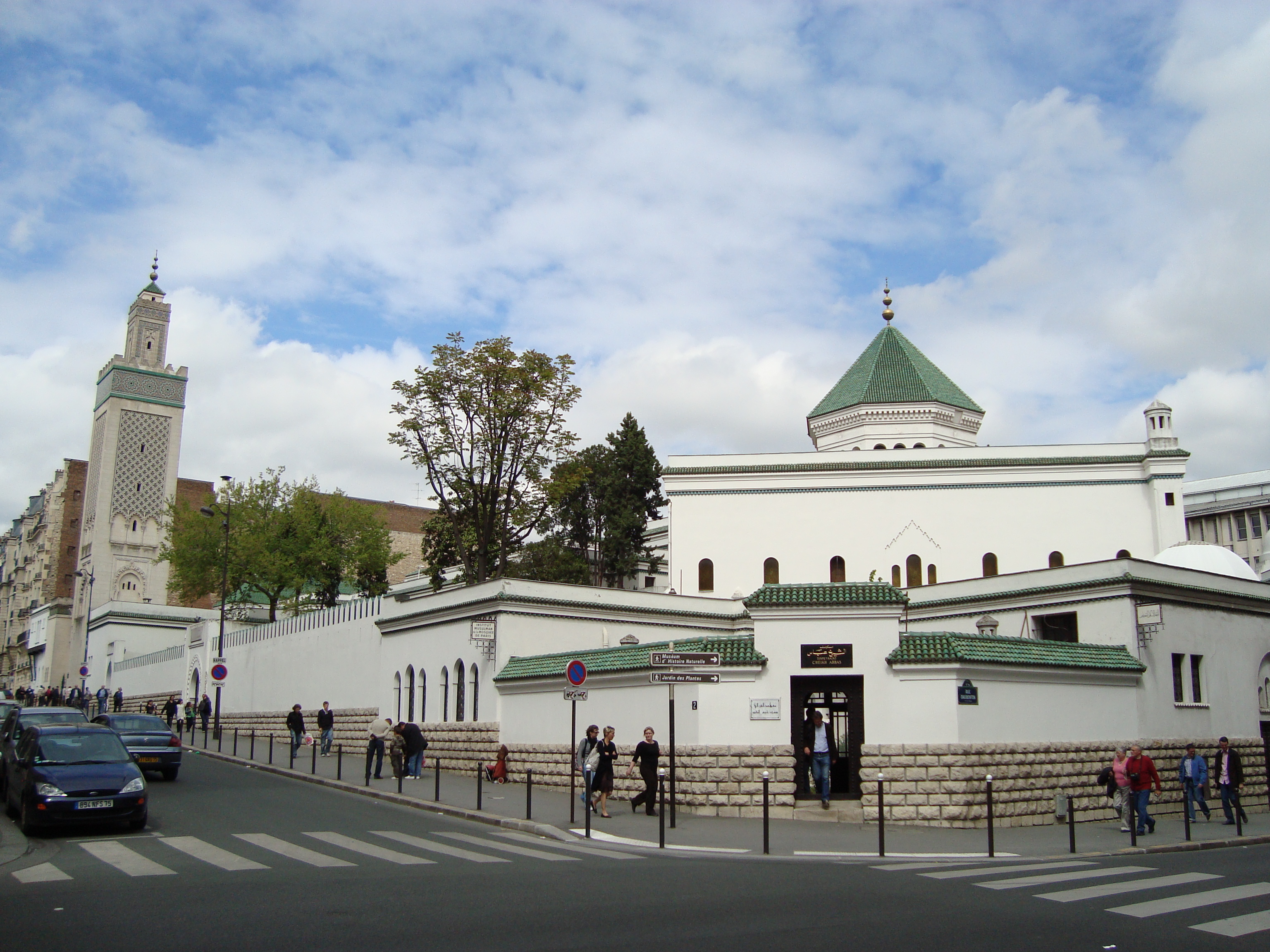 Grande Mosquée de ParisAttraction · 45 min · €3
Located in the Latin Quarter right next to the Jardin des Plantes, the Grande Mosquée de Paris is a breathtakingly beautiful, highly unexpected architectural gem. It offers a spectacular immersion into Hispanic-Moorish design right in the heart of the city.
 Pont NeufAttraction · 20 min · Free
Despite its name meaning "New Bridge," the Pont Neuf is remarkably the oldest standing bridge crossing the river Seine in Paris. A massive, beautiful stone structure, it gracefully connects the Left and Right Banks directly across the western tip of the Île de la Cité.
 Place VendômeAttraction · 20 min · Free
Place Vendôme is the absolute epicenter of extreme global luxury. It is an impeccably designed, perfectly octagonal square known worldwide for housing the most exclusive high-jewellery boutiques on earth and the legendary Ritz Paris hotel.
 Église Saint-SulpiceAttraction · 45 min · Free
Located in the heart of Saint-Germain-des-Prés, Saint-Sulpice is the second-largest church in Paris. Despite its enormous scale, it is best known for its uniquely mismatched towers, its crucial role in *The Da Vinci Code*, and its breathtaking art.
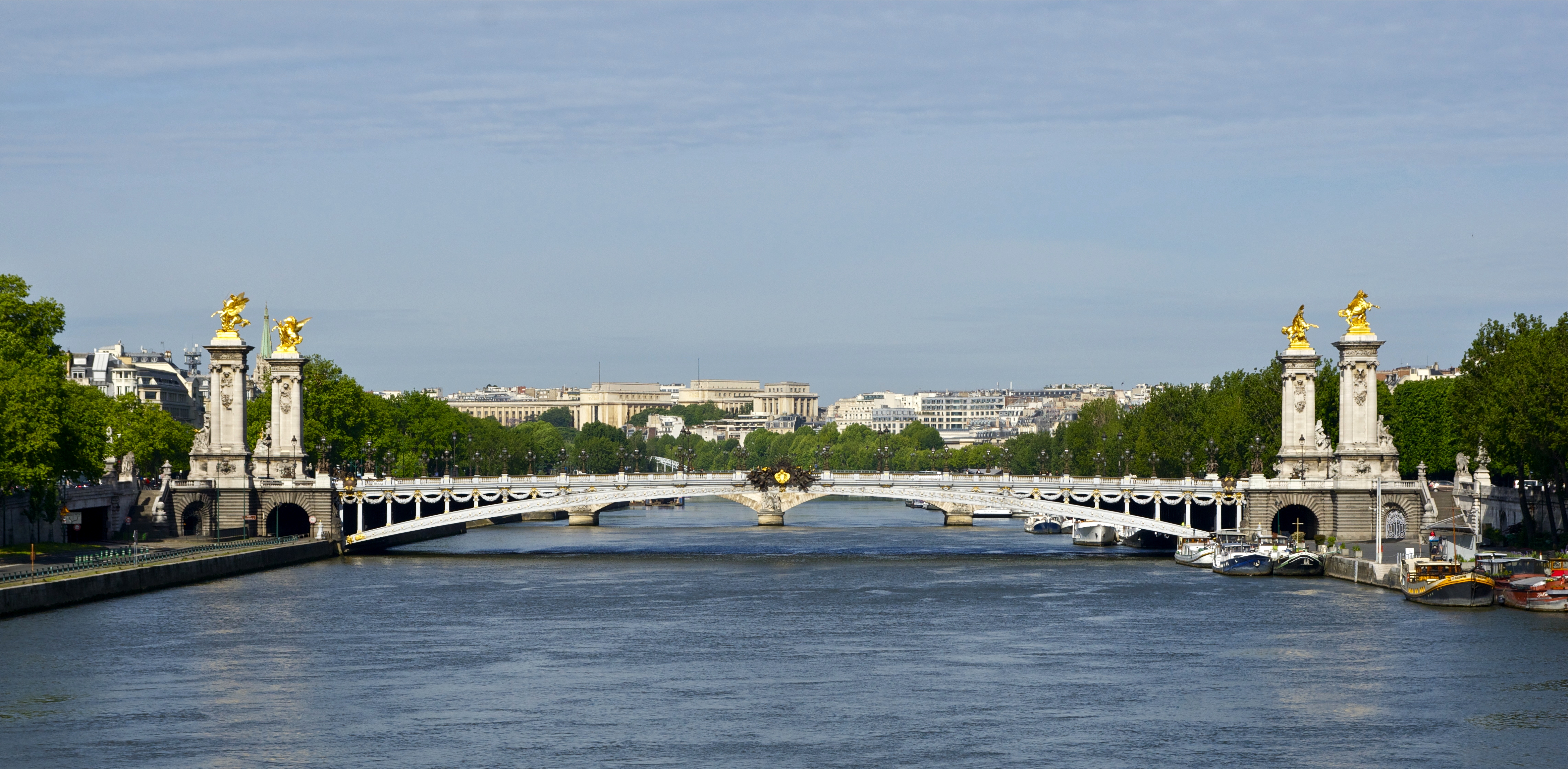 Pont Alexandre IIIAttraction · 20 min · Free
Spanning the Seine between Les Invalides and the Grand Palais, the Pont Alexandre III is universally regarded as the most extravagant, ornate, and undeniably romantic bridge in Paris.
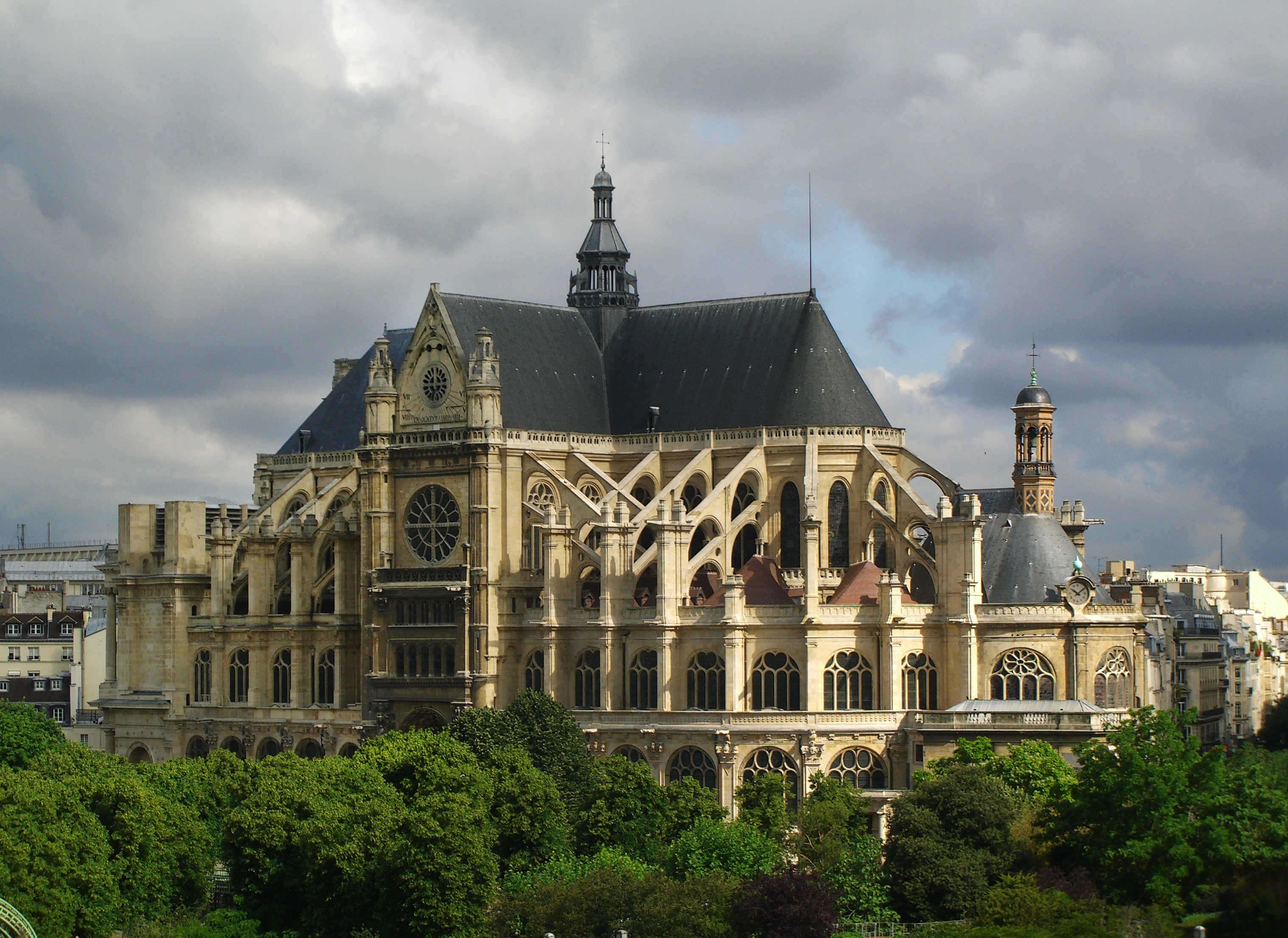 Église Saint-EustacheAttraction · 45 min · Free
Sitting majestically next to the massive Les Halles shopping complex, Saint-Eustache is a jaw-dropping architectural paradox. It boasts the sweeping, soaring dimensions of a Gothic cathedral, but is entirely decorated in exquisite, highly ornate Italian Renaissance detailing.
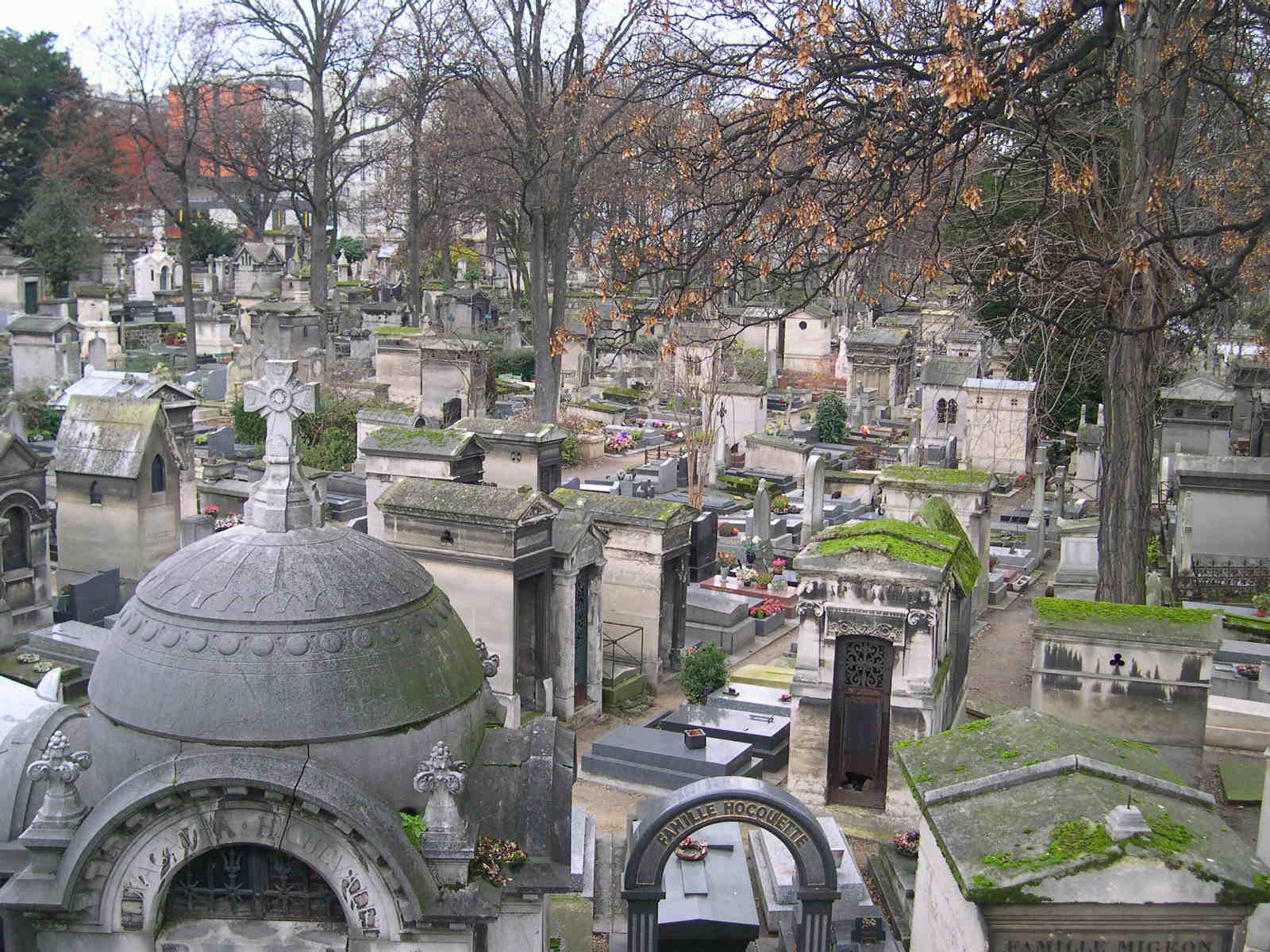 Cimetière de MontmartreAttraction · 1h · Free
Sunk deeply below the street level in a former limestone quarry, the Montmartre Cemetery is a stunningly romantic, surprisingly quiet oasis located right near the chaotic Moulin Rouge. It is the third-largest necropolis in Paris and deeply tied to the city's artistic legacy.
 Arènes de LutèceAttraction · 30 min · Free
Hidden completely from the street behind residential apartment blocks in the Latin Quarter lies the Arènes de Lutèce. It is the astonishing, partially ruined remains of a 1st-century Roman amphitheater sitting quietly within a heavily used public park.
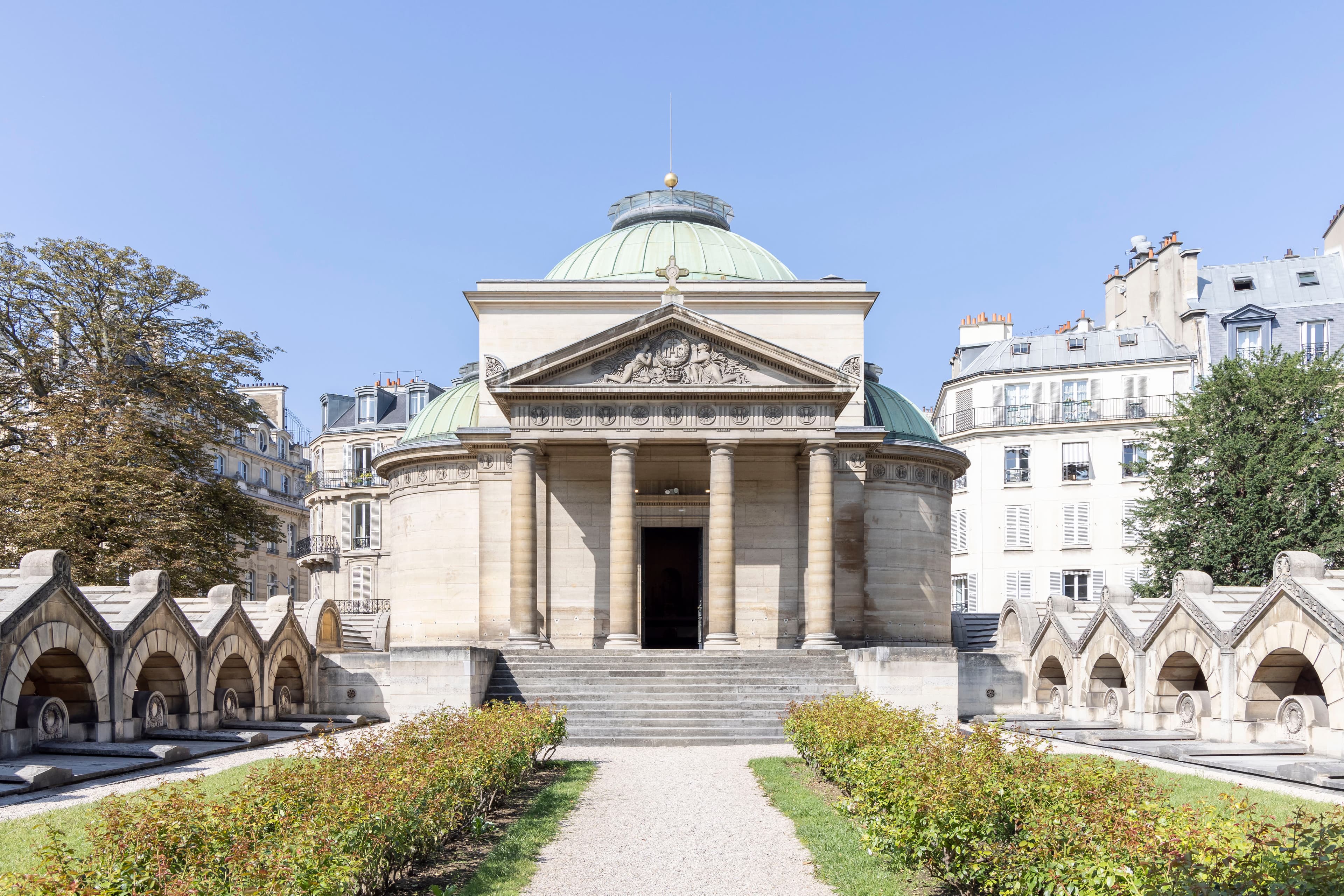 Chapelle ExpiatoireAttraction · 45 min · €6
Located in a quiet, heavily manicured park in the bustling 8th arrondissement, the Chapelle Expiatoire is a somber, intensely atmospheric neoclassical chapel. It serves as an architectural act of penance for the bloodiest days of the French Revolution.
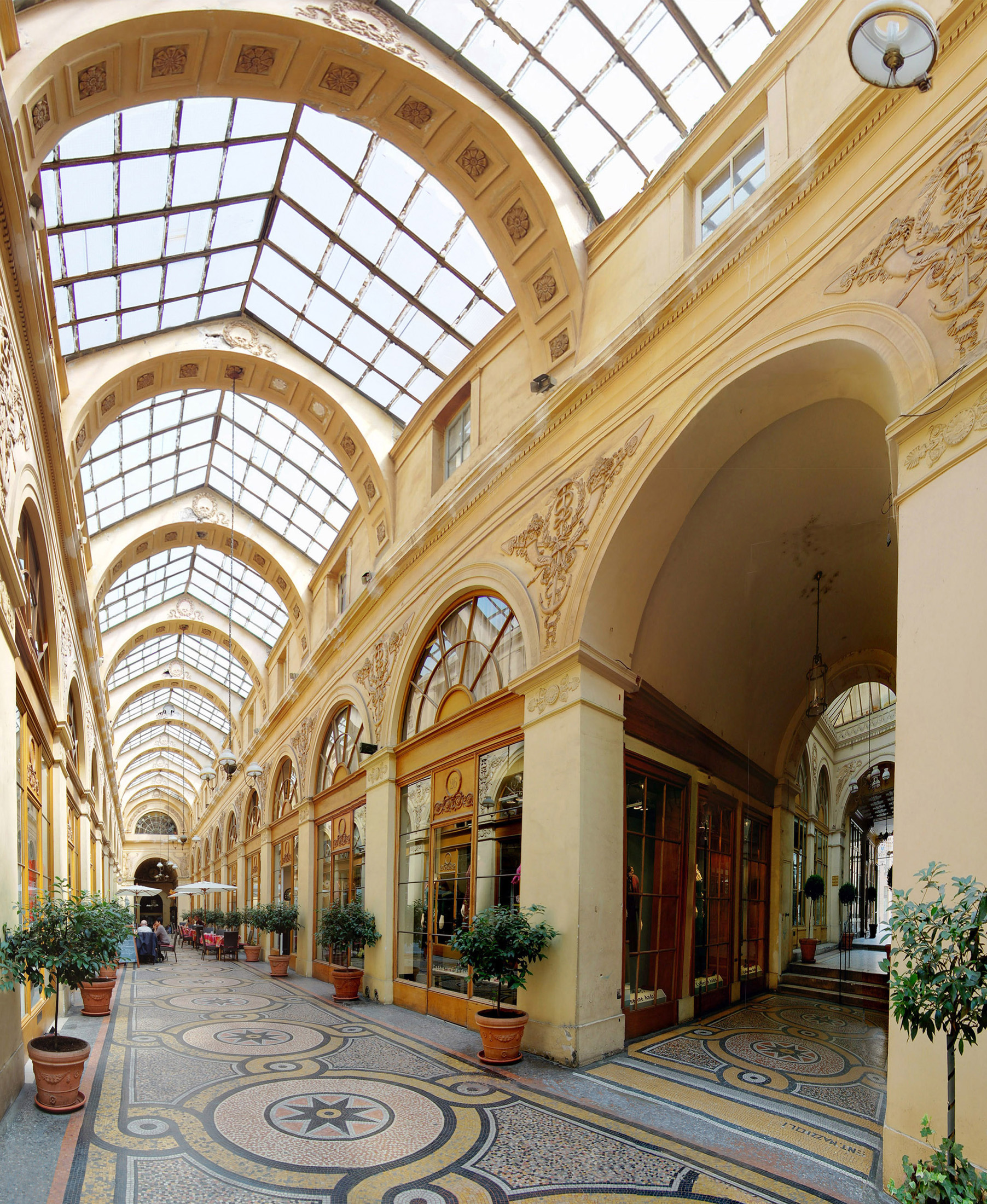 Galerie VivienneAttraction · 30 min · Free
Built in 1823, Galerie Vivienne is arguably the most impeccably preserved and luxurious covered passage in Paris. Offering a serene, sunlit escape near the Palais Royal, it embodies the absolute pinnacle of 19th-century Parisian arcade architecture.
 Passage du Grand-CerfAttraction · 20 min · Free
Hidden in the lively Montorgueil district, the Passage du Grand-Cerf is undoubtedly one of the most stunning, architecturally ambitious covered arcades in Paris. Light-filled and impeccably restored, it feels less like a shopping street and more like a soaring glass cathedral.
 Passage VerdeauAttraction · 20 min · Free
Passage Verdeau is located in the 9th arrondissement, acting as the quiet, slightly mysterious continuation of the famous Grands Boulevards arcades. It is deeply atmospheric, defined almost entirely by its collection of rare bookshops and eccentric antique dealers.
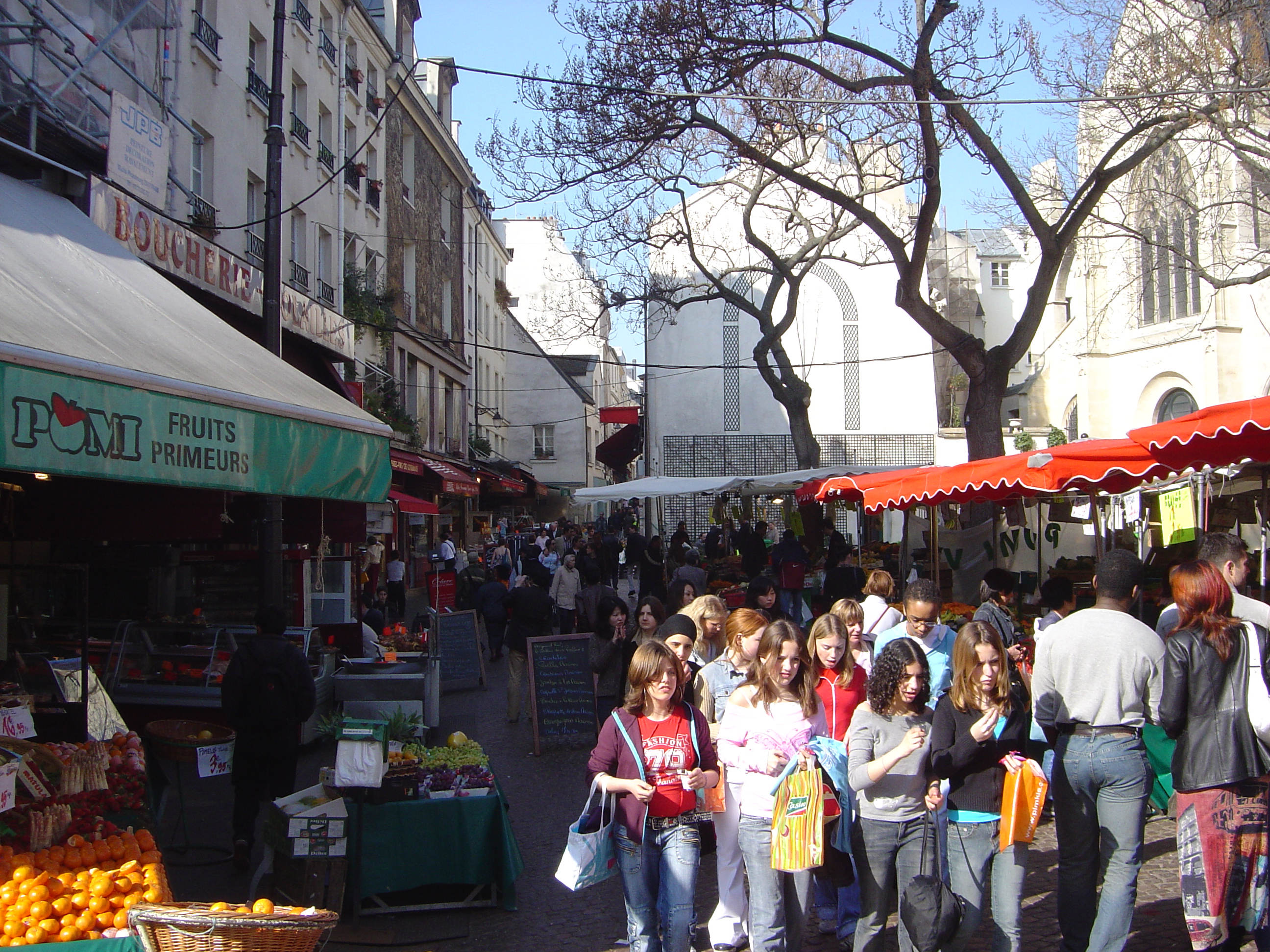 Rue MouffetardAttraction · 1h · Free
Plunging steeply down the Sainte-Geneviève hill in the Latin Quarter, Rue Mouffetard is one of the oldest, liveliest, and most heavily romanticized market streets in Paris. It retains a deeply medieval, village-like atmosphere despite the surrounding modern city.
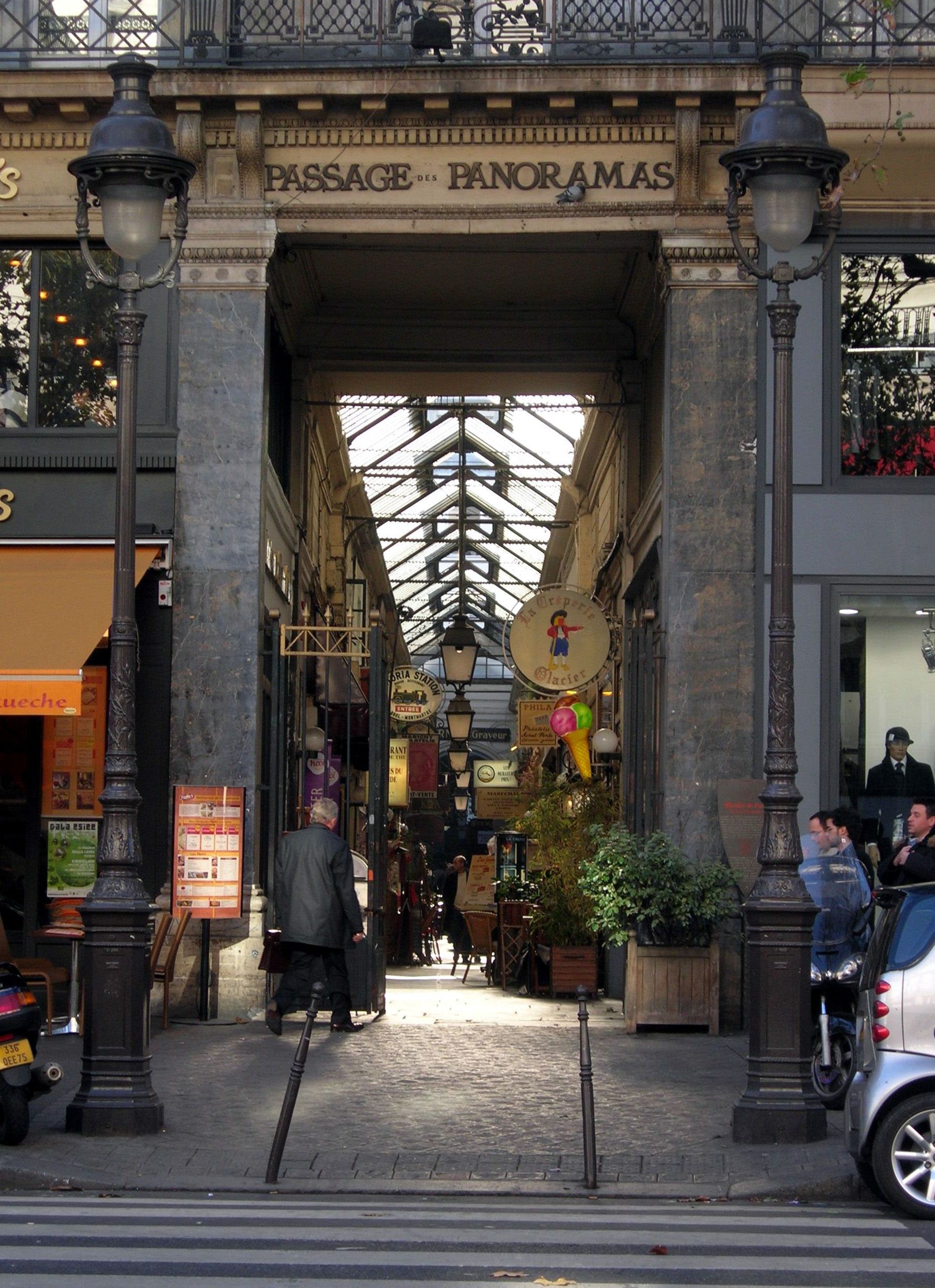 Passage des PanoramasAttraction · 30 min · Free
Dating back to 1799, the Passage des Panoramas holds the prestigious title of being the absolute oldest surviving covered arcade in Paris. Tucked into the bustling 2nd arrondissement, it is a narrow, incredibly atmospheric slice of the early 19th century.
 Tour Jean-sans-PeurAttraction · 45 min · €6
Tucked incongruously into the modern streets of the 2nd arrondissement, the Tour Jean-sans-Peur (Tower of John the Fearless) is an exceptionally rare, preserved 15th-century medieval fortification tower.
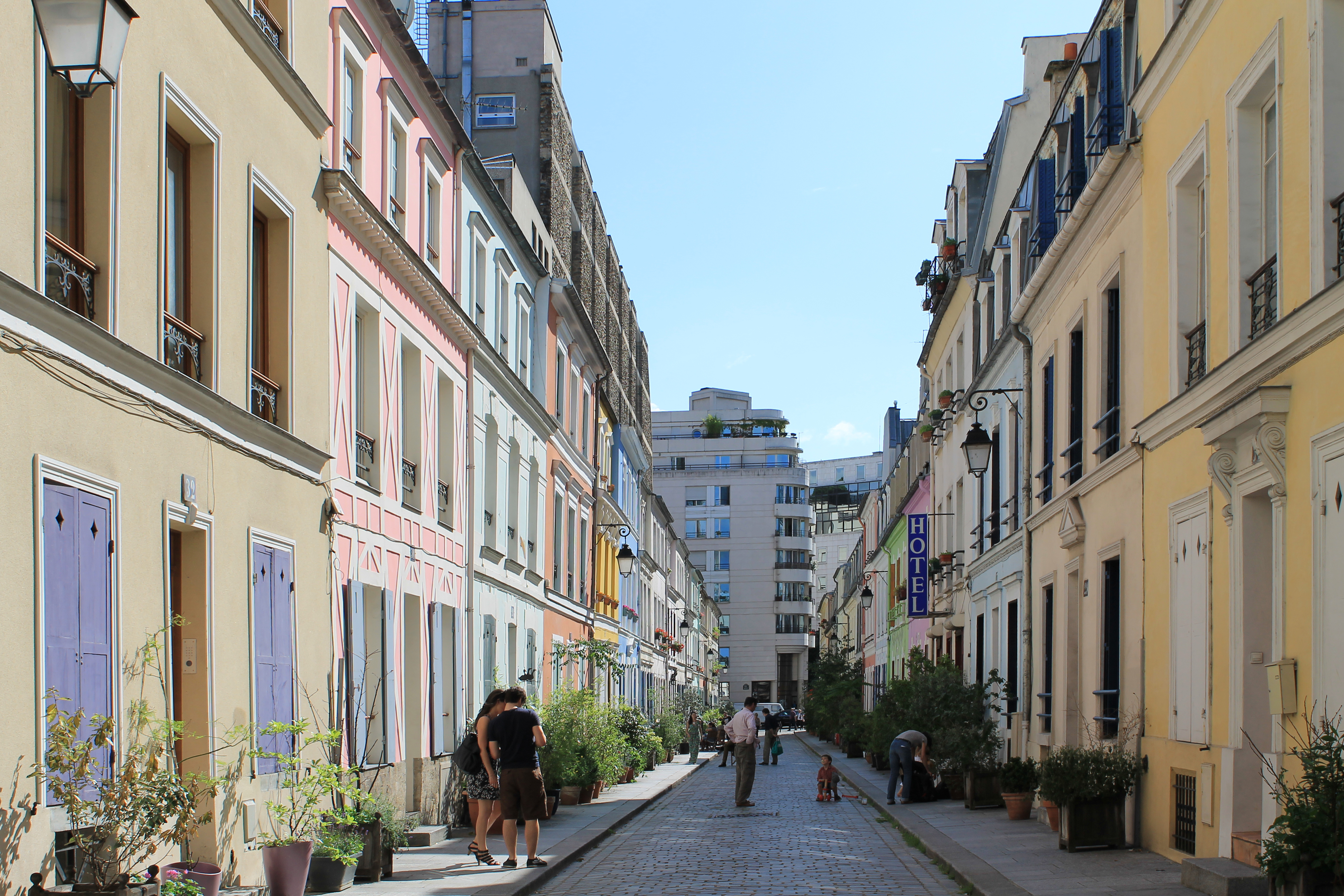 Rue CrémieuxAttraction · 20 min · Free
Rue Crémieux is arguably the most photographed, colorful residential street in all of Paris. Tucked away in the 12th arrondissement near Gare de Lyon, this pedestrian-only cobblestone street is lined with beautifully painted, vibrant pastel houses.
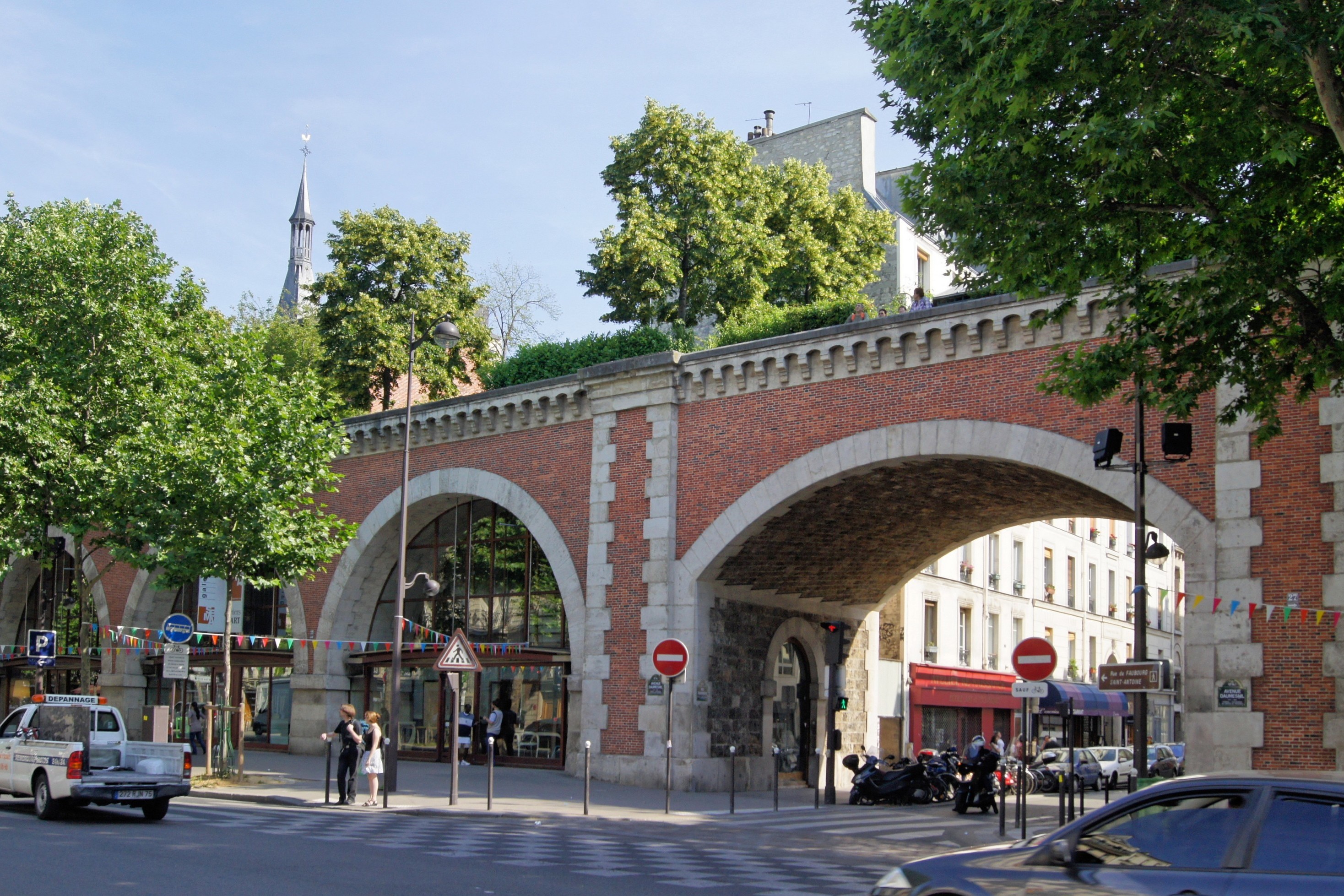 Viaduc des ArtsAttraction · 1h · Free
Stretching impressively along the Avenue Daumesnil, the Viaduc des Arts is a brilliant triumph of urban regeneration. It is a massive, 1.5-kilometre 19th-century brick railway viaduct whose soaring arches have been spectacularly converted into a prestigious hub for French artisanship.
 59 RivoliAttraction · 1h · Free
59 Rivoli is Paris's most legendary legal squat turned official artist collective, housed in a former Crédit Lyonnais building on Rue de Rivoli. Since 1999, when three artists illegally occupied the abandoned premises, it has grown into one of the most vibrant and freely accessible contemporary art spaces in the city.
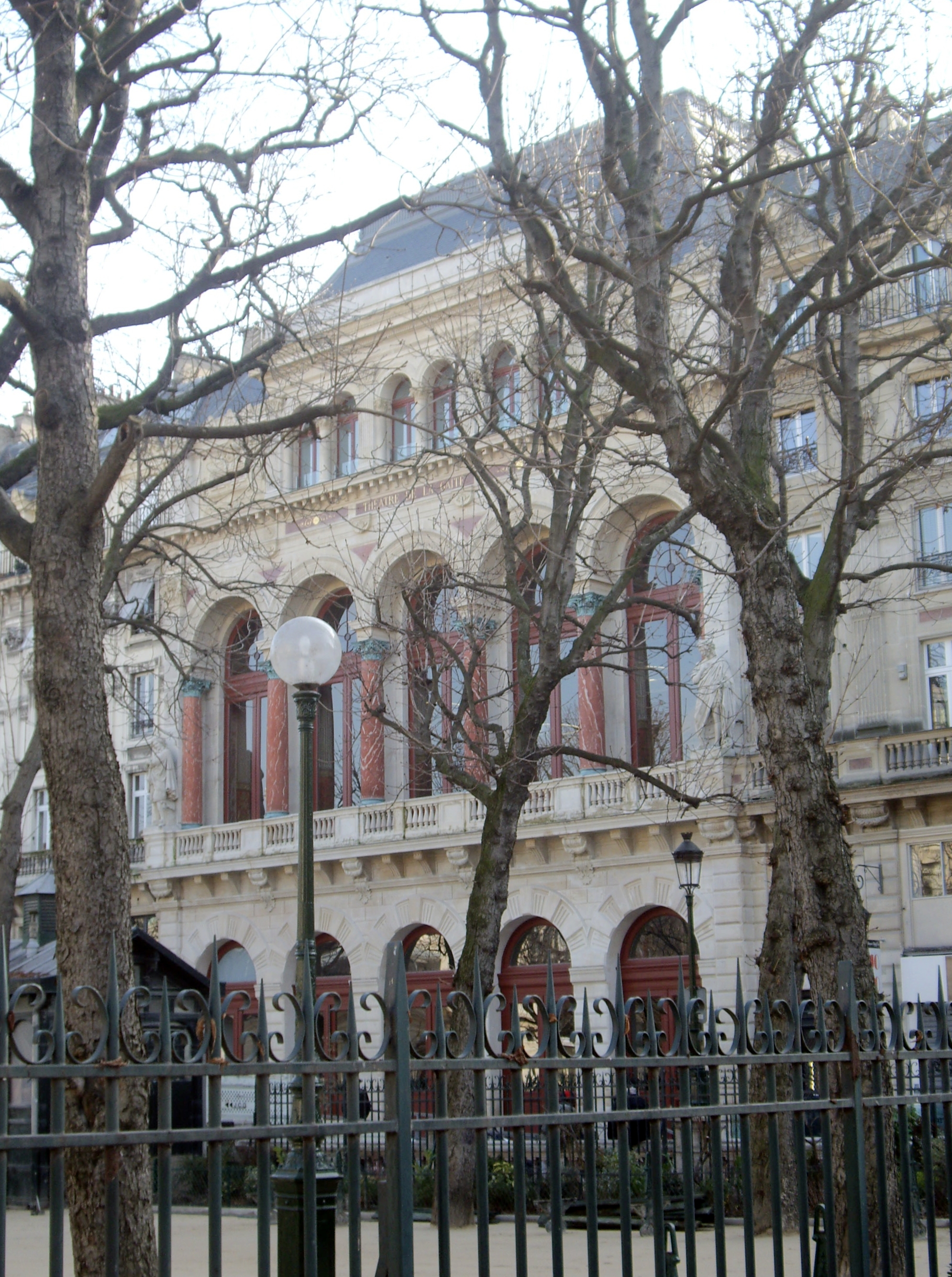 La Gaîté LyriqueAttraction · 1.5h · Free
La Gaîté Lyrique is a 9,500 m² cultural venue in the 3rd arrondissement dedicated to digital arts and contemporary music, housed in a beautifully renovated 19th-century theater. It sits at the intersection of technology, culture, and society, hosting exhibitions, concerts, workshops, and festivals for all ages.
 Le Centquatre-ParisAttraction · 1.5h · Free
Le Centquatre (104) is a vast public cultural center in the 19th arrondissement, occupying the 26,000 m² site of Paris's former municipal funeral services. With 200 artists in residence, two auditoriums, and an enormous nave open to the public, it is one of the most ambitious and genuinely democratic cultural institutions in the city.
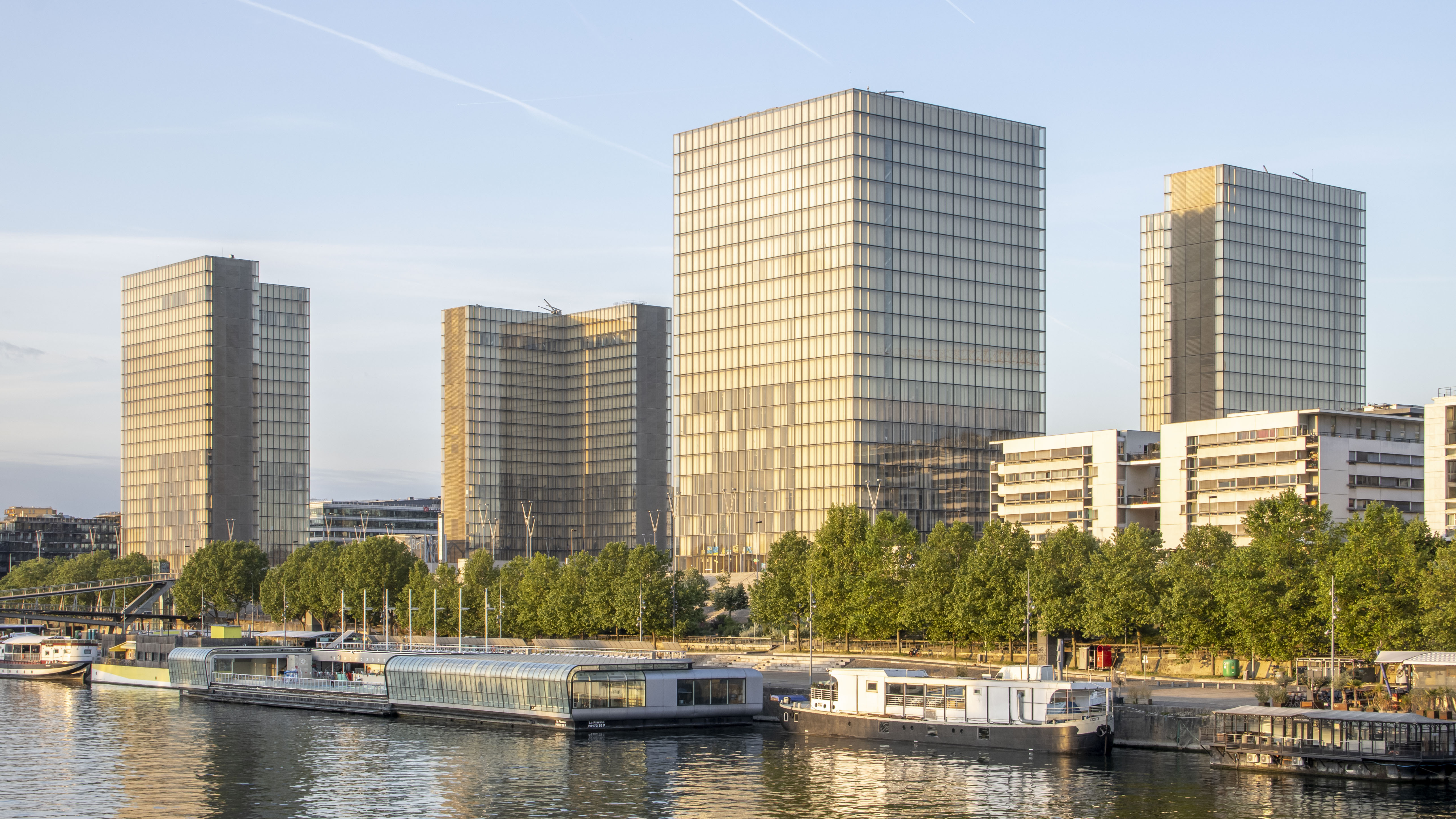 Salle Ovale - BnF RichelieuAttraction · 45 min · Free
Located in the flawlessly restored historic site of the National Library of France (BnF Richelieu), the Salle Ovale is one of the most breathtaking, magnificent reading rooms in the world. Newly opened entirely to the public, it is a staggering temple to knowledge.
 La RecyclerieAttraction · 1h · Free
La Recyclerie is a committed eco-cultural space occupying a beautifully repurposed station on Paris's abandoned Petite Ceinture railway line, in the 18th arrondissement. Part café-canteen, part urban farm, part collaborative workshop, it embodies a philosophy of reduction, reuse, and recycling in a setting that is genuinely enchanting.
 Villa LéandreAttraction · 20 min · Free
Villa Léandre is an extraordinary 69-meter private lane in Montmartre lined with English-inspired Art Deco houses — red brick facades, individual gardens, and slate roofs that seem transplanted from a London suburb. It is one of the most photographed and least-known streets in Paris.