Loading city...
Skip to main content
Attractions in Cape Town
8 attractions selected in this guide.
 Cape of Good HopeAttraction · 1h · ZAR376
The Cape of Good Hope is a rocky headland at the south-western tip of Africa, where dramatic cliffs plunge into the churning ocean. Despite popular belief, it is not the continent's southernmost point (that's Cape Agulhas), but its symbolic significance and wild beauty are unmatched.
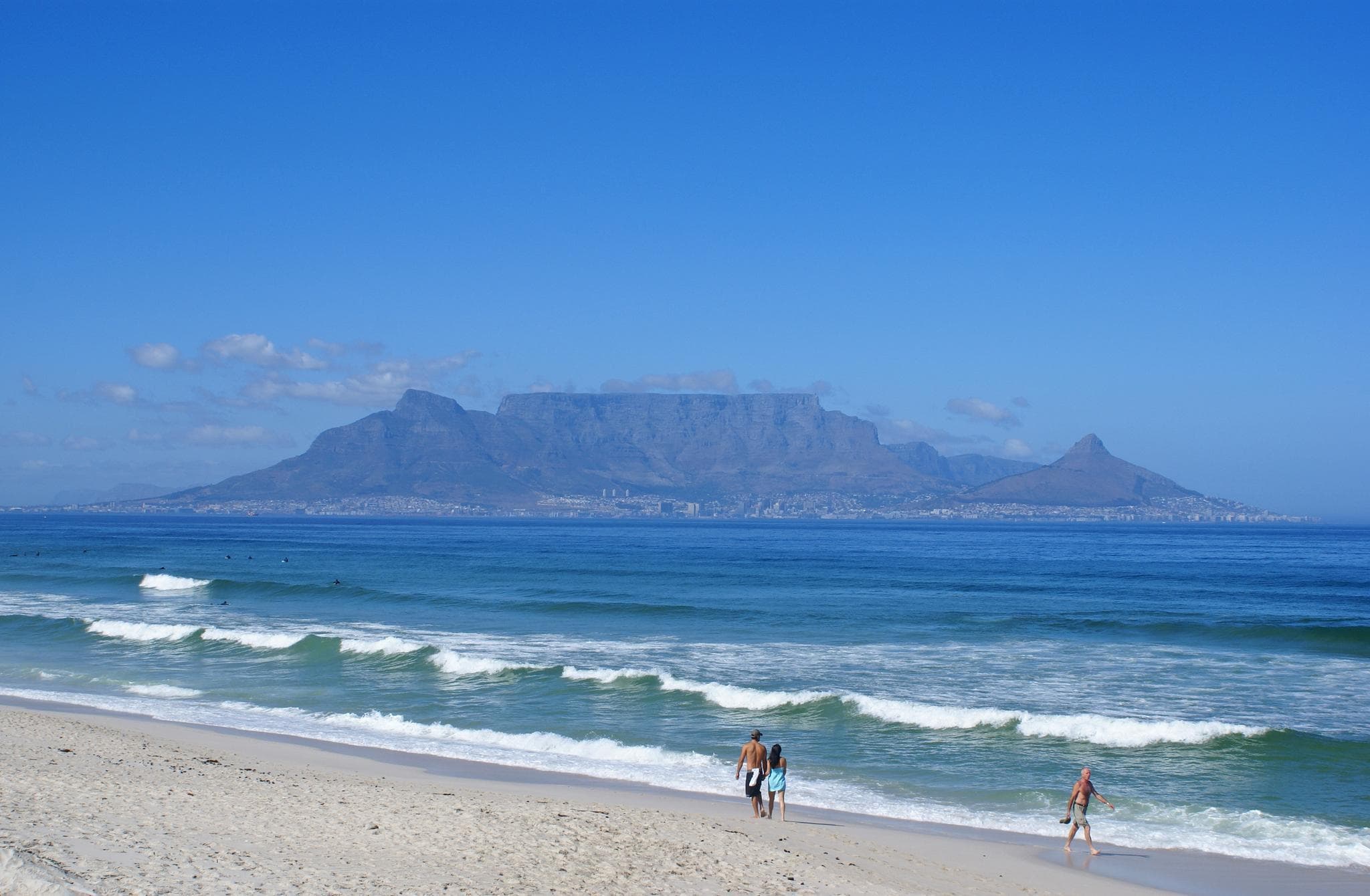 Table MountainAttraction · 3h · ZAR395
Table Mountain is a flat-topped mountain forming a prominent landmark overlooking the city of Cape Town. Designated a New7Wonder of Nature in 2011, it rises 1,085 metres above sea level and is part of the Table Mountain National Park, a UNESCO World Heritage Site.
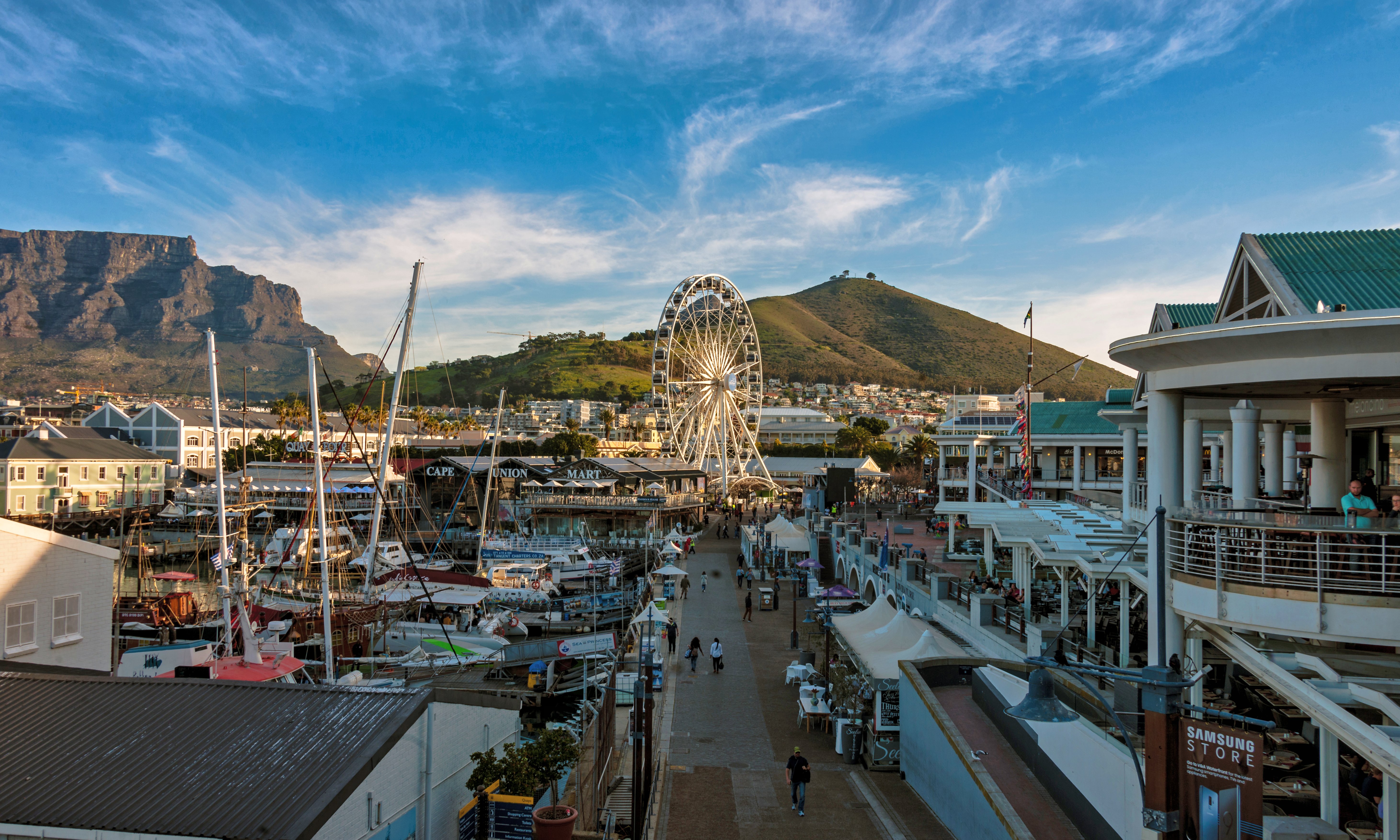 V&A WaterfrontAttraction · 3h · Free
The Victoria & Alfred Waterfront is South Africa's most-visited destination, attracting over 24 million visitors annually. Set in the oldest working harbour in the Southern Hemisphere, it blends retail, dining, entertainment, and maritime heritage.
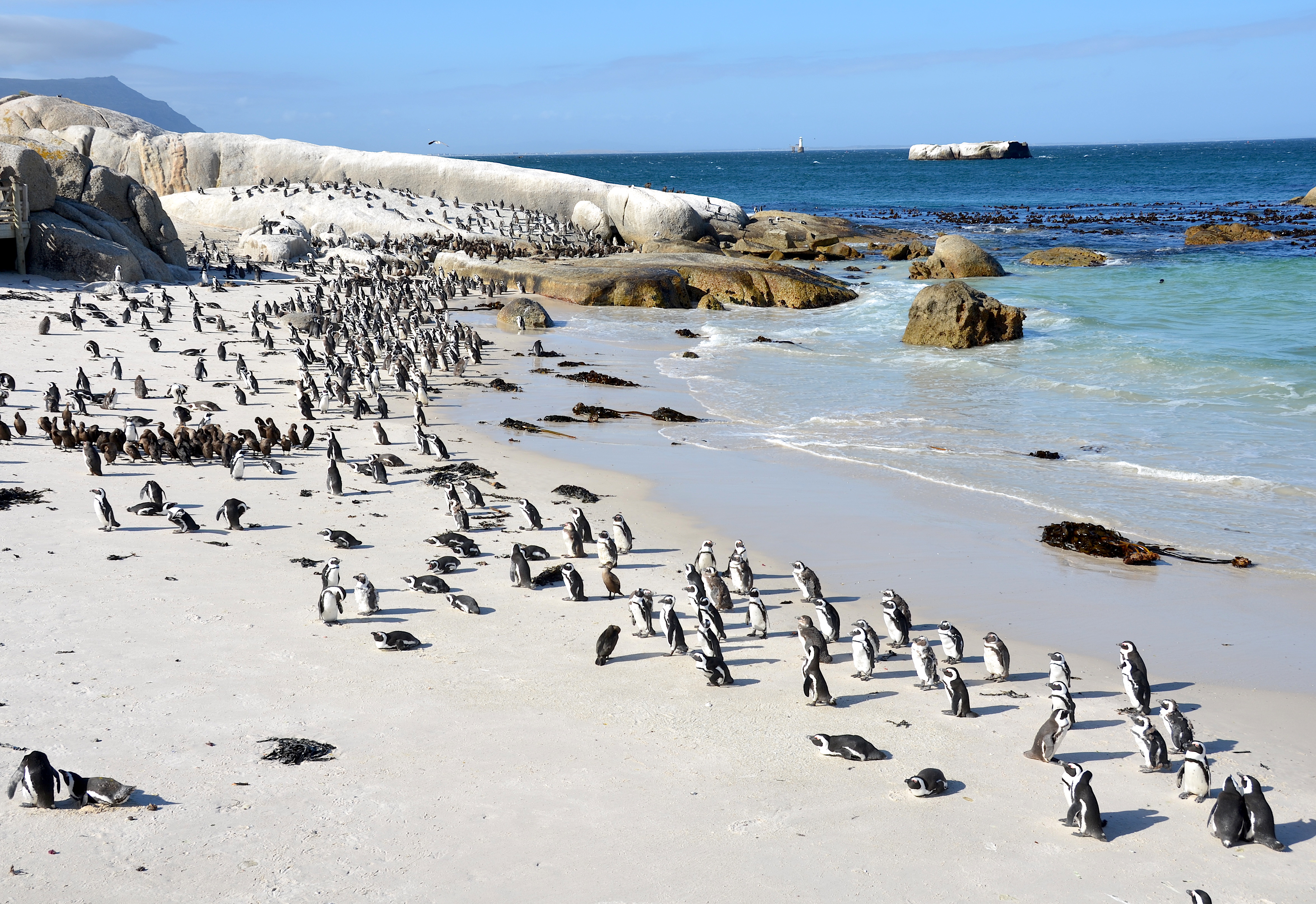 Boulders BeachAttraction · 1.5h · ZAR176
Boulders Beach is home to a thriving colony of over 2,000 endangered African penguins living among giant ancient granite boulders. Part of the Table Mountain National Park, it's one of the few places in the world where you can get within metres of penguins in their natural habitat.
 St George's CathedralAttraction · 30 min · Free
St George's Cathedral is the oldest cathedral in southern Africa and served as a beacon of resistance during the anti-apartheid struggle. Archbishop Desmond Tutu led many marches from its doors, earning it the nickname 'The People's Cathedral'.
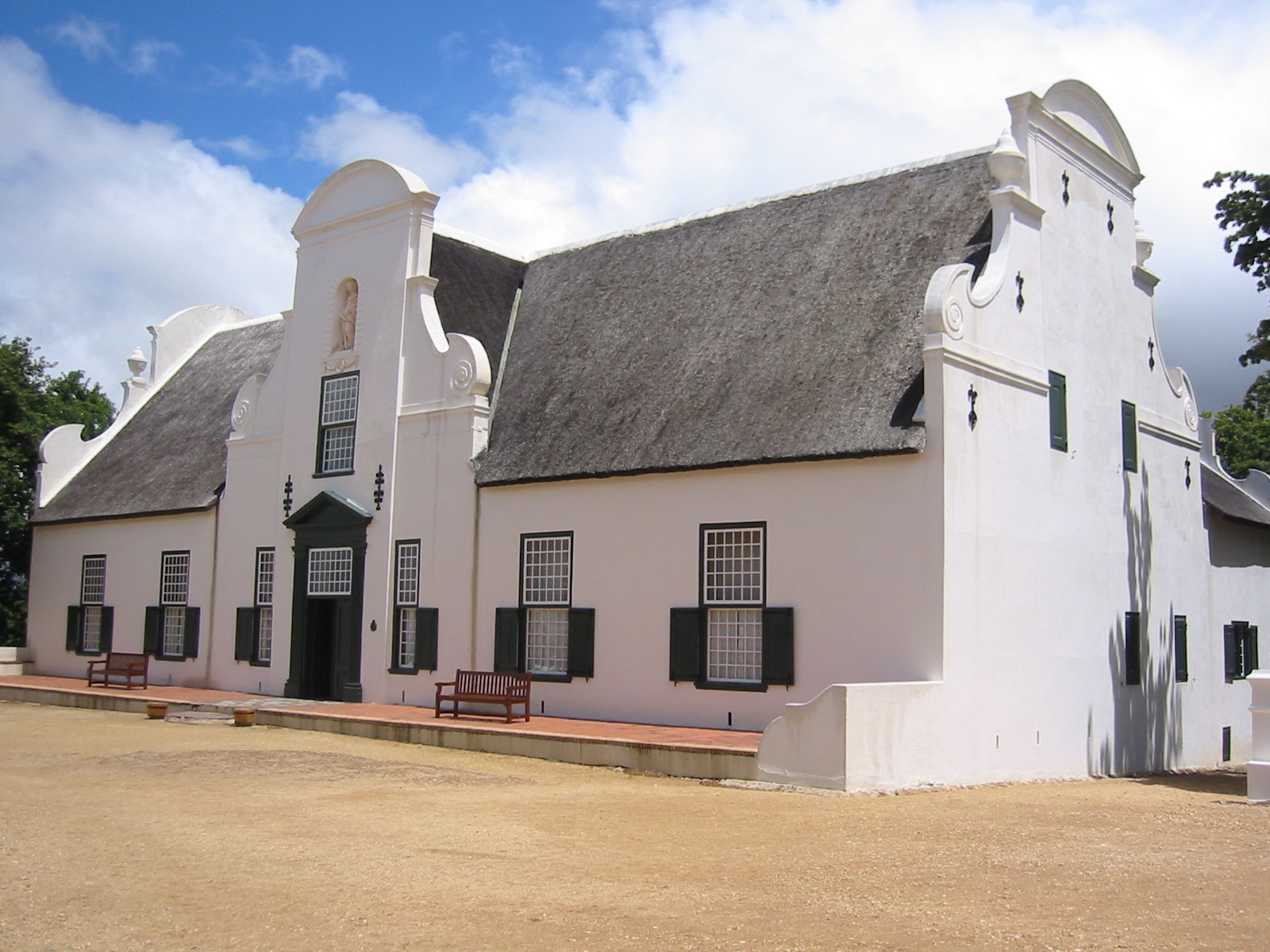 Groot ConstantiaAttraction · 2h · ZAR120
Groot Constantia is South Africa's oldest wine estate, nestled in the Constantia Valley at the foot of Table Mountain. The Cape Dutch homestead and its legendary dessert wine, Vin de Constance, make it a cultural and oenological landmark.
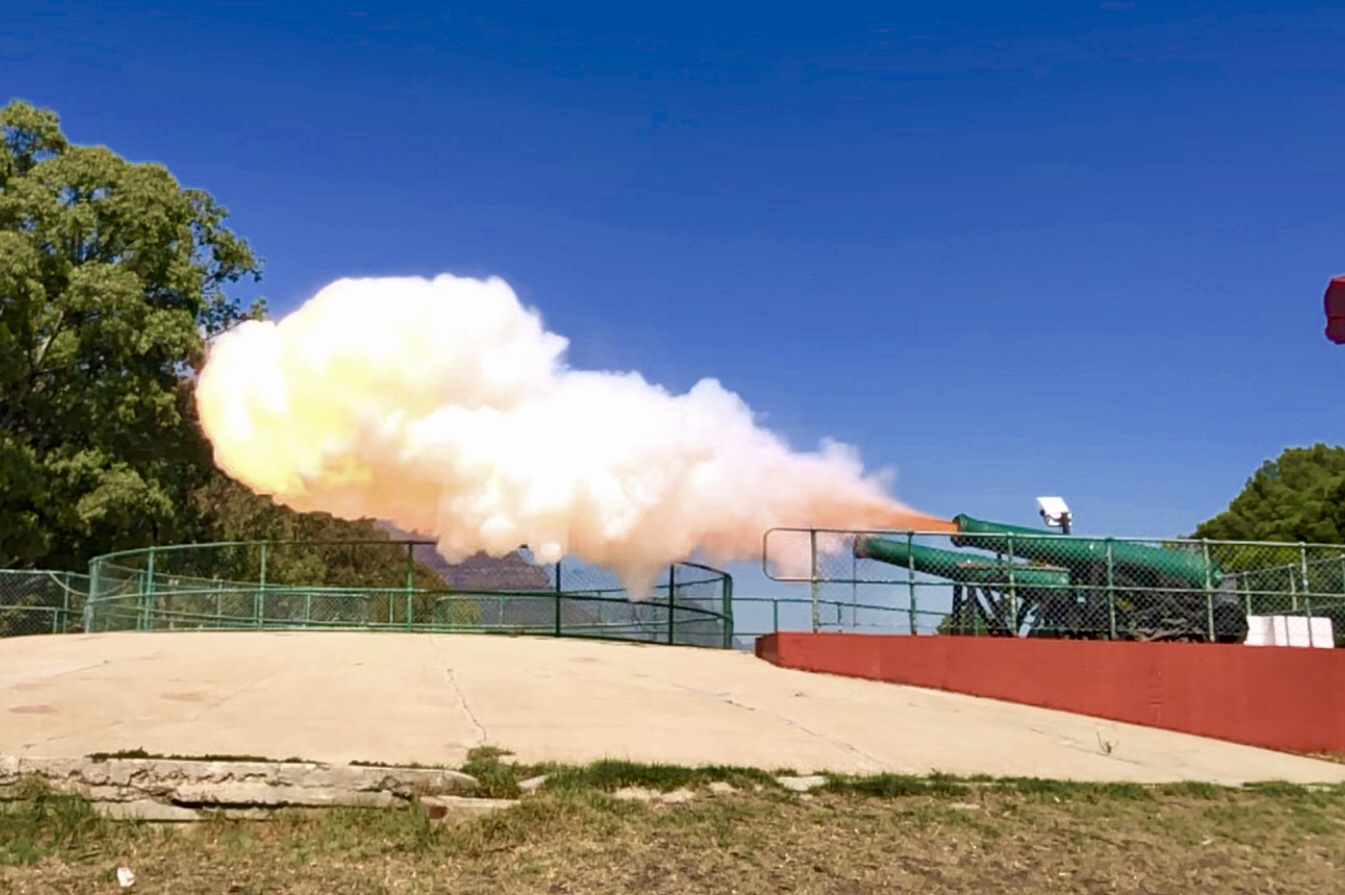 Noon GunAttraction · 30 min · Free
The Noon Gun is one of Cape Town's oldest traditions — a cannon fired from Signal Hill at precisely 12:00 every day except Sundays and public holidays. It has been marking noon for the city since 1806.
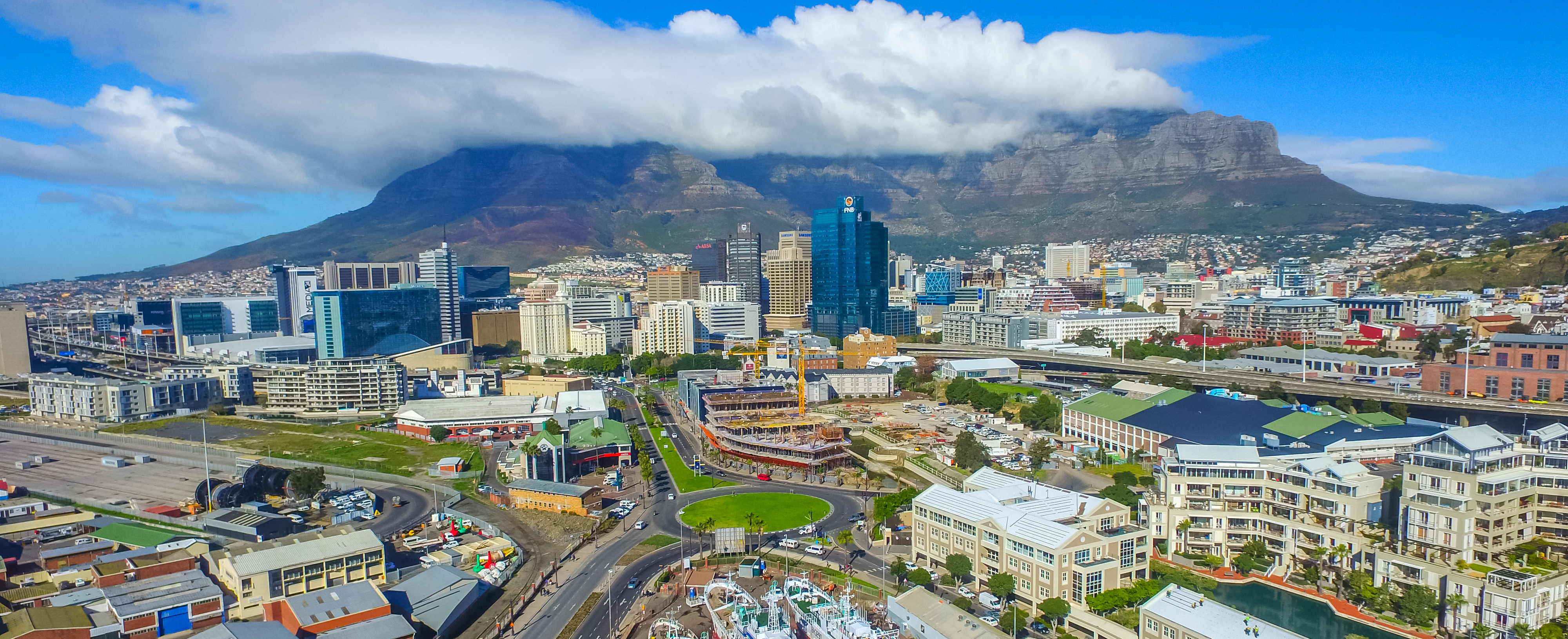 Cape Town City HallAttraction · 30 min · Free
Cape Town City Hall is an imposing Edwardian building on the Grand Parade, instantly recognisable by its honey-coloured Italian Renaissance facade and clock tower. It is most famous as the place where Nelson Mandela addressed the nation for the first time after his release from prison on 11 February 1990.