Loading city...
Skip to main content
Attractions in Washington D.C.
15 attractions selected in this guide.
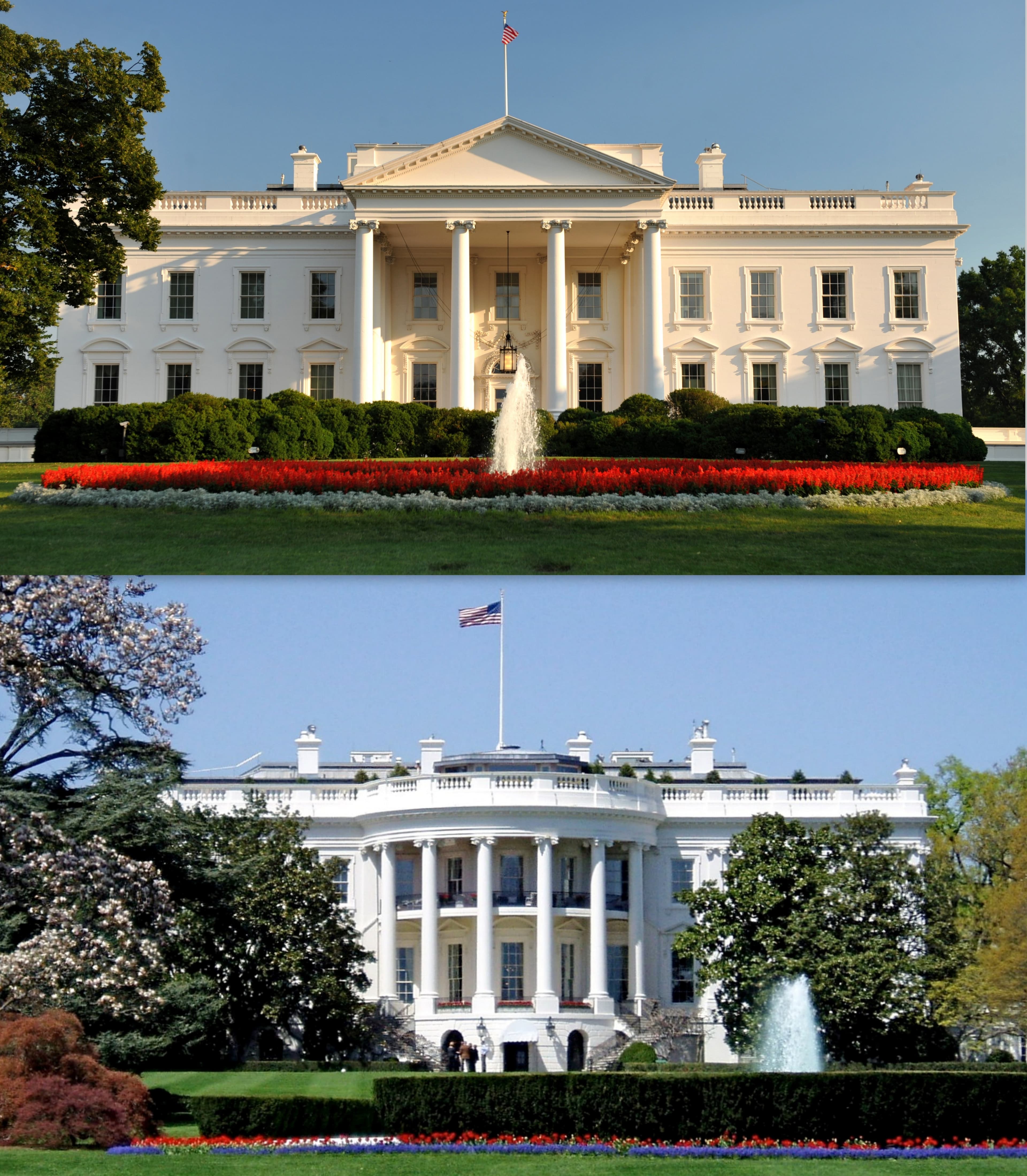 The White HouseAttraction · 30 min · Free
The White House at 1600 Pennsylvania Avenue has served as the official residence and workplace of every U.S. President since John Adams in 1800. The neoclassical mansion is one of the most recognized buildings in the world.
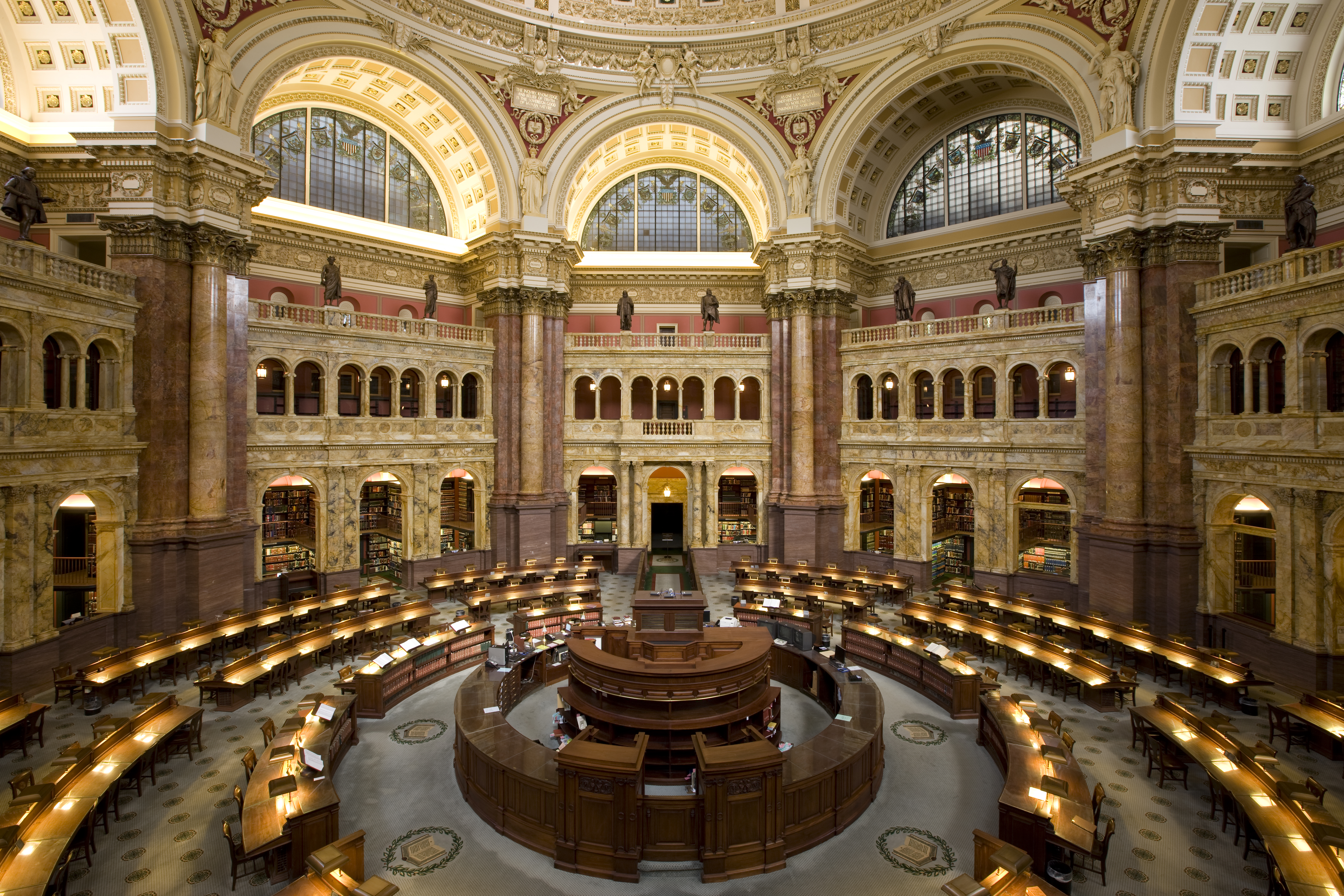 Library of CongressAttraction · 1.3h · Free
The Library of Congress is the world's largest library, holding more than 170 million items in 470 languages, including 40 million cataloged books. Its ornate Thomas Jefferson Building is considered one of the most beautiful public buildings in America.
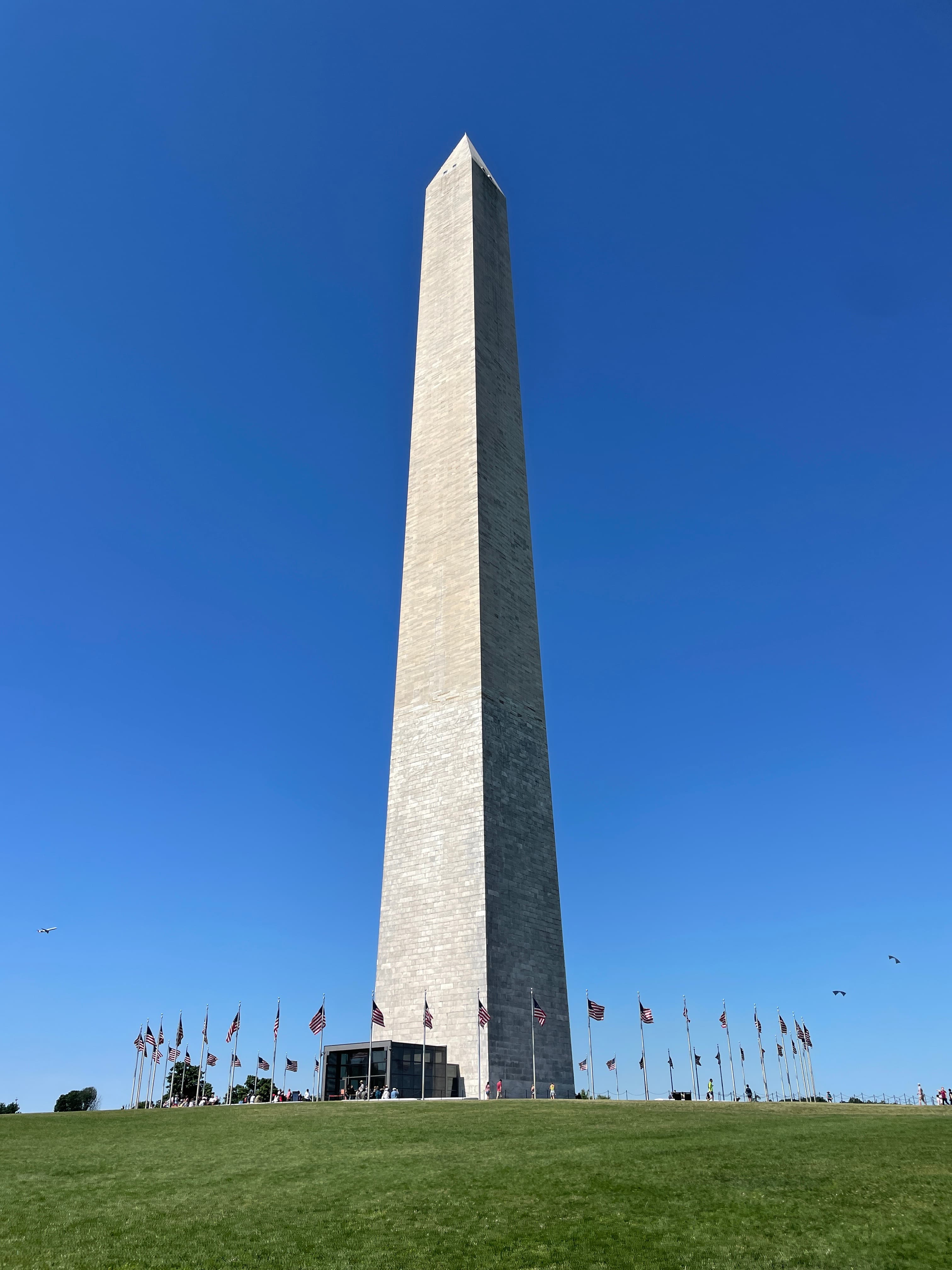 Washington MonumentAttraction · 45 min · Free
The Washington Monument is a 555-foot marble obelisk on the National Mall, the tallest structure in Washington, D.C. It honors George Washington, the first President of the United States, and remains the world's tallest stone structure and tallest obelisk.
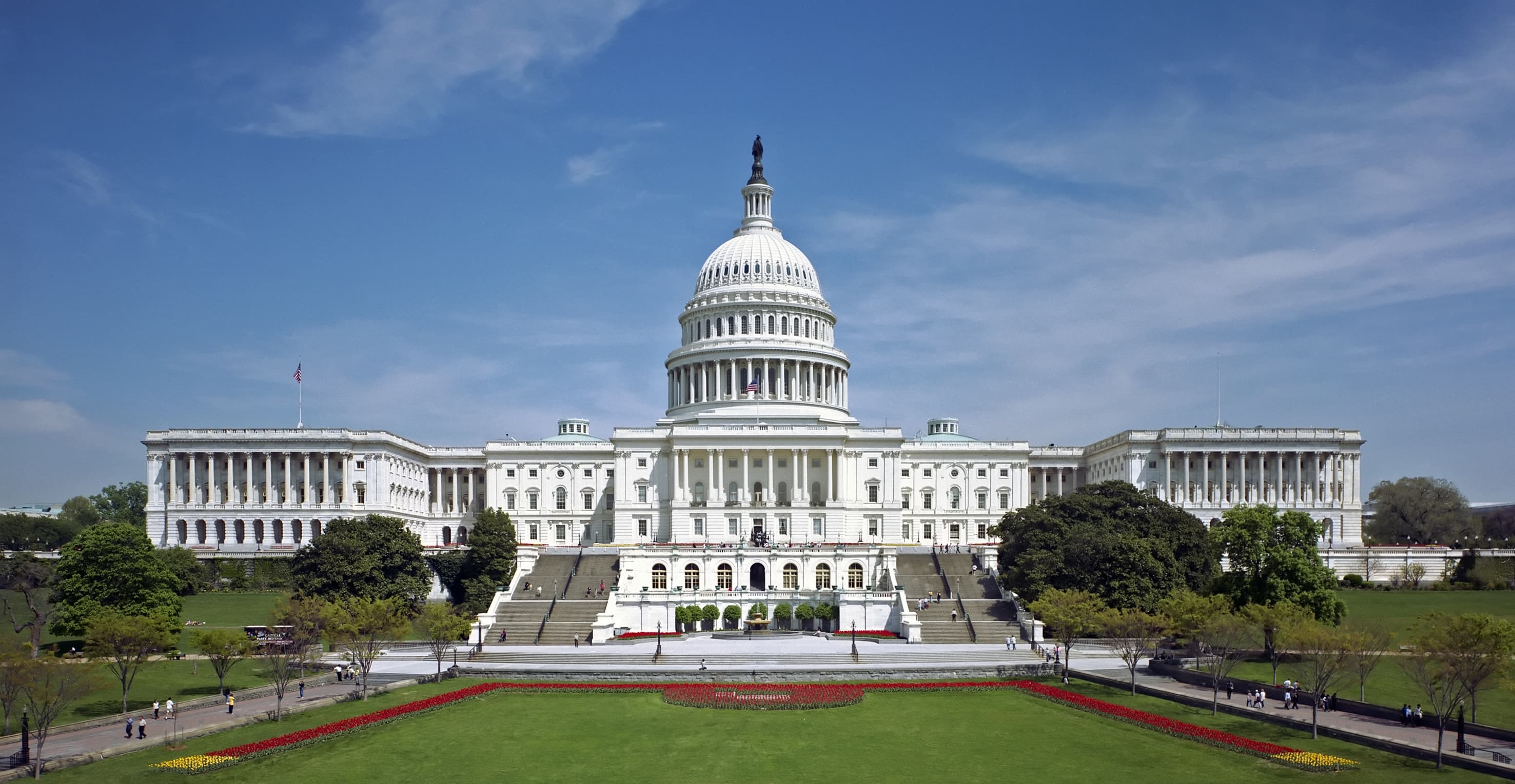 United States CapitolAttraction · 1h · Free
The United States Capitol is the seat of the U.S. Congress and a symbol of American democracy. Its iconic cast-iron dome, completed during the Civil War, rises 288 feet above the east front and is crowned by the Statue of Freedom.
 Arlington National CemeteryAttraction · 1.5h · Free
Arlington National Cemetery is the final resting place for more than 400,000 active-duty service members, veterans, and their families across 639 acres in Arlington, Virginia, just across the Potomac from Washington, D.C.
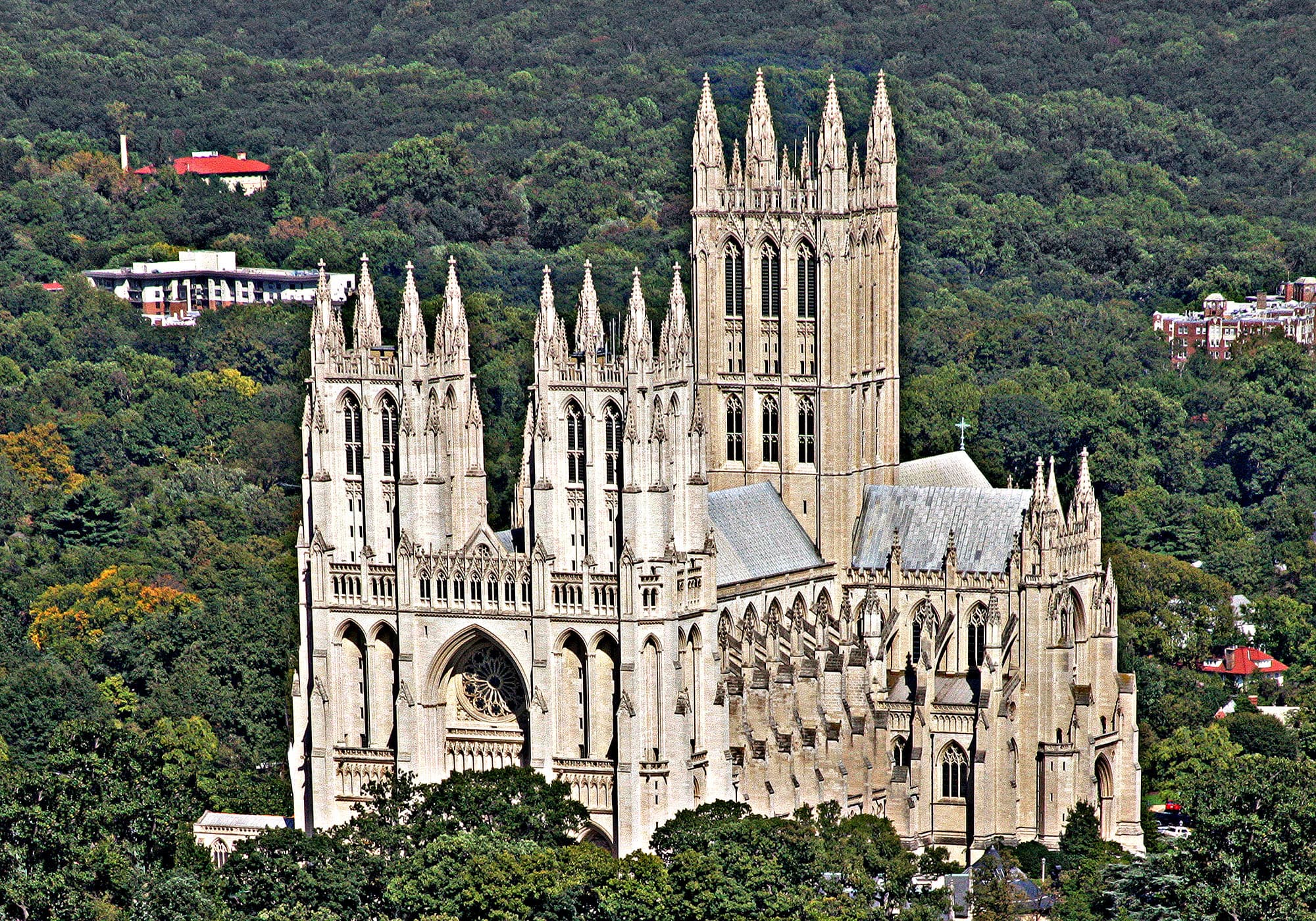 Washington National CathedralAttraction · 1h · $15
Washington National Cathedral is the sixth-largest cathedral in the world and the second-largest in the United States. This Gothic Revival masterpiece took 83 years to build, from 1907 to 1990, using traditional limestone construction without a steel frame.
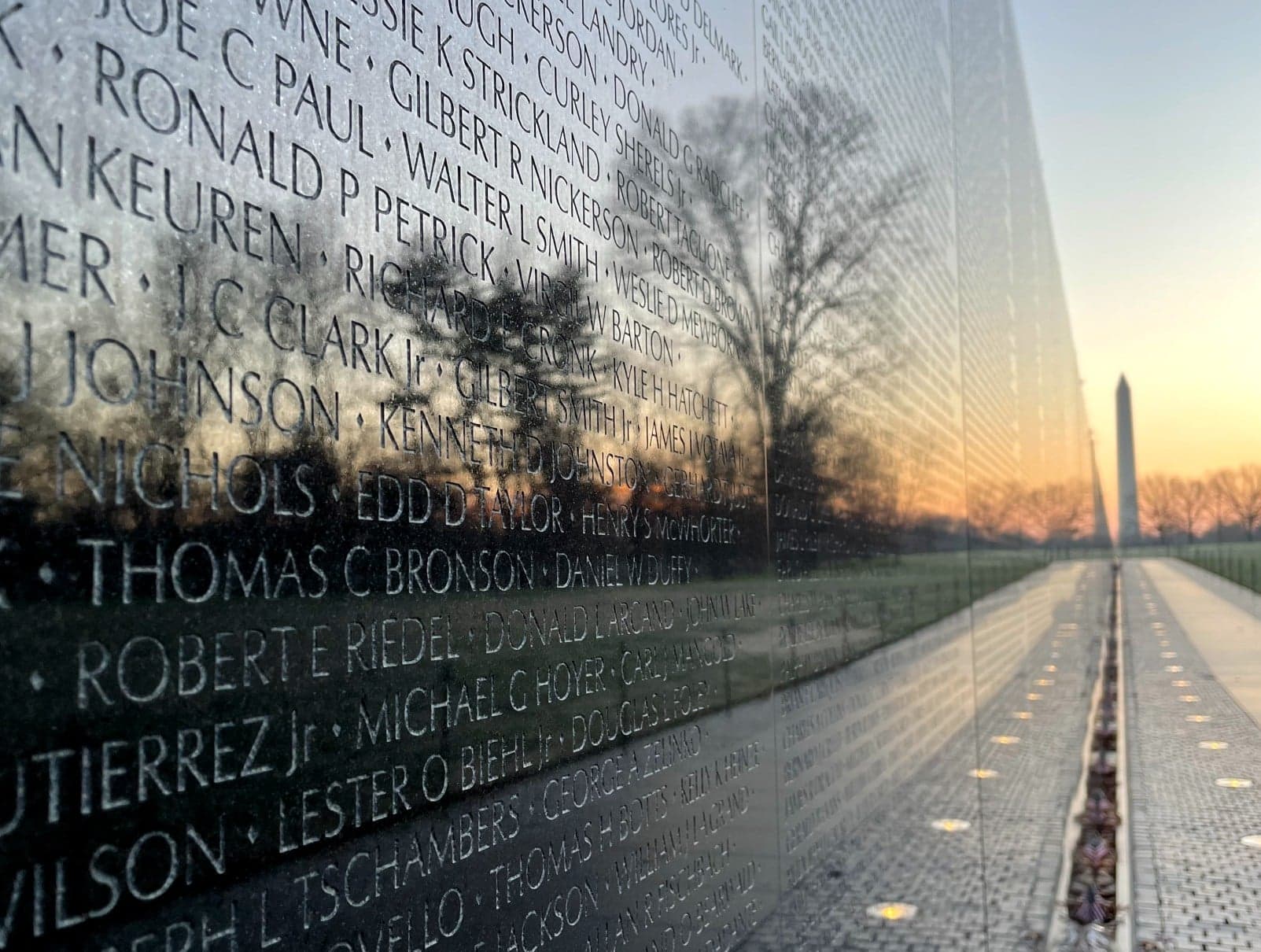 Vietnam Veterans MemorialAttraction · 20 min · Free
The Vietnam Veterans Memorial is a black granite wall inscribed with the names of 58,318 American service members who died or remain missing from the Vietnam War. Its reflective surface creates a powerful contemplative experience.
 Thomas Jefferson MemorialAttraction · 30 min · Free
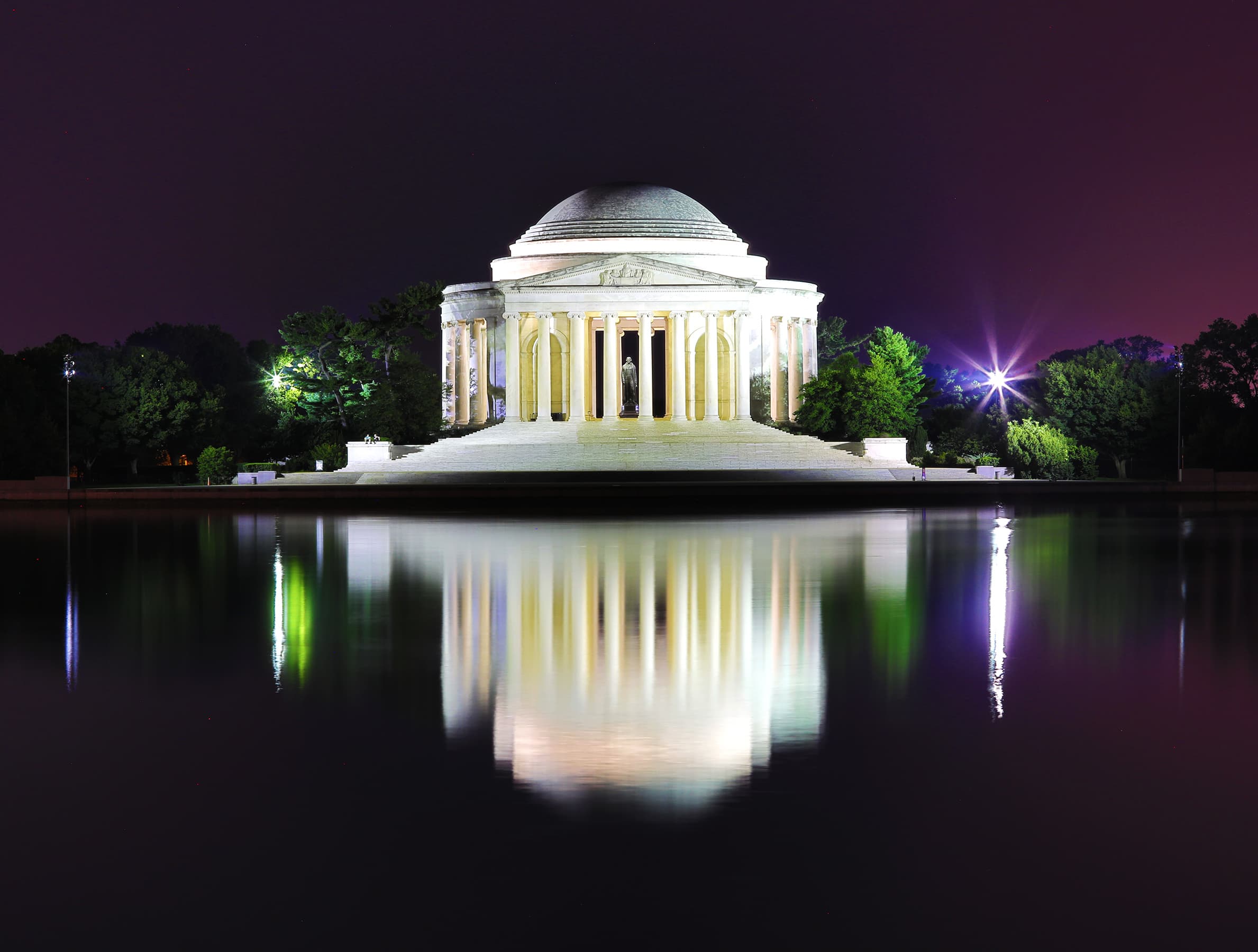
The Thomas Jefferson Memorial is a neoclassical domed monument on the southwest shore of the Tidal Basin, dedicated to the third President of the United States and principal author of the Declaration of Independence.
 Ford's TheatreAttraction · 1.3h · Free
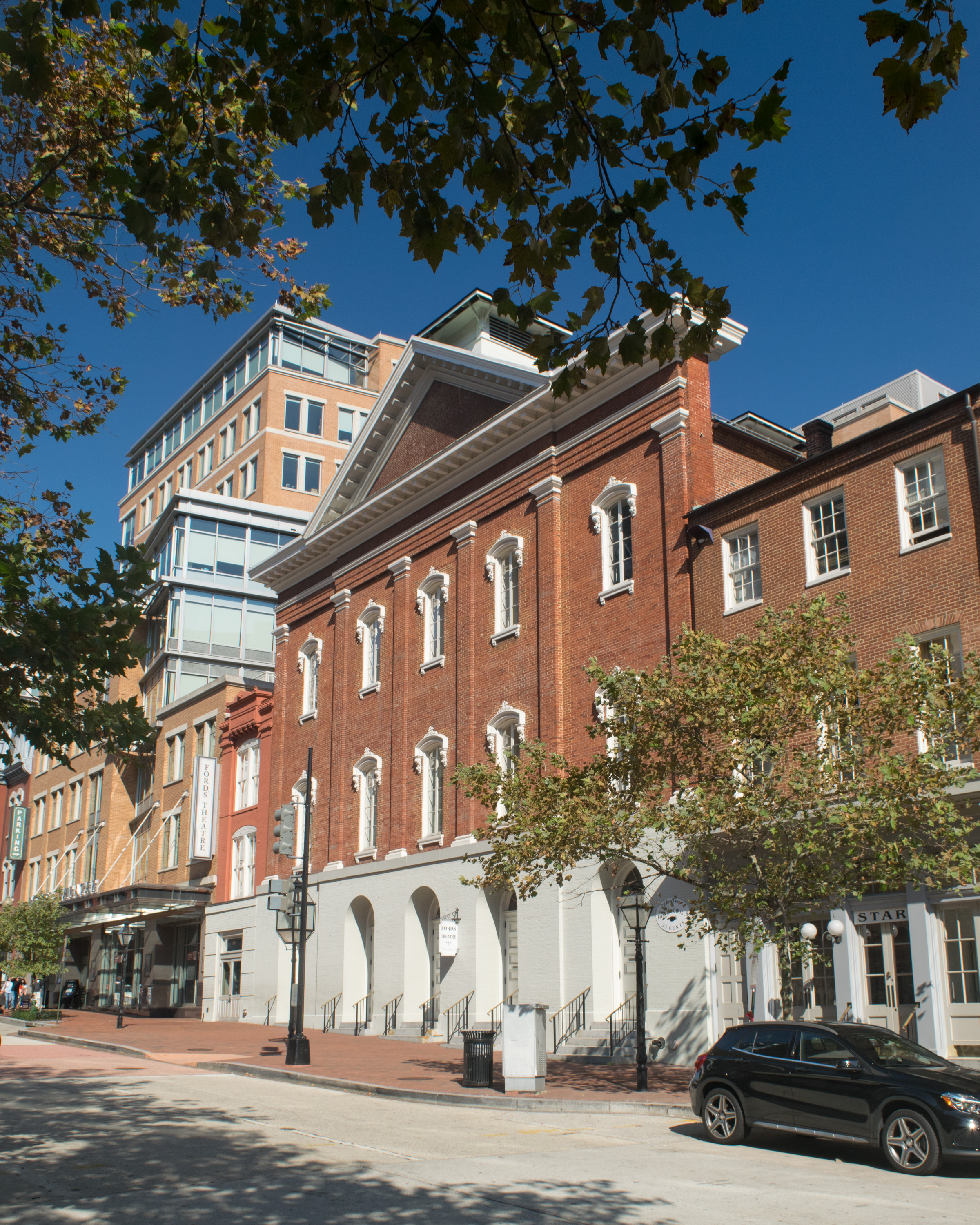
Ford's Theatre is the site where President Abraham Lincoln was assassinated by John Wilkes Booth on April 14, 1865. Today it operates as both a working theater and a museum dedicated to Lincoln's presidency and legacy.
 Martin Luther King Jr. MemorialAttraction · 20 min · Free
The Martin Luther King Jr. Memorial is a 30-foot granite sculpture on the northwest shore of the Tidal Basin, honoring the civil rights leader. It is the first memorial on the National Mall dedicated to a non-president and an African American.
 World War II MemorialAttraction · 20 min · Free
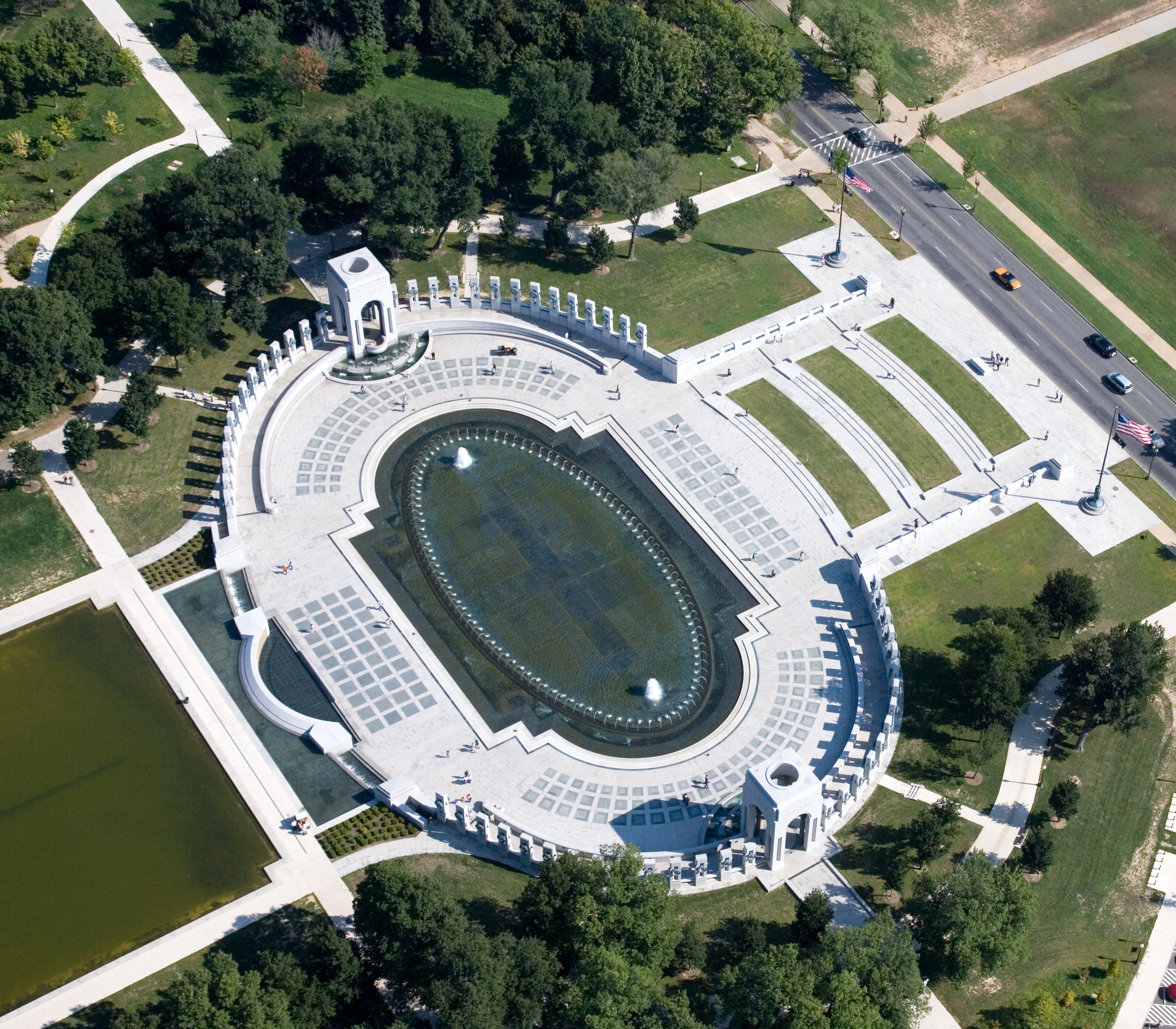
The National World War II Memorial honors the 16 million Americans who served in the armed forces during WWII and the more than 400,000 who died. Located between the Lincoln Memorial and the Washington Monument, it opened in 2004.
 Korean War Veterans MemorialAttraction · 15 min · Free
The Korean War Veterans Memorial honors the 5.8 million Americans who served during the Korean War (1950–1953). Its centerpiece is a triangular field of 19 stainless steel soldier statues advancing through juniper bushes.
 National ArchivesAttraction · 1h · Free
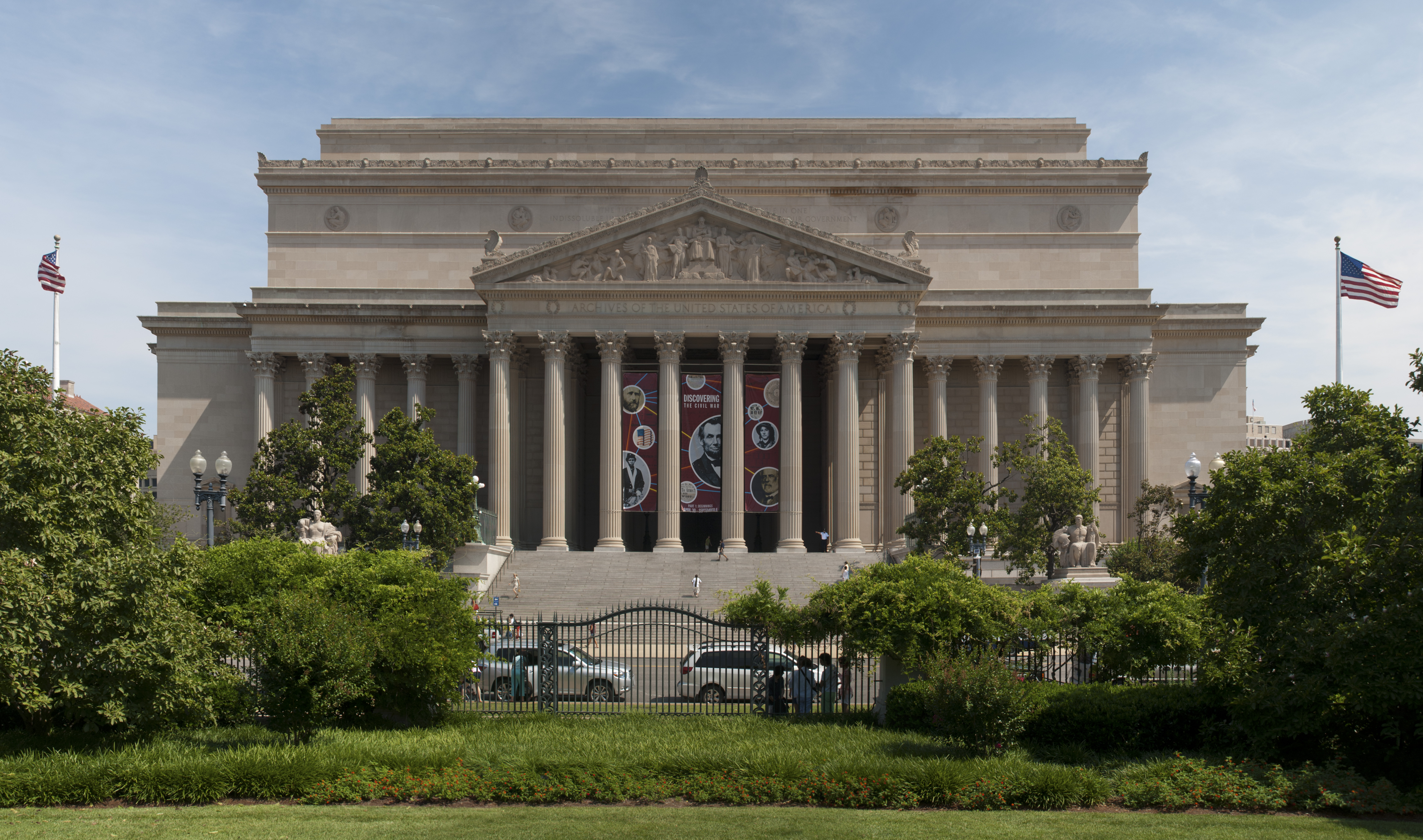
The National Archives Museum houses the founding documents of the United States: the Declaration of Independence, the Constitution, and the Bill of Rights. These Charters of Freedom are displayed under dim light in argon-filled encasements.
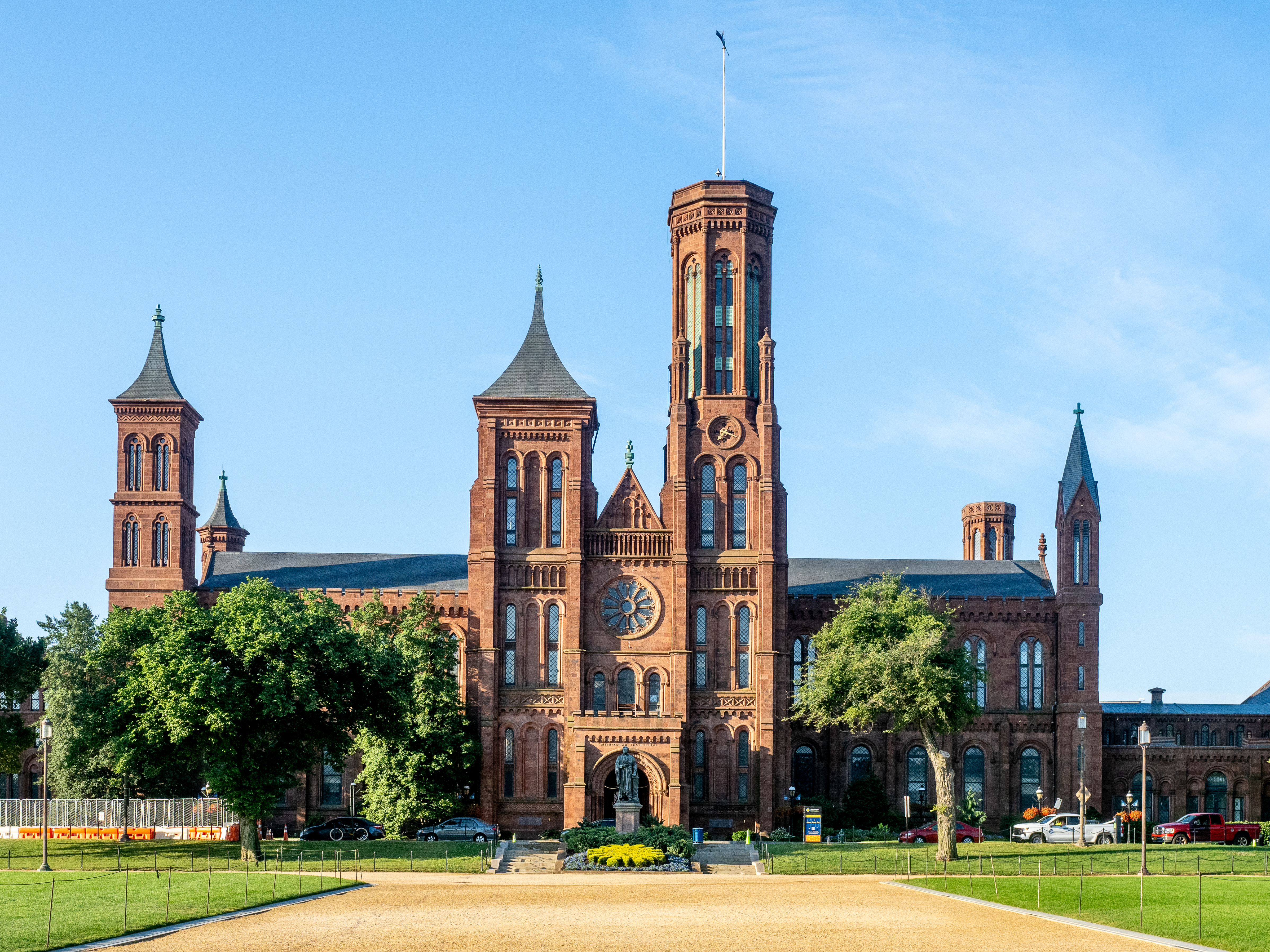 Smithsonian CastleAttraction · 30 min · Free
The Smithsonian Institution Building, known as the Castle, serves as the information center for the world's largest museum, education, and research complex. Its distinctive red sandstone towers make it one of the most recognizable buildings on the Mall.
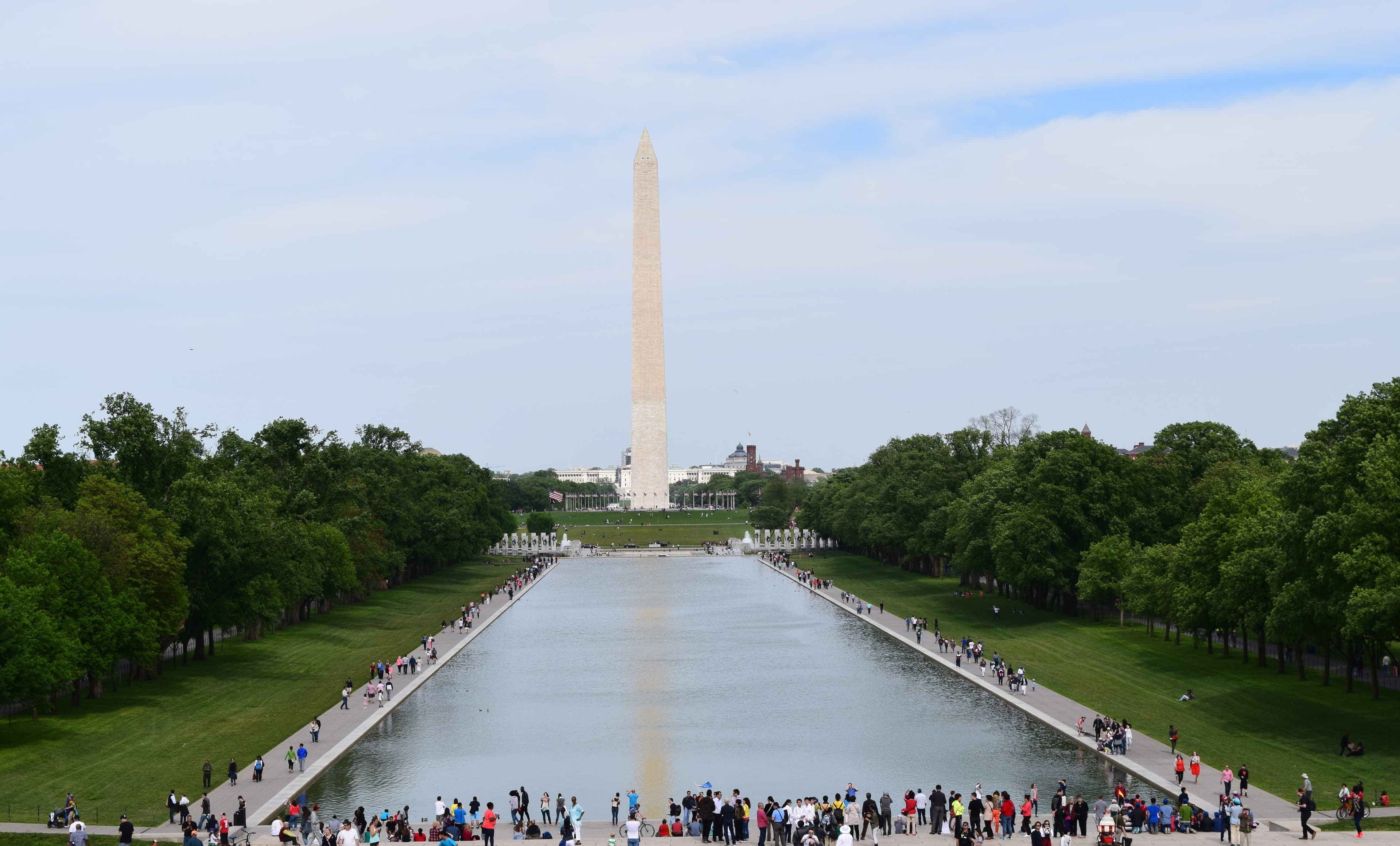 Lincoln MemorialAttraction · 30 min · Free
The Lincoln Memorial is a neoclassical monument on the western end of the National Mall, honoring Abraham Lincoln, the 16th President of the United States. The 19-foot marble statue of a seated Lincoln gazes eastward toward the Washington Monument and the Capitol.