Loading city...
Skip to main content
Attractions in Oslo
11 attractions selected in this guide.
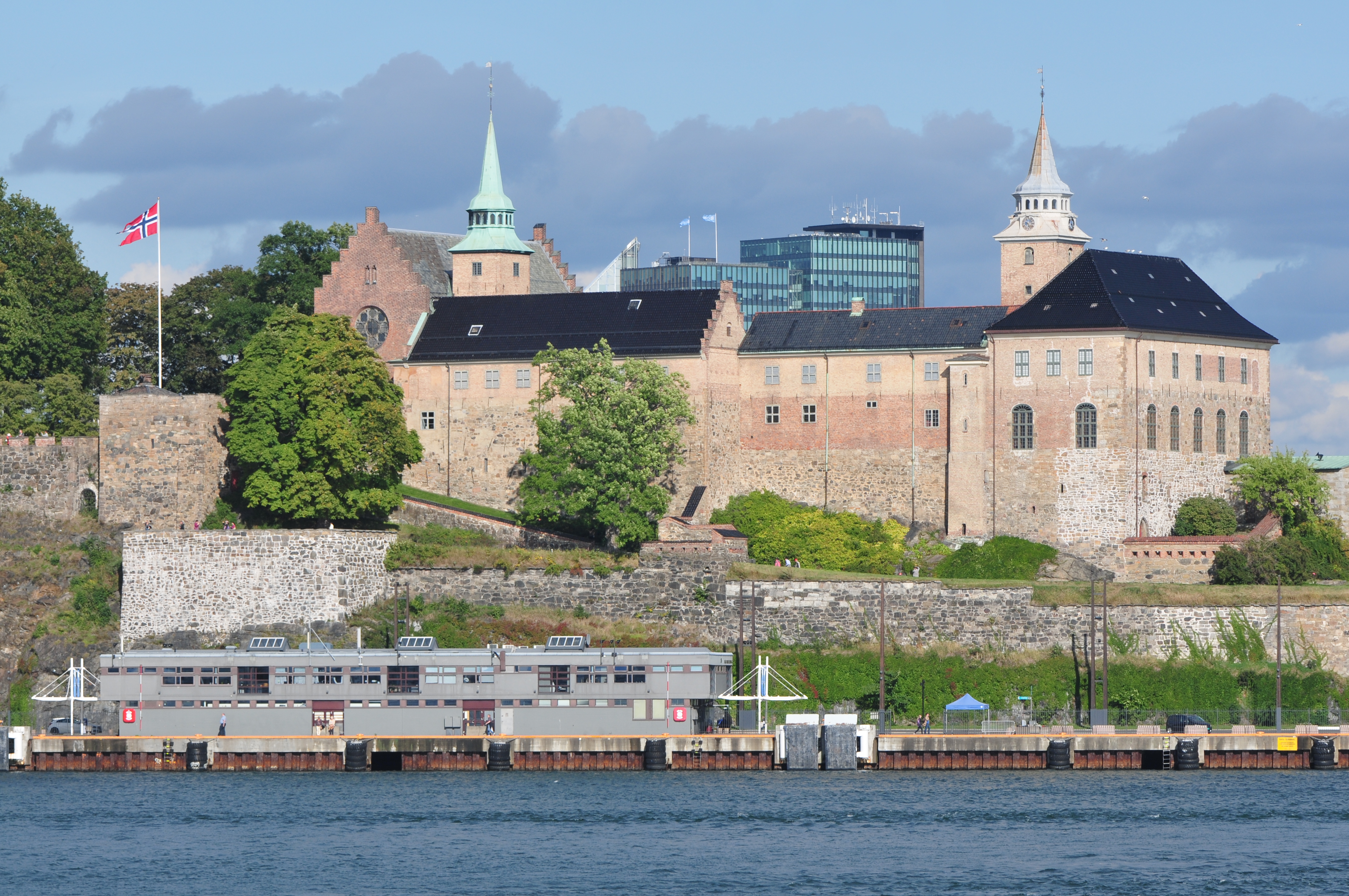 Akershus FortressAttraction · 1.5h · Free
A medieval castle and fortress perched on a rocky headland overlooking Oslo Harbour, built around 1299. It has served as royal residence, military stronghold, and prison over seven centuries.
 Oslo Opera HouseAttraction · 45 min · Free
The Oslo Opera House rises from the Oslofjord like a glacier. Its sloping white Carrara marble roof is designed to be walked on, offering panoramic fjord views as a massive public sculpture.
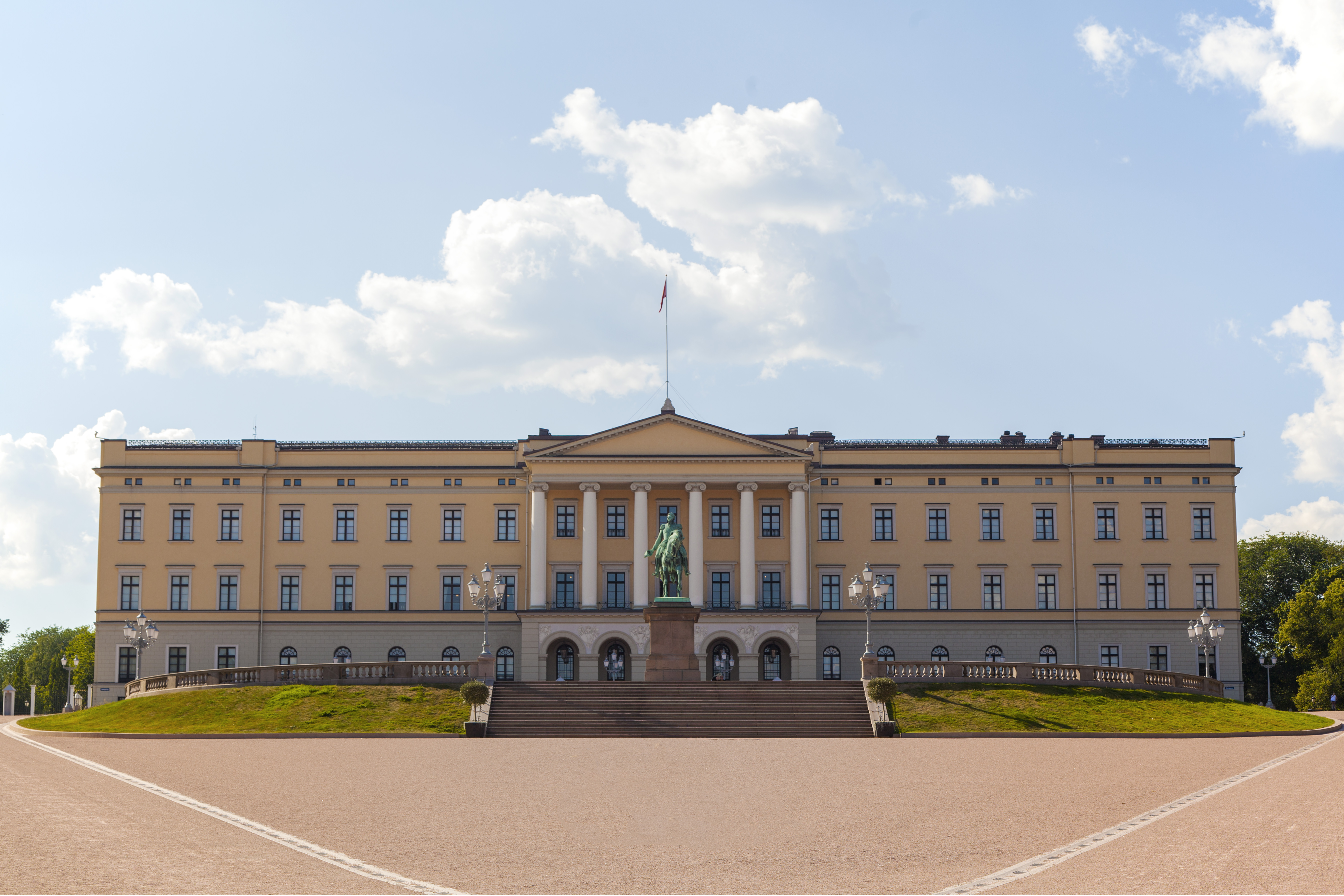 Royal PalaceAttraction · 1h · 230 kr
The Royal Palace sits at the western end of Karl Johans gate, surrounded by 22 hectares of parkland. It remains the official residence of the Norwegian Royal Family.
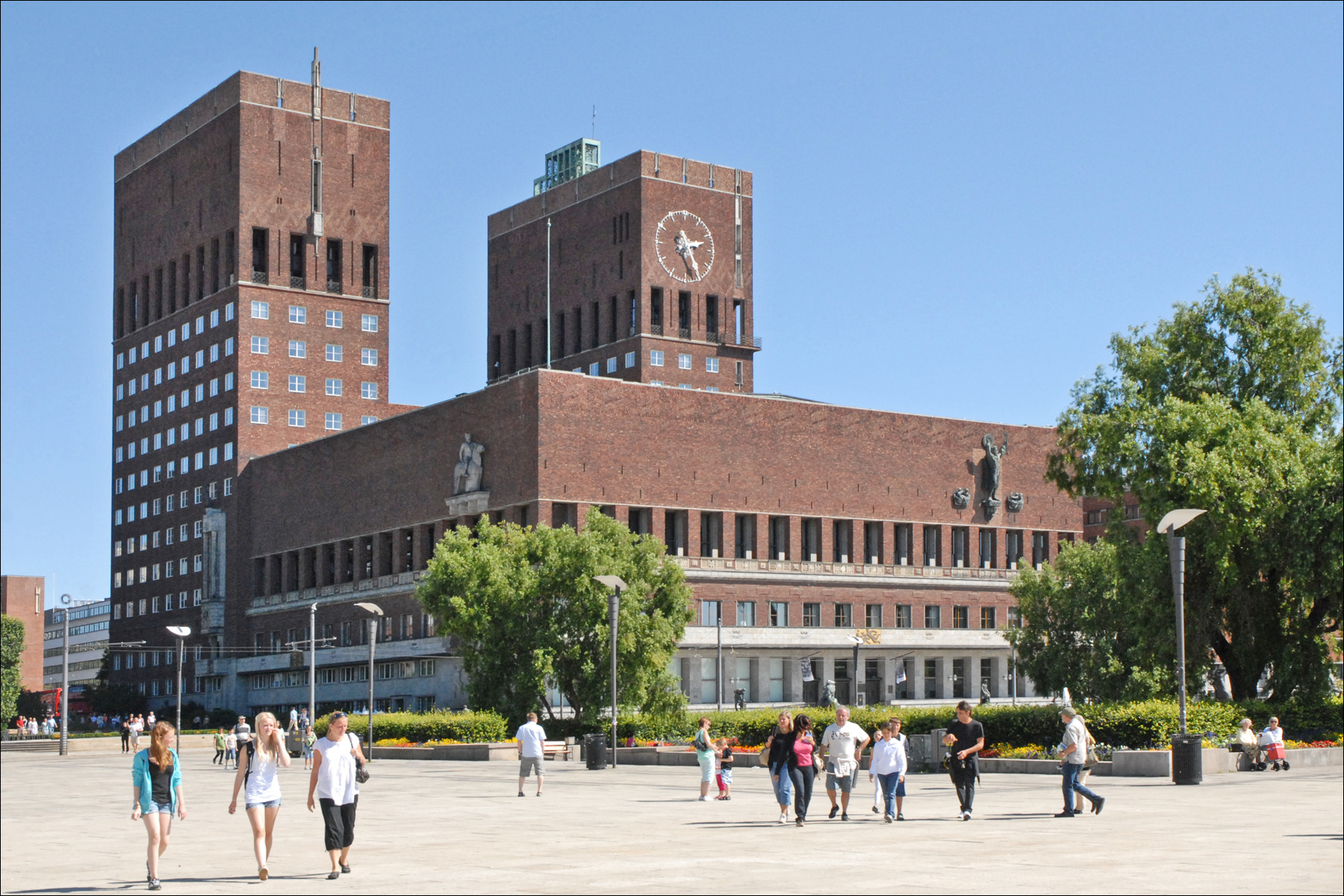 Oslo City HallAttraction · 30 min · Free
A monumental twin-towered brick building on the waterfront, famous as the venue for the annual Nobel Peace Prize ceremony on December 10th.
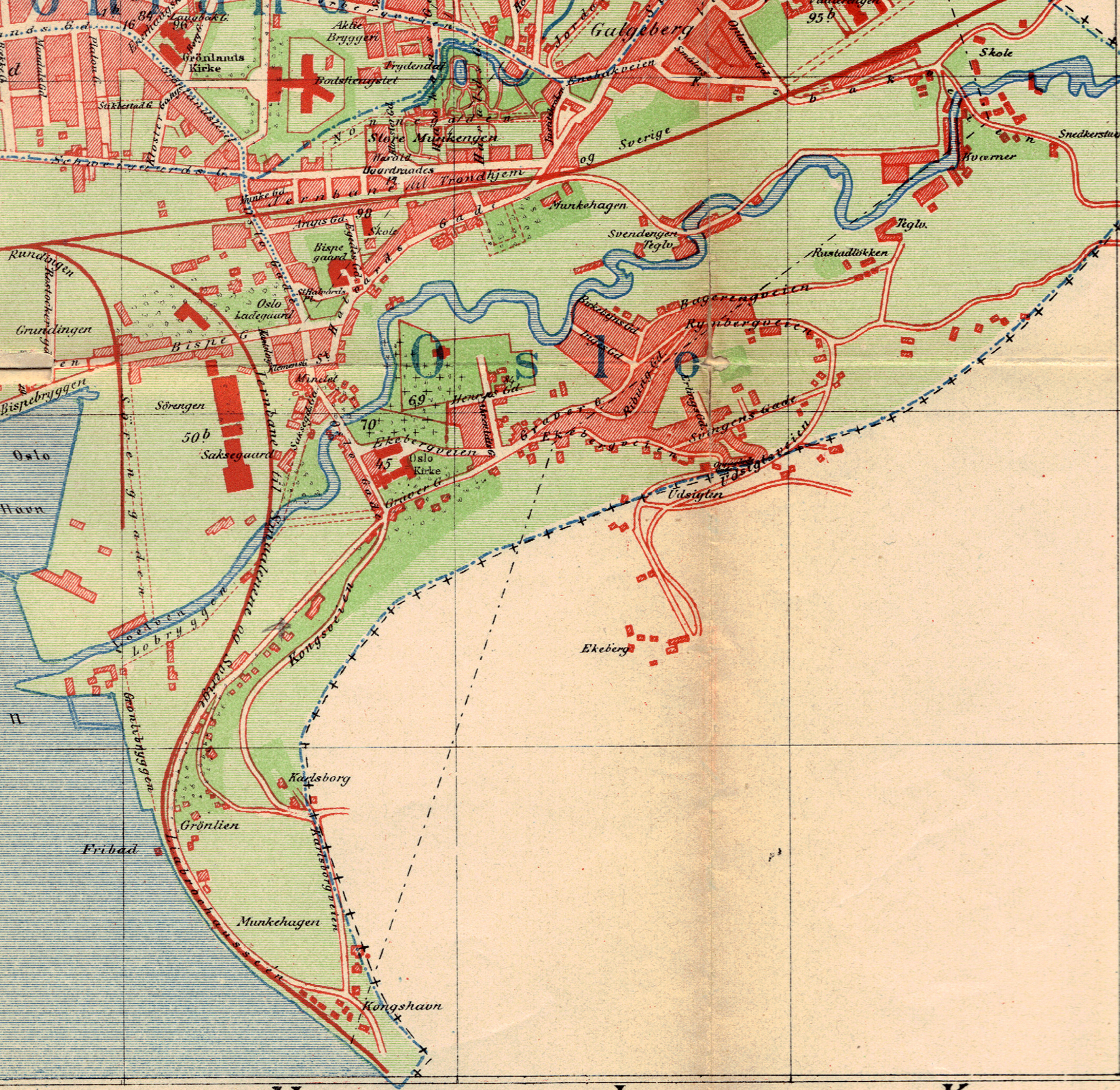 Oslo CathedralAttraction · 20 min · Free
Oslo's main cathedral, consecrated in 1697, venue for royal weddings including Crown Prince Haakon's in 2001.
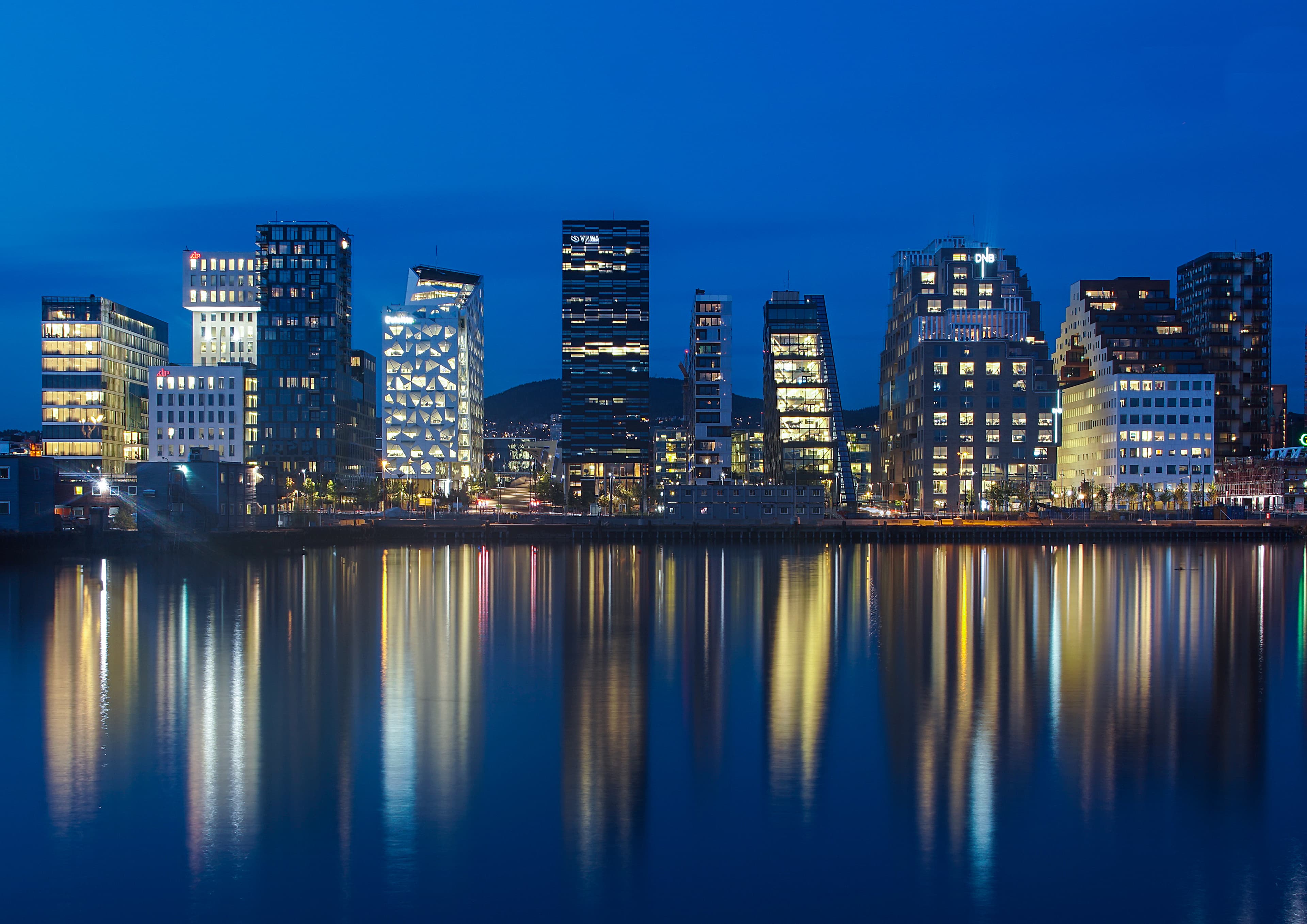 Barcode ProjectAttraction · 20 min · Free
The Barcode Project is a row of striking, slender high-rise buildings along the waterfront in Bjørvika, each designed by a different architectural firm. Together they form a modern skyline that has redefined Oslo's visual identity.
 Karl Johans gateAttraction · 30 min · Free
Oslo's main ceremonial boulevard stretches 1 km from the Central Station to the Royal Palace, serving as the city's primary promenade, shopping street, and parade route.
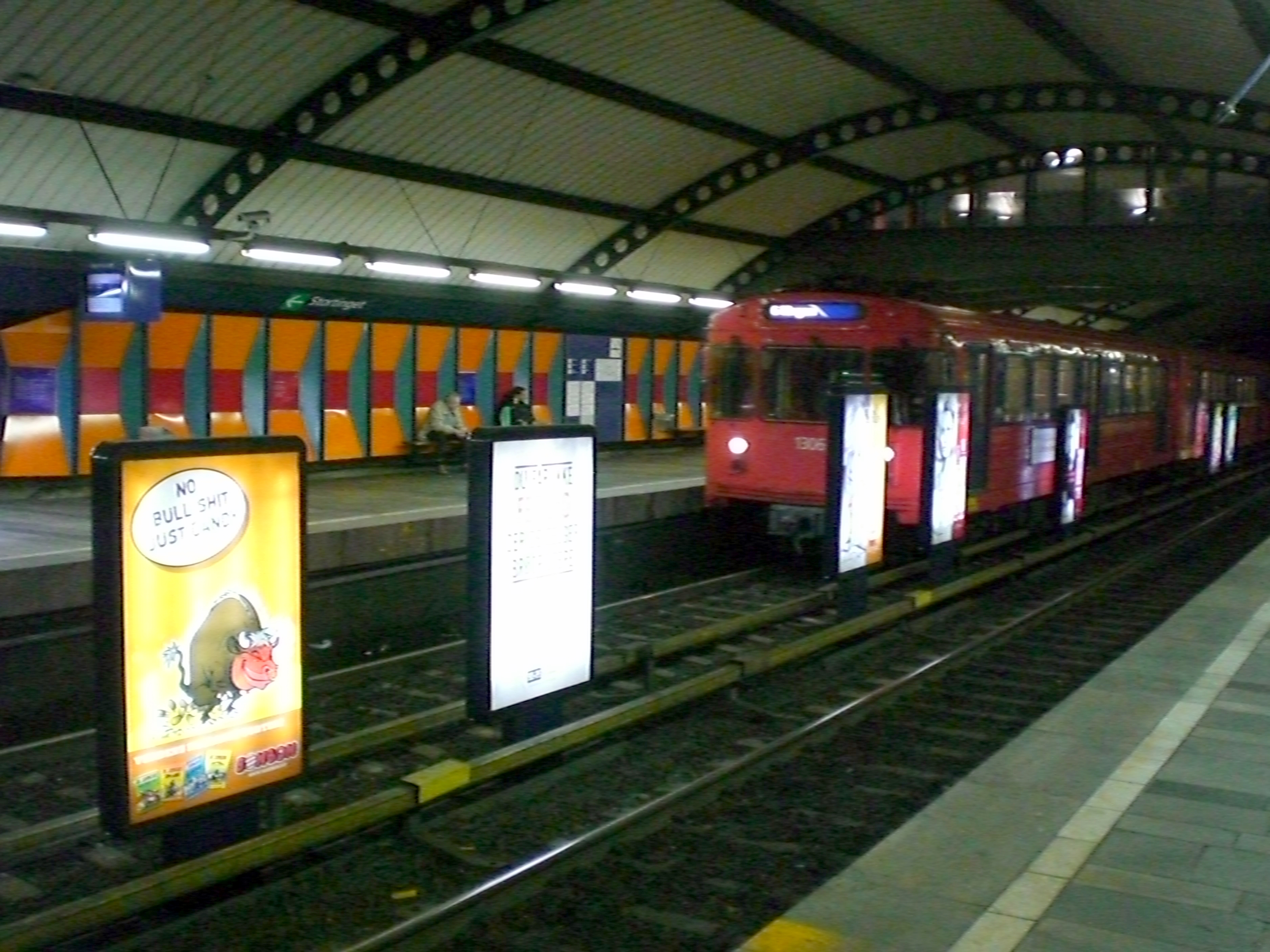 StortingetAttraction · 30 min · Free
The Stortinget is Norway's parliament building, an elegant 1866 yellow-brick structure at the eastern end of Karl Johans gate.
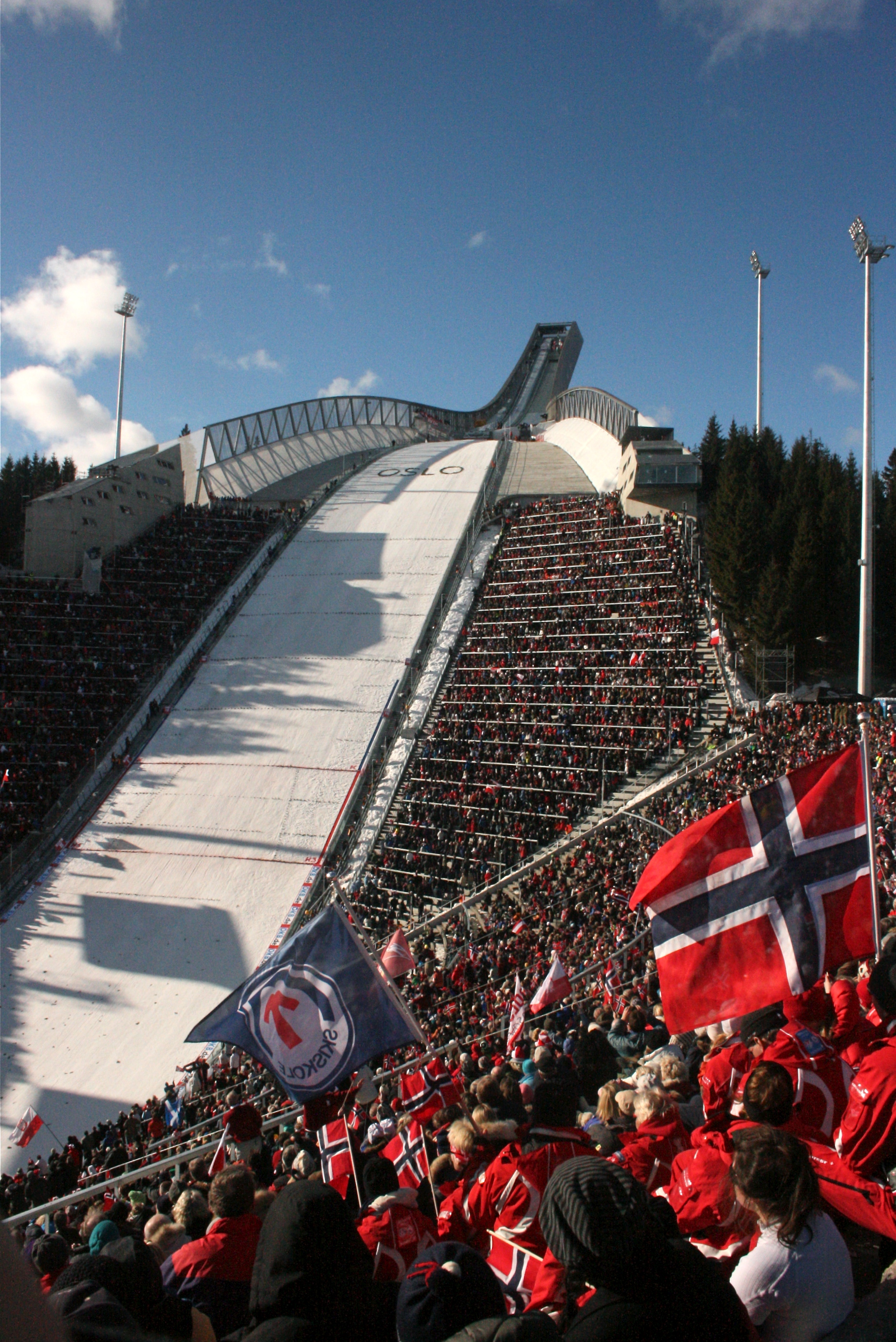 Holmenkollen Ski JumpAttraction · 1.5h · 190 kr
The Holmenkollen ski jump is one of Norway's most iconic landmarks, perched 417 metres above sea level with commanding views of the entire Oslo basin. It has hosted ski jumping events since 1892.
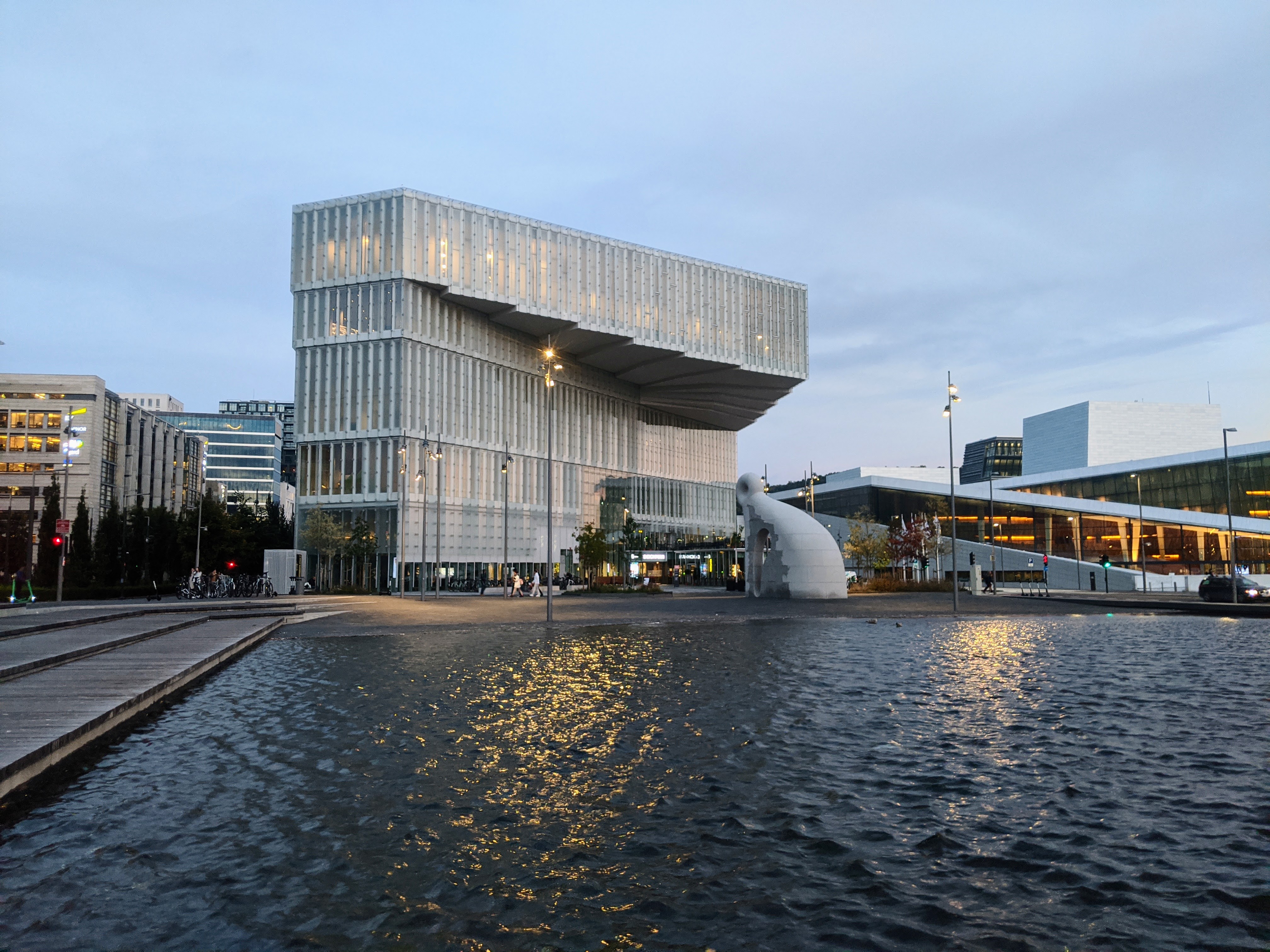 Deichman BjørvikaAttraction · 45 min · Free
Deichman Bjørvika is Oslo's spectacular new main public library, a six-story angular building offering free workspace, gaming rooms, a cinema, recording studios, and panoramic fjord views.
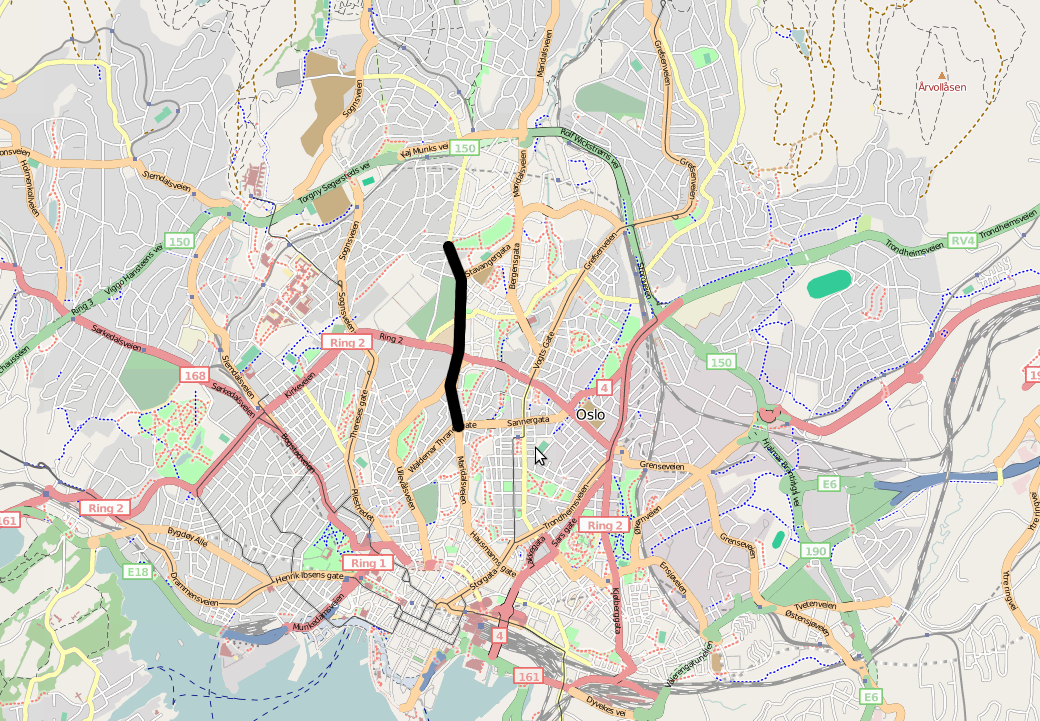 DamstredetAttraction · 15 min · Free
Damstredet is a tiny, charming cobblestone street of colourful wooden houses dating from the late 18th and early 19th century—a rare surviving fragment of old Oslo.