Loading city...
Skip to main content
Attractions in Cork
10 attractions selected in this guide.
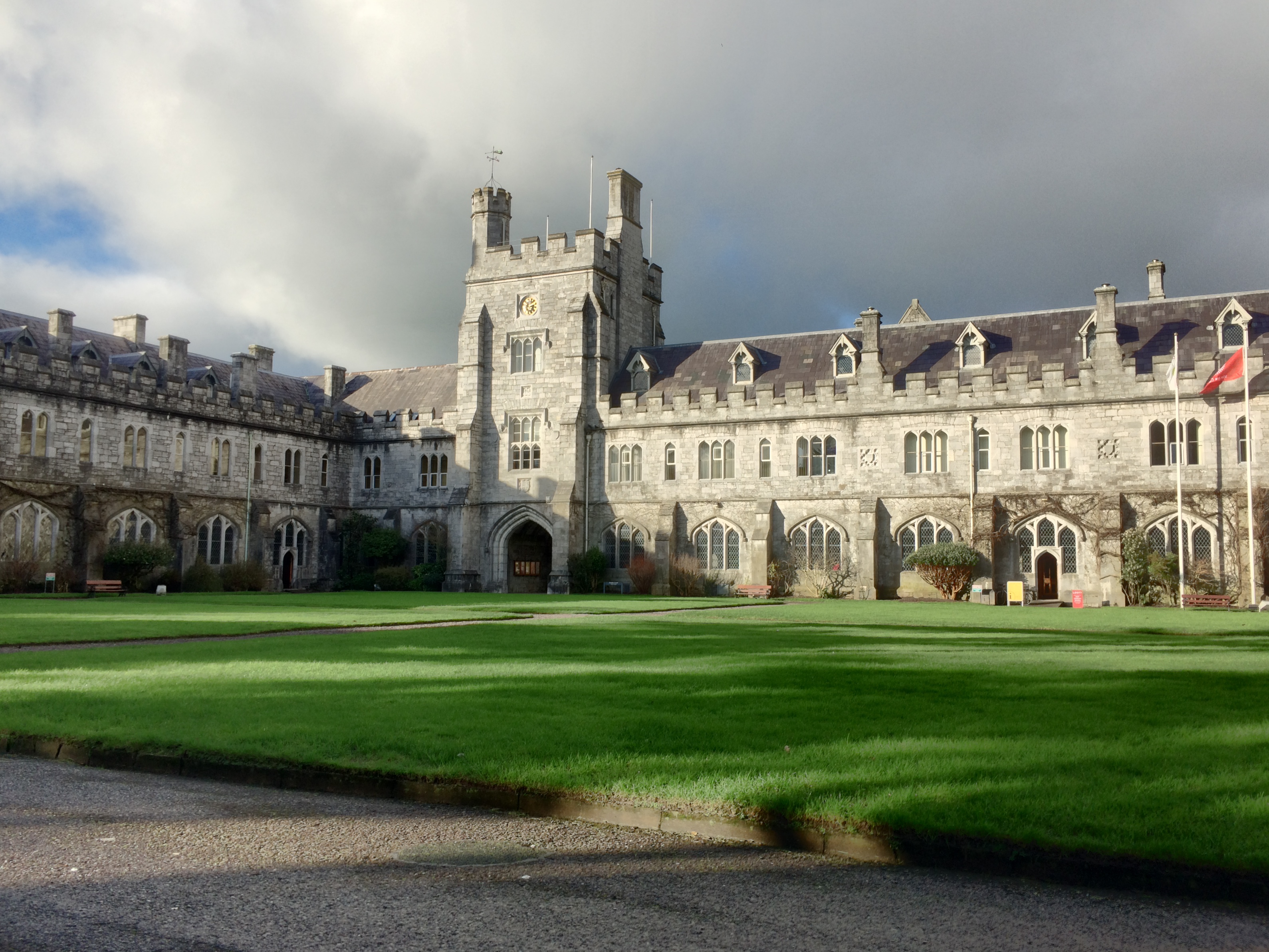 University College CorkAttraction · 1h · Free
University College Cork (UCC) is one of Ireland's oldest universities, founded in 1845 as Queen's College Cork. The campus blends historic quadrangles with modern facilities along the banks of the River Lee.
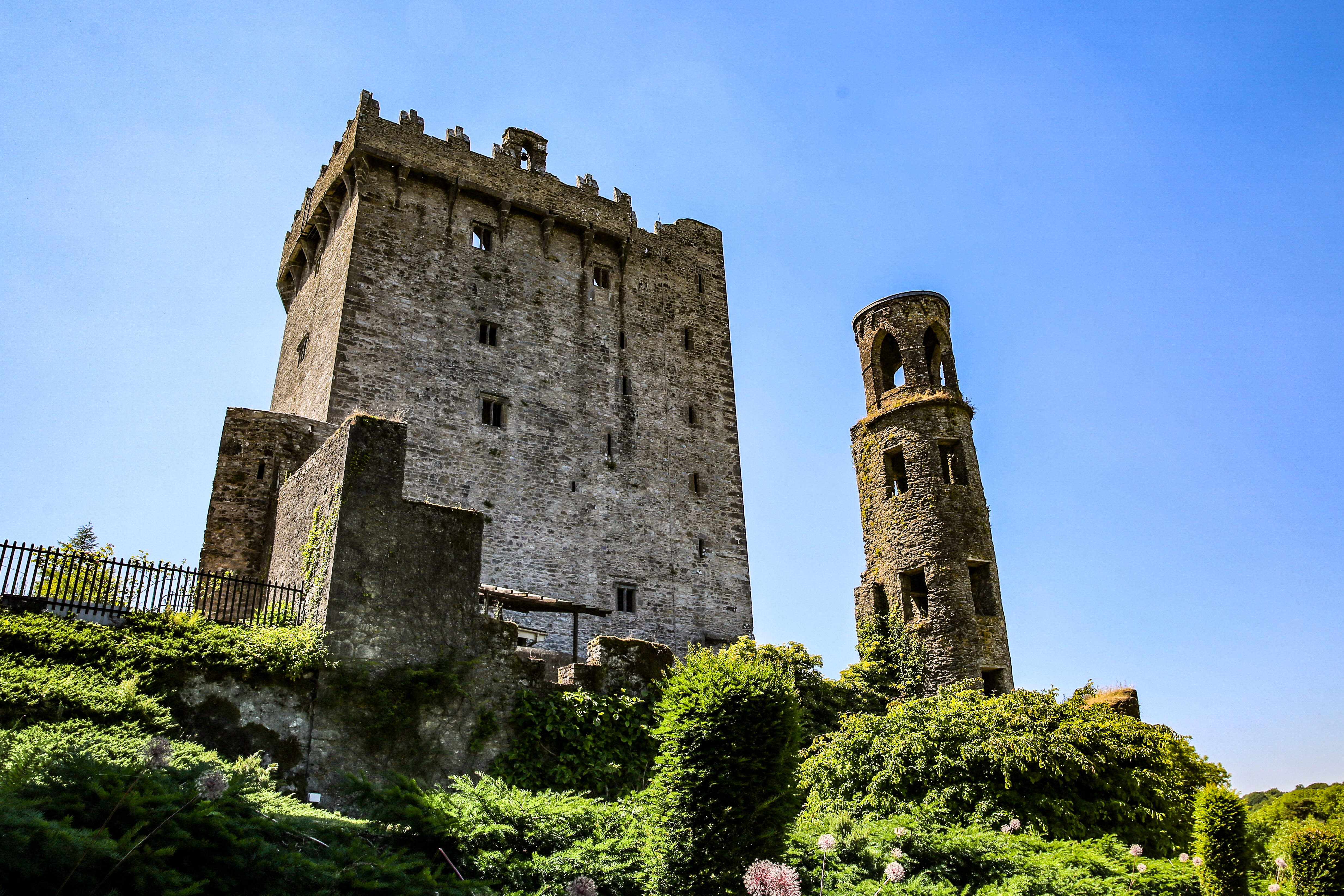 Blarney Castle & GardensAttraction · 2.5h · €23
Blarney Castle is a medieval stronghold 8 km northwest of Cork city, world-famous for the Blarney Stone — said to bestow 'the gift of the gab' on anyone who kisses it. The surrounding 60-acre gardens are equally impressive.
 Spike IslandAttraction · 3h · €28
Spike Island is a 103-acre island fortress in Cork Harbour with over 1,300 years of monastic, military, and penal history. It was named Europe's leading tourist attraction at the World Travel Awards in 2017.
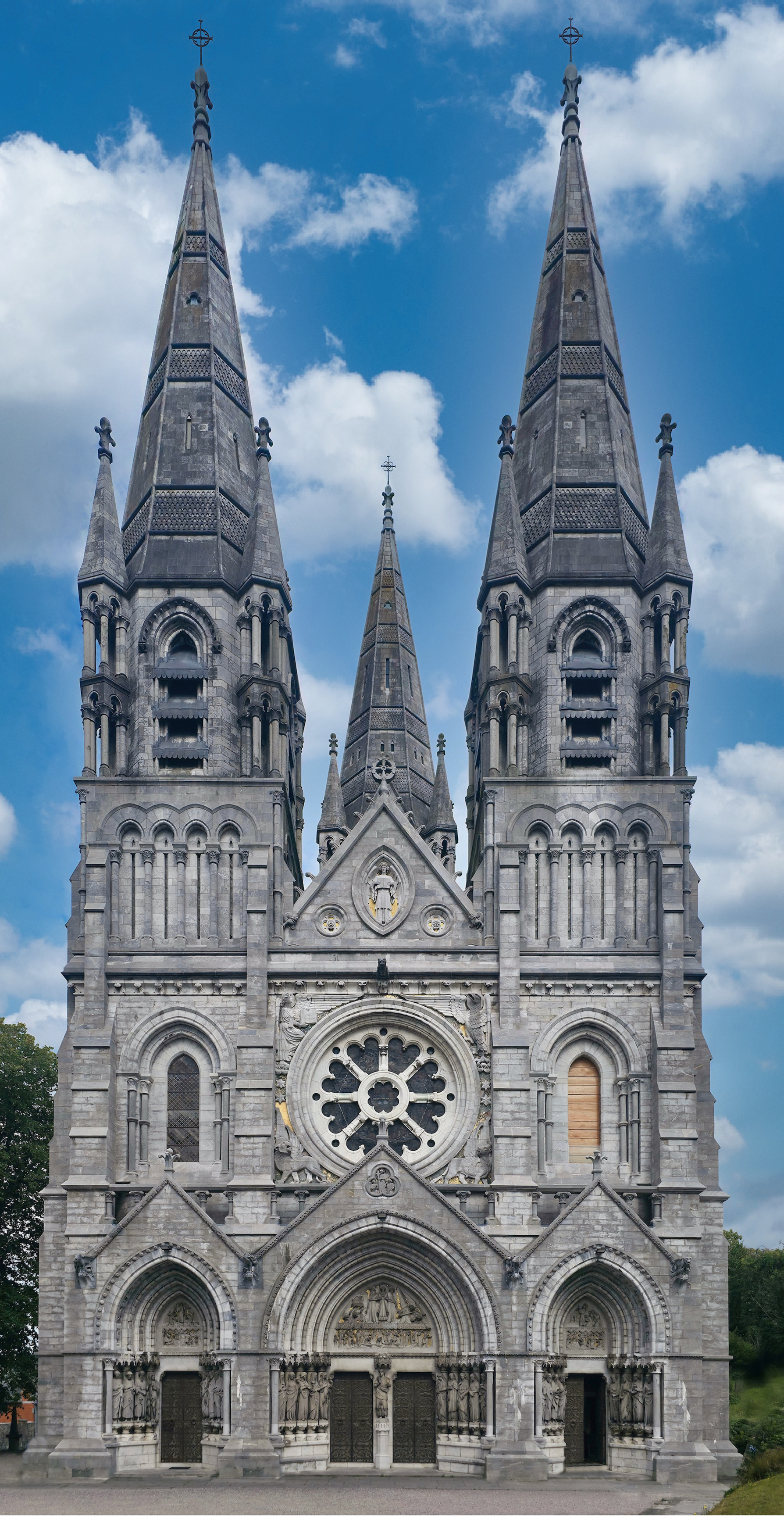 St Fin Barre's CathedralAttraction · 45 min · €8
St Fin Barre's Cathedral is an exuberant French Gothic Revival cathedral designed by William Burges, consecrated in 1870. It stands on the site where Cork's patron saint, Finbarr, is said to have founded a monastery in the 7th century.
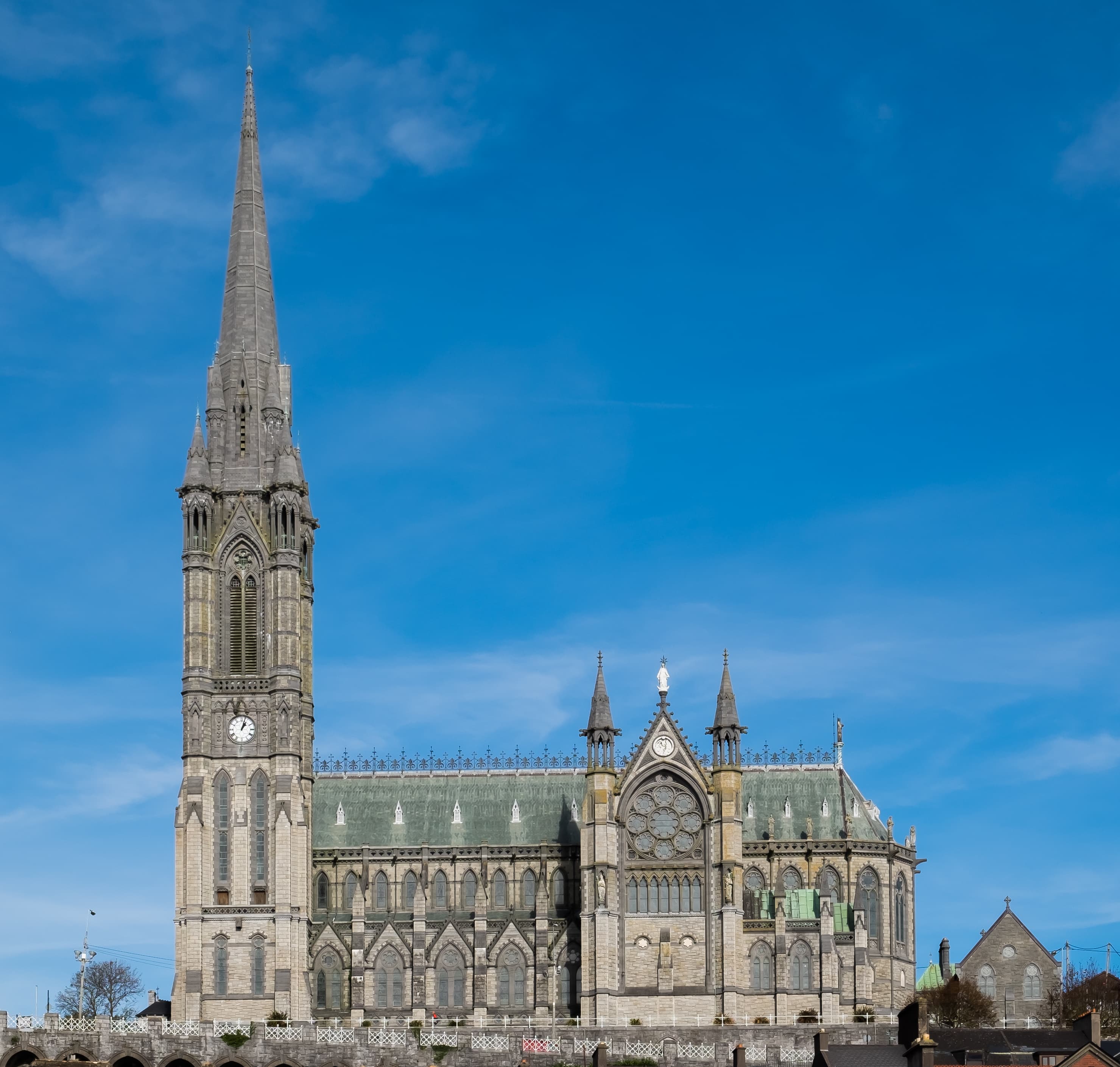 Cobh Cathedral (St Colman's)Attraction · 40 min · Free
St Colman's Cathedral is a towering neo-Gothic cathedral overlooking the harbour at Cobh. Its 91-metre spire is visible far out at sea, and its carillon of 49 bells is the largest in Ireland and the British Isles.
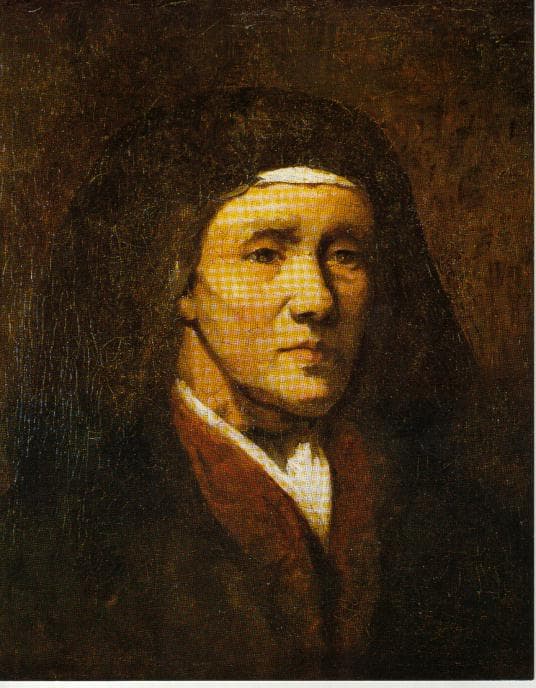 Nano Nagle PlaceAttraction · 50 min · €8
Nano Nagle Place is a heritage centre and garden on Douglas Street, built around the 18th-century South Presentation Convent founded by Nano Nagle, pioneer of Catholic education in Ireland.
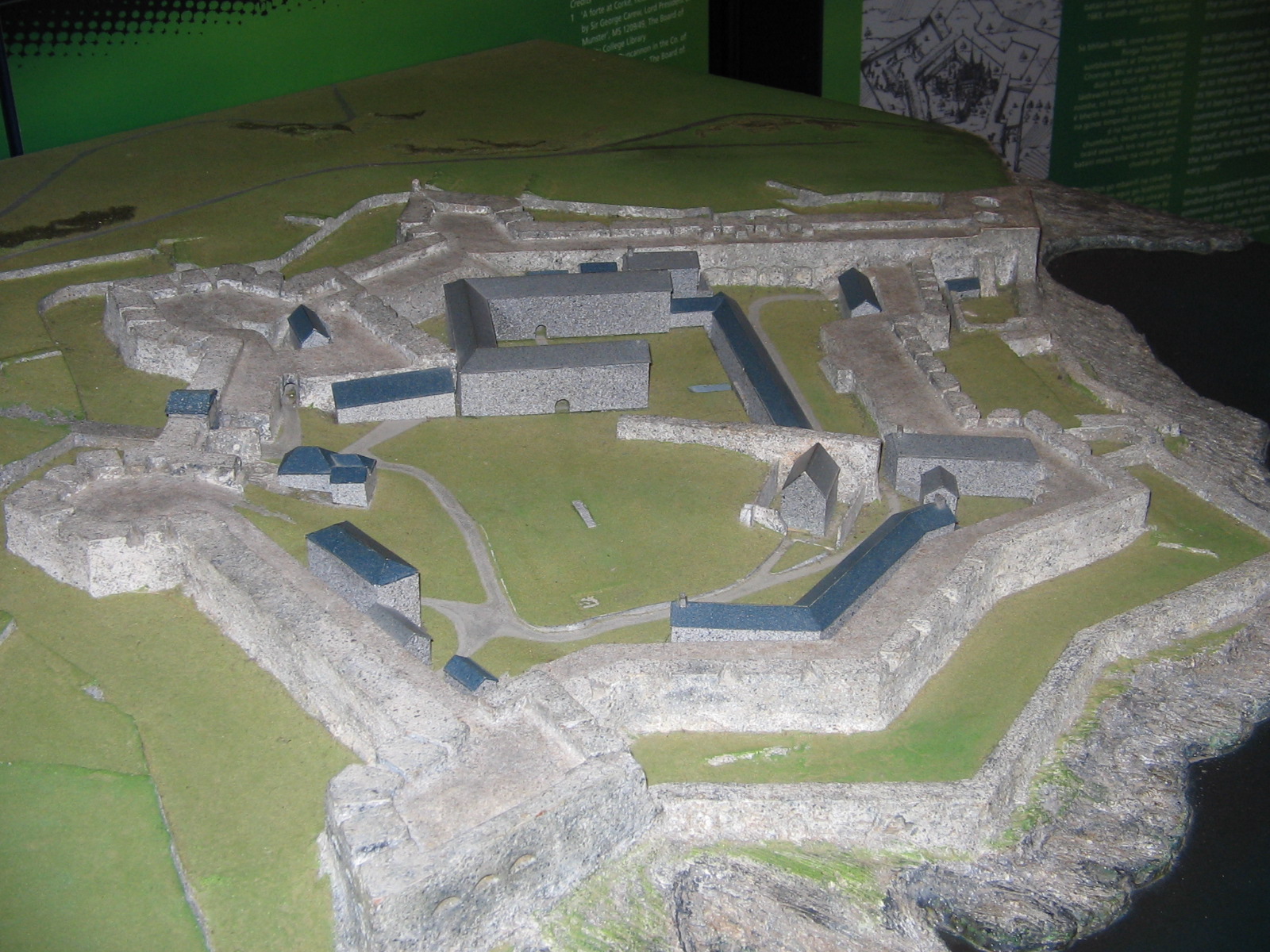 Charles FortAttraction · 1h · €5
Charles Fort is a massive late 17th-century star fort on the eastern shore of Kinsale harbour. It is one of the best-preserved examples of a star-shaped bastion fort in Europe.
 Shandon Bells & Tower (St Anne's Church)Attraction · 40 min · €8
The tower of St Anne's Church in Shandon is one of Cork's most iconic landmarks, famous for its four-faced clock (nicknamed 'the four-faced liar' because the faces historically showed different times) and its set of eight bells that visitors can ring.
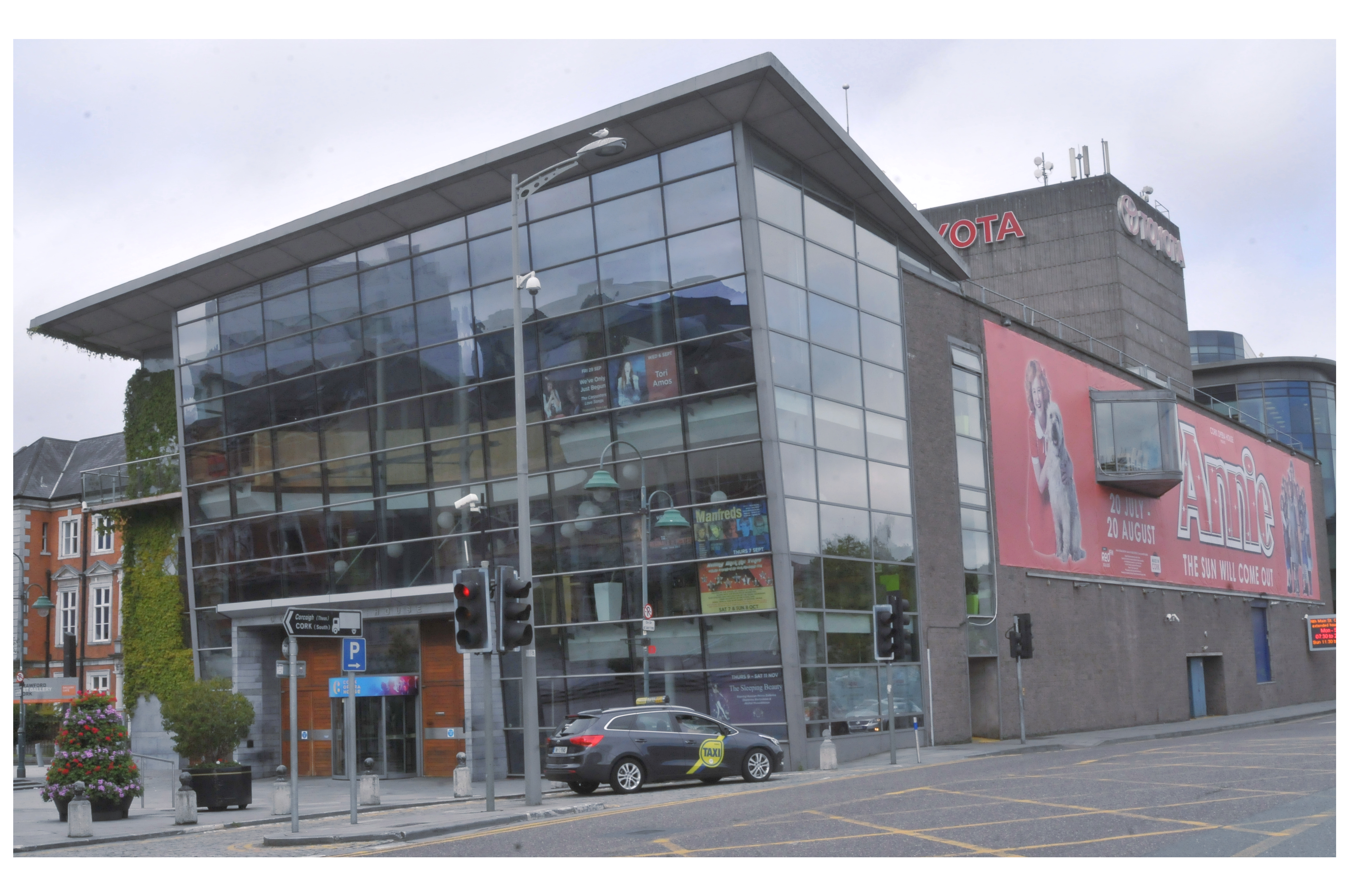 Cork Opera HouseAttraction · 2h · €25
Cork Opera House is the city's principal performing arts venue, located on Emmet Place on the north channel of the River Lee. It hosts over 250 events per year including theatre, opera, comedy, and concerts.
 Elizabeth FortAttraction · 30 min · Free
Elizabeth Fort is a 17th-century star-shaped fort sitting on a hilltop just south of the city centre. Restored and reopened to the public in 2017, it offers free admission and excellent views over Cork.