Loading city...
Skip to main content
Attractions in Split
14 attractions selected in this guide.
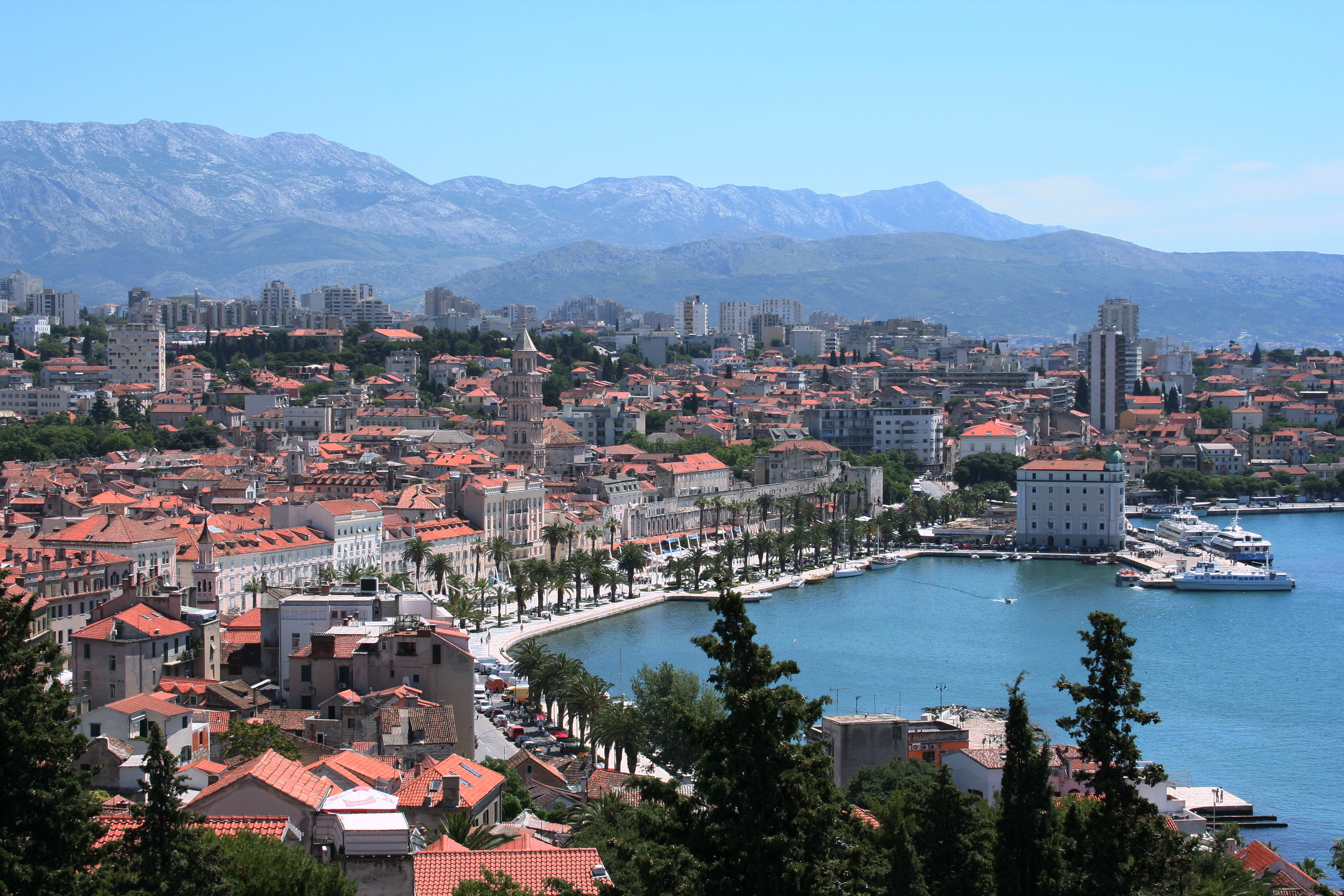 Croatian National Theatre SplitAttraction · 1.5h · €15
The Croatian National Theatre in Split (HNK Split) is a neoclassical cultural institution hosting opera, ballet, and drama performances. Built in 1893, it's a testament to Split's cultural aspirations during the Austro-Hungarian period.
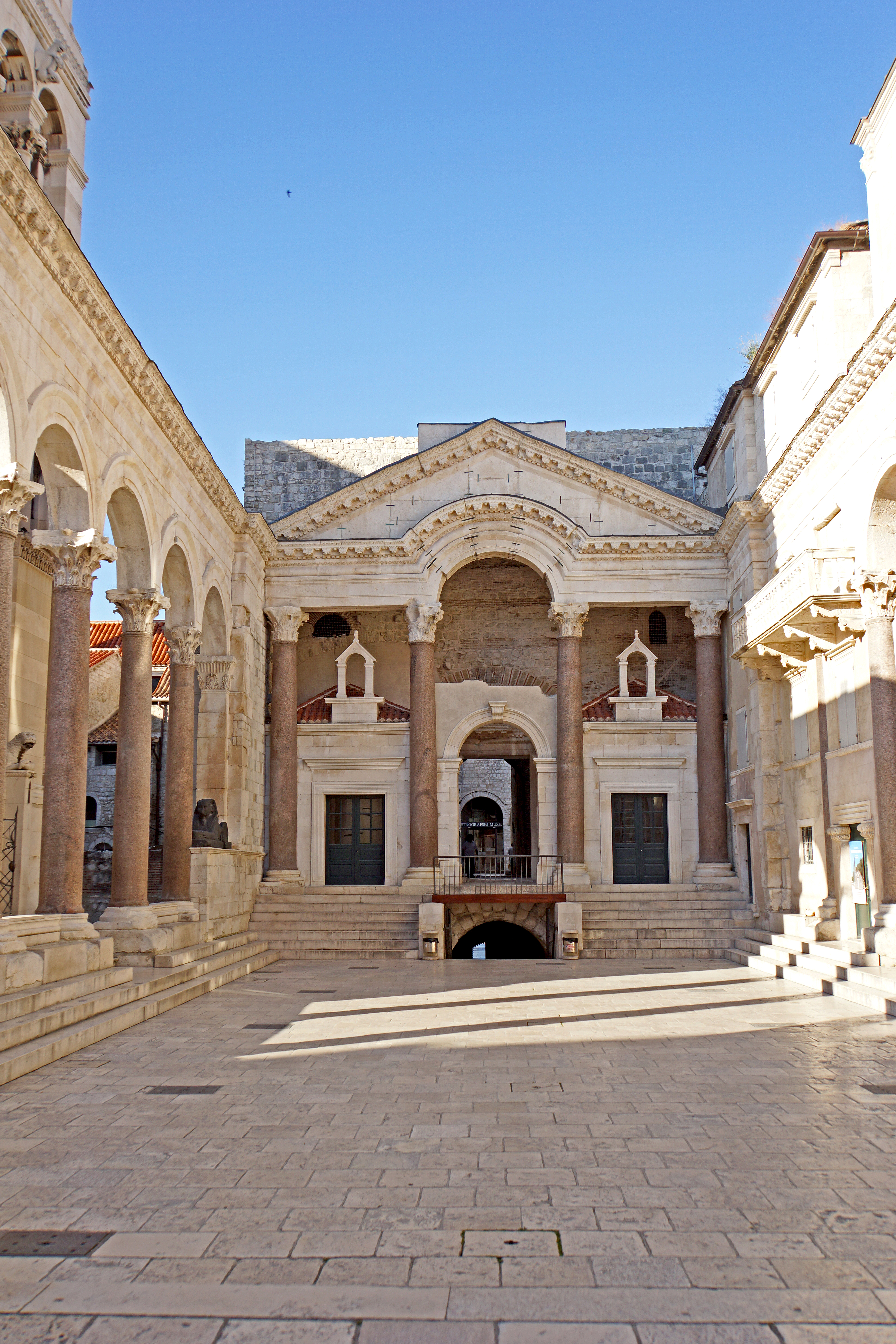 Diocletian's PalaceAttraction · 2h · Free
Diocletian's Palace is one of the best-preserved Roman structures in the world, built between 295 and 305 AD as a retirement residence for Emperor Diocletian. This UNESCO World Heritage Site forms the living heart of Split — not a ruin behind ropes, but a thriving neighborhood of 3,000 residents.
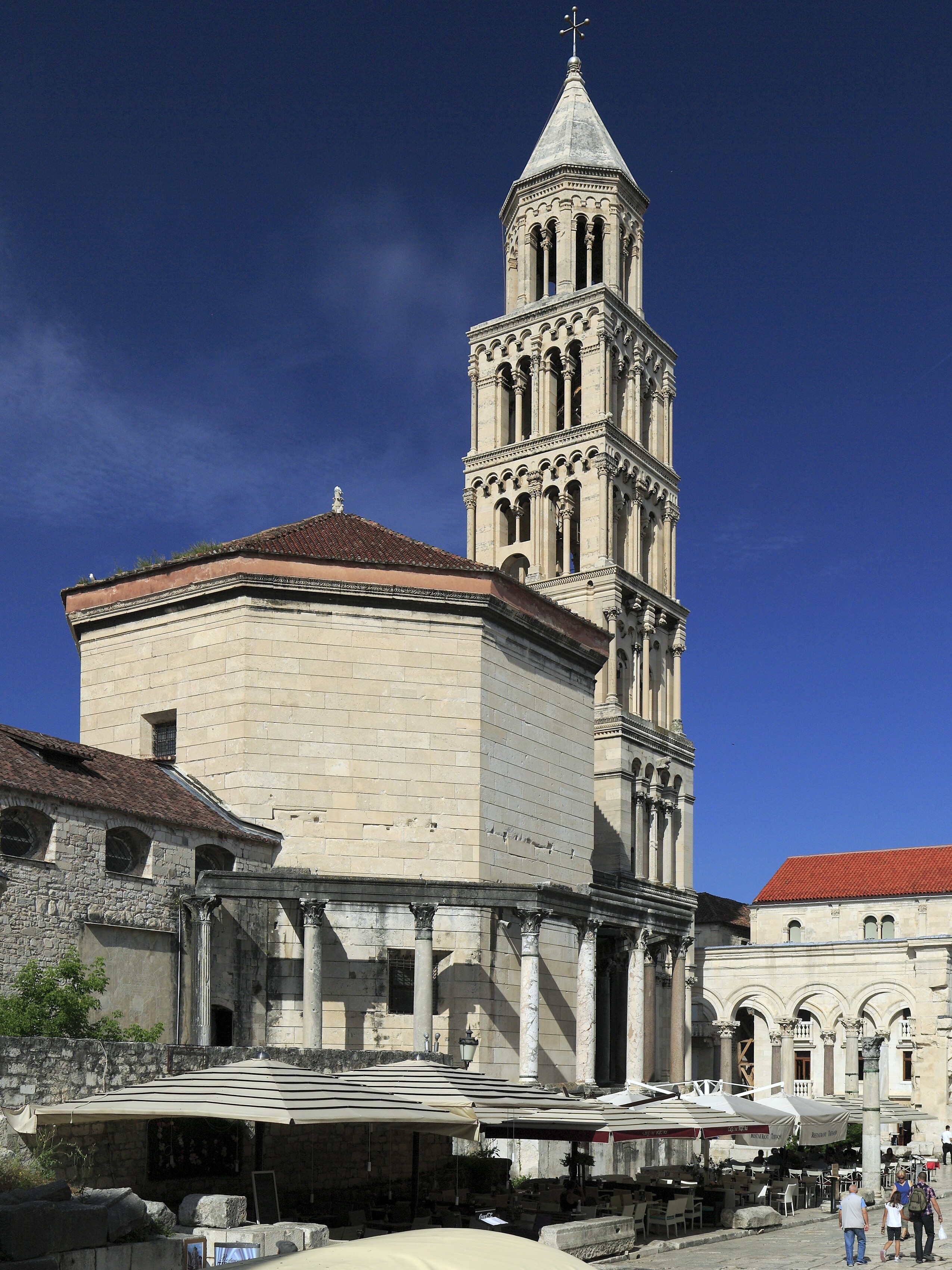 Cathedral of Saint DomniusAttraction · 45 min · €5
The Cathedral of Saint Domnius (Sveti Duje) is the oldest Catholic cathedral building in the world still in use for its original purpose. Originally built as Emperor Diocletian's mausoleum in the 4th century, it was converted into a Christian cathedral in the 7th century.
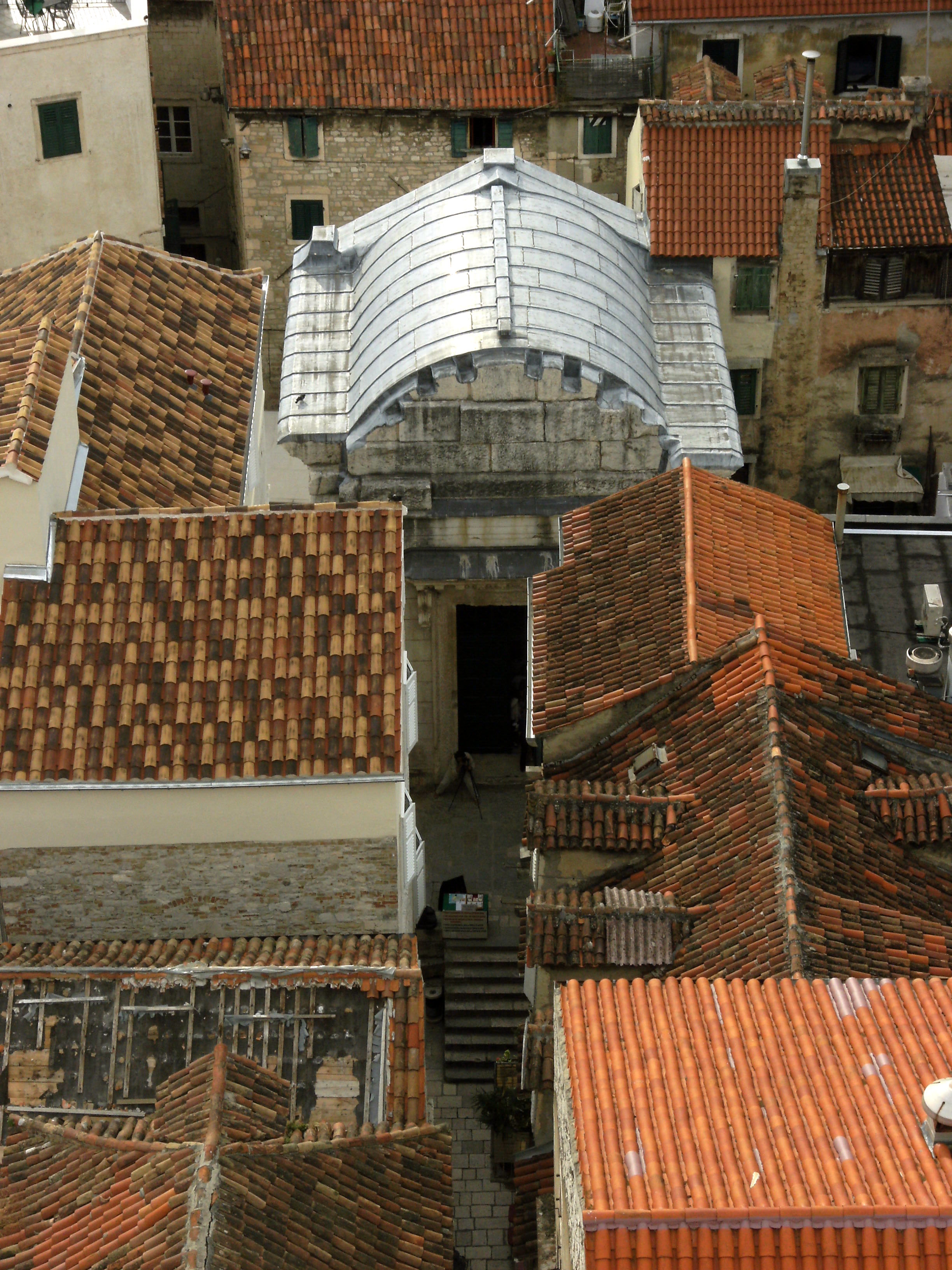 Jupiter's TempleAttraction · 20 min · €3
The Temple of Jupiter is a remarkably well-preserved Roman temple within Diocletian's Palace, originally dedicated to the king of the Roman gods. It was later converted into the Baptistery of Saint John and still contains an 11th-century baptismal font.
- Riva PromenadeAttraction · 45 min · Free
The Riva is Split's iconic seafront promenade, a wide palm-lined walkway stretching along the southern face of Diocletian's Palace. Renovated in 2007 with gleaming white stone, it's the city's social center — busy from morning coffee to late-night drinks.
- Golden GateAttraction · 15 min · Free
The Golden Gate (Porta Aurea) is the grandest of Diocletian's Palace's four gates, serving as the main northern entrance to the complex. It was the ceremonial gate through which visitors of importance would approach the emperor.
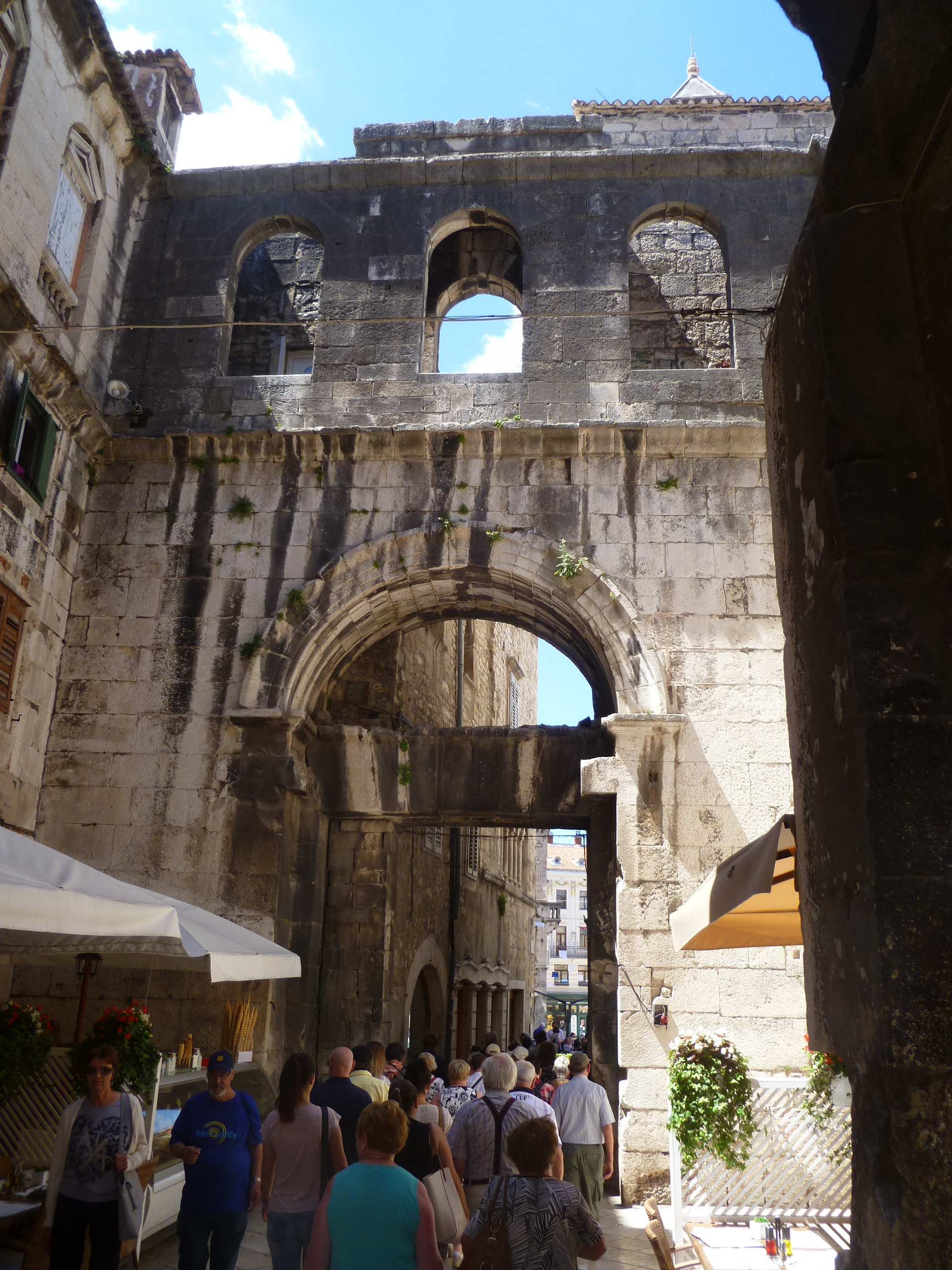 Iron GateAttraction · 10 min · Free
The Iron Gate (Porta Ferrea) is the western gate of Diocletian's Palace, connecting the palace interior to People's Square (Pjaca). Above the gate sits the oldest church tower in Split, a pre-Romanesque structure from the 11th century.
 Silver GateAttraction · 10 min · Free
The Silver Gate (Porta Argentea) is the eastern gate of Diocletian's Palace, opening directly onto the Green Market (Stari Pazar). Less ornate than the Golden Gate, it provides a functional and atmospheric entrance into the palace complex.
- PeristyleAttraction · 30 min · Free
The Peristyle is the monumental open courtyard at the heart of Diocletian's Palace, originally the grand ceremonial entrance to the emperor's private quarters. Today it serves as Split's most iconic public square, framed by ancient columns and the cathedral.
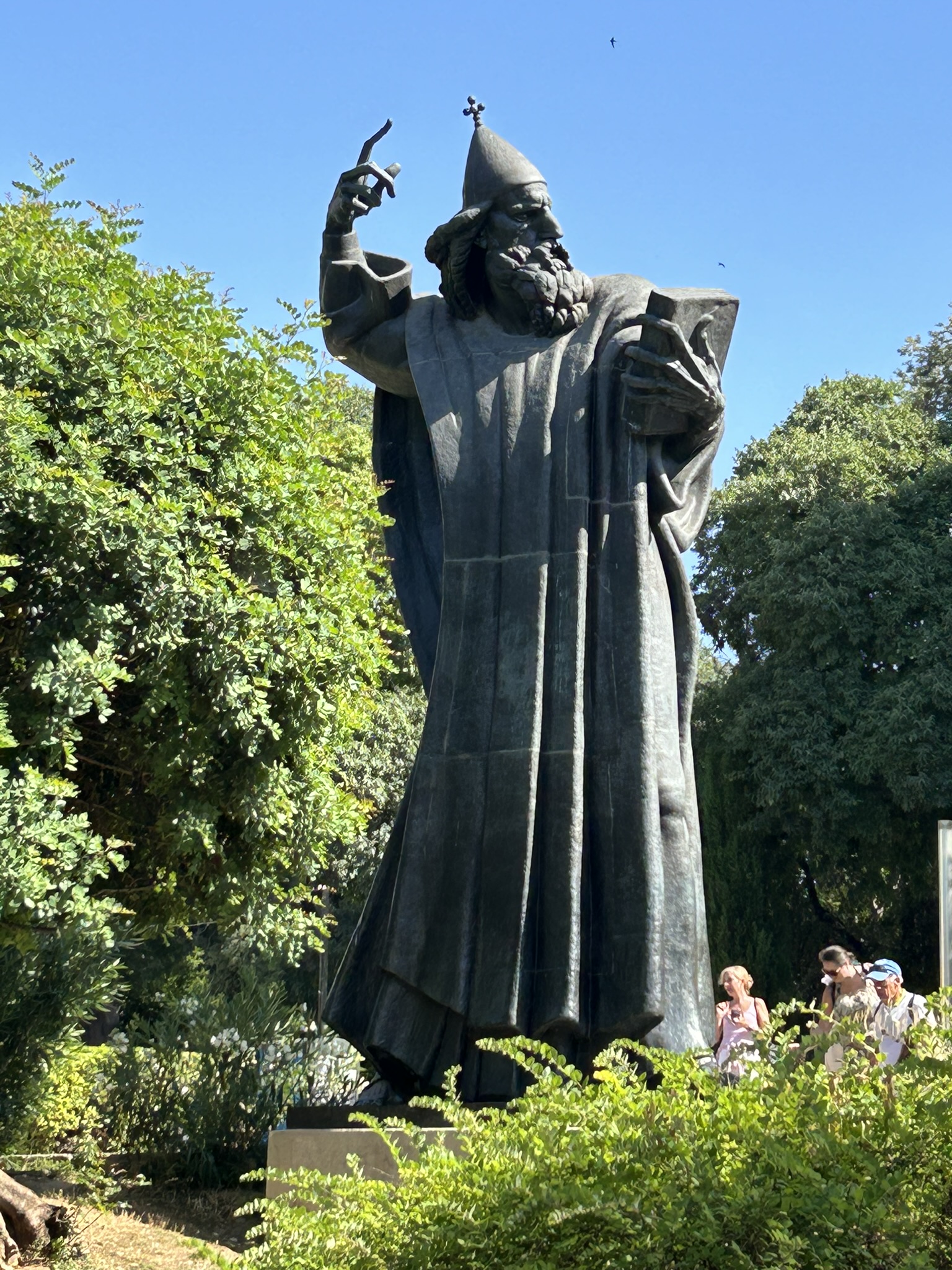 Grgur Ninski StatueAttraction · 10 min · Free
The Grgur Ninski statue is a towering bronze sculpture by Ivan Meštrović depicting Bishop Gregory of Nin, who championed the use of the Croatian language in church services in the 10th century. Its gleaming golden toe, polished by thousands of wishful touches, is Split's most iconic selfie spot.
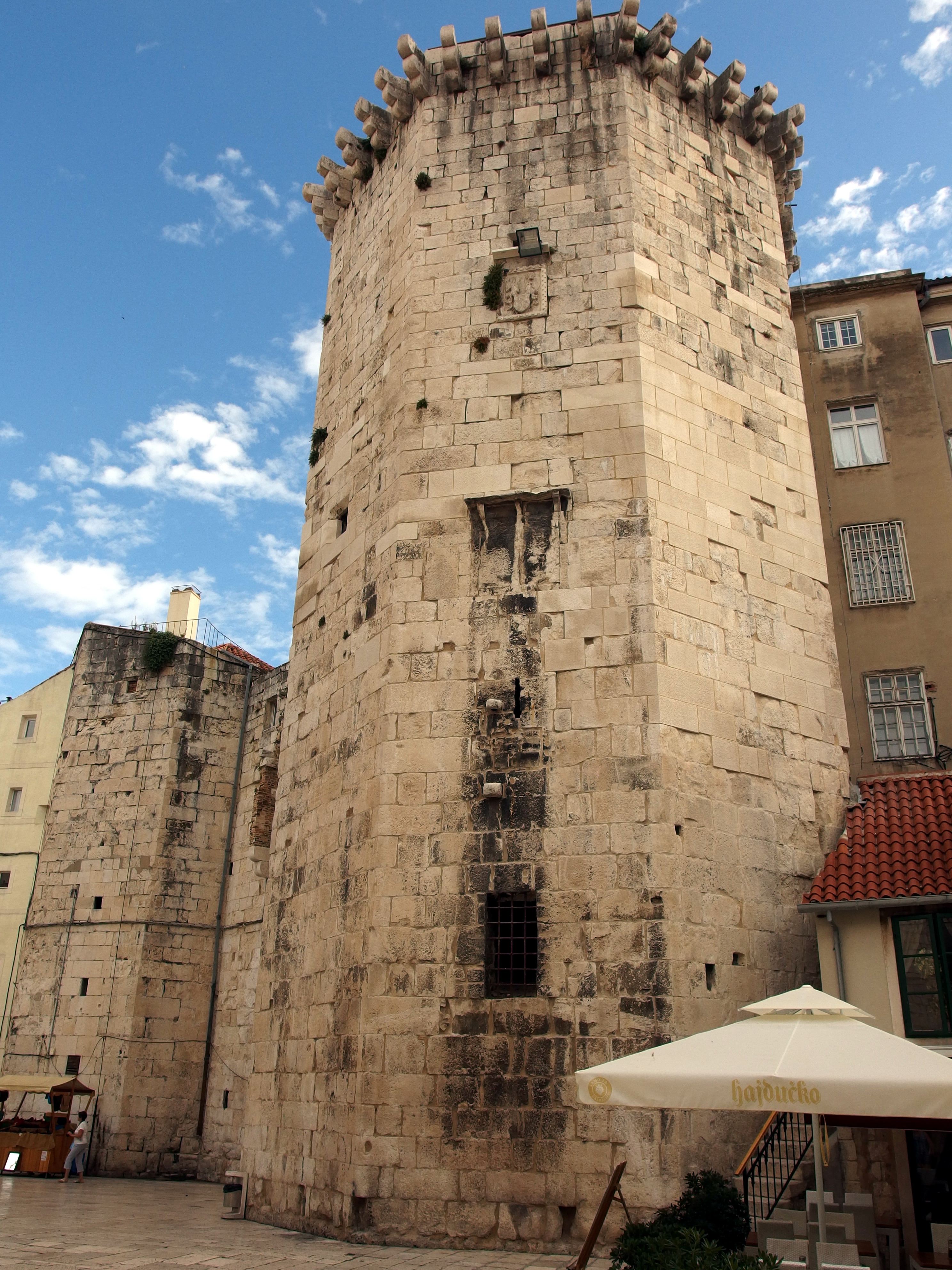 Fruit Square (Voćni Trg)Attraction · 20 min · Free
Fruit Square (Voćni Trg) is a charming small square just west of Diocletian's Palace, named for the fruit market that once operated here. It combines a Venetian Gothic palace, a Renaissance castle, and a small octagonal tower into one picturesque scene.
- People's Square (Pjaca)Attraction · 20 min · Free
People's Square (Narodni Trg), known locally as Pjaca, has been Split's public gathering place since the 14th century. Surrounded by Venetian Gothic and Renaissance buildings, it was the civic center of medieval Split, complementing the ancient Peristyle.
 Kaštelet (Holy Cross Chapel)Attraction · 30 min · €3
Kaštelet is a 16th-century fortified residence that Ivan Meštrović converted into a chapel to house his monumental wooden relief cycle depicting the Life of Christ. The intimate space and powerful carvings create a profoundly moving experience.
 Matejuška HarbourAttraction · 20 min · Free
Matejuška is a tiny traditional fishing harbour tucked between the Riva promenade and the Varoš quarter. This miniature inlet, barely 30 metres wide, preserves the essence of Split's fishing heritage amid the modernized waterfront.