Loading city...
Skip to main content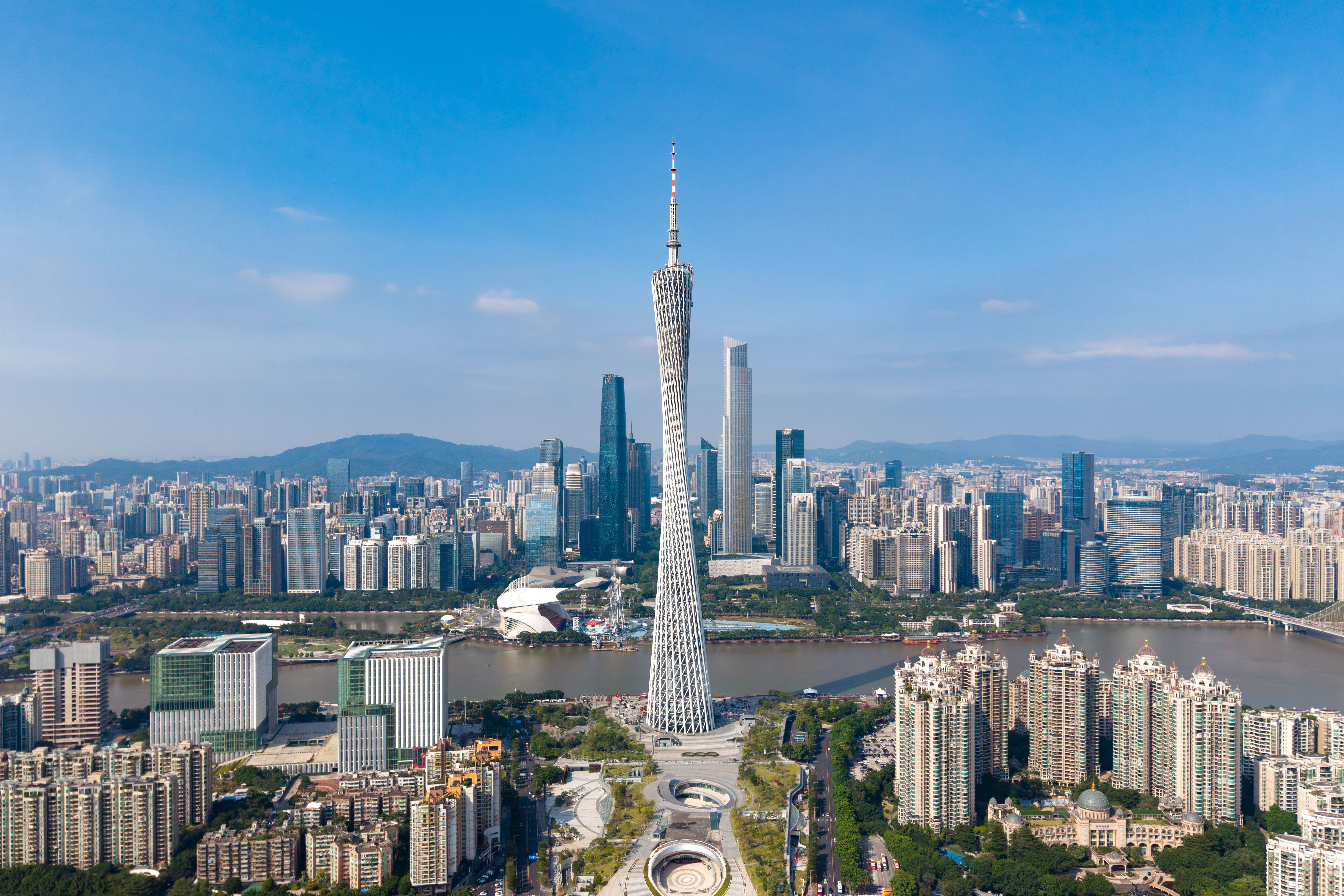 Plan a trip to Guangzhou →
Sample plans for Guangzhou:
Guangzhou
81 places
81 places
🌙Rav Bar
Rav Bar is Guangzhou's flagship electronic-music club, housed in a converted warehouse space with a world-class sound system and an open-air rooftop terrace. International house, techno and drum-and-bass DJs headline alongside China's best local selectors.
nightlifeelectroniclively
180 minCNY100
⭐Liurong Pagoda
Liurong Pagoda (六榕花塔), the Flower Pagoda, is a 57-metre octagonal tower rising above the Temple of the Six Banyan Trees. Originally built in 537 AD and reconstructed in 1097, it is the tallest and oldest pagoda in Guangzhou.
historyReligiousviewpoint
30 minCNY15
🌳Guangzhou Sculpture Park
Guangzhou Sculpture Park (雕塑公园) occupies a hillside in the Baiyun District, displaying over 100 contemporary sculptures by Chinese and international artists amid native forest and landscaped gardens. It is one of China's largest dedicated sculpture parks.
artSculpturepark
60 minFree
⭐Chen Family Academy Training Hall
The eastern wing of the Chen Clan Ancestral Hall houses workshops where artisans demonstrate traditional Cantonese crafts — lacquerwork, ivory carving (now using synthetic materials), wood carving and Shiwan ceramic sculpture. Watching the craftspeople at work adds a living dimension to the ancestral hall's magnificent architectural carvings..
arttraditionalculture
45 minFree
👁Canton Tower
Canton Tower (广州塔) is a 604-metre supertall structure on the south bank of the Pearl River, making it the tallest tower in China and the fourth-tallest freestanding structure on Earth. Completed in 2010 for the Asian Games, its hyperboloid lattice design by Mark Hemel and Barbara Kuit twists elegantly against the Guangzhou skyline.
Iconicviewpointphoto op
90 minCNY150
🎯Canton Tower 488 Skywalk
The 488 Skywalk is an open-air observation platform encircling the Canton Tower at 488 metres — officially the world's highest outdoor viewing terrace. Visitors walk along a narrow glass-and-steel track with nothing but a safety harness between them and the city below.
viewpointphoto opunique
45 minCNY298
⭐Kaiping Diaolou
The Kaiping Diaolou (开平碉楼) are a collection of over 1,800 fortified multi-storey tower houses scattered across the countryside west of Guangzhou. Inscribed as a UNESCO World Heritage Site in 2007, they represent a unique fusion of Chinese and Western architectural styles.
unescohistoryarchitecture
240 minCNY180
⭐Sun Yat-sen University
Sun Yat-sen University (中山大学) is one of China's top-tier universities, founded by Sun Yat-sen in 1924. Its South Campus on the north bank of the Pearl River features a stunning ensemble of red-brick colonial-era buildings surrounded by ancient banyan trees.
historyarchitecturewalk
90 minFree
🏛Sun Yat-sen University Museum
The Sun Yat-sen University Museum is housed in the 1930s campus that the revolutionary leader himself helped establish. Collections span archaeology, natural history and campus heritage, displayed in a handsome colonnade building.
historyculturemuseum
60 minFree
🎯Cantonese Opera Performance
Cantonese opera is a UNESCO-listed performing art, and Guangzhou is its heartland. Performances at the Cantonese Opera Art Museum or the Lychee Bay theatre feature elaborate costumes, acrobatic stage combat and the genre's distinctive high-pitched vocal style.
culturetraditionalentertainment
120 minCNY80
🏛Cantonese Opera Art Museum
The Cantonese Opera Art Museum (粤剧艺术博物馆) is a purpose-built museum in Liwan District dedicated to Cantonese opera — a UNESCO Intangible Cultural Heritage since 2009. The museum complex features traditional Lingnan gardens, performance stages, and immersive exhibition halls.
culturemuseumtraditional
60 minFree
🏘Tianhe CBD
Tianhe CBD is Guangzhou's gleaming financial centre — a forest of futuristic skyscrapers, elevated skywalks, luxury malls and the sparkling IFC and CTF towers. The district showcases China's economic ambition in glass, steel and light.
modernarchitectureshopping
90 minFree
🛍Tianhe City Plaza
Tianhe City Plaza (天河城) is one of Guangzhou's premier commercial complexes, anchoring the Tianhe CBD with over 230 stores across seven floors of retail, dining, and entertainment.
shoppingmodernFashion
120 minFree
🎯Tianhe Sports Center
Tianhe Sports Center (天河体育中心) is a major sports complex in the heart of Tianhe district, serving as the home stadium for Guangzhou FC (formerly Evergrande). Match days bring tens of thousands of passionate fans to one of China's most electric football atmospheres.
Sportslivelymodern
120 minFree
🏛Huangpu Military Academy
The Huangpu (Whampoa) Military Academy (黄埔军校旧址) on Changzhou Island is where Sun Yat-sen established China's first modern military officer training school in 1924, with Soviet advisors and a young Chiang Kai-shek as commandant.
historymuseummemorial
90 minFree
⭐Huangpu Old Port
Huangpu Old Port is the original anchorage of the Maritime Silk Road, where foreign traders docked their ships for centuries before modern Guangzhou existed. Today the site is a waterside heritage park with restored dockside ruins, interpretive displays and river views.
historyWaterfrontwalk
45 minFree
🏛Guangzhou Science Center
The Guangzhou Science Center (广东科学中心) is southern China's largest interactive science museum, occupying a ship-shaped building on University Town island. With over 600 hands-on exhibits, an IMAX dome, and a digital planetarium, it is a magnet for families.
scienceFamily Friendlyinteractive
180 minCNY60
🌳Yuexiu Park
Yuexiu Park (越秀公园) is Guangzhou's largest and most historic public green space, covering 86 hectares across three hills in the city's central Yuexiu District. Home to the legendary Five Rams Statue — the symbol of Guangzhou — the park weaves together ancient battlements, lakes, and landscaped gardens.
parknaturehistory
120 minFree
🌳Nansha Wetland Park
Nansha Wetland Park (南沙湿地公园) is a 10,000-hectare coastal wetland reserve at the southern tip of Guangzhou, where the Pearl River meets the South China Sea. It is one of China's most important staging grounds for migratory waterfowl.
natureanimalsoutdoor
180 minCNY50
🏘Shamian Island
Shamian Island (沙面) is a serene 900-metre-long sandbank in the Liwan District, separated from the mainland by a narrow canal. Once divided between the British and French concessions from 1861, it retains dozens of restored colonial-era buildings now hosting boutique cafés and consulates.
historyarchitecturewalk
120 minFree
Notice any incorrect information? Let us know →