Loading city...
Skip to main content
Attractions in Guangzhou
21 attractions selected in this guide.
 Liurong PagodaAttraction · 30 min · CNY15
Liurong Pagoda (六榕花塔), the Flower Pagoda, is a 57-metre octagonal tower rising above the Temple of the Six Banyan Trees. Originally built in 537 AD and reconstructed in 1097, it is the tallest and oldest pagoda in Guangzhou.
- Chen Family Academy Training HallAttraction · 45 min · Free
The eastern wing of the Chen Clan Ancestral Hall houses workshops where artisans demonstrate traditional Cantonese crafts — lacquerwork, ivory carving (now using synthetic materials), wood carving and Shiwan ceramic sculpture. Watching the craftspeople at work adds a living dimension to the ancestral hall's magnificent architectural carvings..
 Kaiping DiaolouAttraction · 4h · CNY180
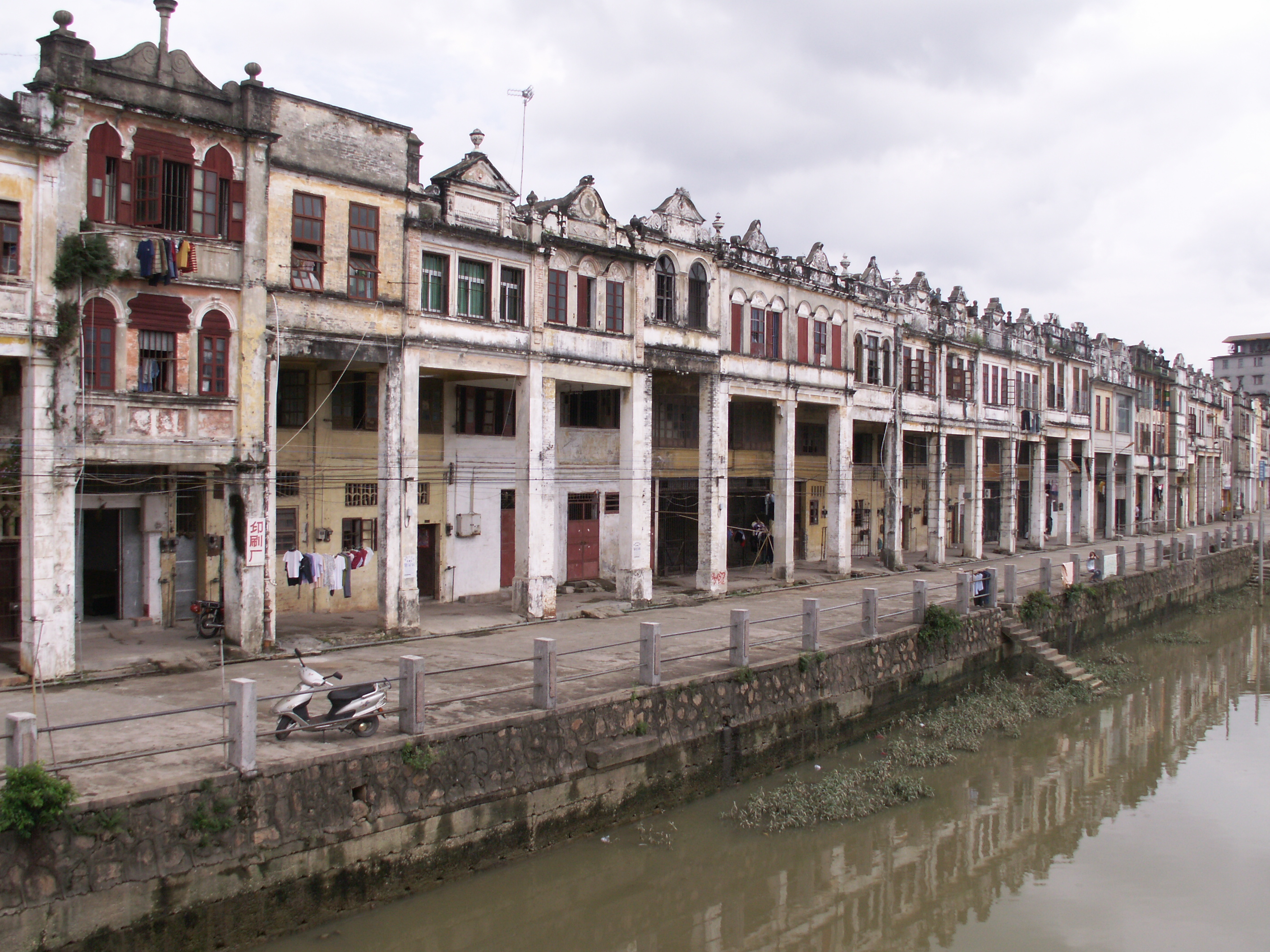
The Kaiping Diaolou (开平碉楼) are a collection of over 1,800 fortified multi-storey tower houses scattered across the countryside west of Guangzhou. Inscribed as a UNESCO World Heritage Site in 2007, they represent a unique fusion of Chinese and Western architectural styles.
 Sun Yat-sen UniversityAttraction · 1.5h · Free
Sun Yat-sen University (中山大学) is one of China's top-tier universities, founded by Sun Yat-sen in 1924. Its South Campus on the north bank of the Pearl River features a stunning ensemble of red-brick colonial-era buildings surrounded by ancient banyan trees.
 Huangpu Old PortAttraction · 45 min · Free
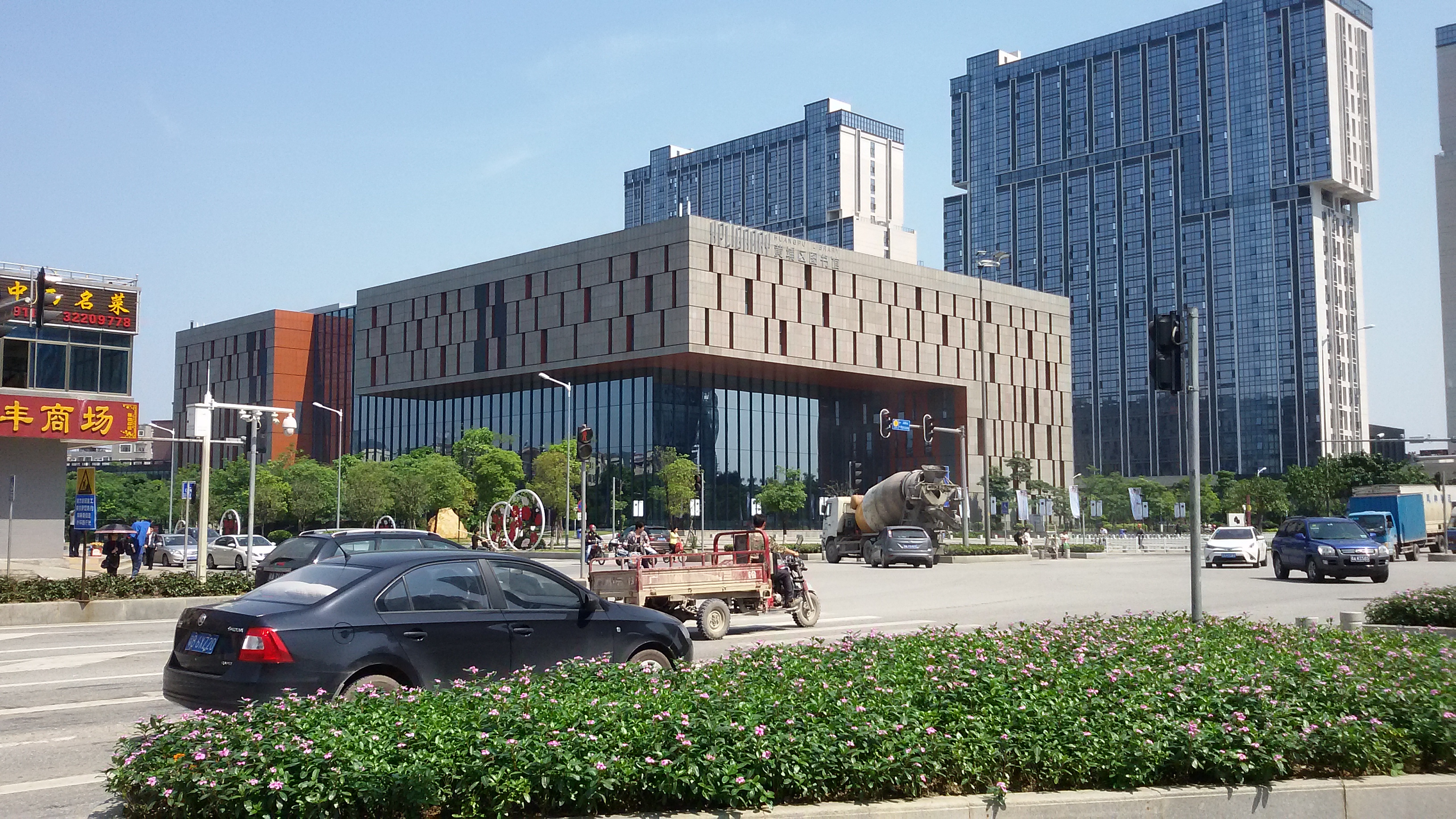
Huangpu Old Port is the original anchorage of the Maritime Silk Road, where foreign traders docked their ships for centuries before modern Guangzhou existed. Today the site is a waterside heritage park with restored dockside ruins, interpretive displays and river views.
 Guangzhou Opera HouseAttraction · 1h · CNY50
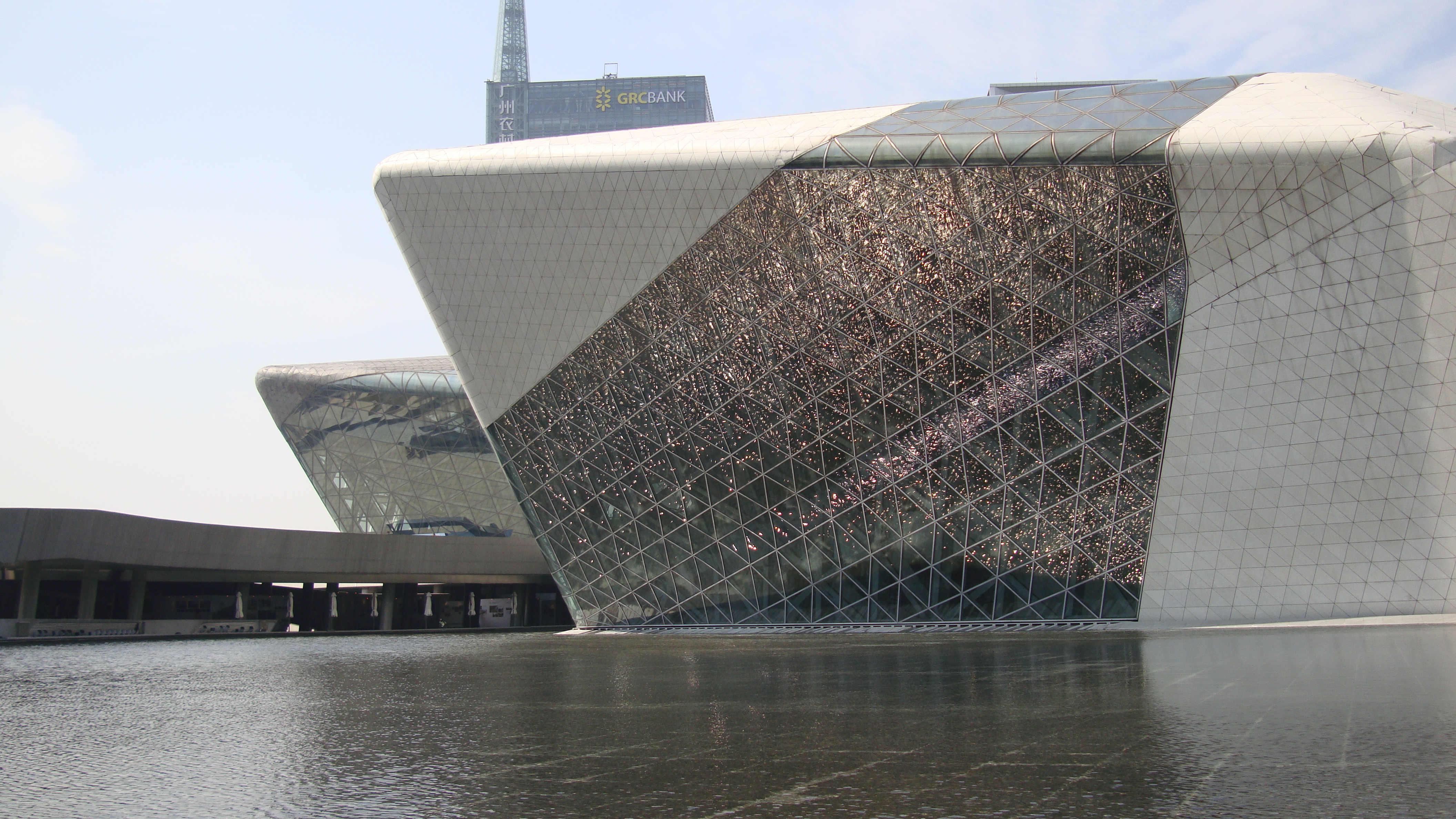
The Guangzhou Opera House (广州大剧院) is a Pritzker Prize-worthy landmark designed by Zaha Hadid Architects, perched on the Pearl River waterfront in Zhujiang New Town. Opened in 2010, its twin-boulder silhouette of granite, glass, and steel has become a symbol of modern Guangzhou.
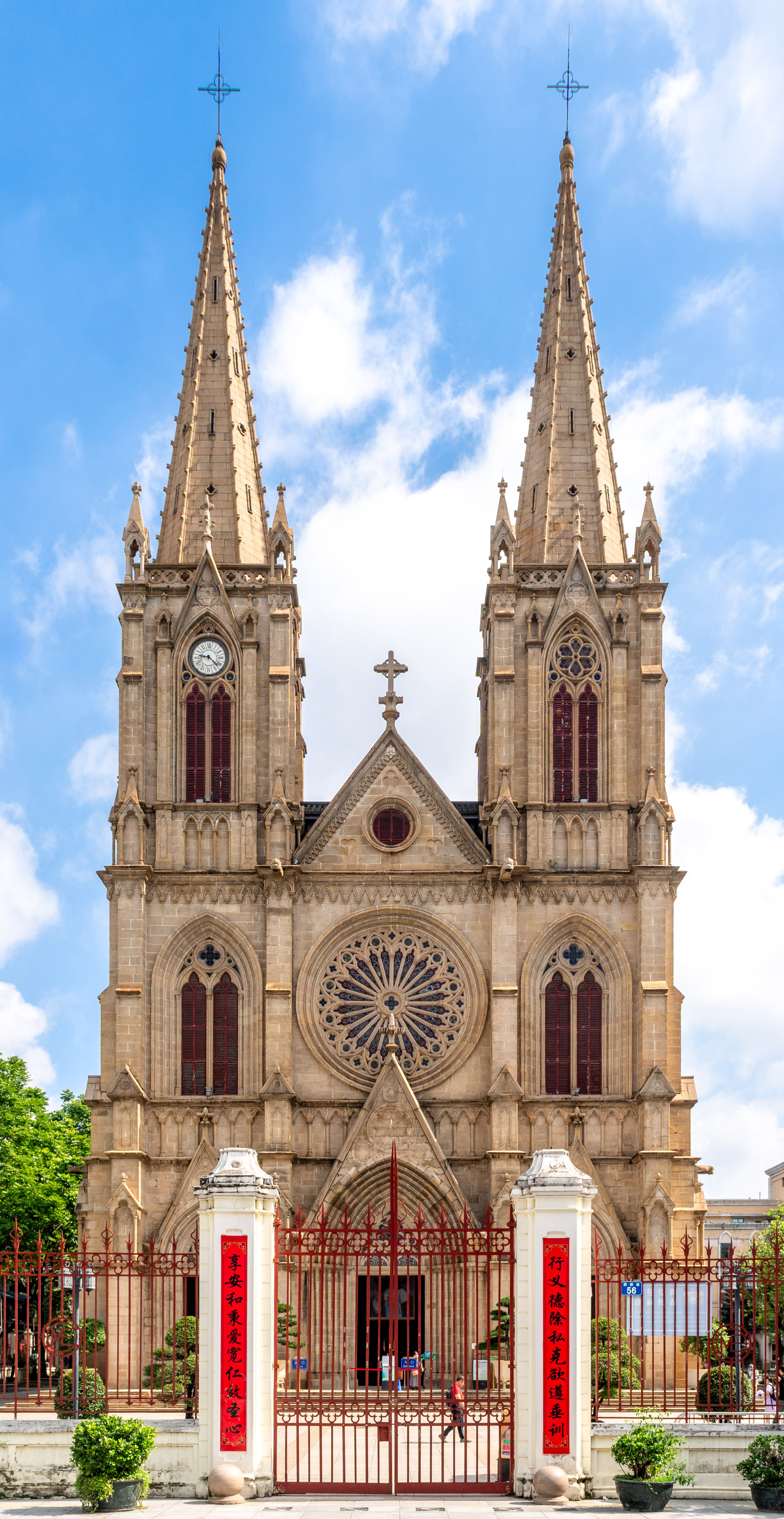 Sacred Heart CathedralAttraction · 45 min · Free
The Sacred Heart Cathedral (石室圣心大教堂) is one of the few entirely stone-built Gothic cathedrals in East Asia. Designed by French architect Léon Vautrin and completed in 1888 after 25 years of construction, it stands in the Yide Road commercial district as a striking counterpoint to the surrounding Chinese cityscape.
 Bright Filial Piety Temple GardensAttraction · 30 min · Free
The garden grounds of Guangxiao Temple predate the temple itself, making this one of the oldest cultivated sites in Guangzhou. Ancient bodhi trees, Tang-dynasty iron pagodas and a Sixth Patriarch washing basin create a sacred landscape layered with Buddhist history.
- Guangxiao TempleAttraction · 1h · CNY5
Guangxiao Temple (光孝寺) is the oldest and most spiritually significant Buddhist temple in Guangzhou, with a history stretching back over 1,700 years. According to tradition, Huineng — the Sixth Patriarch of Chan (Zen) Buddhism — was ordained here in 676 AD.
- Temple of the Six Banyan TreesAttraction · 1h · CNY5
The Temple of the Six Banyan Trees (六榕寺) is one of Guangzhou's most venerable Buddhist temples, originally established in 537 AD during the Liang dynasty. The poet Su Shi named it after the six banyan trees he admired in the courtyard during a visit in 1099.
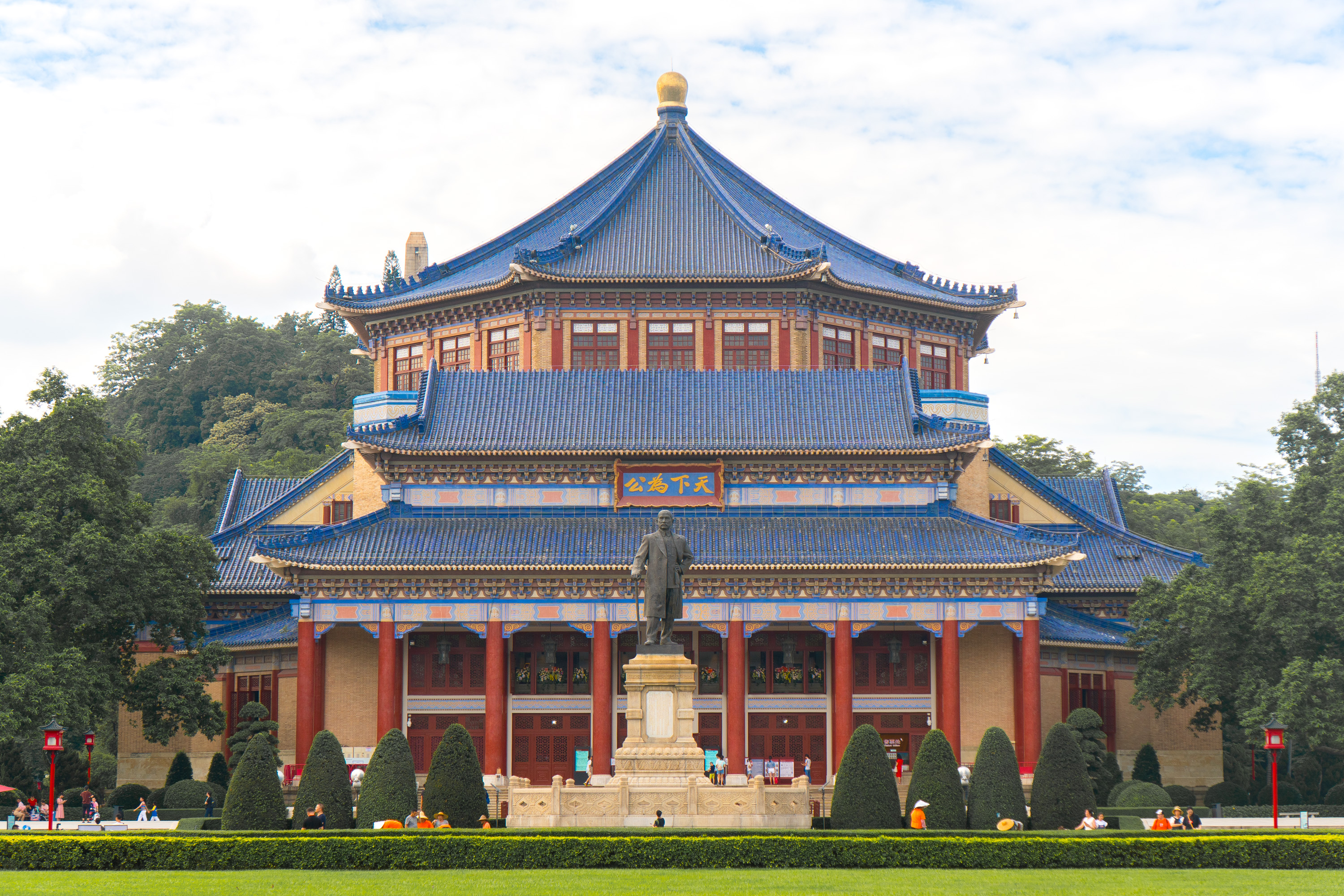 Sun Yat-sen Memorial HallAttraction · 1h · CNY10
The Sun Yat-sen Memorial Hall (中山纪念堂) is an iconic octagonal auditorium at the foot of Yuexiu Hill, built between 1929 and 1931 to honour the founder of the Republic of China. Designed by Lü Yanzhi, it blends traditional Chinese palatial rooflines with modern engineering — the 47-metre-span dome had no internal columns when completed.
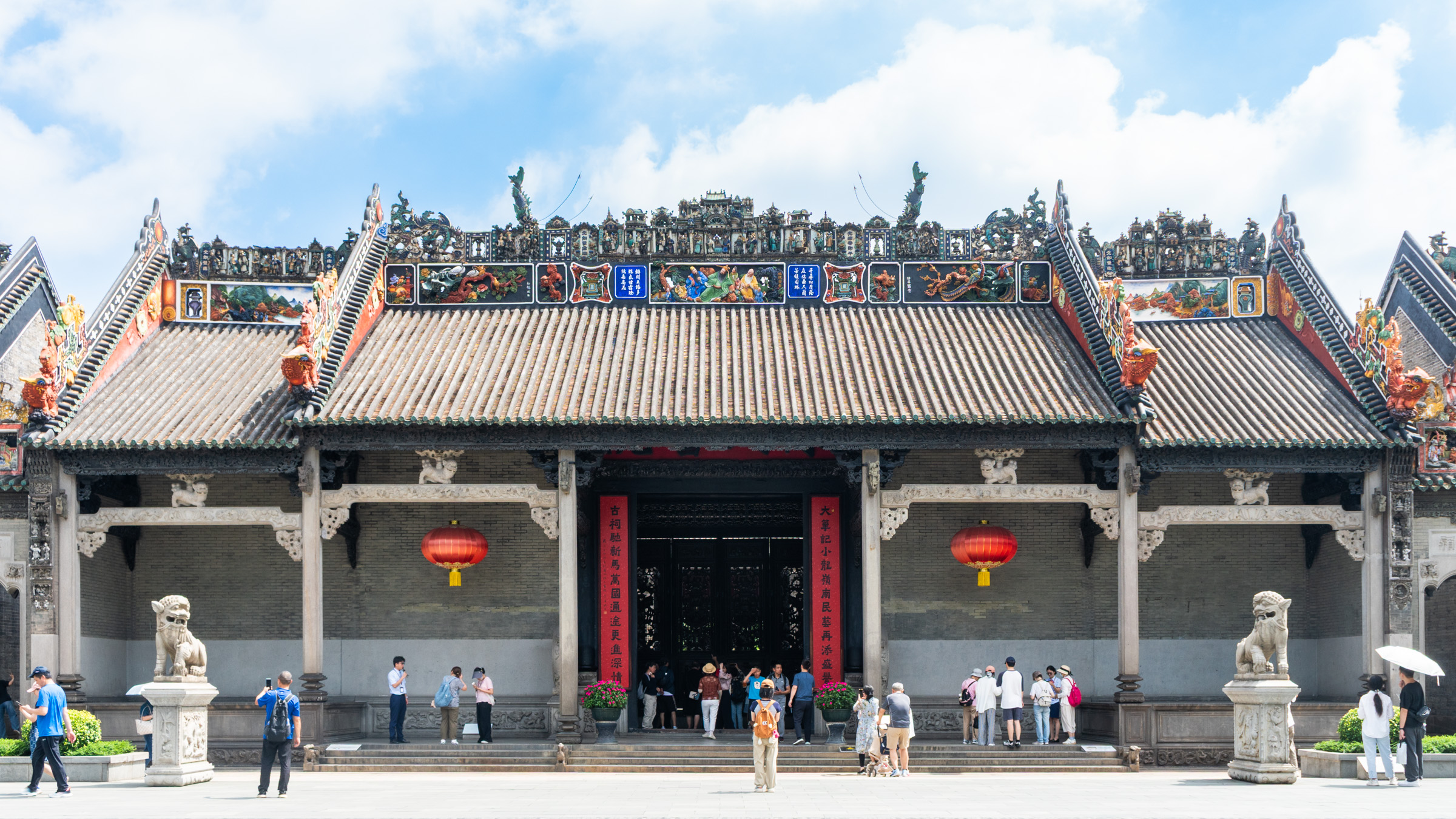 Guangzhou Ancestral Temple of the Chen ClanAttraction · 30 min · Free
The rear halls of the Chen Clan Academy are often overlooked by visitors who stop at the main courtyard. These restored galleries showcase Shiwan ceramic sculpture — the earthy, expressive pottery tradition of Foshan — along with seasonal exhibitions of Cantonese applied arts.
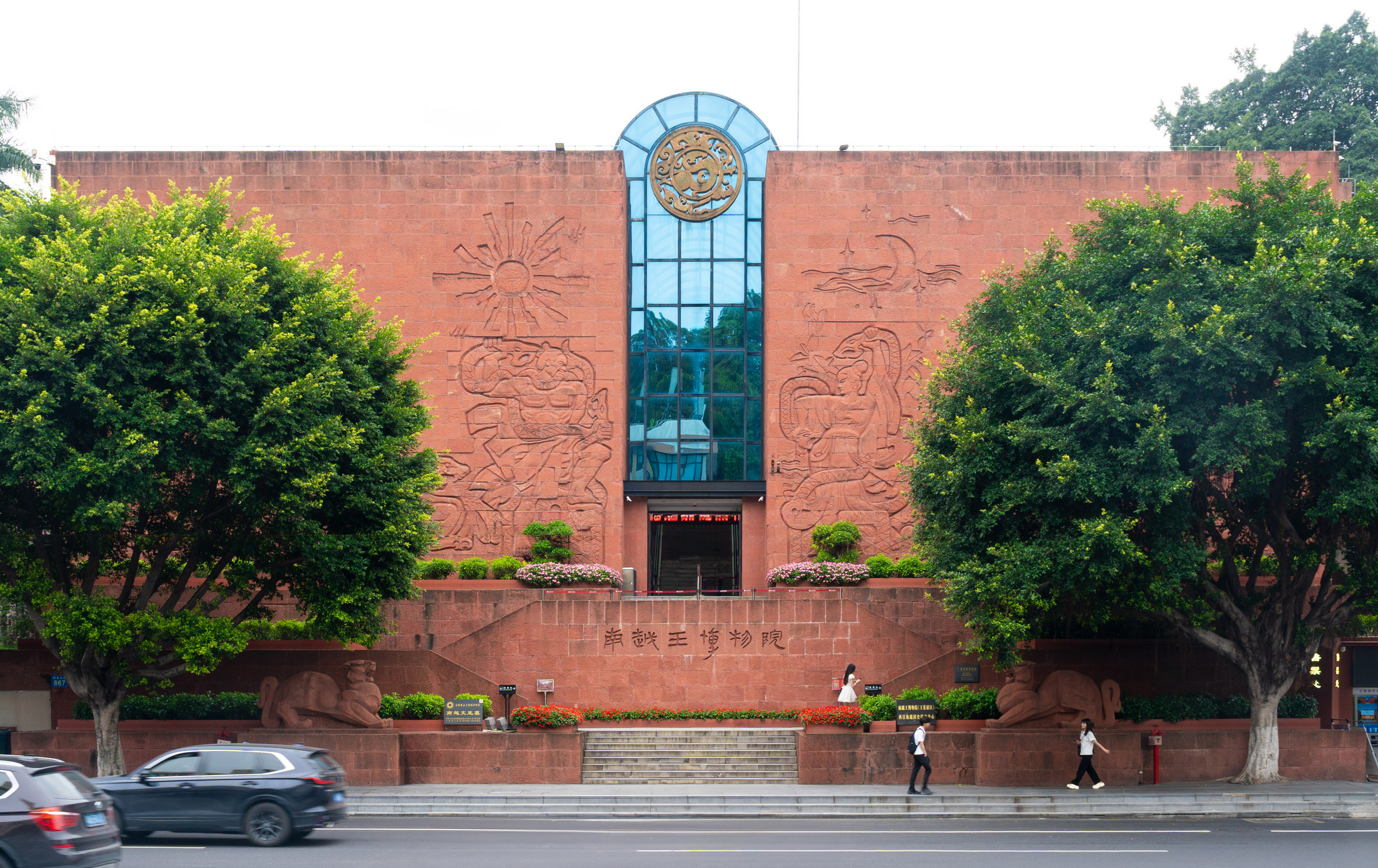 Nanyue Royal TombAttraction · 1h · CNY12
The underground tomb of Zhao Mo, the second Nanyue king (122 BCE), was discovered intact in 1983 and is now open to visitors beneath a purpose-built museum. The burial chamber contains over 1,000 artefacts including jade burial suits, gold seals and bronze vessels.
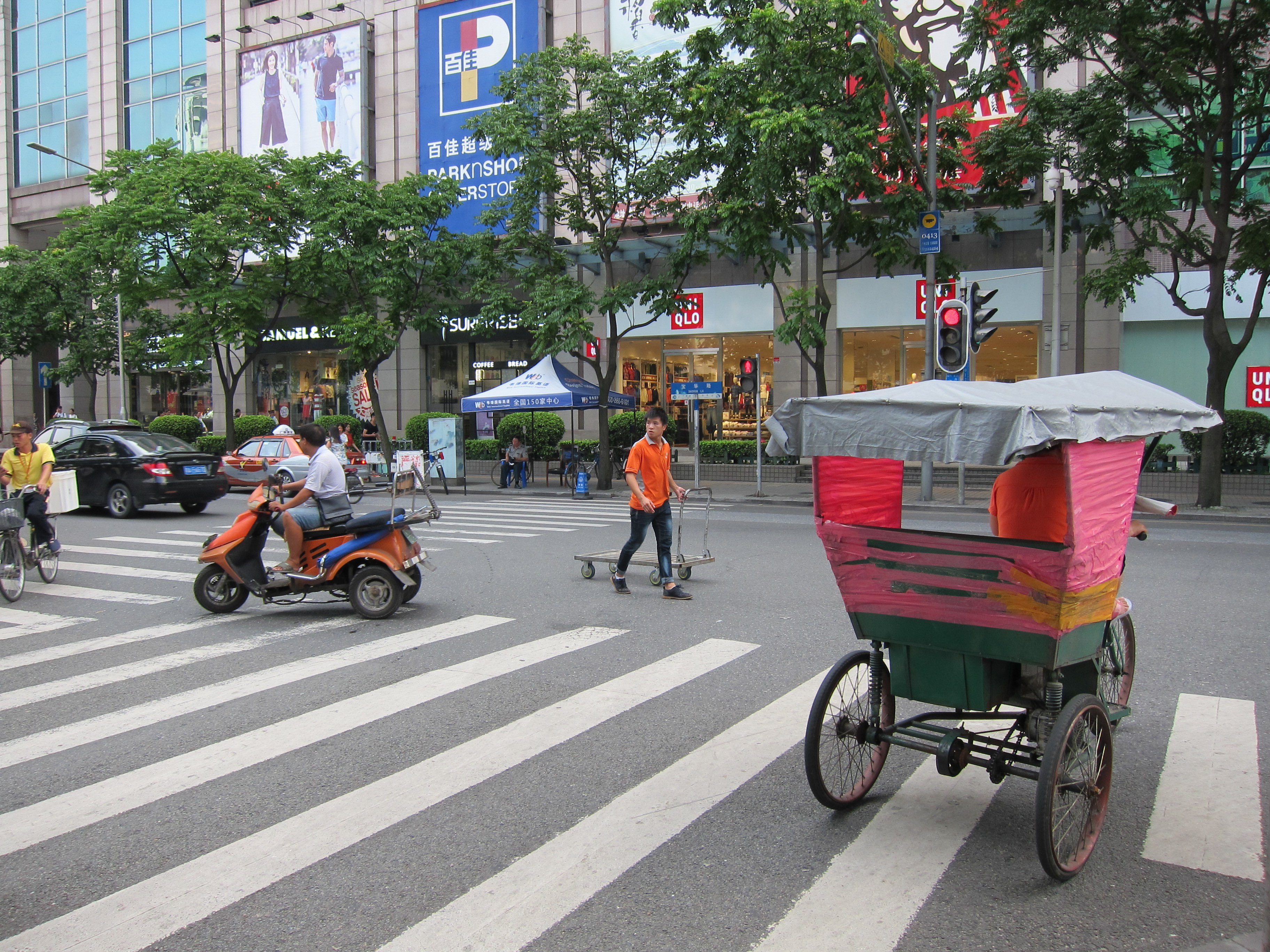 Lychee Bay Xiguan HousesAttraction · 30 min · Free
Restored Xiguan townhouses in the Liwan district showcase a uniquely Cantonese architectural style: carved wooden facades, sliding screen doors and narrow interior courtyards designed for Guangzhou's tropical climate. Several houses on Enning Road have been meticulously restored and are open to visitors, offering a window into the domestic life of 19th-century Guangzhou merchants..
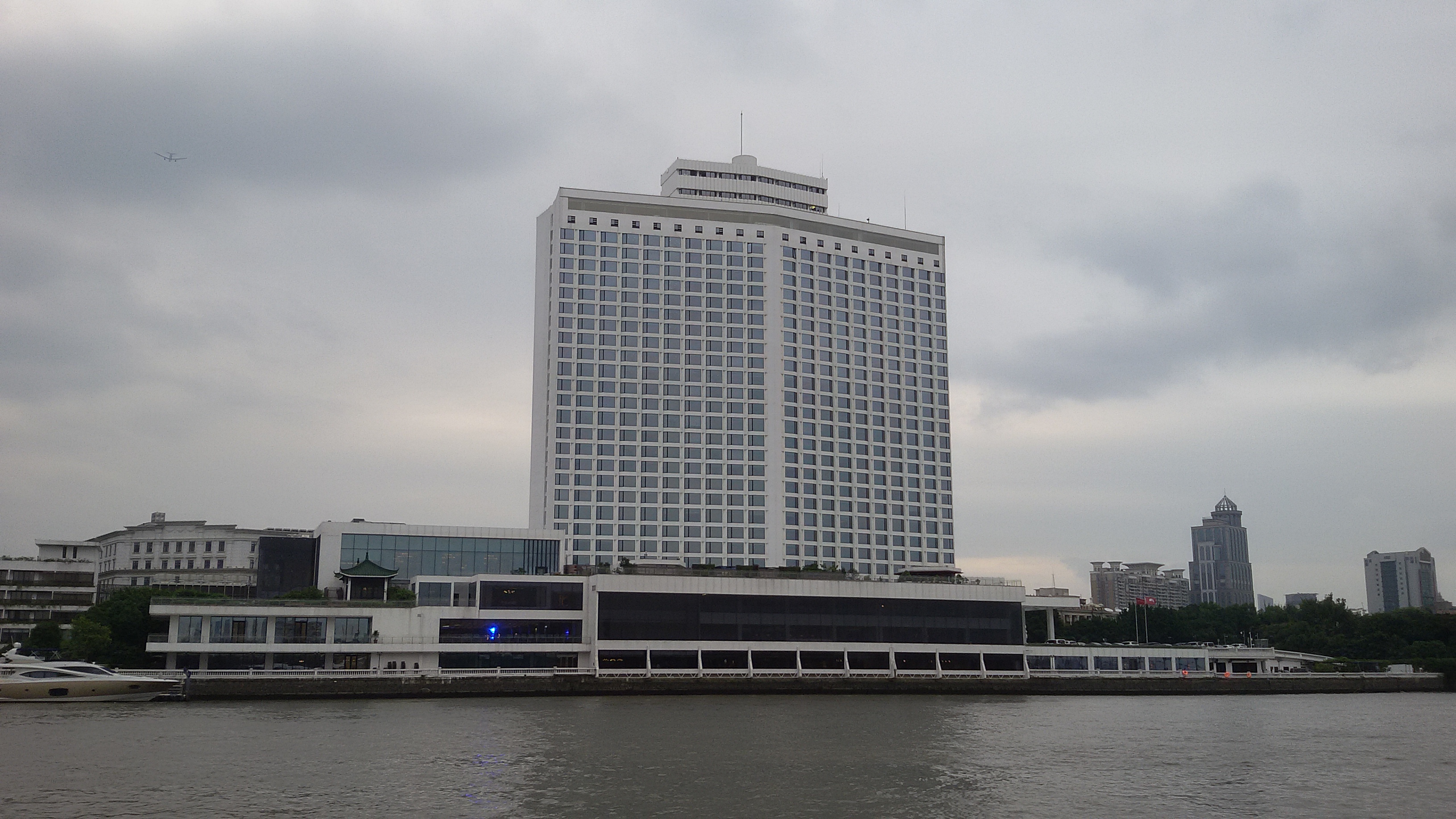 White Swan HotelAttraction · 30 min · Free
The White Swan Hotel (白天鹅宾馆) on Shamian Island was China's first five-star hotel and a symbol of the country's Opening and Reform era. Its soaring atrium lobby, built around a cascading indoor waterfall, has been a Guangzhou landmark since 1983.
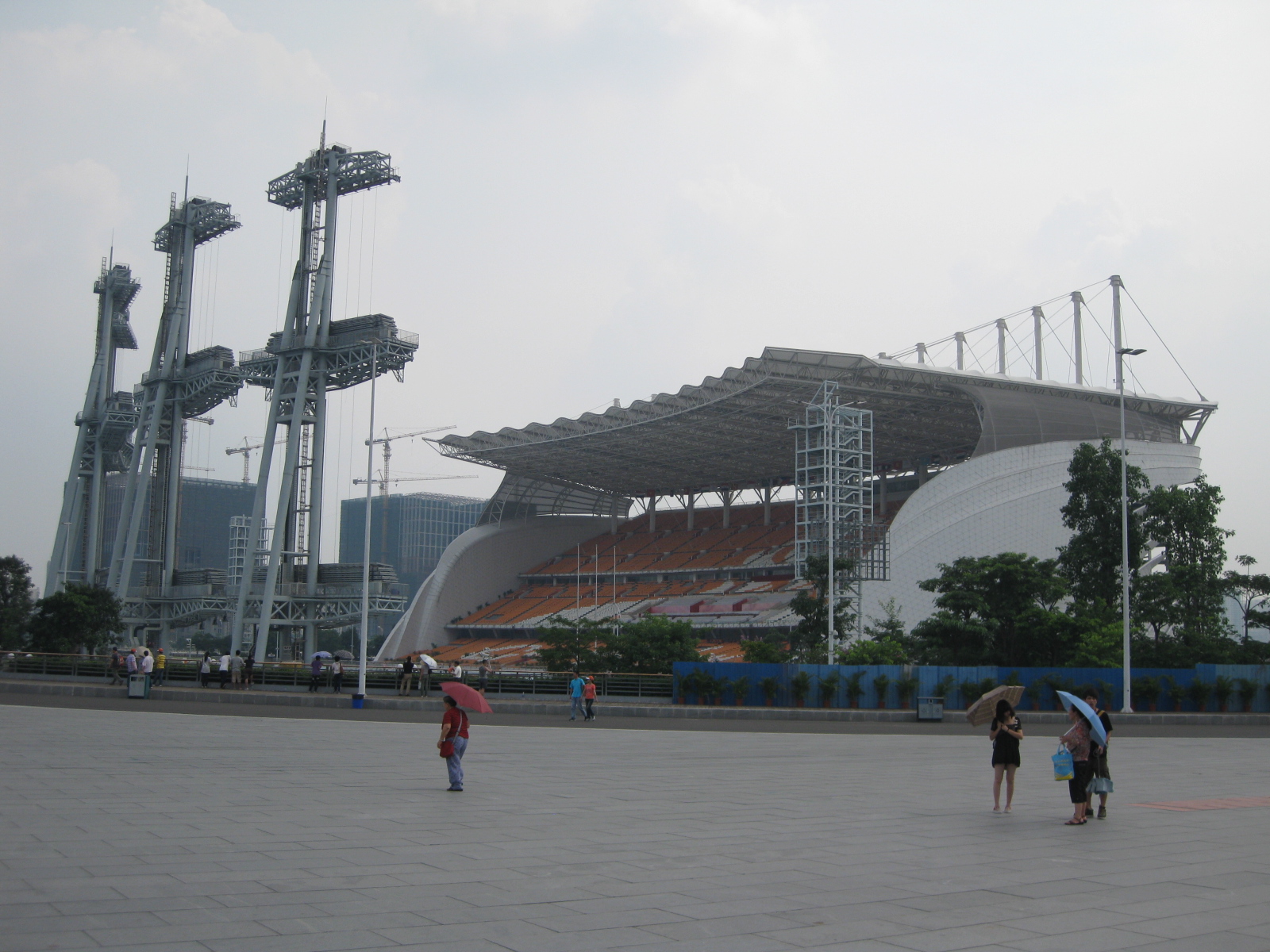 Haixinsha IslandAttraction · 45 min · Free
Haixinsha Island (海心沙) is a small island in the Pearl River directly facing Canton Tower, transformed into an open-air amphitheatre for the 2010 Asian Games opening ceremony. Today it serves as a riverside park and events venue.
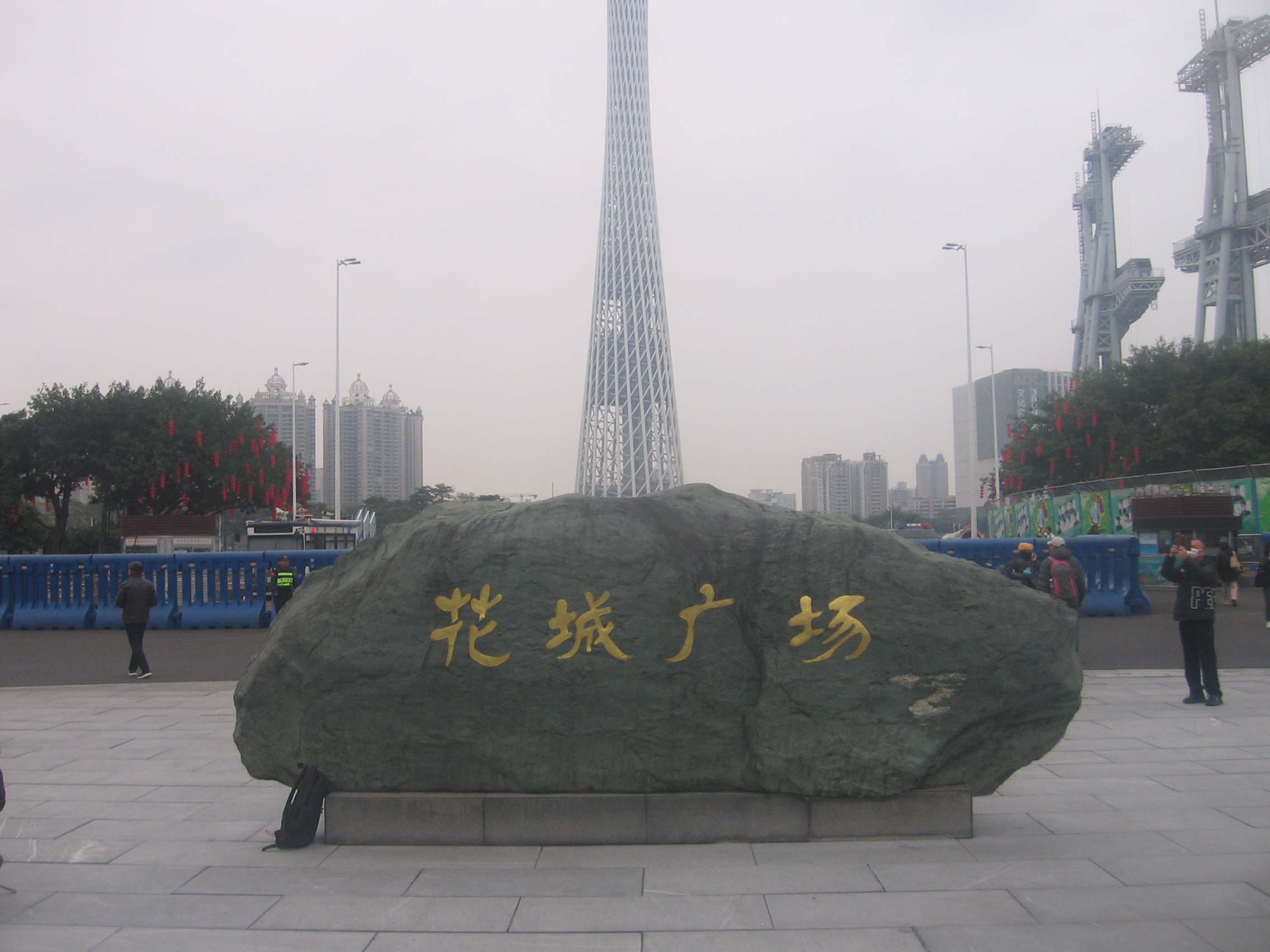 Flower City SquareAttraction · 30 min · Free
Flower City Square (花城广场) is the green heart of Zhujiang New Town, a landscaped urban plaza stretching 1.5 km between the Guangdong Museum and the Guangzhou Opera House. It functions as an open-air living room for the city's cultural district.
 Five Rams StatueAttraction · 20 min · Free
The Five Rams Statue (五羊石像) is a monumental 11-metre granite sculpture in Yuexiu Park and the undisputed symbol of Guangzhou. According to legend, five celestial beings riding rams descended from the heavens carrying sheaves of grain, blessing the city with eternal prosperity.
 Liede Ancient VillageAttraction · 45 min · Free
Liede Ancient Village (猎德古村) is a traditional Cantonese lineage village that has survived in the shadows of Zhujiang New Town's supertall skyscrapers. Its ancestral halls and temples, dating to the Song dynasty, sit incongruously among glass-and-steel towers.
 Pearl River PromenadeAttraction · 1h · Free
The Pearl River Promenade (珠江滨江步道) is a continuous waterfront walkway stretching several kilometres along the northern bank of the Pearl River, connecting Shamian Island in the west to Ersha Island and Haixinsha in the east.
 Redtory Art DistrictAttraction · 1.3h · Free
Redtory is Guangzhou's most established creative district, a former canned-food factory converted into galleries, design studios, concept stores and specialty coffee shops. The red-brick industrial architecture provides a photogenic contrast to the art inside.