Loading city...
Skip to main content
Attractions in Samarkand
13 attractions selected in this guide.
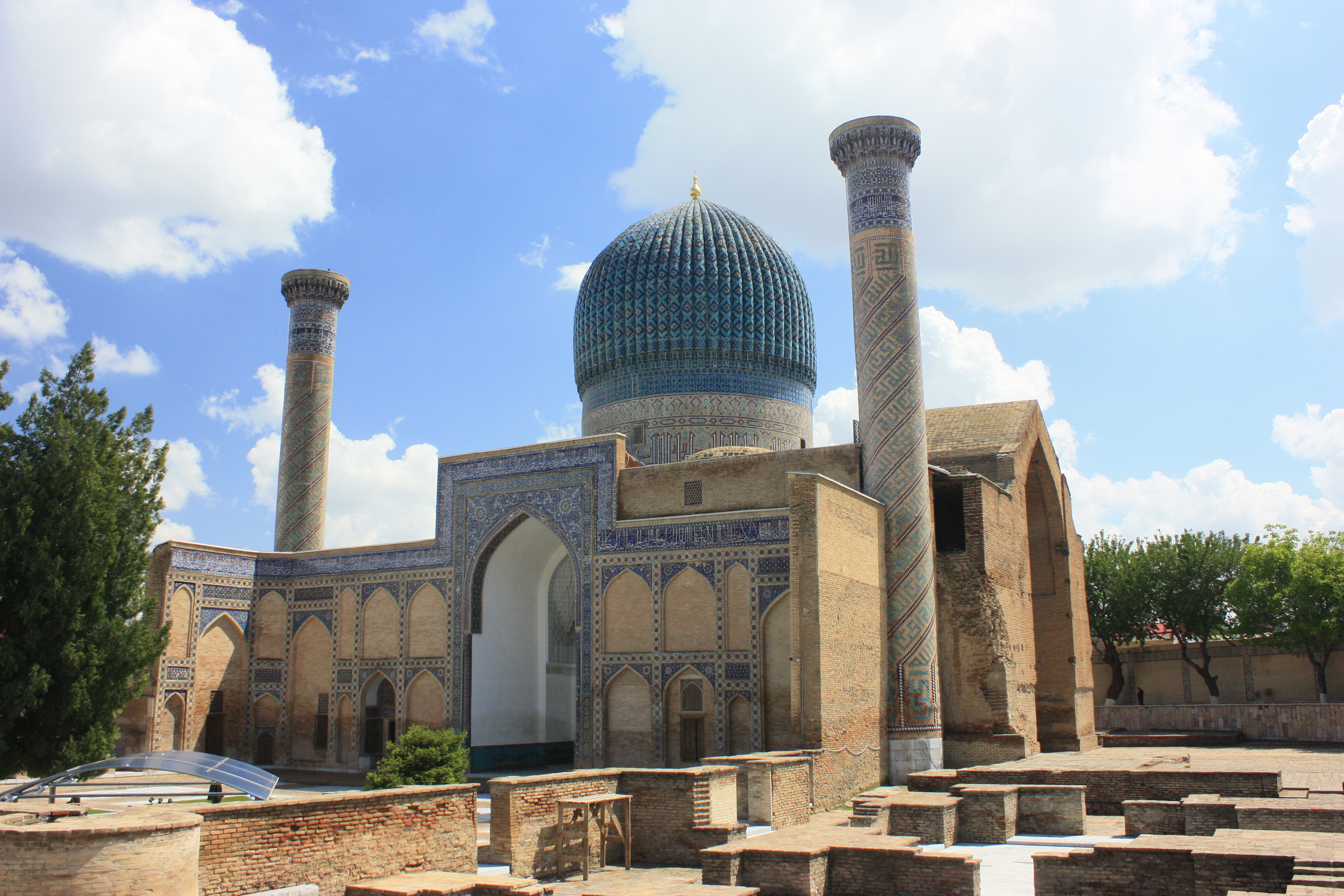 Aksaray Palace RuinsAttraction · 20 min · Free
Aksaray ('White Palace') was the name of Timur's Samarkand residence, recently excavated near Gur-e-Amir. The uncovered foundations, tiled corridors, and fragments of wall decoration reveal the scale of Timurid royal architecture. The site is partially sheltered under a modern covering and is still being actively excavated.
 Registan SquareAttraction · 1.5h · UZS100000
Registan Square is the monumental heart of Samarkand, framed by three grand madrasas — Ulugh Beg (1420), Sher-Dor (1636), and Tilla-Kari (1660). The ensemble is widely considered one of the finest examples of Islamic architecture in the world and is the centrepiece of Samarkand's UNESCO World Heritage designation. The square was once the commercial and civic hub of the Timurid Empire.
 Gur-e-Amir MausoleumAttraction · 45 min · UZS50000
Gur-e-Amir ('Tomb of the King') is the mausoleum of Timur (Tamerlane), the 14th-century conqueror who made Samarkand his imperial capital. The building's fluted azure dome, 12 metres in diameter, became the architectural prototype for later Mughal tombs including the Taj Mahal. Inside, the cenotaphs of Timur and his descendants rest beneath an onyx-and-jade ceiling of intricate geometric design.
 Bibi-Khanym MosqueAttraction · 45 min · UZS30000
Bibi-Khanym Mosque was the largest mosque in the Islamic world when Timur completed it in 1404, built to rival the grandest structures of his conquered territories. The entrance portal soars 35 metres high, and the main dome once reached 40 metres. Though partially ruined by earthquakes and time, extensive restoration has returned much of its imposing scale.
 Shah-i-Zinda NecropolisAttraction · 1h · UZS50000
Shah-i-Zinda ('The Living King') is a necropolis of mausoleums lining a narrow medieval street on the slopes of Afrosiyob hill. Dating from the 9th to the 19th century, the complex contains some of the finest examples of Timurid majolica tilework in existence. Each mausoleum showcases a different period and style, creating a living timeline of Islamic decorative arts.
- ⭐Imam al-Bukhari Memorial ComplexAttraction · 1h · Free
The Imam al-Bukhari Memorial Complex honours Muhammad al-Bukhari (810–870), compiler of the Sahih al-Bukhari — the most authoritative collection of Hadith in Sunni Islam. The complex, located 25 km northeast of Samarkand, includes a grand mosque, a mausoleum, a library, and landscaped gardens. It is one of the most important Islamic pilgrimage sites in Central Asia.
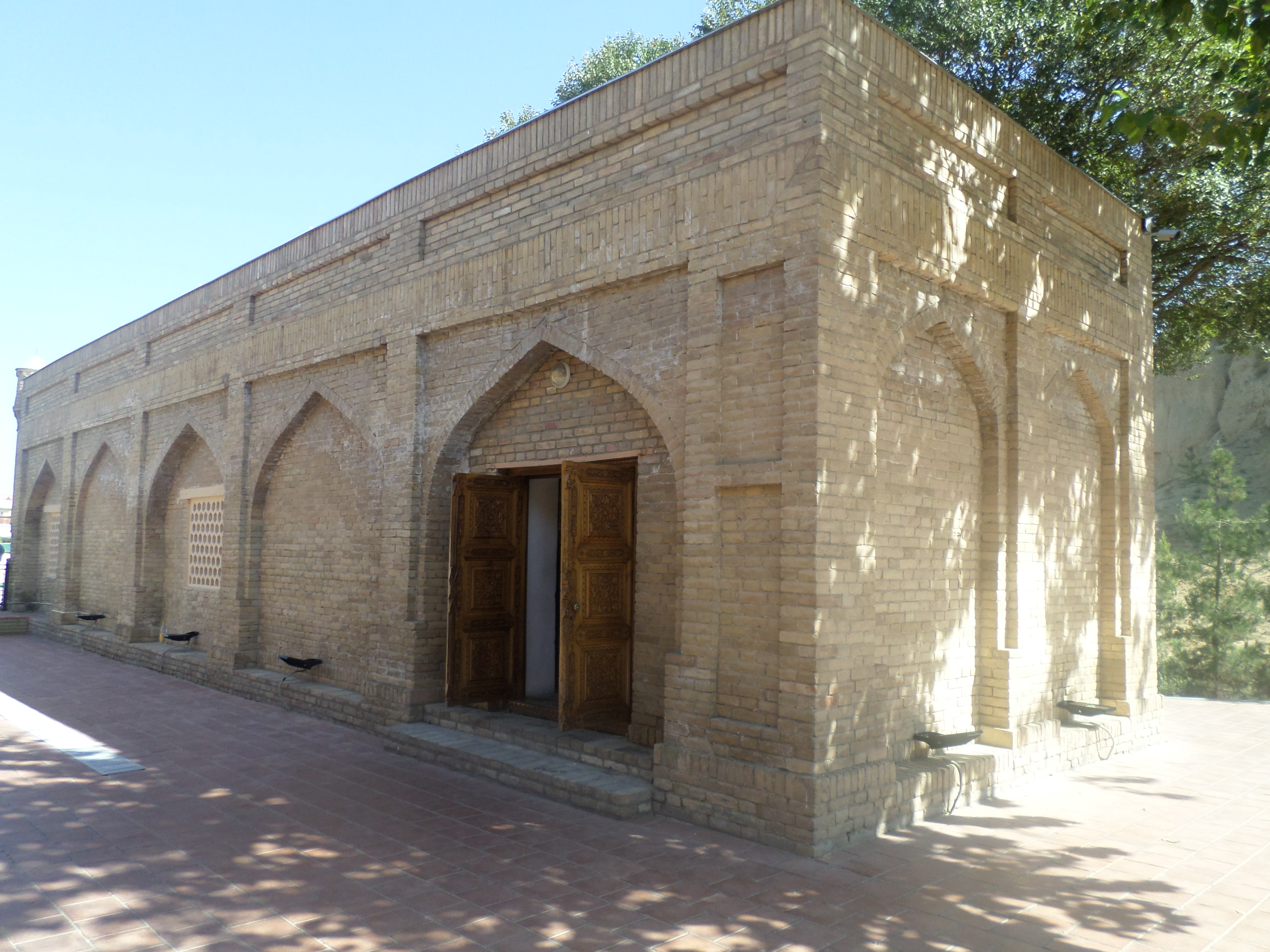 Daniel's Tomb (Khoja Doniyor Mausoleum)Attraction · 30 min · Free
Khoja Doniyor Mausoleum, popularly known as Daniel's Tomb, is venerated by Muslims, Christians, and Jews as the resting place of the Biblical prophet Daniel. The 18-metre-long sarcophagus — said to grow over time — sits inside a modern shrine building beside the Siab River. A sacred pistachio tree and natural spring add to the site's mystical atmosphere.
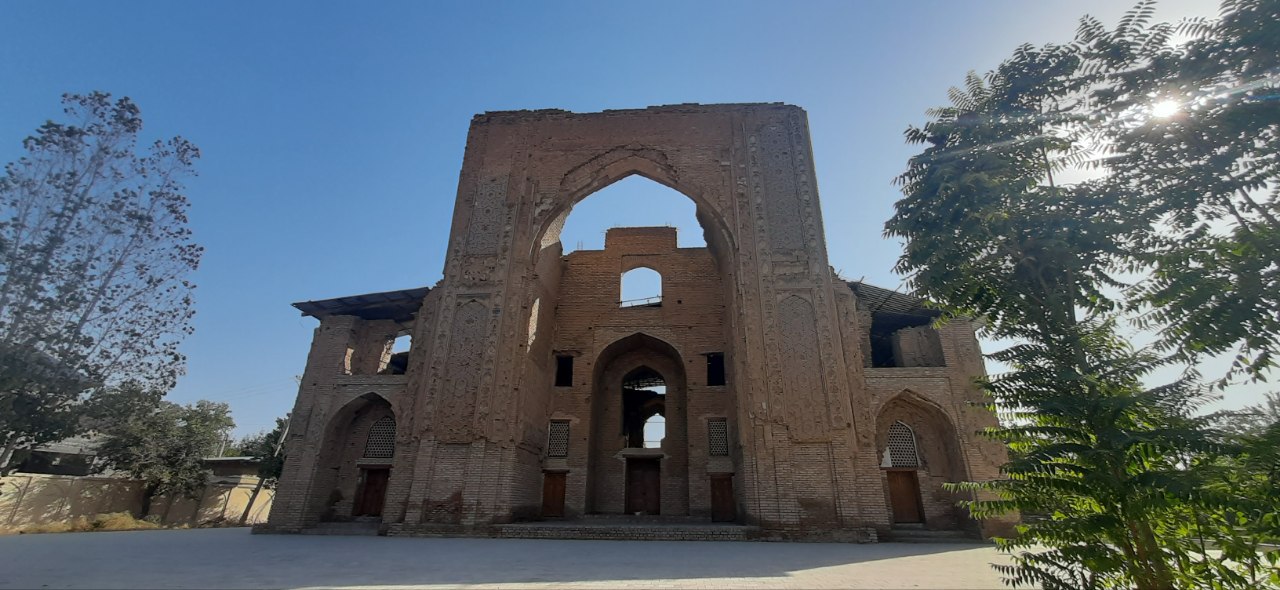 Ishratkhona MausoleumAttraction · 20 min · Free
Ishratkhona is a ruined 15th-century mausoleum in the southeastern part of Samarkand, believed to have housed the tombs of Timurid princesses. Though structurally compromised by earthquakes, traces of original wall paintings and tile decoration survive, offering a haunting glimpse of Timurid funerary art before restoration.
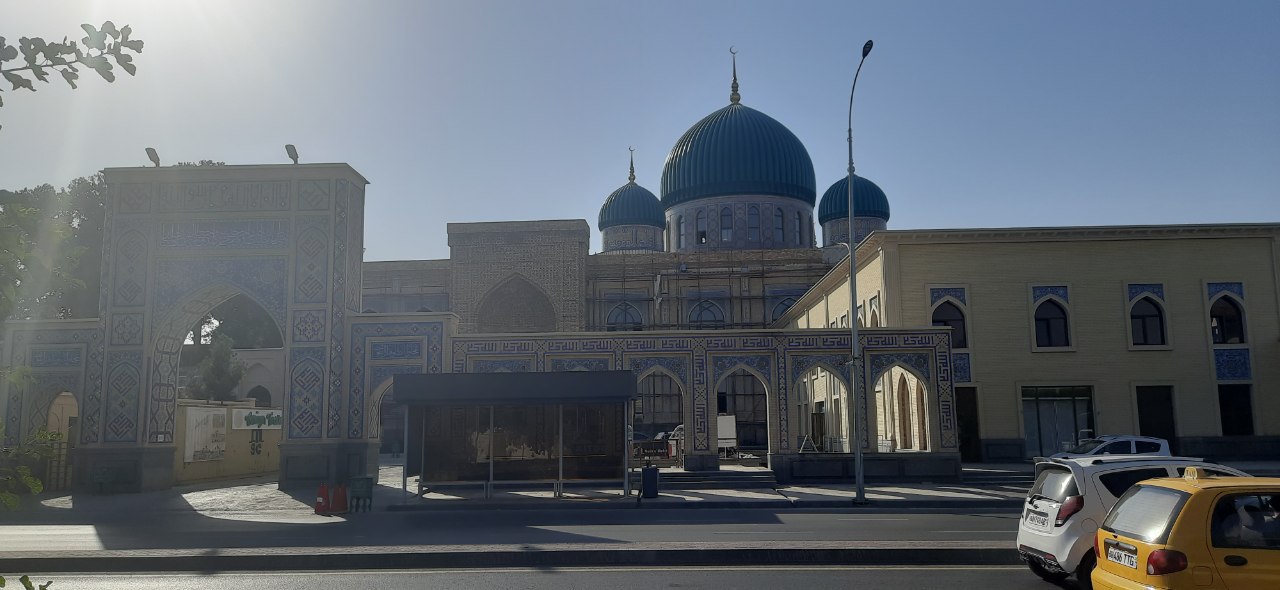 Khoja Abdi Darun MausoleumAttraction · 20 min · Free
Khoja Abdi Darun is a working mosque and mausoleum complex in a residential neighbourhood south of the old town. It features fine 15th-century Timurid tile decoration on its portal and prayer hall but receives far fewer visitors than the headline monuments. The complex is a genuine neighbourhood mosque where daily prayers continue.
 Hazrat-Hizr MosqueAttraction · 30 min · Free
Hazrat-Hizr Mosque perches on a bluff overlooking the junction of Samarkand's old and new towns, offering sweeping views over Shah-i-Zinda, the Bibi-Khanym dome, and the surrounding hills. The mosque was rebuilt in 2016 on the foundations of an 8th-century original and features an ornate wooden ceiling and carved pillars in traditional Uzbek style.
- Rukhobod MausoleumAttraction · 20 min · Free
Rukhobod Mausoleum is one of Samarkand's oldest surviving buildings, a simple brick structure believed to date from the 14th century. It houses the grave of Sheikh Burhaneddin Sagarji, a Sufi mystic highly revered by Timur. The unadorned exterior contrasts sharply with the ornate Timurid monuments nearby, offering a glimpse of earlier, more austere architectural traditions.
 Eternal City (Samarkand Tourism Complex)Attraction · 1.5h · UZS80000
The Eternal City (Samarkand City of Eternal Light) is a recently built open-air tourism complex recreating the architecture and atmosphere of medieval Samarkand. The complex includes reconstructed caravanserais, bathhouses (hammam), artisan workshops, souvenir shops, and restaurants in traditional Timurid architectural style. It serves as both a cultural showcase and a commercial district.
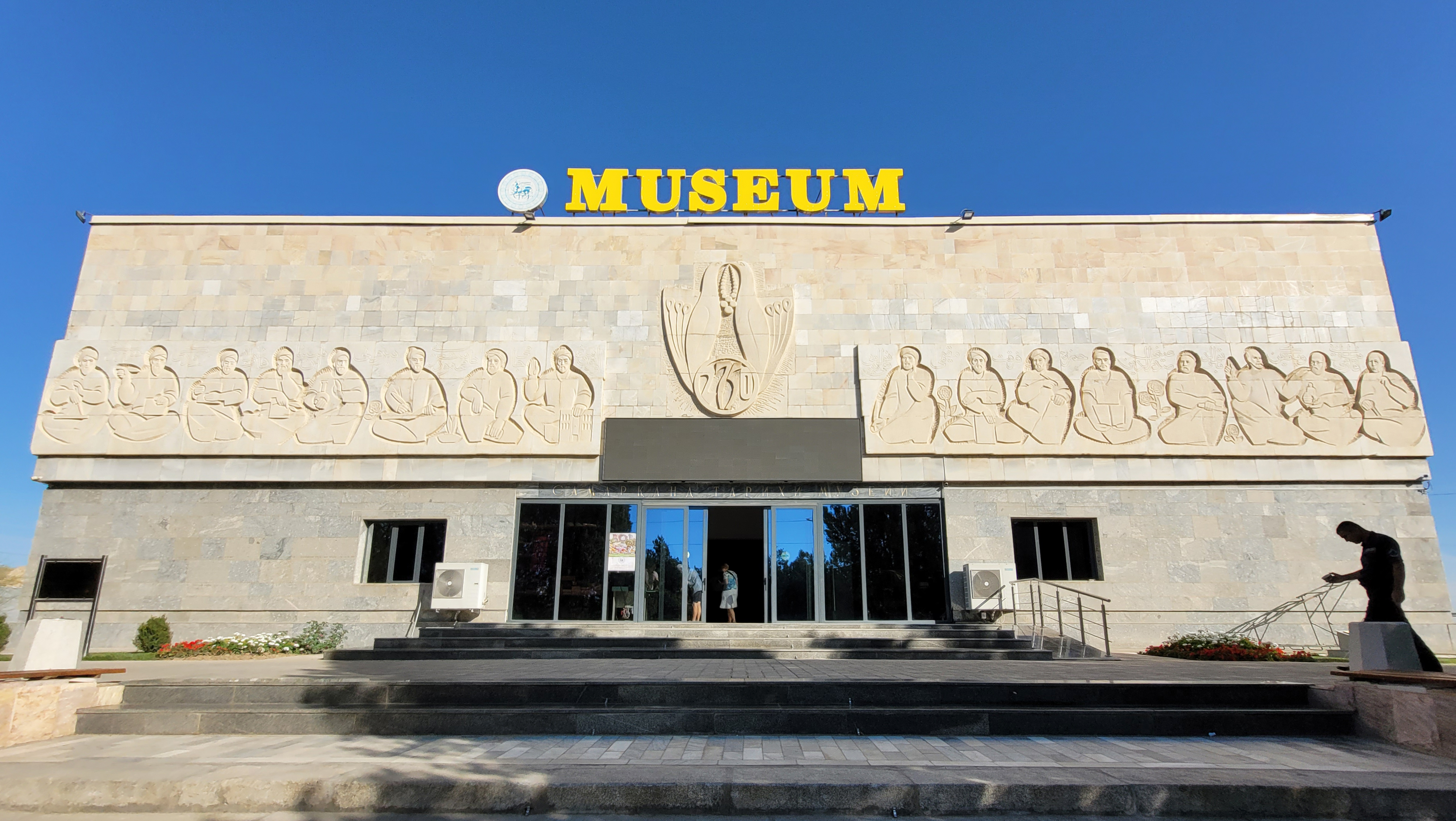 Afrosiyob Archaeological SiteAttraction · 45 min · Free
The Afrosiyob Archaeological Site comprises the vast, unexcavated mounds of ancient Maracanda — the city that Alexander the Great besieged in 329 BC and that served as the Silk Road's greatest trading hub for over a millennium. The site covers 220 hectares of rolling, grassy hills with scattered excavation trenches, offering a stark landscape that evokes the scale of the vanished city.