Loading city...
Skip to main content
Attractions in Bratislava
11 attractions selected in this guide.
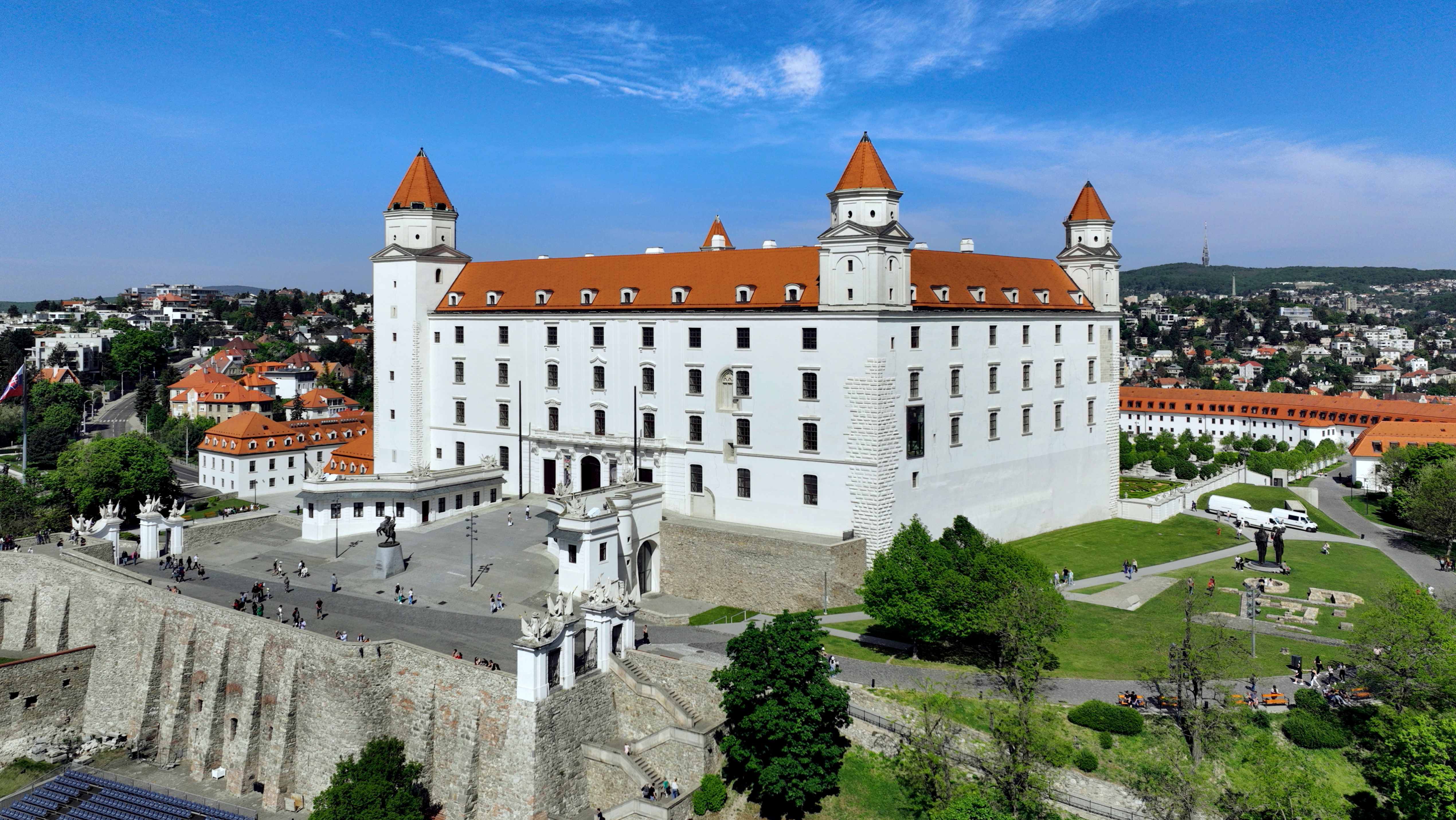 Bratislava CastleAttraction · 1.5h · €14
Bratislava Castle crowns a rocky hill above the Danube, dominating the city skyline with its distinctive rectangular silhouette and four corner towers. The castle served as the seat of Hungarian kings and houses the historical collections of the Slovak National Museum.
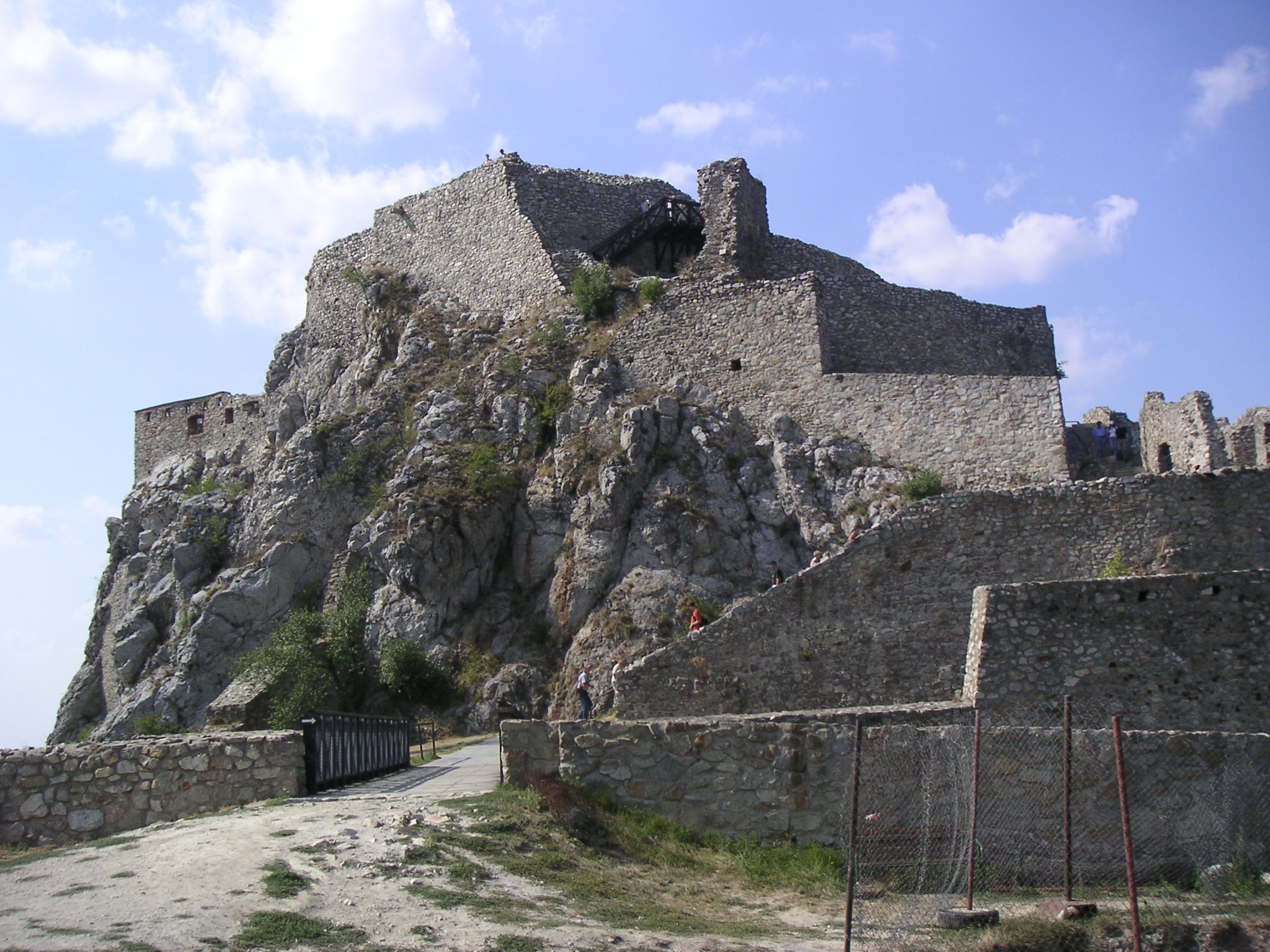 Devín CastleAttraction · 2h · €8
Devín Castle is a dramatic cliff-top ruin perched at the confluence of the Danube and Morava rivers, marking the border point between Slovakia and Austria. One of the most evocative castle ruins in Central Europe, it has been a symbol of Slovak national identity since the 19th century.
 St. Martin's CathedralAttraction · 40 min · Free
St. Martin's Cathedral is Bratislava's most important Gothic church, serving as the coronation church of the Kingdom of Hungary for nearly three centuries. A gilded replica of the Hungarian crown sits atop the 85-metre tower.
 Grassalkovich PalaceAttraction · 20 min · Free
Grassalkovich Palace is an elegant late-Baroque and Rococo residence serving as the official seat of the President of Slovakia. The pink-and-white facade and the formal French garden behind it make it one of the most photographed buildings in the city.
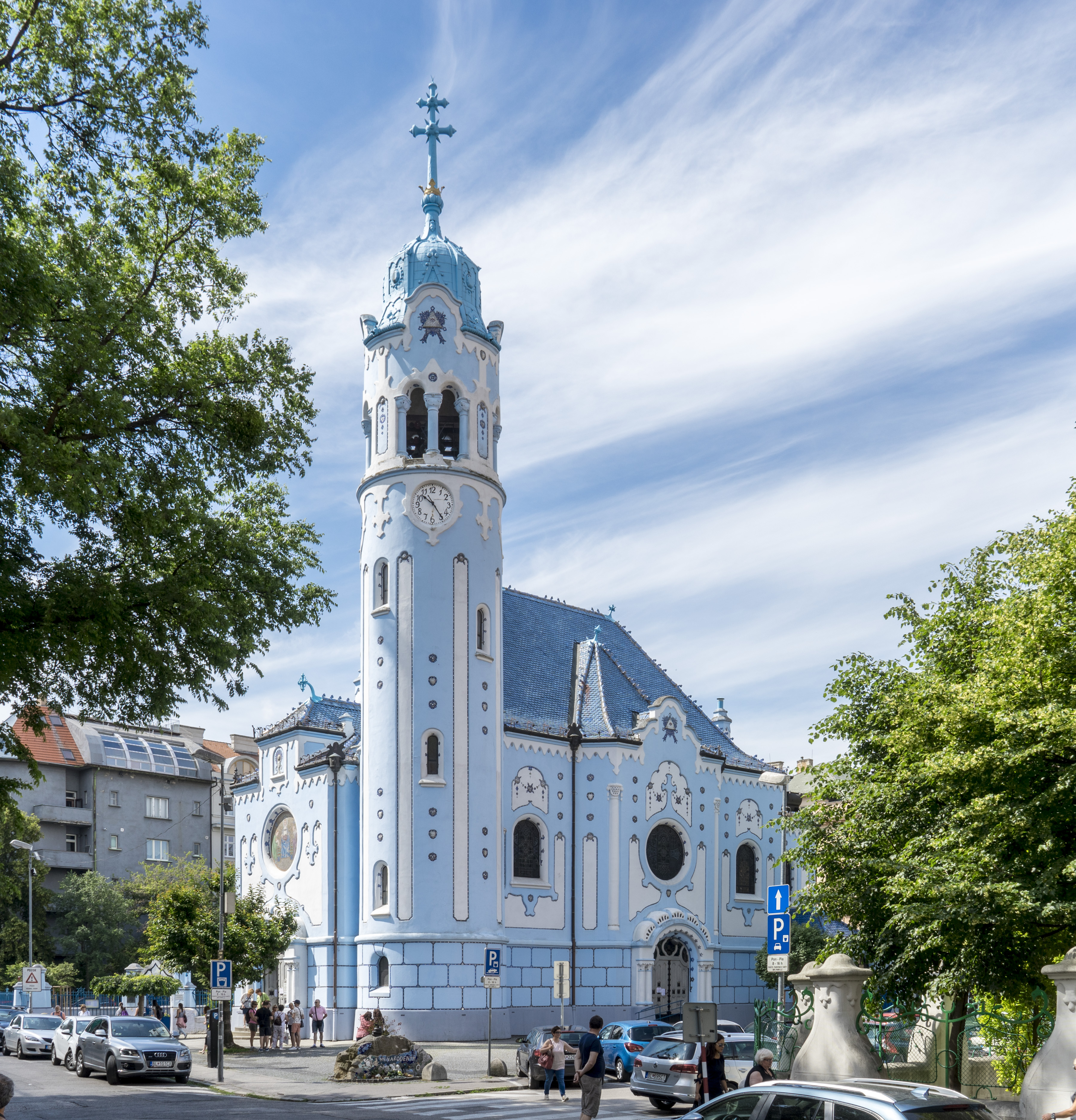 Blue ChurchAttraction · 20 min · Free
The Church of St. Elizabeth, universally known as the Blue Church, is a fairy-tale Art Nouveau gem entirely clad in sky-blue majolica tiles. Designed by Ödön Lechner, Hungary's 'Gaudí,' it is one of the most Instagram-worthy buildings in Central Europe.
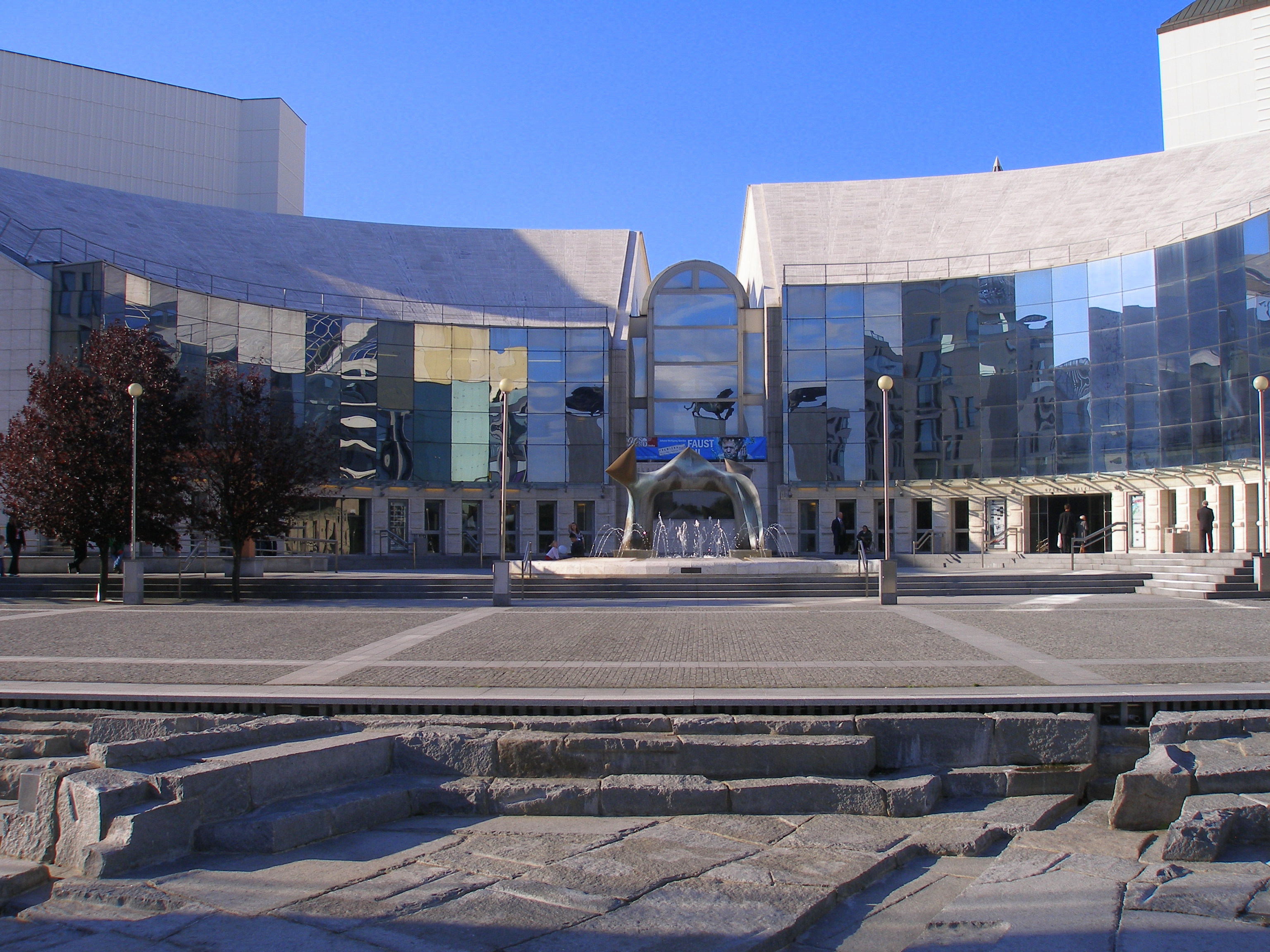 Slovak National Theatre (Historic Building)Attraction · 30 min · Free
The historic Slovak National Theatre on Hviezdoslav Square is a jewel of Neo-Renaissance architecture, inaugurated in 1886. It stages opera, ballet, and dramatic performances in a magnificent interior of gilt, marble, and frescoed ceilings.
 Michael's GateAttraction · 30 min · €5
Michael's Gate is the only surviving gateway of the medieval city walls and one of the oldest structures in Bratislava. The slender Gothic tower with its distinctive green copper cupola rises 51 metres and houses a small weapons museum with a panoramic terrace at the top.
 Slavín War MemorialAttraction · 45 min · Free
Slavín is a monumental memorial and military cemetery on one of the highest points in Bratislava. The 39-metre obelisk topped by a bronze Soviet soldier commands sweeping views over the city and is one of the largest war memorials in Central Europe.
 Primatial PalaceAttraction · 45 min · €5
The Primatial Palace is an elegant pink Neoclassical building considered one of the most beautiful palaces in Slovakia. It was here that Napoleon and Emperor Francis I signed the Peace of Pressburg in 1805 after the Battle of Austerlitz.
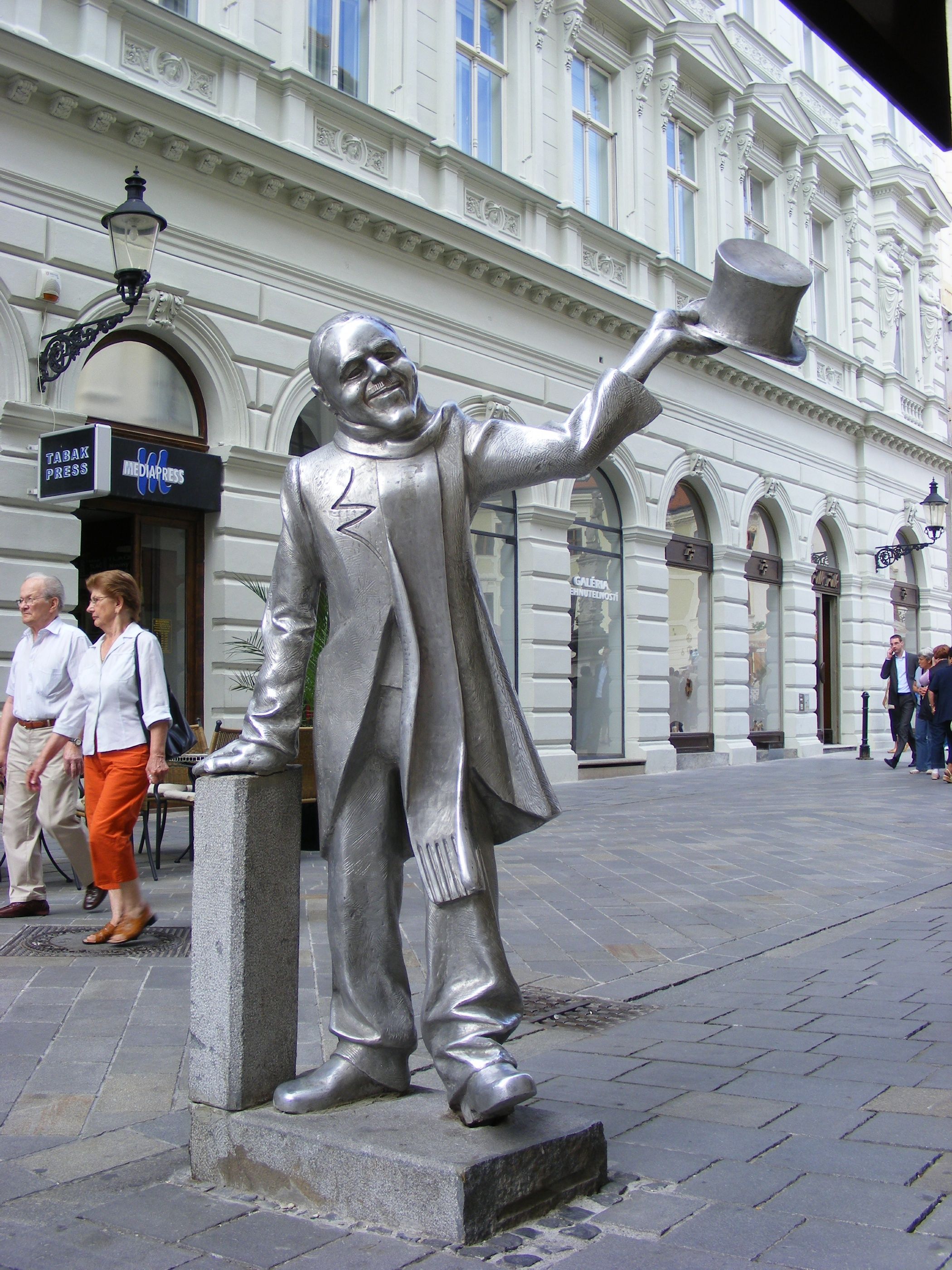 Schöner Náci StatueAttraction · 10 min · Free
Schöner Náci is a life-size bronze statue at the corner of Main Square, depicting Ignác Lamár, a beloved Bratislava eccentric who strolled the old town in a top hat and tails from the 1920s to the 1960s, greeting passersby with theatrical bows.
 Čumil (Man at Work Statue)Attraction · 10 min · Free
Čumil, affectionately known as 'The Watcher' or 'Man at Work,' is a bronze statue of a grinning man peering out of a street manhole on Laurinská and Panská streets. It has become the unofficial mascot of Bratislava and the city's most photographed artwork.