Loading city...
Skip to main content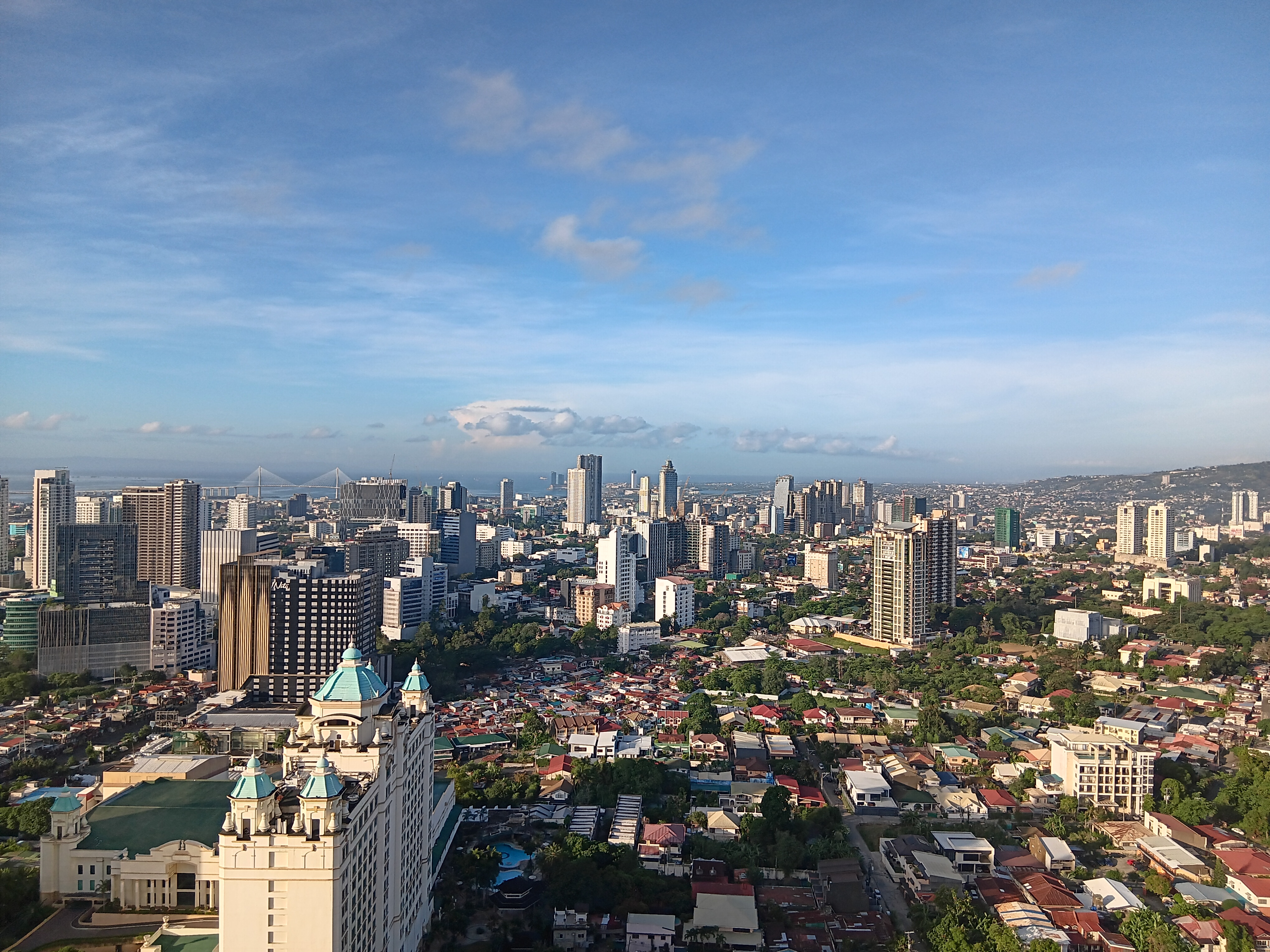 Plan a trip to Cebu →
Sample plans for Cebu:
Cebu
36 places
36 places
⭐Cebu Metropolitan Cathedral
The Cebu Metropolitan Cathedral, officially the Metropolitan Cathedral Parish of St. Vitalis, is the ecclesiastical seat of the Archdiocese of Cebu. Originally built in 1689, the cathedral has been destroyed and rebuilt multiple times due to earthquakes and wartime bombing, with the current structure completed in 1960.
Religiousarchitecturehistory
30 minFree
⭐Cebu Heritage Monument
The Cebu Heritage Monument is a large sculptural tableau located in Parian, depicting key scenes from Cebu's history from pre-colonial trade through Spanish colonization. Created by national artist Eduardo Castrillo, the monument brings together life-sized figures in a dramatic outdoor diorama.
historycultureFree Entry
20 minFree
⭐Temple of Leah
The Temple of Leah is a Roman-inspired hilltop monument in Busay, built by Cebuano businessman Teodorico Adarna as a tribute to his late wife, Leah. Often called the 'Taj Mahal of Cebu,' the grand structure features Corinthian columns, statues of angels, and gilded details spread across a terraced hillside.
architectureRomanticphoto op
60 minPHP150
🏘Cebu IT Park
Cebu IT Park is a modern commercial and technology district built on the site of a former military airstrip, now home to multinational BPO companies, trendy restaurants, craft beer bars, and a popular night food market. It represents the contemporary face of Cebu's rapid urban development.
foodtrendylocal
60 minFree
🏖Bantayan Island
Bantayan Island is a peaceful tropical island off the northern tip of Cebu, accessible by a 1.5-hour ferry from Hagnaya Port. Known for its powdery white-sand beaches, laid-back atmosphere, and affordable seafood, it offers a quieter alternative to Cebu's more touristed beach destinations.
beachnaturepeaceful
480 minFree
🏖Mactan Island Beaches
Mactan Island's eastern shoreline is lined with resort beaches offering white sand, water sports, and island-hopping tours. Connected to Cebu City by two bridges, Mactan serves as the main beach destination for city visitors and a base for diving, snorkeling, and jet-skiing adventures.
beachwaterrelaxing
240 minFree
⭐Mactan Shrine
The Mactan Shrine is a memorial park on Mactan Island commemorating the Battle of Mactan on April 27, 1521, in which the indigenous chieftain Lapu-Lapu and his warriors defeated the Portuguese explorer Ferdinand Magellan. The park features monuments to both figures, reflecting the complex history of the encounter.
historyculturememorial
30 minFree
🏖Moalboal Beach
Moalboal is a coastal town on Cebu's southwestern coast, about 90 kilometers from Cebu City, known as one of the Philippines' premier dive and snorkeling destinations. The main tourist area around Panagsama Beach offers a relaxed, backpacker-friendly atmosphere with easy access to world-class underwater experiences.
beachwaternature
240 minFree
🎯Moalboal Sardine Run
The Moalboal Sardine Run is a year-round natural phenomenon off Panagsama Beach in Moalboal, southwestern Cebu, where millions of sardines form massive, swirling underwater formations within meters of the shore. Unlike the seasonal sardine run in South Africa, Moalboal's is permanent, making it one of the most accessible marine spectacles in the world.
naturewateranimals
180 minFree
⭐Basilica Minore del Santo Niño
The Basilica Minore del Santo Niño is the oldest Roman Catholic parish church in the Philippines, established by Augustinian friars in 1565 on the spot where the Santo Niño de Cebu — a wooden figure of the Child Jesus — was found during Legazpi's expedition. The basilica is the spiritual heart of Cebu and the center of the annual Sinulog Festival.
historyReligiousIconic
45 minFree
🎯Oslob Whale Shark Watching
Oslob Whale Shark Watching is a globally famous marine encounter in the waters off Tan-awan, Oslob, where visitors can swim and snorkel alongside butanding (whale sharks) — the world's largest fish. The experience draws hundreds of thousands of visitors annually to this small coastal barangay.
animalsnaturewater
180 minPHP500
🎯Cebu Guitars
Mactan Island's guitar-making industry is a unique cultural attraction where master craftsmen handcraft acoustic and classical guitars using traditional techniques passed down through generations. Visitors can tour workshops, watch the crafting process, and purchase high-quality instruments at factory-direct prices.
culturemusictraditional
60 minFree
🏖Malapascua Island
Malapascua Island is a tiny tropical island off northern Cebu, world-famous as one of the only places on Earth where divers can reliably see thresher sharks. The island combines world-class diving with white-sand beaches and a friendly, village-like atmosphere.
beachwaternature
480 minFree
⭐Fort San Pedro
Fort San Pedro is the oldest and smallest triangular bastion fort in the Philippines, built in 1565 under the command of Spanish conquistador Miguel López de Legazpi. Located near the port area, it served as a military defense structure, a rebel stronghold, and later a prison camp during various periods of Philippine history.
historyarchitectureculture
45 minPHP30
⭐Cebu Taoist Temple
The Cebu Taoist Temple is an ornate Chinese temple located in the upscale Beverly Hills Subdivision in Lahug, built in 1972 by Cebu's Chinese-Filipino community. The temple features a grand pagoda, dragon-carved columns, and panoramic views of the city, offering a serene escape from the urban bustle below.
templeReligiousviewpoint
45 minFree
⭐Magellan's Cross
Magellan's Cross is a Christian cross planted by Portuguese explorer Ferdinand Magellan upon arriving in Cebu on April 14, 1521, marking the introduction of Christianity to the Philippines. The original cross is said to be encased within a hollow tindalo wood cross housed in a small chapel on Magallanes Street, next to the Basilica del Santo Niño. The kiosk's ceiling features a vibrant mural depicting the baptism of Rajah Humabon and Queen Juana.
historyIconicReligious
20 minFree
👁Tops Lookout
Tops Lookout is a hilltop observation deck perched at approximately 600 meters above sea level in the Busay highlands, offering sweeping 360-degree views of Cebu City, Mactan Island, and the surrounding Visayan seas. It's one of the most popular sunset and nighttime destinations in Cebu.
viewpointsunsetphoto op
30 minPHP100
🛍SM Seaside City Cebu
SM Seaside City Cebu is one of the largest shopping malls in the Philippines, located along the South Road Properties reclamation area. The massive complex features a distinctive cube-shaped design, hundreds of shops, a rooftop amusement park, and seaside promenade with views across the Cebu Strait.
shoppingentertainmentmodern
120 minFree
🏘Colon Street
Colon Street is the oldest street in the Philippines, established during the Spanish colonial period and named after Christopher Columbus (Cristóbal Colón in Spanish). This narrow, bustling commercial thoroughfare runs through the heart of downtown Cebu and remains one of the city's most vibrant commercial districts.
historylocalshopping
45 minFree
🛒Carbon Market
Carbon Market is Cebu's oldest and largest public market, a sprawling bazaar near the port area where locals shop for everything from fresh produce and seafood to dried goods, textiles, and household items. Named after the coal (carbon) that was once traded here, it offers an authentic, unfiltered look at Cebuano everyday life.
marketfoodlocal
60 minFree
Notice any incorrect information? Let us know →