Loading city...
Skip to main content
Attractions in Vilnius
13 attractions selected in this guide.
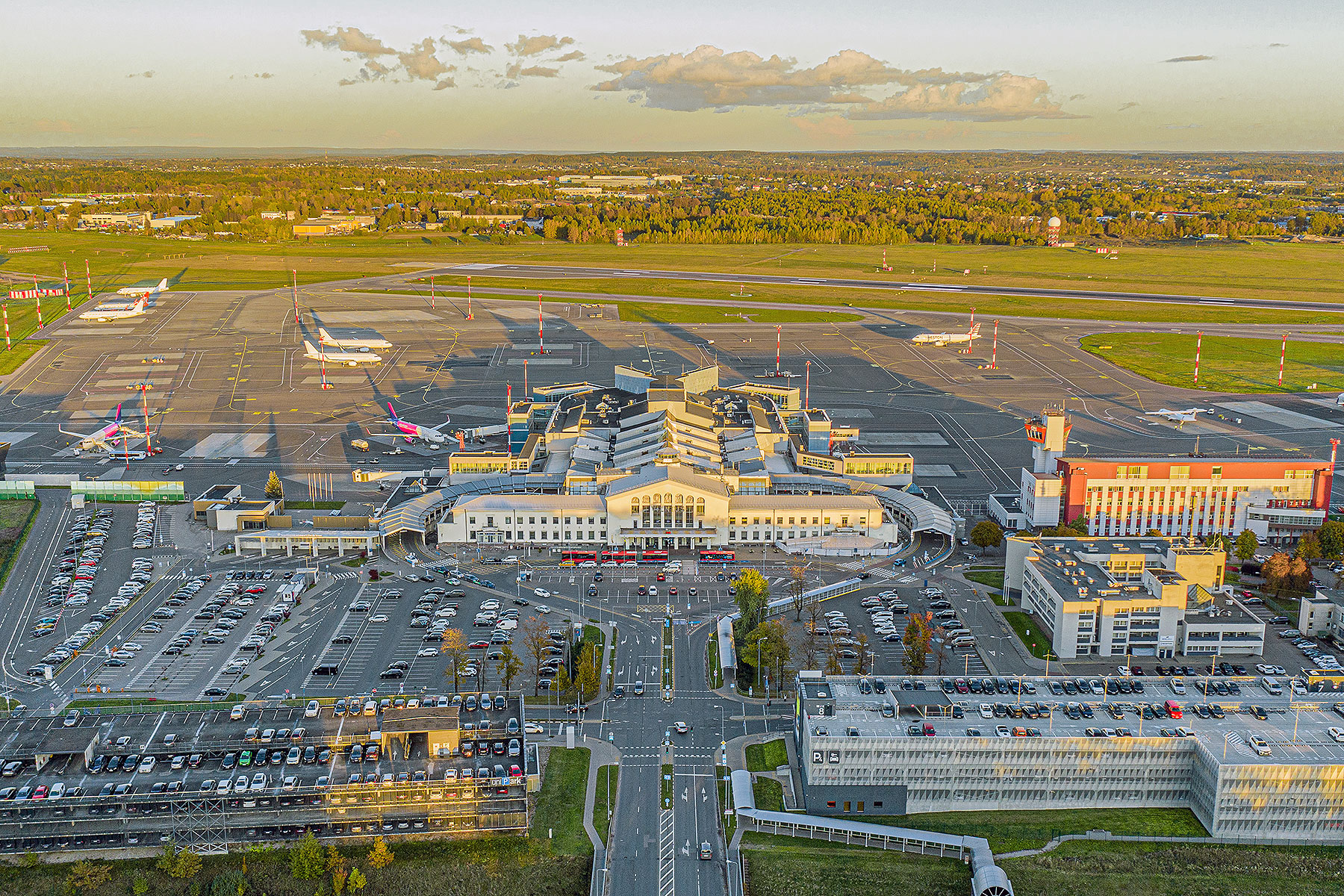 Vilnius UniversityAttraction · 1h · €5
Vilnius University, founded in 1579 by the Jesuits, is one of the oldest universities in Northern and Eastern Europe. Its campus occupies an entire block in the heart of the Old Town and features 13 interconnected courtyards, each with its own architectural character spanning Gothic, Renaissance, Baroque, and Neoclassical periods. The university is both a working academic institution and a cultural monument open to visitors.
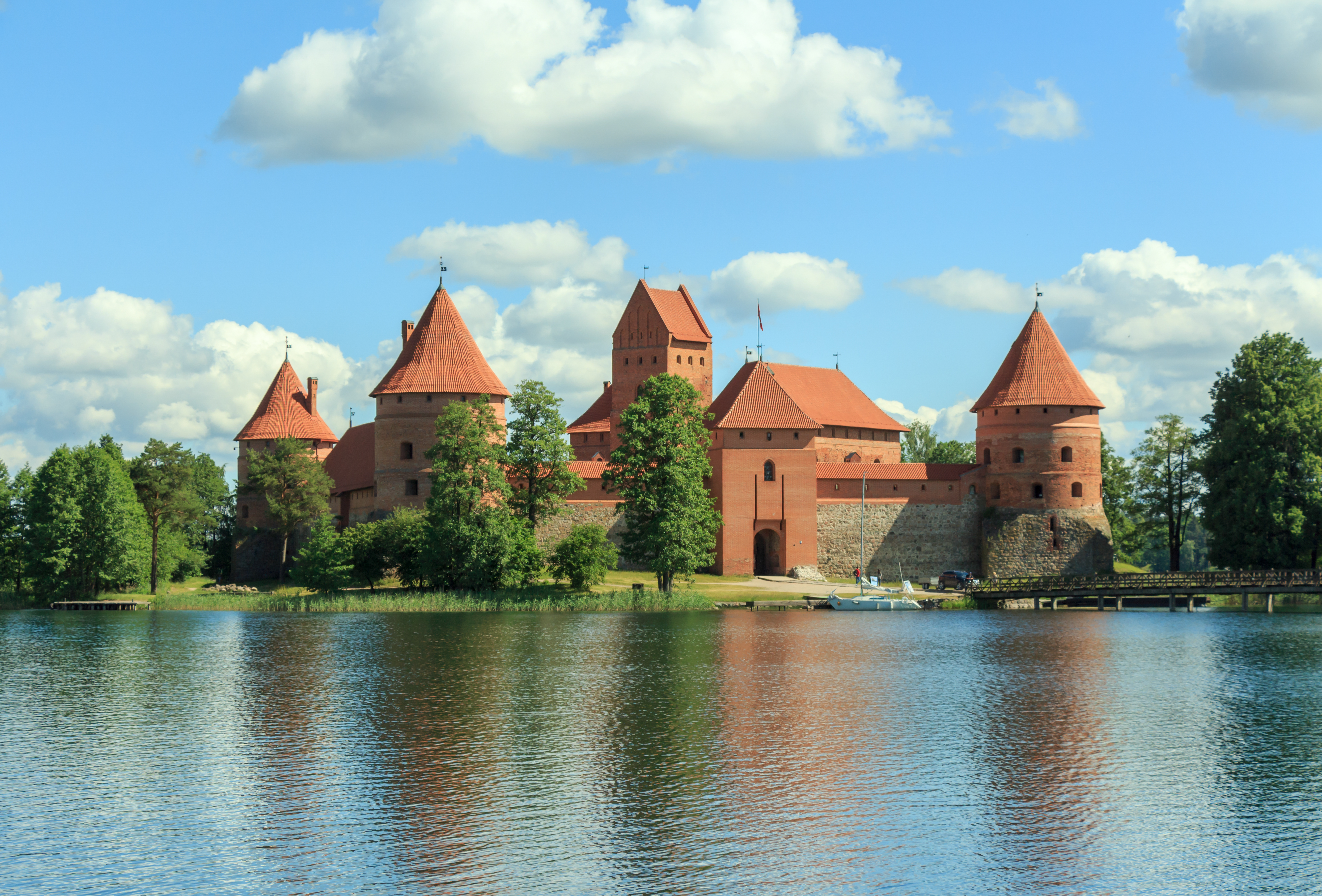 Trakai Island CastleAttraction · 3h · €12
Trakai Island Castle is a restored 14th-century fortress on an island in Lake Galvė, surrounded by five interconnected lakes. Just 28 km west of Vilnius, it is Lithuania's most photographed site and was once the residence of Grand Duke Vytautas the Great. Today it houses the Trakai History Museum and hosts medieval-themed events.
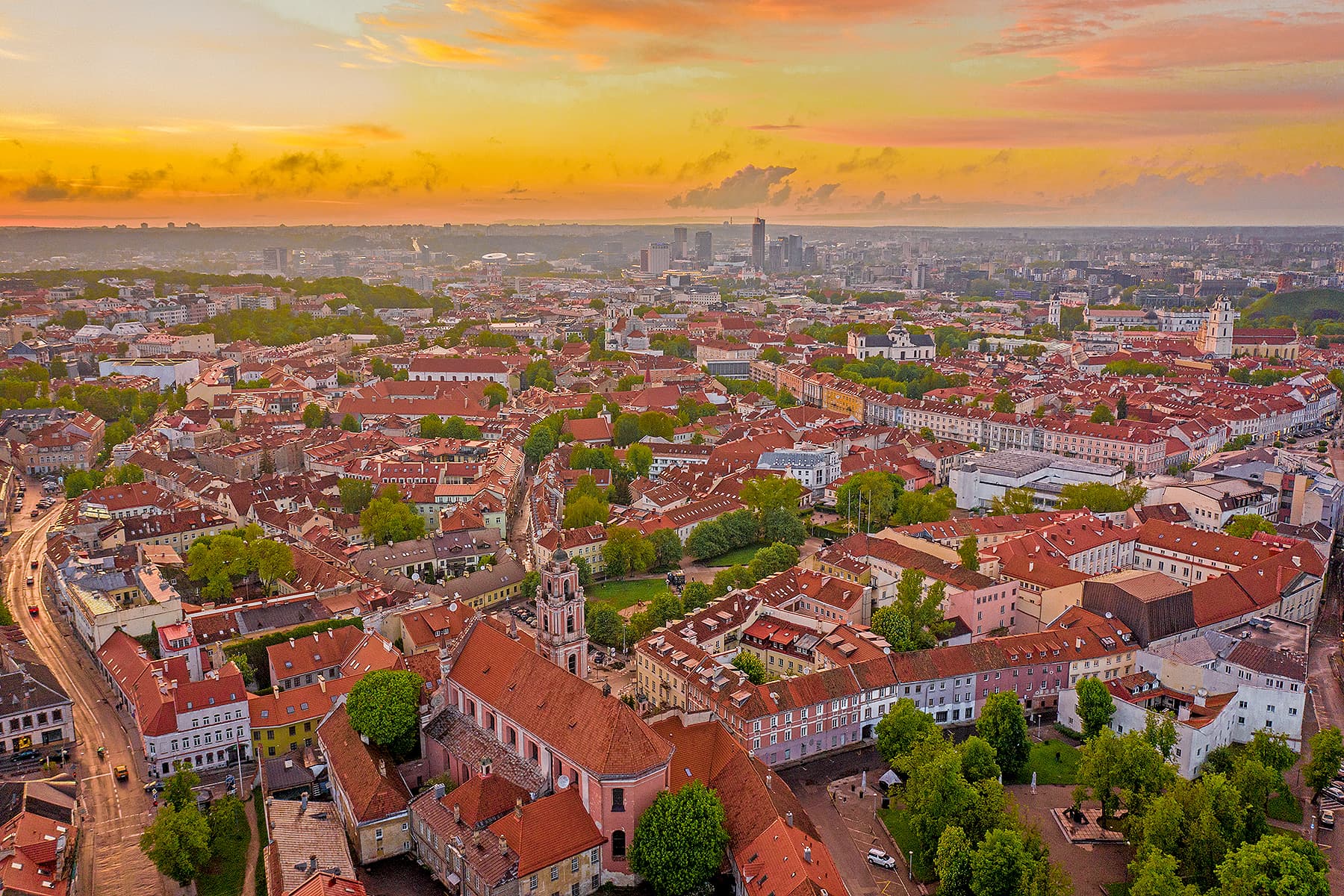 Vilnius Town HallAttraction · 30 min · Free
Vilnius Town Hall (Rotušė) is a neoclassical building anchoring Town Hall Square, one of the Old Town's most elegant open spaces. Originally a Gothic merchant hall, the current building was designed by Laurynas Gucevičius in the late 18th century. Today it serves as a venue for exhibitions, concerts, and official receptions.
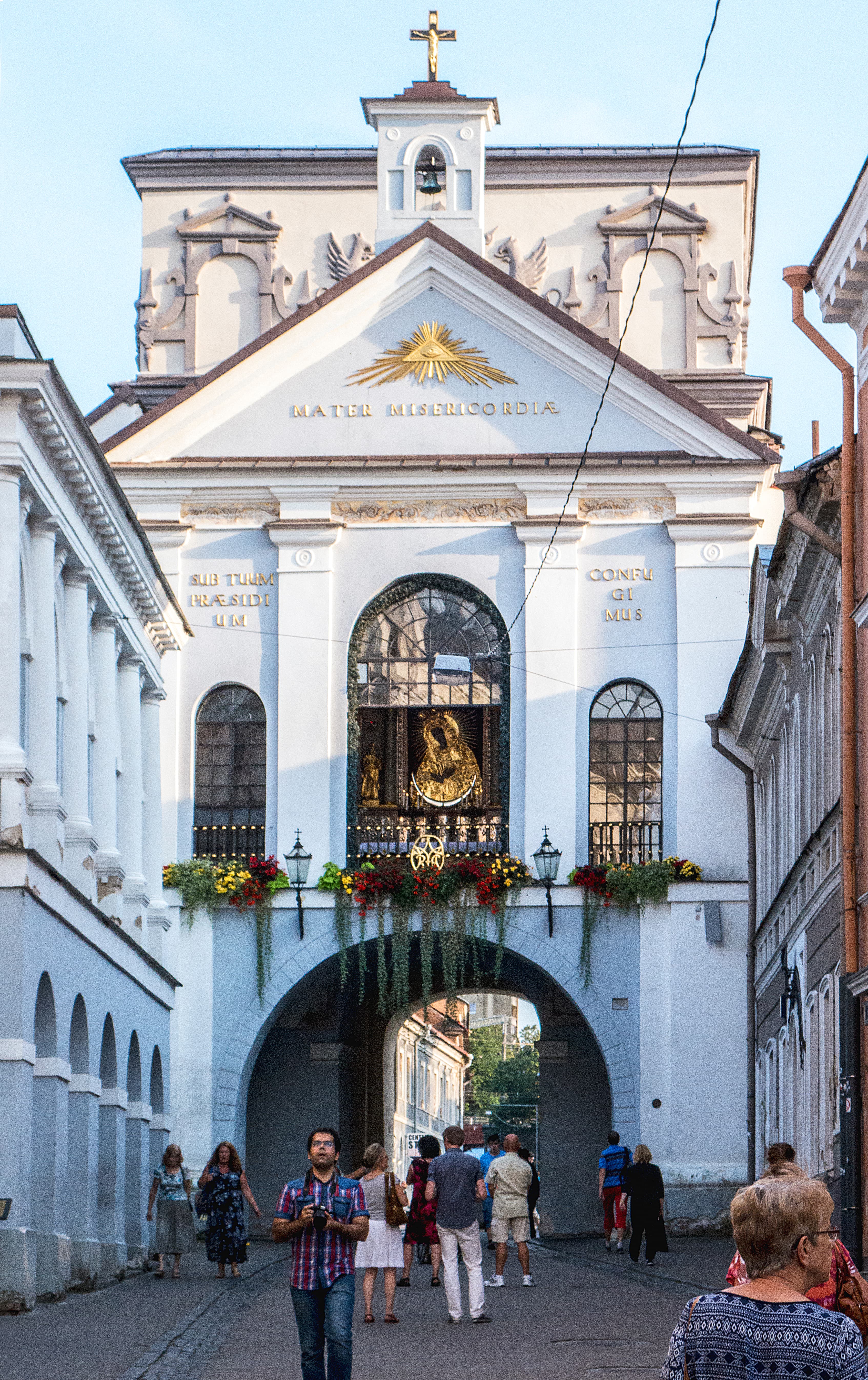 Gate of DawnAttraction · 20 min · Free
The Gate of Dawn (Aušros Vartai) is the only surviving city gate of the original five that once pierced Vilnius's defensive walls, built between 1503 and 1522. Above the gate passage sits a chapel housing the miraculous icon of Our Lady of the Gate of Dawn, one of the most revered religious images in the Catholic and Orthodox worlds. Pilgrims have been visiting this small but powerful shrine for centuries.
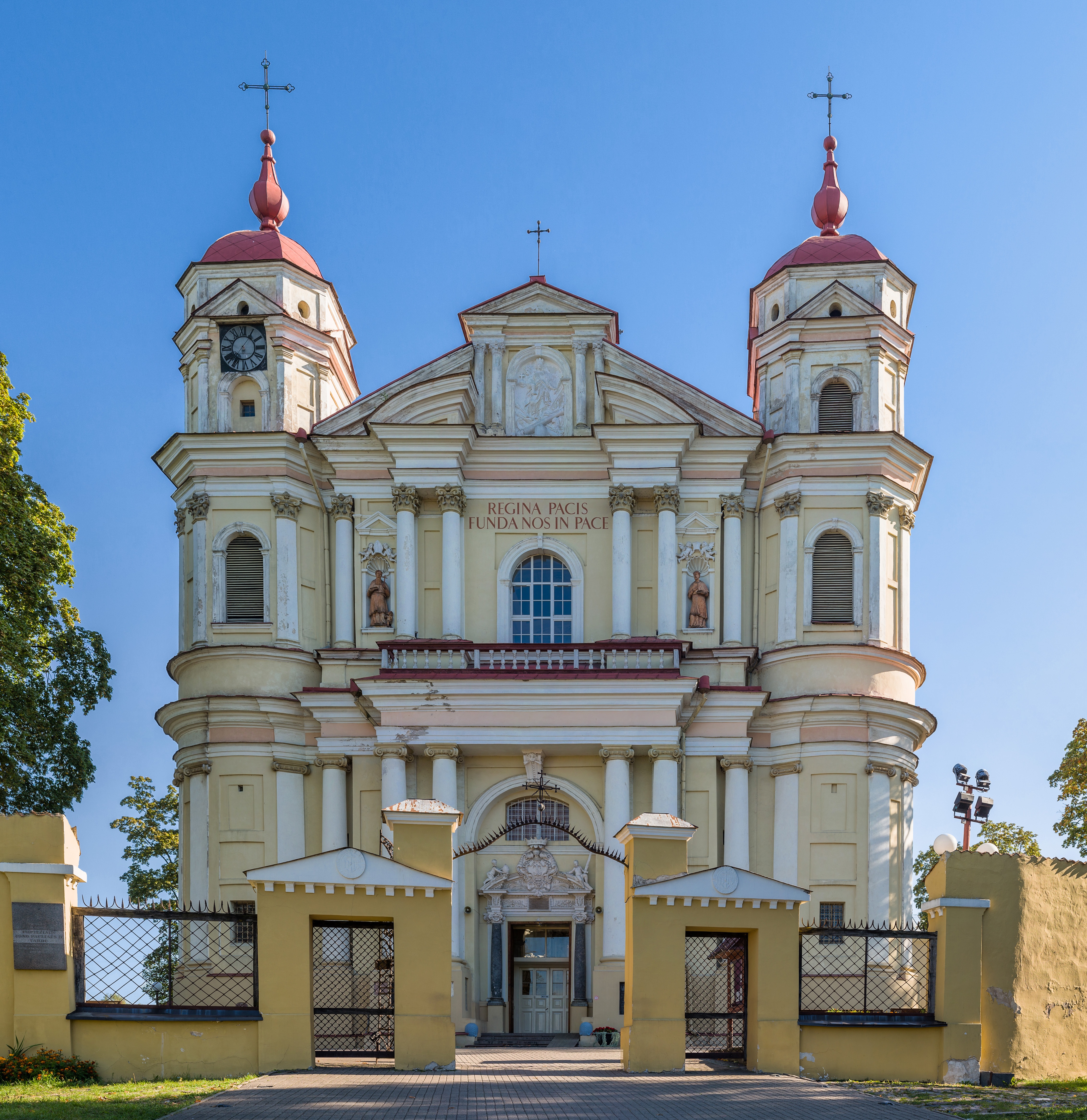 Church of St. Peter and St. PaulAttraction · 40 min · Free
The Church of Saints Peter and Paul (Šv. Petro ir Povilo bažnyčia) is a baroque masterpiece in the Antakalnis district, celebrated for its extraordinary interior of over 2,000 white stucco figures. The decorations, created by Italian sculptors Giovanni Pietro Perti and Giovanni Maria Galli, transform the interior into a three-dimensional tapestry of biblical scenes, allegorical figures, and botanical motifs.
 Church of St. AnneAttraction · 30 min · Free
The Church of St. Anne is a late-Gothic masterpiece widely considered one of the finest examples of Flamboyant Gothic architecture in Europe. Its intricate brick façade, built without a single piece of mortar visible from outside, uses 33 different types of moulded brick. Legend has it that Napoleon admired it so much he wanted to carry it back to Paris in the palm of his hand.
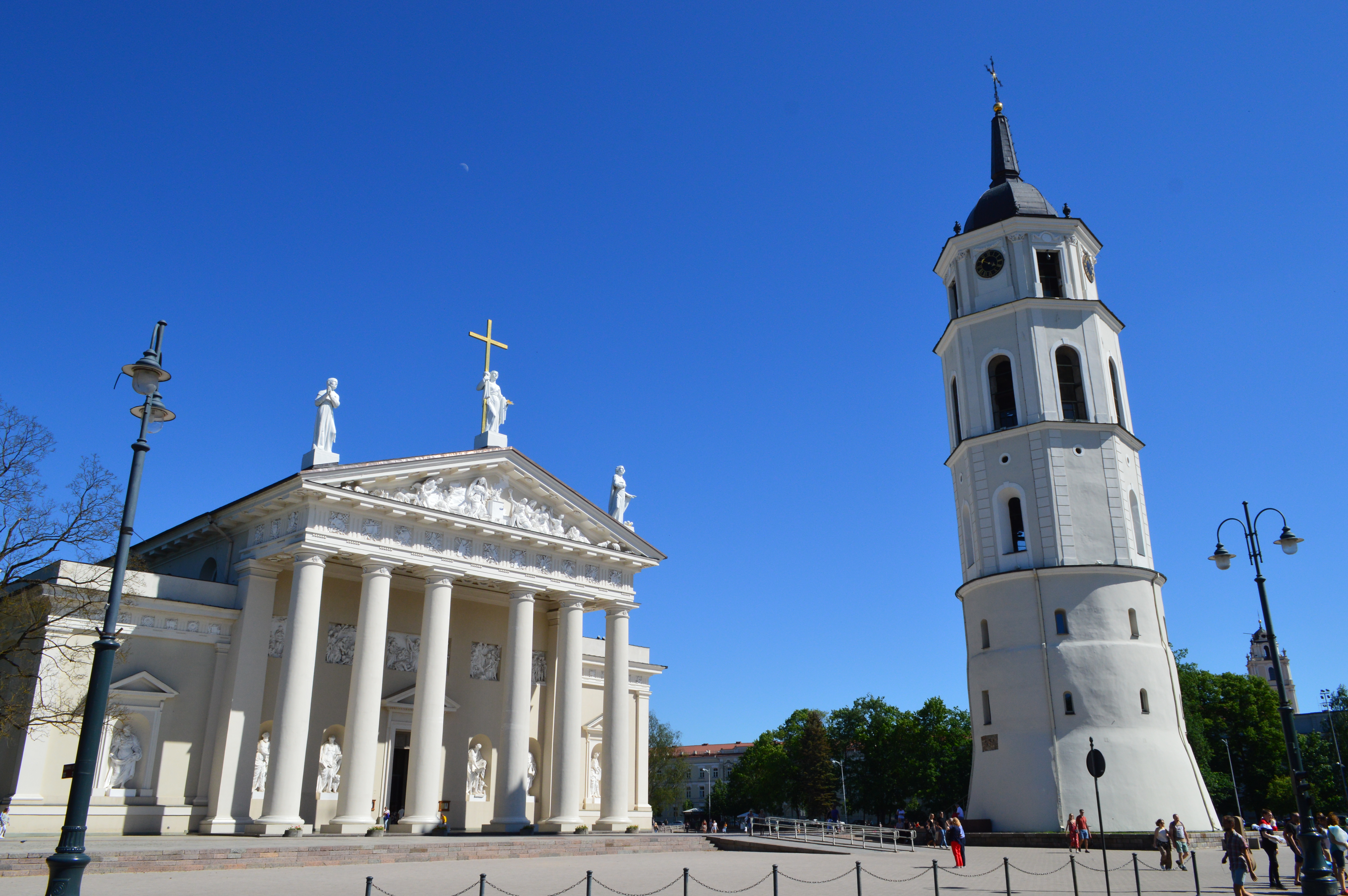 Vilnius CathedralAttraction · 45 min · Free
Vilnius Cathedral (Arkikatedra Bazilika) is the principal Roman Catholic cathedral of Lithuania, standing majestically at the western end of Cathedral Square. The current neoclassical building, completed in 1801 by architect Laurynas Gucevičius, is built on a site of worship dating back to the 13th century. It serves as both the spiritual heart of the nation and a symbol of Lithuanian independence.
 Cathedral SquareAttraction · 20 min · Free
Cathedral Square (Katedros aikštė) is the main public square of Vilnius, stretching in front of the Cathedral and at the foot of Gediminas Hill. It is the city's ceremonial heart, hosting national celebrations, the annual Christmas market, concerts, and public gatherings. The square also marks the starting point of the Baltic Way, the human chain of 1989.
 St. Casimir's ChurchAttraction · 25 min · Free
The Church of St. Casimir (Šv. Kazimiero bažnyčia) is the oldest baroque church in Vilnius, built between 1604 and 1615 by the Jesuits. Its distinctive crown-shaped cupola, symbolising the royal crown of St. Casimir, is a unique feature on the city's skyline. The church has served variously as a grain warehouse, an Orthodox church, and the Museum of Atheism during Soviet times.
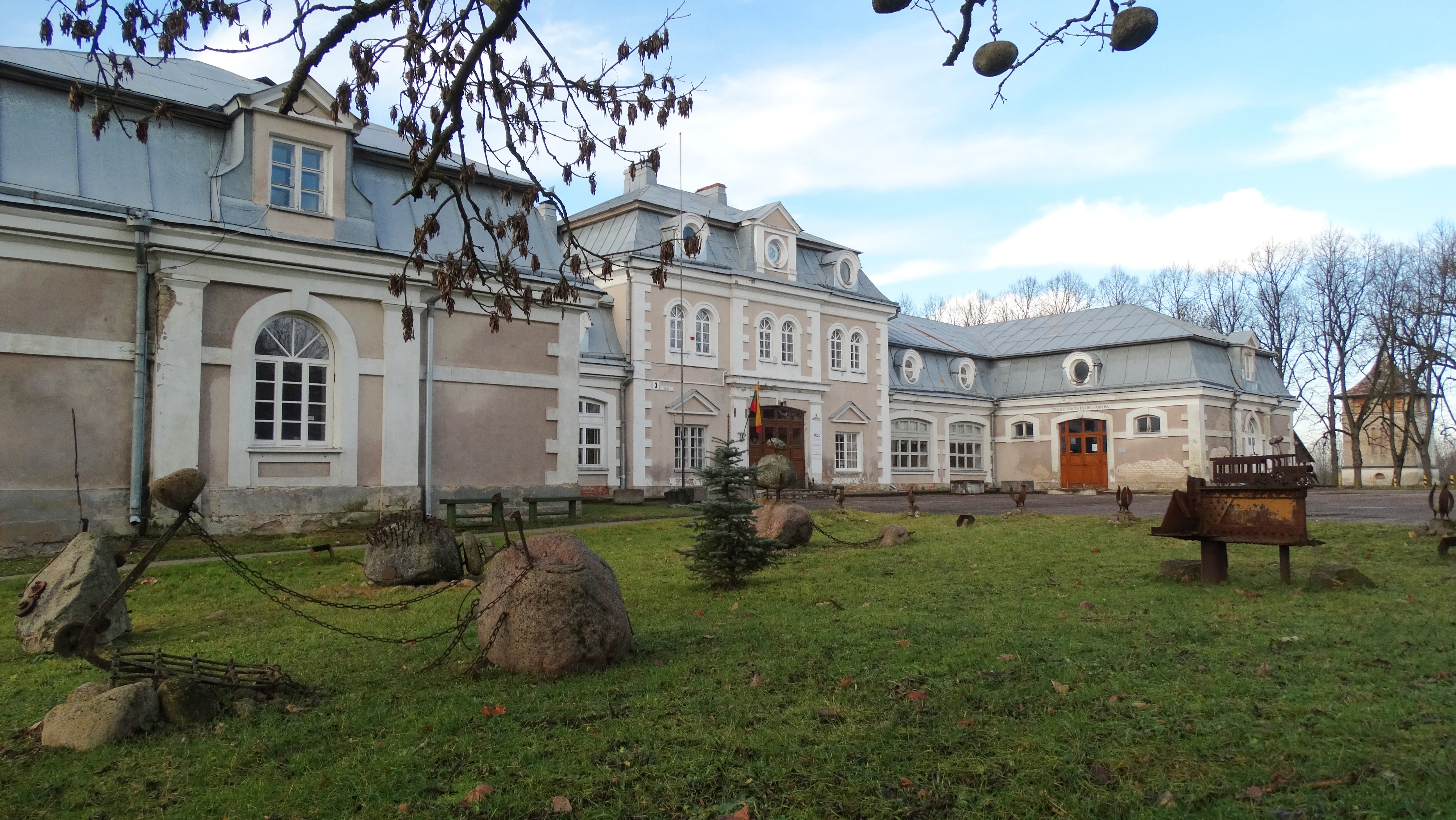 Paneriai MemorialAttraction · 1.3h · Free
Paneriai (Ponary) Memorial is a forest site on the southwestern outskirts of Vilnius where approximately 100,000 people — predominantly Jewish men, women, and children — were murdered by Nazi forces and Lithuanian collaborators between 1941 and 1944. The site includes mass grave pits, monuments, and a small museum. It is Lithuania's most important Holocaust remembrance site.
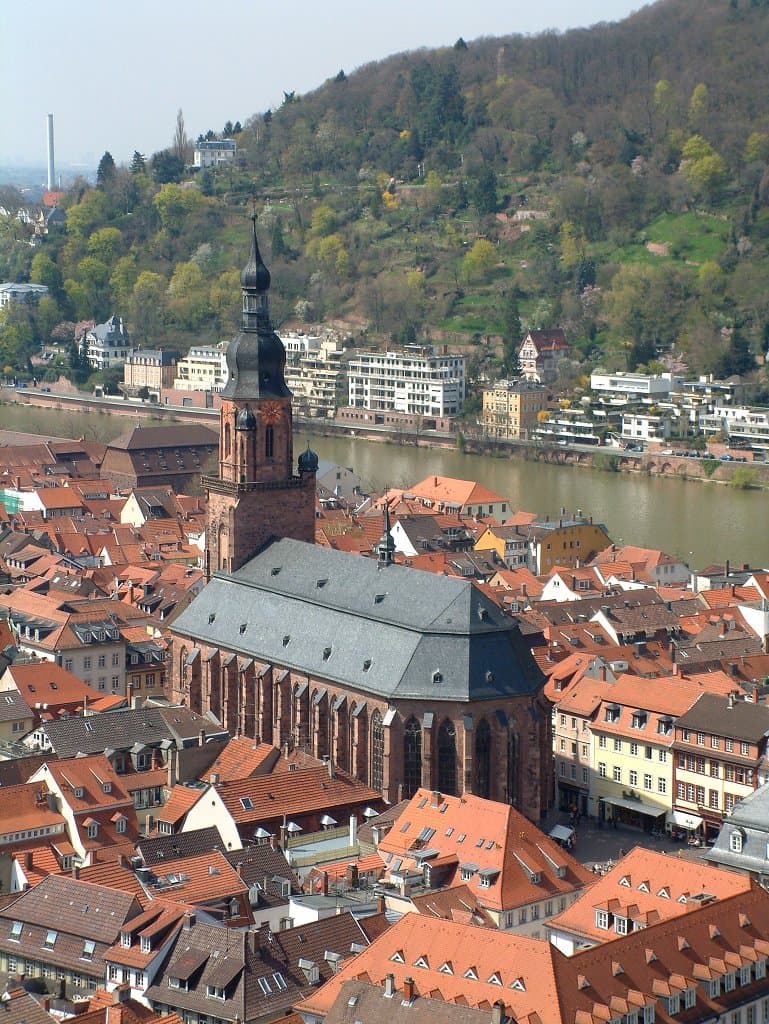 Church of the Holy SpiritAttraction · 30 min · Free
The Church of the Holy Spirit is the principal Russian Orthodox church in Lithuania, located near the Gate of Dawn. Its elaborate baroque exterior and richly decorated interior house an unusual treasure: the preserved bodies of three 14th-century martyrs — Saints Anthony, John, and Eustathius — displayed in an open coffin below the main altar.
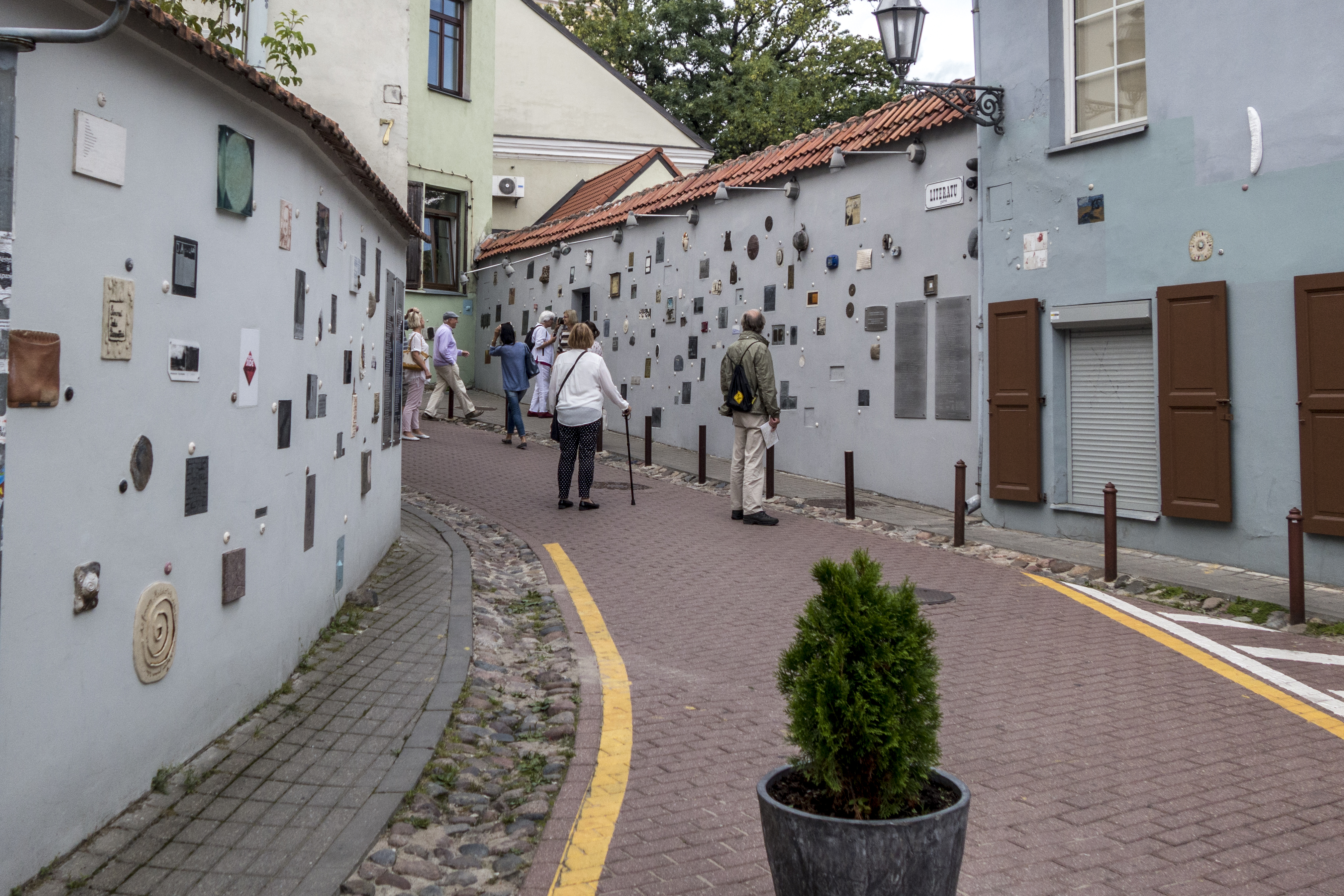 Literatų StreetAttraction · 20 min · Free
Literatų Street (Literatų gatvė) is a narrow cobblestoned lane in the Old Town whose walls are covered with over 200 miniature art plaques dedicated to writers, poets, and literary figures connected to Vilnius. The open-air gallery was conceived by Lithuanian-American artist Gitenis Umbrasas and has been growing since 2008, making it a living, evolving artwork.
 Belmontas WatermillAttraction · 1.5h · Free
Belmontas is a restored 17th-century watermill complex situated in a picturesque valley on the Vilnia river, about 7 km from the Old Town. The cascading weirs, wooden bridges, and stone buildings have been converted into a leisure destination with restaurants, a zip line, and outdoor terraces. It offers a countryside escape without leaving the city.