Loading city...
Skip to main content
Museums in Sapporo
6 museums selected in this guide.
 Hokkaido Ainu Center (Pirika Kotan)Museum · 1h · Free
The Hokkaido Ainu Center (Pirika Kotan, meaning 'beautiful village' in Ainu) is a cultural facility dedicated to preserving and sharing the heritage of Hokkaido's indigenous Ainu people. The center features exhibitions on Ainu history, traditional clothing, and musical instruments, as well as live performances of traditional dance and song.
 Sapporo Beer MuseumMuseum · 1.5h · Free
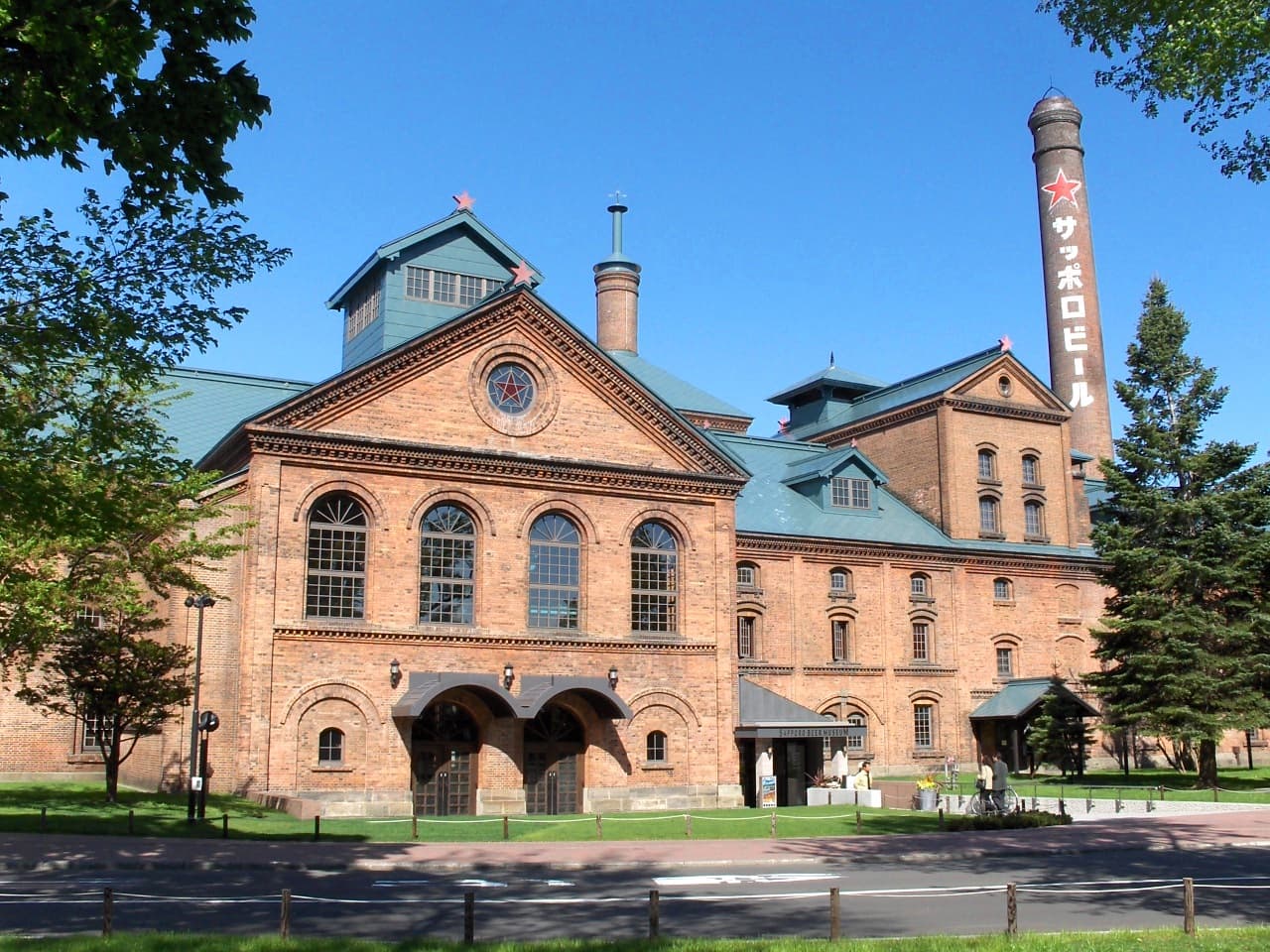
The Sapporo Beer Museum is Japan's only museum dedicated to beer, housed in the 1890 red-brick Kaitakushi Brewery building. It traces the history of Japanese brewing from the Meiji era through interactive exhibits, archival photographs, and original brewing equipment. The museum itself is free, with an optional paid tasting lounge.
- Sapporo Olympic MuseumMuseum · 1h · ¥670
The Sapporo Olympic Museum sits at the base of the Okurayama Ski Jump and documents Sapporo's role as host of the 1972 Winter Olympics. Interactive exhibits include ski jump, bobsled, and speed skating simulators that let visitors experience winter sports firsthand. The museum also covers Japan's broader Olympic history.
 Hokkaido MuseumMuseum · 1.5h · ¥600
The Hokkaido Museum (Hokkaido Hakubutsukan) provides a comprehensive overview of Hokkaido's natural history, indigenous Ainu culture, and the island's modern development. Five permanent exhibition zones trace the story from geological formation through Ice Age megafauna to contemporary Hokkaido life. The museum sits in Nopporo Forest Park alongside the Historical Village.
 Historical Village of HokkaidoMuseum · 2h · ¥800
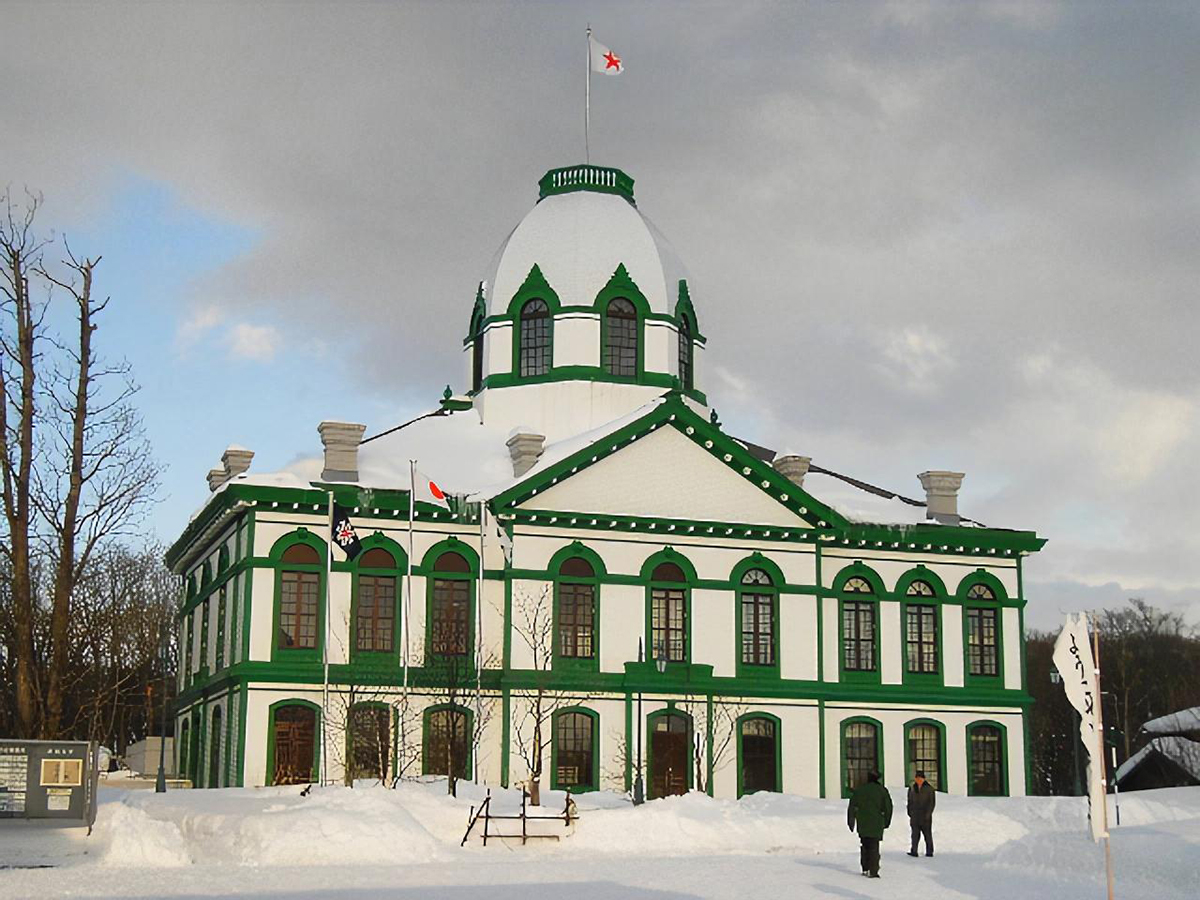
The Historical Village of Hokkaido (Kaitaku no Mura) is an open-air museum preserving over 60 buildings from Hokkaido's Meiji and Taisho pioneer settlement era. The village is organized into four areas — Town, Farm, Mountain, and Fishing — each recreating the living and working conditions of different settler communities. In winter, visitors can ride horse-drawn sleighs through the snow-covered grounds.
 Hokkaido Museum of Modern ArtMuseum · 1.3h · ¥510
The Hokkaido Museum of Modern Art (Kinbi) showcases modern and contemporary artwork with a particular focus on artists from Hokkaido. The permanent collection includes works by Kinjiro Kida, Tamako Kataoka, and Eien Iwahashi, alongside rotating international exhibitions. The museum sits in a quiet residential area near Maruyama Park.