Loading city...
Skip to main content
Neighborhoods in Venice
7 neighborhoods selected in this guide.
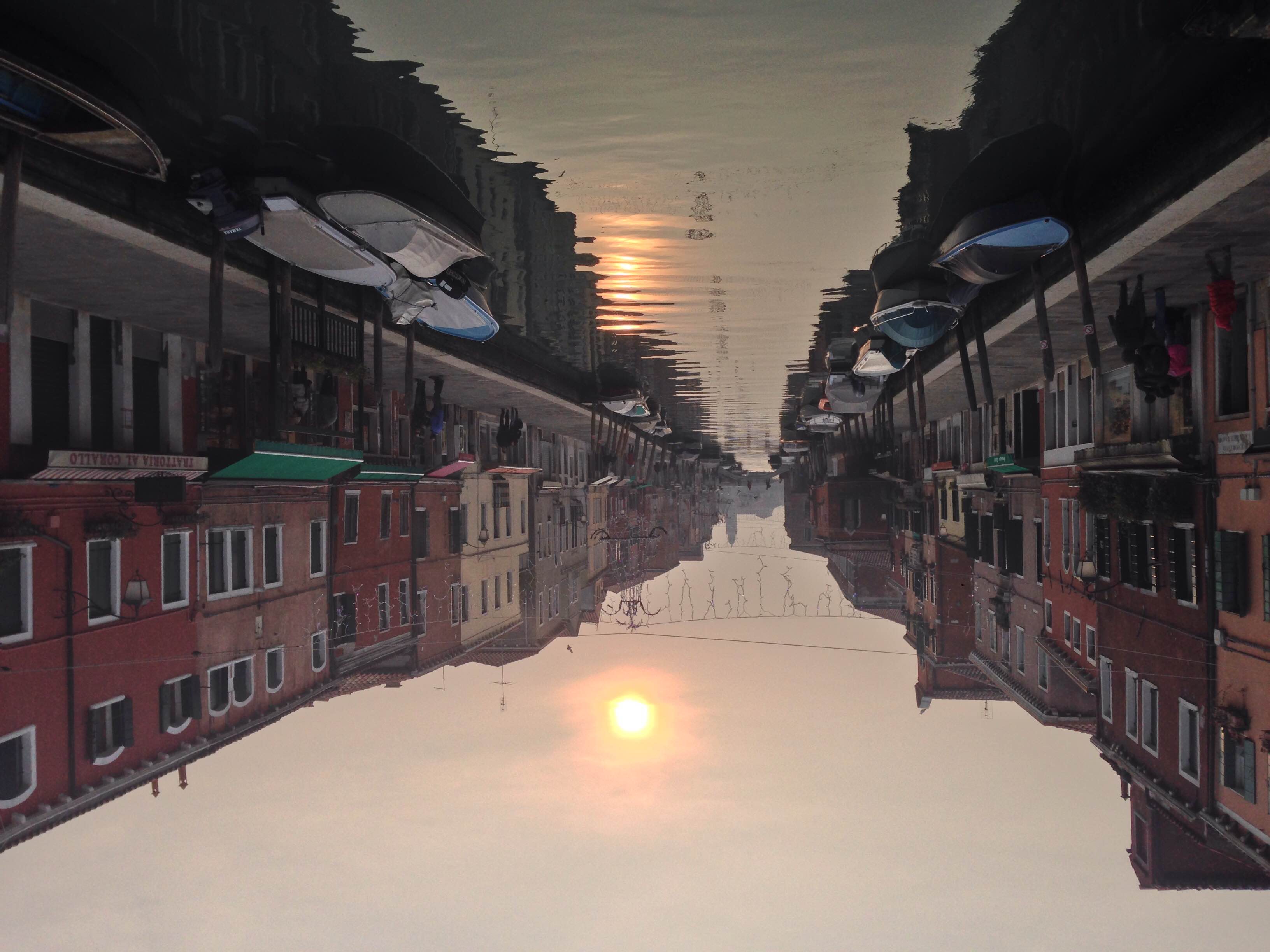 Murano IslandNeighborhood · 3h · Free
Murano is an island in the Venetian lagoon world-famous for its centuries-old glassmaking tradition. Since 1291, when the Republic ordered all glass furnaces moved here to reduce fire risk, the island has been the global center of decorative glass art.
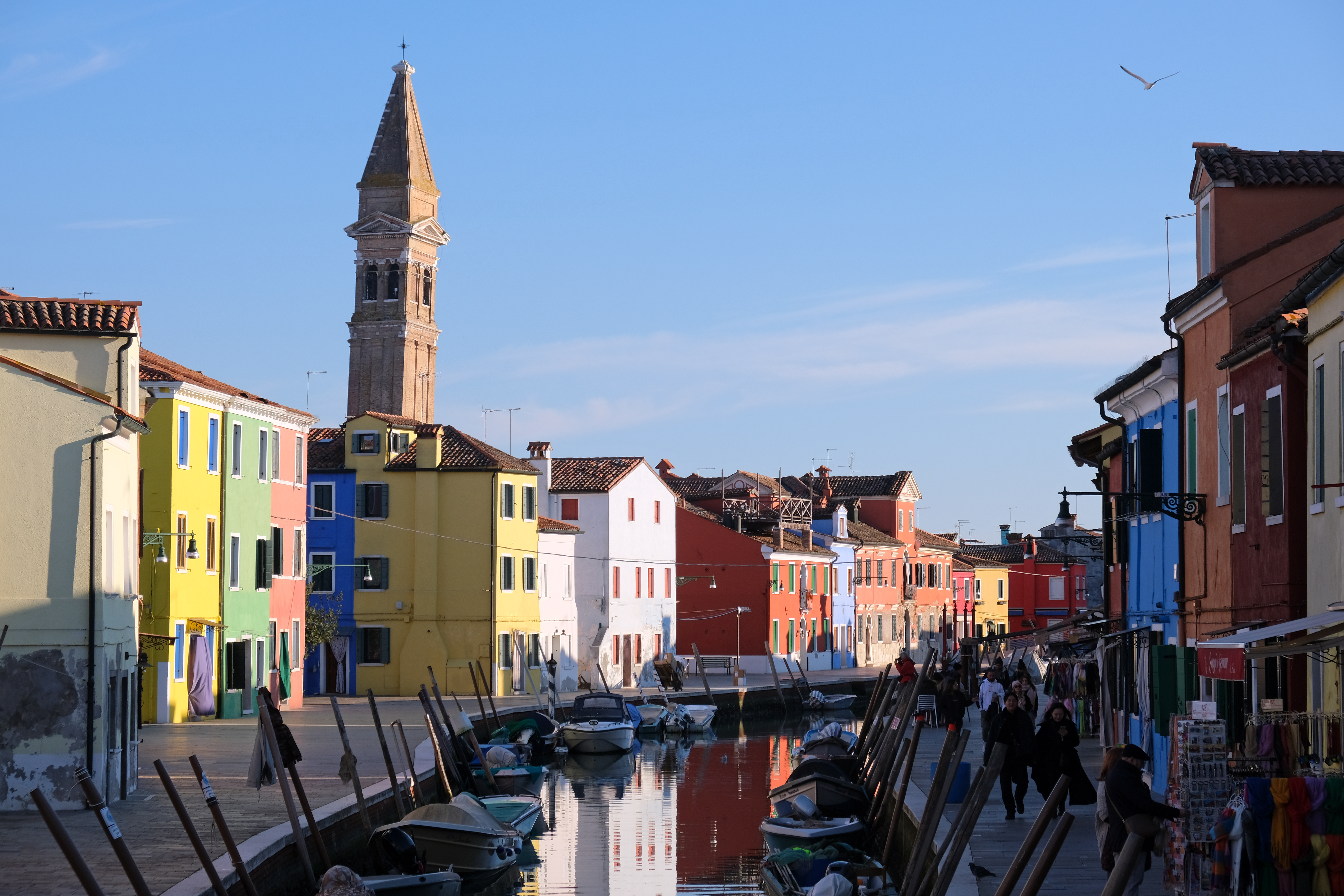 Burano IslandNeighborhood · 3h · Free
Burano is a fishing island in the northern Venetian lagoon, instantly recognizable by its brilliantly colored houses. The tradition of painted facades reportedly helped fishermen identify their homes in the fog.
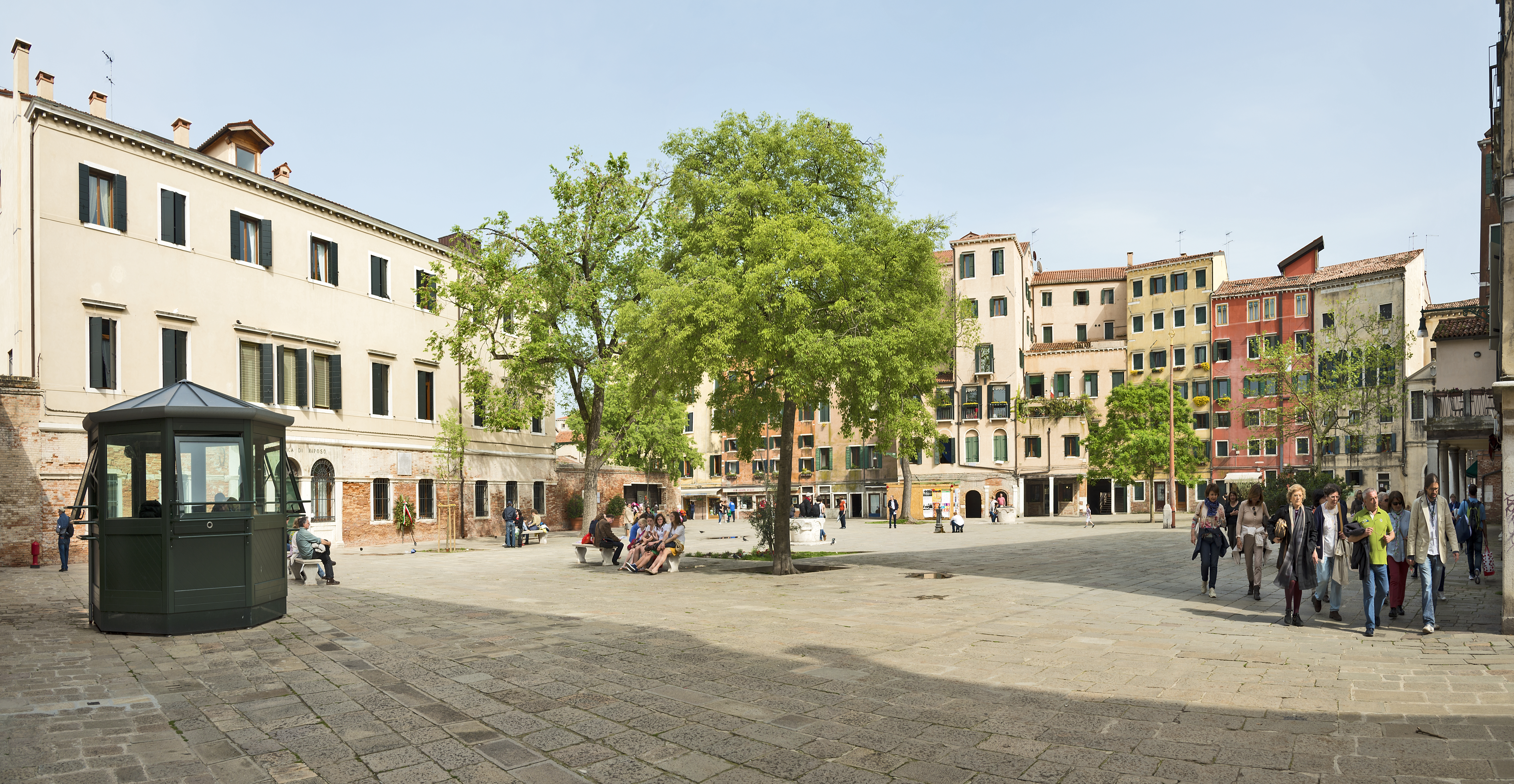 Jewish GhettoNeighborhood · 1.5h · Free
The Venetian Ghetto is the world's original ghetto — the word itself derives from 'geto,' the Venetian term for the foundry that once stood here. Established in 1516, this small island in Cannaregio confined Venice's Jewish population behind locked gates for nearly three centuries.
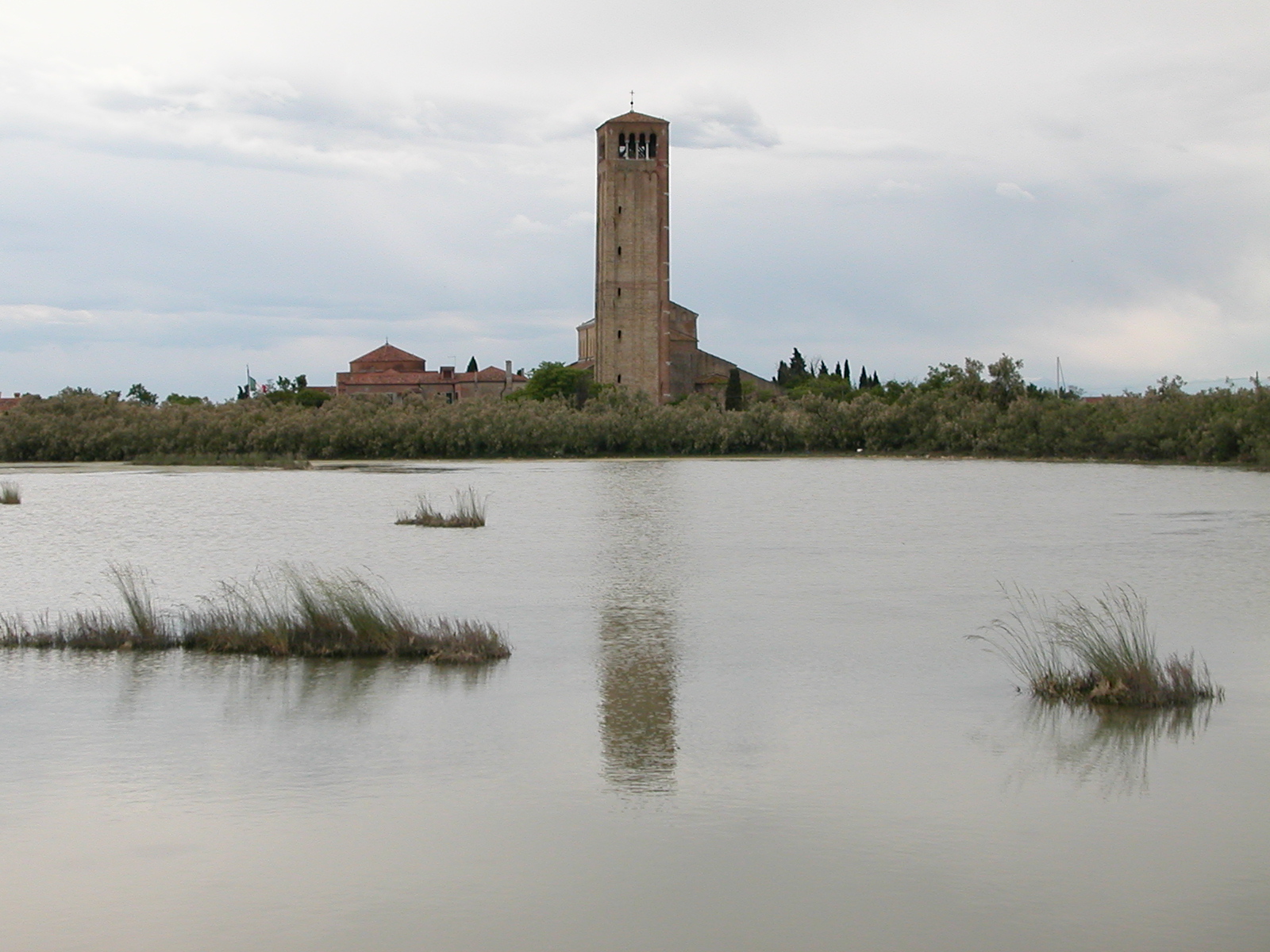 Torcello IslandNeighborhood · 2h · Free
Torcello is the most ancient inhabited island in the Venetian lagoon, once a thriving city of 20,000 that predated Venice itself. Today only about a dozen people live on this hauntingly quiet island.
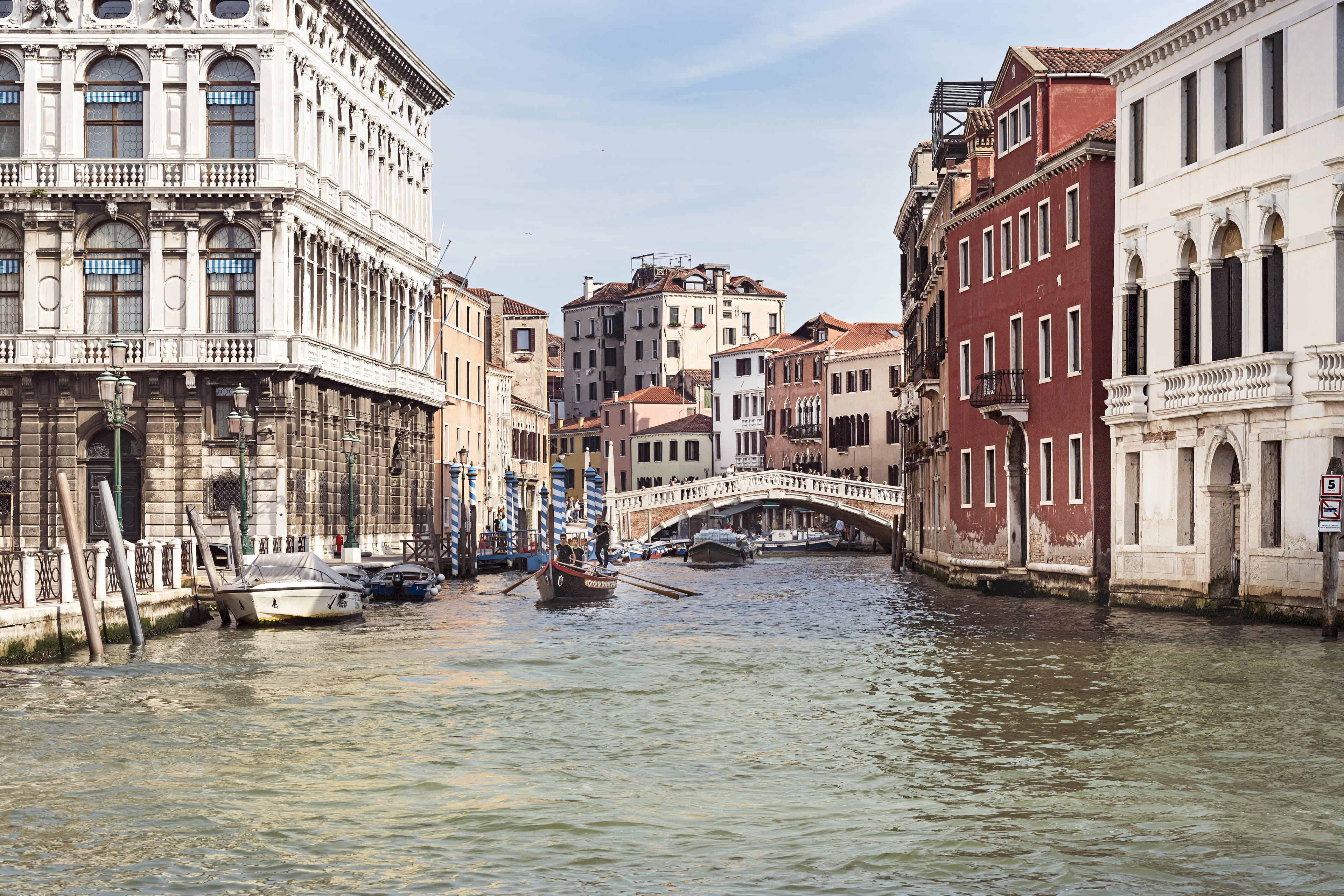 Cannaregio DistrictNeighborhood · 2h · Free
Cannaregio is Venice's most populous sestiere, stretching from the train station to the northern lagoon. It blends authentic Venetian daily life with the historic Jewish Ghetto and quiet canal-side walks far from the crowds.
 DorsoduroNeighborhood · 2h · Free
Dorsoduro is Venice's artsy sestiere (district), home to the Accademia, Guggenheim, and Punta della Dogana galleries, plus the lively university quarter and the waterfront Zattere promenade.
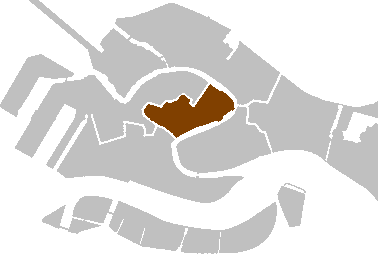 San Polo DistrictNeighborhood · 2h · Free
San Polo is Venice's smallest but most historically dense sestiere, the commercial heart of the city for centuries. Its winding calli lead from the Rialto Market through artisan workshops to the great churches of the Frari and San Rocco.