Loading city...
Skip to main content
Attractions in Kolkata
22 attractions selected in this guide.
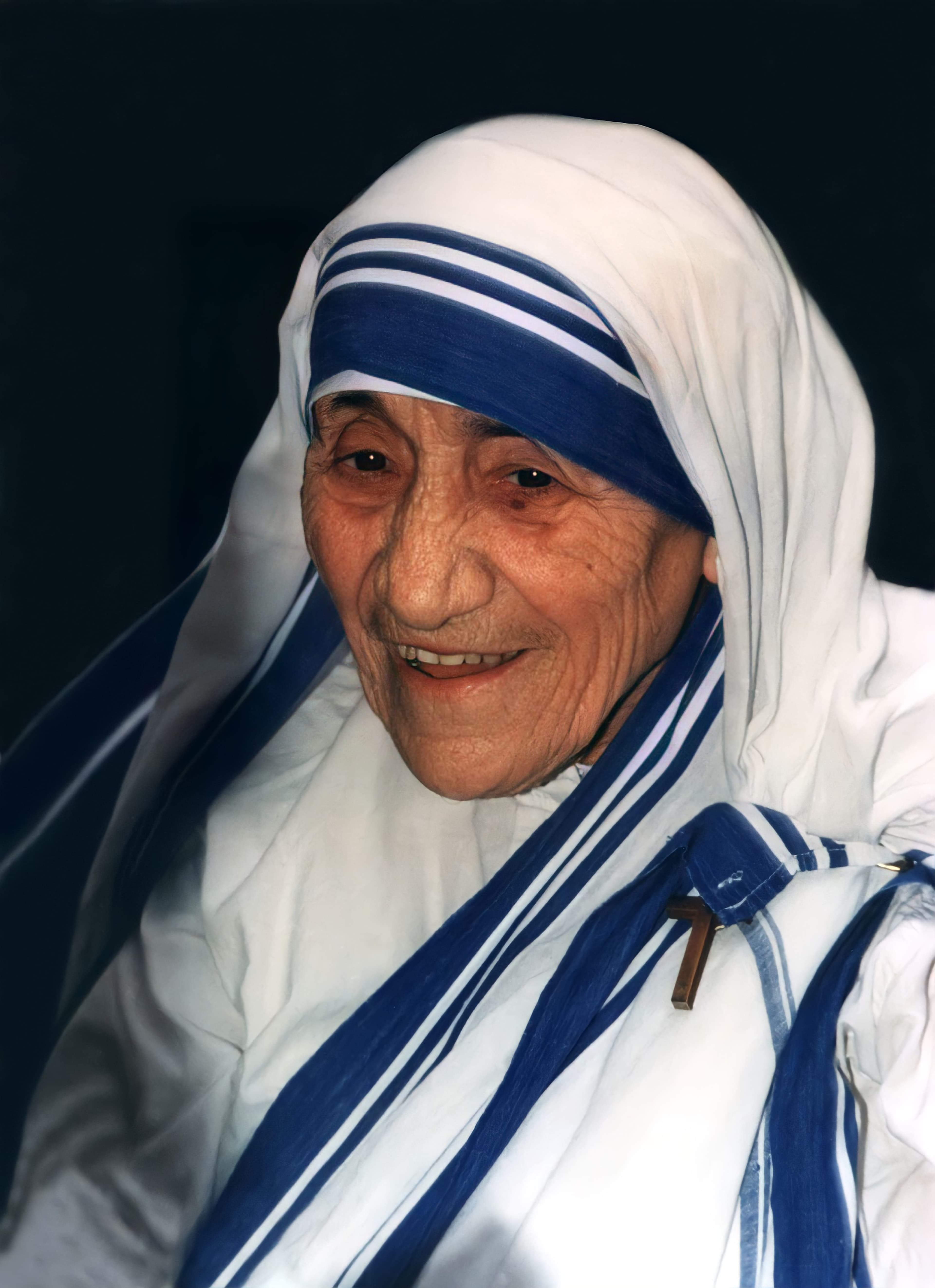 Mother HouseAttraction · 45 min · Free
Mother House (officially the Motherhouse of the Missionaries of Charity) was the home and headquarters of Mother Teresa from 1953 until her death in 1997. Located on AJC Bose Road, it serves as a place of pilgrimage and houses her tomb.
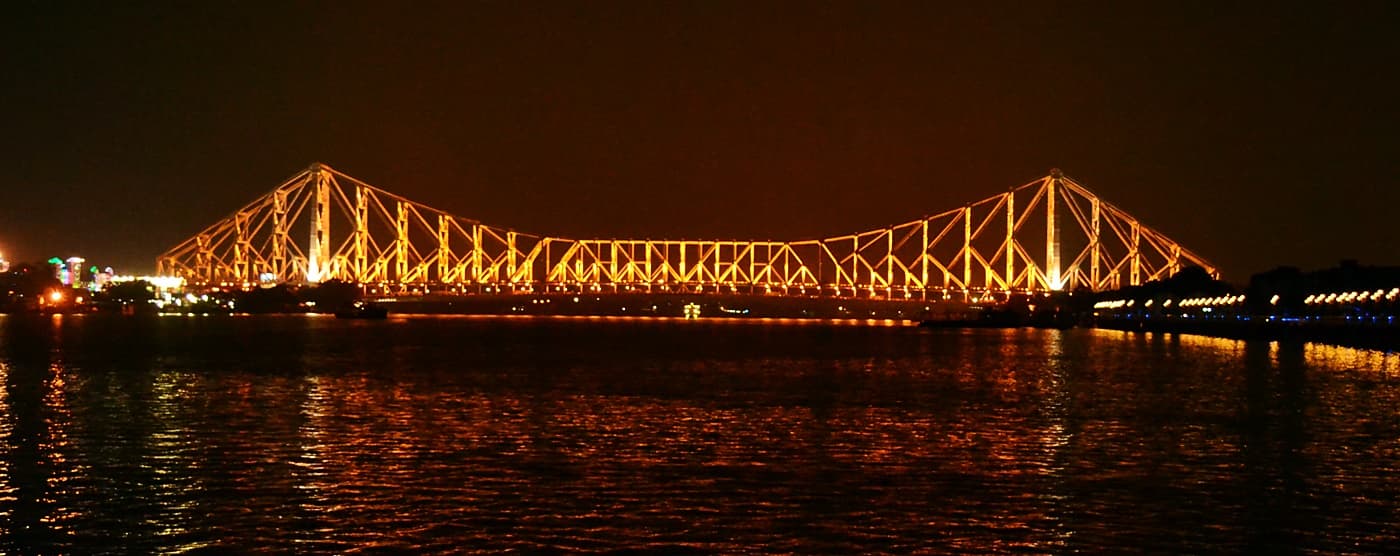 Howrah BridgeAttraction · 30 min · Free
Howrah Bridge (officially Rabindra Setu) is one of the world's busiest cantilever bridges, spanning the Hooghly River to connect Kolkata with Howrah. Over 100,000 vehicles and countless pedestrians cross it daily.
 Dakshineswar Kali TempleAttraction · 1.5h · Free
Dakshineswar Kali Temple is a famous Hindu temple complex on the eastern bank of the Hooghly River, dedicated to Goddess Kali. Its association with the mystic Sri Ramakrishna Paramahamsa makes it one of India's most revered pilgrimage sites.
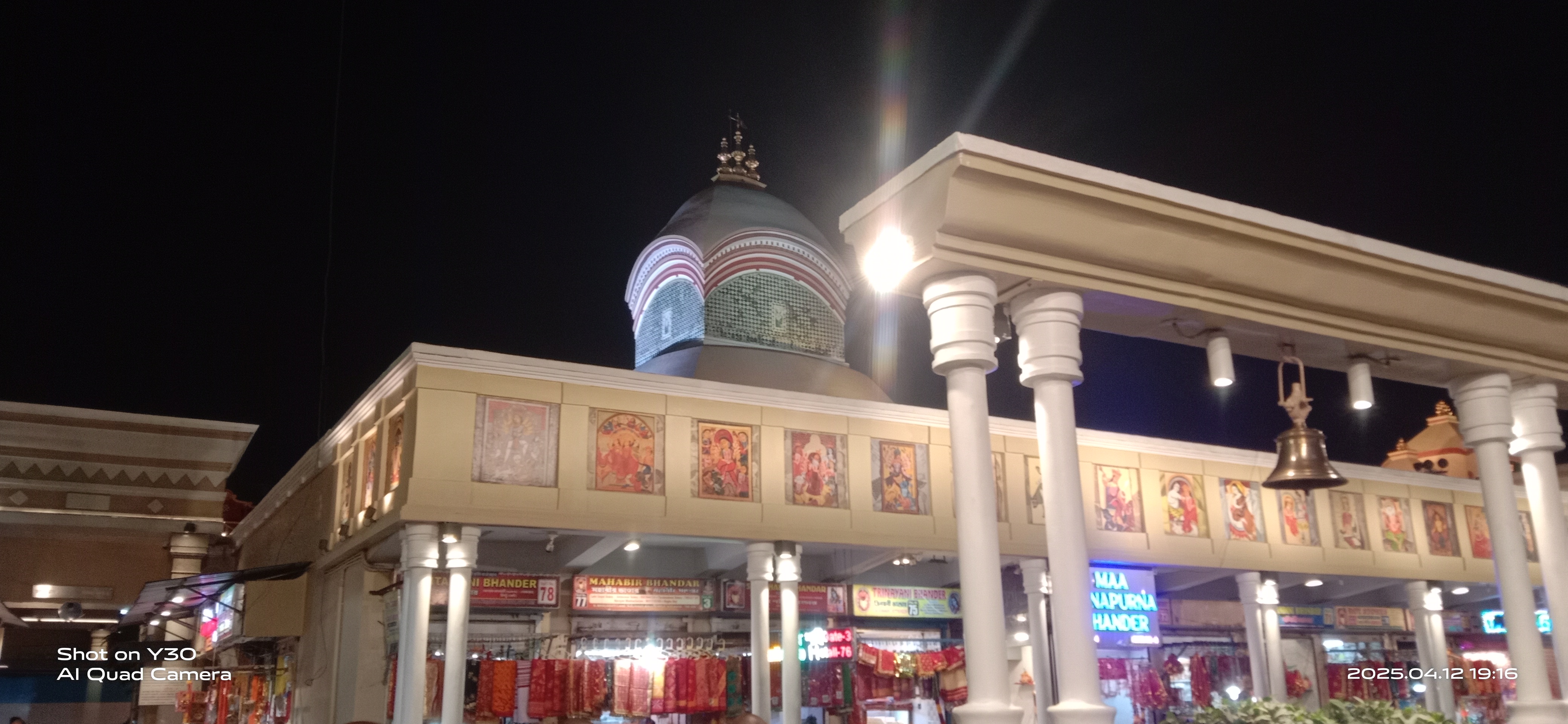 Kalighat Kali TempleAttraction · 1h · Free
Kalighat Kali Temple is one of the 51 Shakti Peethas in Hindu tradition, believed to be where the toes of Goddess Sati's right foot fell. The present temple dates to 1809 and is the origin of Kolkata's name.
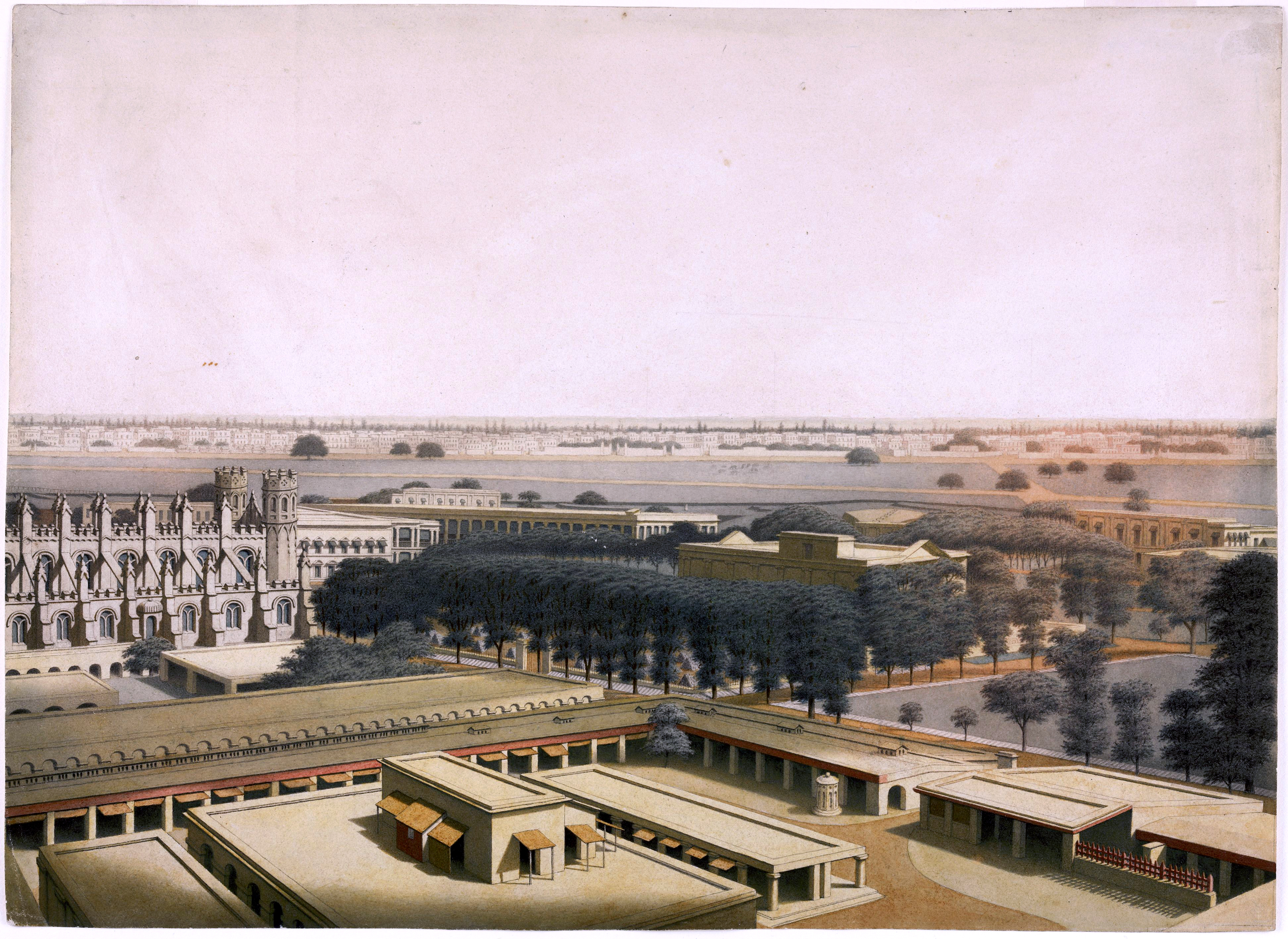 Fort WilliamAttraction · 1h · Free
Fort William is a sprawling 18th-century star-shaped fortification on the eastern bank of the Hooghly River, adjacent to the Maidan. It serves as the headquarters of the Indian Army's Eastern Command.
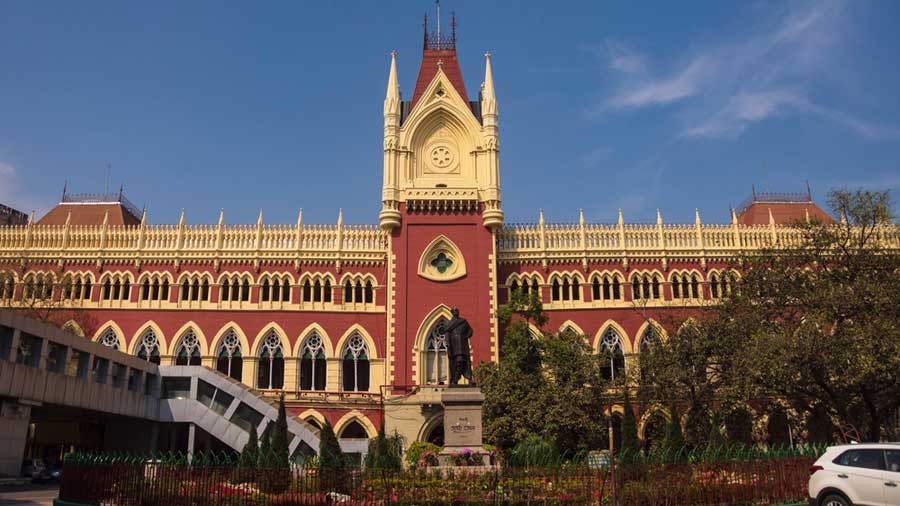 Calcutta High CourtAttraction · 30 min · Free
The Calcutta High Court is the oldest High Court in India, established in 1862 during British rule. Its imposing Gothic-Revival building, modelled on the Cloth Hall of Ypres in Belgium, stands on the eastern bank of the Hooghly in BBD Bagh.
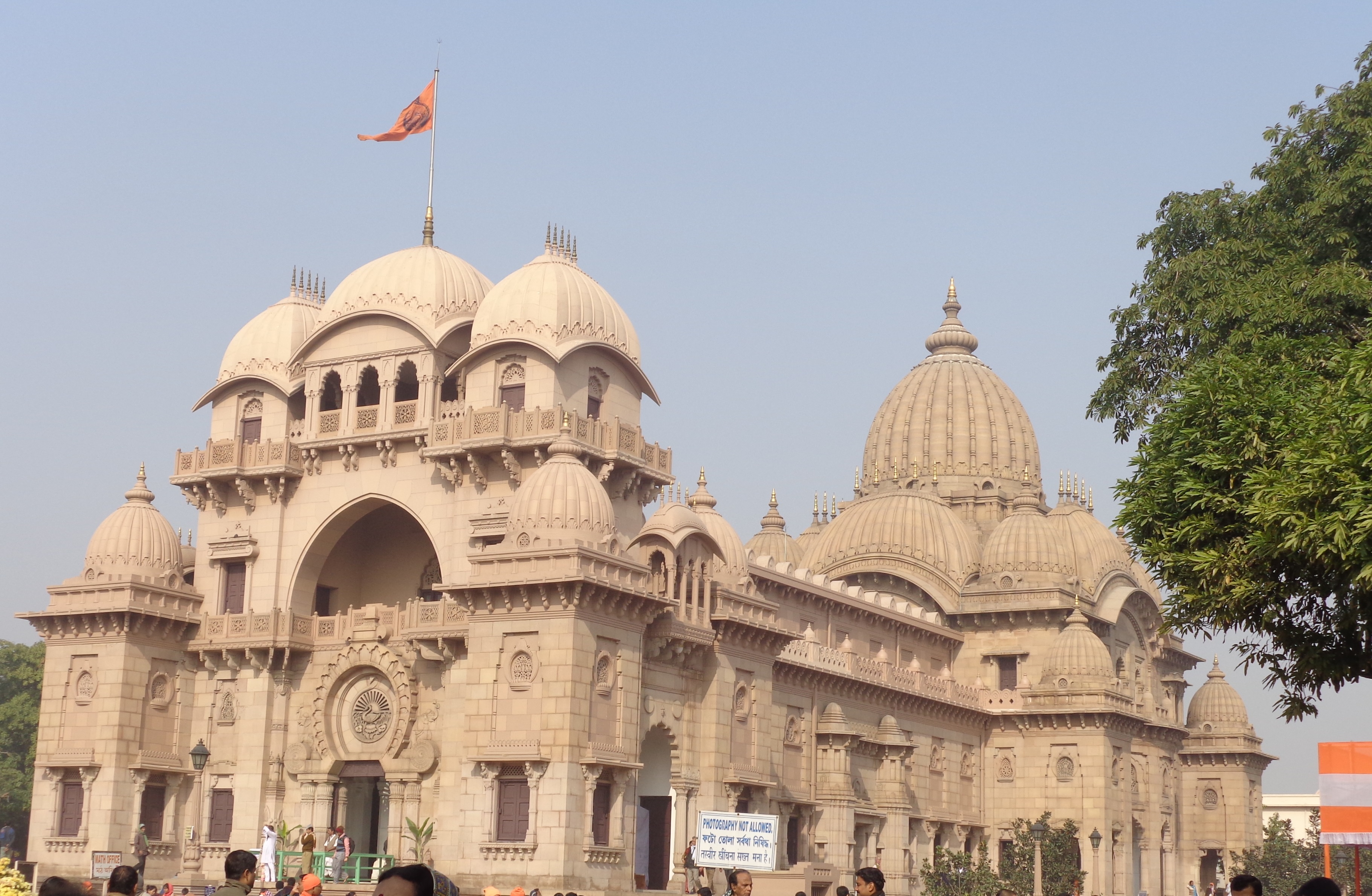 Belur MathAttraction · 1.5h · Free
Belur Math is the global headquarters of the Ramakrishna Math and Mission, founded by Swami Vivekananda in 1897. Its main temple uniquely blends Hindu, Christian, and Islamic architectural motifs to symbolize the harmony of religions.
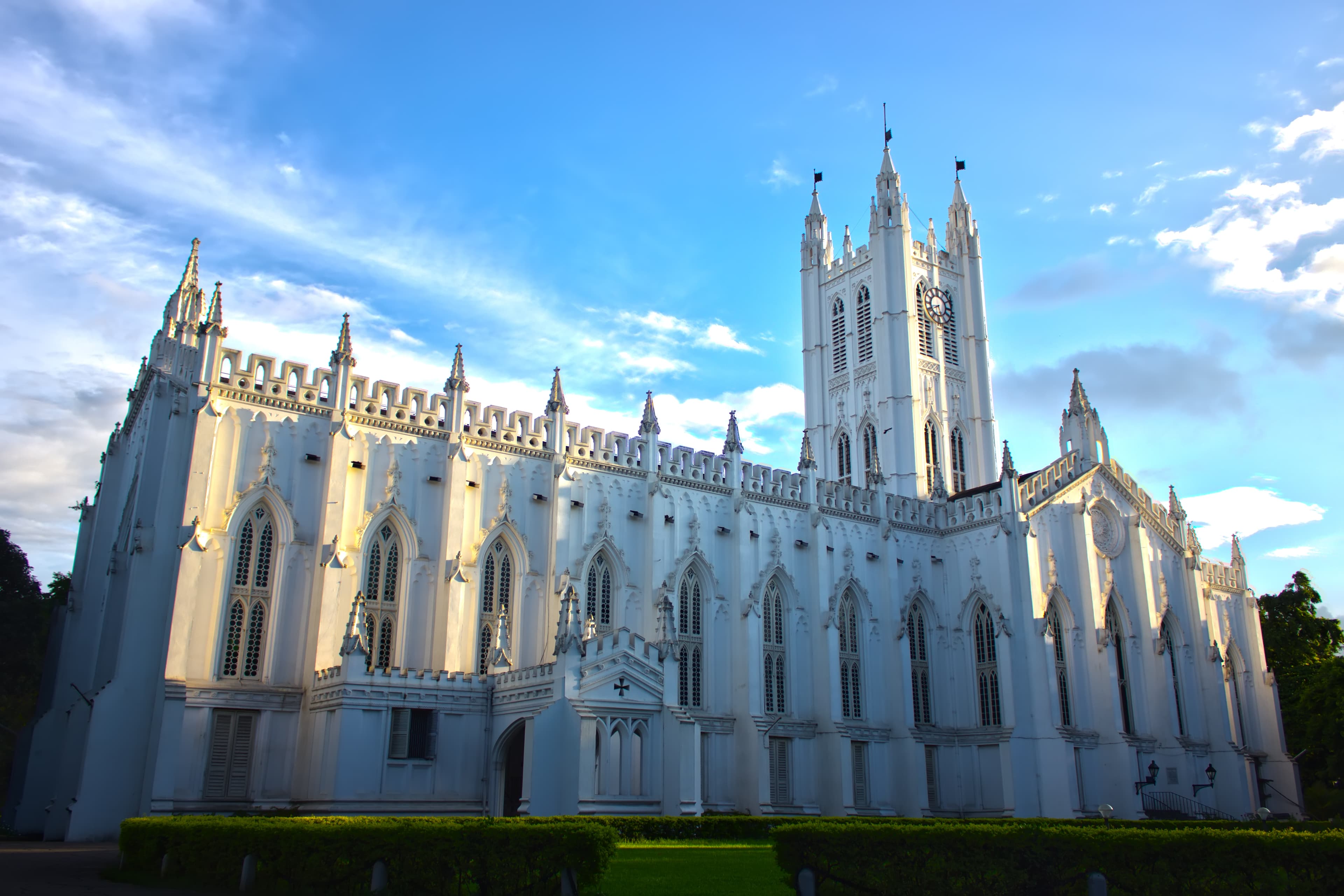 St. Paul's CathedralAttraction · 45 min · Free
St. Paul's Cathedral is the first Episcopal Church of the Anglican Communion in Asia, consecrated in 1847. Its Gothic Revival architecture, designed by Major W.N. Forbes, stands as a striking landmark on the Maidan's eastern edge.
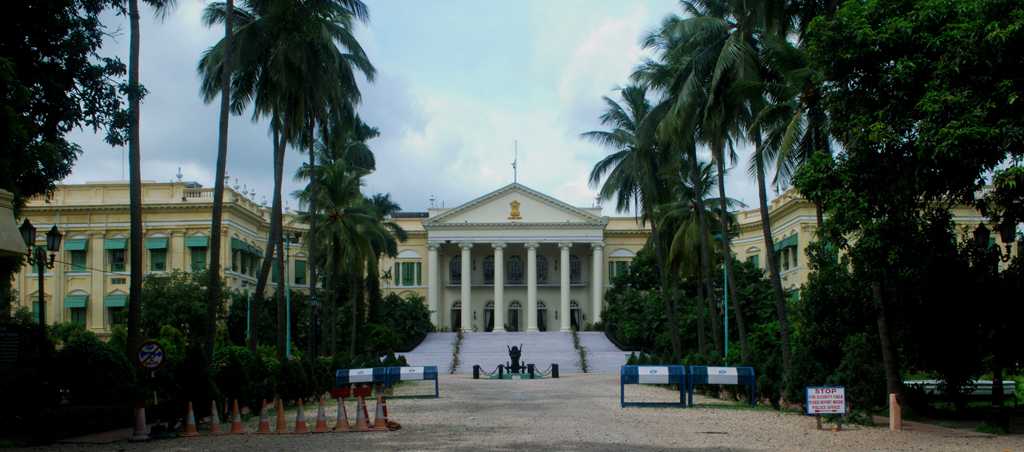 Raj BhavanAttraction · 45 min · Free
Raj Bhavan is the official residence of the Governor of West Bengal, set on 27 acres of manicured grounds at the northern edge of the Maidan. Its grand Palladian design was modelled on Kedleston Hall in Derbyshire, England.
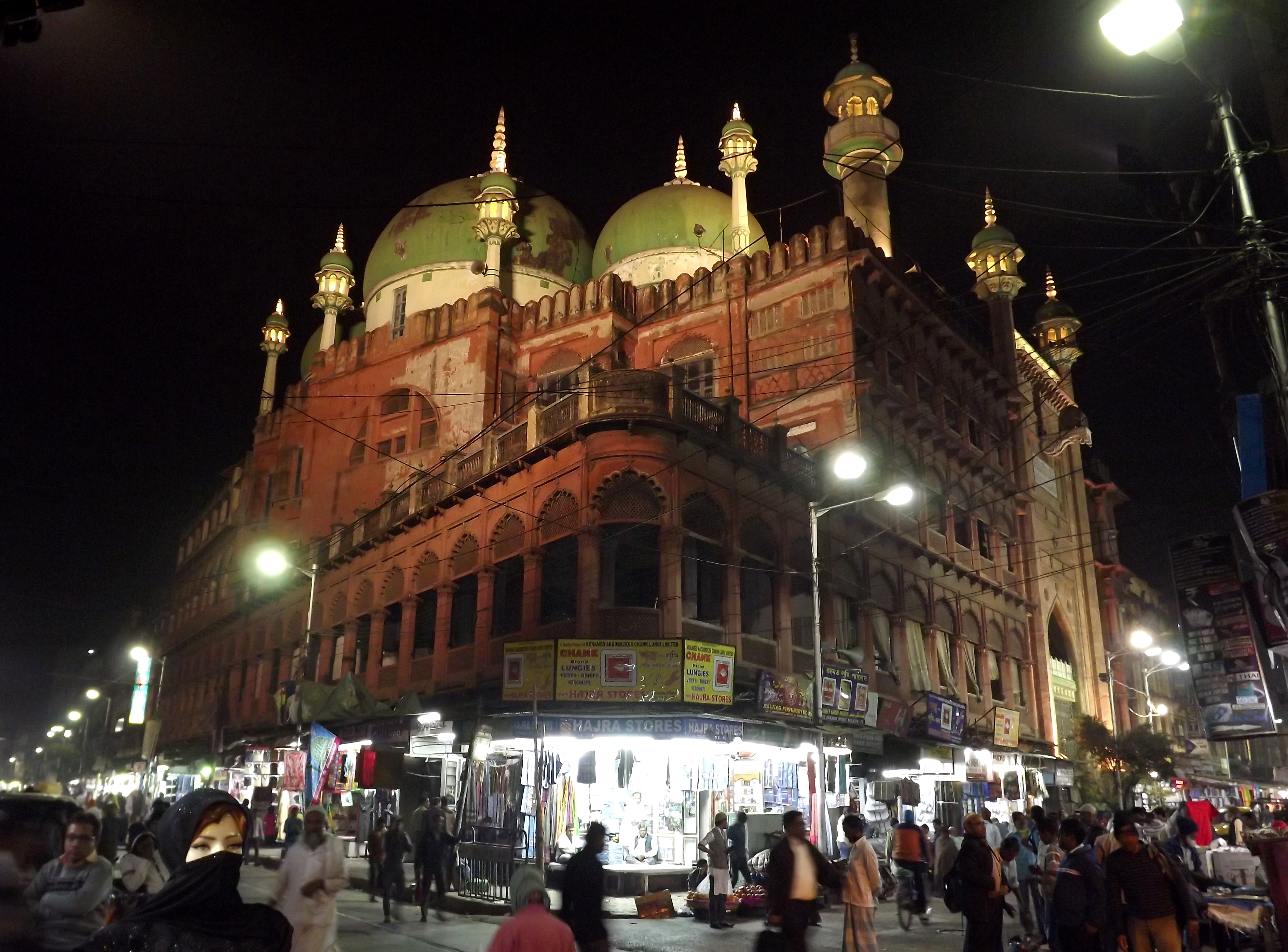 Nakhoda MosqueAttraction · 30 min · Free
Nakhoda Mosque is the largest mosque in Kolkata, located in the heart of the Chitpur Road commercial district. Its red sandstone gate tower is modelled after the Buland Darwaza at Fatehpur Sikri.
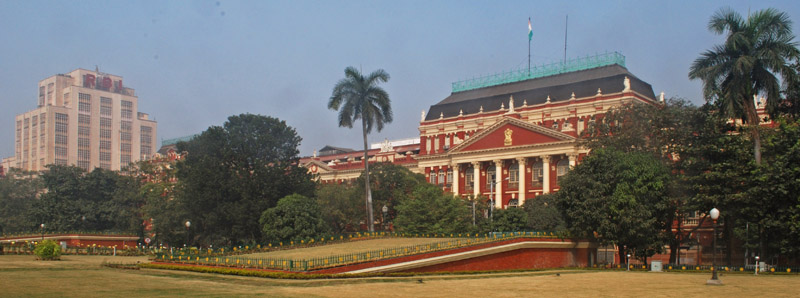 Writers' BuildingAttraction · 30 min · Free
Writers' Building is a grand colonial edifice in BBD Bagh that served as the administrative headquarters of British Bengal and later the West Bengal state government. Its striking 150-meter-long red-brick Greco-Roman façade dominates Dalhousie Square.
 St. John's ChurchAttraction · 30 min · Free
St. John's Church is the oldest surviving church in Kolkata, consecrated in 1787. Built in the Georgian neoclassical style with a graceful spire, it served as the cathedral of Calcutta until 1847.
 Birla MandirAttraction · 45 min · Free
Birla Mandir is a grand white marble temple on the southern fringe of the Maidan, built by the industrialist Birla family. Completed in 1996 after 26 years of construction, it is dedicated to Radha and Krishna.
 Currency BuildingAttraction · 20 min · Free
The Currency Building is a restored Italian Renaissance-style edifice on BBD Bagh, originally built in 1833 as the Opium Warehouse before becoming a currency mint. Its terracotta façade with Ionic columns is one of the finest in Kolkata's Dalhousie Square.
 South Park Street CemeteryAttraction · 45 min · ₹20
South Park Street Cemetery is a historic colonial-era burial ground dating to 1767, with elaborate Gothic and Indo-Saracenic tombs of early British residents of Calcutta.
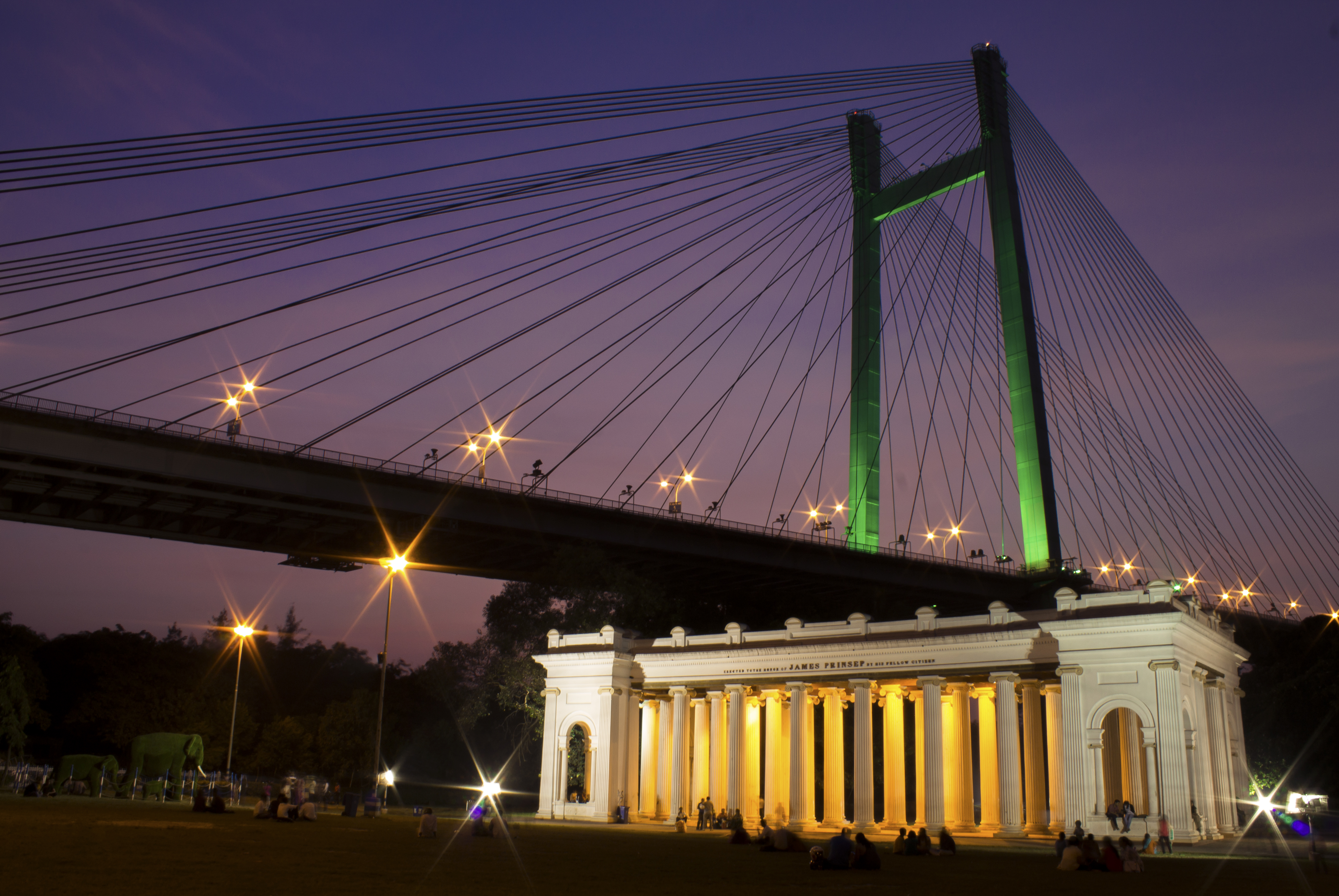 Princep GhatAttraction · 45 min · Free
Princep Ghat is a riverside promenade along the Hooghly River, featuring a Palladian-style monument erected in 1843 in memory of Anglo-Indian scholar James Princep. It offers scenic waterfront views and a relaxed atmosphere.
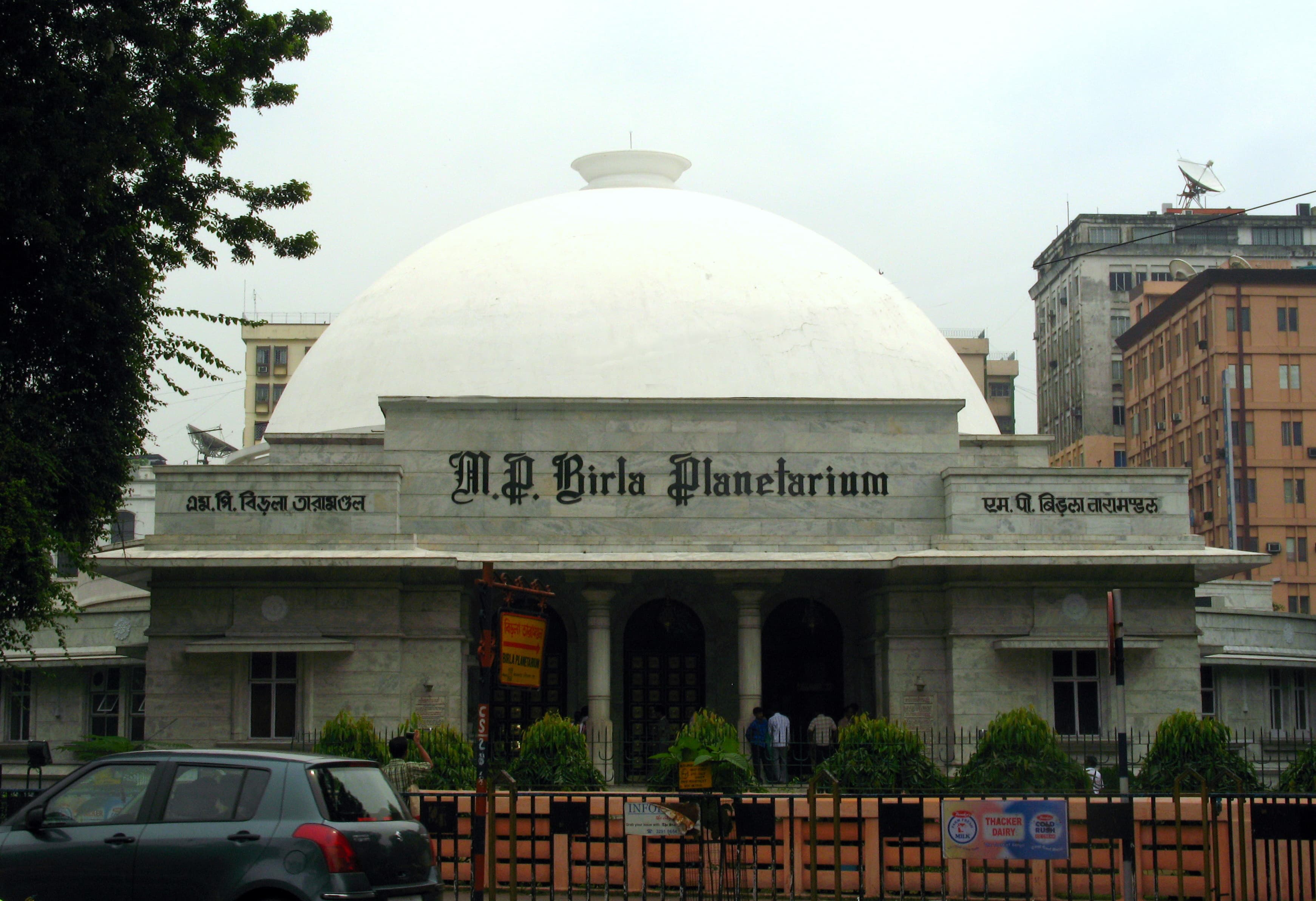 Birla PlanetariumAttraction · 1h · ₹140
Birla Planetarium is one of the largest planetariums in Asia, located on the southern edge of the Maidan. Designed to resemble the Buddhist Sanchi Stupa, it presents astronomical shows in multiple languages.
 Indian Coffee House (College Street)Attraction · 30 min · Free
The Indian Coffee House on College Street is one of Kolkata's most iconic gathering places. For over 80 years, it has served as an intellectual salon where students, professors, writers, and political thinkers gather over cups of coffee and fried snacks.
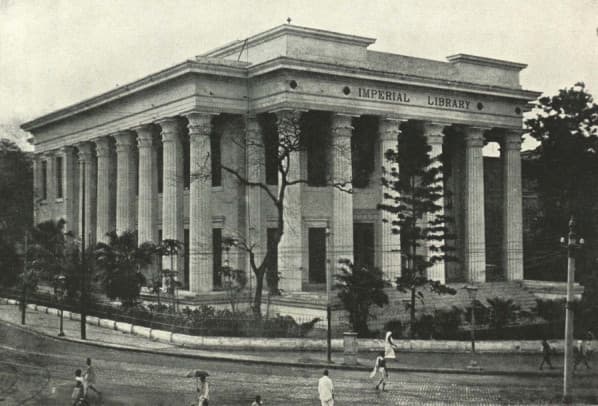 Metcalfe HallAttraction · 30 min · Free
Metcalfe Hall is a neo-classical columned building on the Hooghly riverfront in Kolkata, modelled after the Temple of the Winds in Athens. Now maintained by the ASI, it hosts exhibitions on the city's cultural history.
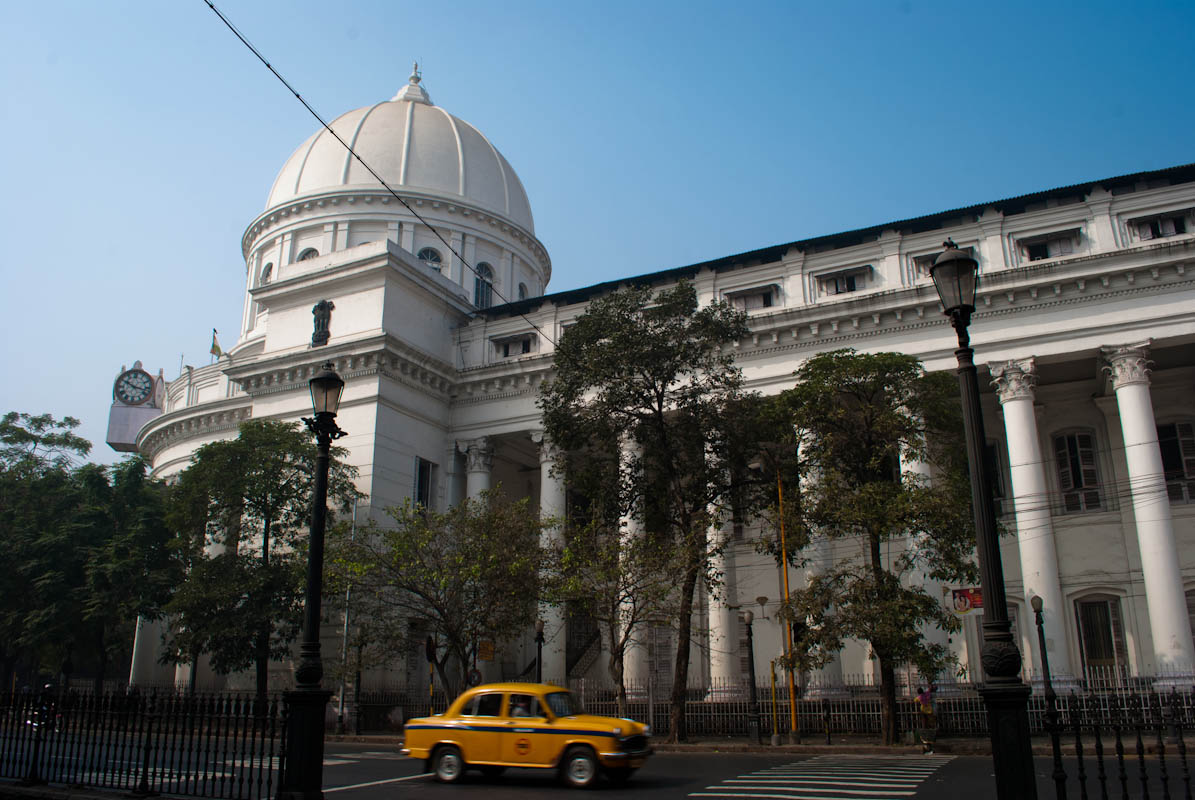 General Post OfficeAttraction · 30 min · Free
The General Post Office of Kolkata is a majestic domed building on the western edge of BBD Bagh. Completed in 1868, it was built on the site of the original Fort William and remains one of India's finest colonial-era public buildings.
 Pareshnath Jain TempleAttraction · 45 min · Free
The Calcutta Jain Temple, commonly called Pareshnath Temple, is an opulent Shvetambara Jain temple complex in the Badridas Temple Street area. Dedicated to the 23rd Tirthankara, Parshvanath, it is renowned for its extraordinary decorative art.
 BabughatAttraction · 20 min · Free
Babughat is the oldest and most prominent river ghat in Kolkata, situated at the southern end of Strand Road near the Maidan. It is used for ritual bathing, ferry services, and during Durga Puja as a key idol immersion site.