Loading city...
Skip to main content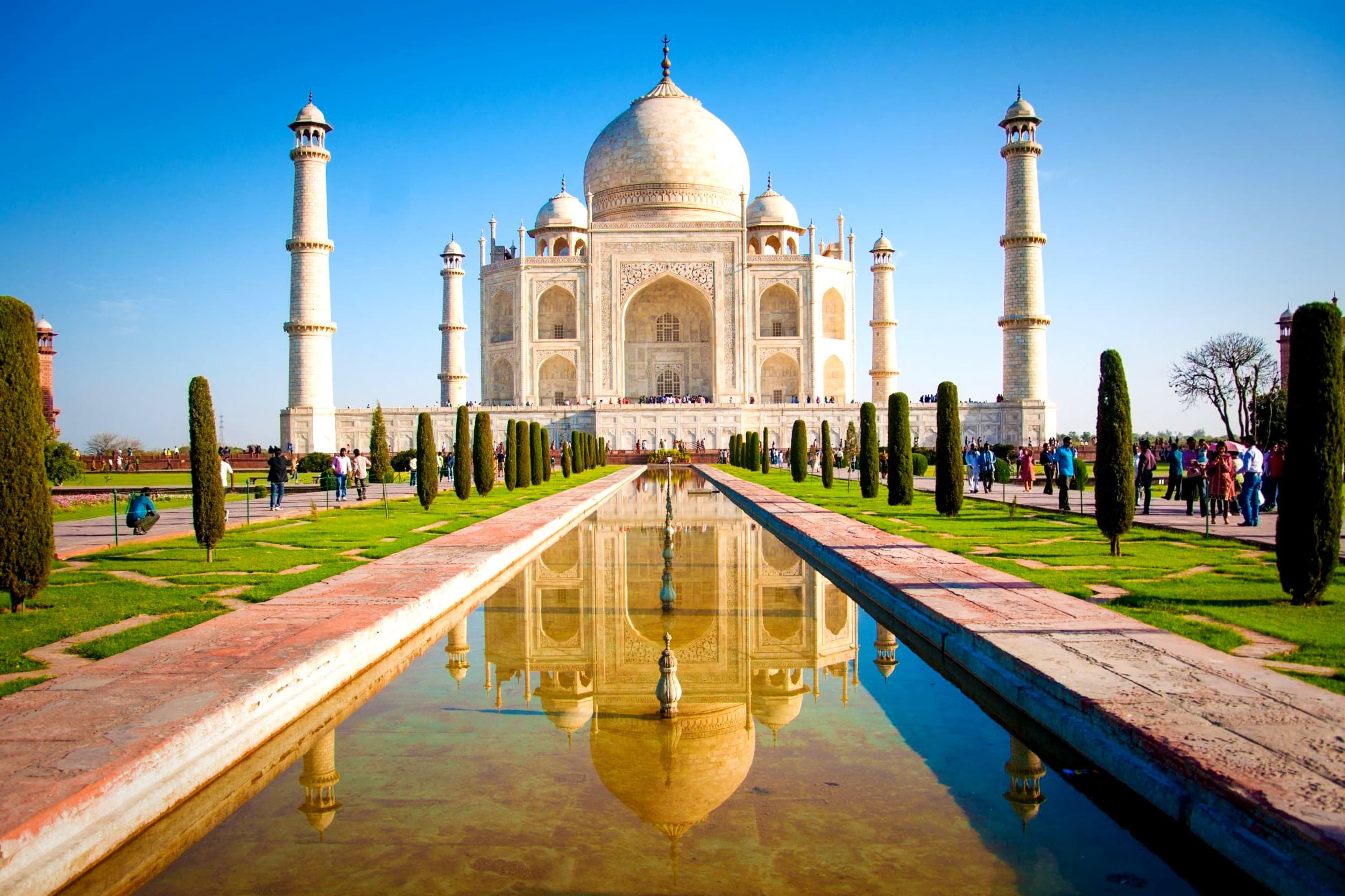
Attractions in Agra
21 attractions selected in this guide.
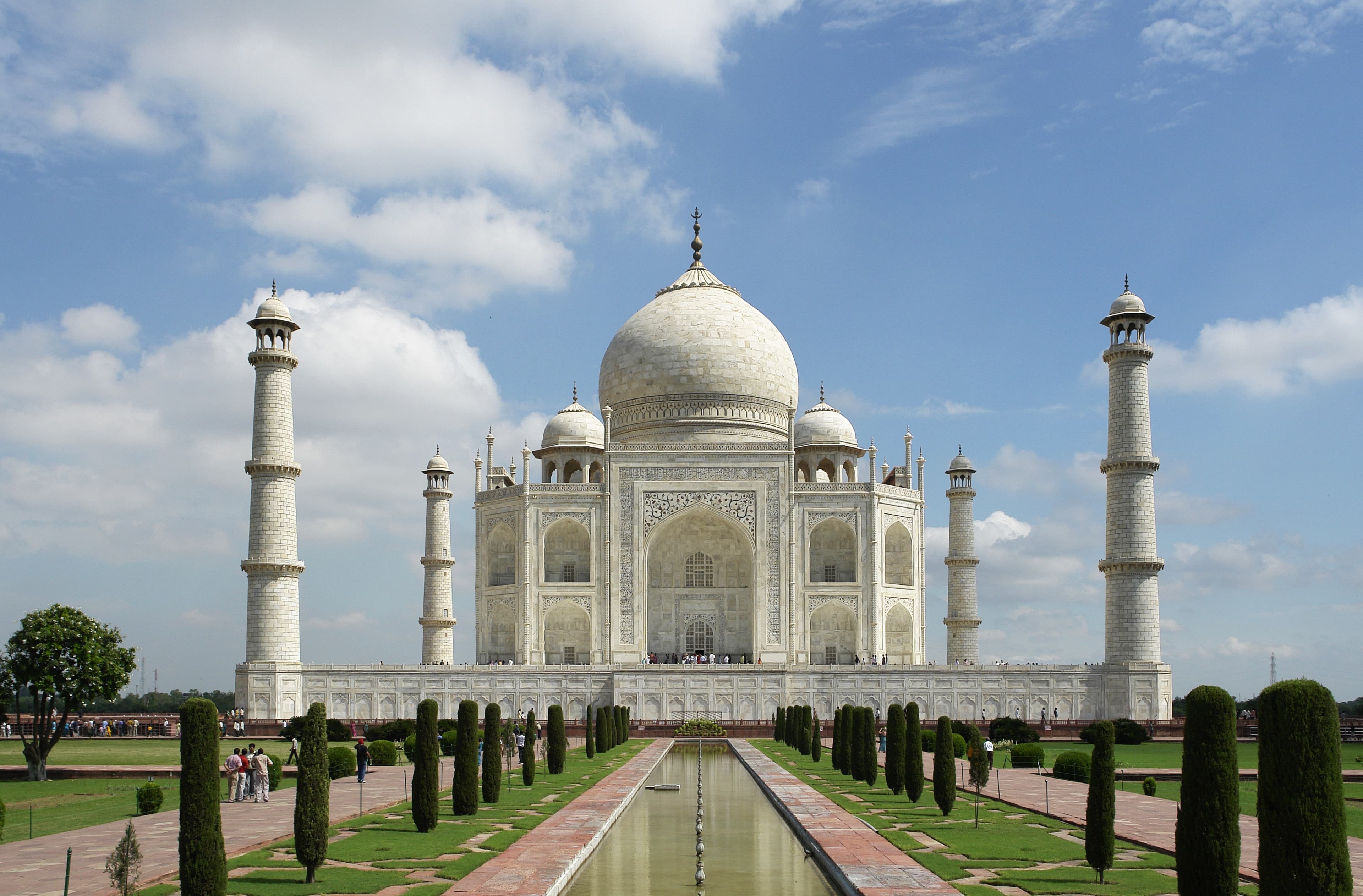 Taj MahalAttraction · 3h · ₹1100
The Taj Mahal is a 17th-century ivory-white marble mausoleum on the right bank of the Yamuna River, commissioned by Mughal Emperor Shah Jahan in memory of his wife Mumtaz Mahal. Completed around 1653, it is widely regarded as the finest example of Mughal architecture and a UNESCO World Heritage Site since 1983. It draws seven to eight million visitors annually.
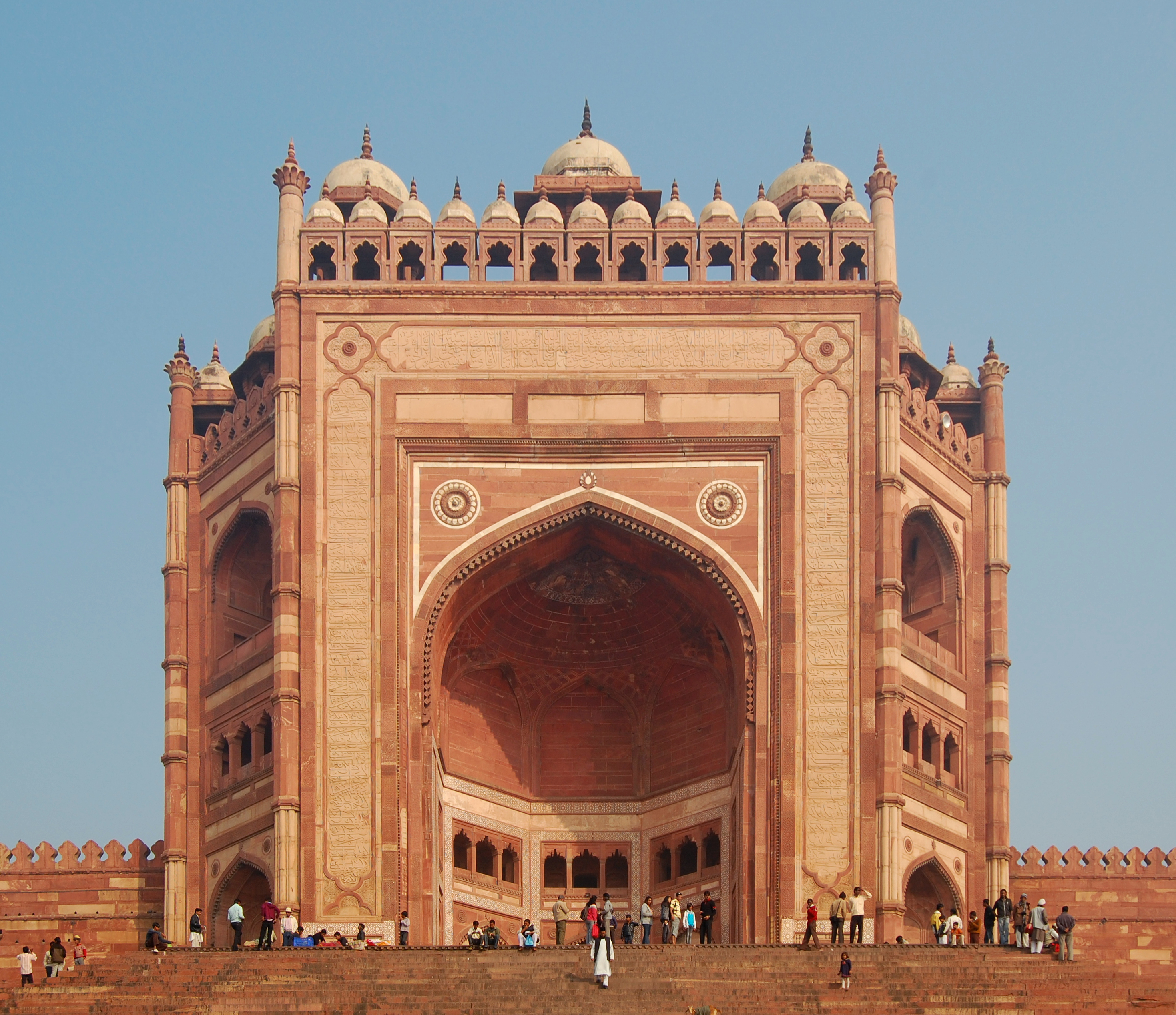 Fatehpur SikriAttraction · 4h · ₹610
Fatehpur Sikri is a 16th-century fortified city located 37 km southwest of Agra, built by Emperor Akbar as his capital from 1571 to 1585. Abandoned due to water scarcity, the remarkably preserved red sandstone complex is a UNESCO World Heritage Site.
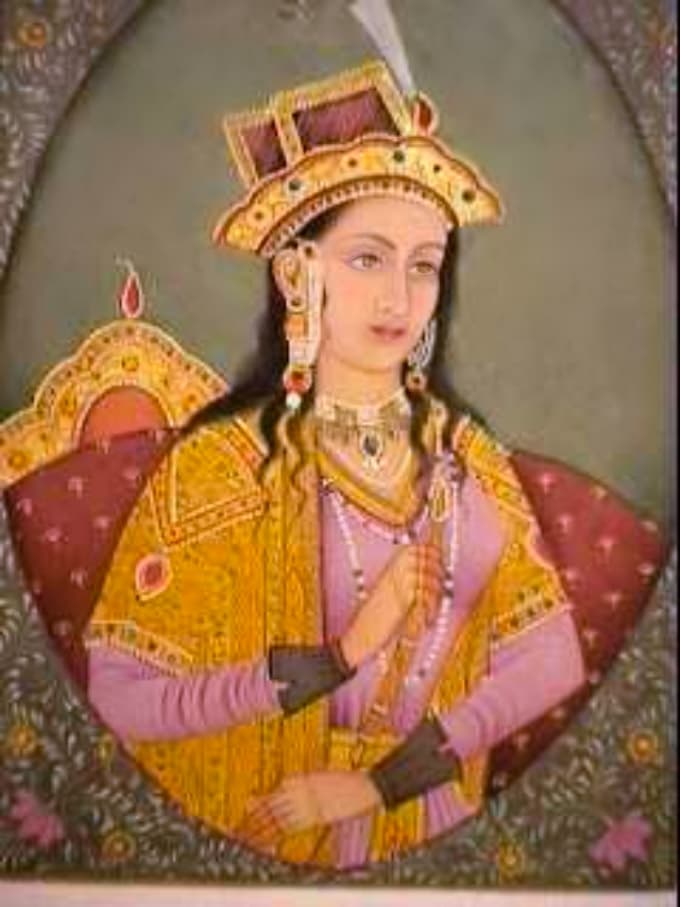 Tomb of Mariam-uz-ZamaniAttraction · 30 min · ₹100
Set in a quiet garden north of the Agra–Delhi highway, the Tomb of Mariam-uz-Zamani honours Akbar's principal Rajput wife (often identified as Jodha Bai). The red-sandstone structure features fine geometric lattice screens and a serene atmosphere far removed from Agra's tourist crowds.
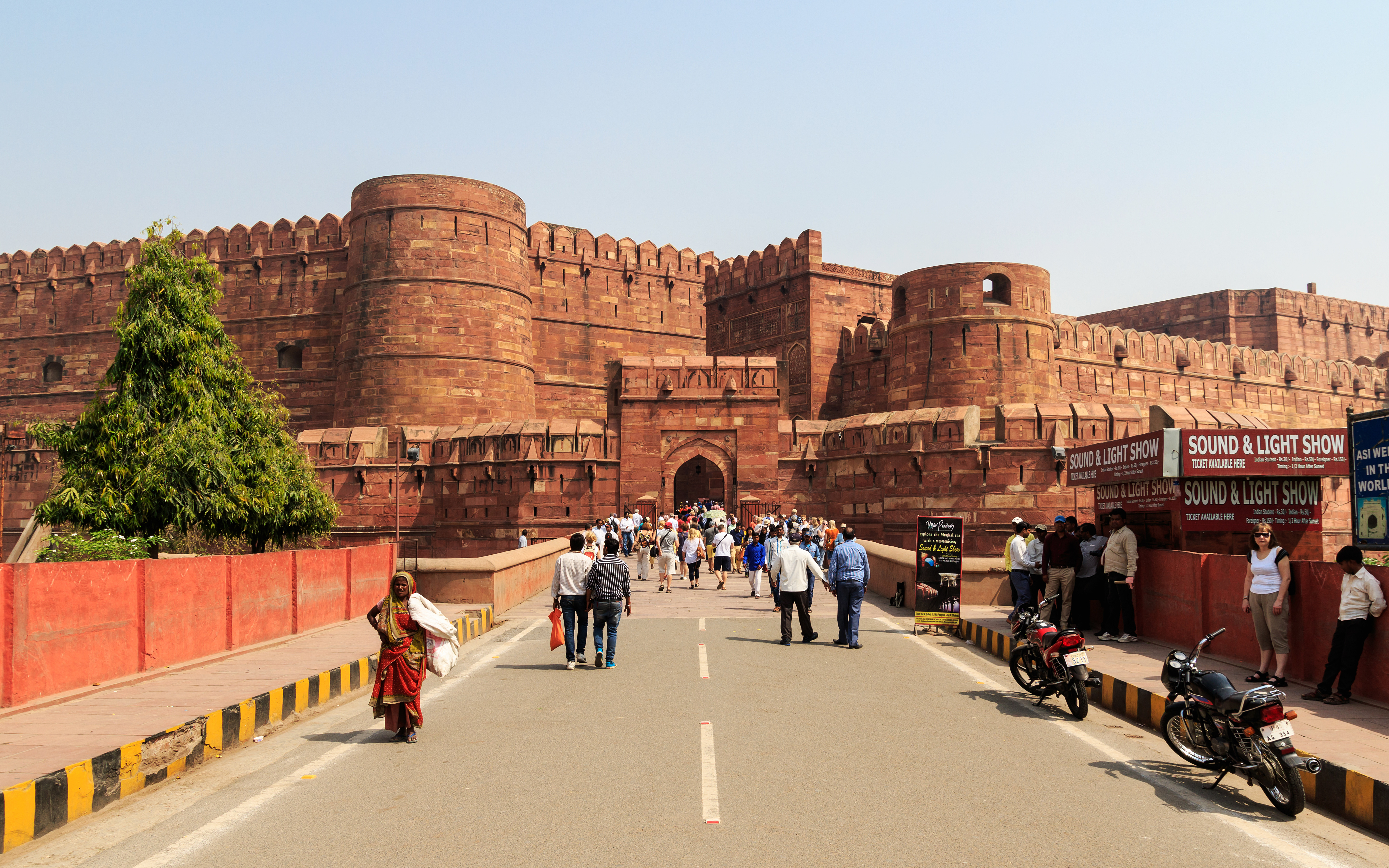 Agra FortAttraction · 2.5h · ₹650
Agra Fort is a sprawling UNESCO World Heritage Site built primarily of red sandstone, serving as the main residence of the Mughal emperors until 1638. Enclosed by 2.5 km of massive walls rising up to 21 metres, the fort contains palaces, audience halls, and mosques spanning multiple architectural styles.
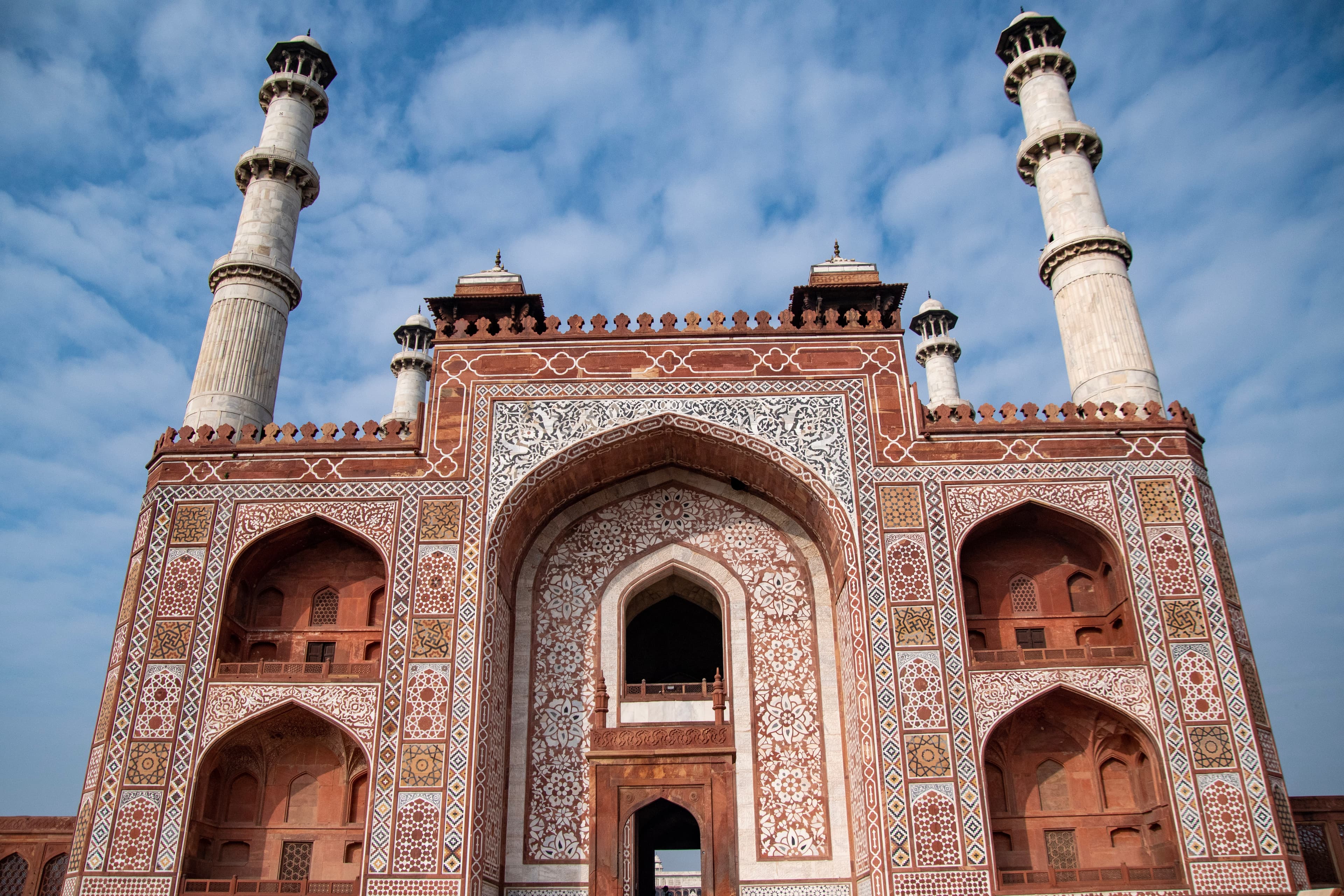 Sikandra (Akbar Tomb Complex)Attraction · 45 min · ₹200
The Sikandra complex is the final resting place of the Mughal Emperor Akbar, set within a vast walled garden 10 km northwest of Agra. The four-tiered red-sandstone-and-marble tomb blends Hindu, Islamic, Buddhist and Jain motifs — a fitting tribute to the syncretic emperor.
- Akbar's TombAttraction · 1.5h · ₹310
Akbar's Tomb at Sikandra is the mausoleum of Mughal Emperor Akbar the Great, set within a vast 48-hectare garden complex 13 km northwest of central Agra. The five-storey red sandstone and marble structure uniquely blends Islamic, Hindu, Buddhist, Jain, and Christian motifs.
- Buland DarwazaAttraction · 30 min · Free
Buland Darwaza (Gate of Magnificence) is the main entrance to the Jama Masjid at Fatehpur Sikri, standing 54 metres high and making it one of the tallest gateways in the world. Emperor Akbar commissioned it in 1601 to commemorate his conquest of Gujarat.
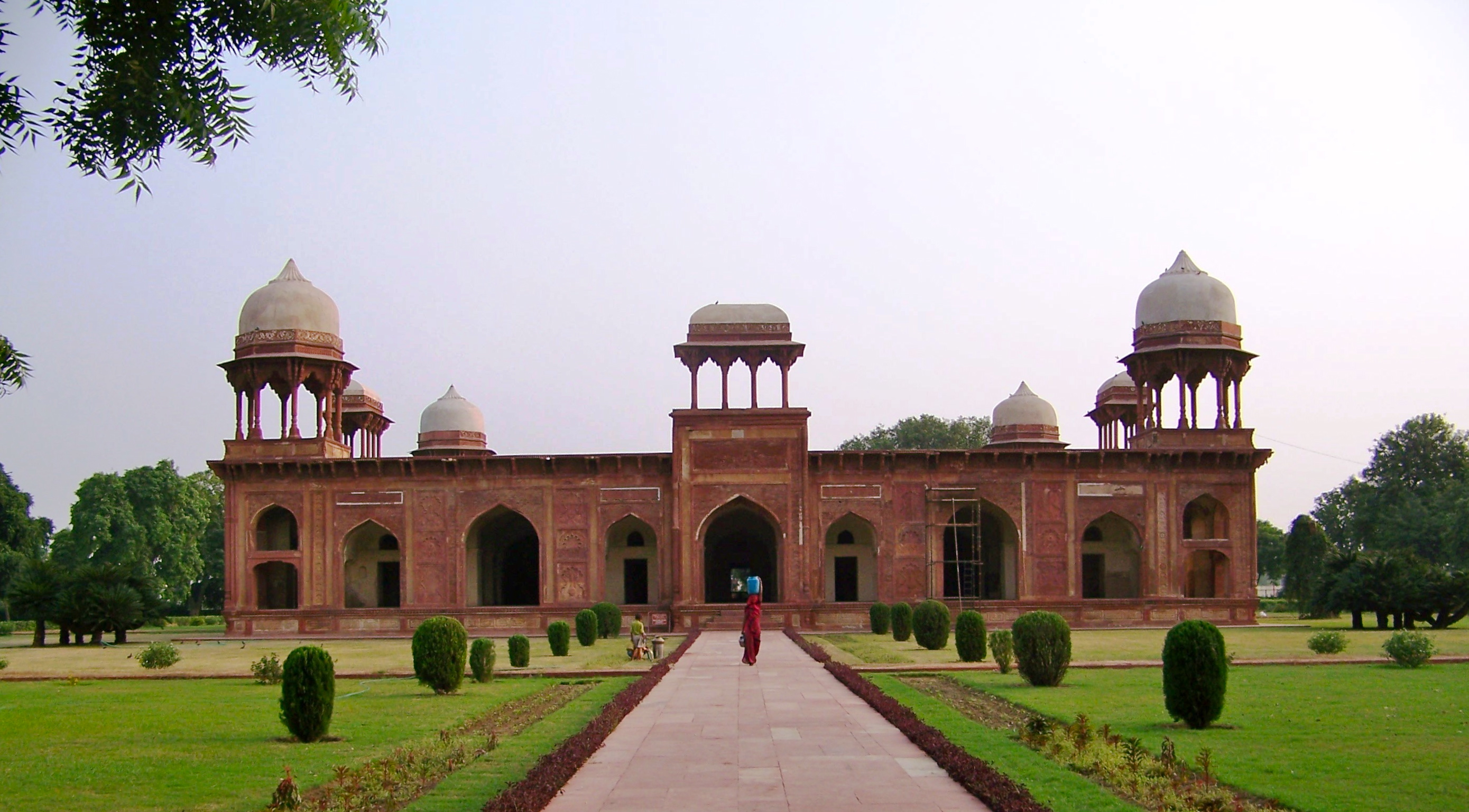 Mariam's TombAttraction · 45 min · ₹25
Mariam's Tomb (Tomb of Mariam-uz-Zamani) is the mausoleum of Jodha Bai, the Rajput wife of Emperor Akbar and mother of Jahangir. Located in the Sikandra garden complex near Akbar's Tomb, it is a relatively unvisited gem.
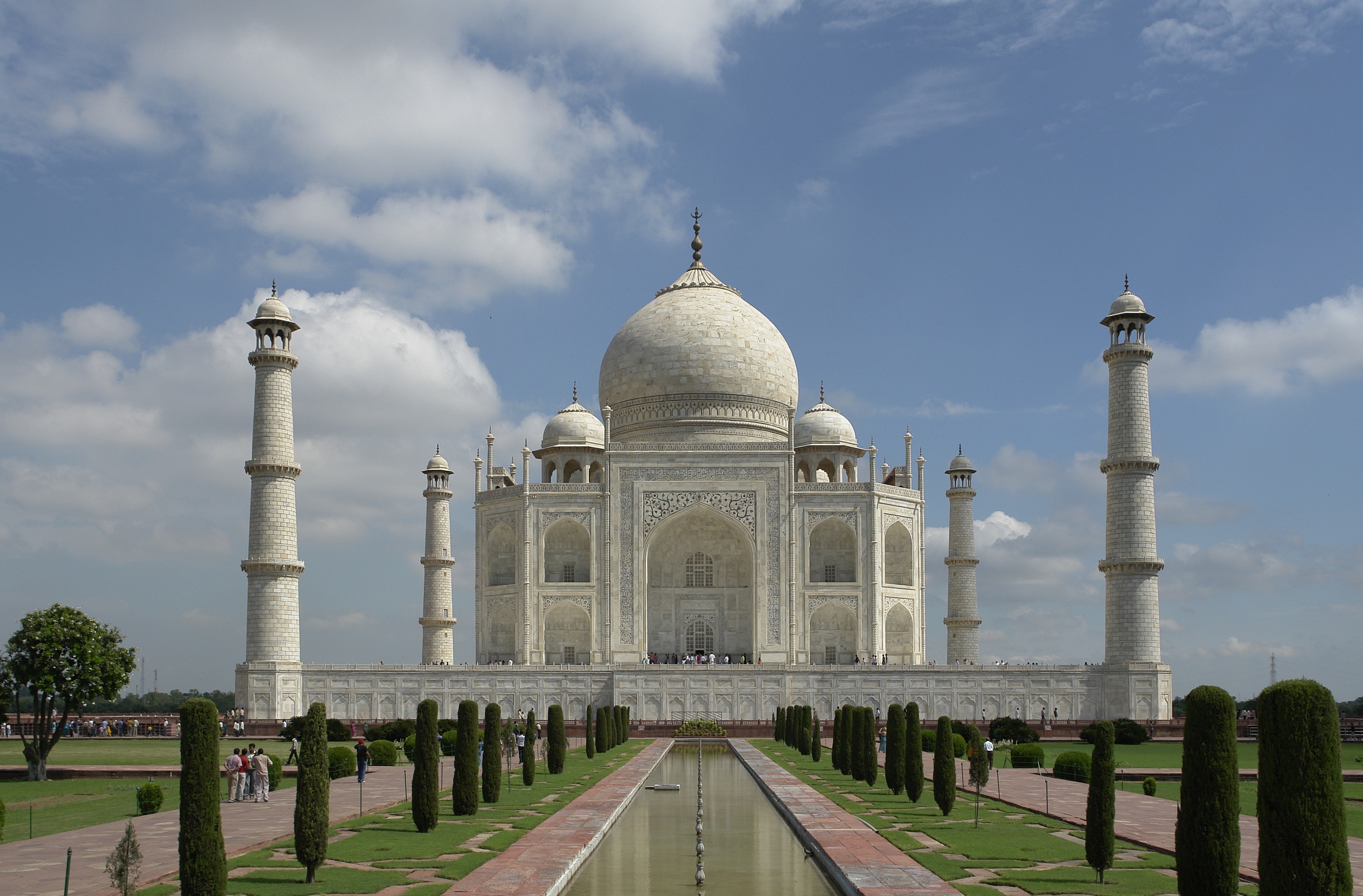 Dayal Bagh TempleAttraction · 1h · Free
Rising from the flat plains north of Agra, the Dayal Bagh Temple is an unfinished masterwork that has been under construction since 1904. Artisans continue to hand-carve every surface of the gleaming white marble edifice, producing some of the finest inlay and relief work visible anywhere in India today.
 Jama MasjidAttraction · 45 min · Free
The Jama Masjid of Agra is a large congregational mosque built in 1648 by Shah Jahan and dedicated to his favourite daughter Jahanara Begum. Located near the Agra Fort, it features striking zig-zag marble floor patterns and a spacious courtyard.
 Tomb of Salim ChishtiAttraction · 30 min · Free
The Tomb of Salim Chishti is a revered Sufi shrine enclosed within the courtyard of the Jama Masjid at Fatehpur Sikri. The dazzling white marble structure — originally in red sandstone — was rebuilt in marble by Jahangir and remains an active pilgrimage site.
 Moti MasjidAttraction · 15 min · Free
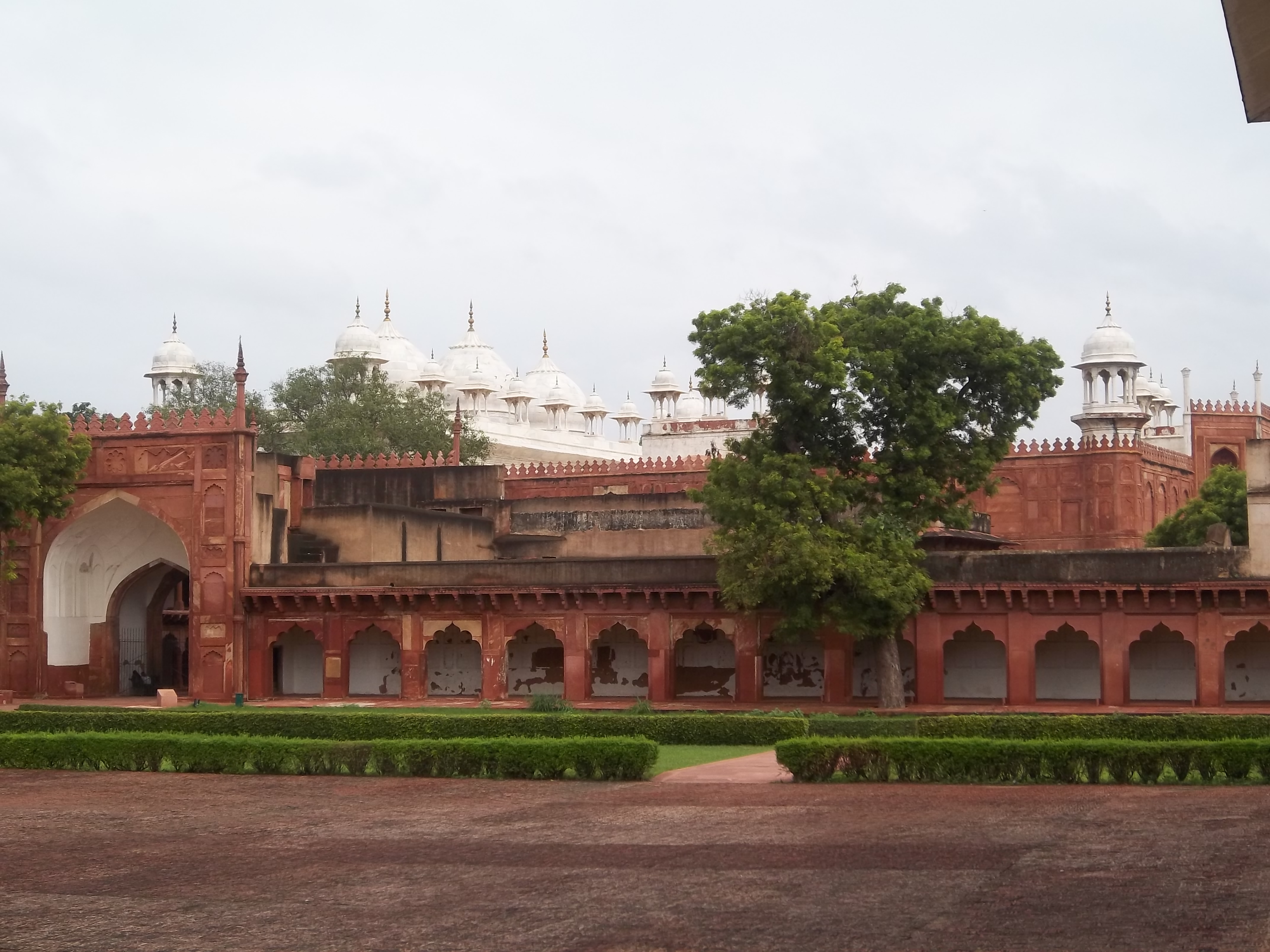
Moti Masjid (Pearl Mosque) is a pristine white marble mosque built by Shah Jahan inside Agra Fort between 1647 and 1653. Its luminous facade and three elegant domes earned it the name 'Pearl' for its lustrous appearance.
- Diwan-i-KhasAttraction · 20 min · Free
The Diwan-i-Khas (Hall of Private Audiences) in Agra Fort is an exquisite white marble pavilion where the emperor met foreign ambassadors, senior nobles, and important visitors. It was renowned for housing the legendary Peacock Throne.
- Jodha Bai Palace (Fatehpur Sikri)Attraction · 45 min · ₹600
The largest and most ornate palace within Fatehpur Sikri, blending Hindu and Islamic architectural styles..
- Panch MahalAttraction · 30 min · Free
Panch Mahal is a five-storey palatial structure within the Fatehpur Sikri complex, built as a wind tower for the royal women of Akbar's court. Each storey has progressively fewer columns, tapering from 84 at the base to just one at the top.
 Chini Ka RauzaAttraction · 30 min · Free
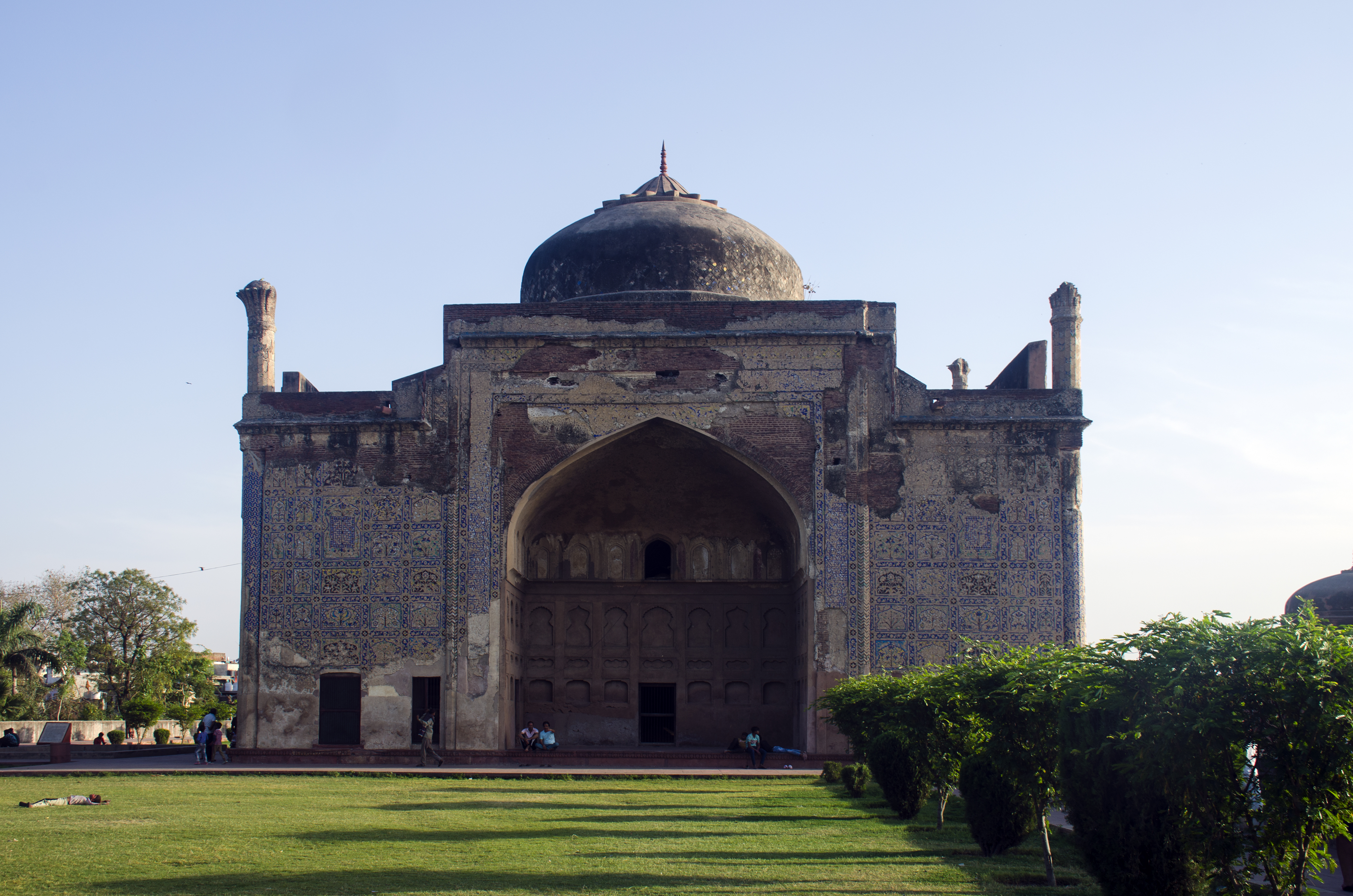
Chini Ka Rauza is the tomb of Afzal Khan, a Persian poet who served as Shah Jahan's prime minister. Built in the mid-17th century on the banks of the Yamuna, it is notable for its Persian-style glazed tile work — unique in India.
- ⭐Keetham Lake & Sur Sarovar SanctuaryAttraction · 2h · ₹50
Keetham Lake (Sur Sarovar) is a reservoir and bird sanctuary 20 km south-west of Agra on the Delhi highway. The wetland attracts bar-headed geese, painted storks and sarus cranes during the winter migration, making it a rewarding birding excursion.
- Diwan-i-AmAttraction · 20 min · Free
The Diwan-i-Am (Hall of Public Audiences) inside Agra Fort is where the Mughal emperor held court to hear the grievances and petitions of common subjects. The open-pillared hall could accommodate hundreds of courtiers and petitioners.
 Guru Ka TalAttraction · 45 min · Free
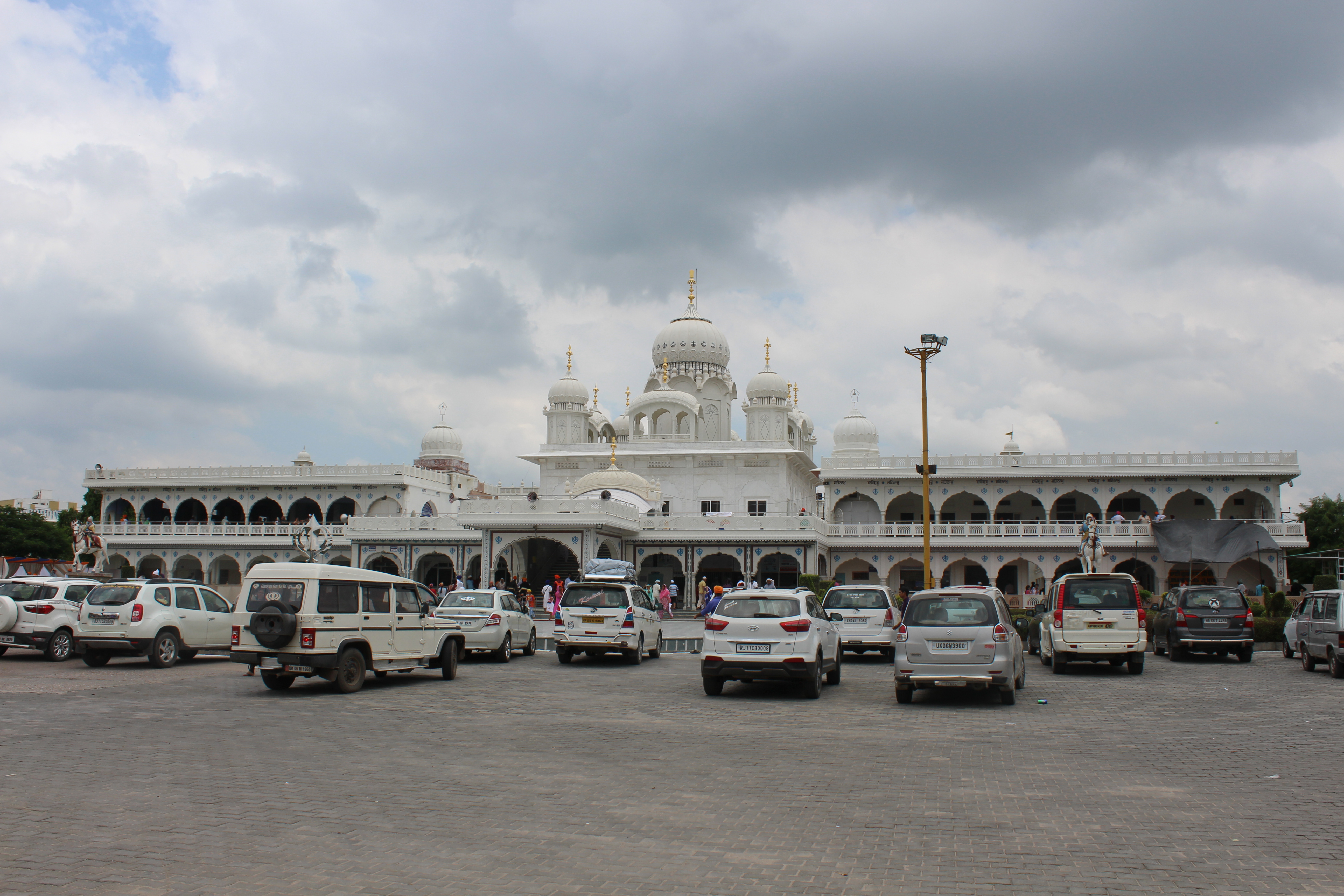
Guru Ka Tal is a historic Sikh gurudwara in the Sikandra area of Agra, commemorating the site where the ninth Sikh Guru, Guru Tegh Bahadur, was imprisoned by Mughal Emperor Aurangzeb in the 1660s. The complex includes a large sacred tank.
 Mankameshwar TempleAttraction · 30 min · Free
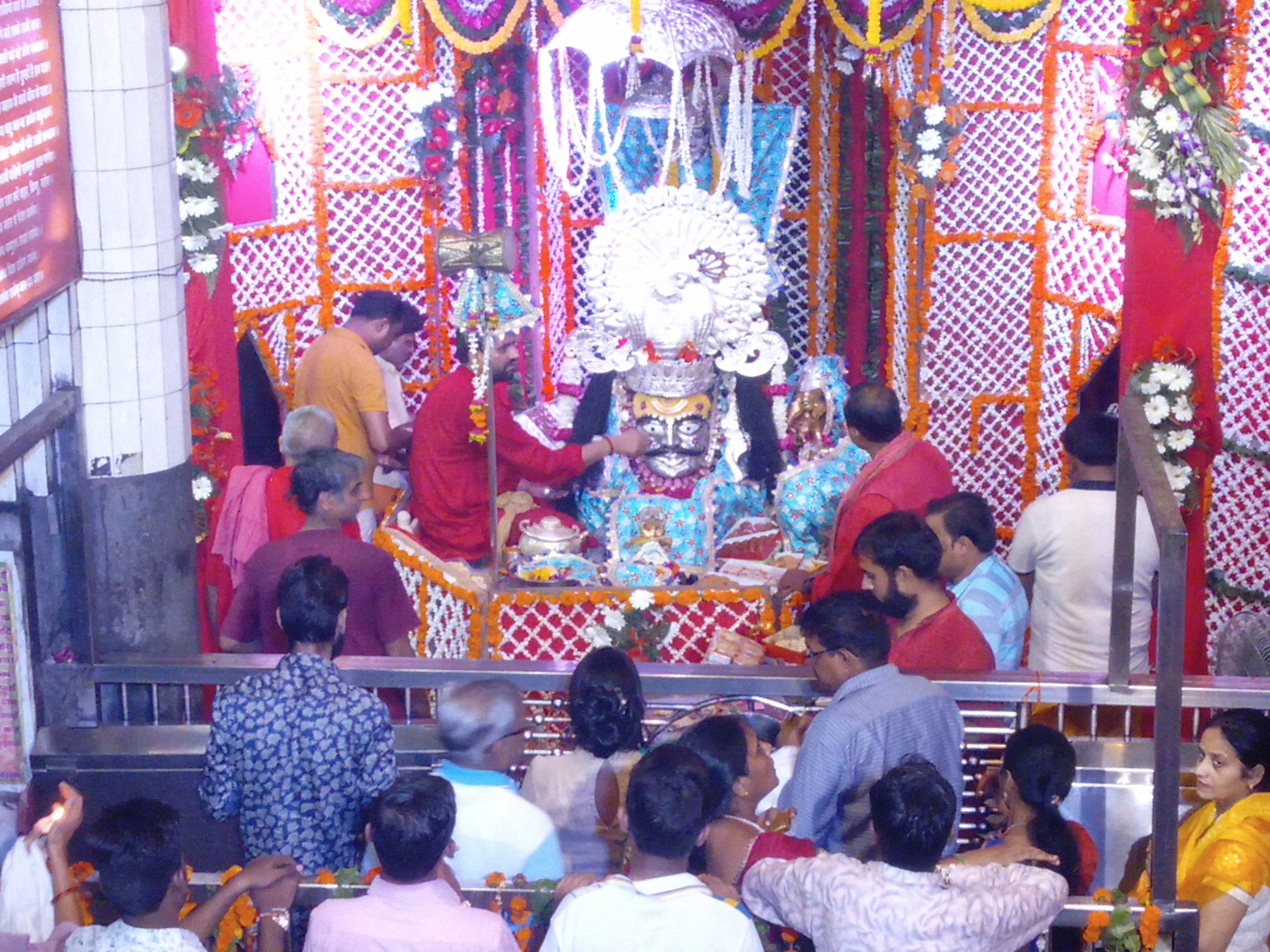
Mankameshwar Temple is one of Agra's oldest and most revered Hindu temples, dedicated to Lord Shiva. Located near the Agra Fort on the banks of the Yamuna, it attracts steady streams of devotees throughout the day.
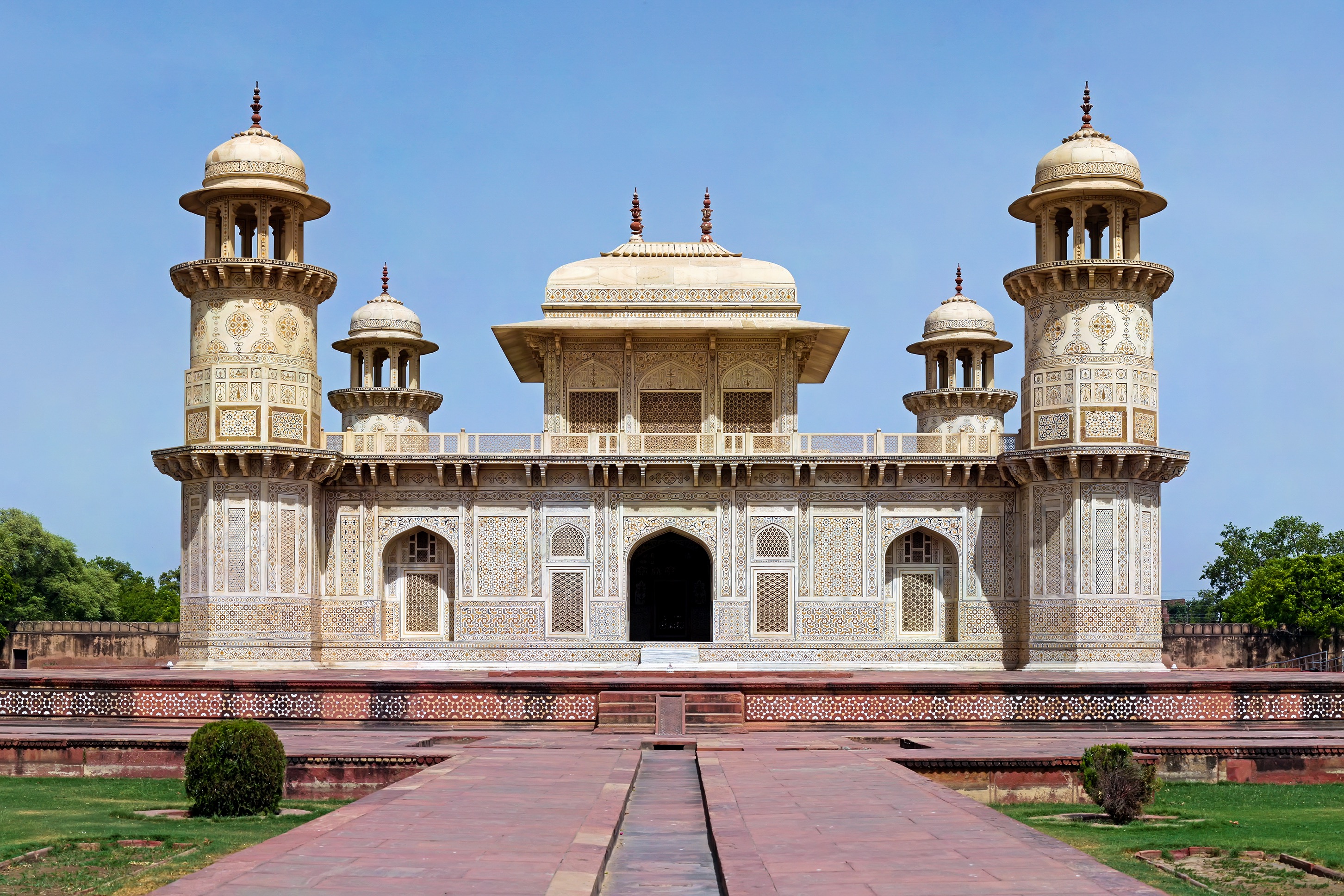 Itimad-ud-DaulahAttraction · 1.5h · ₹310
The Tomb of Itimad-ud-Daulah, often called the 'Baby Taj,' is the mausoleum of Mirza Ghiyas Beg, grandfather of Mumtaz Mahal and treasurer of the Mughal Empire. Built between 1622 and 1628 by Empress Nur Jahan, it is considered a draft of the Taj Mahal.