Loading city...
Skip to main content
Attractions in Sofia
17 attractions selected in this guide.
 National Library Saints Cyril and MethodiusAttraction · 30 min · Free
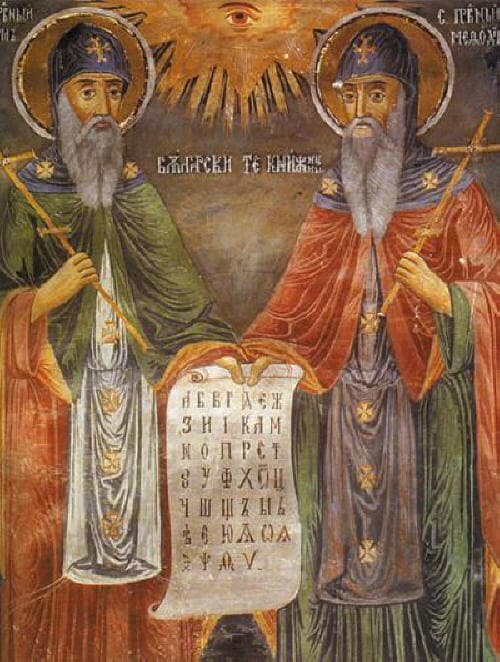
The National Library Saints Cyril and Methodius is Bulgaria's copyright deposit library and the country's largest library, named after the creators of the Glagolitic alphabet. The grand Neo-Classical building on Oborishte Street houses over 7 million items including rare manuscripts.
 Vasil Levski MonumentAttraction · 15 min · Free
The Vasil Levski Monument marks the spot where Bulgaria's most revered national hero, Vasil Levski, was hanged by Ottoman authorities on 19 February 1873. The simple stone monument is a place of deep national significance.
 Alexander Nevsky CathedralAttraction · 45 min · Free
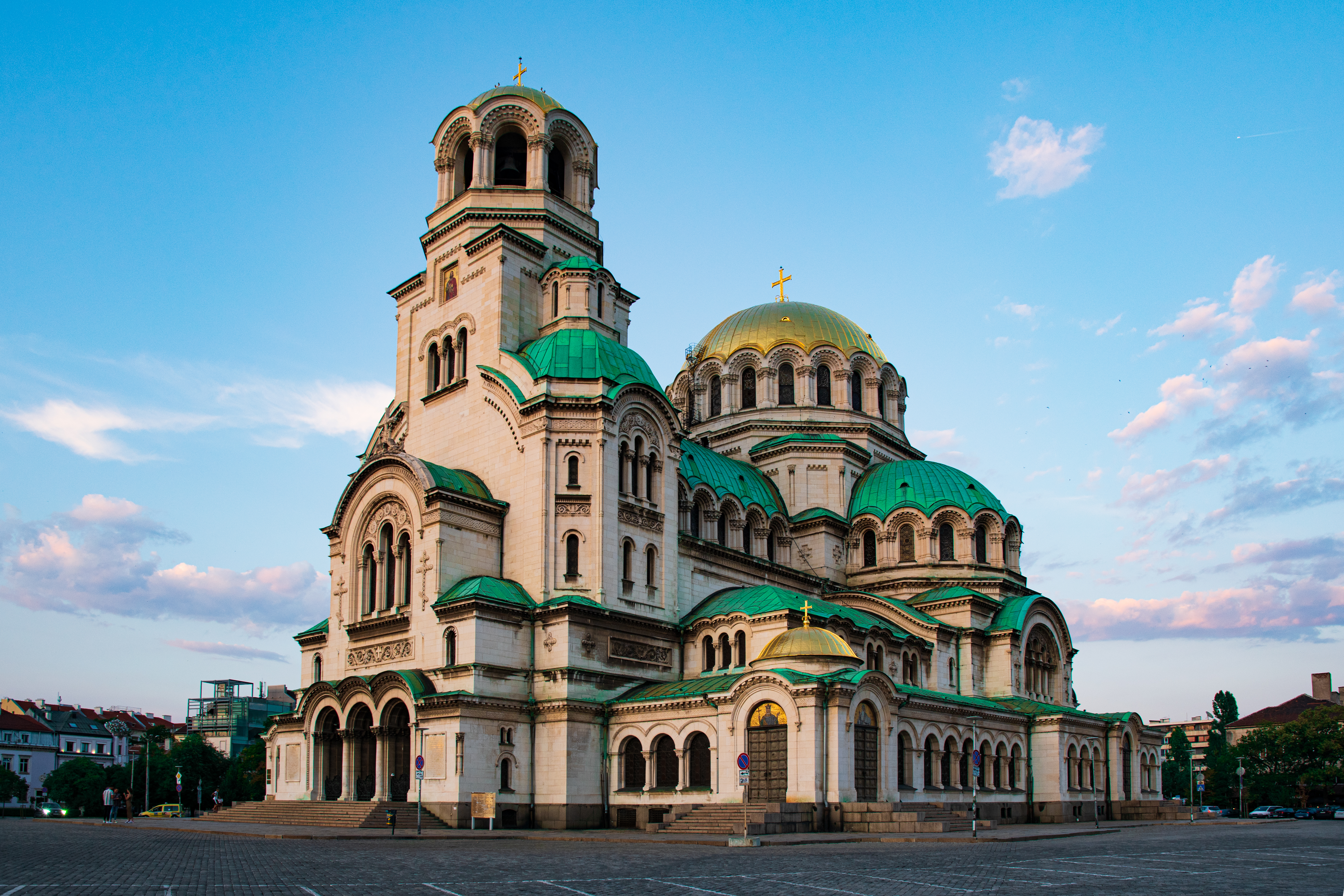
Alexander Nevsky Cathedral is one of the largest Eastern Orthodox cathedrals in the world and Sofia's most iconic landmark. Built between 1882 and 1912 in the Neo-Byzantine style, it was created as a monument to the 200,000 Russian, Ukrainian, and Bulgarian soldiers who died fighting for Bulgaria's liberation from Ottoman rule during the Russo-Turkish War of 1877–78. Its gold-plated dome rises 45 metres and is visible from across the city.
 Sofia University St. Kliment OhridskiAttraction · 20 min · Free
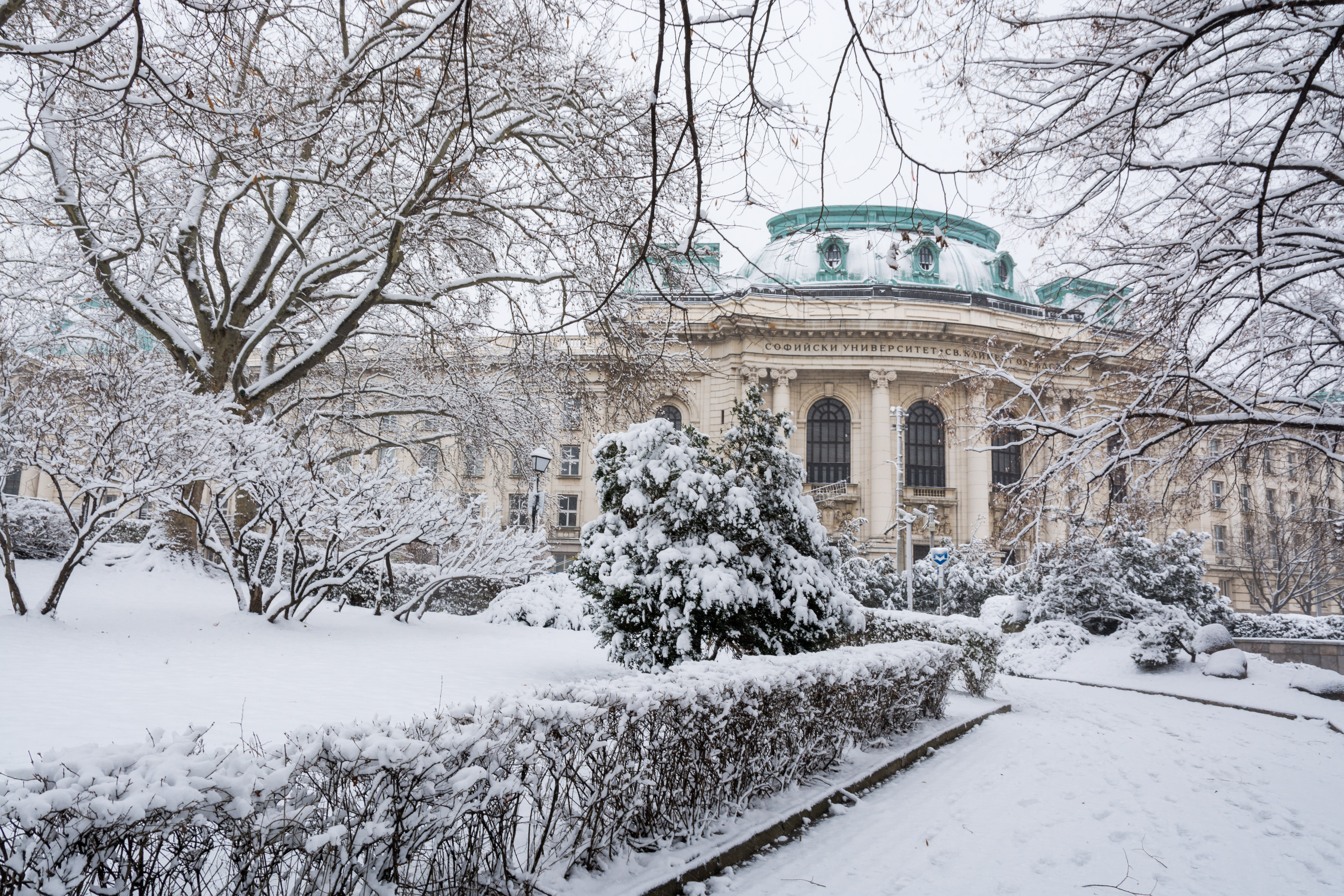
Sofia University St. Kliment Ohridski is Bulgaria's oldest and most prestigious institution of higher learning, founded in 1888. The grand Renaissance Revival main building on Tsar Osvoboditel Boulevard is one of the largest and most ornate academic buildings in the Balkans.
 Boyana ChurchAttraction · 45 min · BGN12
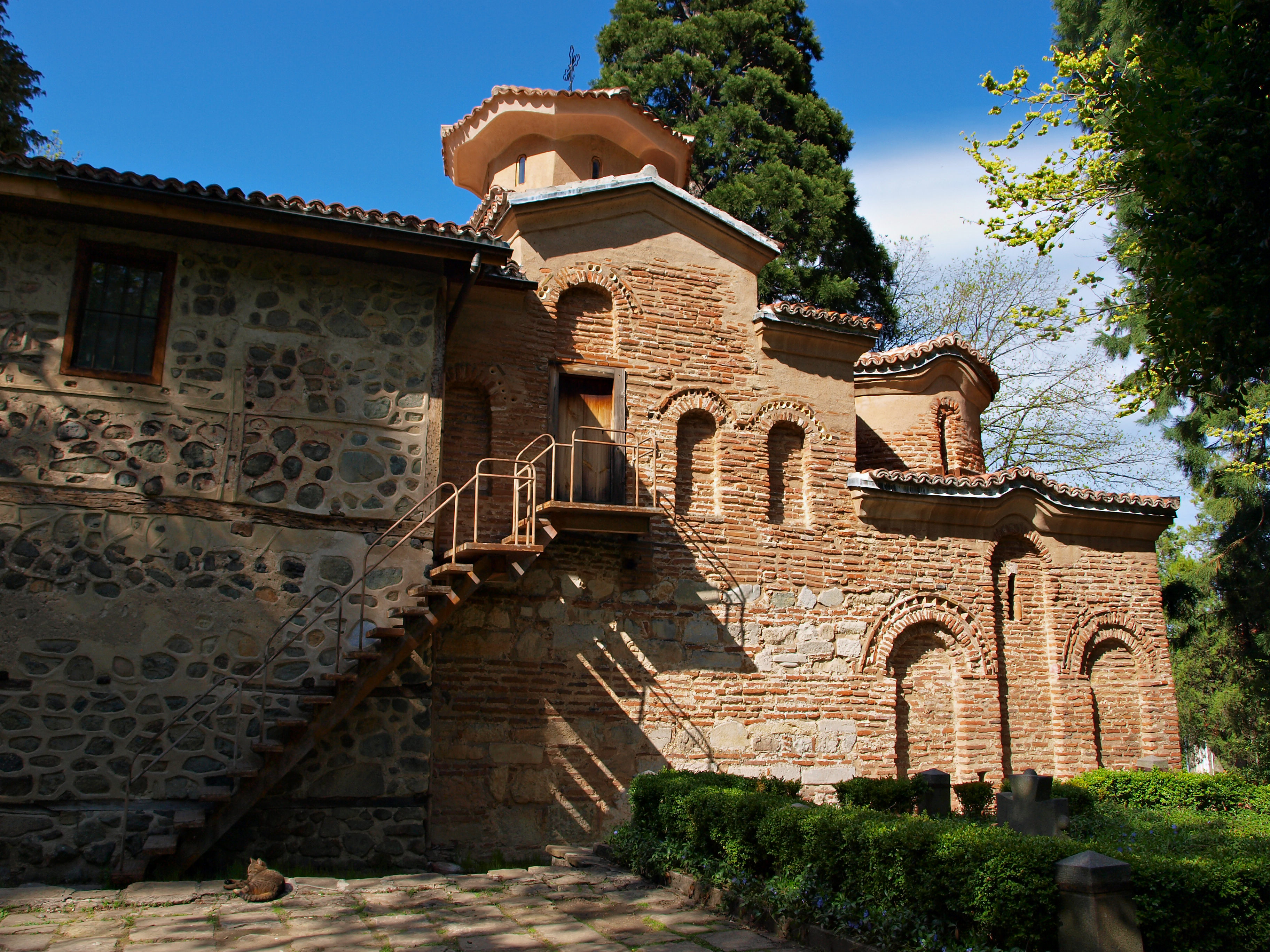
Boyana Church is a medieval Bulgarian Orthodox church inscribed as a UNESCO World Heritage Site since 1979. Located on the outskirts of Sofia at the foot of Vitosha Mountain, it is celebrated for its 1259 frescoes, which are considered among the finest examples of Eastern European medieval art.
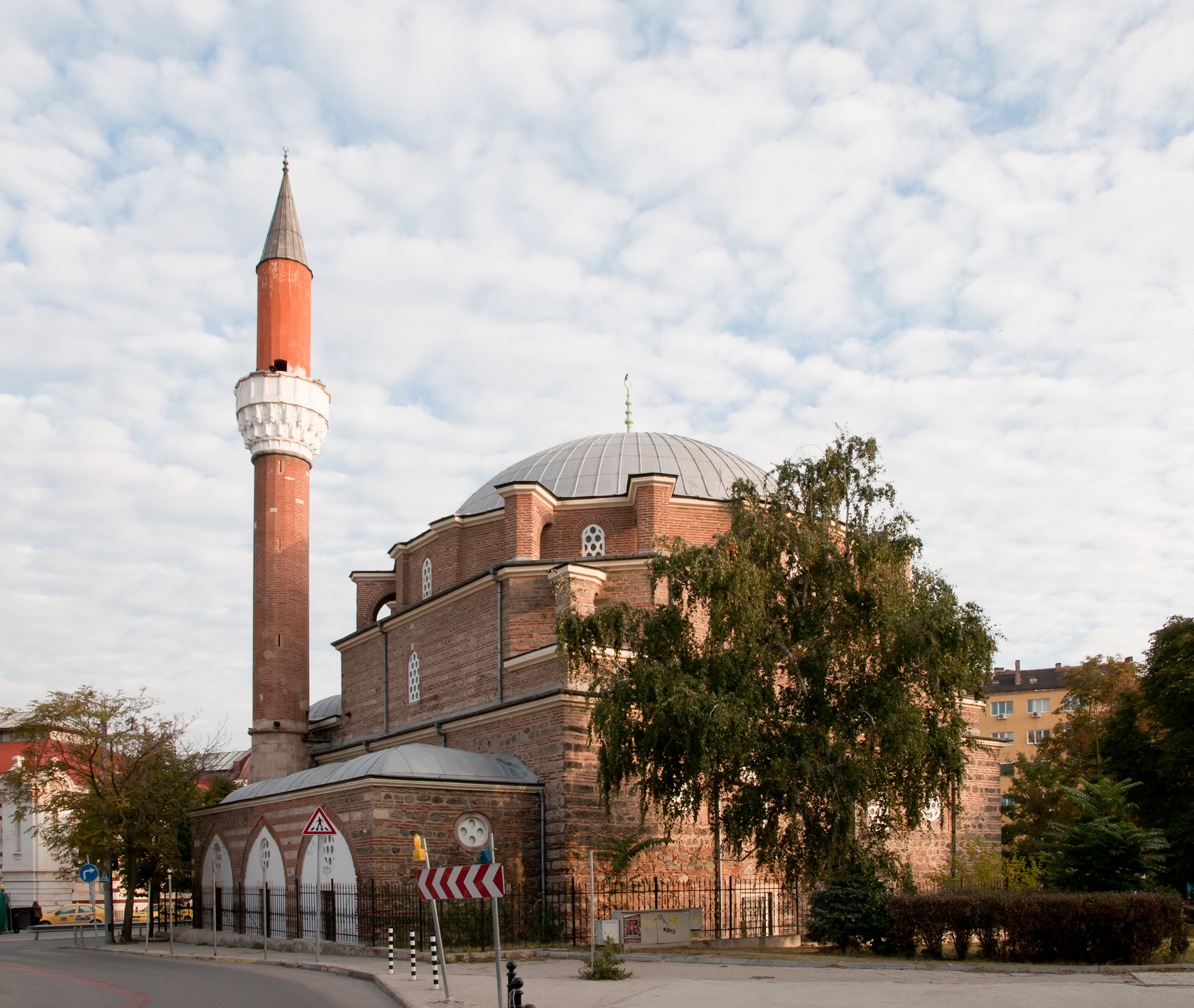 Banya Bashi MosqueAttraction · 20 min · Free
Banya Bashi Mosque is the only functioning mosque in Sofia and one of the oldest Ottoman-era mosques in Europe. Built in 1576 by the renowned Ottoman architect Mimar Sinan, it sits at the heart of the city near the Central Mineral Baths and the Sofia Synagogue—forming part of an extraordinary interfaith triangle.
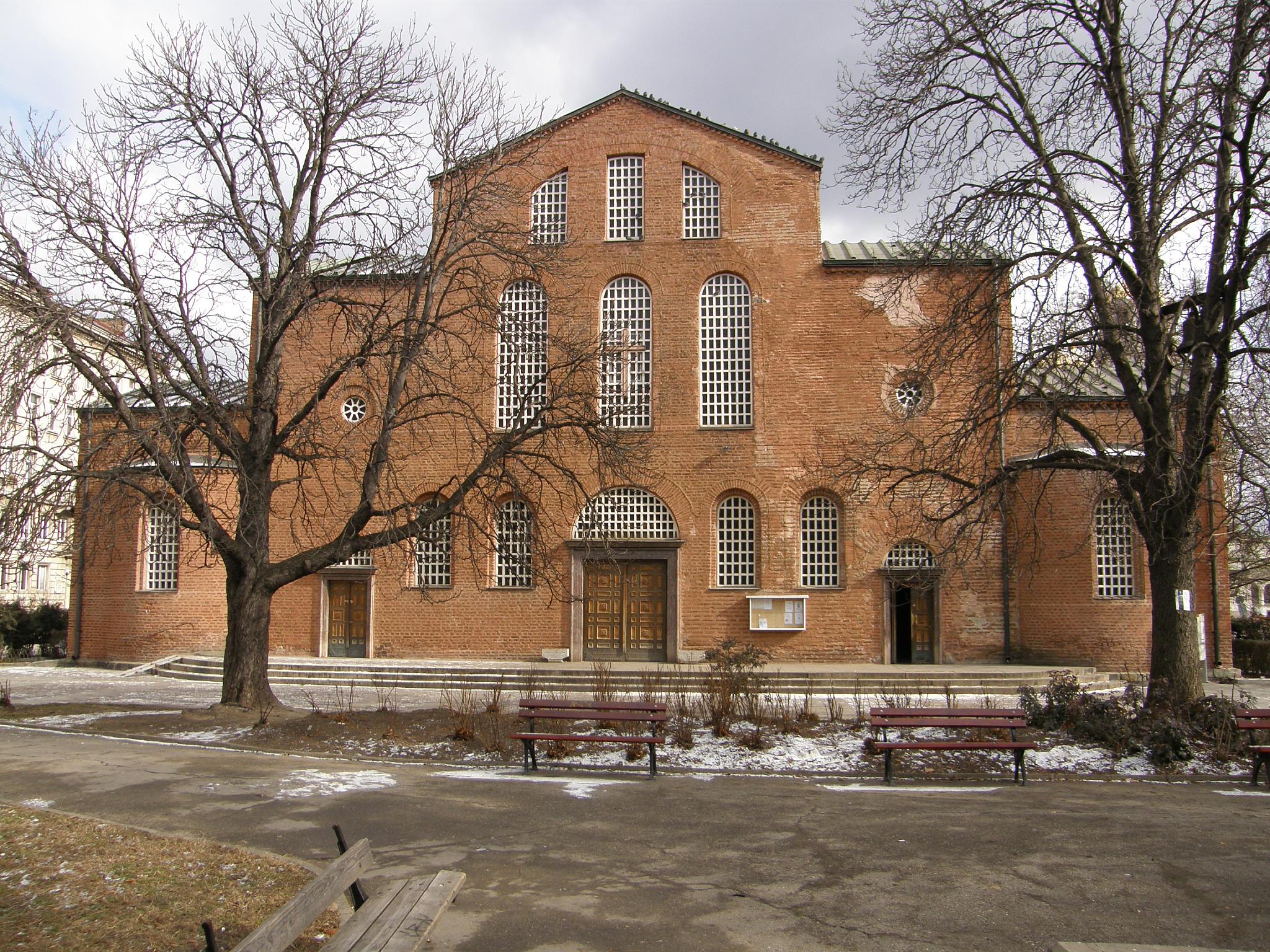 Saint Sofia ChurchAttraction · 30 min · Free
Saint Sofia Church is the second-oldest church in the capital and the building from which the city takes its modern name. Dating back to the 6th century, this brick basilica stands on the foundations of several even earlier churches, the first dating to the 4th century.
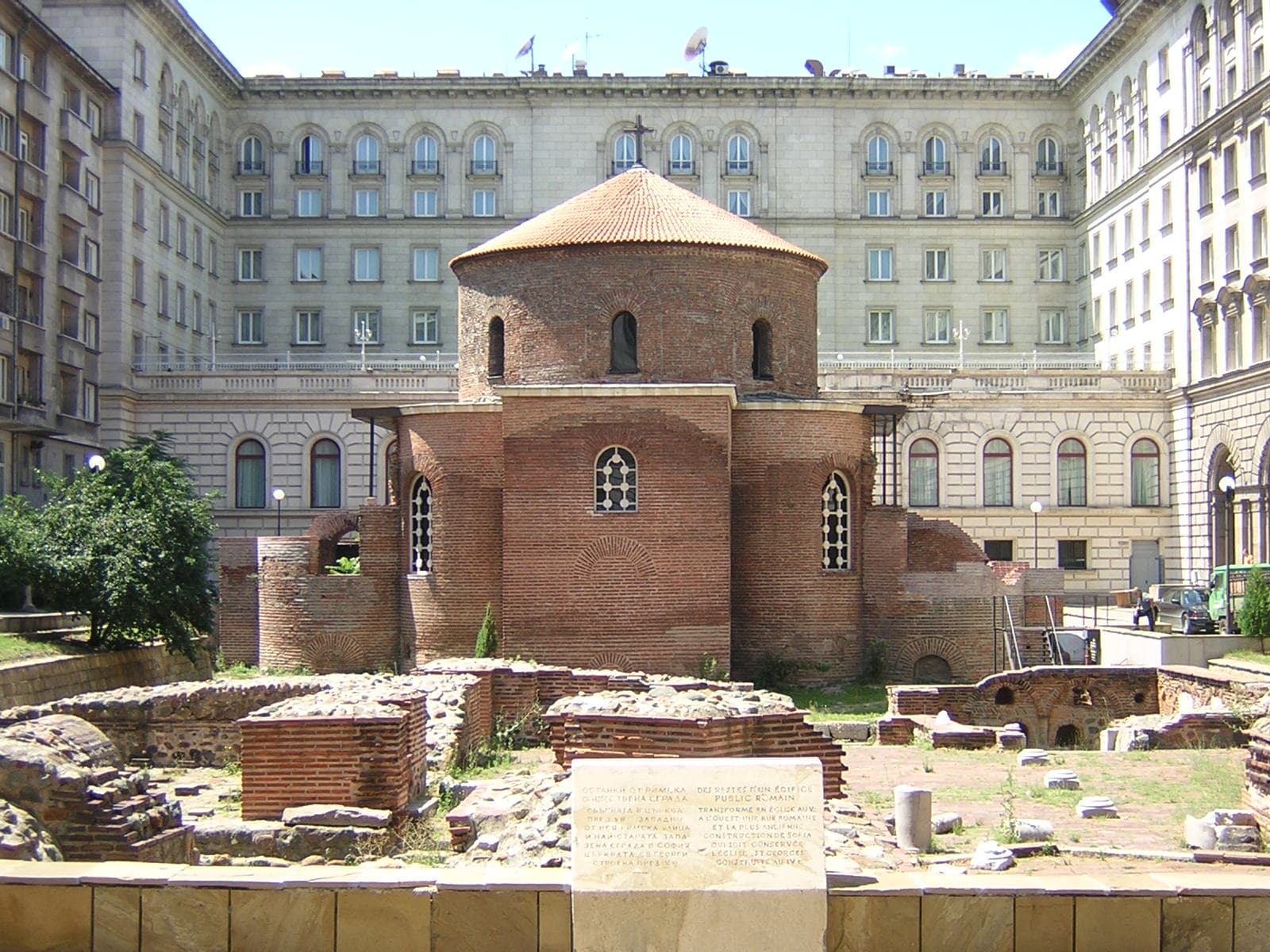 Saint George RotundaAttraction · 30 min · Free
The Church of Saint George is the oldest preserved building in Sofia, a late-antique red-brick rotunda built in the 4th century as part of the Roman city of Serdica. Tucked in the courtyard of the Presidency and the Sheraton Hotel, the small cylindrical building contains medieval frescoes layered over Roman-era paintings.
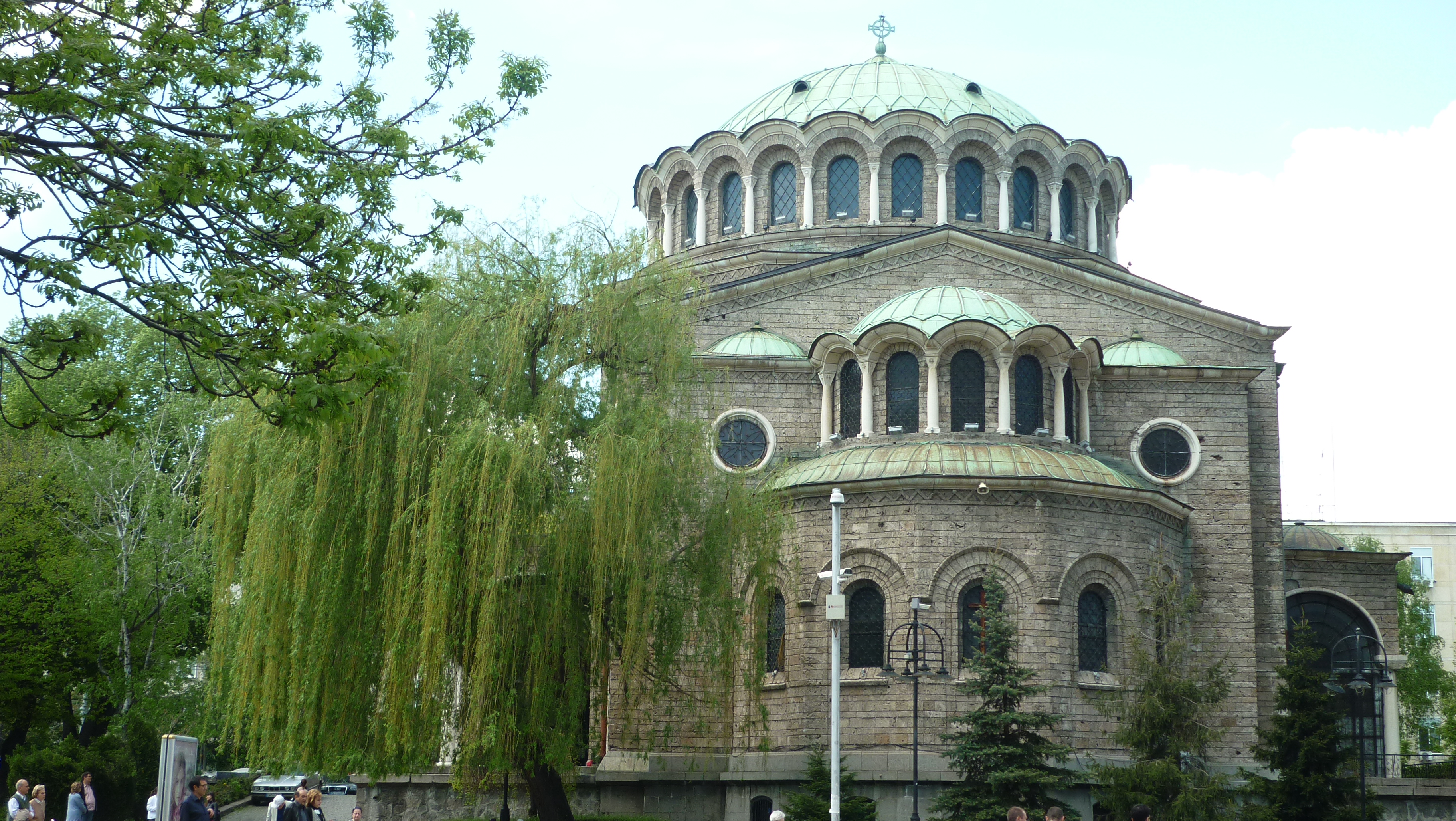 Sveta Nedelya CathedralAttraction · 30 min · Free
Sveta Nedelya Cathedral stands at the geographical centre of Sofia on the square of the same name. The current Neo-Byzantine structure dates from the late 19th century and is one of the city's principal Eastern Orthodox churches.
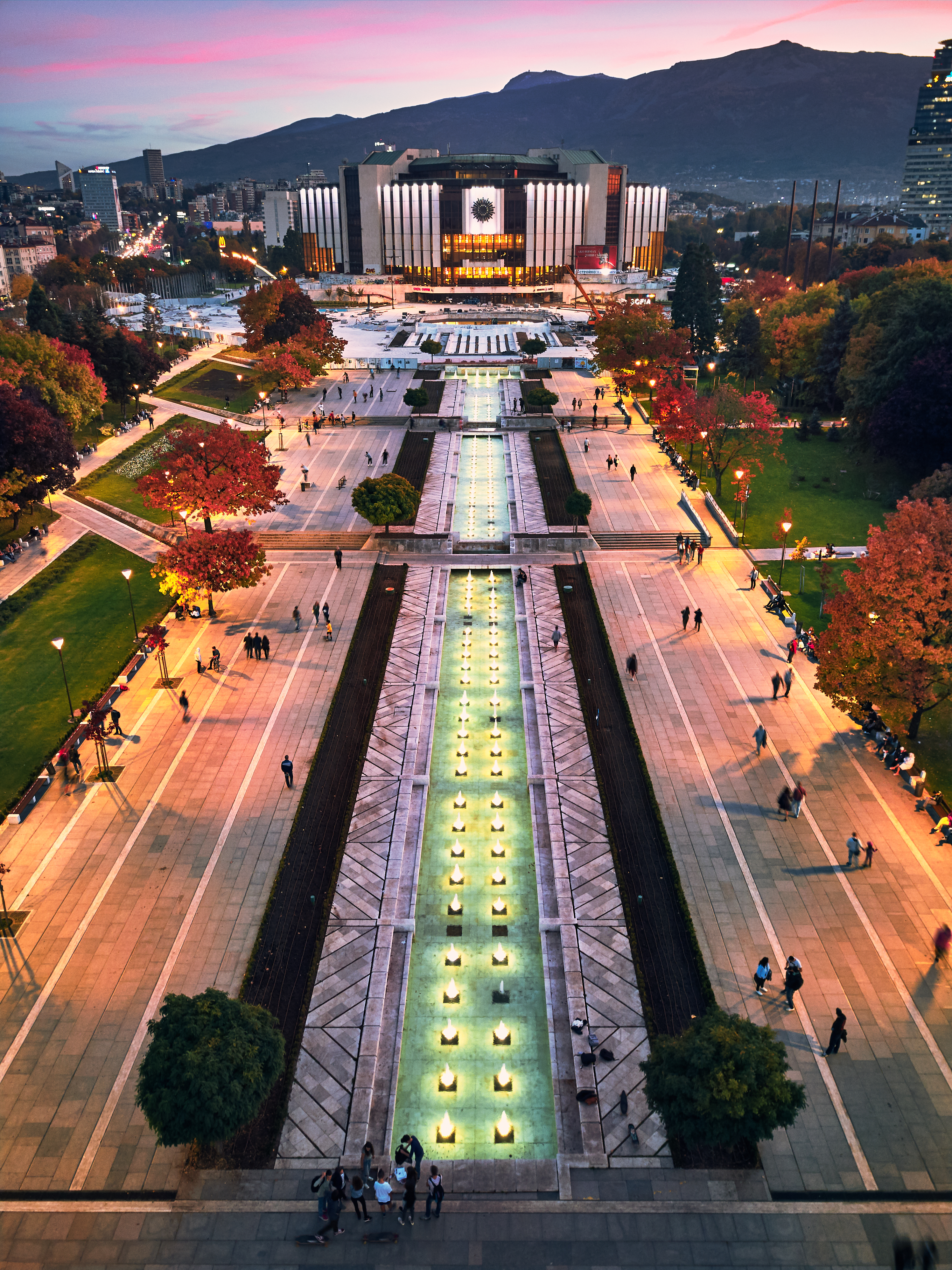 National Palace of CultureAttraction · 1h · Free
The National Palace of Culture (NDK) is the largest multifunctional congress and exhibition centre in southeastern Europe. Opened in 1981 for Bulgaria's 1,300th anniversary, the brutalist-modern building hosts concerts, film festivals, art exhibitions, and conferences. The surrounding park is Sofia's favourite garden for strolling.
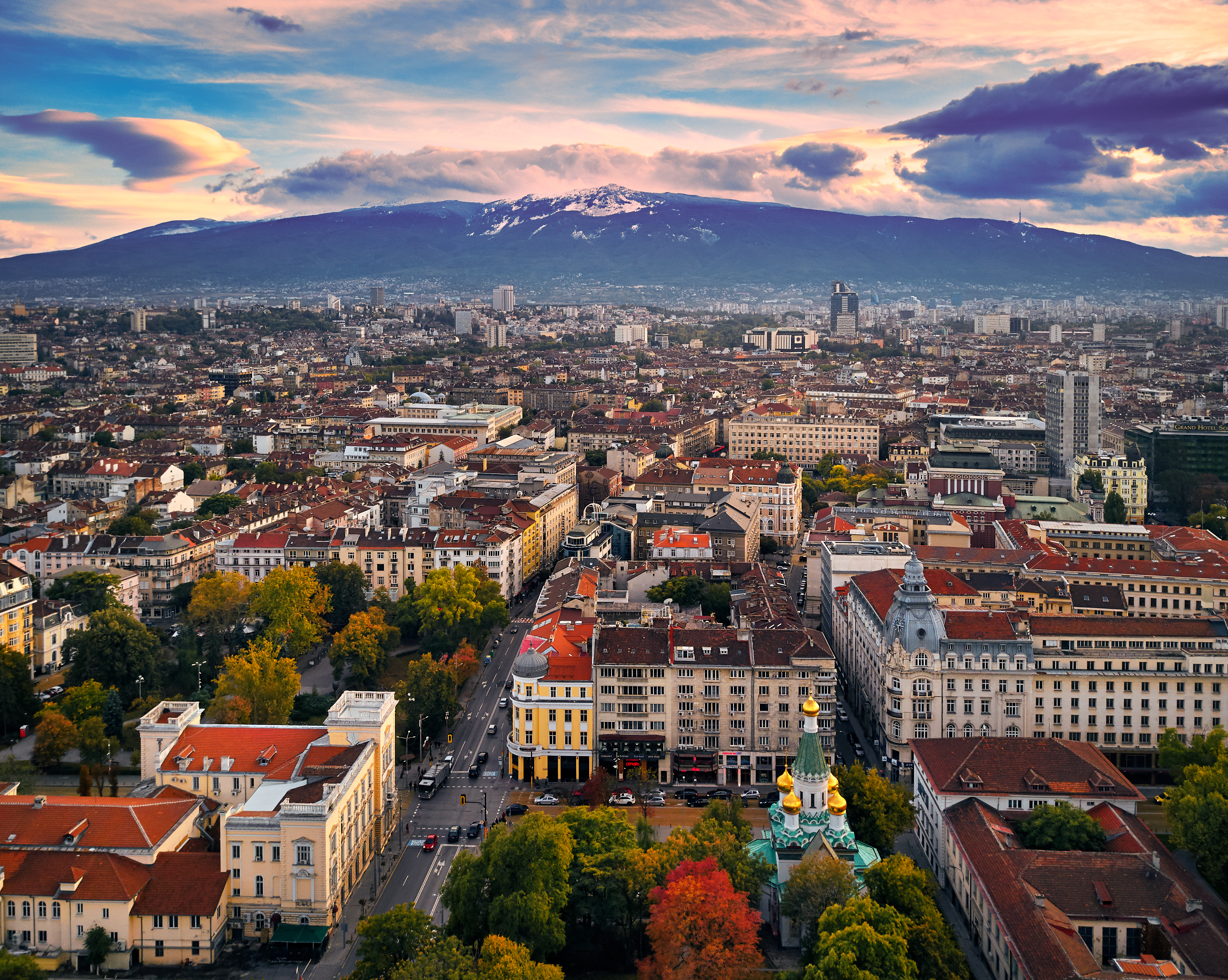 Sofia SynagogueAttraction · 30 min · BGN3
Sofia Synagogue is the largest Sephardic synagogue in Europe and the third-largest synagogue on the continent. The magnificent Moorish Revival building, completed in 1909, is a testament to the thriving Jewish community that once lived in Sofia.
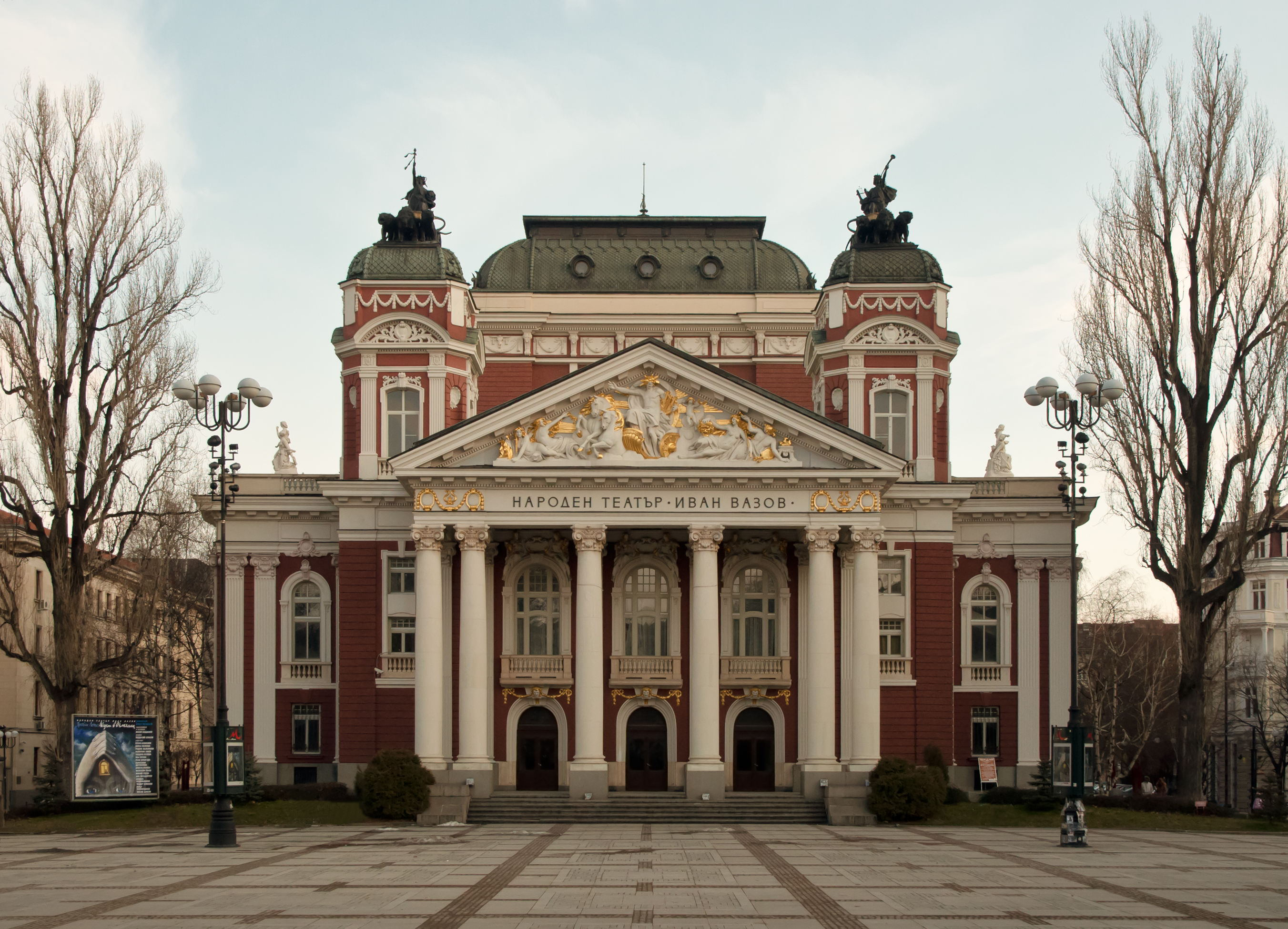 Ivan Vazov National TheatreAttraction · 30 min · Free
The Ivan Vazov National Theatre is Bulgaria's oldest and most prestigious theatrical institution. The magnificent Neo-Classical building on City Garden is one of Sofia's most recognizable landmarks, with its columned portico and ornamental pediment.
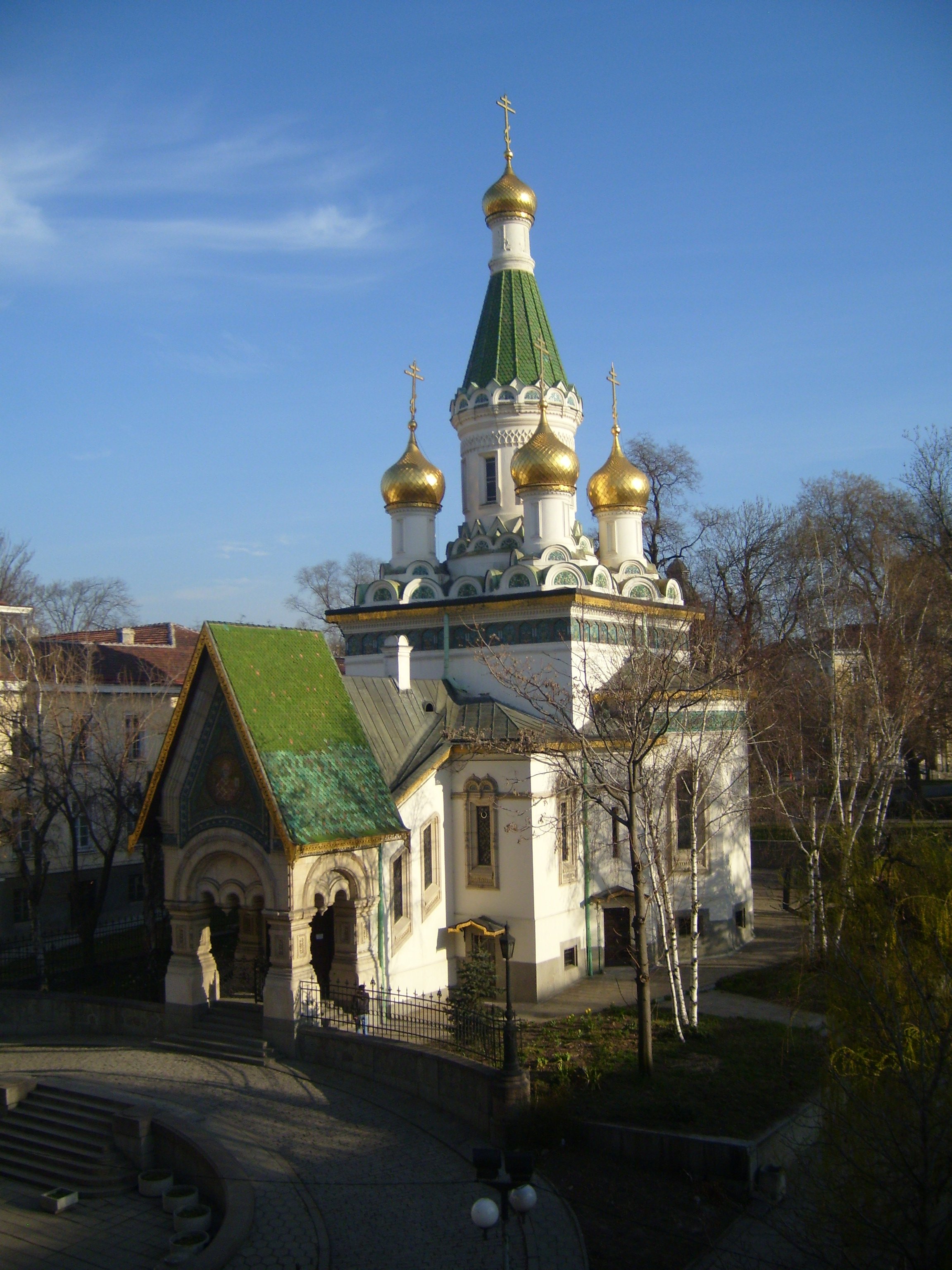 Russian Church (Saint Nicholas)Attraction · 20 min · Free
The Church of St. Nicholas the Miracle-Maker, commonly known as the Russian Church, is a small but dazzling Russian Orthodox church in central Sofia. With its five gilded onion domes and colourful tile facade, it is one of the most photographed buildings in the city.
 Sofia Central Mineral BathsAttraction · 20 min · Free
The Central Mineral Baths building is widely considered one of the most beautiful buildings in Sofia—a Viennese Secessionist masterpiece completed in 1913. Though the baths no longer operate, the ornate facade with its striped stonework, ceramic tiles, and domed towers remains a must-see.
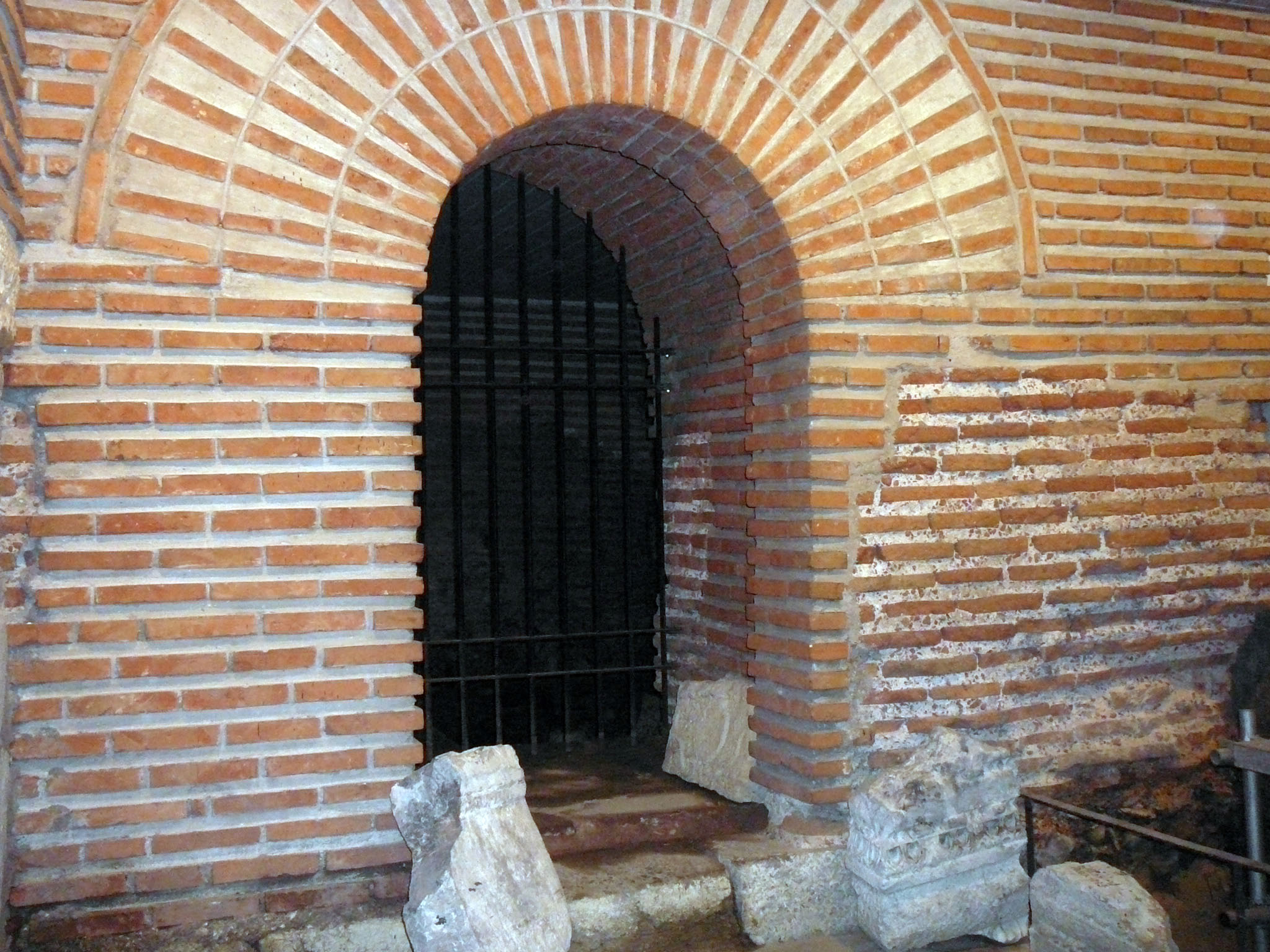 Ancient Serdica ComplexAttraction · 45 min · Free
The Ancient Serdica Archaeological Complex is an open-air museum showcasing the ruins of the Roman city of Serdica, discovered during the construction of Sofia's metro. The ruins lie in a pedestrian underpass between the Presidency and the TZUM department store.
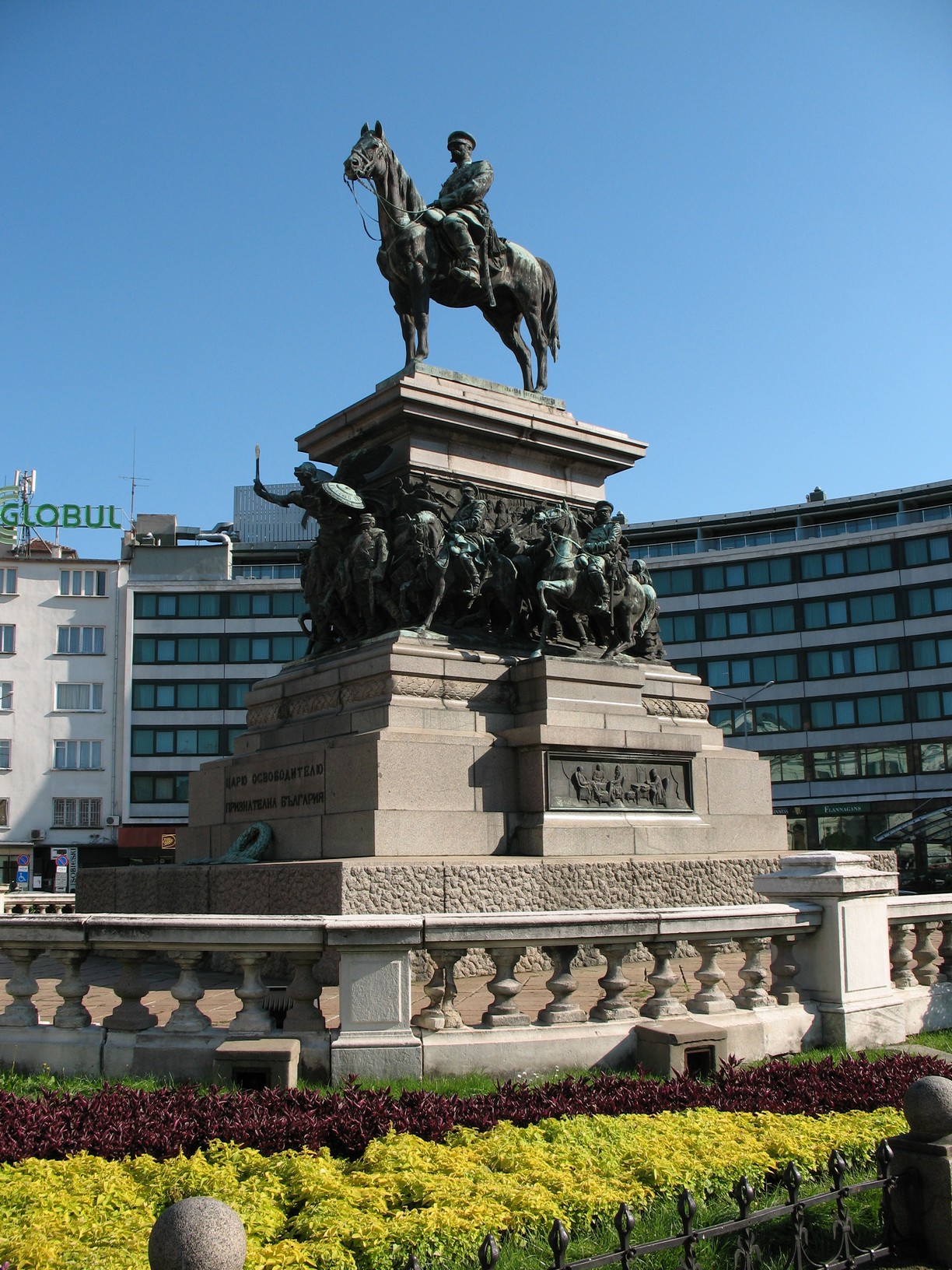 Monument to the Tsar LiberatorAttraction · 15 min · Free
The Monument to the Tsar Liberator is an equestrian statue of Russian Emperor Alexander II, who played a decisive role in the liberation of Bulgaria from nearly five centuries of Ottoman rule. The statue stands on the boulevard of the same name, between the National Assembly and the Alexander Nevsky Cathedral.
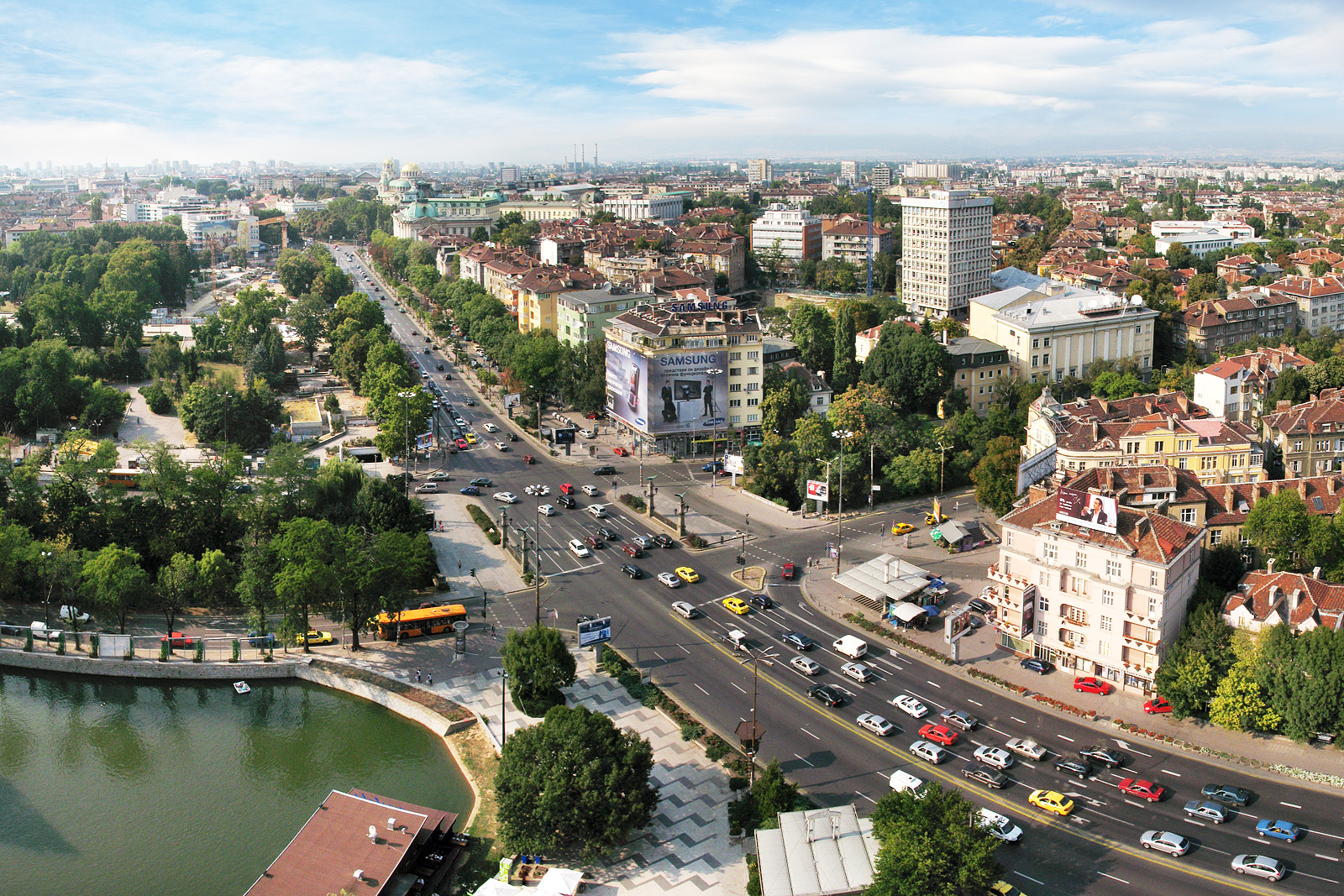 Eagles' BridgeAttraction · 15 min · Free
Eagles' Bridge (Orlov Most) is a stone bridge spanning the Perlovska River, adorned with four bronze eagle statues. Built in 1891, it is one of Sofia's most recognized landmarks and a major orientation point in the city.