Loading city...
Skip to main content
Attractions in Hoi An
10 attractions selected in this guide.
 Reaching Out Tea HouseAttraction · 45 min · Free
Reaching Out Tea House is a tranquil silent café and fair-trade craft shop on Tran Phu Street operated by deaf and disabled artisans. Communication is done through written notes, creating a uniquely peaceful and mindful tea-drinking experience.
 Cantonese Assembly HallAttraction · 30 min · VND120000
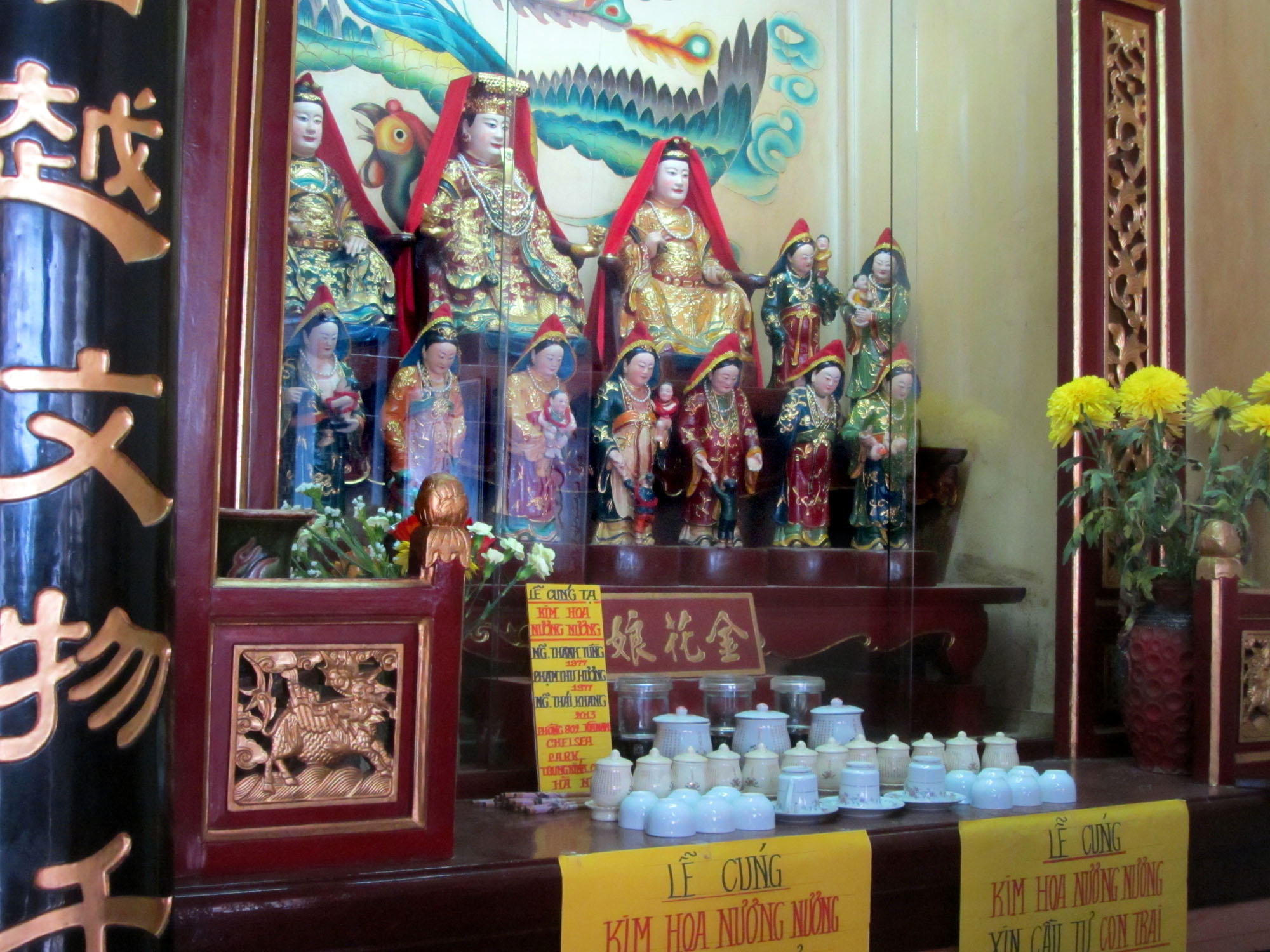
The Cantonese (Quang Dong) Assembly Hall is the most elaborately decorated of Hoi An's Chinese community halls. Behind its grand triple-arched entrance gate lies a series of courtyards adorned with dragon fountains, ceramic mosaics, and gilded woodwork.
 Phuc Kien Assembly HallAttraction · 45 min · VND120000
Phuc Kien (Fujian) Assembly Hall is the largest and most ornate of Hoi An's Chinese congregation halls, built in the 17th century by Fujian immigrants. Its elaborate entrance gate, dragon-adorned fountains, and incense-filled courtyards make it the Ancient Town's most visually stunning religious site.
 Tan Ky HouseAttraction · 30 min · VND120000
Tan Ky House is a beautifully preserved 200-year-old merchant residence on Nguyen Thai Hoc Street. It represents the finest example of Hoi An's domestic architecture, blending Vietnamese, Chinese, and Japanese design elements under a single roof.
 Hainan Assembly HallAttraction · 20 min · VND120000
Hainan Assembly Hall is a modest but historically significant Chinese congregation hall on Tran Phu Street. Built as a memorial, it commemorates 108 Hainan merchants who were wrongly accused of piracy and executed by the Vietnamese emperor in 1851.
 Japanese Covered BridgeAttraction · 20 min · VND120000
The Japanese Covered Bridge (Cầu Chùa) is Hoi An's most iconic landmark, a 18-meter wooden bridge originally built by the Japanese merchant community in the late 16th century. Spanning a small canal at the western end of the Ancient Town, it features a small Buddhist temple integrated into its northern side.
 Quan Cong TempleAttraction · 20 min · VND120000
Quan Cong Temple is a 17th-century Chinese temple on Tran Phu Street dedicated to Quan Cong (Guan Yu), the legendary Chinese general revered for his loyalty and righteousness. The atmospheric interior features heavy incense coils, gilt statues, and dark lacquered woodwork.
 My Son SanctuaryAttraction · 3h · VND150000
My Son Sanctuary is a UNESCO World Heritage complex of Cham Hindu temple ruins nestled in a forested valley 40 km southwest of Hoi An. Built between the 4th and 13th centuries, it was the spiritual and political capital of the Champa Kingdom and is often compared to Angkor Wat and Borobudur.
 Chaozhou Assembly HallAttraction · 20 min · VND120000
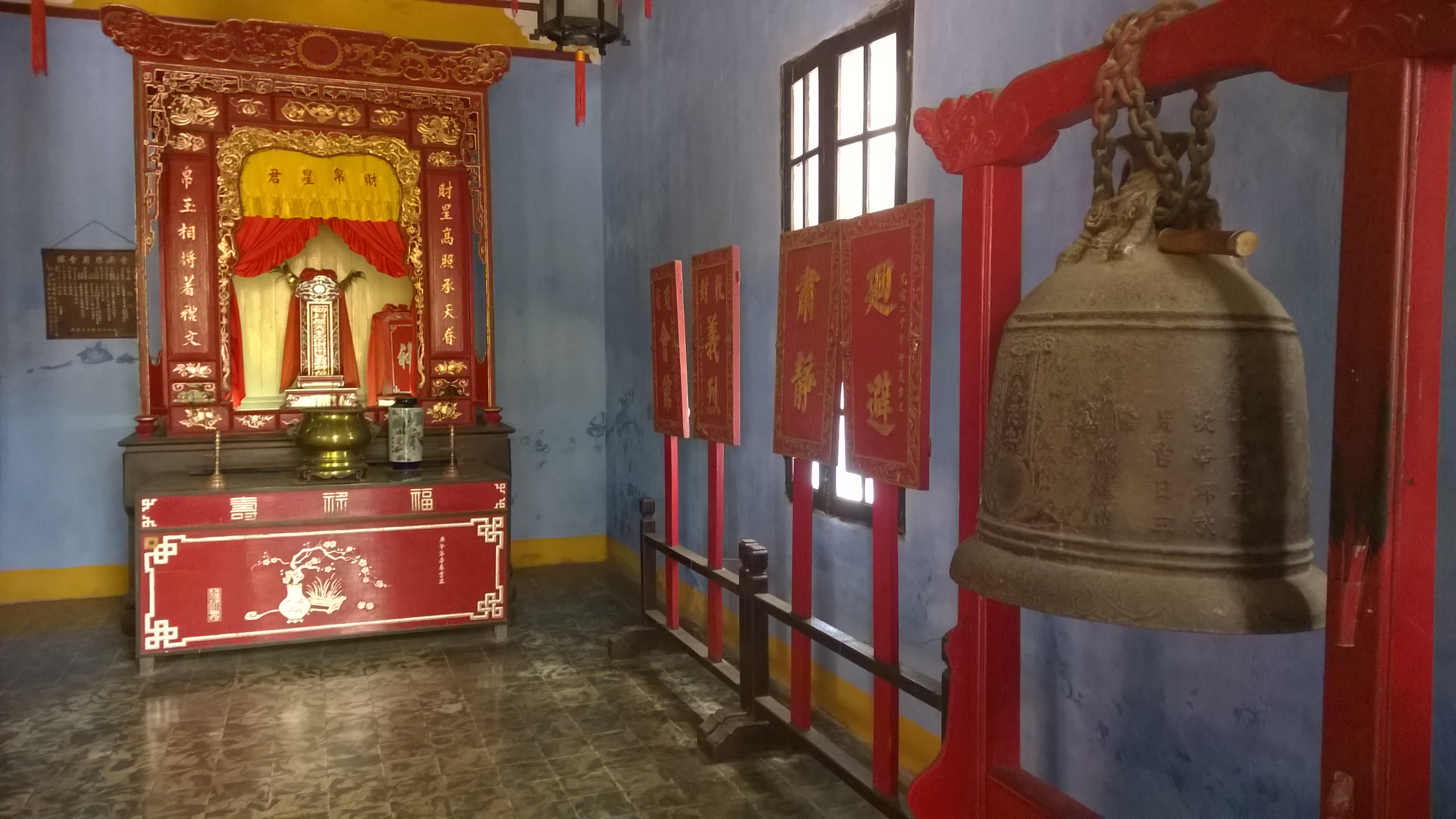
Chaozhou (Trieu Chau) Assembly Hall is the smallest of Hoi An's five Chinese congregation halls but distinguished by its exceptional wood carvings. Built by Teochew immigrants from Guangdong Province, its intimate scale and detailed craftsmanship reward close inspection.
 Phung Hung HouseAttraction · 25 min · VND120000
Phung Hung House is a 230-year-old merchant residence near the Japanese Covered Bridge, one of the best-preserved examples of multi-cultural architectural fusion in Hoi An. Eight generations of the same family have lived here continuously.