Loading city...
Skip to main content
Museums in Istanbul
14 museums selected in this guide.
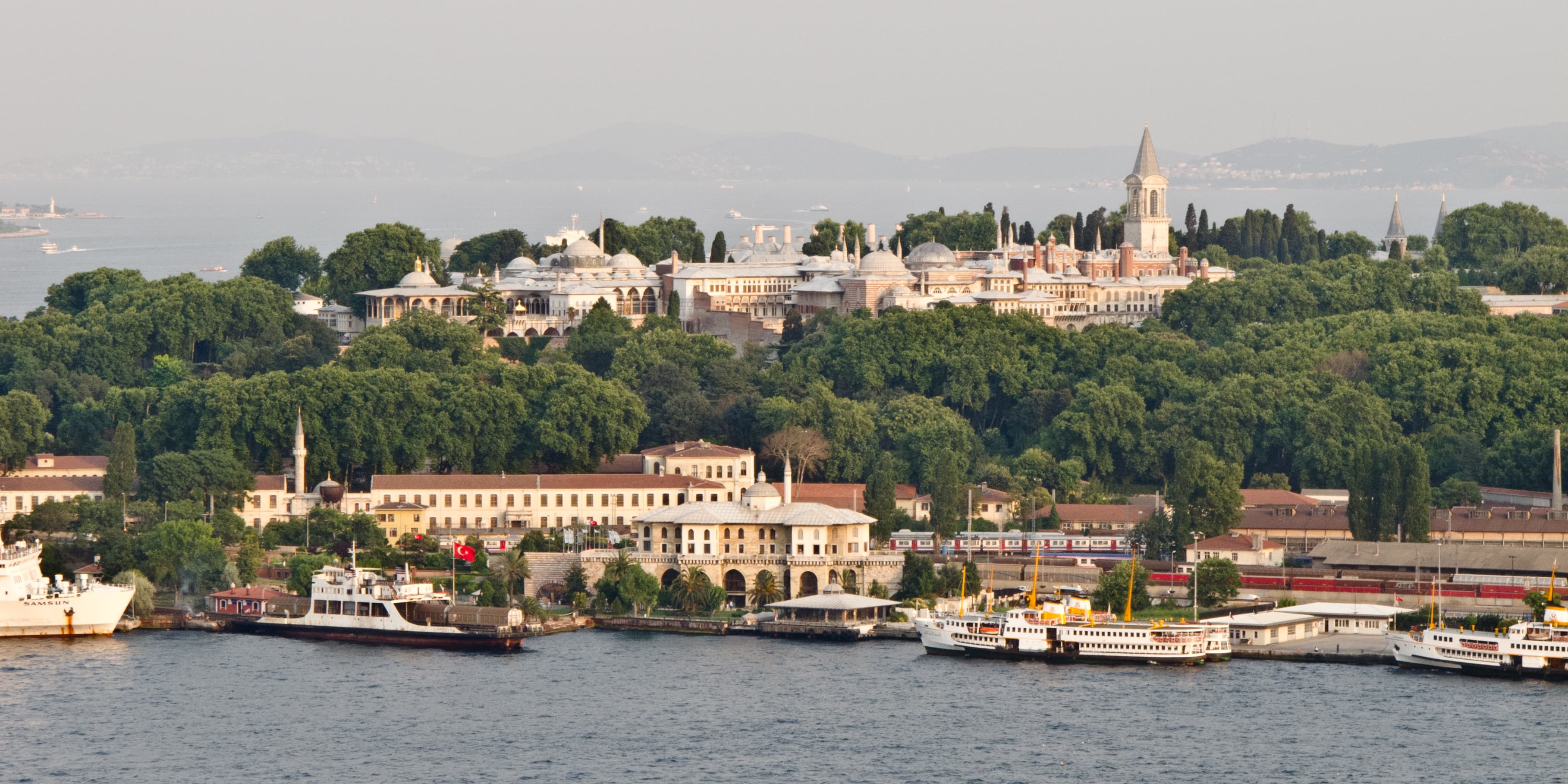 Topkapi PalaceMuseum · 3h · ₺2750
Topkapi Palace was the primary residence and administrative headquarters of the Ottoman sultans for nearly 400 years, a sprawling complex of courtyards, gardens, and pavilions on a promontory overlooking the Bosphorus and the Golden Horn.
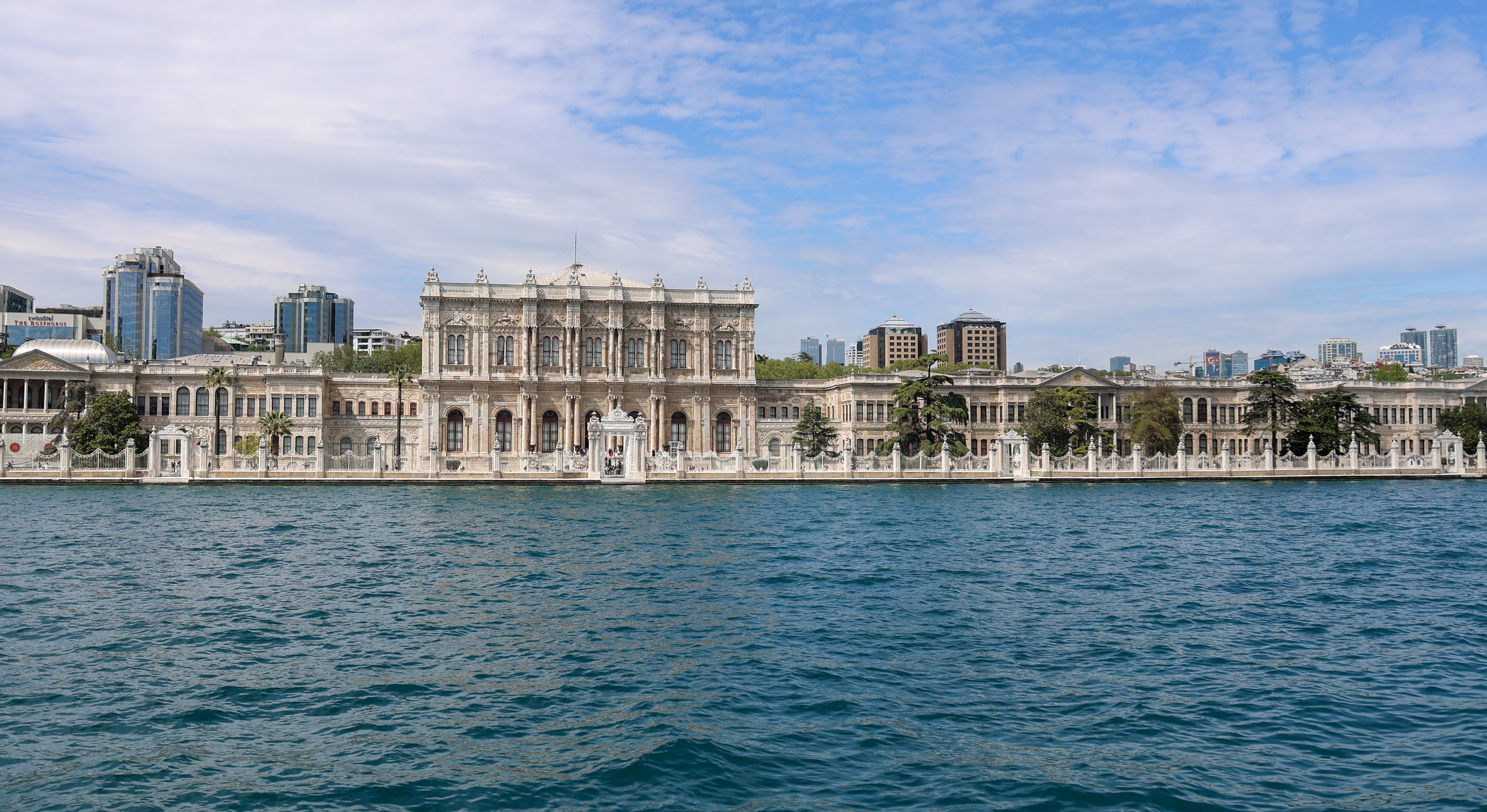 Dolmabahce PalaceMuseum · 2h · ₺2000
Dolmabahce Palace is a lavish 19th-century Bosphorus-front palace blending Ottoman baroque with European neoclassical styles. Built as a statement of Ottoman modernity, it replaced Topkapi as the sultans' primary residence.
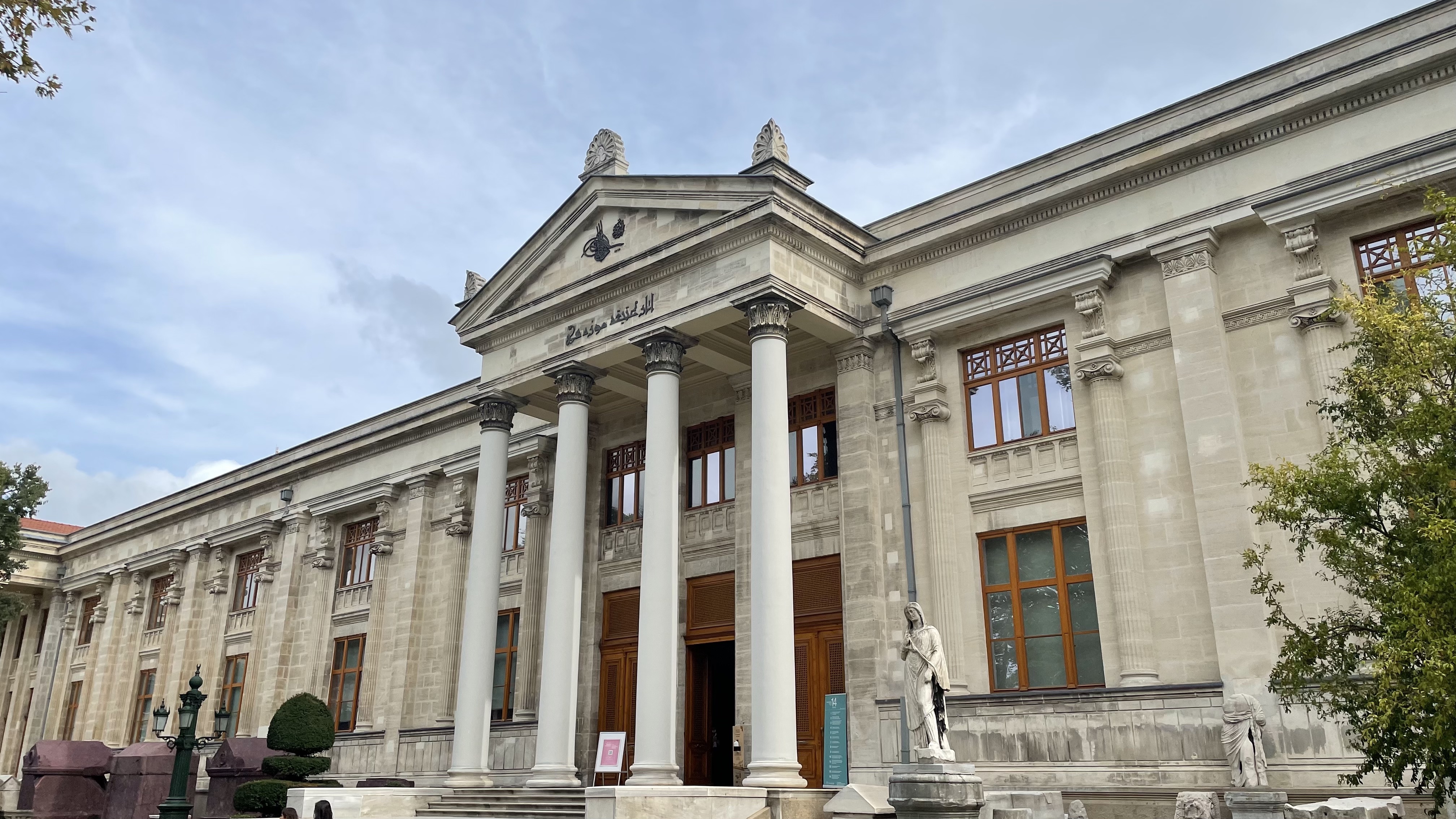 Istanbul Archaeology MuseumsMuseum · 2h · ₺612
The Istanbul Archaeology Museums is a complex of three museums housing over one million artifacts spanning nearly every civilization that touched Anatolia and the Near East.
- Istanbul Naval MuseumMuseum · 1h · ₺60
The Naval Museum in Beşiktaş houses one of the world's finest collections of Ottoman maritime artefacts, including elaborately gilded imperial caiques (royal rowboats) that once carried sultans along the Bosphorus.
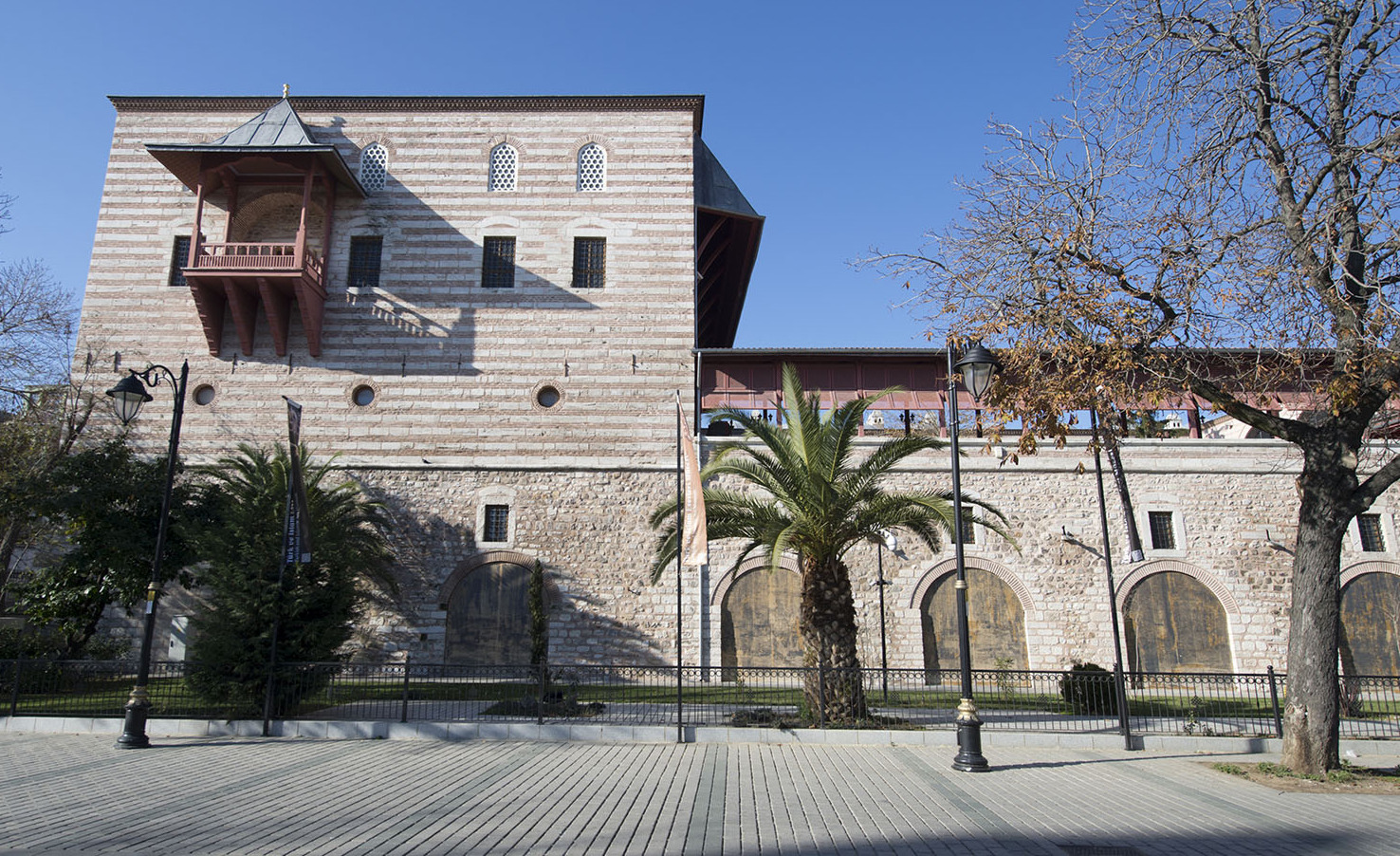 Museum of Turkish and Islamic ArtsMuseum · 1.5h · ₺612
The Museum of Turkish and Islamic Arts occupies the magnificent 16th-century Ibrahim Pasha Palace on Sultanahmet Square. It holds one of the world's finest collections of Islamic calligraphy, carpets, and ceramics.
- Carpet MuseumMuseum · 45 min · Free
The Carpet Museum (Halı Müzesi) displays a curated collection of rare Anatolian carpets and kilims dating from the 14th to 20th centuries, housed in a restored imperial pavilion beside the Blue Mosque.
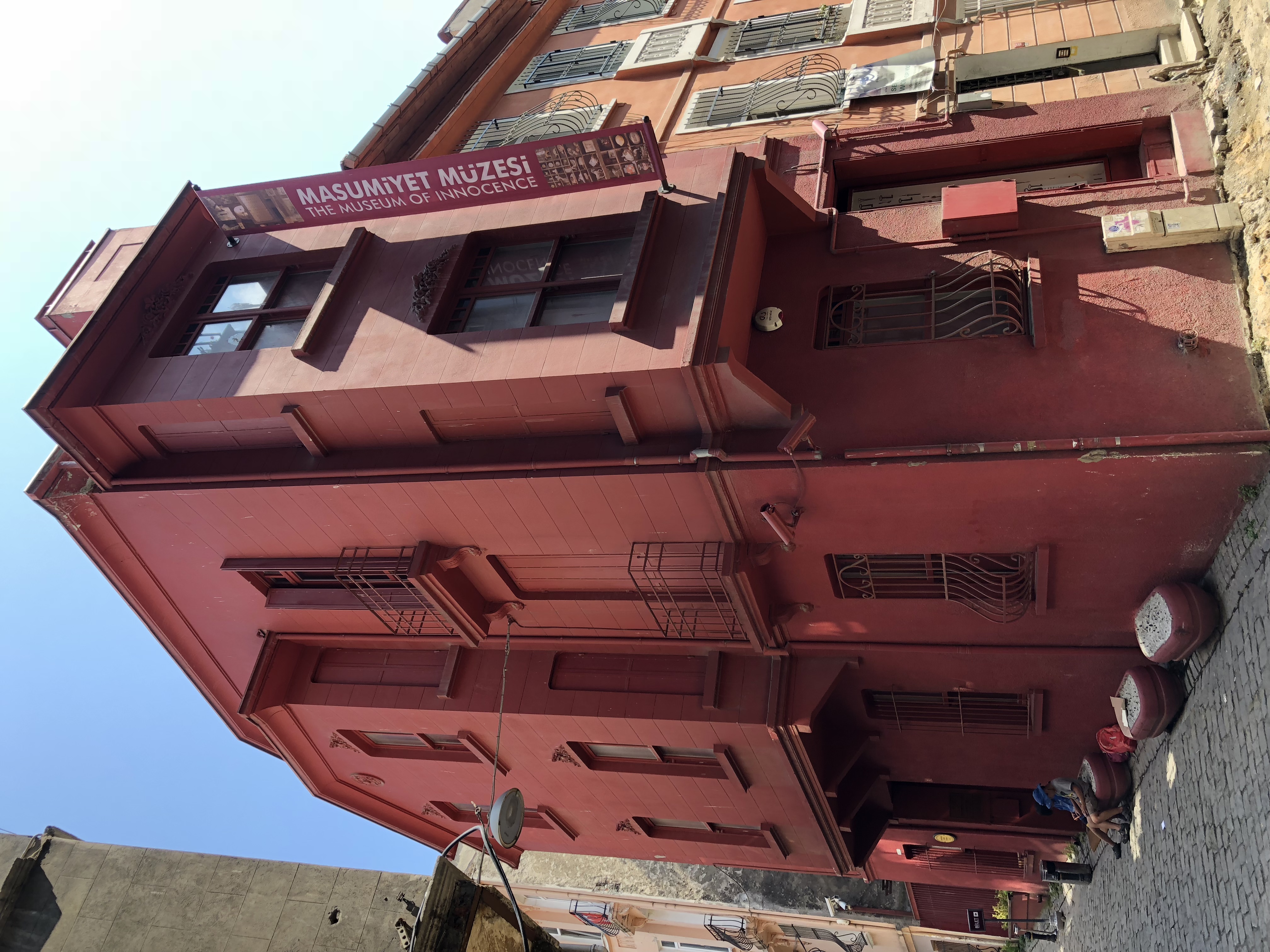 Museum of InnocenceMuseum · 1h · ₺200
The Museum of Innocence is a unique literary museum created by Nobel Prize-winning novelist Orhan Pamuk. Every display case corresponds to a chapter of his novel of the same name, blending fiction with real objects from Istanbul life.
 Pera MuseumMuseum · 1.3h · ₺80
The Suna and İnan Kıraç Foundation's Pera Museum occupies a grand 19th-century Tepebaşı building and rotates Ottoman-era Orientalist paintings, Kütahya ceramics and international touring exhibitions.
- Pera MuseumMuseum · 1.3h · ₺200
The Pera Museum is a private art museum in a beautifully restored 19th-century hotel on Istiklal Avenue, known for its collection of Orientalist paintings, Anatolian weights, and Kütahya tiles.
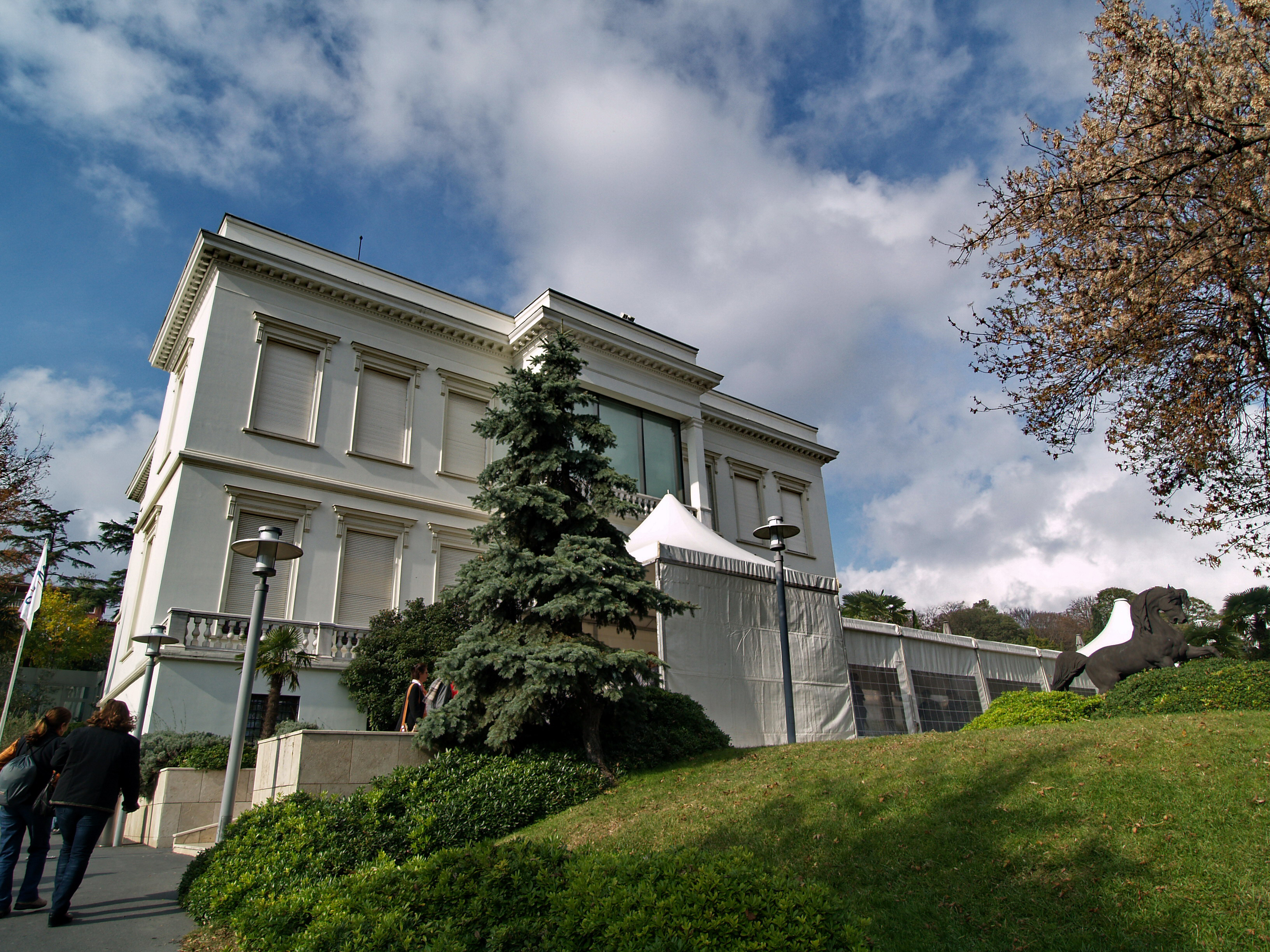 Sakip Sabanci MuseumMuseum · 1.5h · ₺300
The Sakıp Sabancı Museum occupies an elegant 19th-century Bosphorus-front mansion in Emirgan, hosting world-class temporary exhibitions alongside its permanent collection of Ottoman calligraphy and Turkish painting.
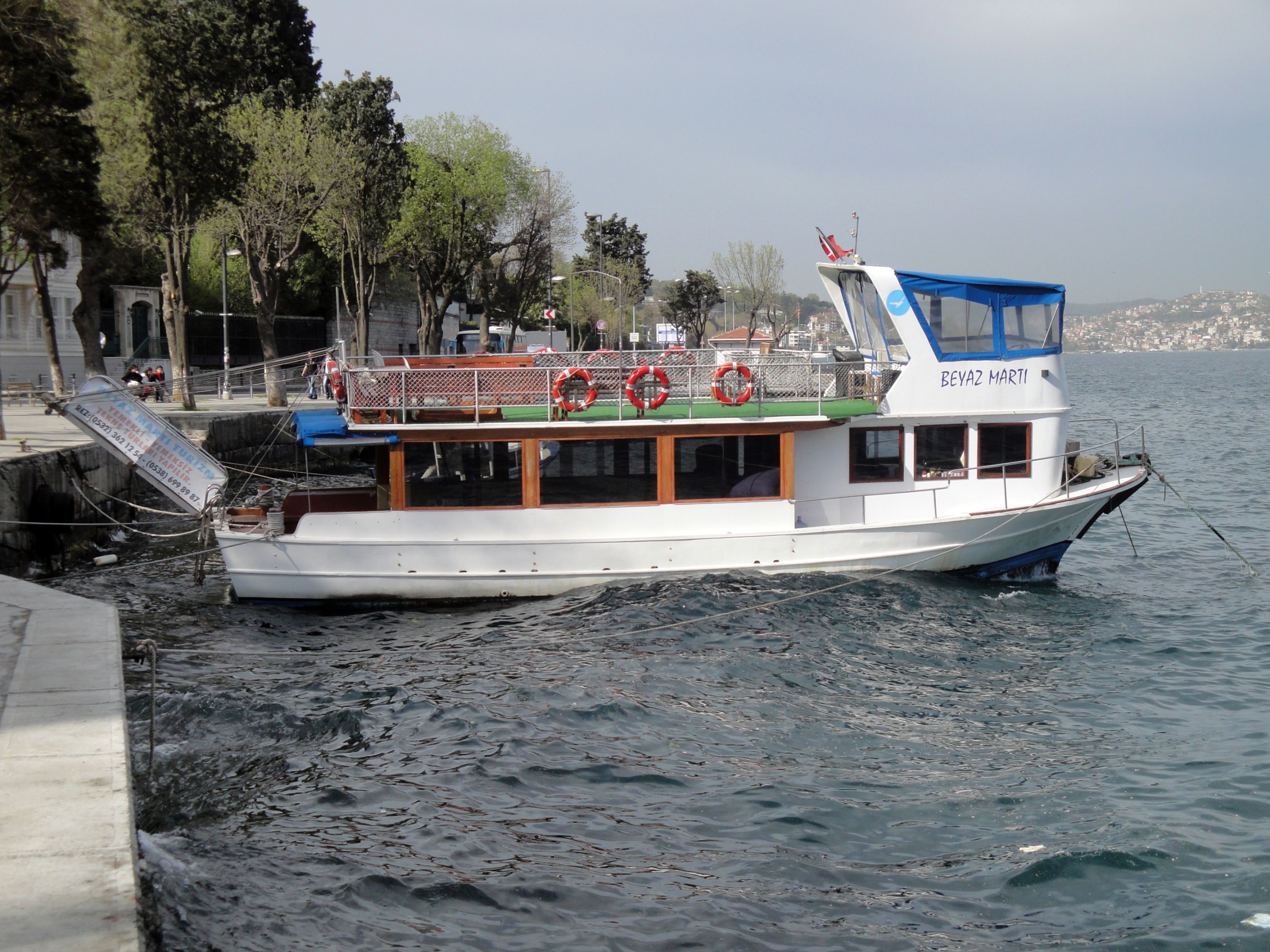 Sakıp Sabancı Museum - Atlı KöşkMuseum · 1.5h · ₺80
The Atlı Köşk ('Equestrian Pavilion') is the waterfront mansion of the Sakıp Sabancı Museum, hosting rotating international art exhibitions alongside a permanent Ottoman calligraphy collection on the Bosphorus shore.
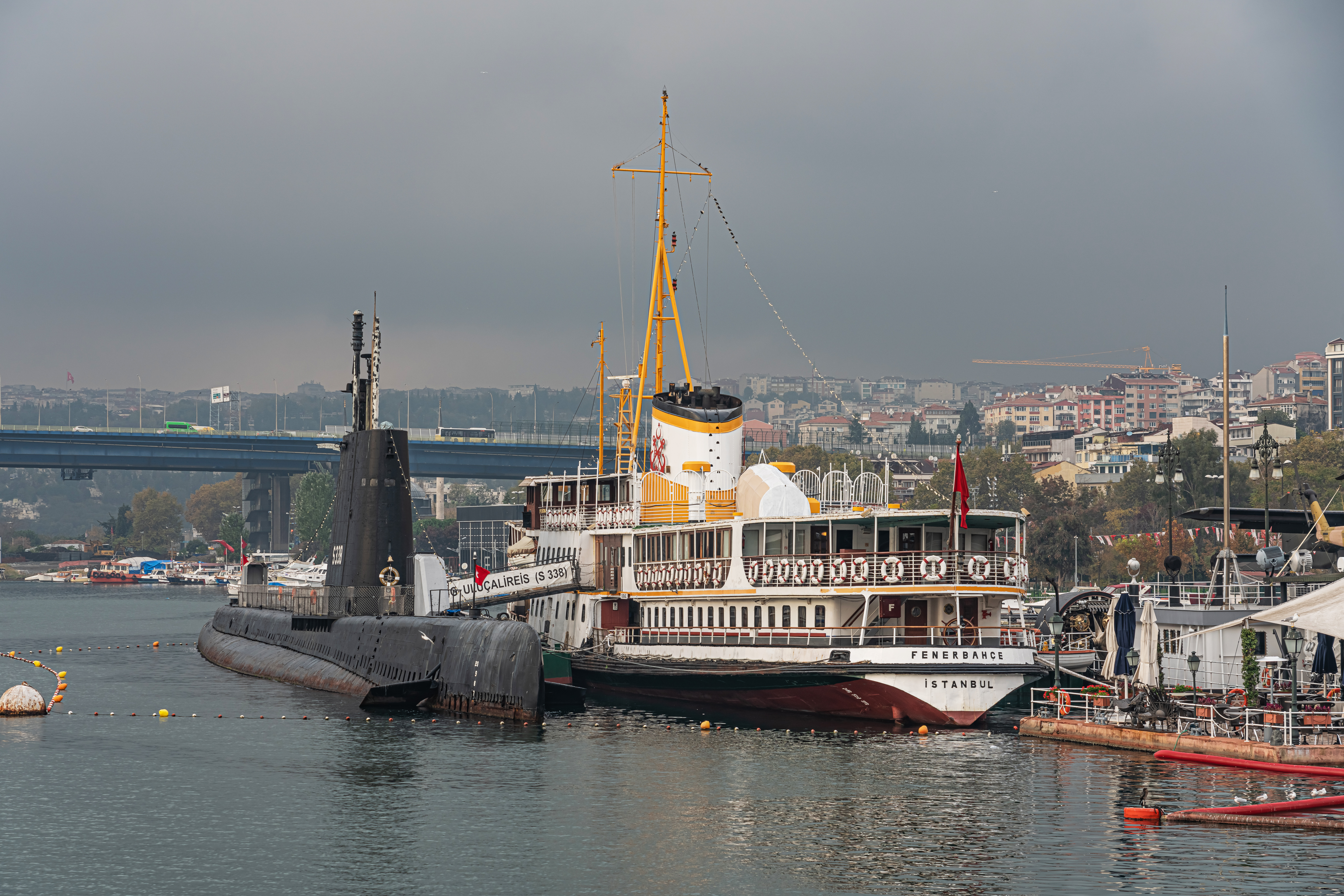 Rahmi M. Koc MuseumMuseum · 2h · ₺700
The Rahmi M. Koç Museum is a sprawling industrial heritage museum on the Golden Horn, housed in Ottoman-era anchor foundry buildings. It celebrates transport, industry, and communication through interactive exhibits.
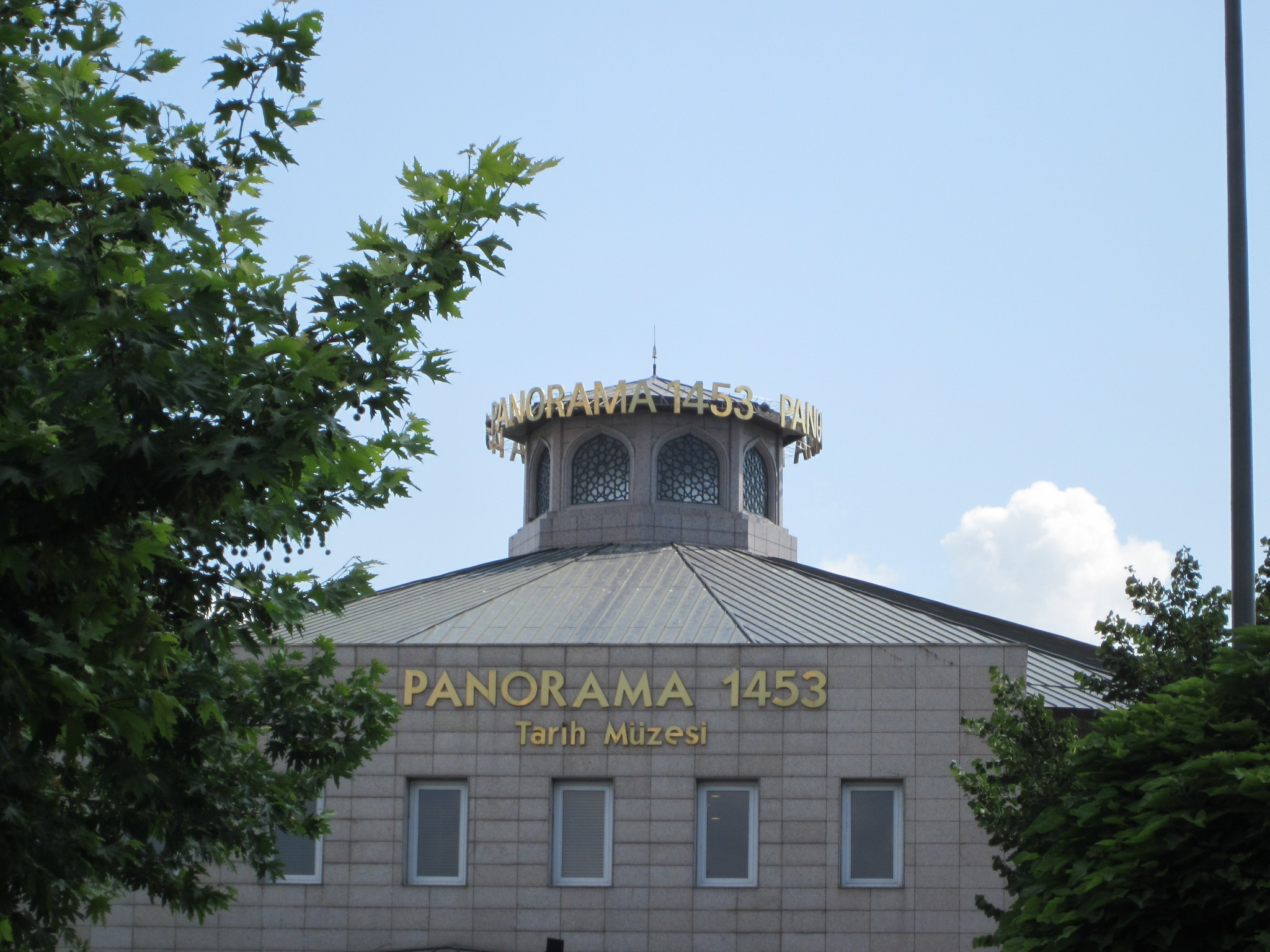 Panorama 1453 History MuseumMuseum · 1h · ₺100
A purpose-built rotunda housing a 2,350 m² circular panoramic painting that immerses visitors in the Ottoman siege and conquest of Constantinople on 29 May 1453.
 Yerebatan Sarnıcı MuseumMuseum · 30 min · ₺100
A recently restored Byzantine-era underground cistern east of Sultanahmet, smaller and less crowded than the Basilica Cistern but with equally atmospheric rows of columns reflected in shallow water.