Loading city...
Skip to main content
Attractions in Belgrade
9 attractions selected in this guide.
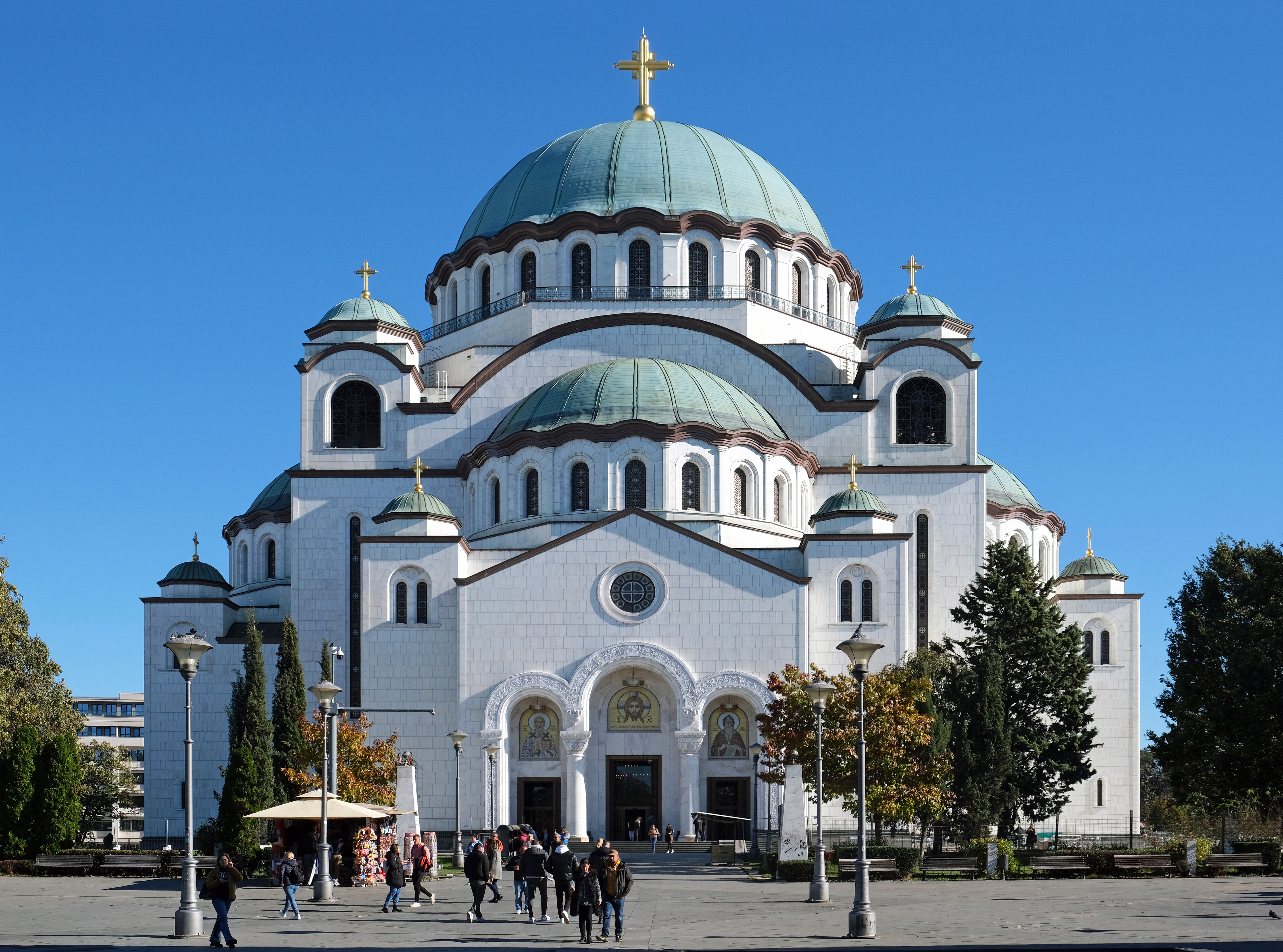 Church of Saint SavaAttraction · 1h · Free
The Church of Saint Sava is one of the largest Orthodox churches in the world, rising 70 metres above the Vračar plateau. Its white marble and granite exterior, crowned by a massive dome, dominates the Belgrade skyline. The interior features 15,000 square metres of gold-leaf mosaics completed in 2020.
 Belgrade FortressAttraction · 2h · Free
Belgrade Fortress stands at the strategic confluence of the Danube and Sava rivers, crowning the ridge of Kalemegdan. Built and rebuilt over two millennia by Romans, Byzantines, Ottomans, and Austrians, it remains the city's most powerful symbol of resilience — destroyed and reconstructed more than 40 times.
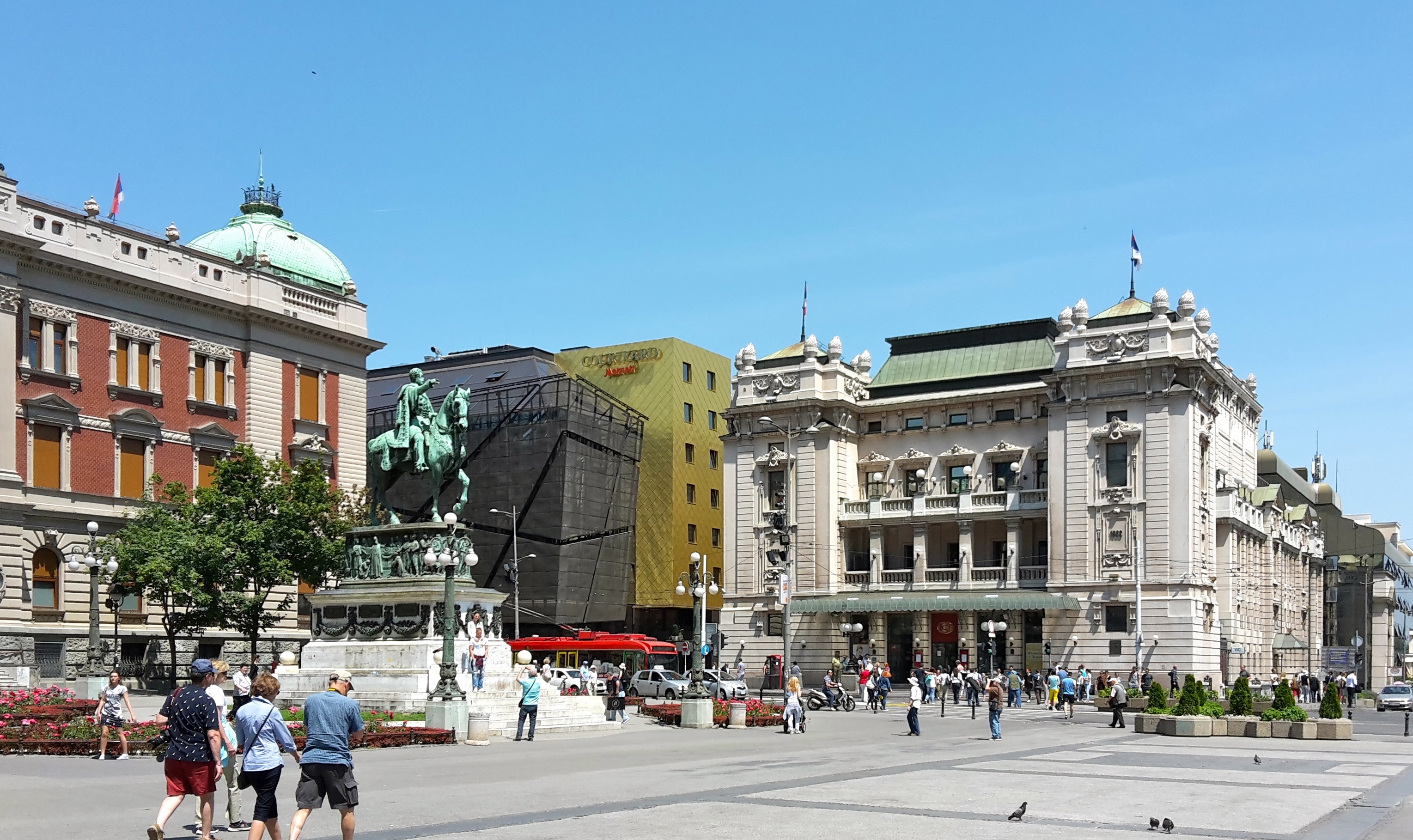 Republic SquareAttraction · 30 min · Free
Republic Square (Trg Republike) is Belgrade's central public square and the city's main meeting point. Anchored by the equestrian statue of Prince Mihailo and flanked by the National Museum and the National Theatre, it serves as the starting point for exploring the old town.
 St. Mark's ChurchAttraction · 30 min · Free
A Serbian Orthodox church built in the Serbo-Byzantine style, modelled on the Gračanica monastery..
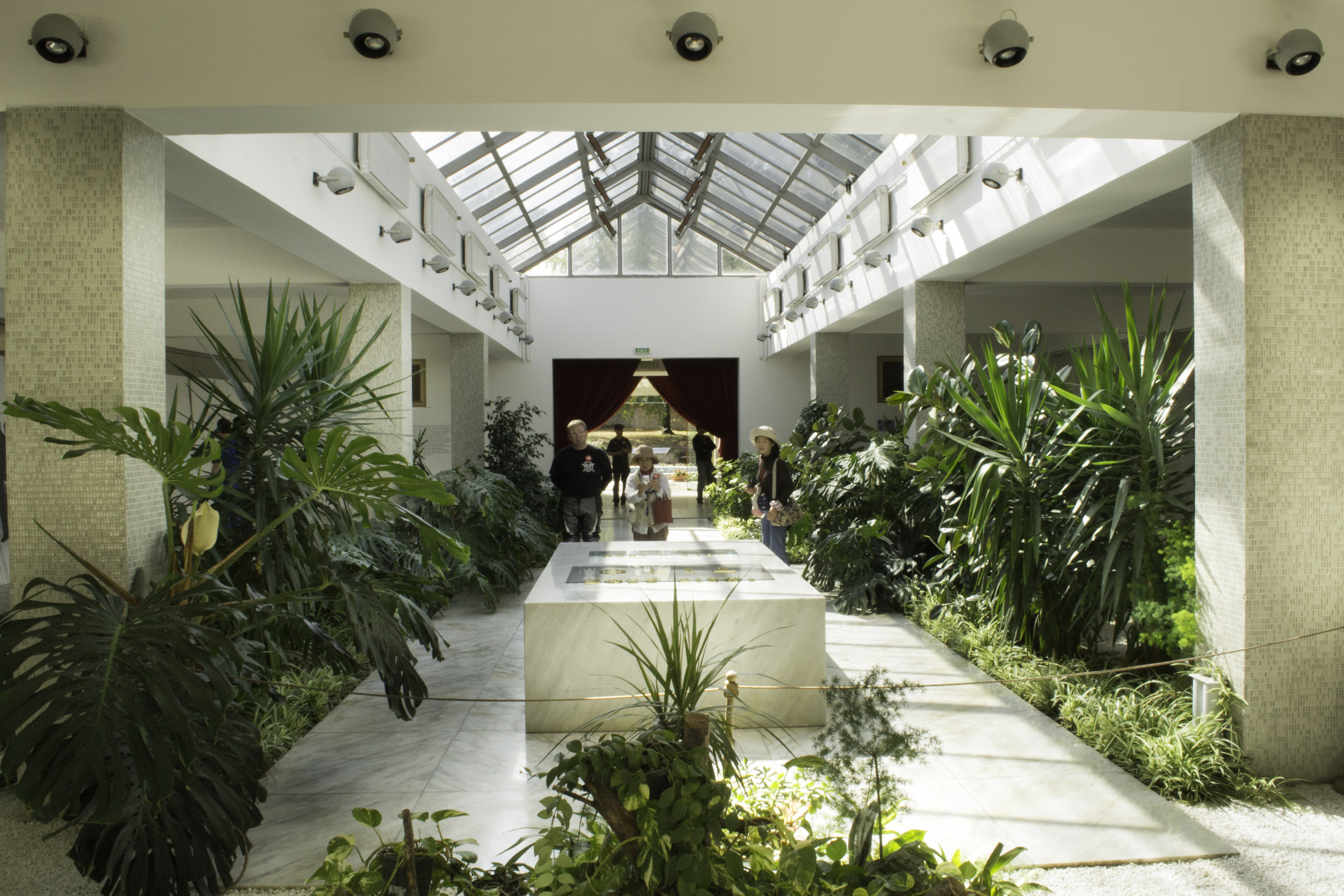 House of Flowers (Tito's Mausoleum)Attraction · 45 min · RSD500
The House of Flowers (Kuća Cveća) is the mausoleum of Josip Broz Tito, Yugoslavia's president from 1953 until his death in 1980. The modernist glass-and-concrete structure, originally Tito's winter garden, is filled with tropical plants surrounding his white marble tomb.
- Saint Mark's ChurchAttraction · 30 min · Free
Saint Mark's Church is a large Serbo-Byzantine church in Tašmajdan Park, modelled after the medieval Gračanica Monastery in Kosovo. Its striped facade of alternating red and yellow brick and stone makes it one of Belgrade's most visually distinctive buildings.
- National Theatre of BelgradeAttraction · 30 min · Free
The National Theatre of Belgrade, founded in 1869, is Serbia's premiere performing arts venue. Its elegant Renaissance Revival facade anchors the western side of Republic Square, presenting opera, ballet, and drama in a restored 620-seat auditorium.
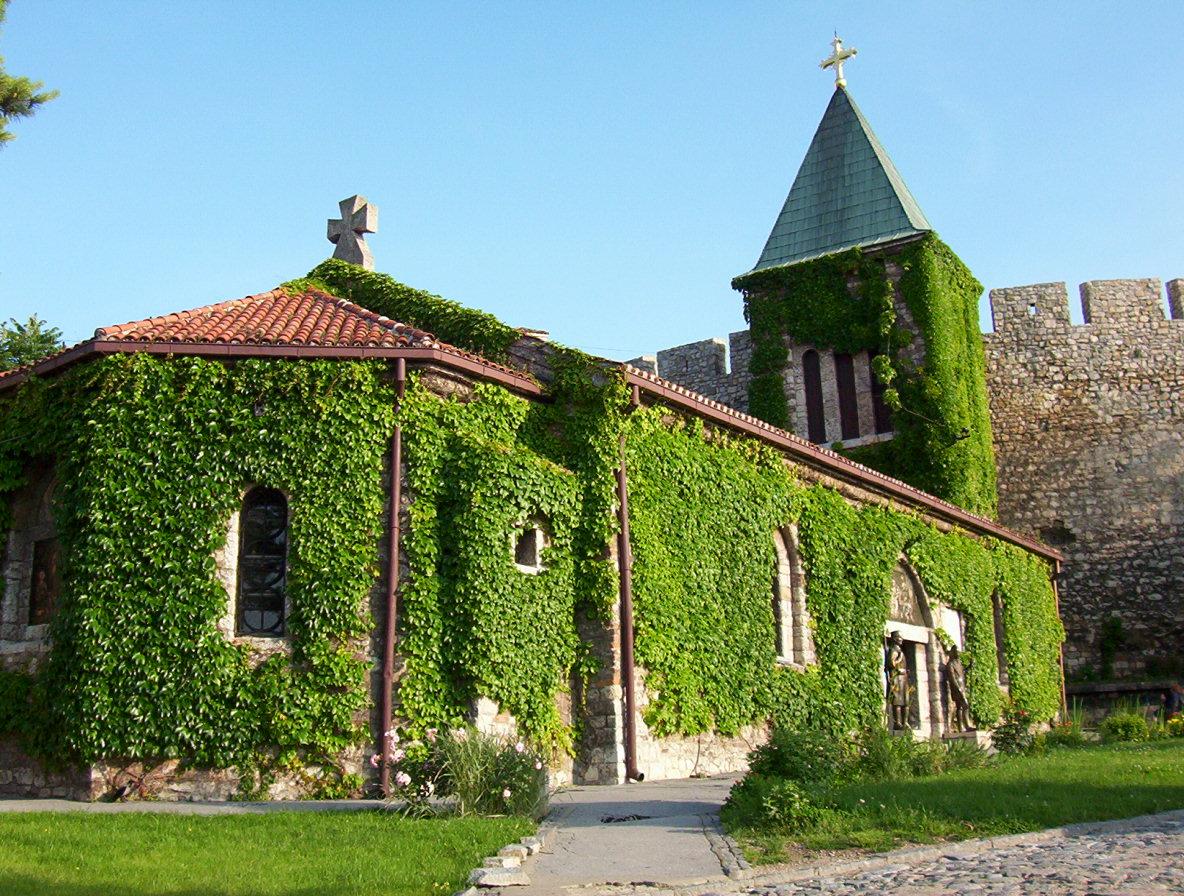 Ružica ChurchAttraction · 20 min · Free
Ružica Church (Church of the Nativity of the Virgin) is a small Orthodox chapel tucked into the walls of Belgrade Fortress. What makes it extraordinary are its chandeliers — fashioned entirely from spent bullet casings, swords, and other military hardware by soldiers during World War I.
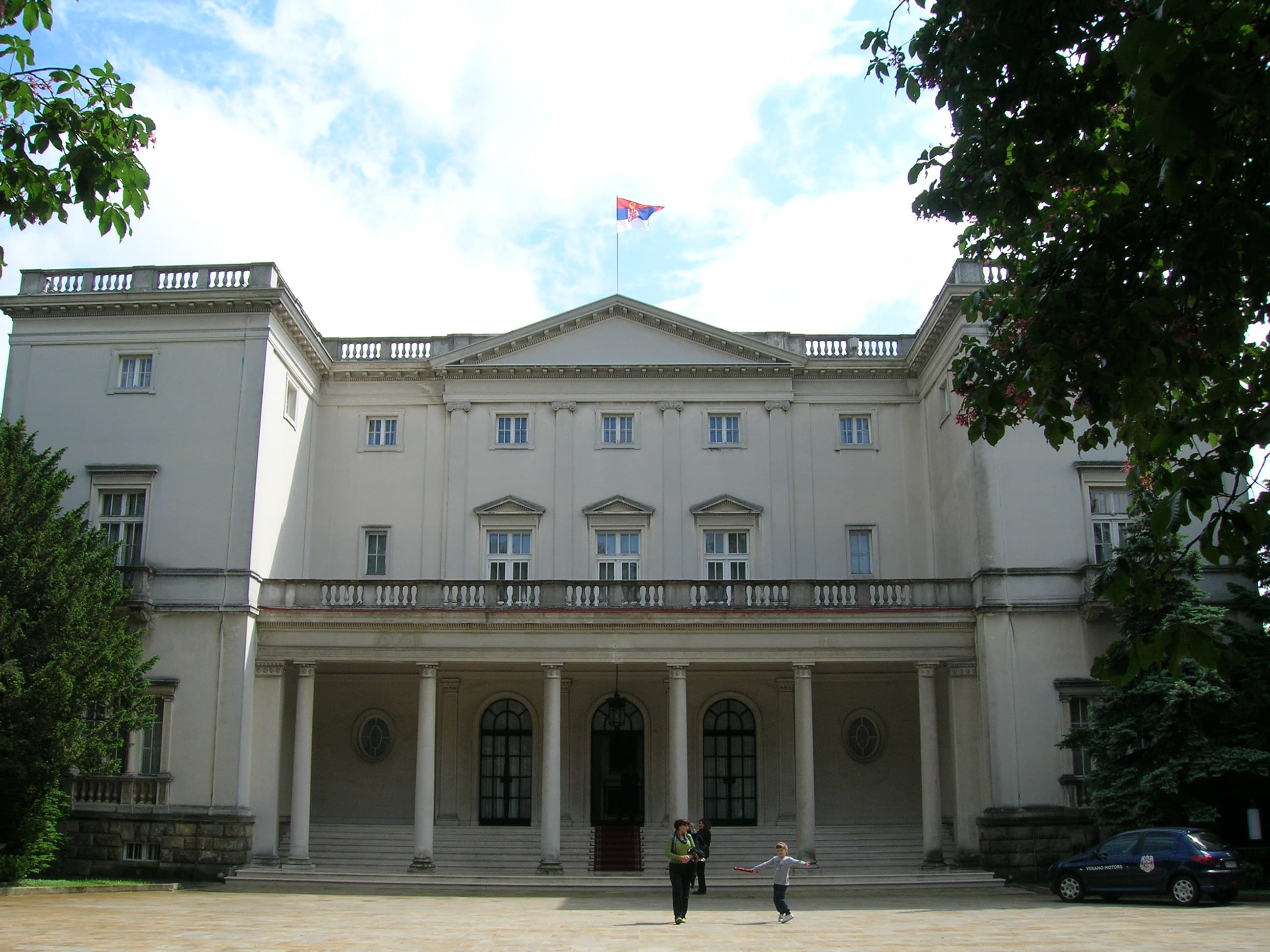 Royal Palace (Beli Dvor)Attraction · 1h · RSD1200
The White Palace (Beli Dvor) is the official residence of the Serbian royal family, the House of Karadjordjević. Set on a wooded hillside in the Dedinje neighborhood, the palace is open for guided tours that showcase its lavish interiors, including an art collection with works by Poussin, Veronese, and Bruegel.