Loading city...
Skip to main content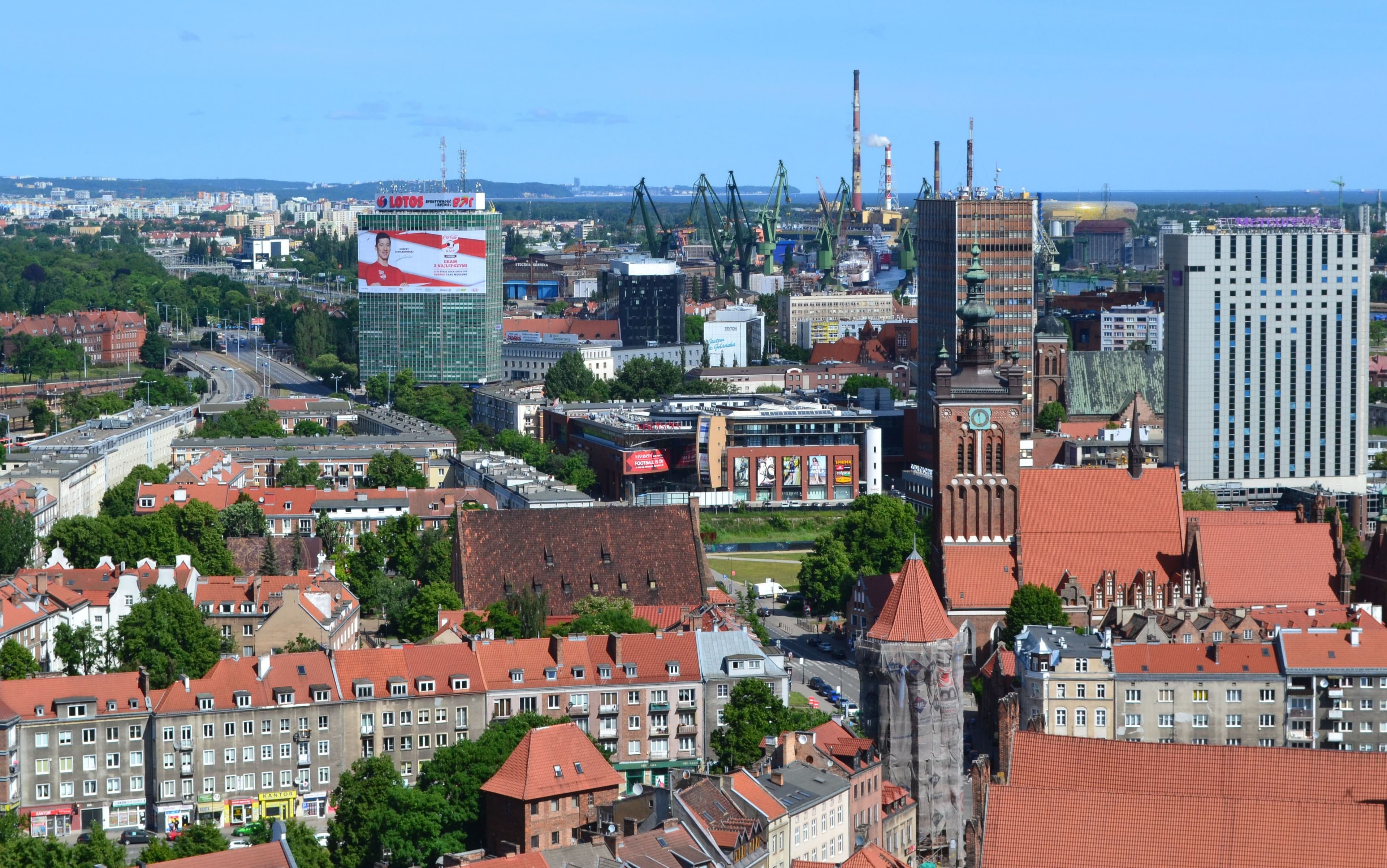
Attractions in Gdańsk
13 attractions selected in this guide.
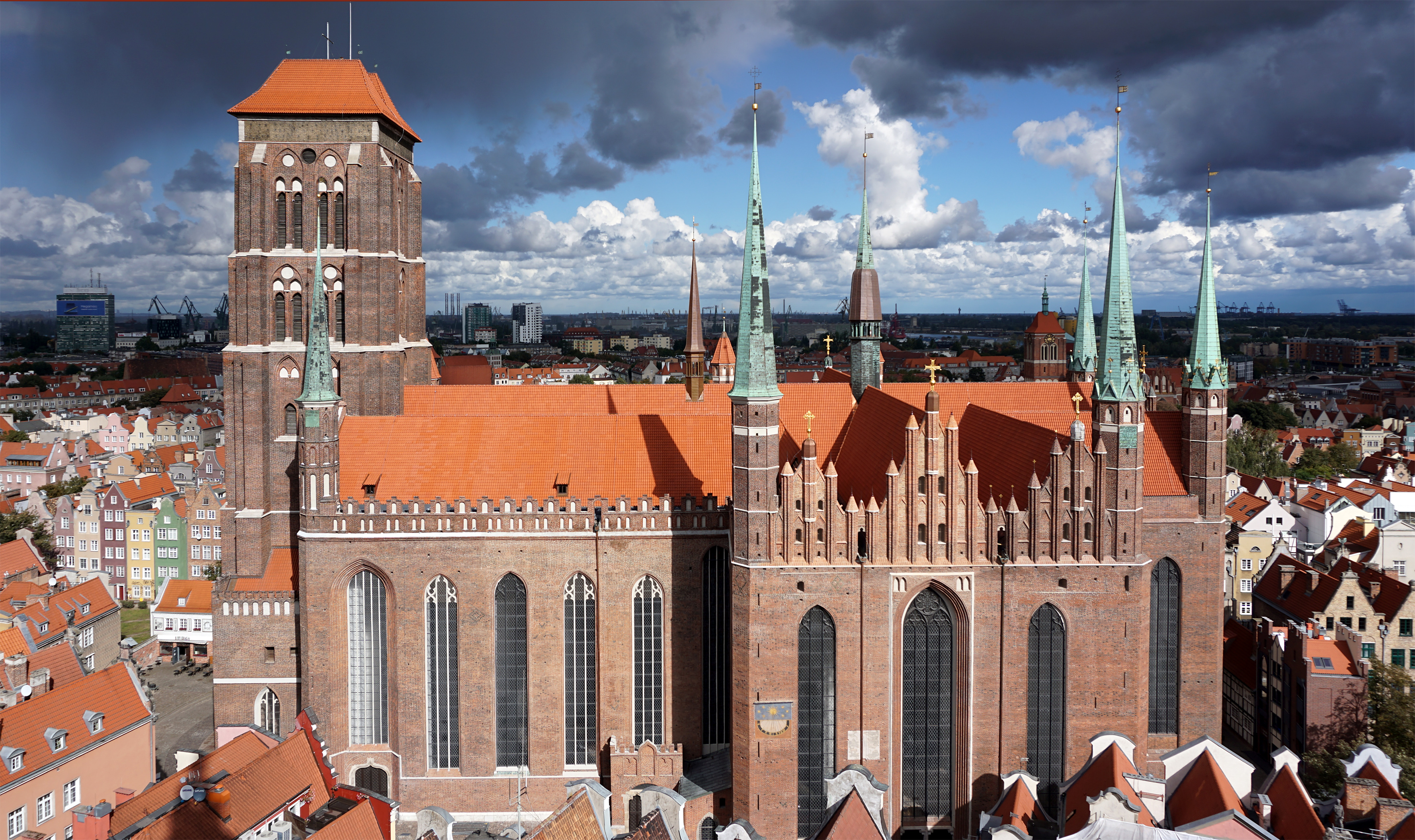 St. Mary's ChurchAttraction · 1h · 16 zł
St. Mary's Church (*Bazylika Mariacka*) is one of the largest brick churches in the world, capable of holding 25,000 worshippers. Its massive Gothic nave dominates the Gdańsk skyline and houses a stunning 15th-century astronomical clock, a monumental altarpiece, and a tower offering commanding views of the city.
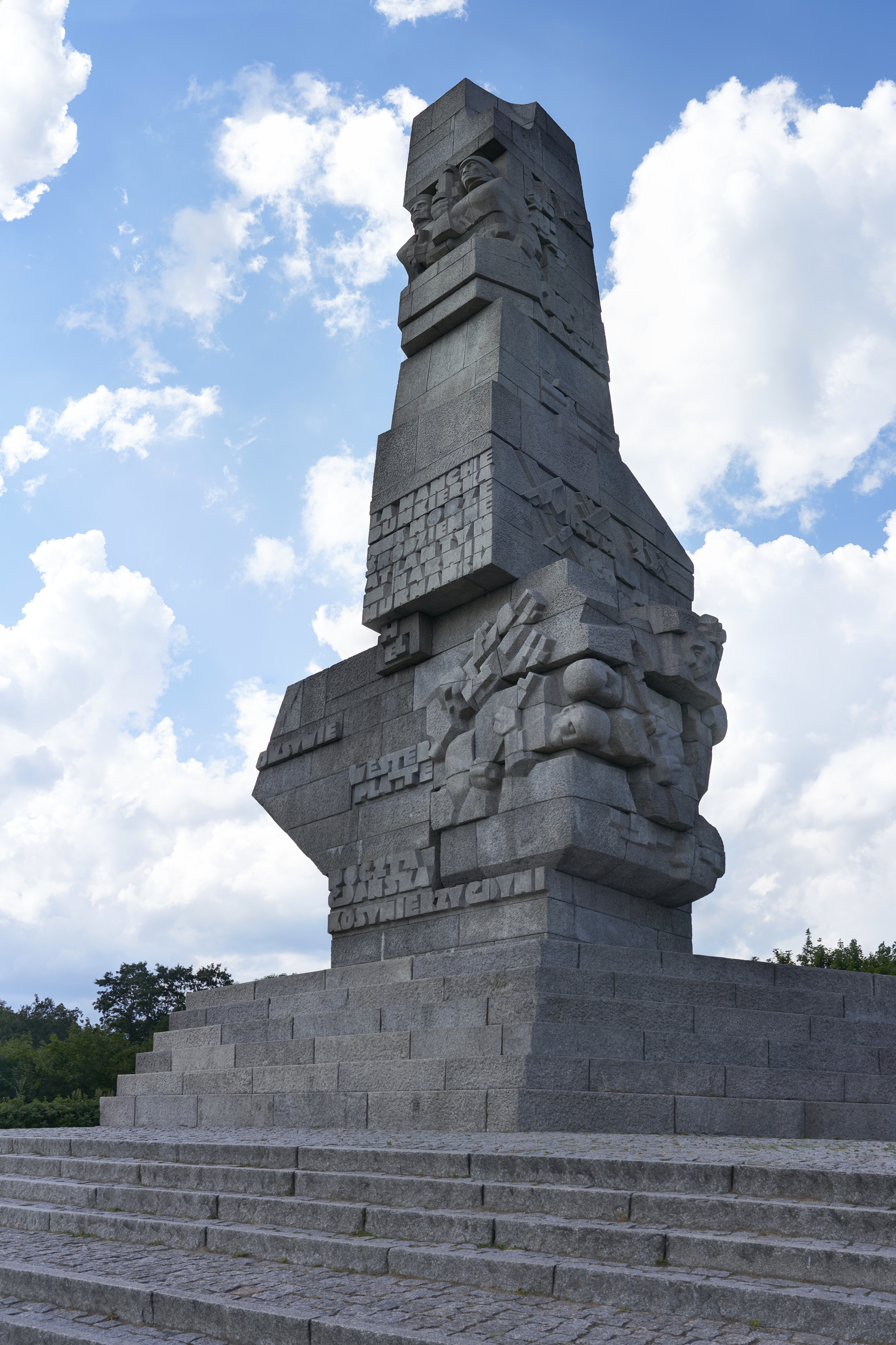 WesterplatteAttraction · 1h · Free
Westerplatte is the peninsula at the mouth of the Dead Vistula where World War II began. On 1 September 1939, the German battleship *Schleswig-Holstein* opened fire on the small Polish garrison here, marking the first military engagement of the conflict. Today, a monument and memorial park honor the 182 Polish soldiers who held out for seven days against overwhelming odds.
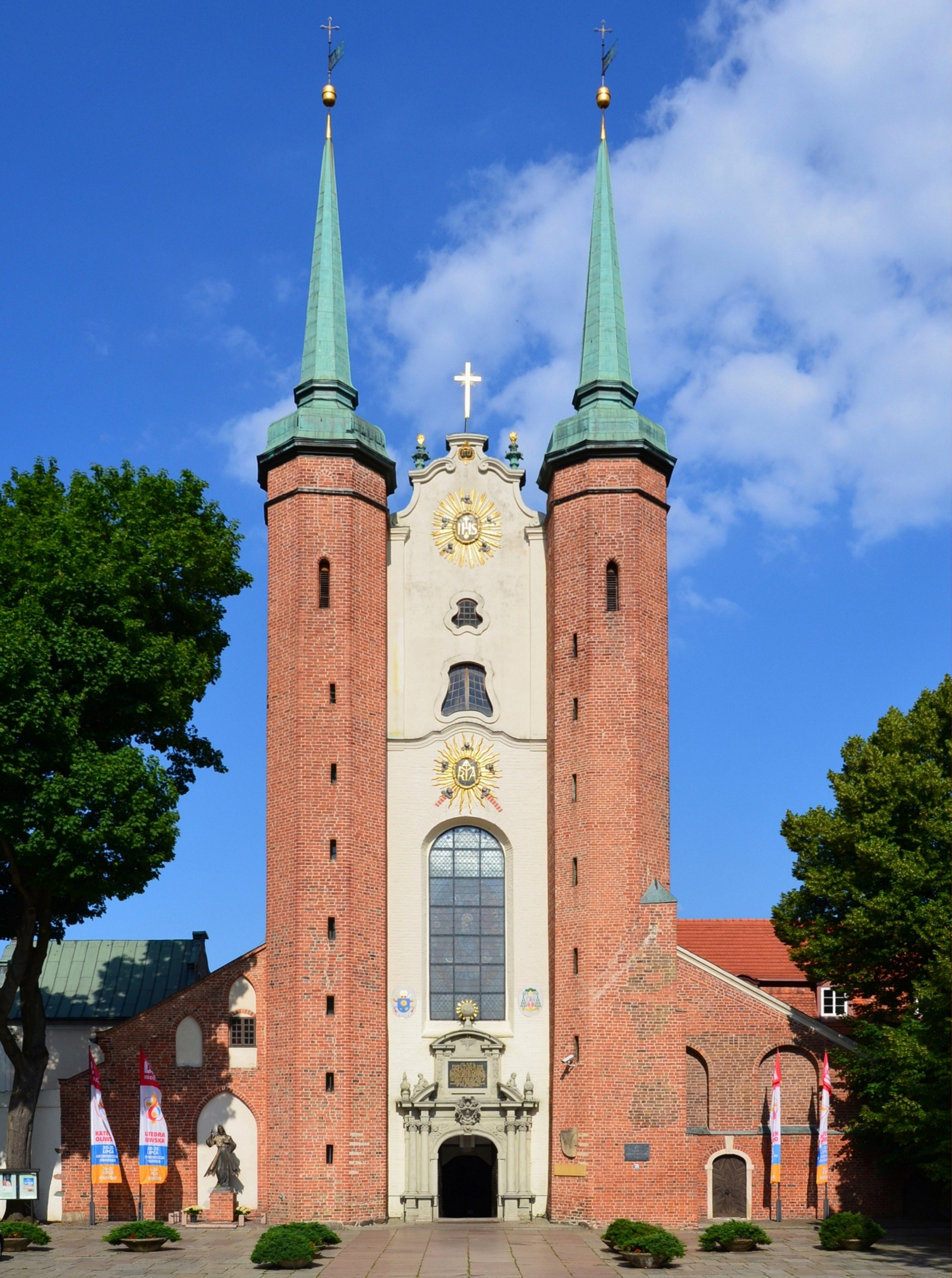 Oliwa CathedralAttraction · 45 min · Free
Oliwa Cathedral (*Katedra Oliwska*) is a medieval Cistercian church in the Oliwa district, famous for its remarkable Rococo organ with 7,876 pipes and a series of moving figures. The 107-meter-long nave makes it one of the longest churches in Poland, and its ornate Baroque interior contrasts dramatically with the austere Romanesque-Gothic exterior.
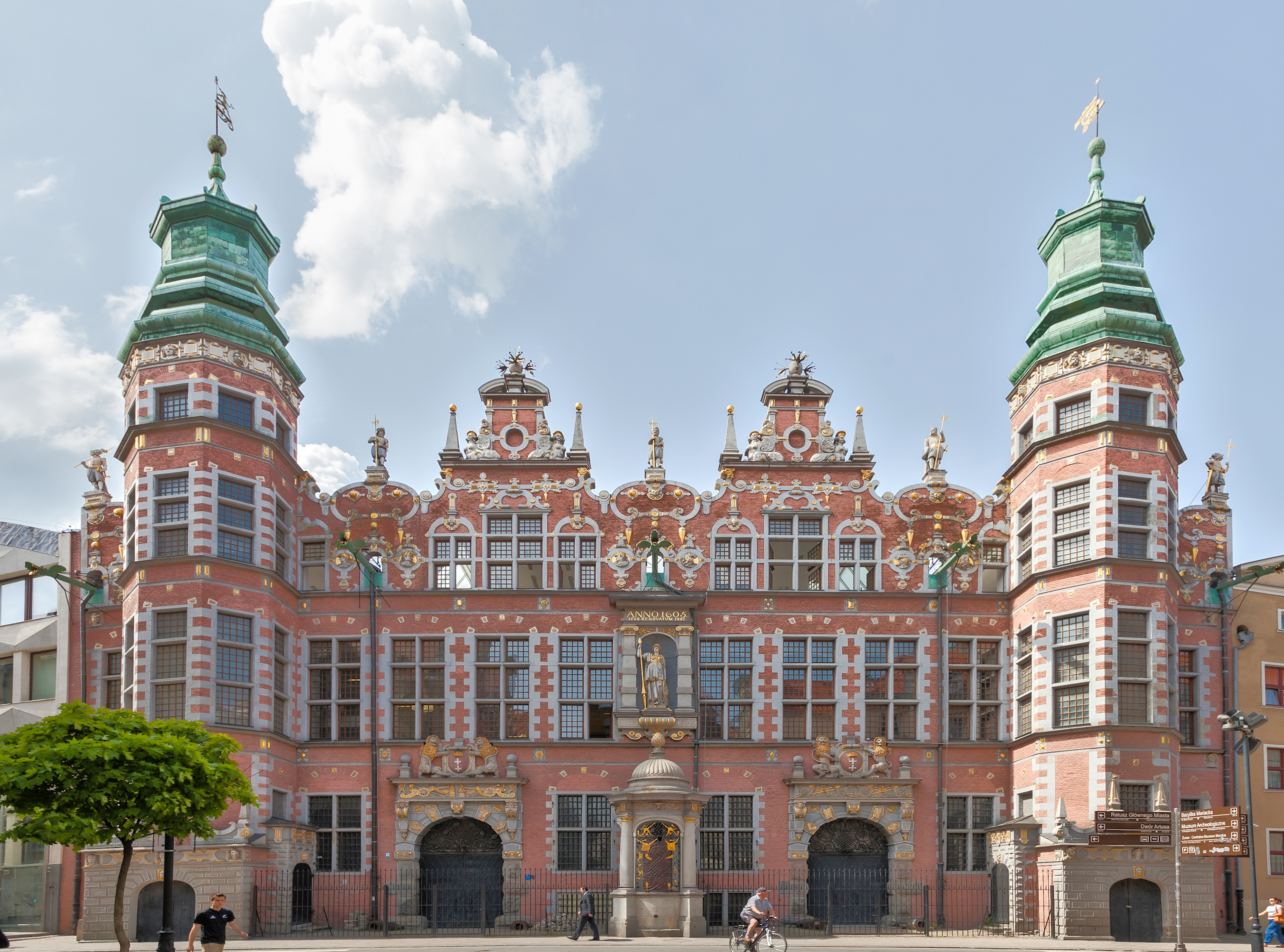 Great ArmouryAttraction · 15 min · Free
The Great Armoury (*Wielka Zbrojownia*) is one of the finest examples of Dutch Mannerist architecture outside the Netherlands. Built between 1600 and 1609, this lavishly decorated arsenal building served as an arms depot and military warehouse for the Free City of Gdańsk.
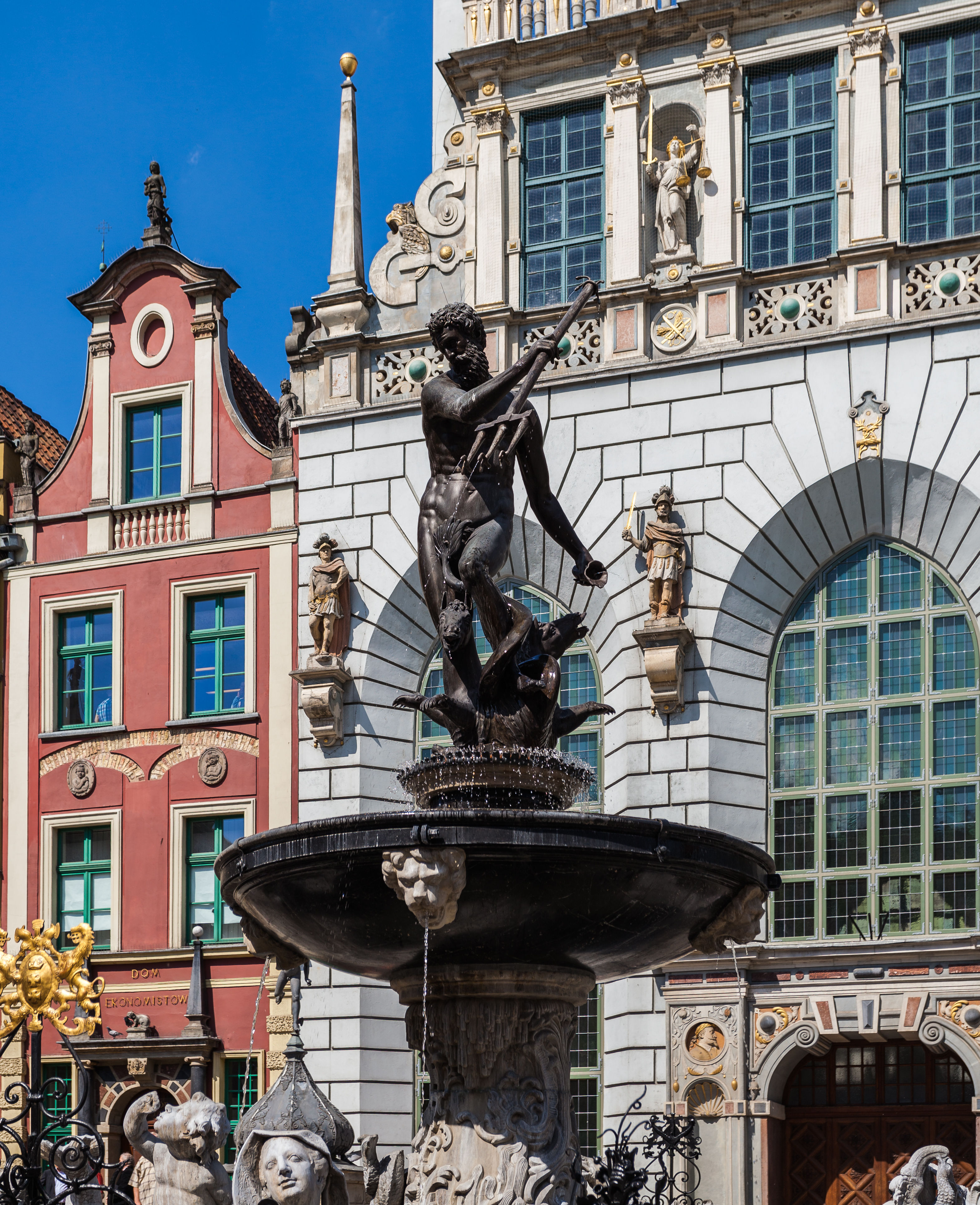 Neptune FountainAttraction · 15 min · Free
The Neptune Fountain (*Fontanna Neptuna*) is Gdańsk's most iconic symbol, standing before Artus Court on the Long Market since 1633. The bronze figure of Neptune, god of the sea, clutches a trident and presides over the city's central square — a fitting emblem of Gdańsk's maritime identity.
 Golden GateAttraction · 15 min · Free
The Golden Gate (*Złota Brama*) marks the western entrance to Gdańsk's Royal Way. Built in 1612–1614 in a Dutch Mannerist style, the gate features sculpted allegories of Peace, Freedom, Wealth, and Fame on one side, and Harmony, Justice, Piety, and Prudence on the other — embodying the civic ideals of the Free City.
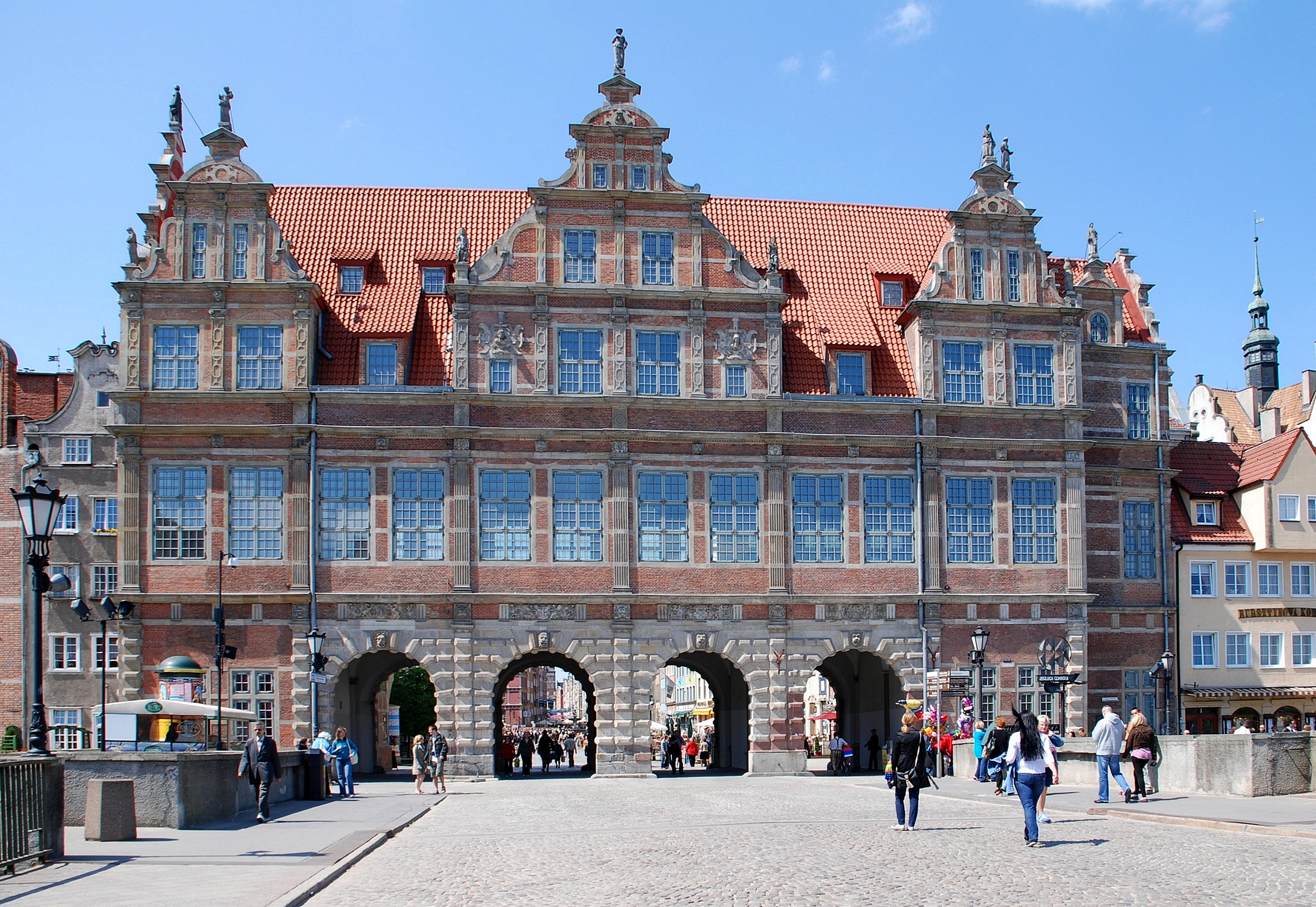 Green GateAttraction · 20 min · Free
The Green Gate (*Brama Zielona*) is a Renaissance palace-gate straddling the eastern end of the Long Market, built between 1564 and 1568 as a residence for visiting Polish kings. Its four arches frame the view of the Motława River and serve as the traditional start of the waterfront promenade.
 St. Catherine's ChurchAttraction · 30 min · Free
St. Catherine's Church (*Kościół św. Katarzyny*) is the oldest parish church in Gdańsk, founded in the 1220s. Its 76-meter tower houses a carillon of 50 bells and functioning tower clock, and the church interior features notable Gothic and Baroque elements alongside its memorial role as a burial place of the astronomer Johannes Hevelius.
 Gdańsk Shakespeare TheatreAttraction · 1h · 40 zł
The Gdańsk Shakespeare Theatre (*Teatr Szekspirowski*) is a modern performance venue with a unique retractable roof, designed to honor the city's historical connection to English Elizabethan theatre. Opened in 2014, it hosts an annual Shakespeare Festival and year-round performances from classical drama to contemporary work.
 Solidarity Monument (Three Crosses)Attraction · 15 min · Free
The Solidarity Monument (*Pomnik Poległych Stoczniowców*), commonly known as the Three Crosses Monument, commemorates the 42 workers killed during the December 1970 protests against the communist government. Three towering steel crosses, each 42 meters tall, stand near the shipyard gate as a powerful symbol of sacrifice and resistance.
 Gdańsk Shipyard Gate No. 2Attraction · 20 min · Free
Gate No. 2 of the Gdańsk Shipyard (*Brama nr 2 Stoczni Gdańskiej*) is one of the most symbolically charged sites in modern European history. It was here, in August 1980, that striking workers gathered and Lech Wałęsa climbed the fence to join them, launching the Solidarity movement that ultimately contributed to the fall of the Iron Curtain.
 St. Bridget's ChurchAttraction · 30 min · 6 zł
St. Bridget's Church (*Kościół św. Brygidy*) served as the spiritual base of the Solidarity movement in the 1980s, offering sanctuary to striking workers and opposition activists under the protection of Father Henryk Jankowski. The church is known for its remarkable amber altar and contemporary art installations.
 Stągiewny BridgeAttraction · 15 min · Free
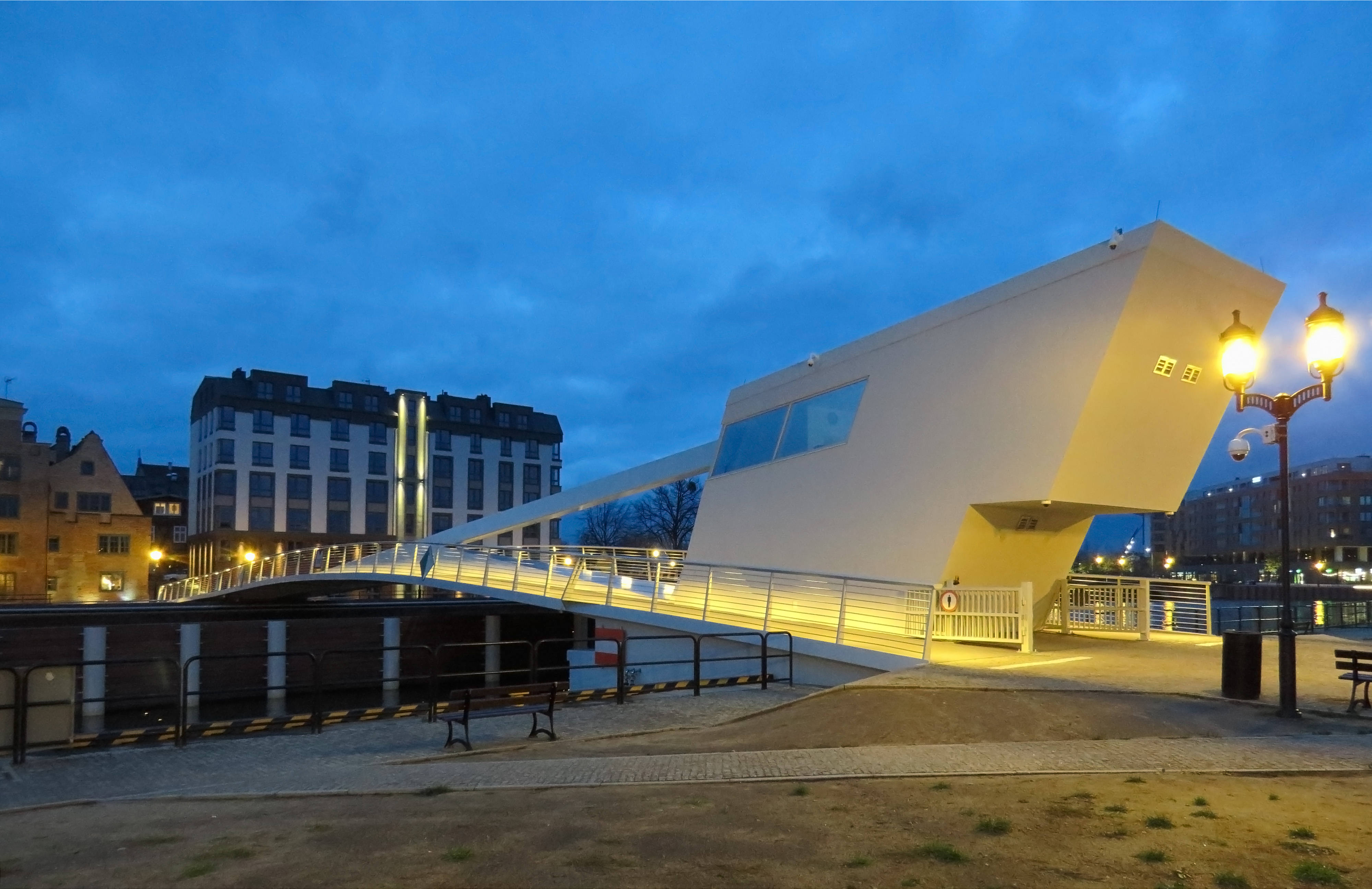
The Stągiewna Island Footbridge is a modern rotating pedestrian bridge connecting the Main Town to the regenerated Granary Island (Wyspa Spichrzów). When large boats need to pass, the 21-meter bridge rotates 90 degrees — a small but entertaining piece of engineering that draws onlookers.