Loading city...
Skip to main content
Museums in Bergen
13 museums selected in this guide.
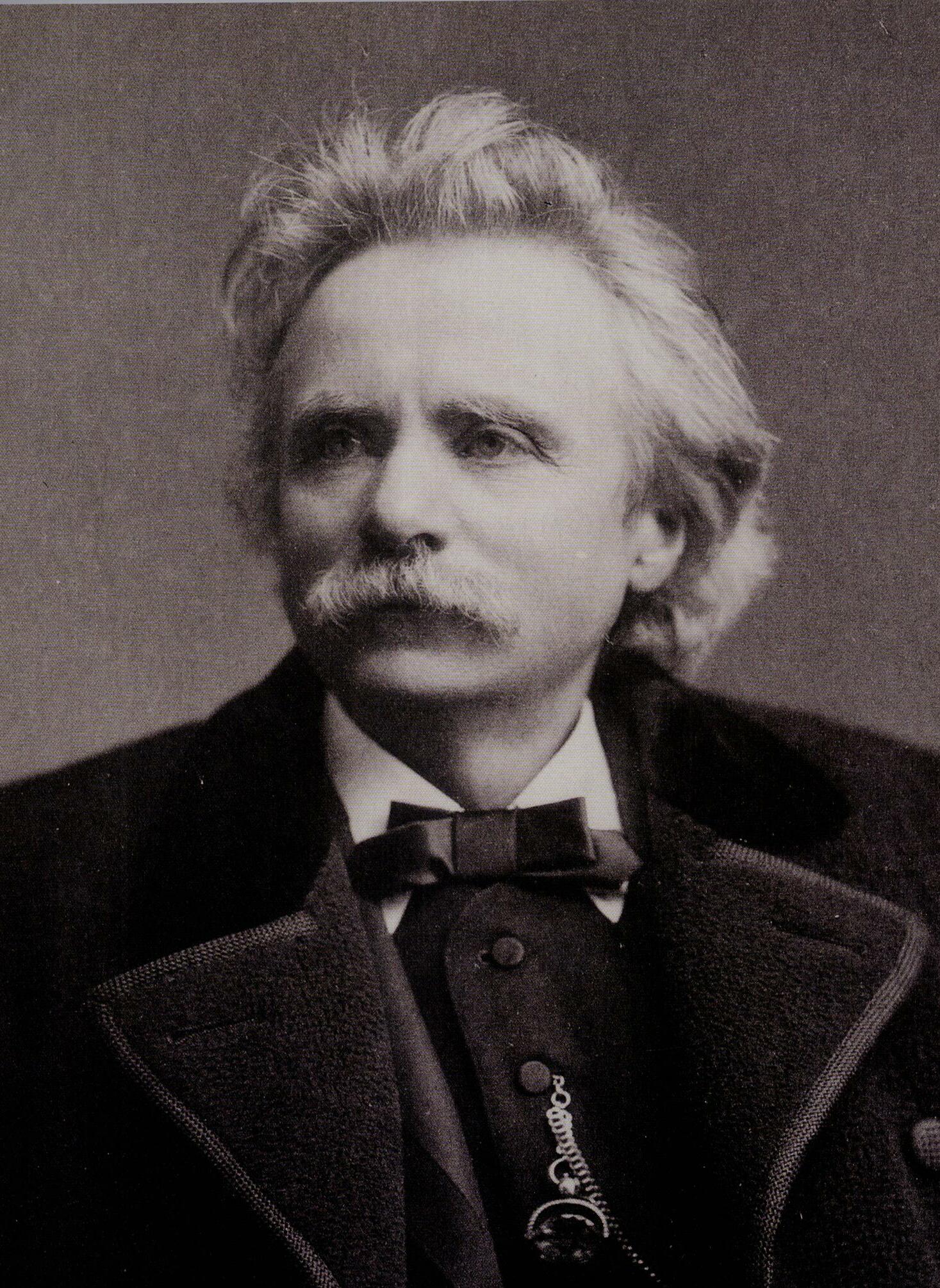 Edvard Grieg Museum TroldhaugenMuseum · 1.5h · 200 kr
Troldhaugen ('Hill of Trolls') is the former lakeside home of Norway's most celebrated composer, Edvard Grieg. The beautifully preserved villa, his composing hut, and a purpose-built concert hall in the garden make this one of Bergen's most atmospheric cultural attractions.
 University Museum of Bergen – Natural HistoryMuseum · 1.3h · 100 kr
The University Museum of Bergen – Natural History (Universitetsmuseet) combines geological, botanical, and zoological collections with one of Norway's oldest botanical gardens. Situated on the slopes below Fjellveien, it is a peaceful year-round attraction.
 Old Bergen Museum (Gamle Bergen)Museum · 1.5h · 130 kr
Gamle Bergen (Old Bergen Museum) is an open-air museum consisting of around 55 relocated wooden houses arranged as a small 18th- and 19th-century town. Costumed guides lead visitors through period-furnished interiors, recreating daily life in old Bergen.
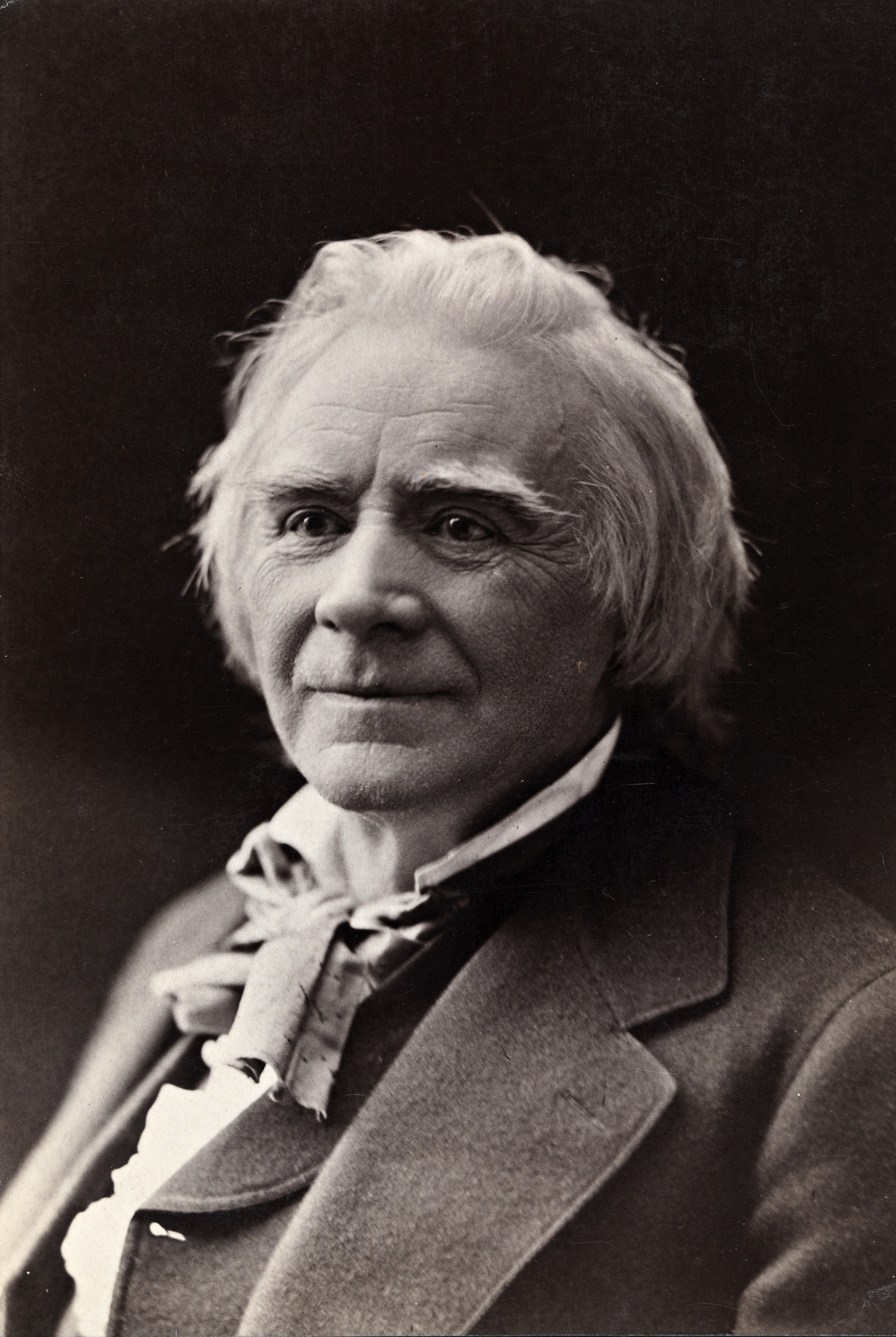 Lysøen – Ole Bull's VillaMuseum · 2.5h · 100 kr
Lysøen is a fairy-tale villa on a small island south of Bergen, the former summer home of 19th-century violin virtuoso Ole Bull. The ornate Moorish-inspired wooden mansion and its surrounding forest trails make this one of the most unusual cultural destinations near Bergen.
- Bergen Maritime MuseumMuseum · 1.3h · 100 kr
The Bergen Maritime Museum (Sjøfartsmuseet) traces the city's deep connection to the sea from the Viking Age to modern container shipping. The permanent exhibition includes ship models, navigational instruments, and reconstructed ship-captain's quarters.
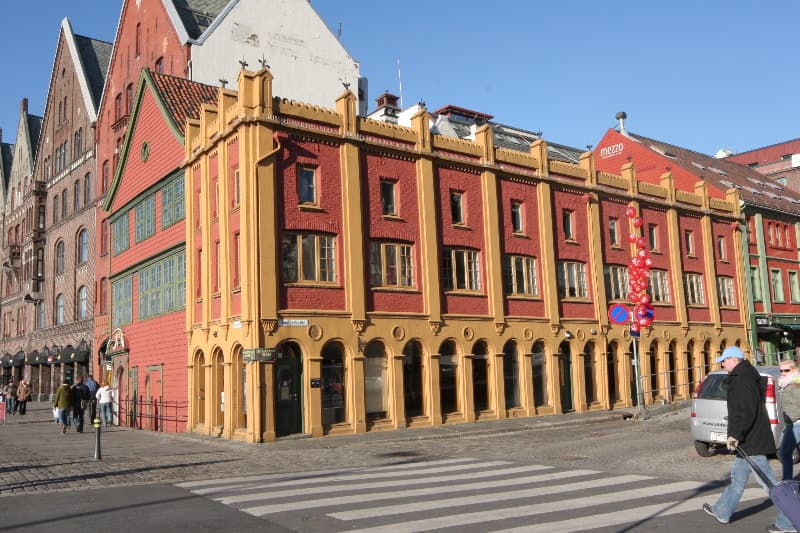 Hanseatic Museum and SchøtstueneMuseum · 1.3h · 150 kr
The Hanseatic Museum and Schøtstuene occupy original merchant quarters on the Bryggen wharf, offering an intimate look at how German Hanseatic traders lived and worked in Bergen from the 14th to 18th centuries. Schøtstuene, the assembly rooms, sit a few minutes' walk away and were the only heated social spaces merchants were permitted to use.
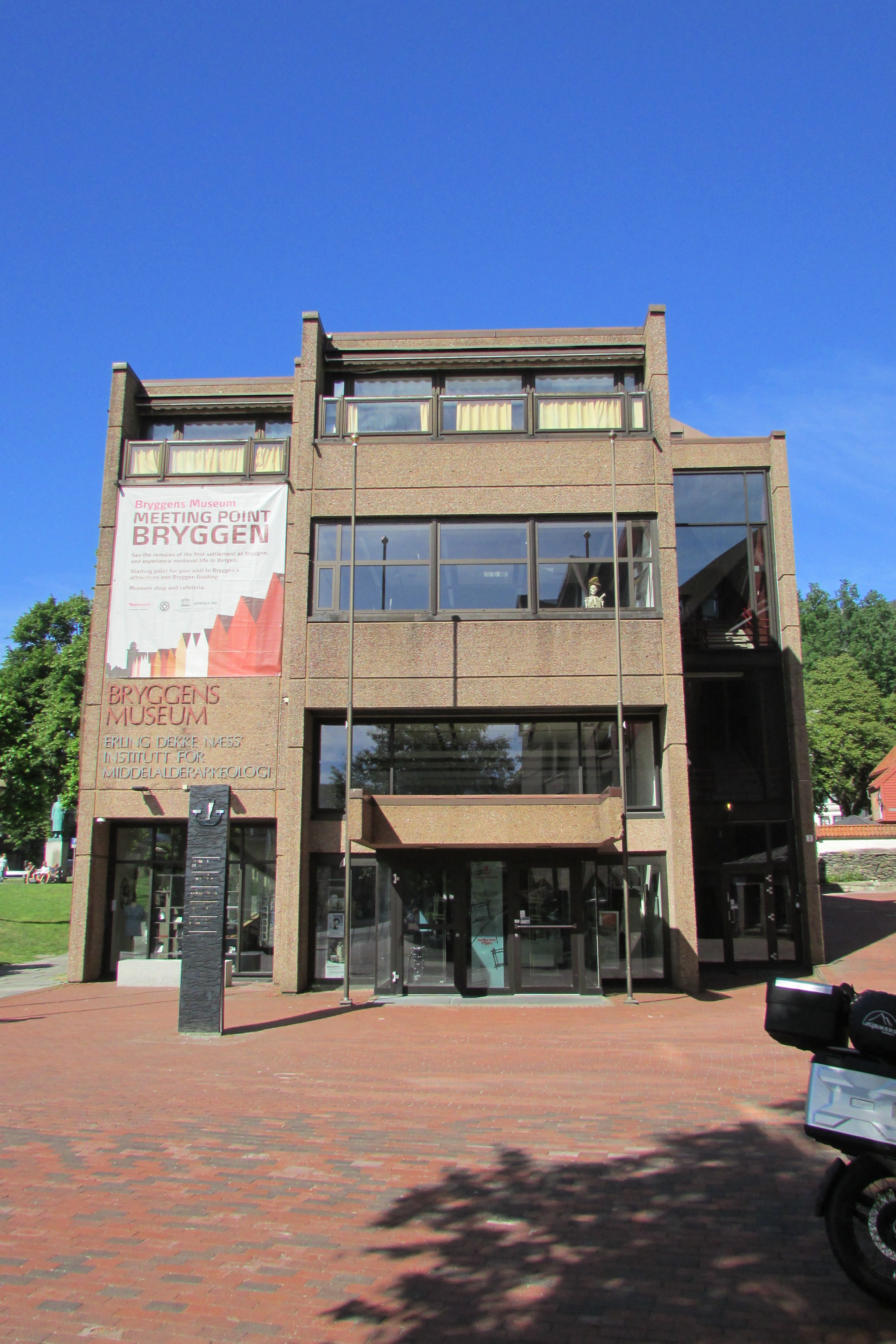 Bryggens MuseumMuseum · 1h · 170 kr
Bryggens Museum sits directly below the Bryggen wharf, built on top of the site where major archaeological excavations took place from 1955 to 1972. The museum displays medieval artefacts — rune sticks, shoes, tools, and jewellery — recovered during excavations that revealed Bergen was one of the largest cities in medieval Scandinavia.
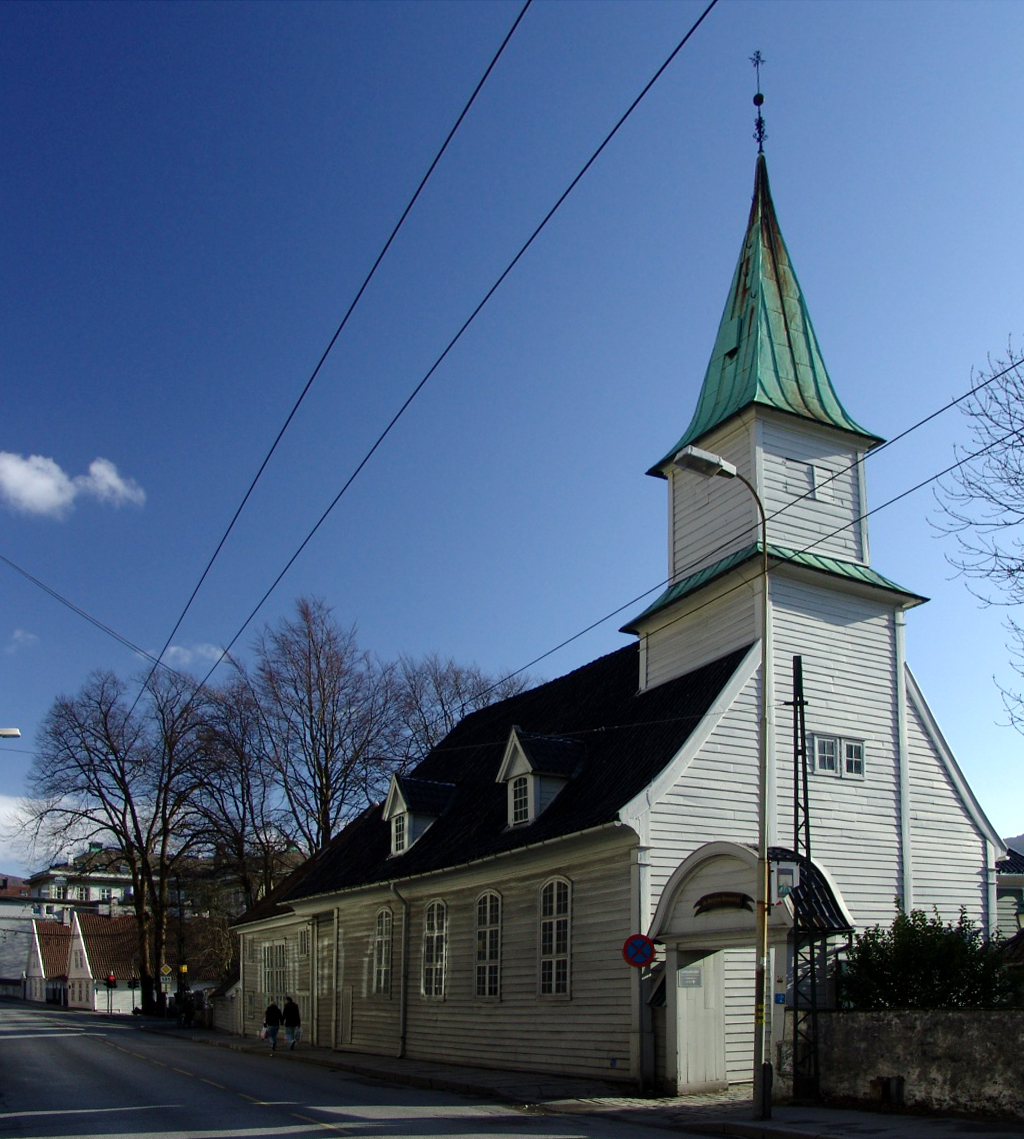 Leprosy Museum (Lepramuseet)Museum · 45 min · 100 kr
The Leprosy Museum (Lepramuseet) occupies the former St. George's Hospital, where Norwegian physician Gerhard Henrik Armauer Hansen identified the bacterium that causes leprosy in 1873. It is the only museum in Northern Europe dedicated to the history of leprosy.
 KODE 1 – PermanentenMuseum · 1.3h · 200 kr
KODE 1 (also known as Permanenten) is the decorative-arts branch of Bergen's KODE art-museum complex. Housed in a grand 1896 building on the shore of Lille Lungegårdsvann, it showcases Norwegian and international craft, design, and silverwork spanning several centuries.
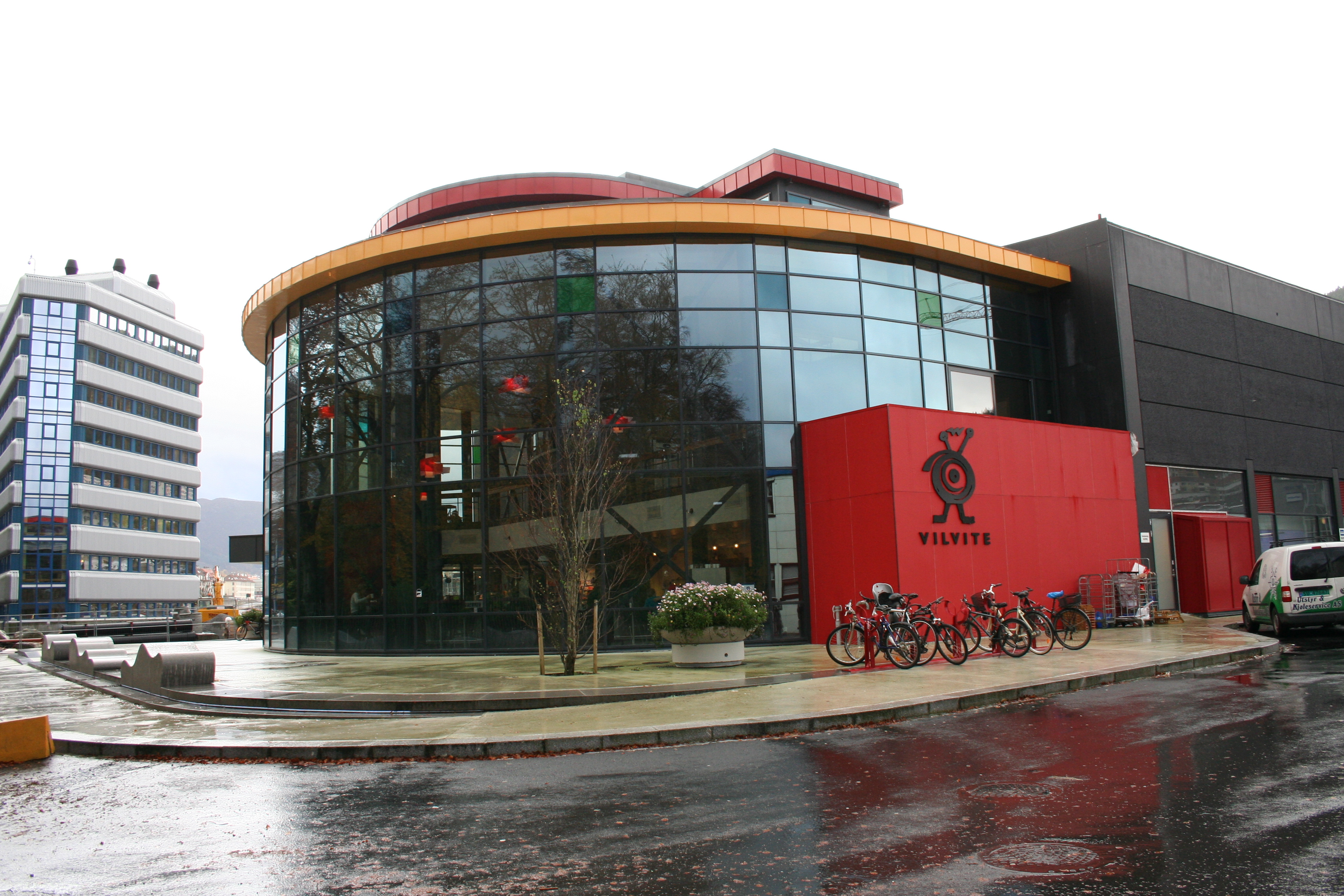 VilVite Bergen Science CentreMuseum · 2h · 260 kr
VilVite is Bergen's hands-on science centre with over 100 interactive exhibits spanning weather, energy, the human body, and the physics of everyday life. It also houses Western Norway's only public planetarium.
 KODE 2 – Stenersen CollectionMuseum · 1h · 200 kr
KODE 2 houses the Stenersen Collection, an important body of Norwegian and international modernist art donated by businessman Rolf Stenersen. The museum occupies a functionalist 1930s building overlooking Lille Lungegårdsvann lake.
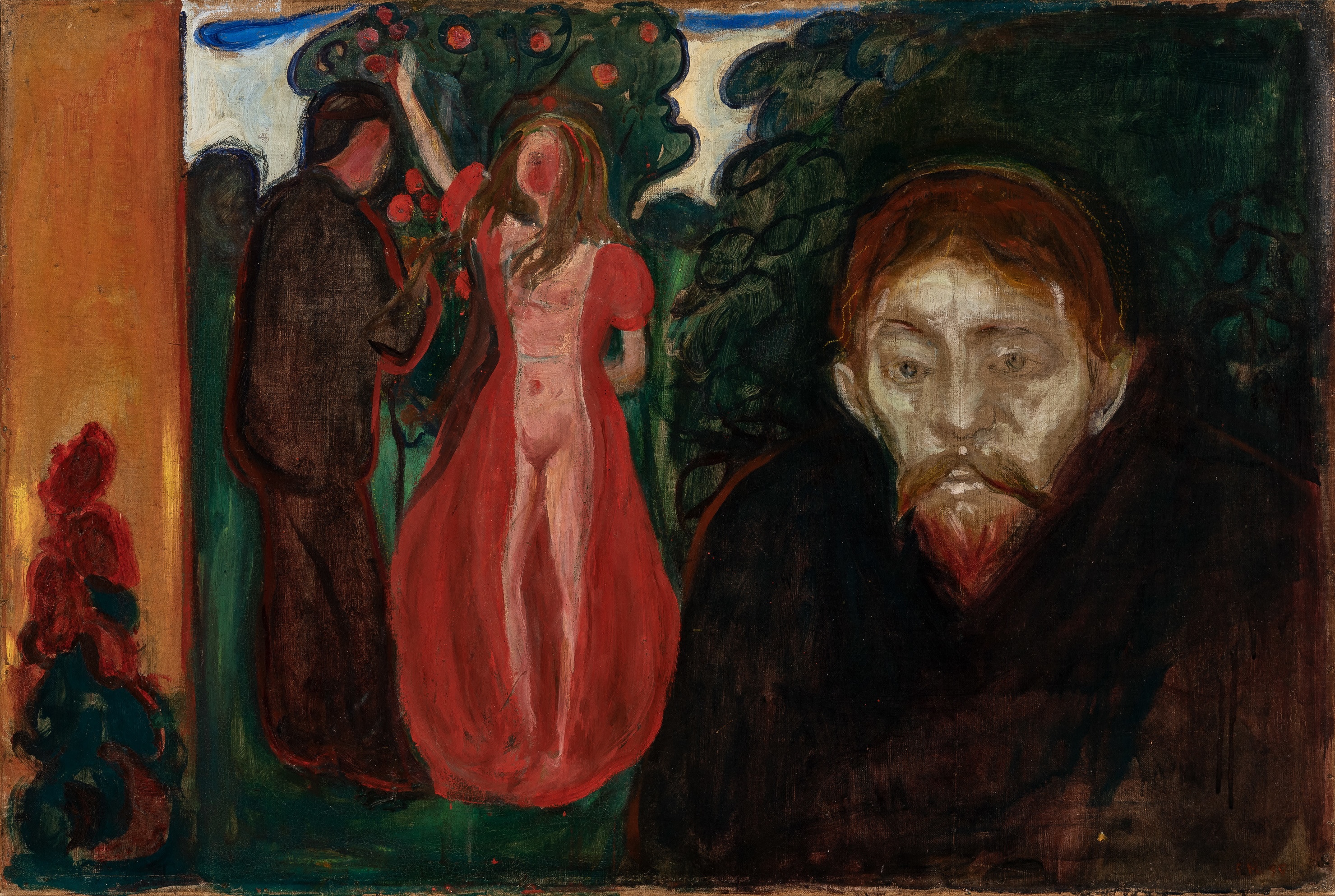 KODE 3 – Rasmus Meyer CollectionMuseum · 1.5h · 200 kr
KODE 3 is home to the Rasmus Meyer Collection, widely regarded as the finest collection of Norwegian art from the Romantic period to early Modernism. It holds an outstanding group of Edvard Munch paintings as well as landscapes by J.C. Dahl, Harriet Backer, and Nikolai Astrup.
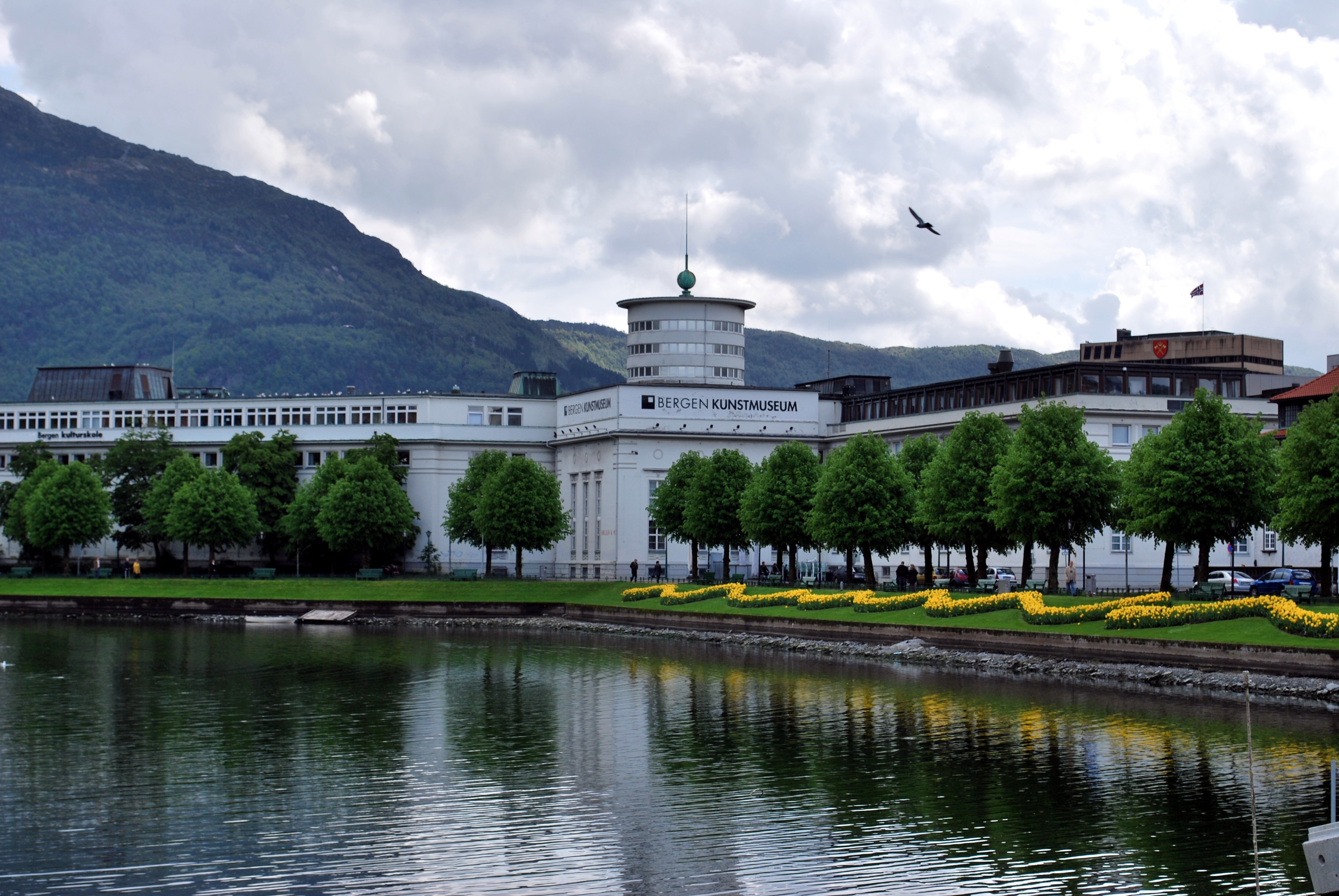 KODE 4 – LysverketMuseum · 1.5h · 200 kr
KODE 4 occupies the former Bergen Lysverket (electricity works) building and is the largest of the four KODE venues. It presents art from the 13th century to the present day, including a strong collection of international modernism and a children's art wing.