Loading city...
Skip to main content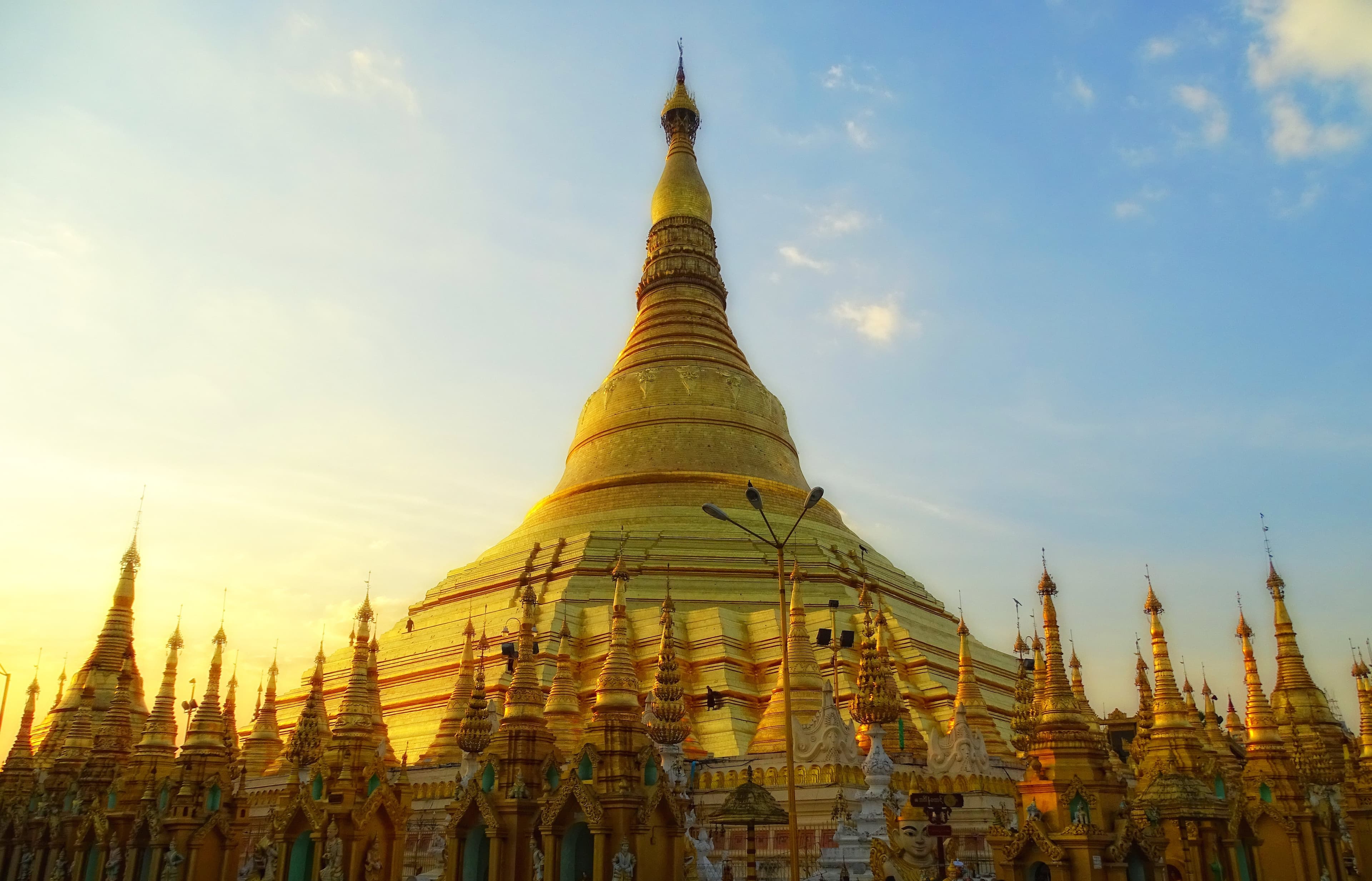
Attractions in Yangon
20 attractions selected in this guide.
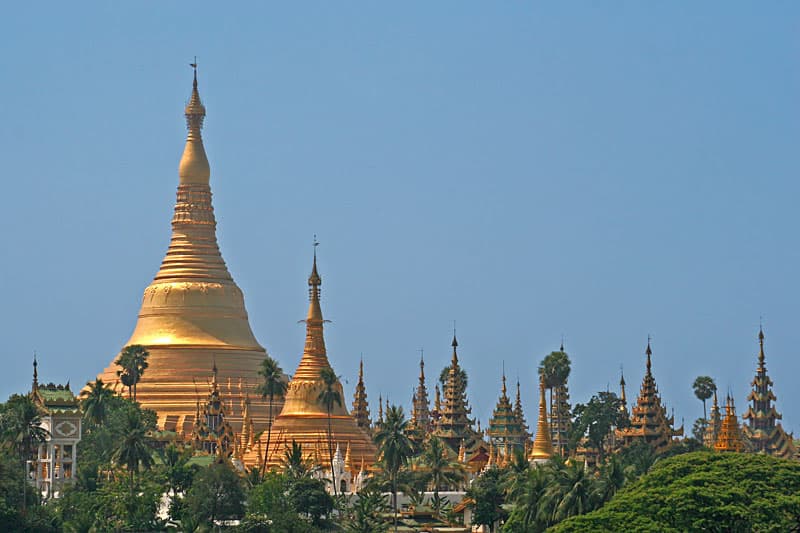
- Shwedagon PagodaAttraction · 2h · MMK20000
The Shwedagon Pagoda is Myanmar's most sacred Buddhist site and Yangon's defining landmark. Rising 99 metres above Singuttara Hill, its main stupa is covered in hundreds of gold plates and crowned by a diamond-encrusted hti (umbrella) studded with over 7,000 precious stones. The pagoda is believed to enshrine relics of the four previous Buddhas, making it over 2,500 years old by tradition.
 Yangon University Campus WalkAttraction · 1h · Free
Historic university campus with British-era brick buildings and the hall where Aung San formed the independence movement..
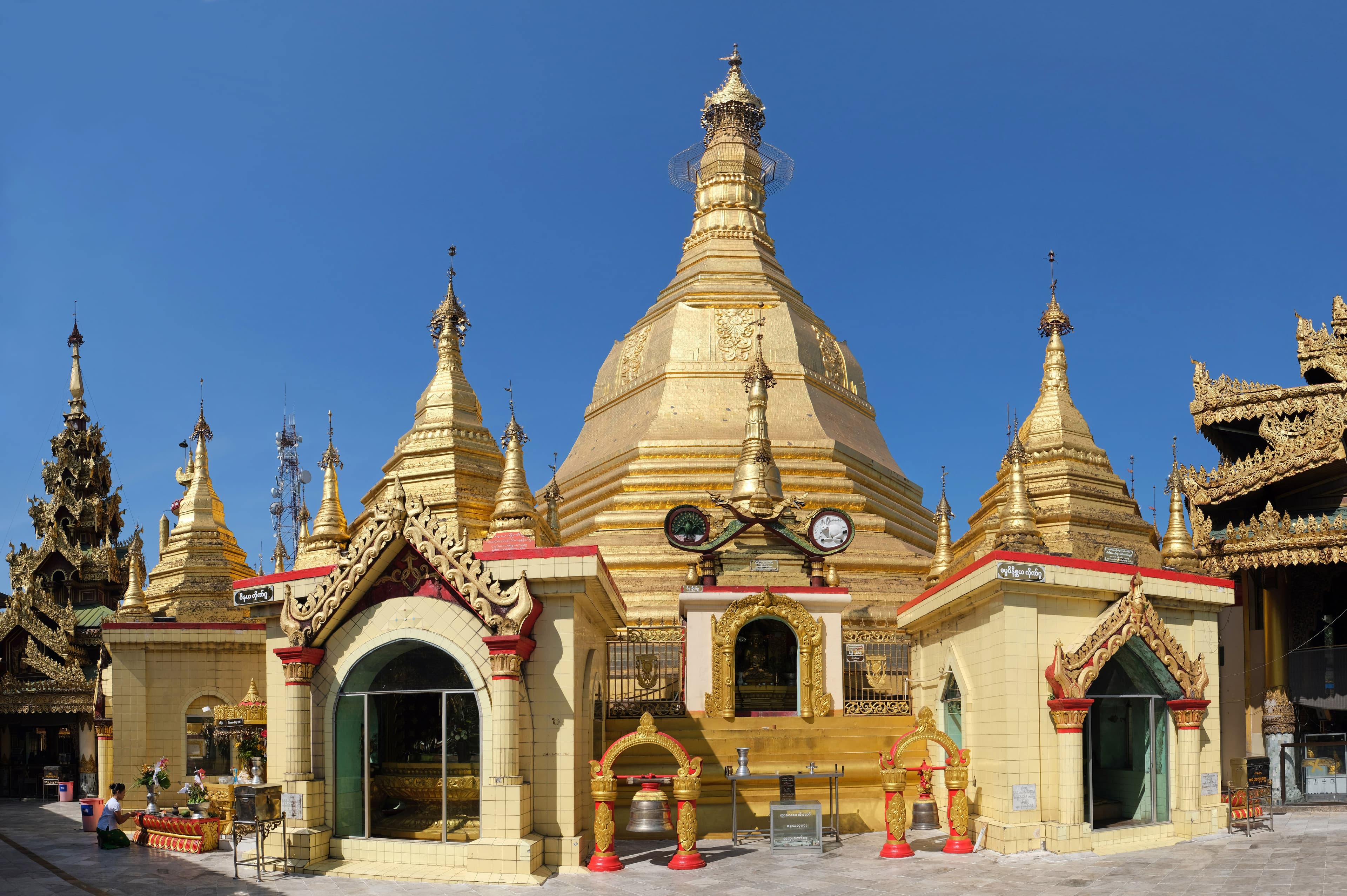 Sule PagodaAttraction · 45 min · MMK3000
Sule Pagoda is a 2,600-year-old stupa that anchors the very centre of Yangon's grid-planned downtown. Its distinctive octagonal shape extends upward uninterrupted from the base, making it architecturally unique among Myanmar's pagodas. It serves as both a spiritual site and a geographic reference point — the city's road system radiates from the roundabout encircling it.
- Maha Wizaya PagodaAttraction · 30 min · Free
Maha Wizaya Pagoda was built in 1980 to commemorate the unification of all Theravada Buddhist orders in Myanmar. Located just south of Shwedagon on Dhammazedi Road, it is distinctive for its hollow interior featuring a painted ceiling that resembles a lush tropical forest canopy. The pagoda was a personal project of the country's then-head of state.
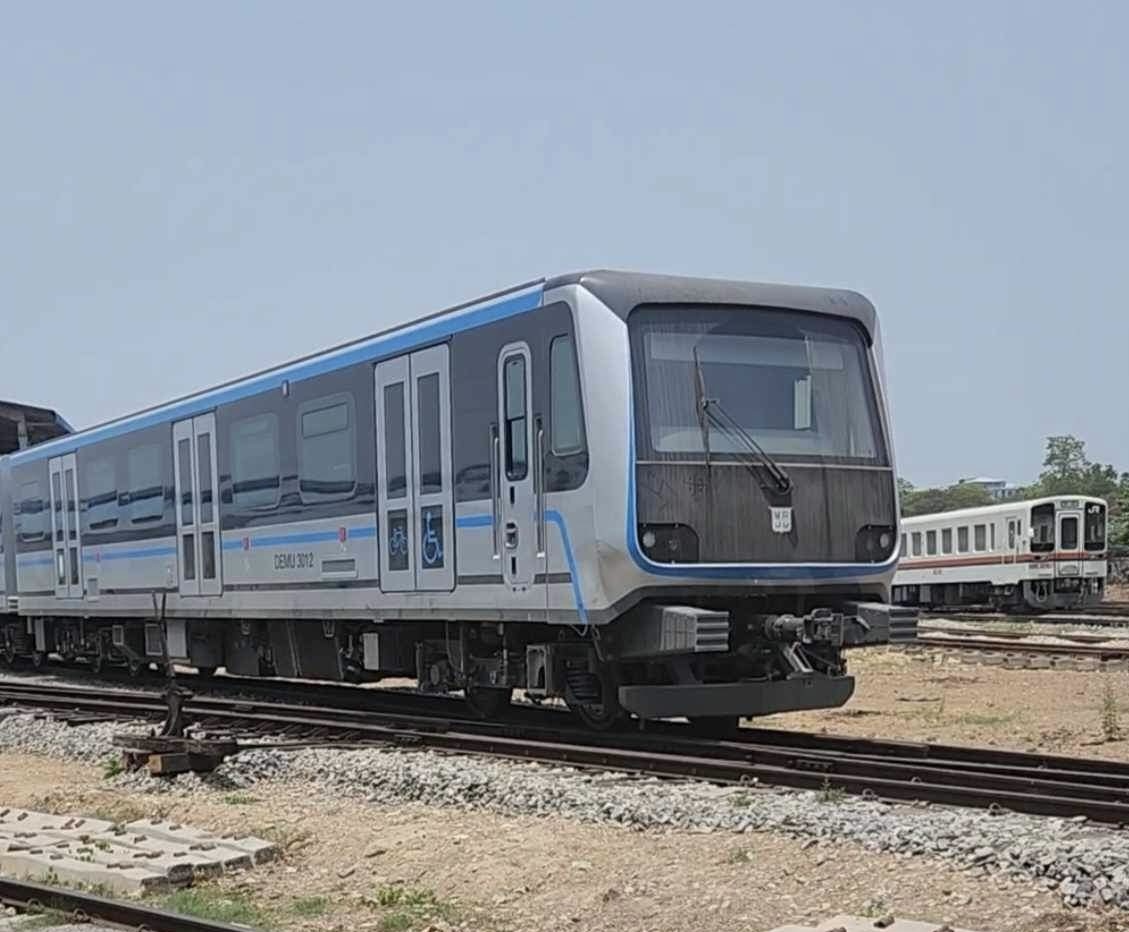 Yangon Central Railway StationAttraction · 20 min · Free
Imposing 1954 railway station with Burmese-inspired rooflines, the starting point of the Circular Railway..
 Saint Mary's CathedralAttraction · 30 min · Free
Saint Mary's Cathedral is the largest Catholic church in Myanmar, a neo-Gothic red-brick landmark built in 1899 that has served Yangon's Catholic community for over a century. Its twin spires rise above the surrounding colonial-era streetscape, and the interior features beautiful stained-glass windows and a serene atmosphere that provides a contrast to the bustling city outside.
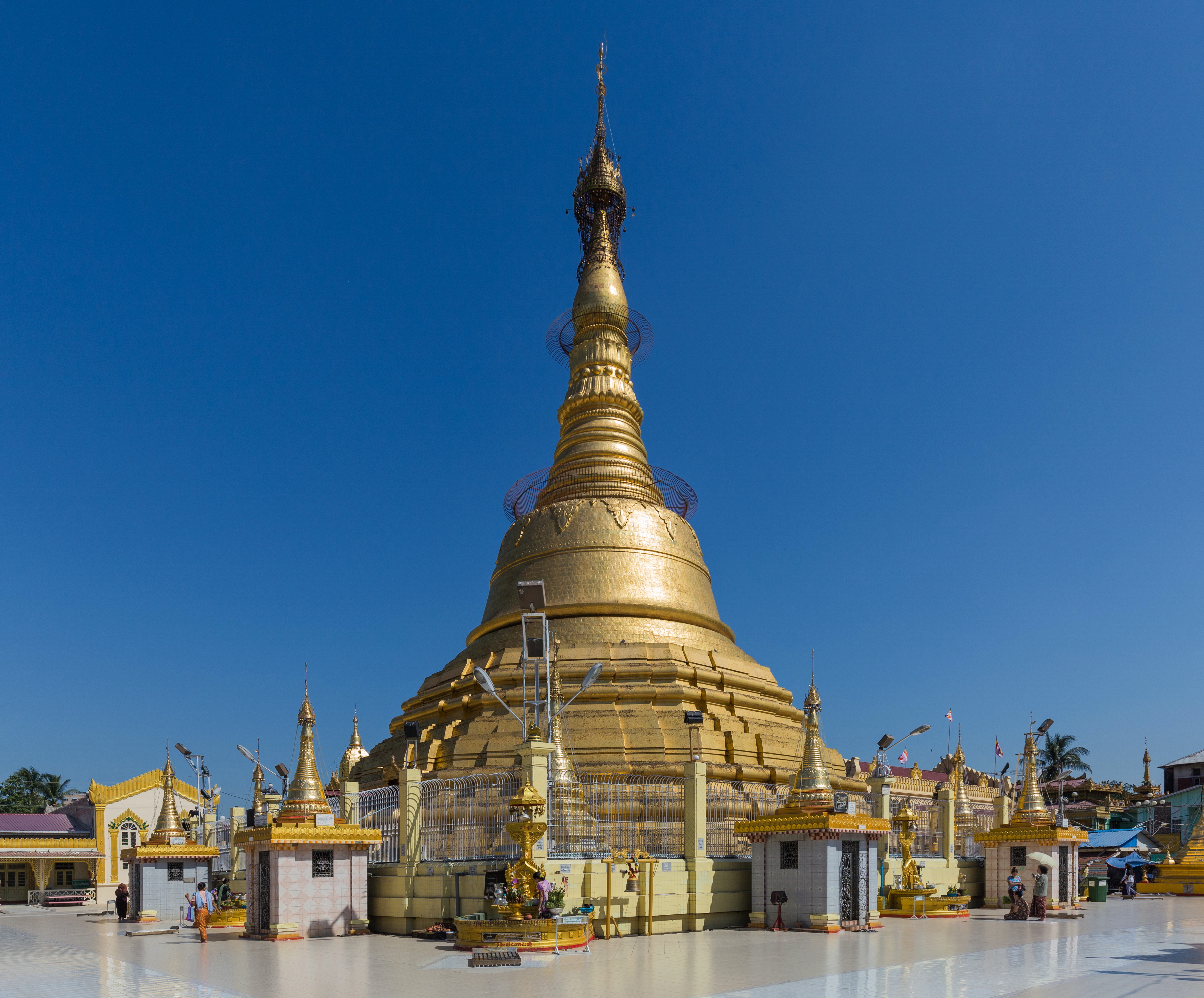 Botataung PagodaAttraction · 1h · MMK6000
Botataung Pagoda sits on the banks of the Yangon River at the spot where a thousand military officers reportedly received sacred relics brought from India over 2,000 years ago. Destroyed by Allied bombing in 1943, the rebuilt pagoda features a unique hollow interior with mirrored glass mosaics — visitors can walk through the stupa itself, an experience unavailable at most Myanmar pagodas.
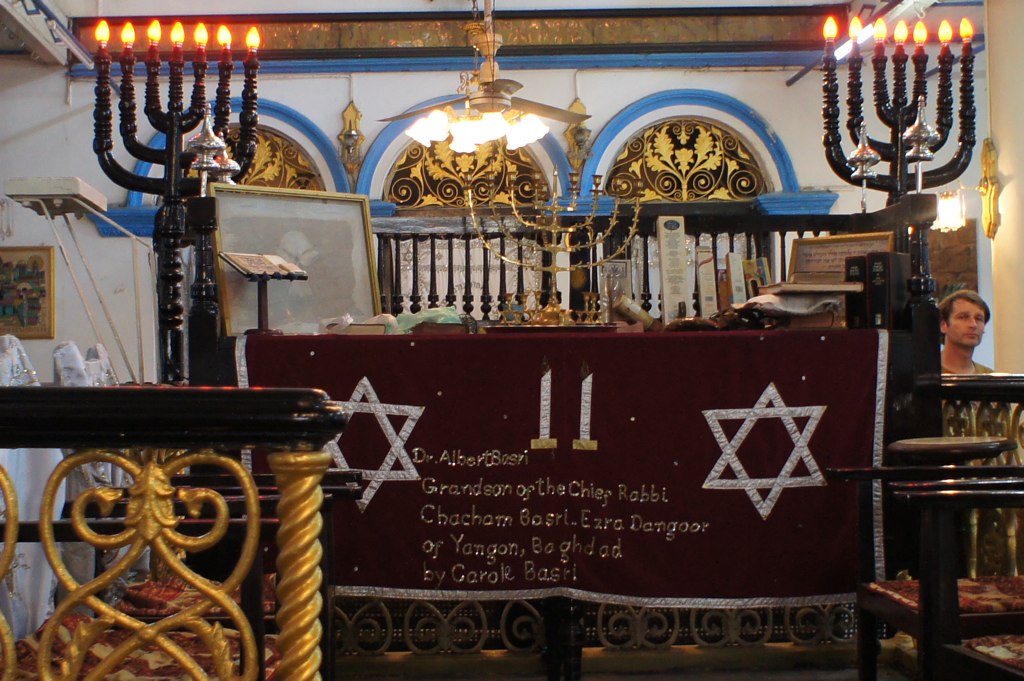 Musmeah Yeshua SynagogueAttraction · 30 min · Free
Musmeah Yeshua Synagogue is one of only two functioning synagogues in Myanmar, a remarkable survivor that testifies to Yangon's once-thriving Jewish community. Built in 1896, this small Sephardic synagogue features a sky-blue ceiling, graceful arches, and a Torah scroll brought from Baghdad. It stands as a poignant reminder of the city's multicultural past.
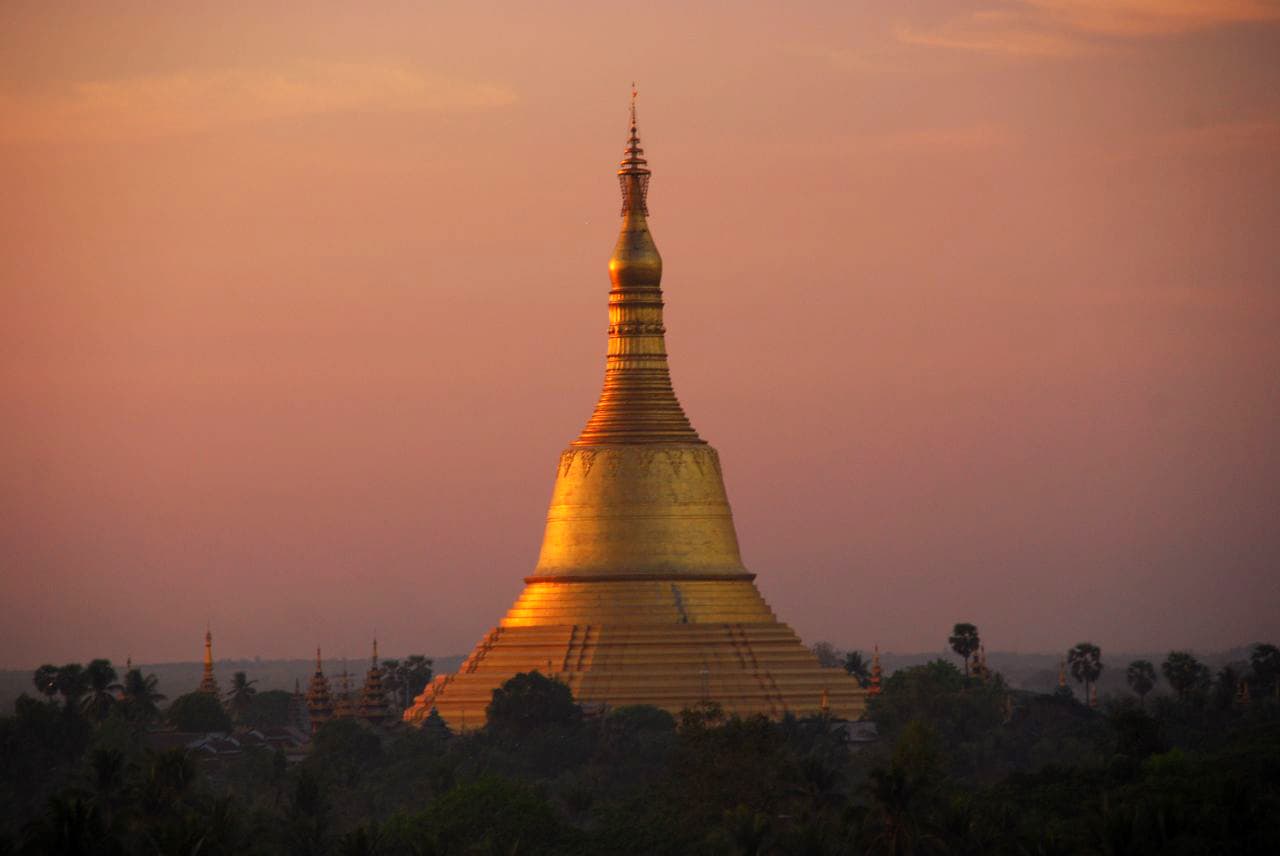 Shwemawdaw Pagoda (Bago)Attraction · 1h · MMK10000
The tallest pagoda in Myanmar at 114 m, located in nearby Bago, accessible as a day trip from Yangon..
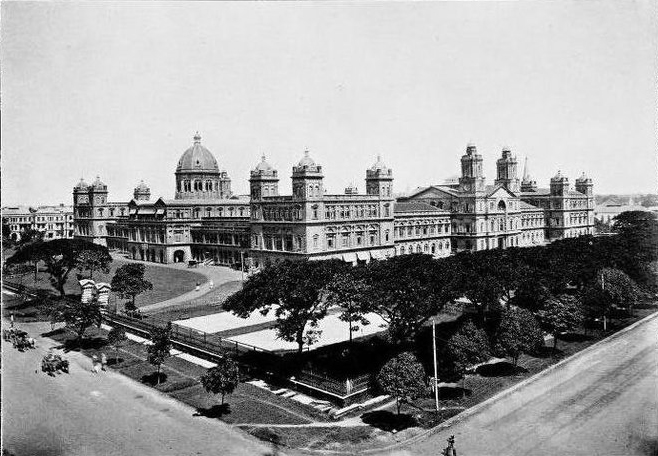 Secretariat BuildingAttraction · 1h · MMK15000
The Secretariat (also called the Ministers' Building) is a vast Victorian-era government complex that witnessed some of the most pivotal events in Myanmar's modern history. It was here that General Aung San and six cabinet colleagues were assassinated on 19 July 1947. After decades of closure, parts of the building have been restored and opened to visitors, revealing grand colonial architecture and a tragic but compelling history.
 Yangon City HallAttraction · 20 min · Free
Yangon City Hall is a striking administrative building that uniquely blends traditional Burmese architectural motifs — tiered roofs, pointed finials — with a European municipal building form. Facing Sule Pagoda and Maha Bandula Park, it sits at the symbolic centre of downtown Yangon. While the interior is not routinely open to tourists, the exterior is a fascinating subject for architectural photography.
 Chaukhtatgyi Buddha TempleAttraction · 45 min · Free
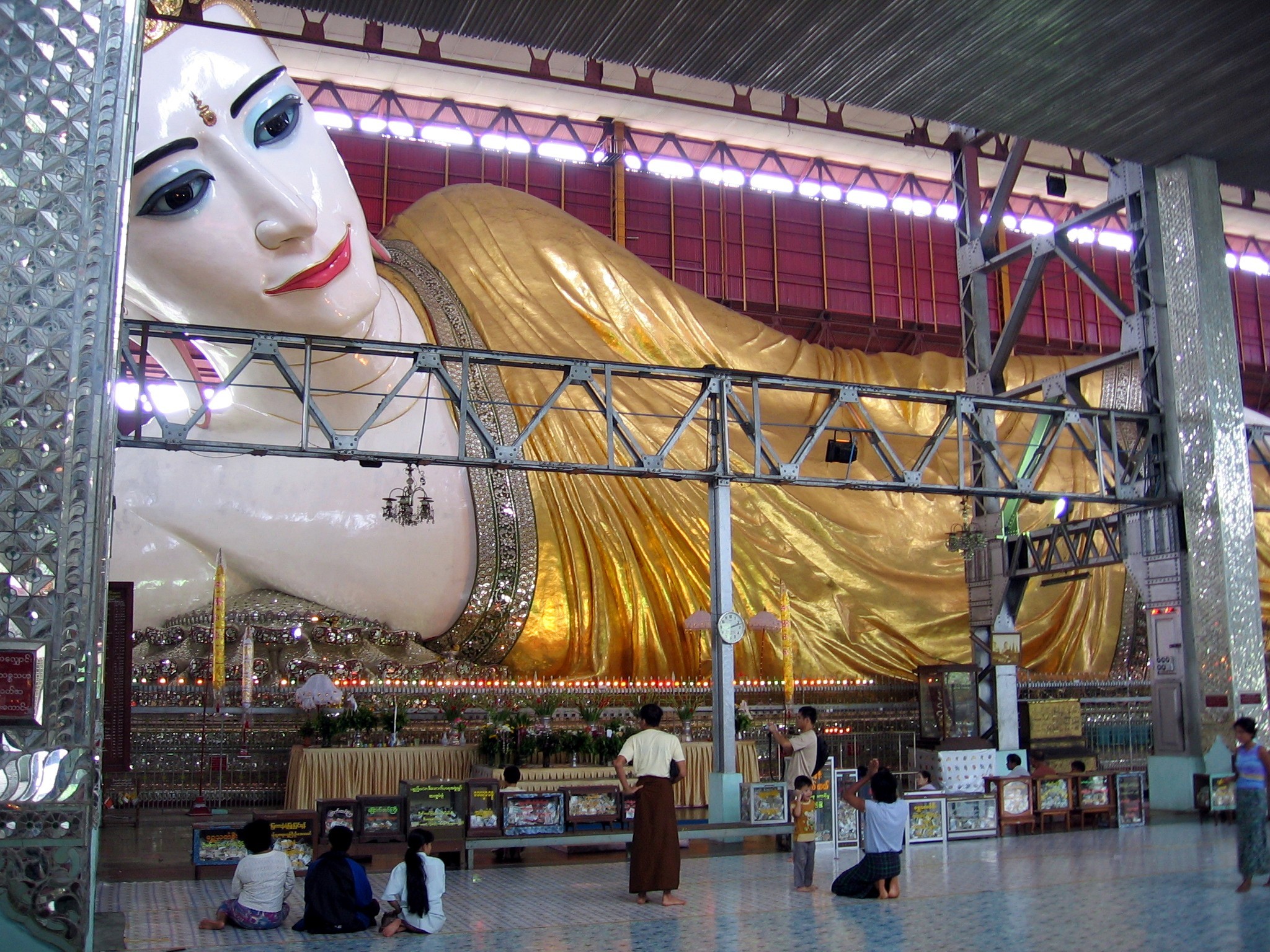
Chaukhtatgyi Temple houses one of Myanmar's most impressive reclining Buddha images — a 66-metre-long figure sheltered under a massive metal roof. The sheer scale of the statue, with its serene expression and intricately decorated soles showing the 108 auspicious marks of the Buddha, makes this one of Yangon's most photographed sites.
 Taukkyan War CemeteryAttraction · 45 min · Free
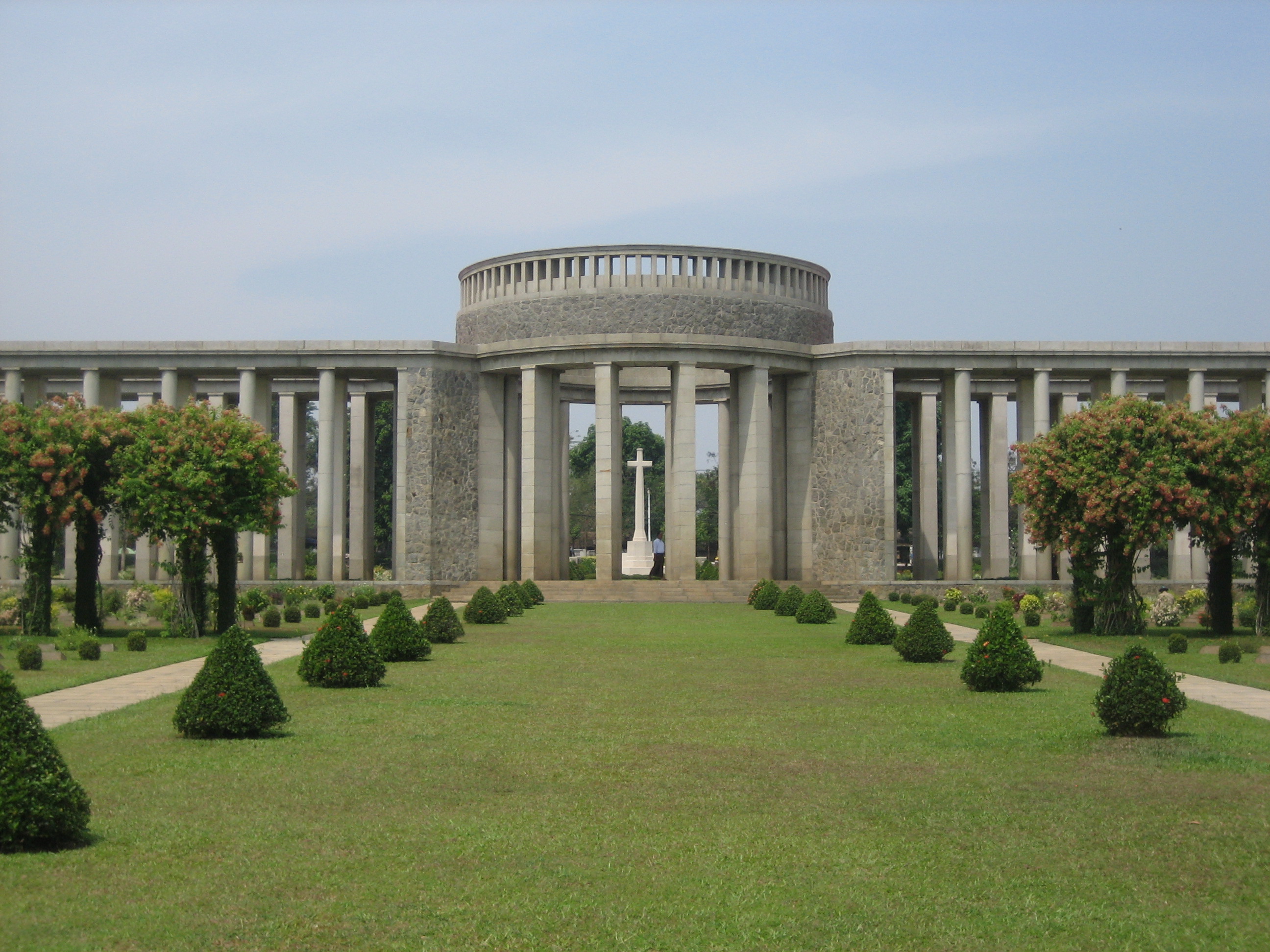
Beautifully maintained CWGC cemetery north of Yangon honouring 6,374 Allied soldiers from WWII..
 Karaweik PalaceAttraction · 45 min · Free
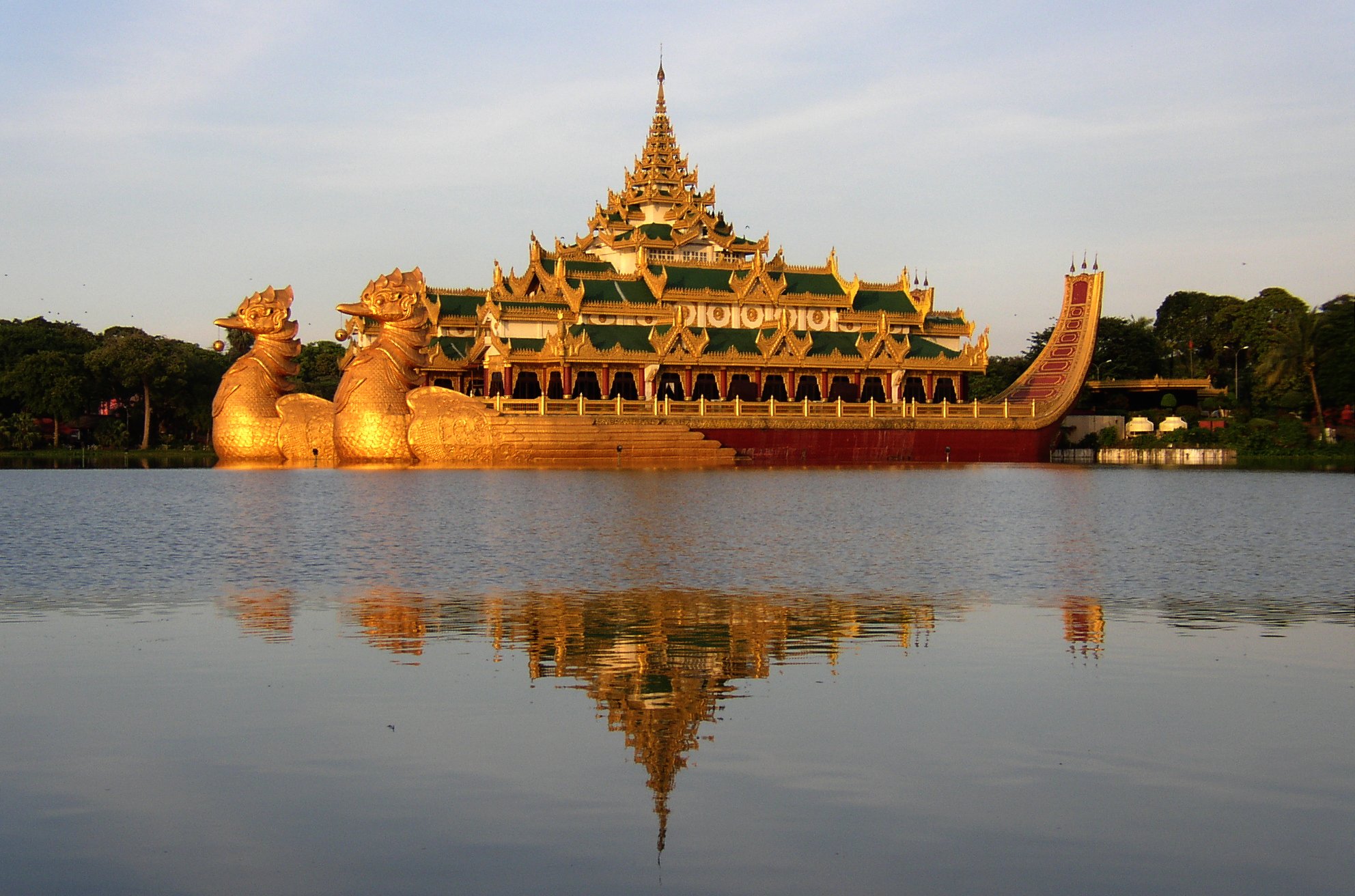
Karaweik Palace is a gilded concrete replica of a Burmese royal barge floating on the eastern shore of Kandawgyi Lake. Built in the 1970s, its twin prows — topped by the mythical karaweik bird — and lavish gold-leaf exterior create one of Yangon's most photographed silhouettes, especially when reflected in the calm lake waters at sunset.
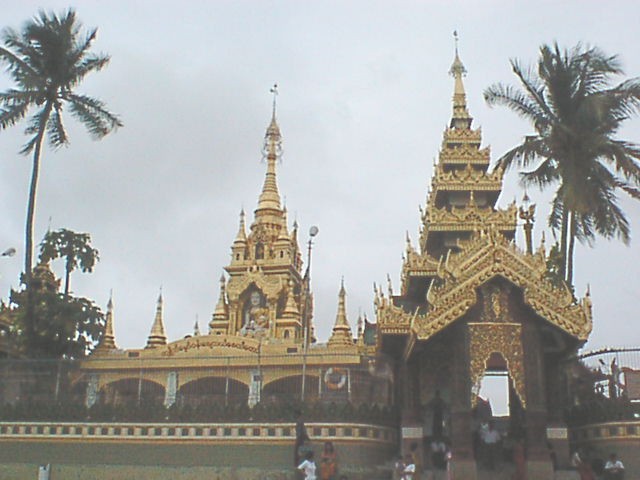 Kyaik Hmaw Wun PagodaAttraction · 45 min · Free
Hilltop pagoda on the outskirts of Yangon with panoramic views over the Yangon river and surrounding countryside..
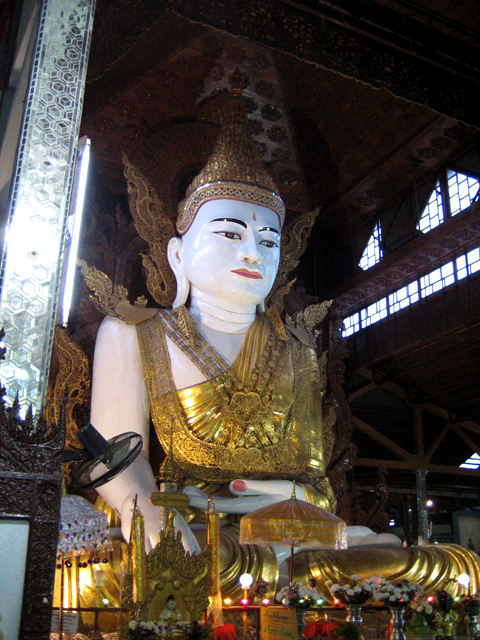 Nga Htat Gyi PagodaAttraction · 30 min · Free
Nga Htat Gyi, meaning 'five-storey Buddha', houses a towering seated Buddha image adorned with an ornately carved and gilded crown. Located directly across the road from the Chaukhtatgyi reclining Buddha, the two sites make a natural pair. The serene interior and fewer tourists make this a more contemplative experience.
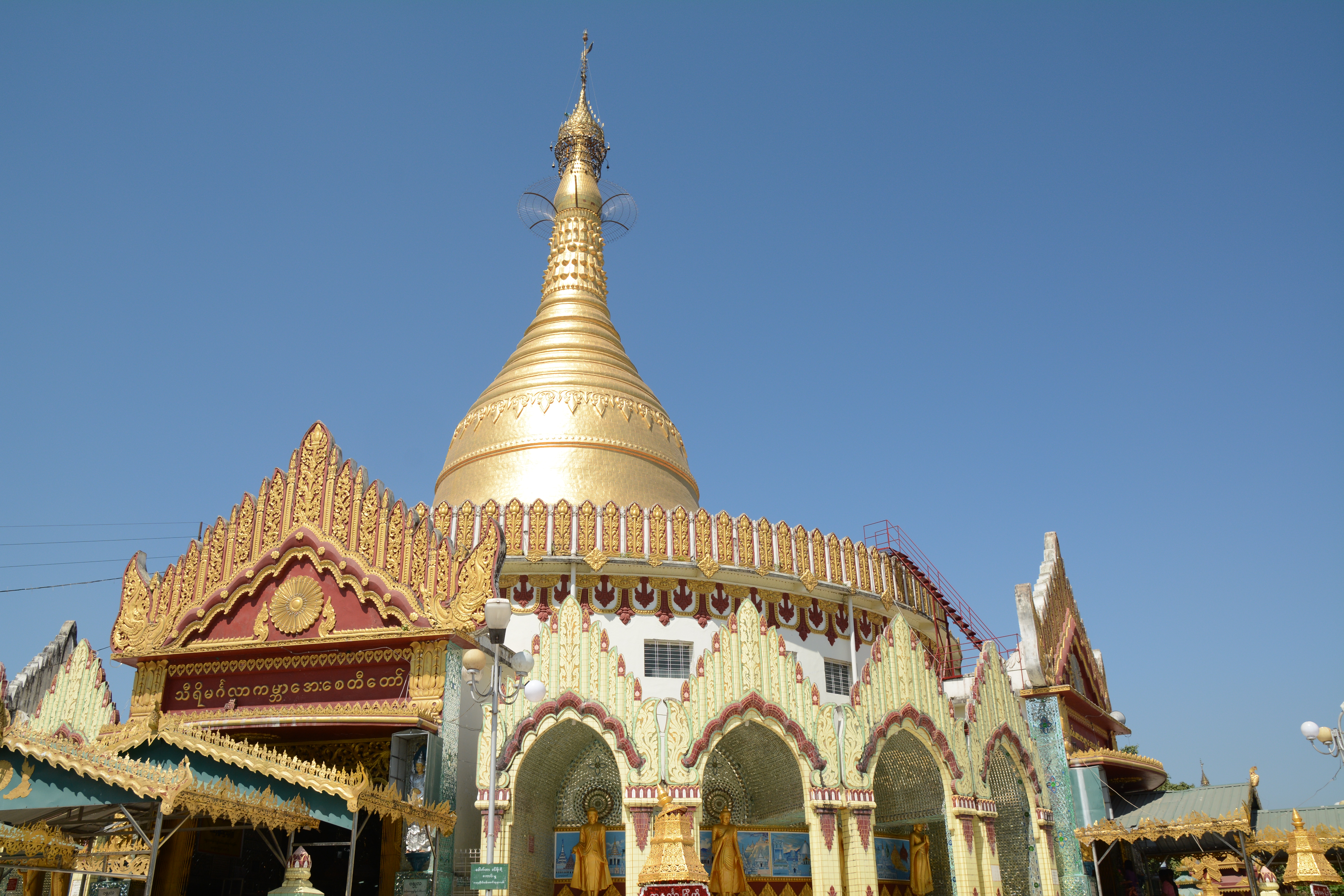 Kaba Aye PagodaAttraction · 45 min · Free
Kaba Aye, the World Peace Pagoda, was built in the 1950s by Prime Minister U Nu to host the Sixth Buddhist Council (Chaṭṭha Saṅgāyanā). Located in northern Yangon, this beautiful circular pagoda and its adjacent Maha Pasana Guha (Great Sacred Cave) represent Myanmar's modern Buddhist heritage and its role as a guardian of Theravada tradition.
- ⭐Me La Mu PagodaAttraction · 30 min · Free
Ornate pagoda in northern Yangon with unique pastel-coloured stucco and a quiet, local atmosphere..
- Yele Paya (Kyauktan)Attraction · 1.5h · MMK5000
Island pagoda south of Yangon reached by small boat, appearing to float on the river at high tide..
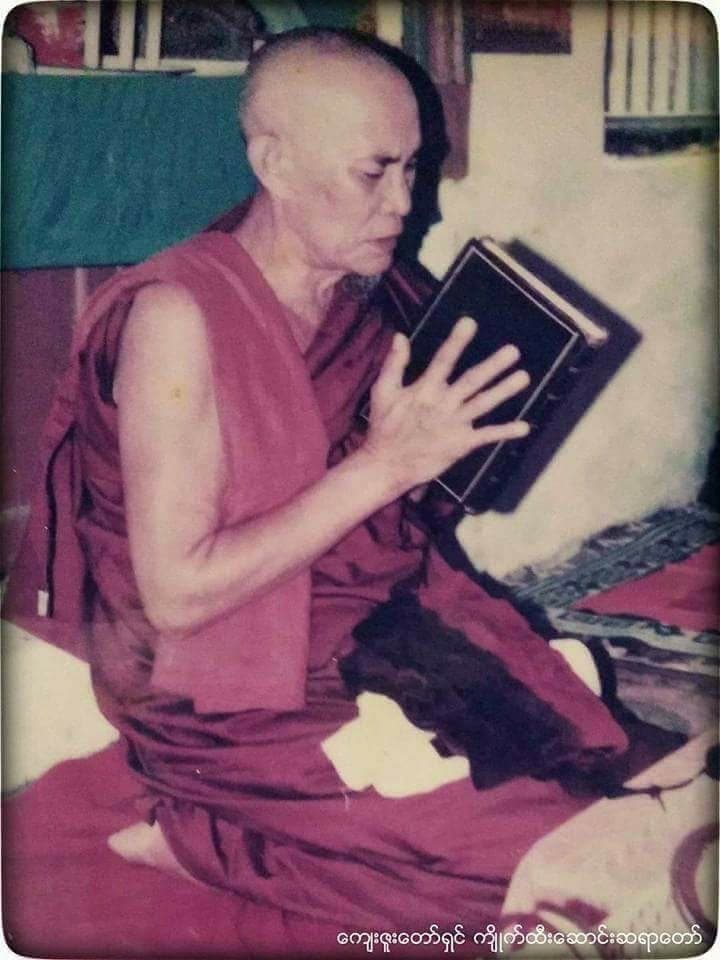 Kyaikkasan PagodaAttraction · 30 min · Free
Serene lakeside pagoda in eastern Yangon, believed to enshrine a hair relic of the Buddha..