Loading city...
Skip to main content
Parks in Jeju
5 parks selected in this guide.
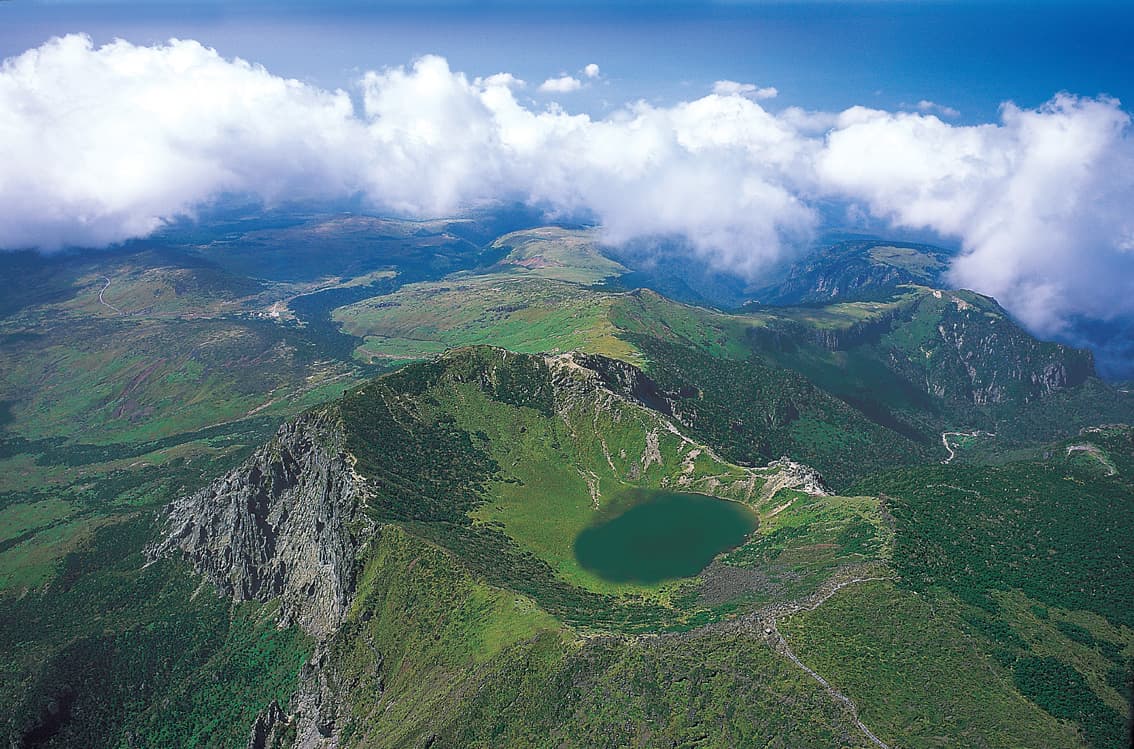 Hallasan National ParkPark · 6h · Free
Hallasan is South Korea's highest peak at 1,950 meters and the volcanic centerpiece of Jeju Island. The mountain and its surrounding national park are a UNESCO World Natural Heritage site, home to over 1,800 plant species and dramatic landscape shifts from subtropical forest to alpine meadows. The Baengnokdam crater lake at the summit is one of Jeju's most iconic images.
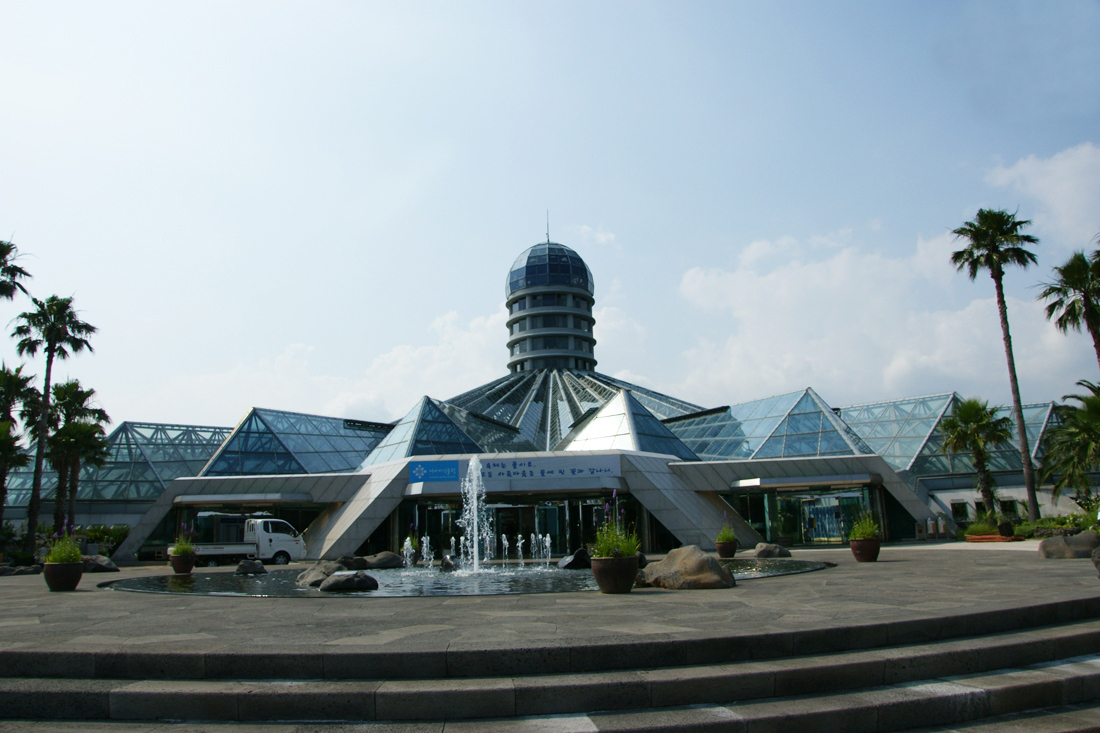 Yeomiji Botanical GardenPark · 1.5h · ₩12000
Yeomiji Botanical Garden in the Jungmun tourism complex is the largest glass greenhouse botanical garden in Asia. The facility covers 12,000 square meters and features themed indoor gardens including tropical, subtropical, jungle, flower, and cactus sections. An observation tower provides panoramic views over the surrounding landscape.
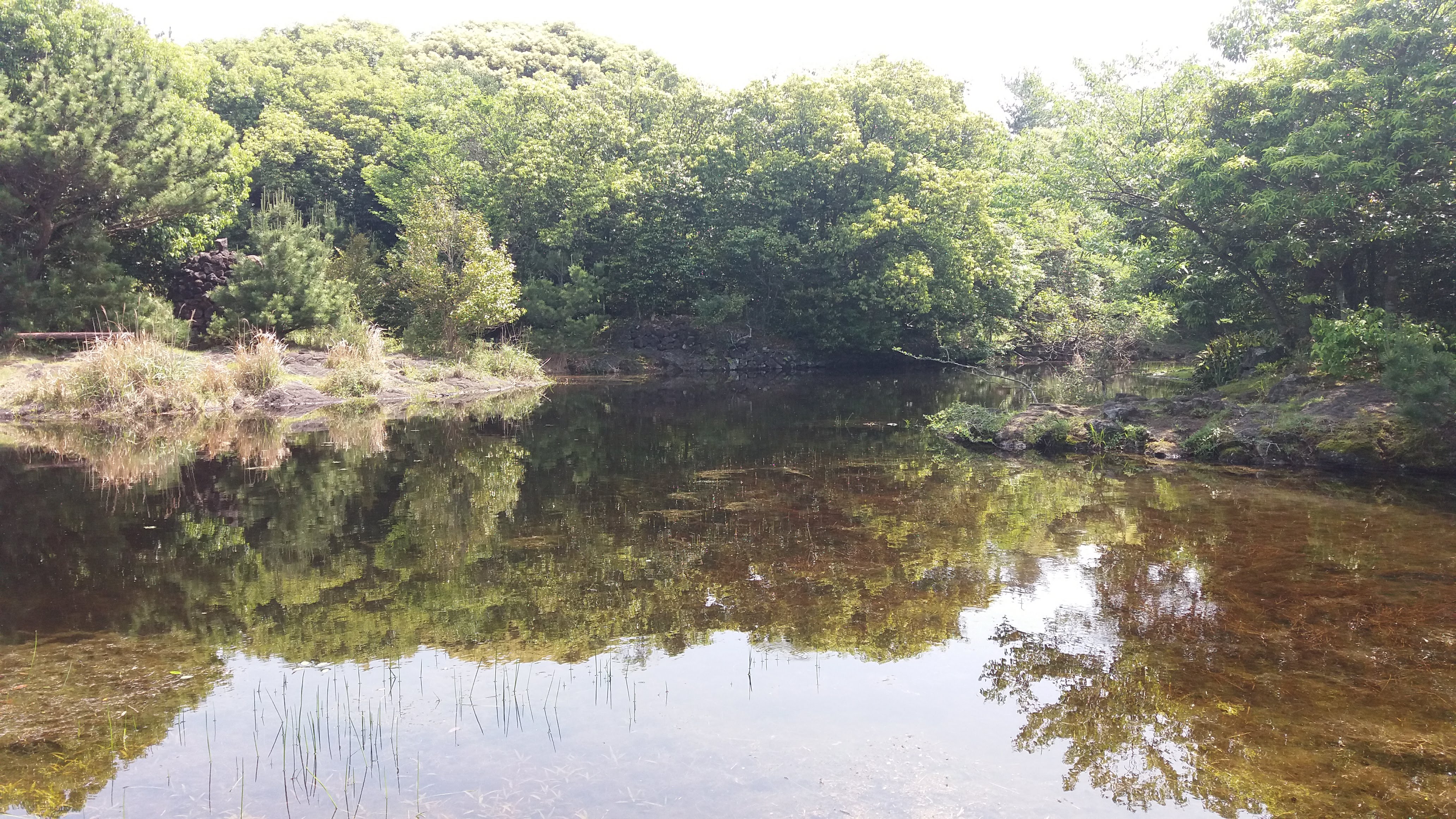 Camellia HillPark · 1.5h · ₩10000
Camellia Hill is the largest camellia garden in East Asia, featuring over 6,000 camellia trees of 500 different species spread across 175,000 square meters on Jeju's southern coast. The garden is most spectacular from November through March when the camellias bloom in shades of red, pink, and white.
- Hallim ParkPark · 2h · ₩12000
Hallim Park is a large botanical and geological park on Jeju's western coast, combining subtropical gardens, two interconnected lava caves (Hyeopjaegul and Ssangyonggul), a folk village, and specialty gardens. The park has been developed over 40 years from barren lava fields into lush gardens.
 Spirited Garden (Bunjae Artpia)Park · 1h · ₩12000
Spirited Garden (Bunjae Artpia) is a world-renowned bonsai garden created by master gardener Sung Bum-young over 50 years. The garden features over 2,000 meticulously shaped bonsai trees, some hundreds of years old, set among volcanic stone walls, moss-covered pathways, and traditional Korean garden elements.