Loading city...
Skip to main content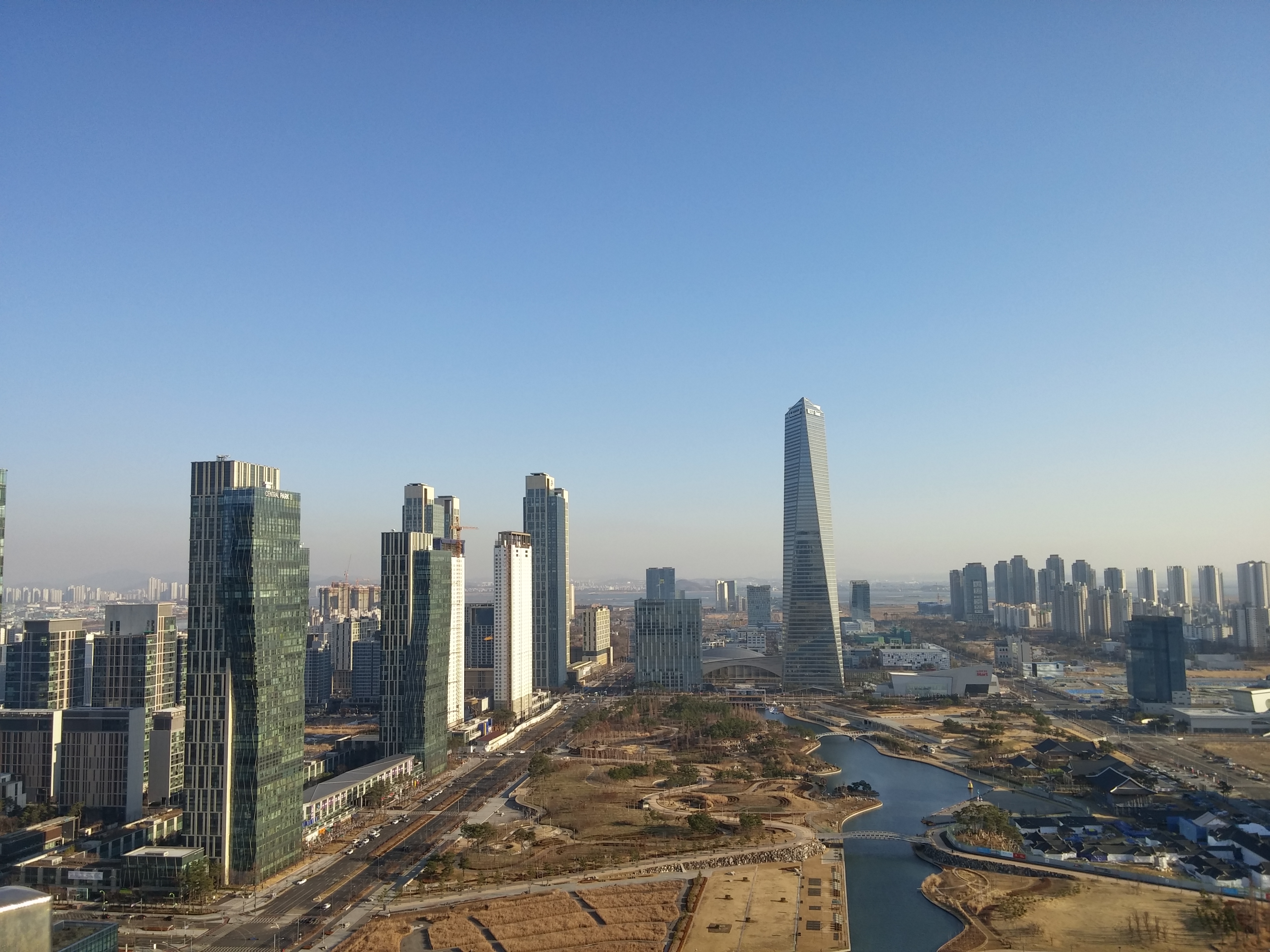
Neighborhoods in Incheon
6 neighborhoods selected in this guide.
 Compact Smart City SongdoNeighborhood · 2h · Free
Songdo International Business District is a purpose-built smart city rising on 6 square kilometres of reclaimed tidal land. Designed from scratch as a sustainable urban laboratory, it features LEED-certified skyscrapers, pneumatic waste-disposal systems, and ubiquitous digital connectivity. Walking its wide avenues and waterfront parks feels like visiting a city from the near future.
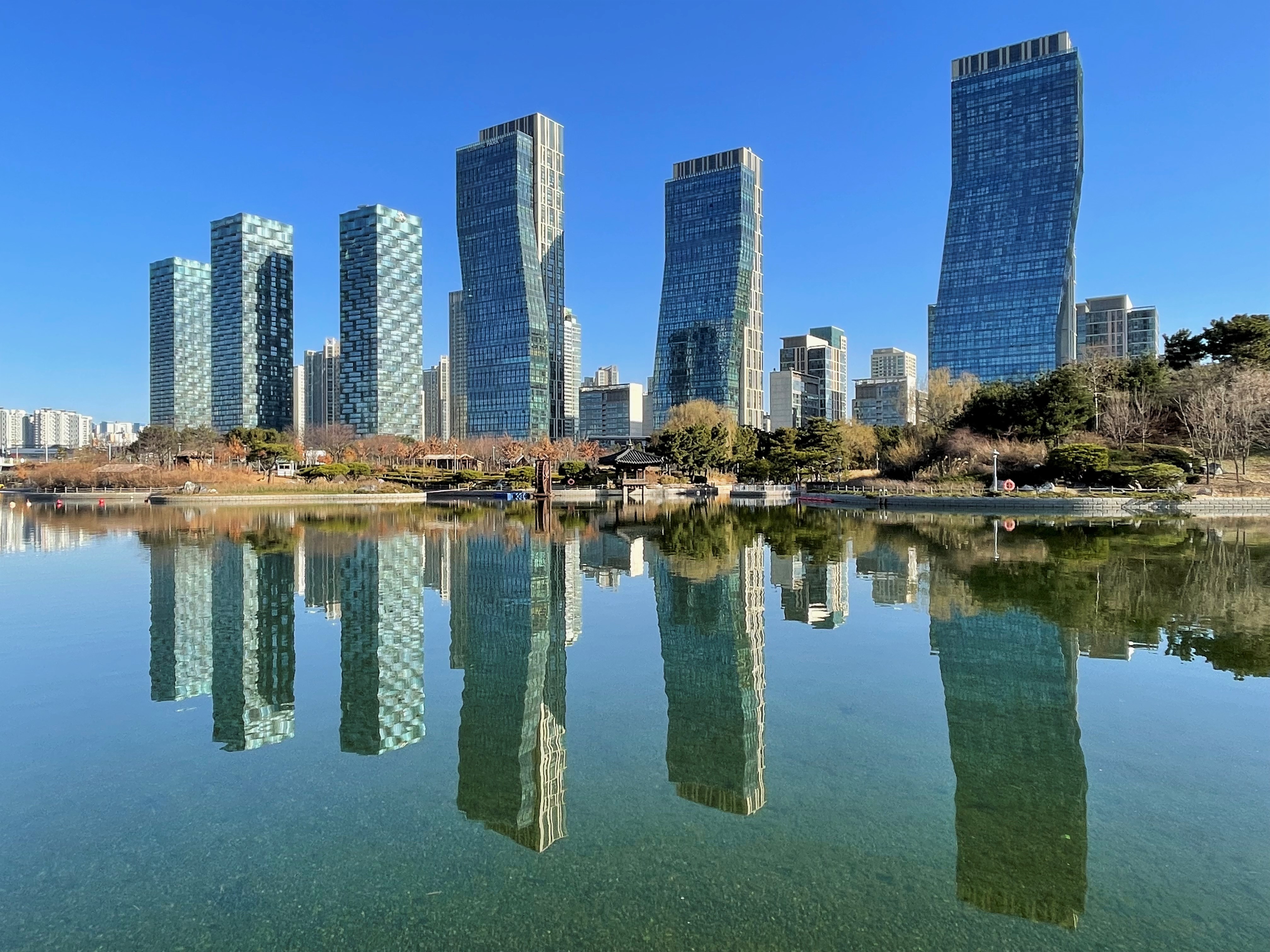 Songdo International Business DistrictNeighborhood · 2h · Free
Songdo International Business District is Korea's boldest experiment in urban planning — a 6 km² smart city built from scratch on reclaimed tidal land since 2003. Skyscrapers, green corridors, and a seawater canal make it one of the most photogenic urban environments in East Asia.
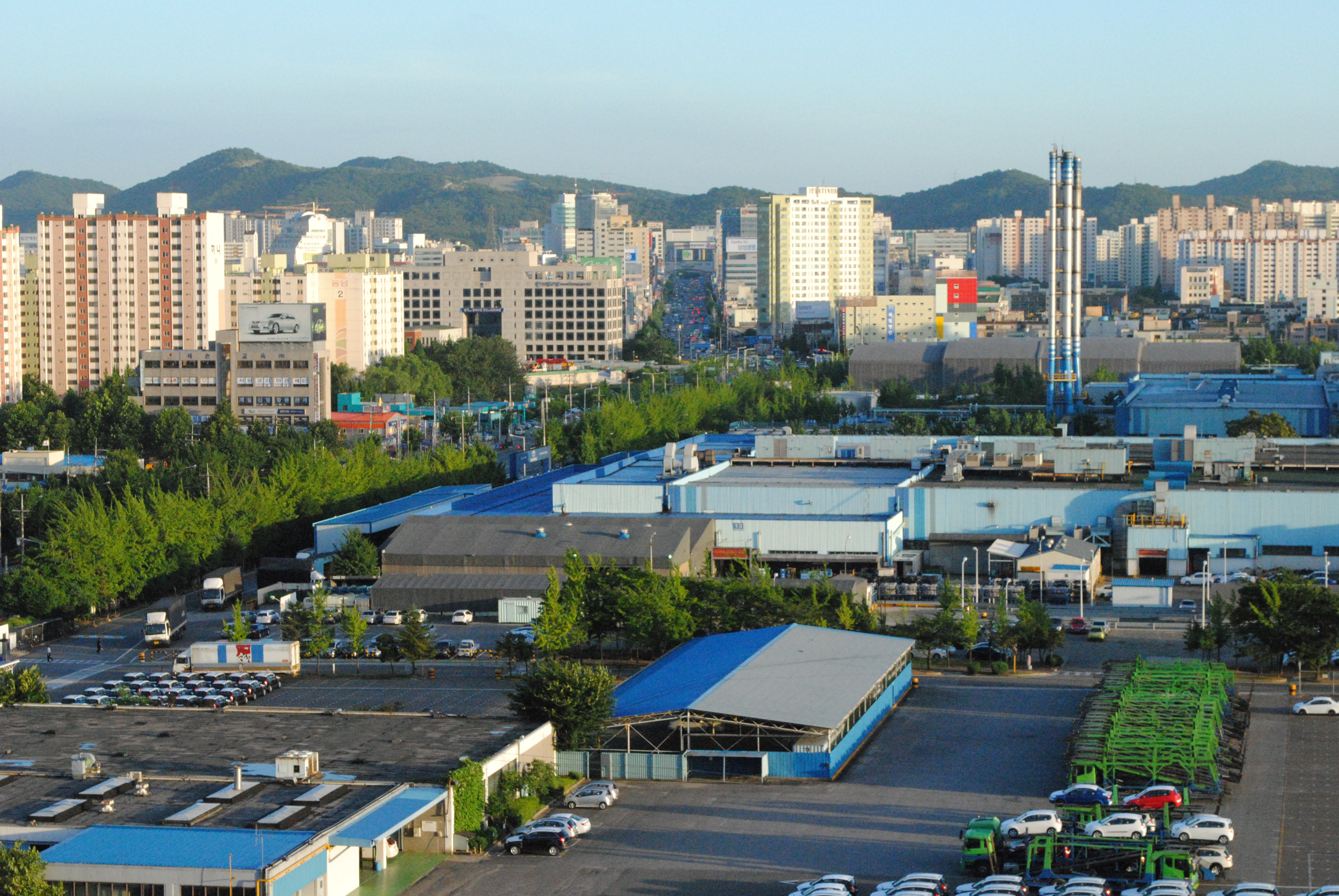 Bupyeong DistrictNeighborhood · 1.5h · Free
Bupyeong is Incheon's loudest, busiest commercial zone — an energetic grid of covered shopping arcades, underground malls, karaoke bars, and street-food stalls that pulses late into the night.
 Incheon ChinatownNeighborhood · 1.5h · Free
Incheon Chinatown is the largest and oldest Chinese quarter in South Korea, established in 1884 after the port of Jemulpo was opened to international trade. Centred on a paifang gate and a steep hillside grid of lanes, it is filled with Chinese restaurants, dumpling shops, and souvenir stalls. The district is a living record of Korean-Chinese cultural exchange spanning more than a century.
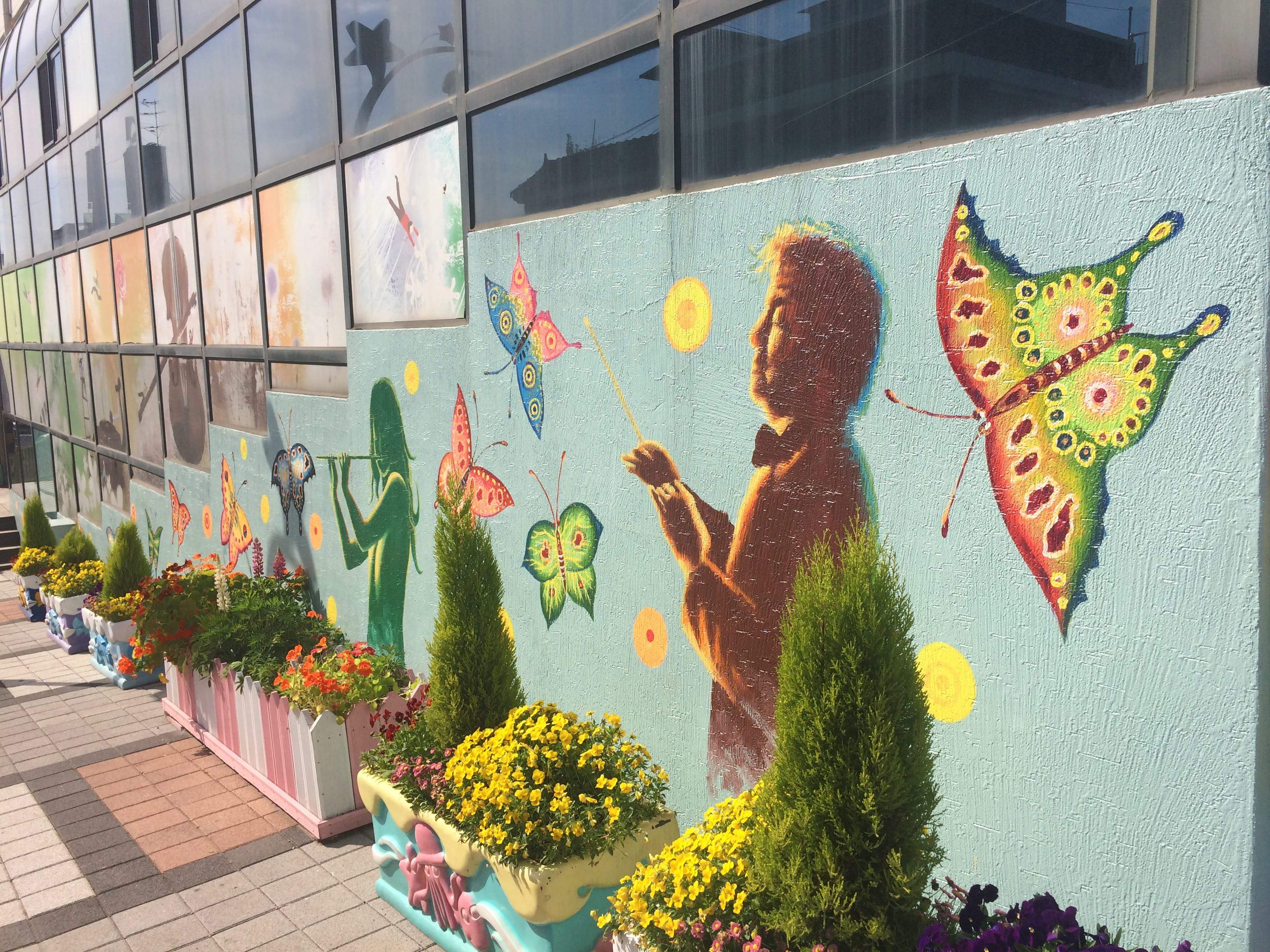 Songwol-dong Fairy Tale VillageNeighborhood · 1h · Free
Songwol-dong Fairy Tale Village is a hillside residential neighbourhood near Chinatown that was revitalised in 2013 with colourful murals, sculptures, and installations inspired by classic fairy tales. Walking through its narrow lanes feels like stepping into a storybook, with scenes from Oz, Pinocchio, and Korean folk tales painted on walls and stairways.
 Incheon Japantown Historical QuarterNeighborhood · 45 min · Free
Directly adjacent to Chinatown, Incheon's former Japanese settlement retains a grid of two-storey wooden shophouses, colonial-era bank buildings and period streetlights that together form a living museum of early-20th-century port life.