Loading city...
Skip to main content
Attractions in Fukuoka
12 attractions selected in this guide.
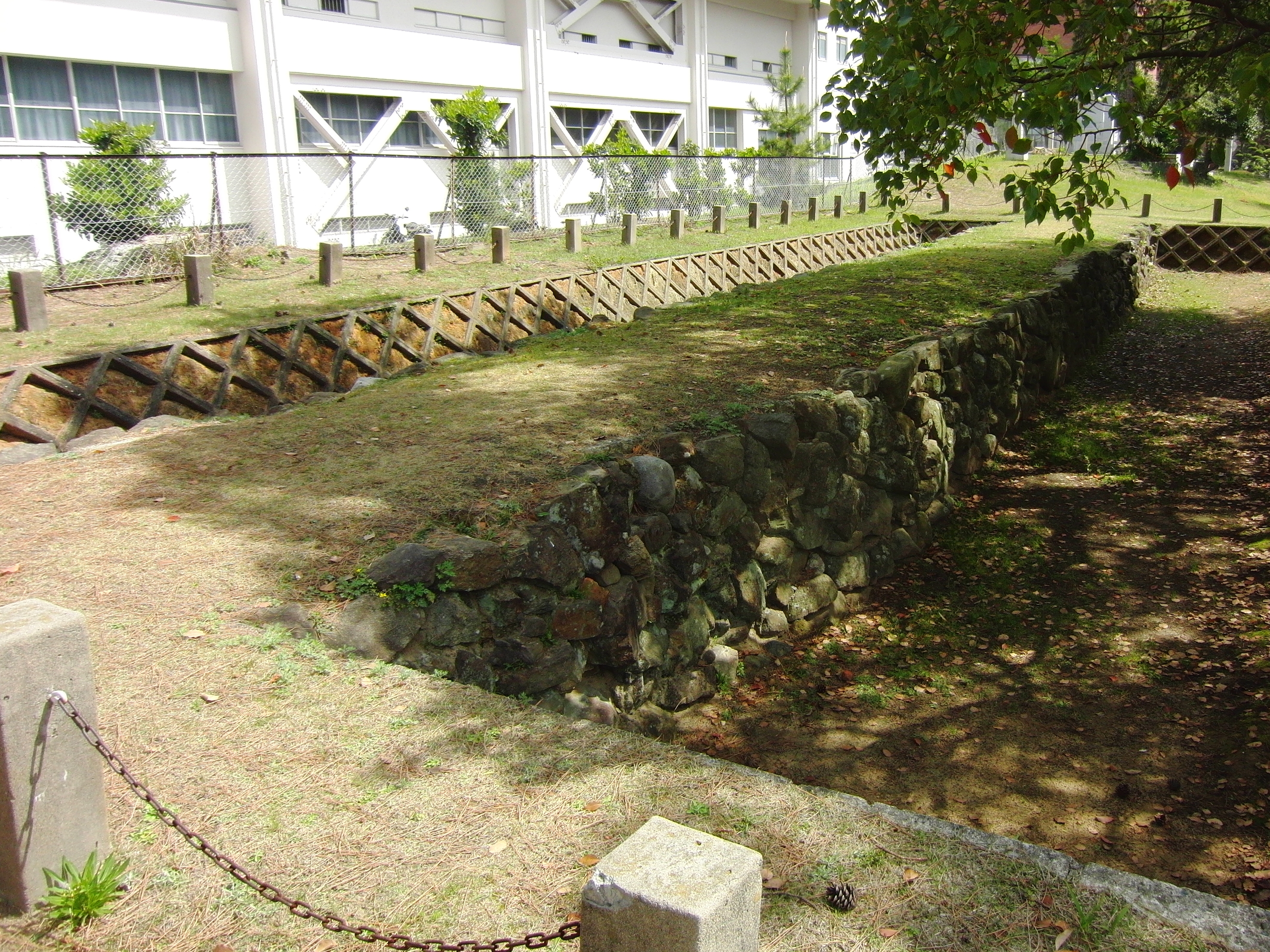 Genko Borui (Mongol Invasion Wall)Attraction · 30 min · Free
The Genko Borui (Mongol Invasion Defense Wall) consists of stone wall remnants built along Hakata Bay in the 13th century to defend Japan against the Mongol invasions. These simple but historically momentous walls represent one of the most dramatic episodes in Japanese history.
- Fukuoka Castle RuinsAttraction · 1h · Free
Fukuoka Castle Ruins (Maizuru Park) sit atop a hill in central Fukuoka, offering sweeping views across the city. Once the largest castle in Kyushu, the site retains its impressive stone walls and moats while the keep itself no longer stands. During cherry blossom season, the ruins become one of Fukuoka's most popular hanami destinations.
 Munakata TaishaAttraction · 1h · Free
Munakata Taisha is a UNESCO World Heritage shrine complex about 60 kilometers north of central Fukuoka, dedicated to three goddesses of the sea. The shrine system includes three separate locations: one on the mainland, one on Oshima island, and one on the sacred island of Okinoshima (closed to the public).
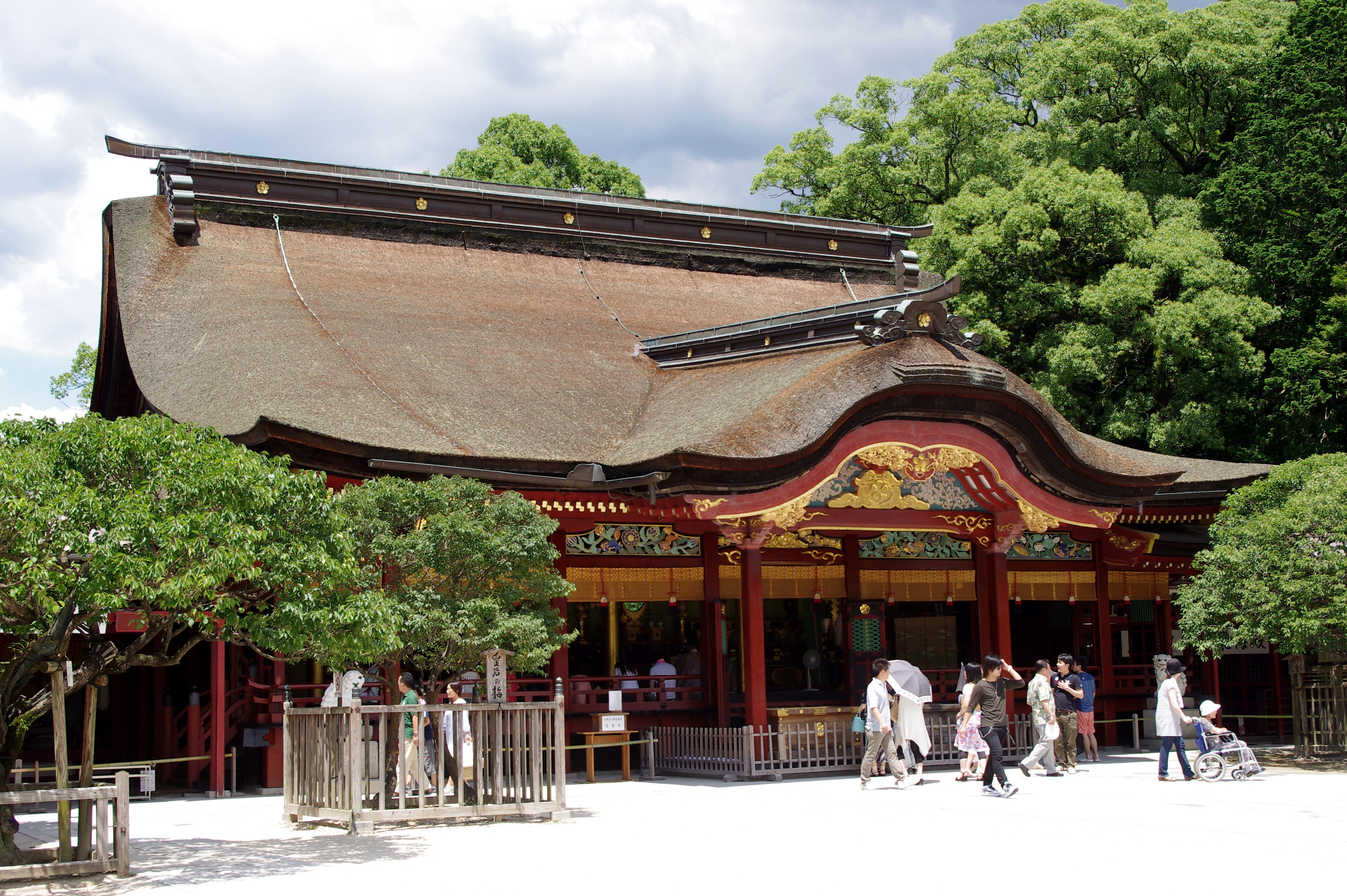 Dazaifu TenmanguAttraction · 1.5h · Free
Dazaifu Tenmangu is one of Japan's most important Shinto shrines, dedicated to Sugawara no Michizane, the deity of learning and scholarship. Located in Dazaifu city south of central Fukuoka, the shrine draws over 10 million visitors annually, especially students praying for academic success. The approach is lined with souvenir shops selling umegae-mochi (plum rice cakes), the shrine's signature treat.
- ACROS FukuokaAttraction · 30 min · Free
ACROS Fukuoka is a striking civic building in the Tenjin district, famous for its terraced south facade covered with 35,000 plants across 15 stepped terraces. This 'green mountain' building blends architecture with nature, creating an urban forest that visitors can climb for views across the city.
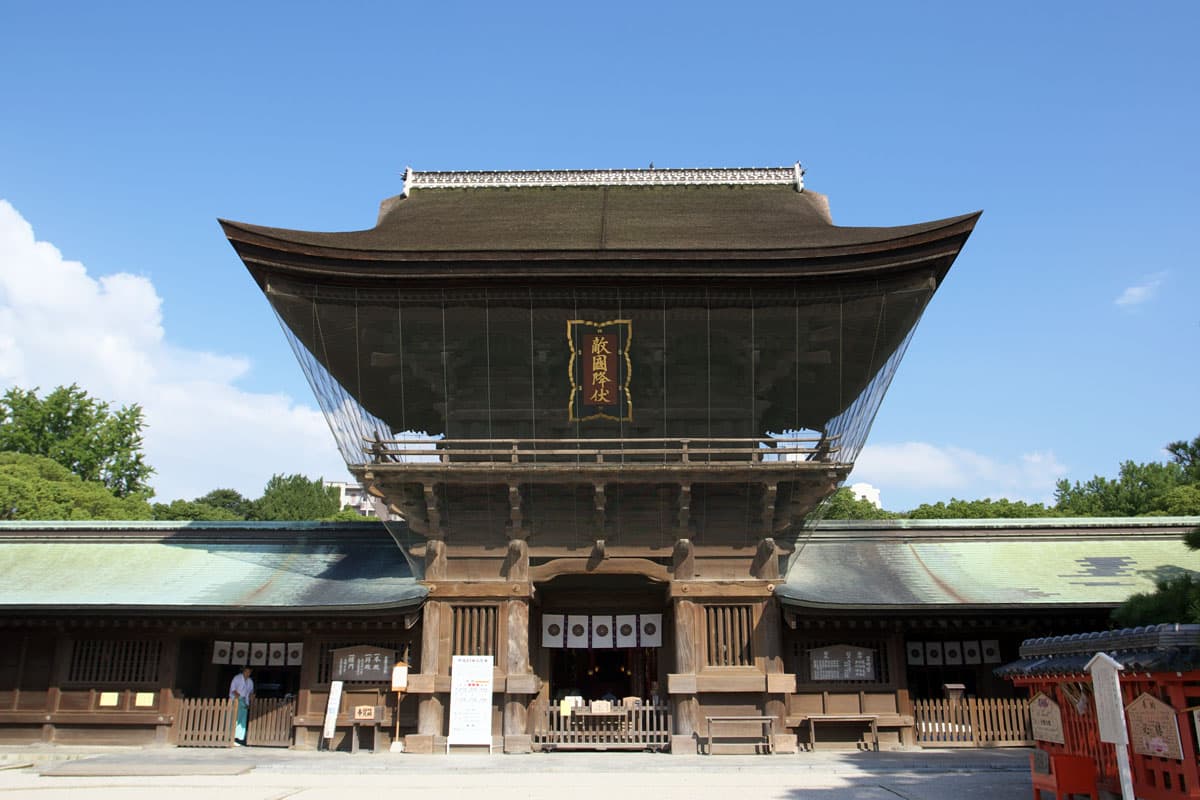 Hakozaki ShrineAttraction · 30 min · Free
Hakozaki Shrine is one of Japan's three great Hachiman shrines, dedicated to the god of war and martial arts. Its massive stone torii gate — one of Japan's three great torii — stands on the road leading from the seafront to the shrine, an imposing gateway dating from the Kamakura period.
 Nanzoin TempleAttraction · 1h · Free
Nanzoin Temple in Sasaguri (east of central Fukuoka) is home to the world's largest bronze reclining Buddha statue at 41 meters long and 300 tonnes. Set in a forested hillside, the massive Nehan-zo (reclining Nirvana Buddha) is an awe-inspiring sight that attracts pilgrims and tourists alike.
 Sumiyoshi ShrineAttraction · 30 min · Free
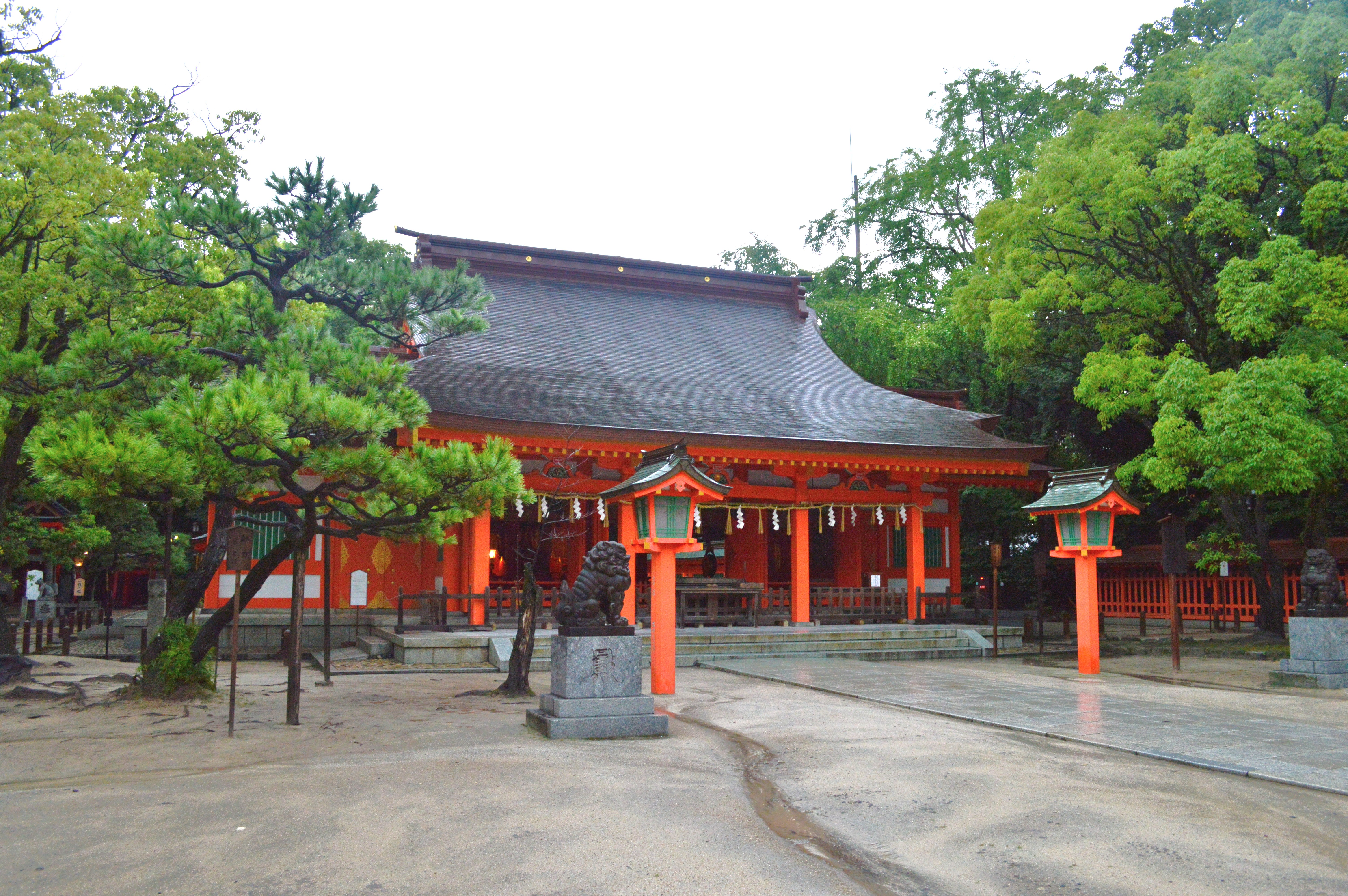
Sumiyoshi Shrine in Fukuoka is one of Japan's principal Sumiyoshi shrines, dedicated to deities who protect seafarers and travelers. Its distinctive Sumiyoshi-zukuri architectural style — with straight rooflines and cypress bark roofing — predates Chinese architectural influence on Japan.
 Kushida ShrineAttraction · 45 min · Free
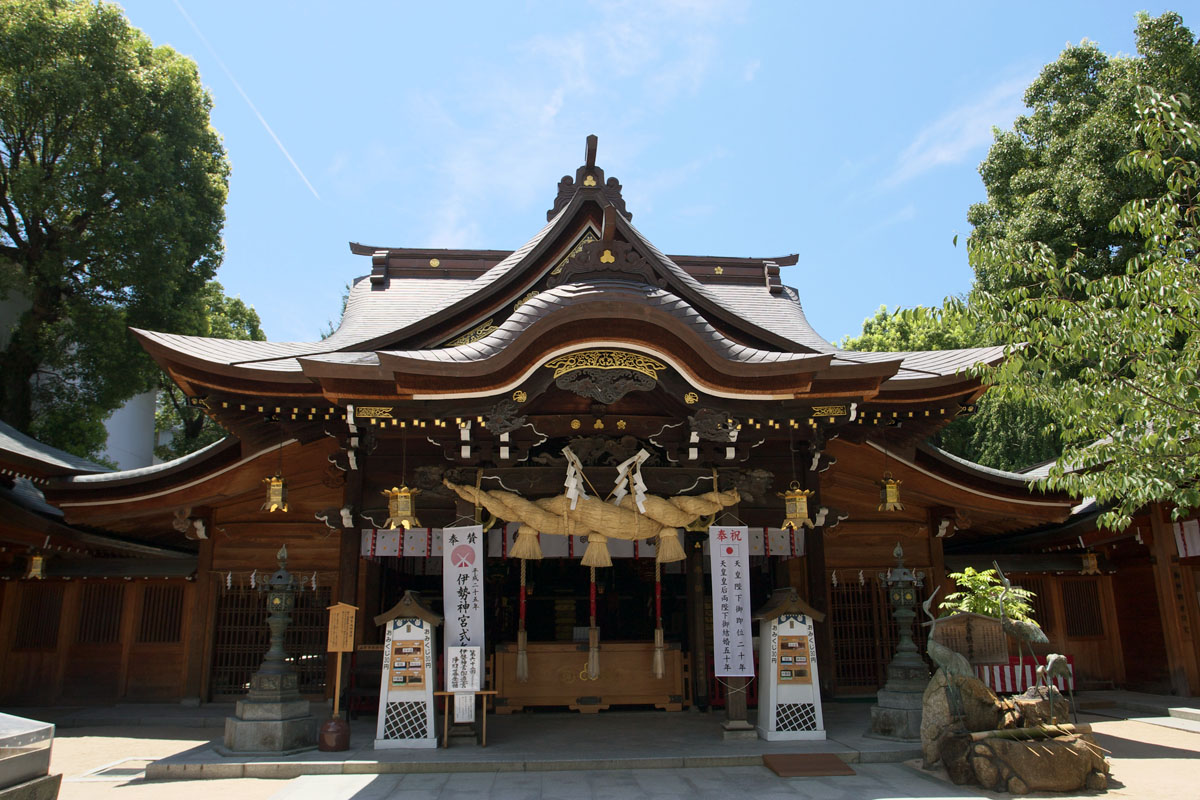
Kushida Shrine is the guardian shrine of Hakata and one of Fukuoka's most historically significant Shinto sites. It is the endpoint of the Hakata Gion Yamakasa festival, one of Japan's most famous summer festivals where massive floats are raced through the streets. The shrine sits in the heart of the Hakata commercial district.
- Tochoji TempleAttraction · 30 min · Free
Tochoji is a Shingon Buddhist temple in central Hakata that houses the largest seated wooden Buddha statue in Japan — a 10.8-meter-tall camphor-wood figure completed in 1992. The temple also features a striking five-story vermillion pagoda that has become a landmark of the Hakata skyline.
 Shofukuji TempleAttraction · 30 min · Free
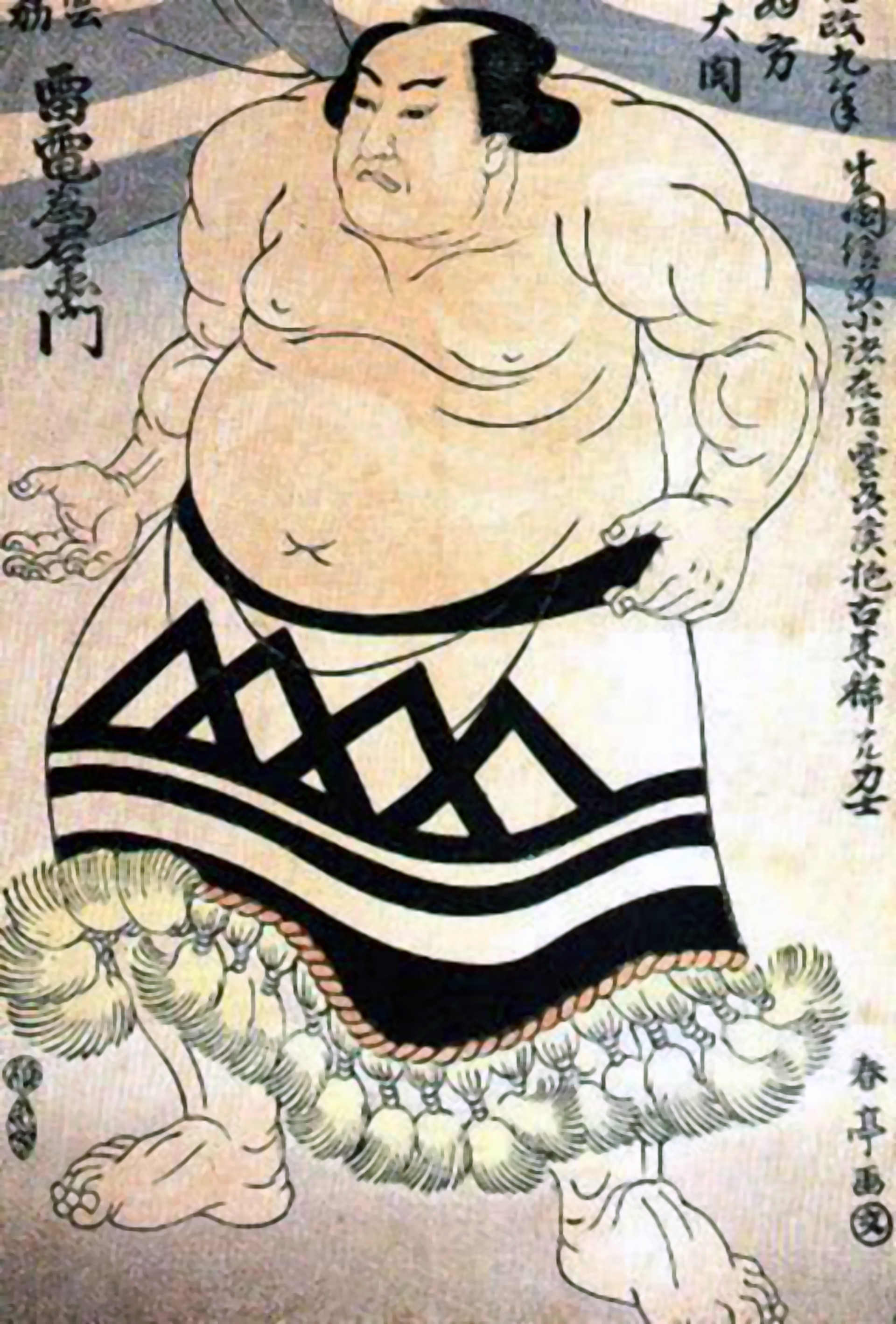
Shofukuji holds the distinction of being Japan's oldest Zen Buddhist temple, founded in 1195 by the monk Eisai after returning from Song Dynasty China. Eisai also introduced tea cultivation to Japan from this temple. Though the buildings are not open to the public, the grounds offer a peaceful retreat.
 Komyozenji TempleAttraction · 30 min · ¥200
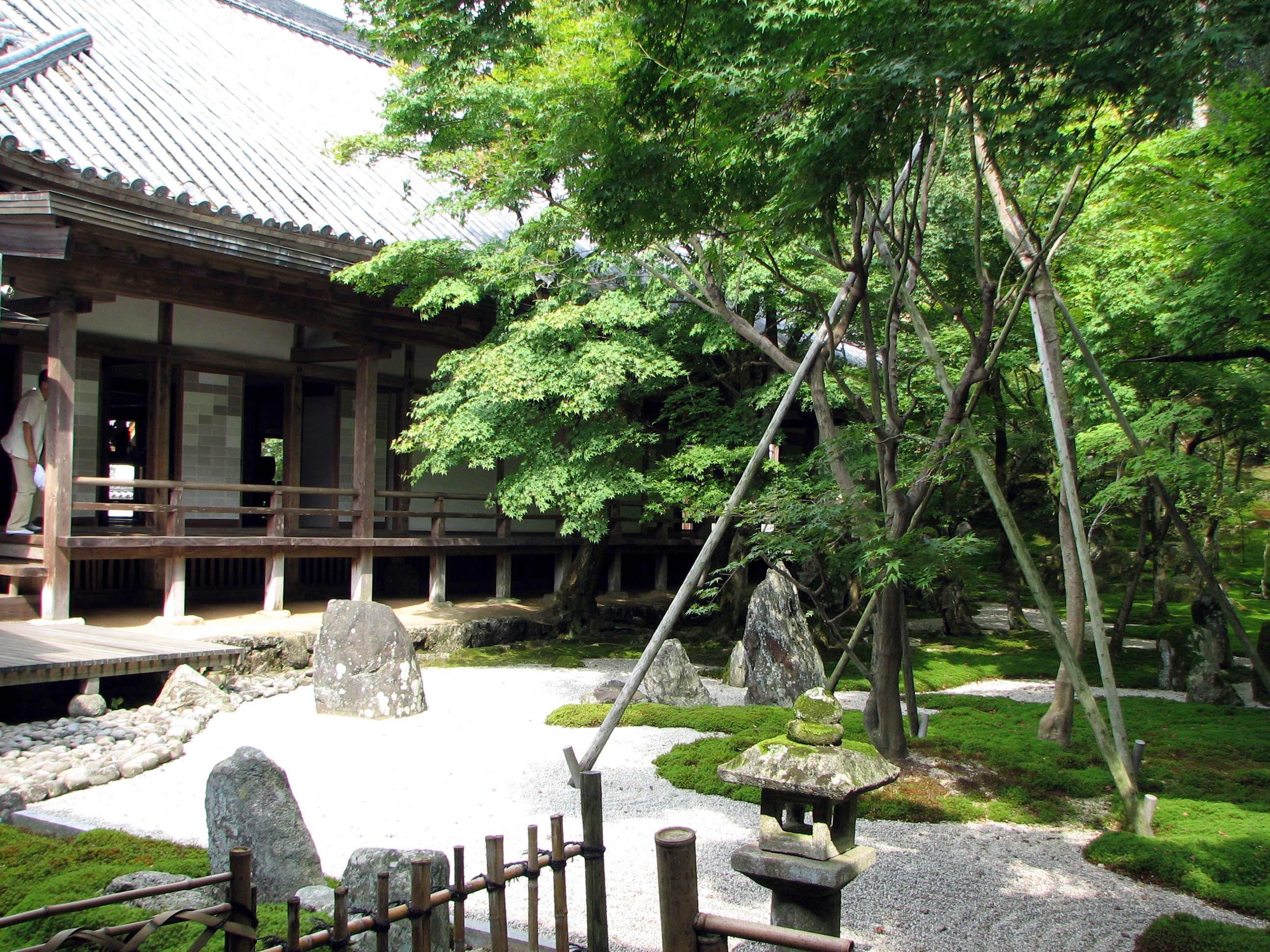
Komyozenji is a small Rinzai Zen temple located just behind Dazaifu Tenmangu, celebrated for its two exquisite stone-and-moss gardens. The front garden represents light and the rear garden represents shadow, with rocks arranged to form the character for 'light' (光) when viewed from above.