Loading city...
Skip to main content
Museums in Turin
10 museums selected in this guide.
 Museo EgizioMuseum · 2h · €18
The Museo Egizio is the world's second-largest collection of Egyptian antiquities after Cairo, housing over 40,000 artefacts across four floors. Founded in 1824 from the Drovetti collection, it was completely renovated by architect Dante Ferretti in 2015 with immersive, theatrically lit galleries.
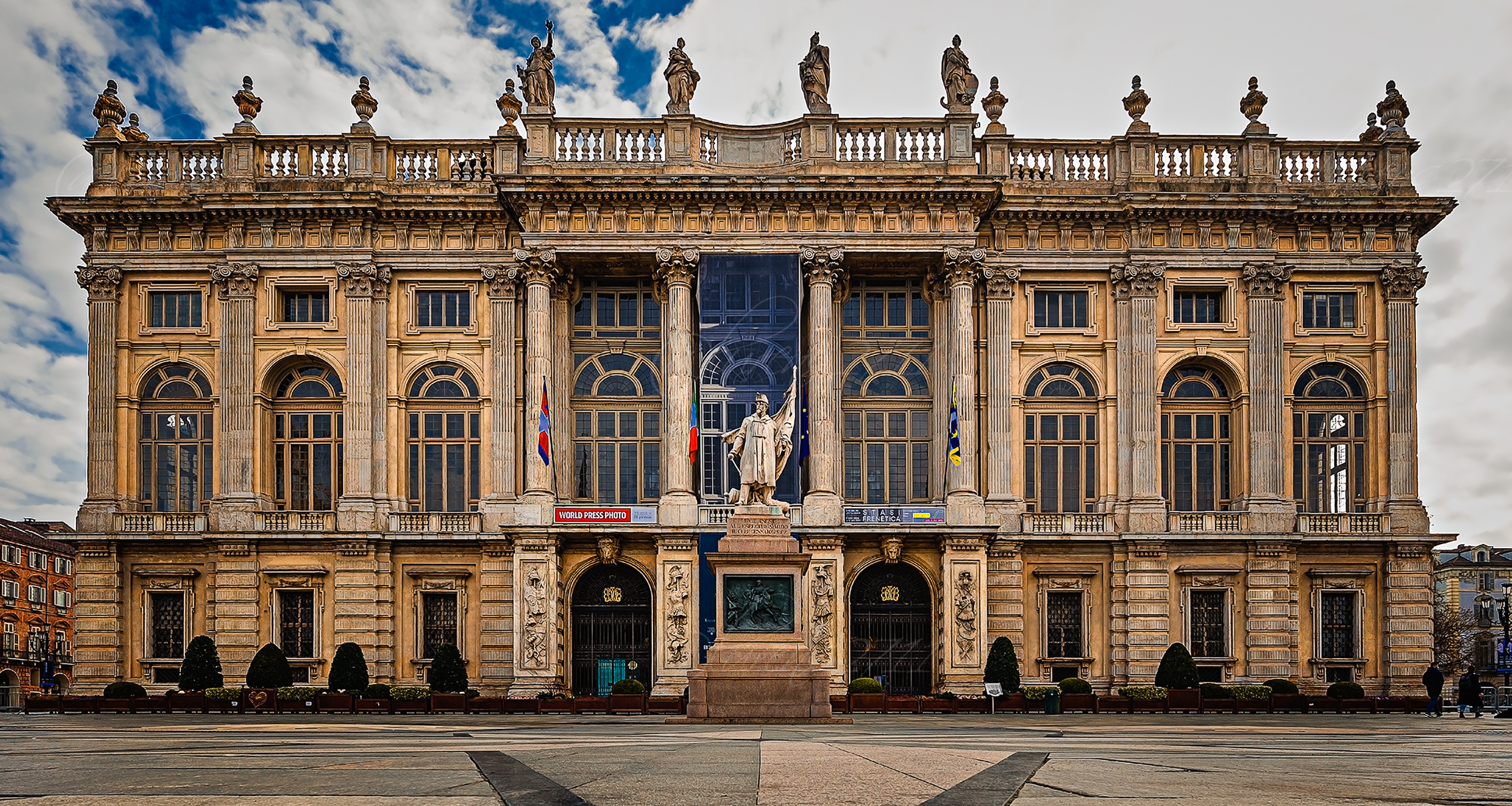 Palazzo MadamaMuseum · 1.5h · €10
Palazzo Madama encapsulates 2,000 years of Turin's history: Roman gate, medieval fortress, baroque palace, and first Italian Senate. Today it houses the Museo Civico d'Arte Antica, with collections spanning Roman mosaics to Baroque painting.
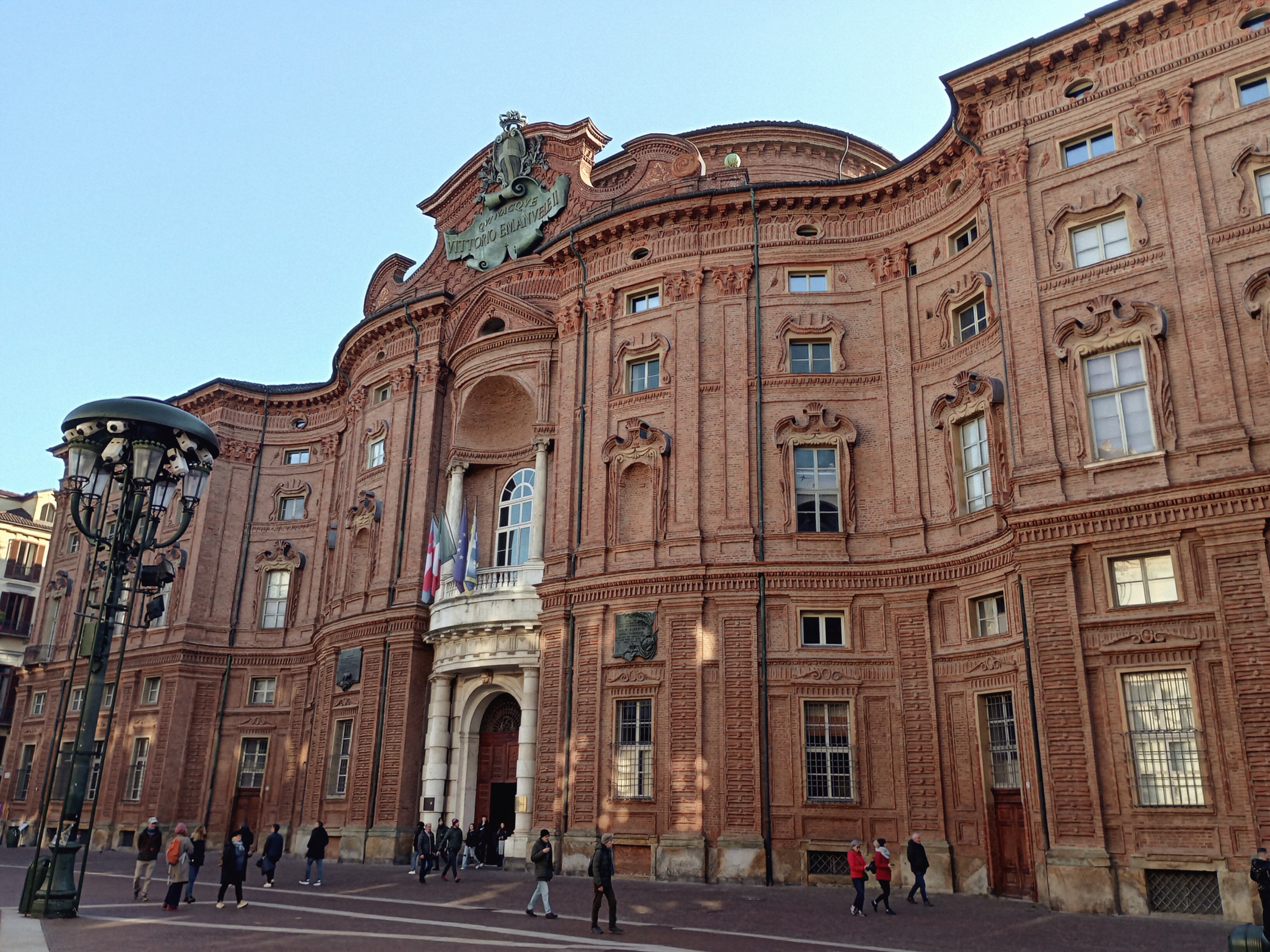 Palazzo CarignanoMuseum · 1.3h · €10
Palazzo Carignano is a masterpiece of Piedmontese Baroque, designed by Guarino Guarini in 1679 with a dramatic undulating brick facade. It is the birthplace of King Vittorio Emanuele II and housed Italy's first Subalpine Parliament (1848–61). Today it contains the Museo Nazionale del Risorgimento Italiano.
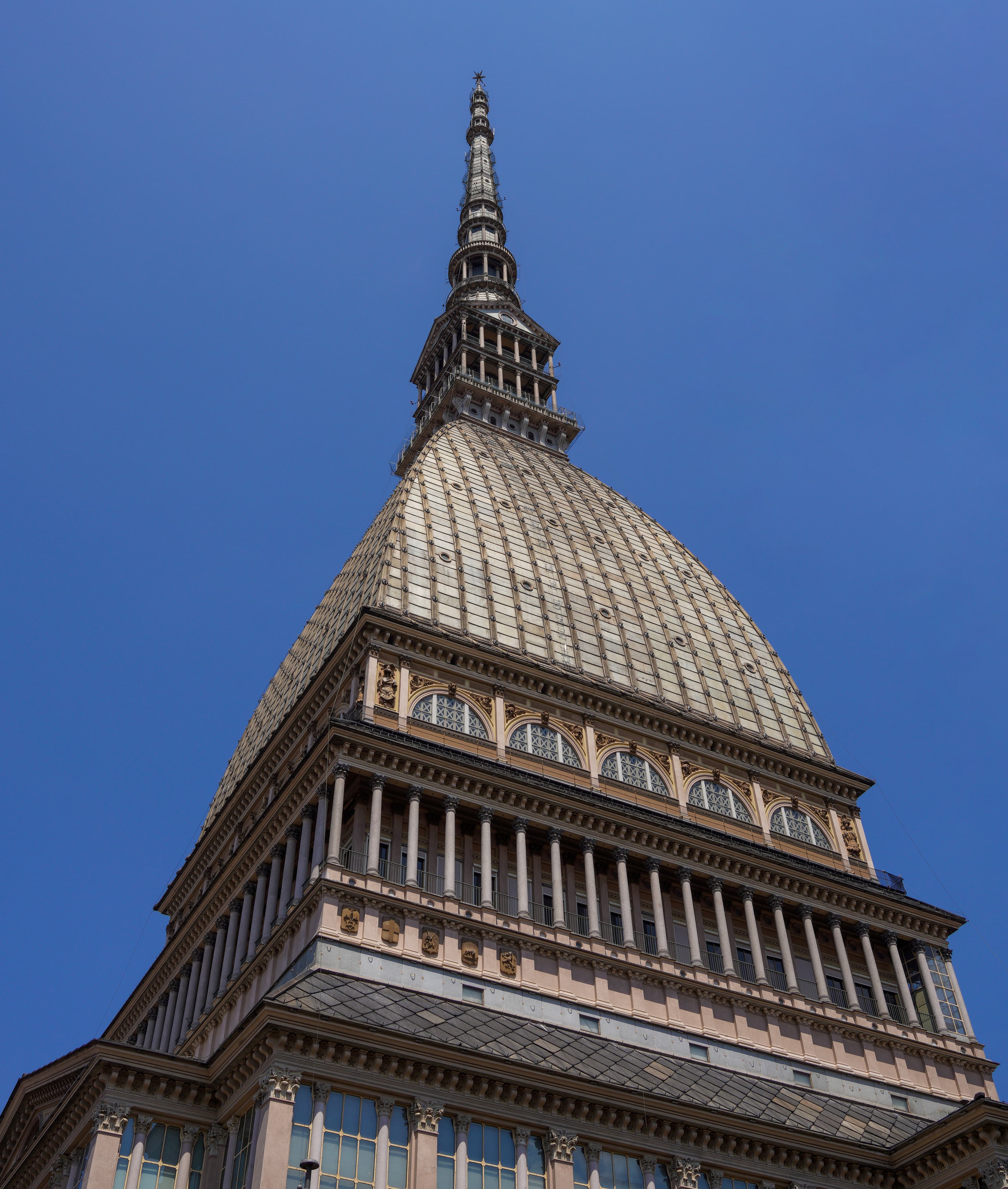 Museo Nazionale del CinemaMuseum · 2h · €15
Housed inside the soaring Mole Antonelliana, the Museo Nazionale del Cinema is one of the world's most inventive film museums. Its vertical layout spirals up through the building's cavernous interior, creating an immersive journey through cinema history from shadow puppets to digital effects.
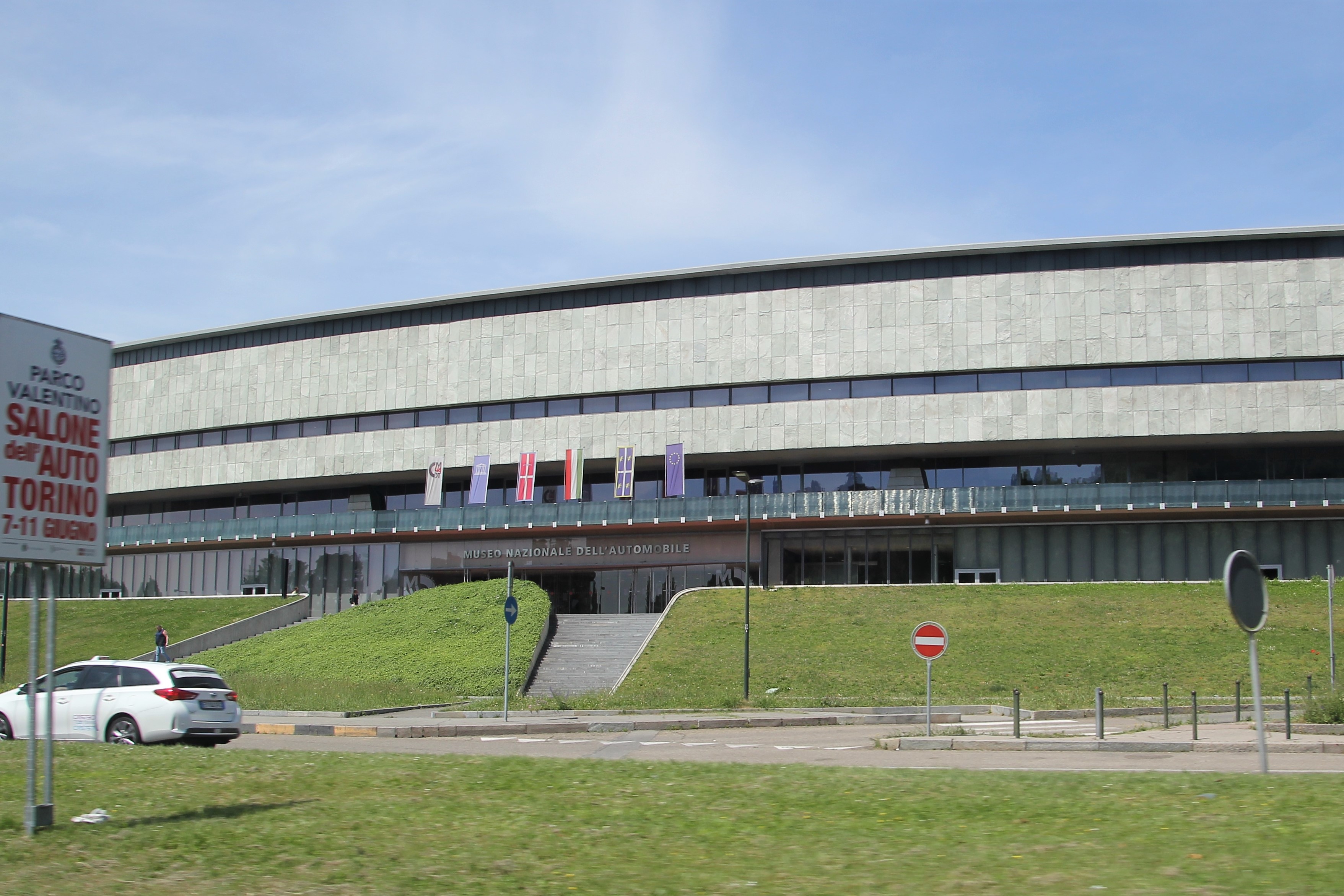 Museo Nazionale dell'AutomobileMuseum · 2h · €15
The Museo Nazionale dell'Automobile (MAUTO) is one of the world's most important automotive museums, tracing the evolution of the car from Karl Benz's 1893 motorwagen to Formula 1. Housed in a dramatically renovated 1960s building along the Po, it reflects Turin's identity as Italy's motor city.
 Museo LavazzaMuseum · 1.3h · €10
Museo Lavazza is an interactive museum in the Nuvola Lavazza complex exploring the history, science, and culture of coffee through the lens of Italy's most famous coffee brand. Opened in 2018 in a striking Cino Zucchi-designed building, it uses multimedia installations and sensory experiences to tell the story of coffee.
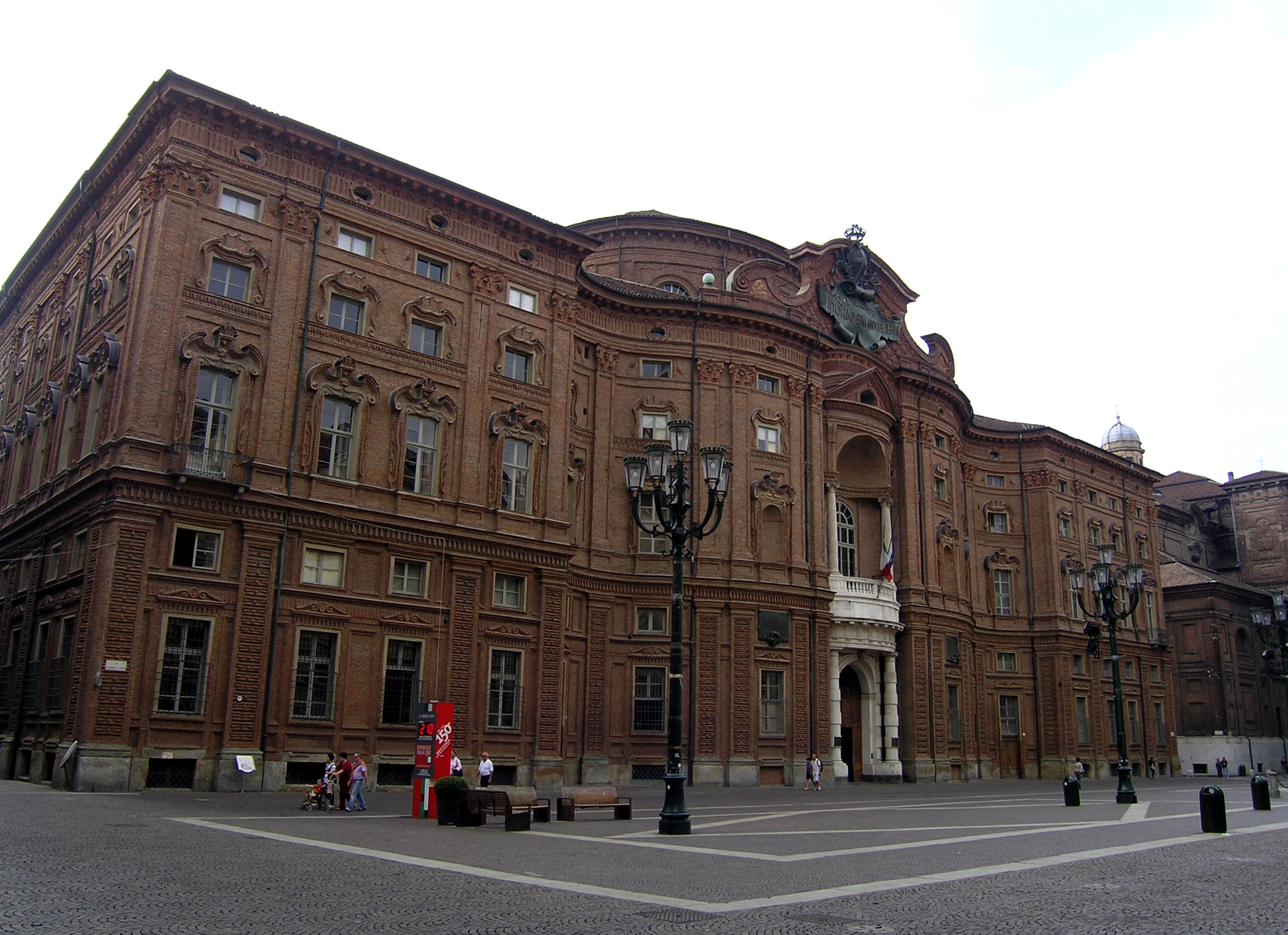 Museo Nazionale del Risorgimento ItalianoMuseum · 1.5h · €10
The Museo Nazionale del Risorgimento Italiano is the largest museum in Italy dedicated to the unification of the nation, housed in the historic Palazzo Carignano where the first Italian Parliament convened. Its 30 rooms trace the journey from the French Revolution to World War I through documents, weapons, art, and multimedia installations.
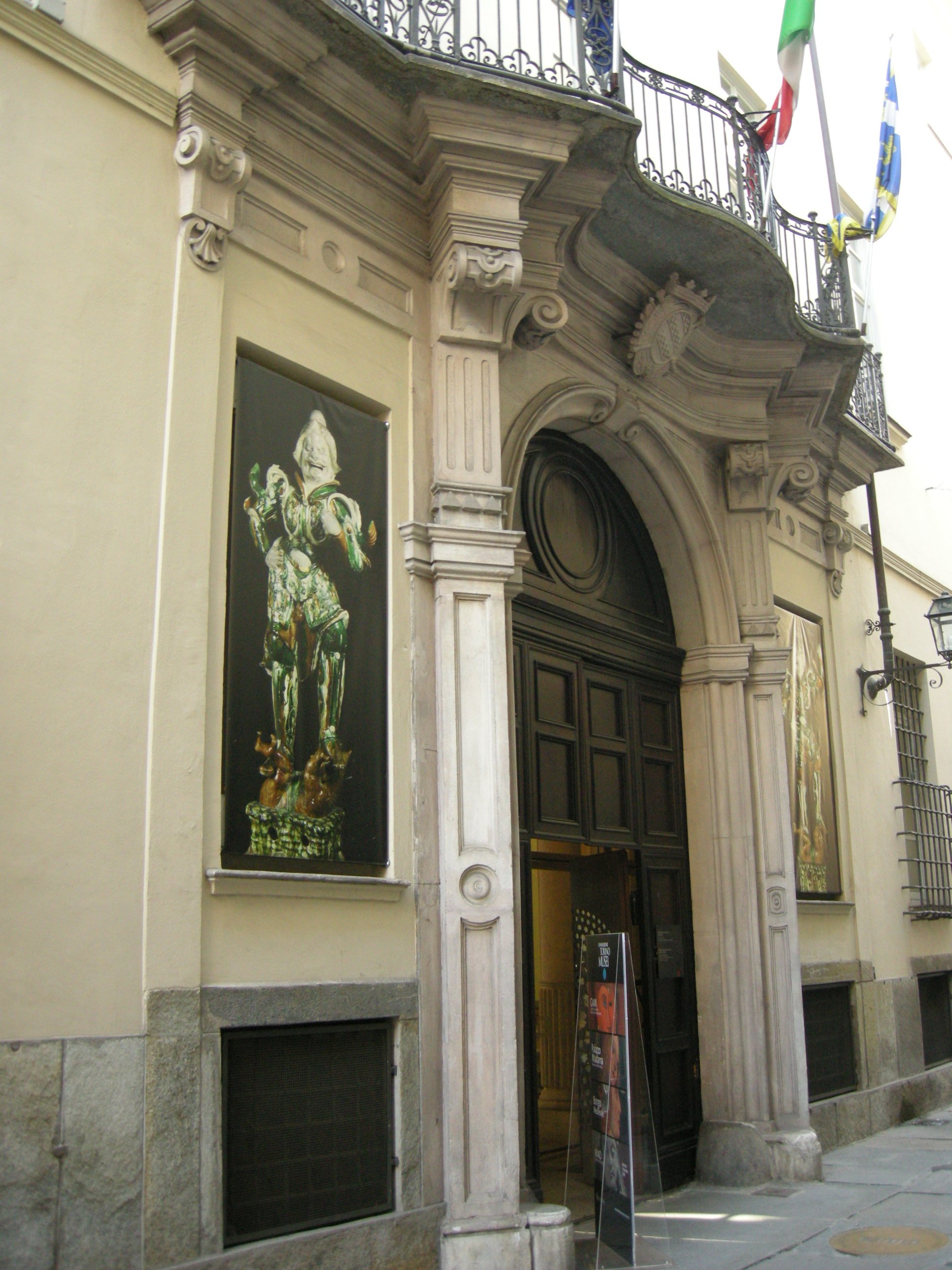 Museo di Arte Orientale (MAO)Museum · 1.3h · €10
The Museo d'Arte Orientale (MAO) is one of the few European museums dedicated entirely to Asian art, housed in the elegant 18th-century Palazzo Mazzonis in the Quadrilatero Romano. Its five galleries span South Asia, China, Japan, the Himalayan region, and the Islamic world.
- Museo Nazionale della MontagnaMuseum · 1h · €10
The Museo Nazionale della Montagna sits atop Monte dei Cappuccini, combining exhibitions on Alpine exploration, mountaineering history, and mountain culture with one of Turin's best panoramic terraces. Managed by the Italian Alpine Club (CAI) since 1874, it is the world's oldest mountain museum.
 Museo della SindoneMuseum · 1h · €8
The Museo della Sindone (Shroud Museum) is dedicated entirely to the Shroud of Turin, exploring its history, scientific analysis, and the ongoing debate over its authenticity. Located in the crypt of the Church of the Holy Shroud, it presents centuries of investigation through a compelling narrative.