Loading city...
Skip to main content
Neighborhoods in Rome
10 neighborhoods selected in this guide.
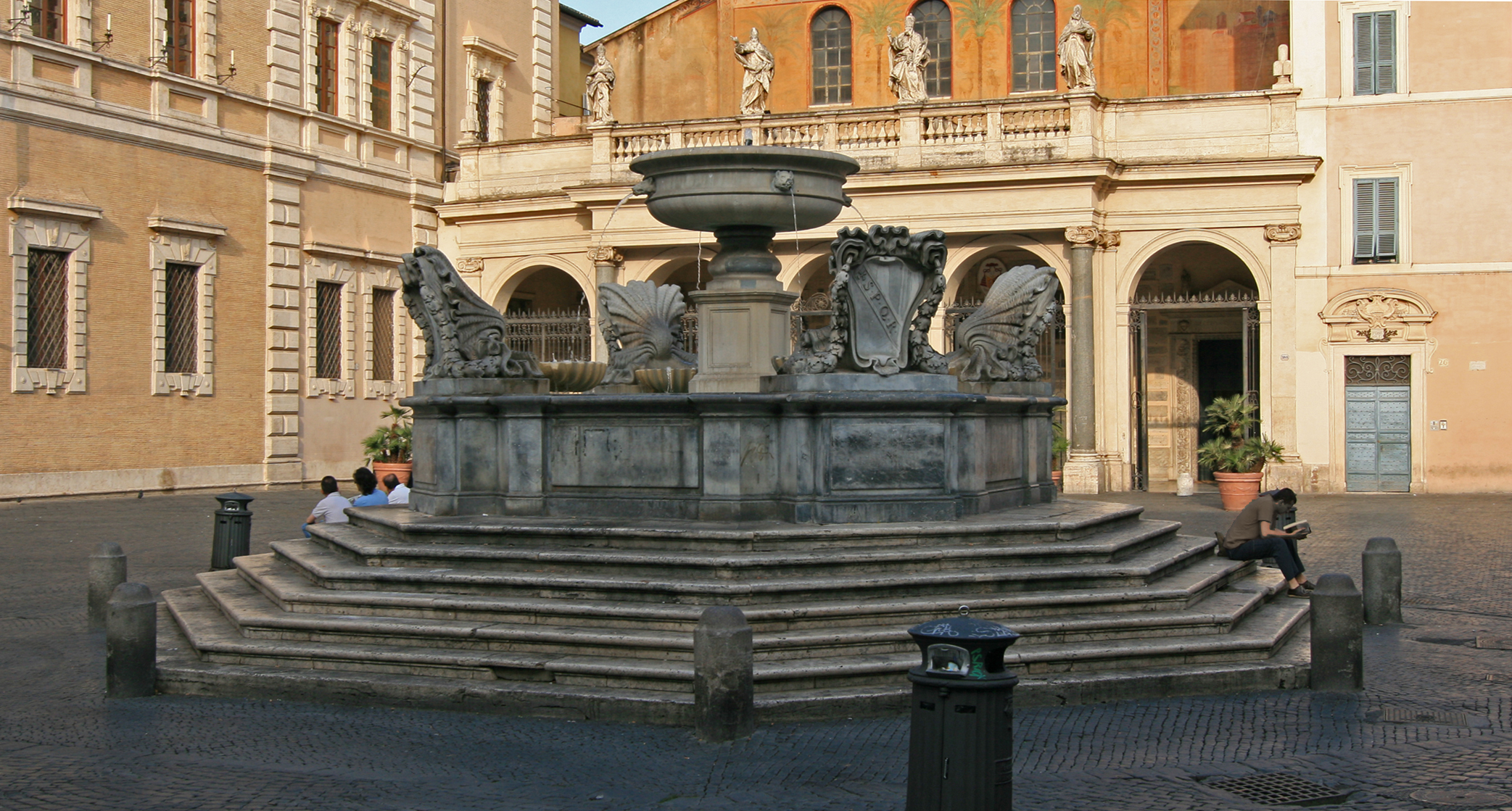 Trastevere DistrictNeighborhood · 2h · Free
Located literally "across the Tiber" from the historic center, Trastevere is heralded as Rome's most charming and photogenic neighborhood. It is an intoxicating, atmospheric labyrinth of narrow cobblestone alleyways, ivy-draped medieval buildings, and bustling piazzas.
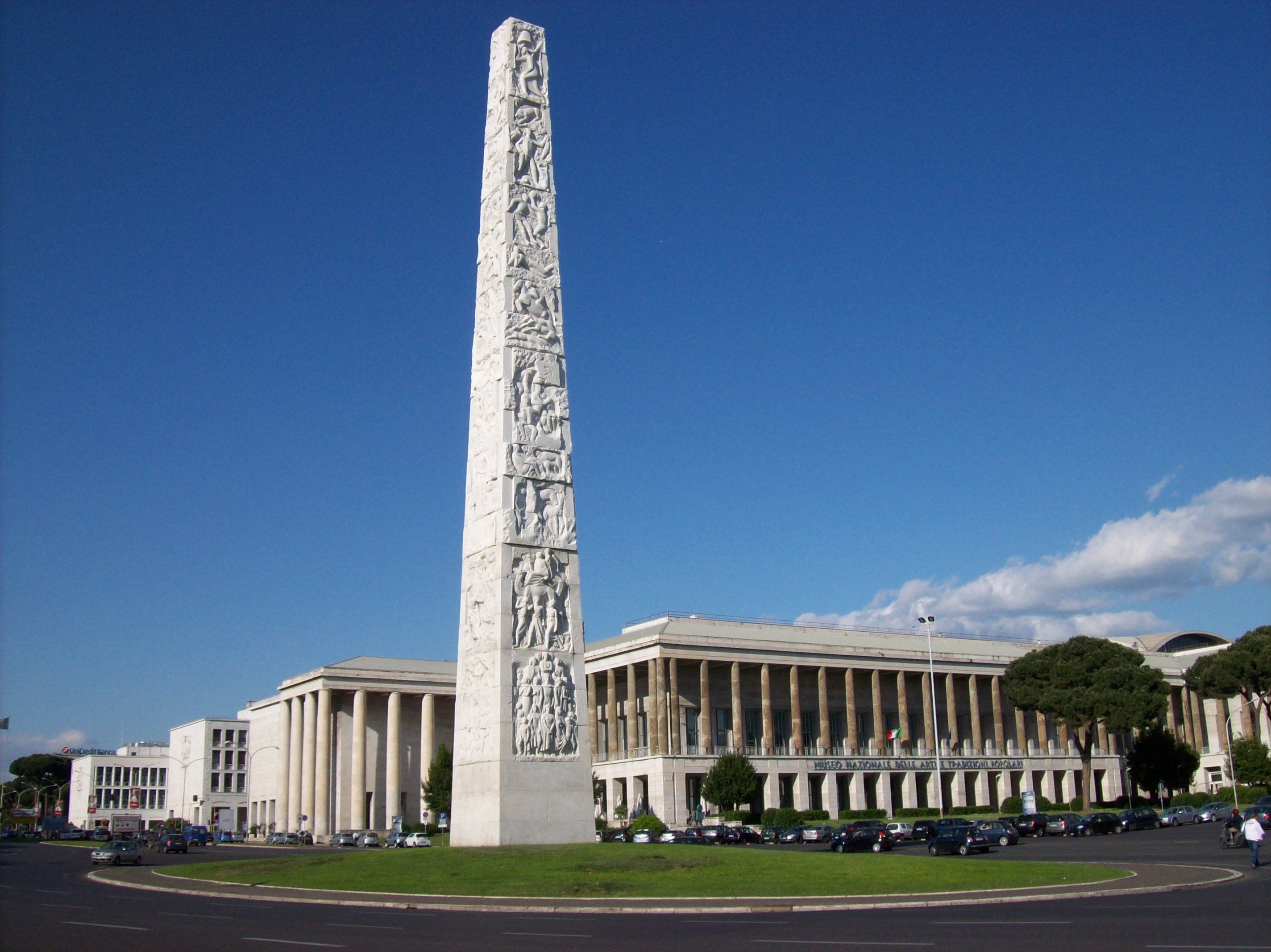 EURNeighborhood · 1.5h · Free
EUR (Esposizione Universale Roma) is a vast, surreal, intimidating district located significantly south of the ancient center. It is a masterpiece of sweeping, blindingly white grandiose Fascist-era Rationalist architecture.
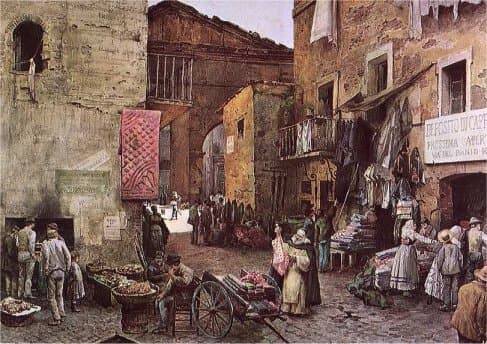 Jewish GhettoNeighborhood · 1.5h · Free
The Jewish Ghetto is one of the oldest, most tightly knit, and profoundly atmospheric Jewish communities in the world (outside the Middle East). Today, it is a bustling, incredibly charming district famous for its deep history, ancient ruins, and exceptional Roman-Jewish cuisine.
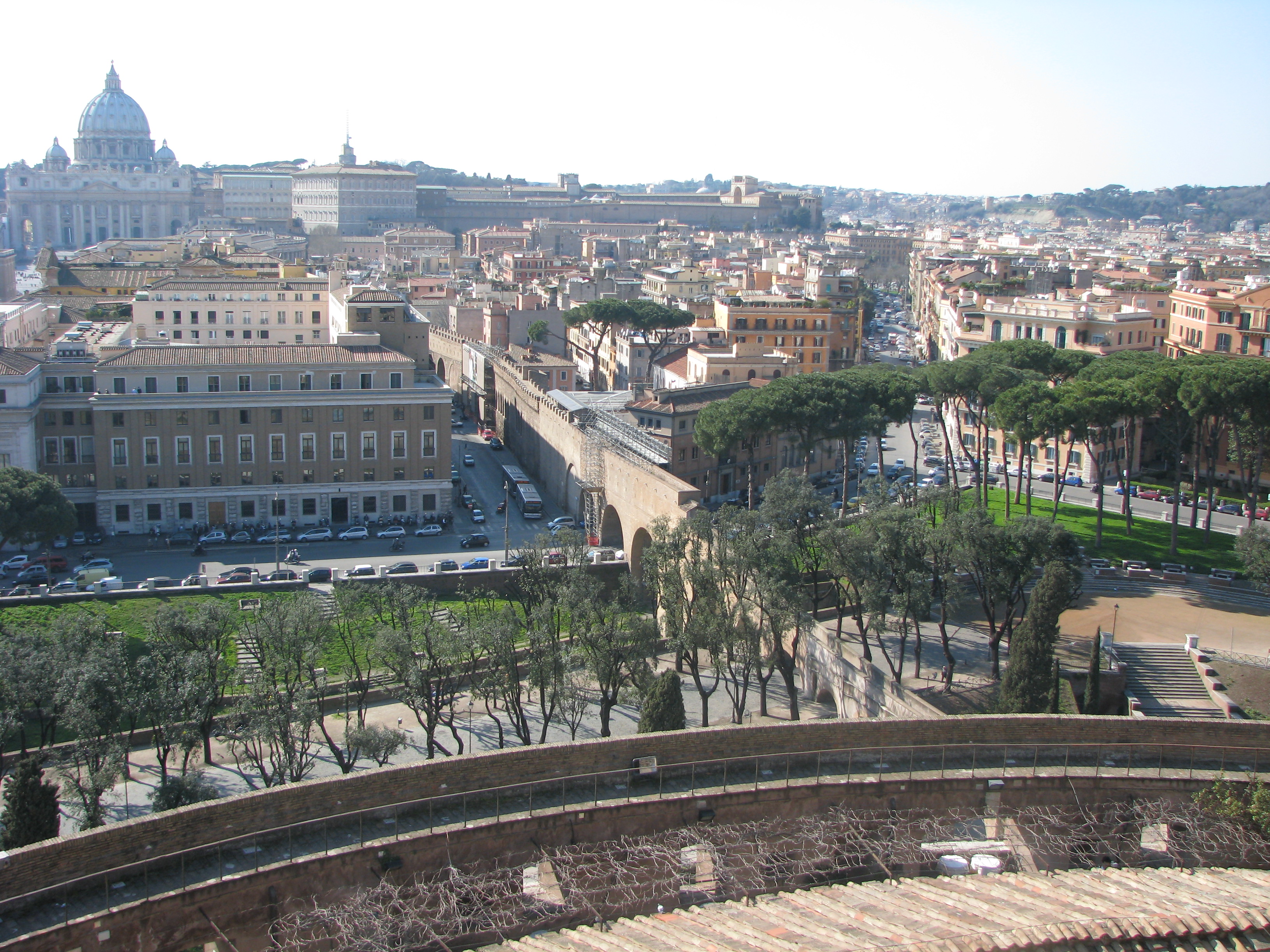 BorgoNeighborhood · 45 min · Free
The Borgo (Borgo Pio) is a massive, charming, historic medieval district permanently squeezed between the massive walls of Vatican City and the imposing Castel Sant'Angelo. It is a quiet, atmospheric village living in the massive shadow of the Pope.
 PratiNeighborhood · 1h · Free
Prati is a elegant, wealthy, structured upper-class neighborhood located just north of the Vatican. It contrasts with the chaotic historical center, boasting wide, tree-lined Parisian-style boulevards and precise grid layouts.
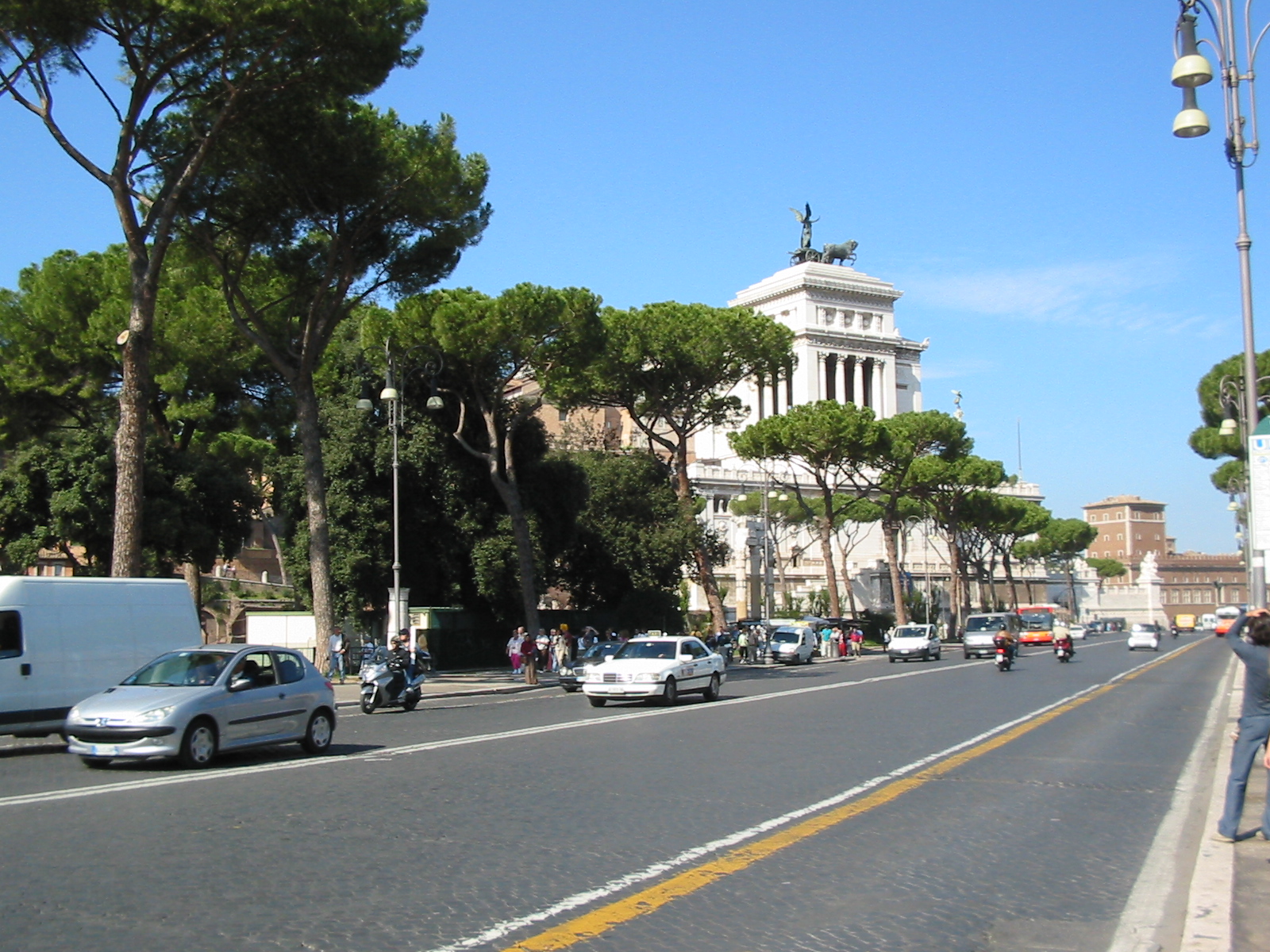 MontiNeighborhood · 1.5h · Free
Squeezed between the Colosseum and Termini Station, Monti is currently Rome's most hip, atmospheric, and beloved "village." It hides its dangerous, squalid ancient Roman history behind creeping ivy and chic vintage boutiques.
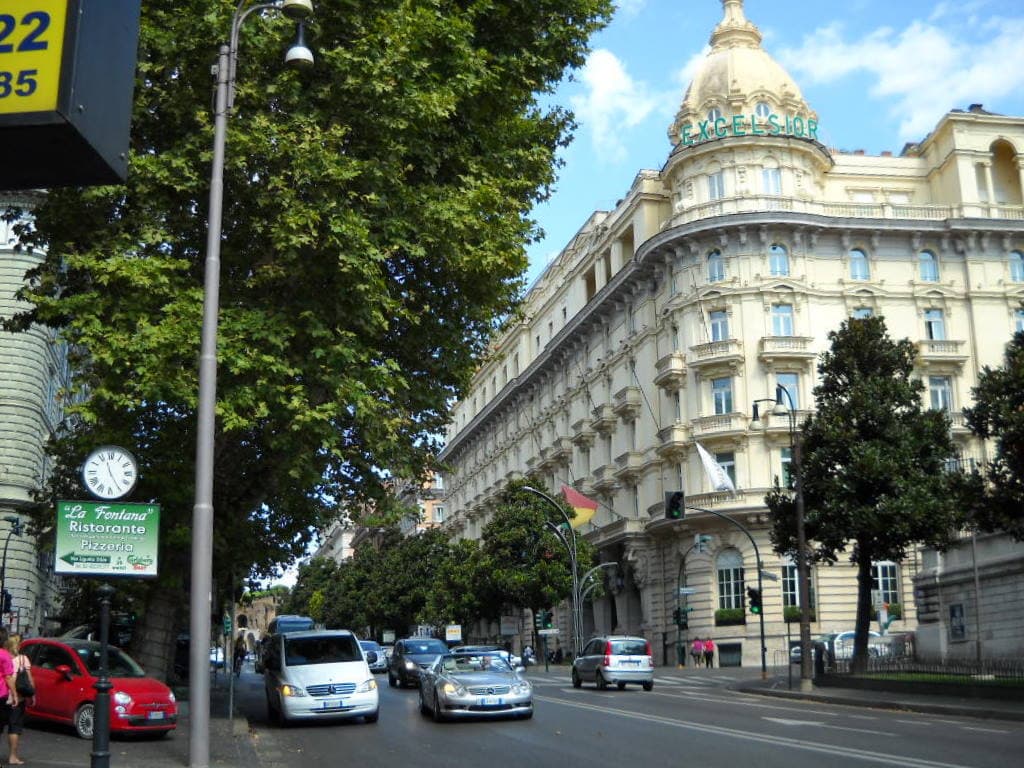 Via VenetoNeighborhood · 30 min · Free
Via Veneto is Rome's most sweeping, historically glamorous, and heavily cinematic boulevard. Winding elegantly from Villa Borghese down to Piazza Barberini, it is globally immortalized as the absolute epicenter of Federico Fellini's iconic 1960 film *La Dolce Vita*.
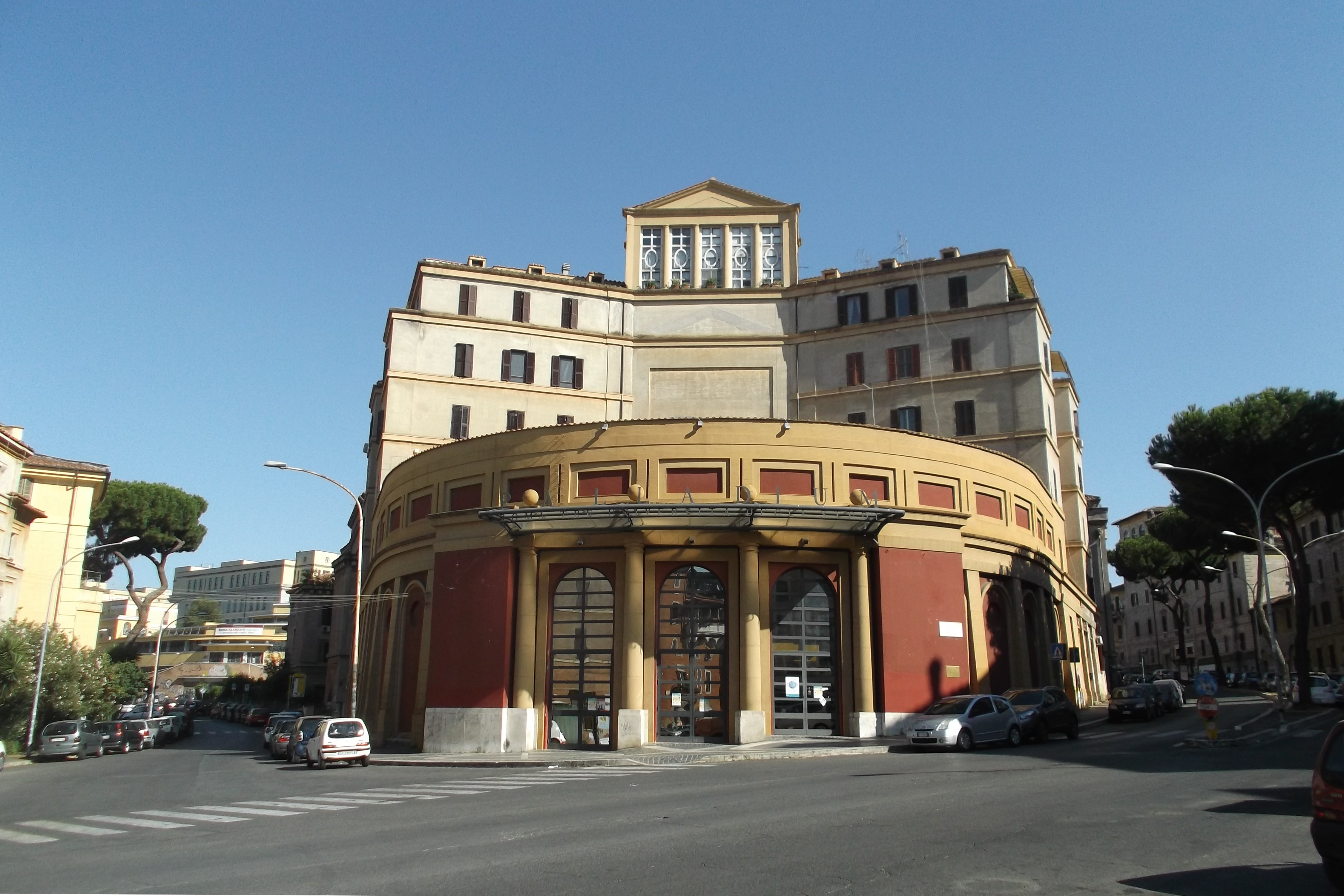 GarbatellaNeighborhood · 1h · Free
Garbatella is arguably the most distinct, beloved, and tight-knit purely residential neighborhood in Rome. devoid of massive tourism, it is a staggering, charming architectural experiment in early 20th-century utopian urban planning.
- 🏘PignetoNeighborhood · 1.5h · Free
Located outside the ancient walls in Rome's working-class eastern suburbs, Pigneto is famous as the city's gritty, unapologetically alternative heart. Often compared to Brooklyn or East London, it bursts with staggering street art and wild nightlife.
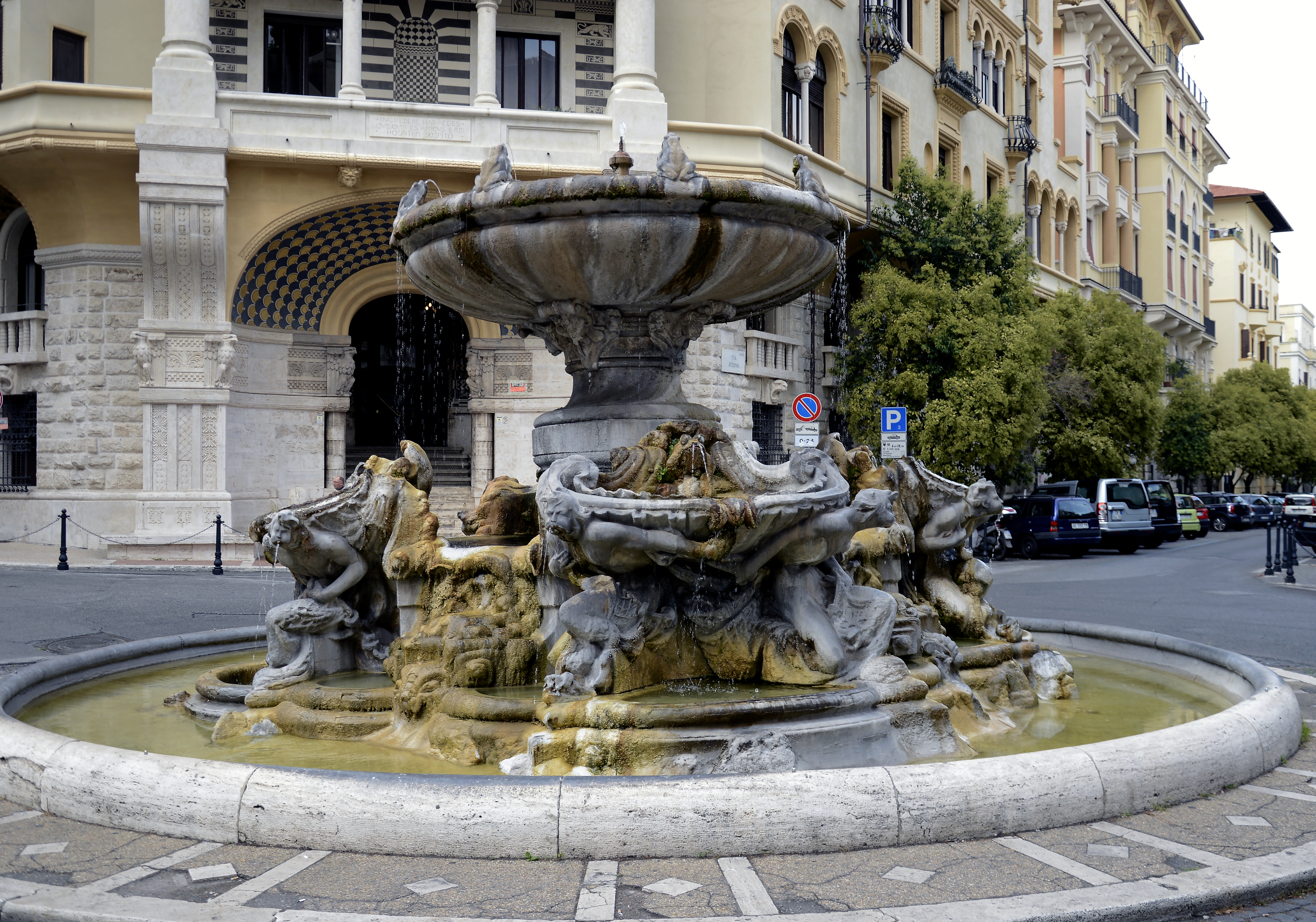 Quartiere CoppedeNeighborhood · 30 min · Free
Quartiere Coppedè is a small and surreal neighborhood in Rome's Trieste district, comprising 26 small palaces and 17 detached houses built between 1915 and 1927 by the eclectic architect Gino Coppedè. The result is unlike anything else in Rome — a dreamlike blend of Liberty, Art Deco, Gothic, Baroque, Medieval, and Greek references compressed into a single city block.