Loading city...
Skip to main content
Museums in Rome
24 museums selected in this guide.
 Vatican MuseumsMuseum · 4h · €20
The Vatican Museums (Musei Vaticani) consist of an massive, opulent complex of 54 galleries stretching across 7 kilometres. It houses one of the greatest, most significant, and overwhelmingly valuable collections of classical art and Renaissance masterpieces in human history.
 Capitoline MuseumsMuseum · 2.5h · €15
Founded in 1471, the Musei Capitolini hold the incredible, prestigious title of being the oldest public museums in the entire world. Spread across two magnificent palazzi atop the Capitoline Hill, they house Rome's greatest collection of ancient classical sculpture.
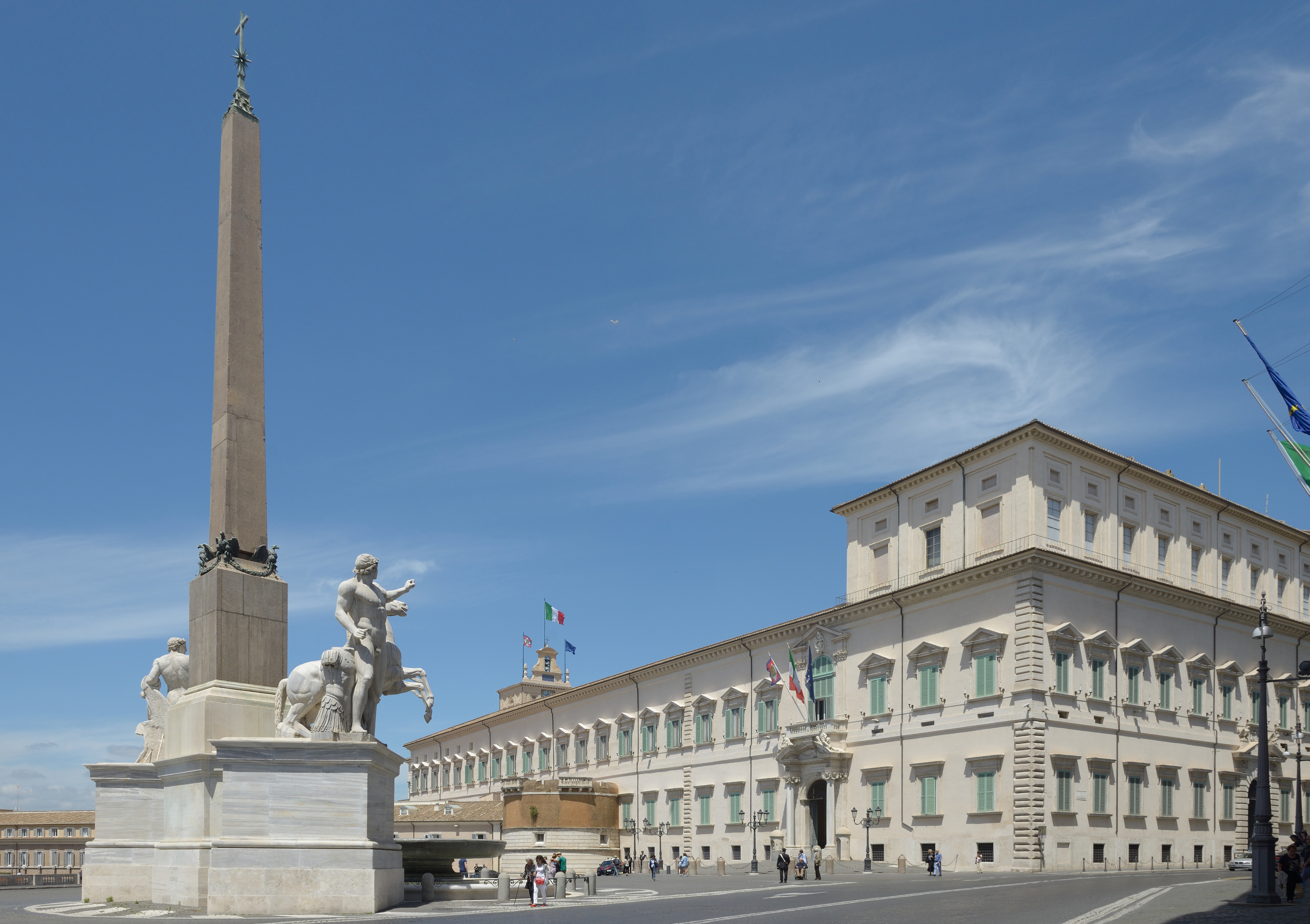 Quirinal PalaceMuseum · 1.5h · €10
The Quirinale is the official, vast residence of the President of the Italian Republic. Sitting atop the highest of Rome's Seven Hills, it is actually the ninth-largest palace in the entire world (twenty times larger than the White House).
 Galleria BorgheseMuseum · 2h · €17
Located within a spectacular 17th-century villa in Rome's most famous park, the Galleria Borghese completely lacks the overwhelming size of the Vatican Museums but arguably surpasses it in sheer, concentrated artistic perfection.
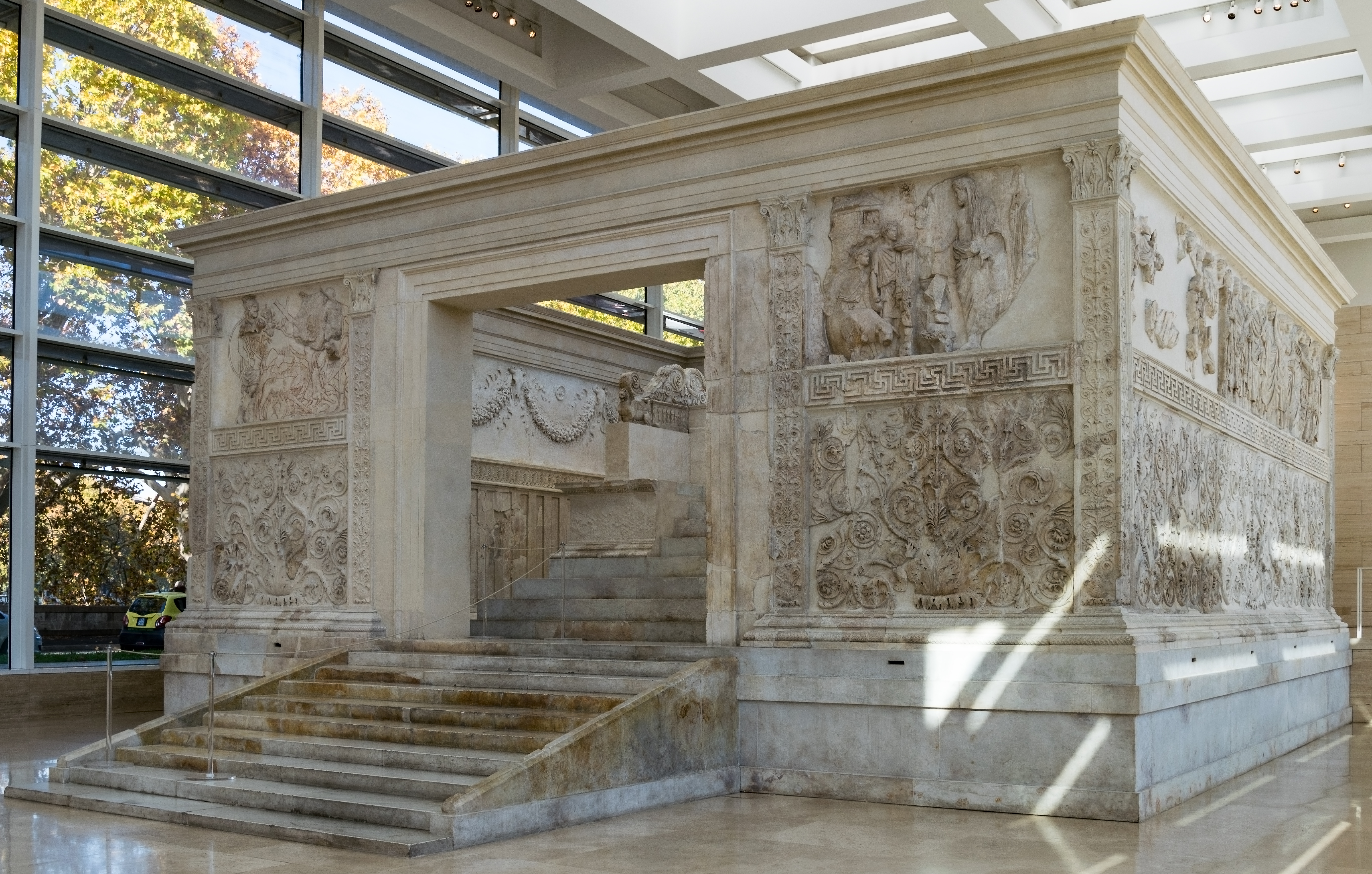 Ara PacisMuseum · 45 min · €13
The Ara Pacis Augustae (Altar of Augustan Peace) is an absolute masterpiece of ancient Roman sculpture. It is beautifully displayed inside a striking, ultra-modern glass and travertine pavilion designed by Richard Meier, sitting right alongside the Tiber River.
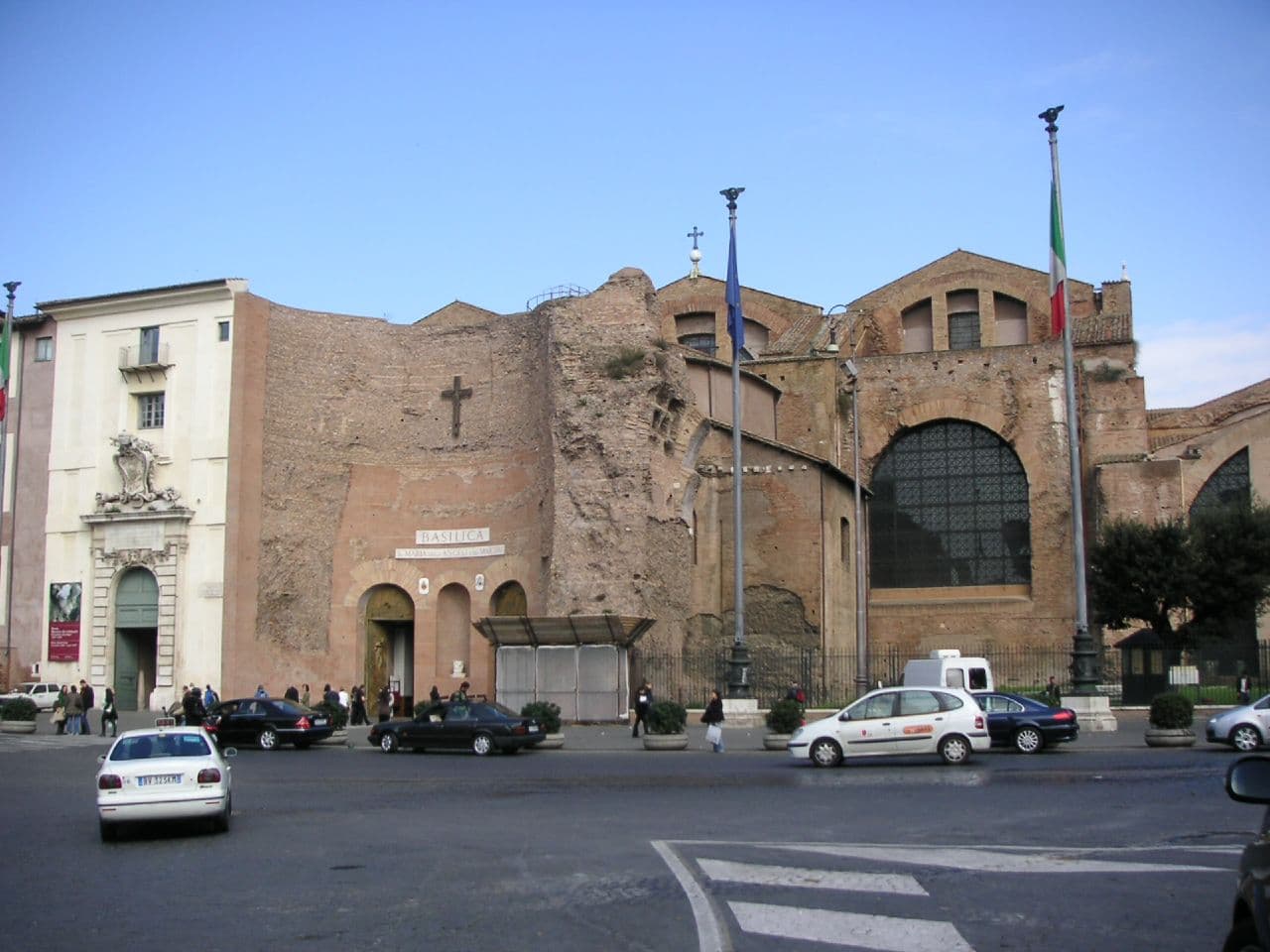
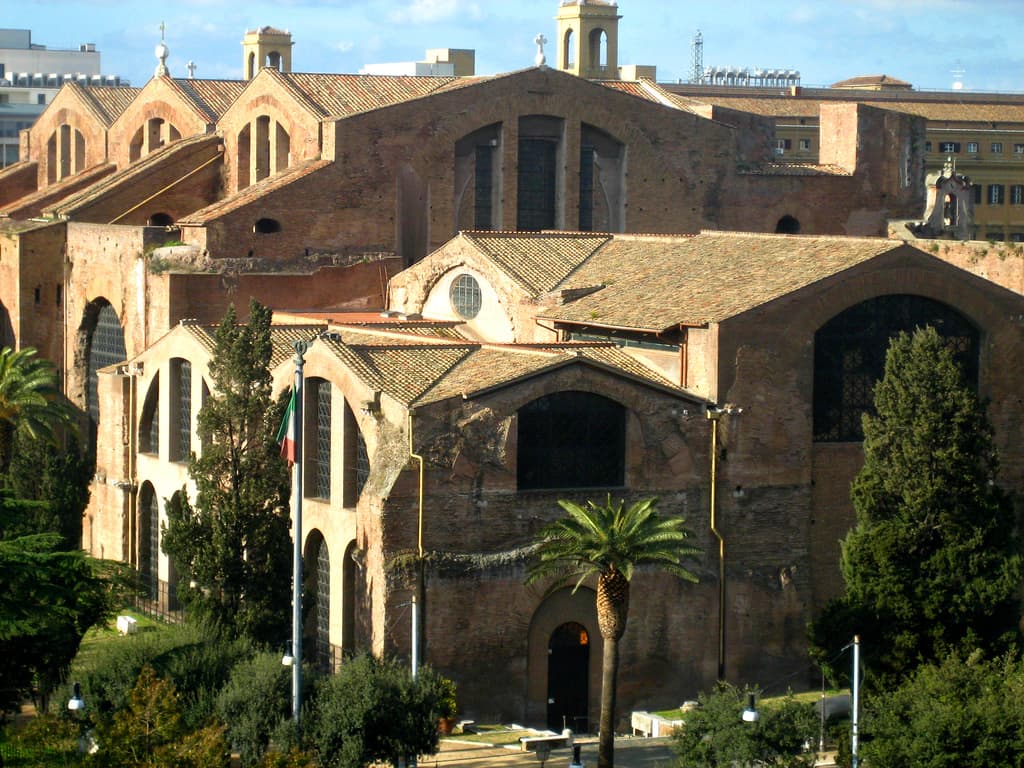 Baths of DiocletianMuseum · 1.5h · €7
The Baths of Diocletian (Terme di Diocleziano) represent the grandest, most vast public bathing complex ever constructed in ancient Rome. It is so unbelievably huge that today its incredible footprint houses a spectacular museum, two massive churches, and a major traffic roundabout.
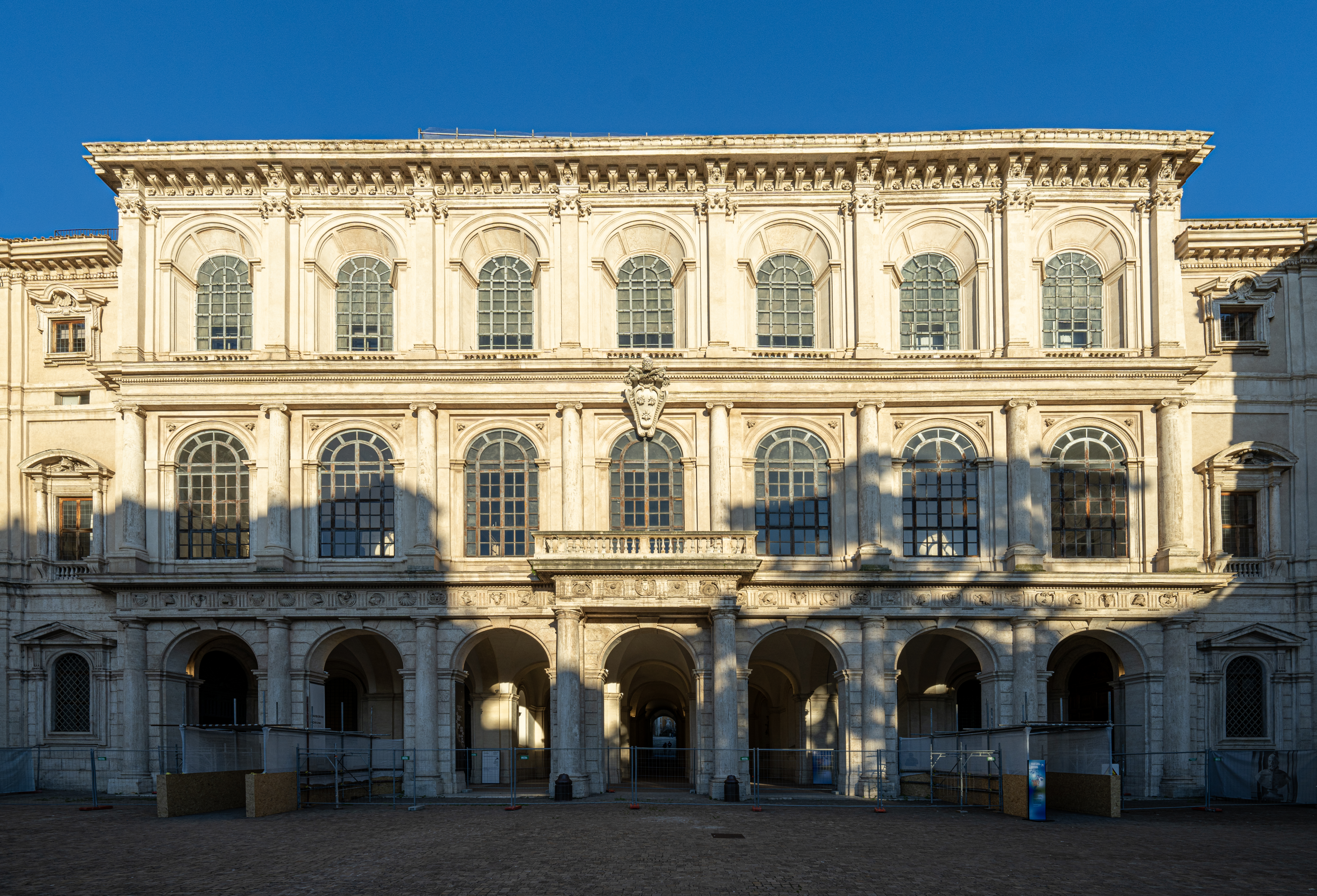 Palazzo BarberiniMuseum · 1.5h · €15
Palazzo Barberini is an magnificent, shockingly vast 17th-century palace located near the Trevi district. Functioning as the National Gallery of Ancient Art, it flawlessly marries some of the world's greatest paintings with breathtaking, theatrical Baroque architecture.
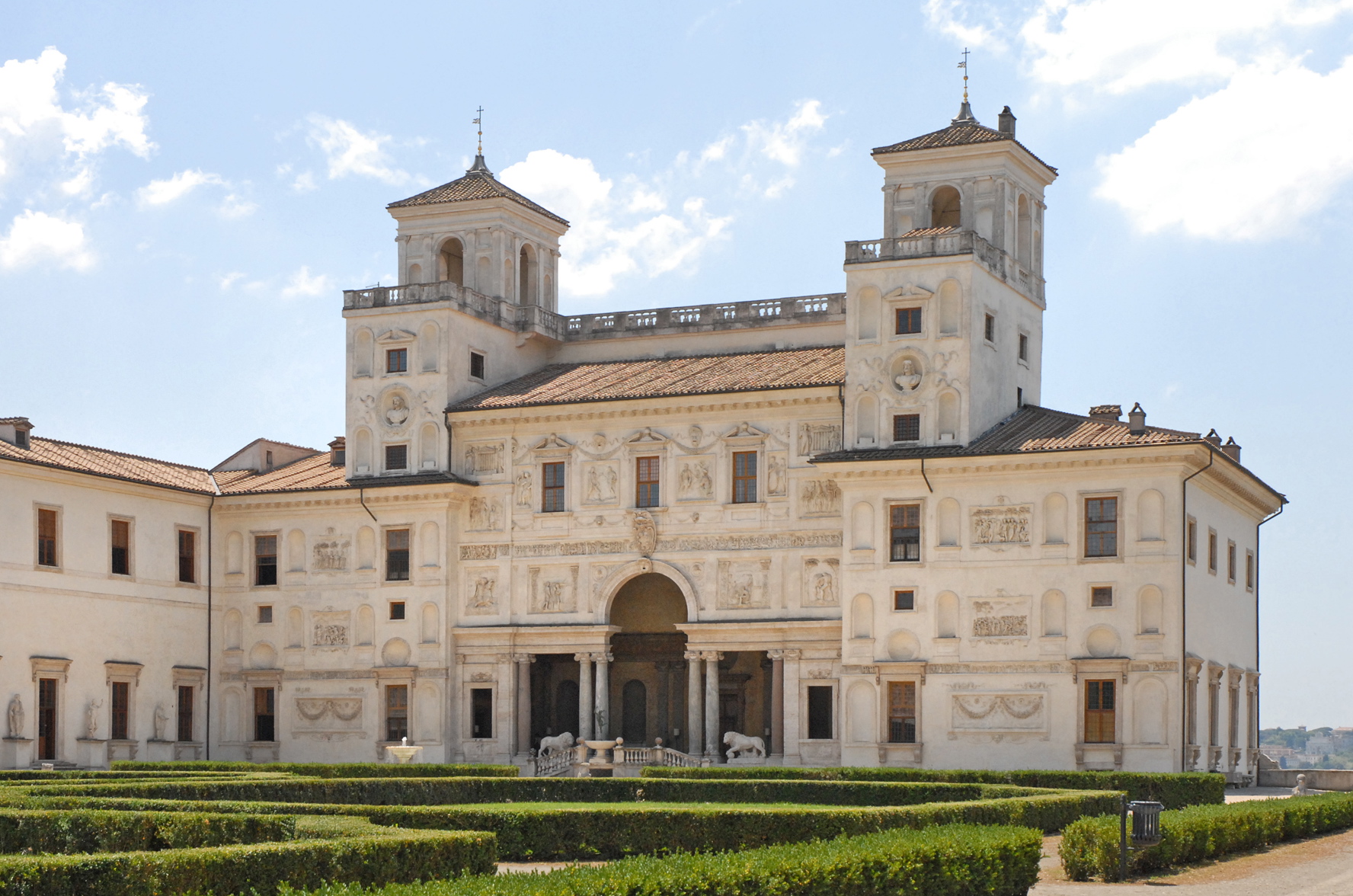 Villa MediciMuseum · 1.5h · €12
The Villa Medici crowns the Pincian Hill above the Spanish Steps, serving as the home of the French Academy in Rome since 1803. The Renaissance villa, its formal gardens, and its panoramic terraces make it one of the most beautiful — and least visited — cultural sites in the city.
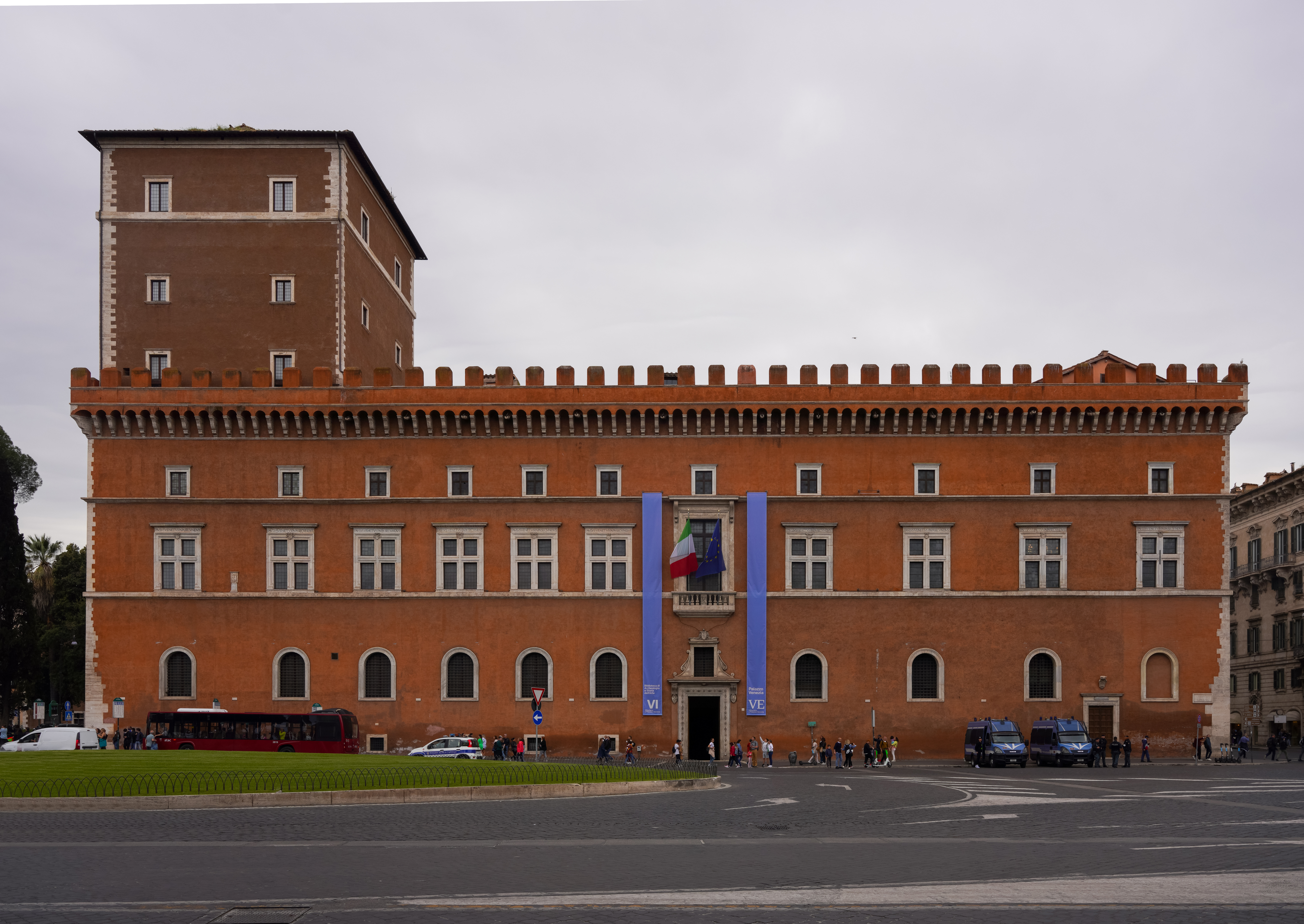 Palazzo VeneziaMuseum · 1h · €10
Occupying an massive chunk of the chaotic Piazza Venezia, Palazzo Venezia is a imposing, fortified Renaissance palace. While it notably lacks the sweeping grace of other Roman palaces, its massive historical presence in the 20th century is undeniable.
 Villa FarnesinaMuseum · 45 min · €12
Tucked quietly away in Trastevere along the curve of the Tiber, Villa Farnesina is arguably the most perfect, harmonious, and jaw-droppingly beautiful High Renaissance villa in Rome. It is a jewel box of art.
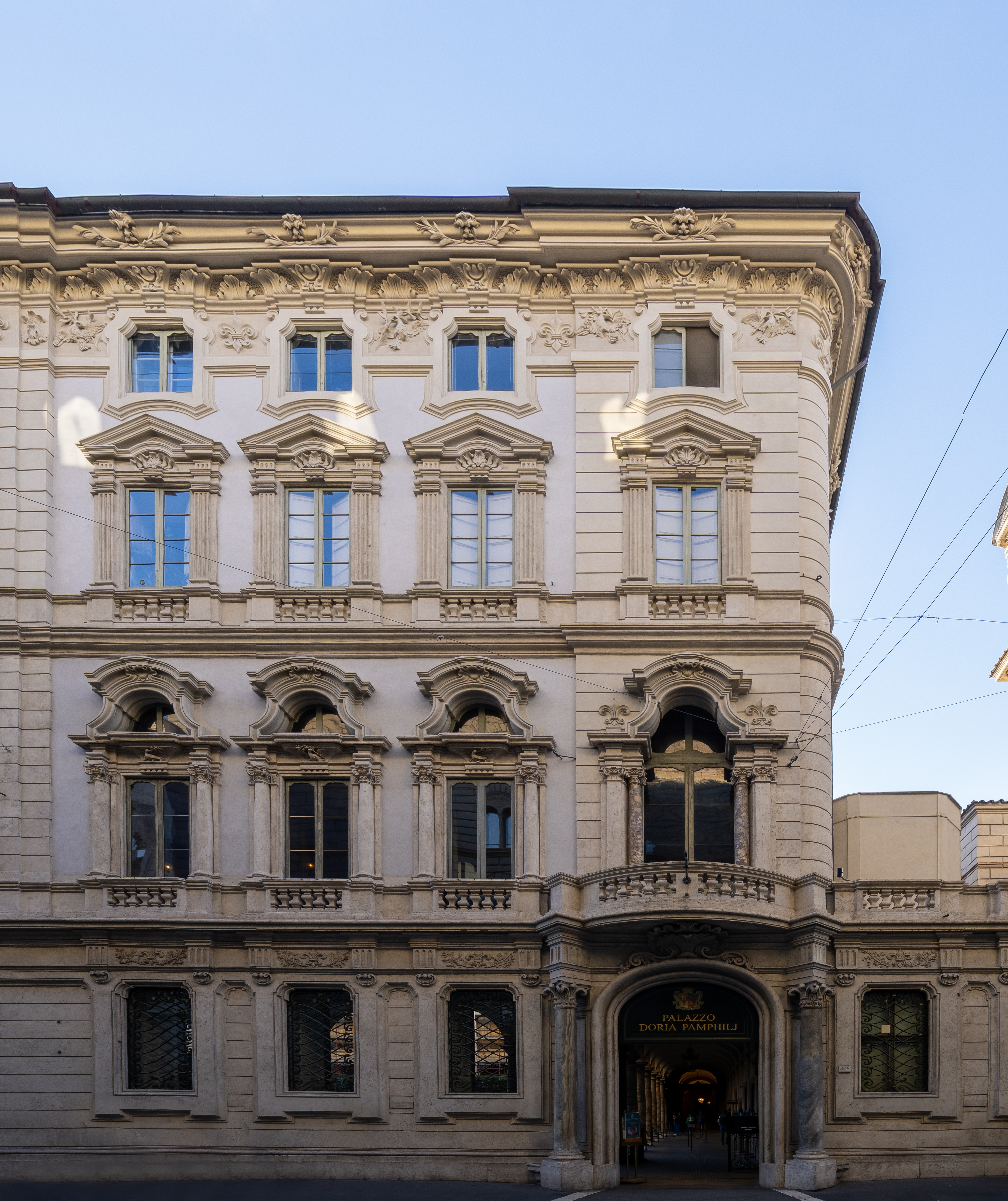 Doria Pamphilj GalleryMuseum · 1.5h · €16
The Galleria Doria Pamphilj represents the absolute zenith of Roman aristocratic splendor. Still privately owned by the original family, this spectacular, massive palazzo on Via del Corso houses one of the finest art collections in Italy amidst jaw-dropping, fully furnished Baroque state rooms.
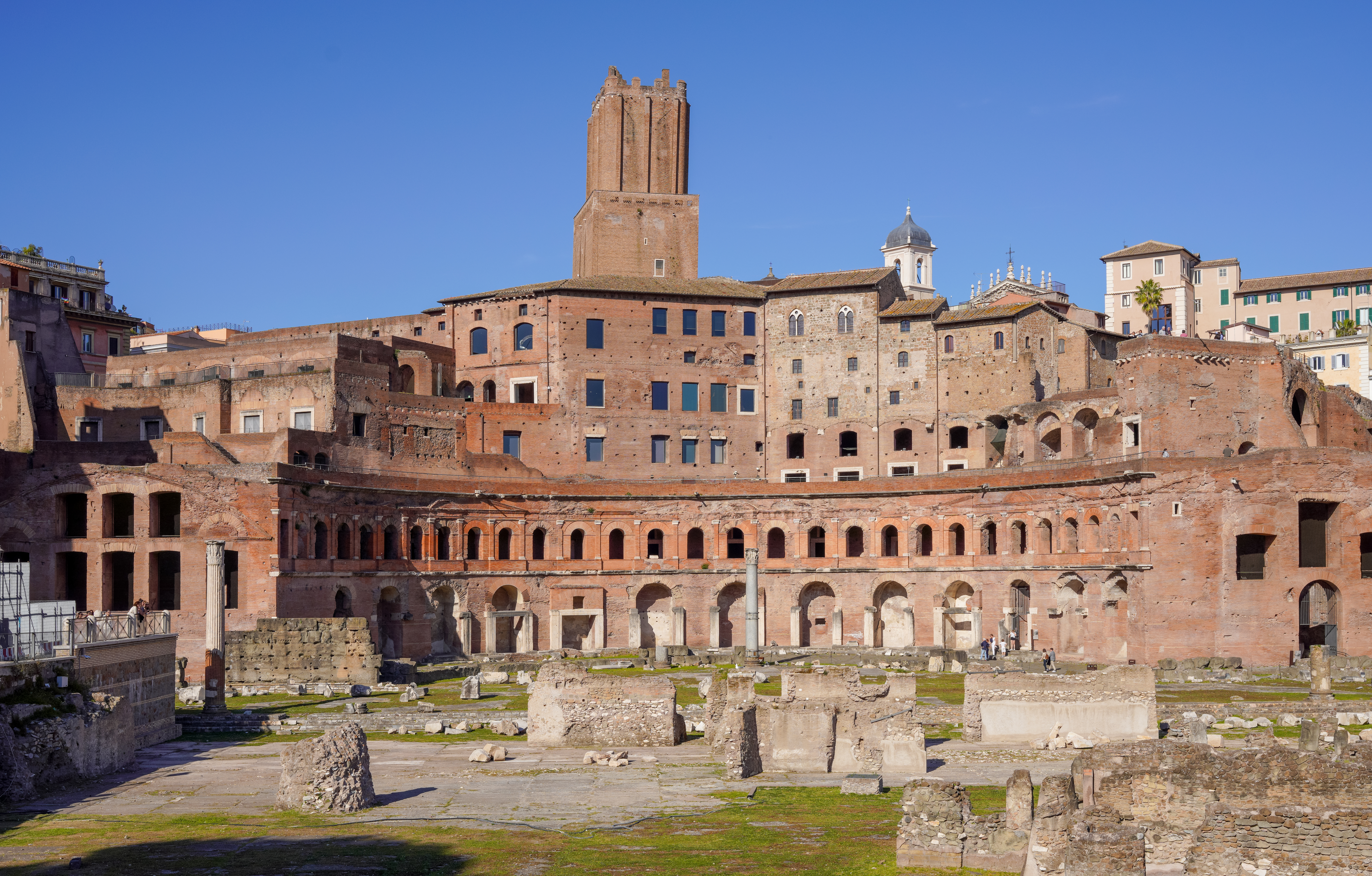 Trajan's MarketMuseum · 1.3h · €16
Carved heavily into the side of the Quirinal Hill overlooking the Imperial Forums, Trajan's Market (Mercati di Traiano) is a wildly expansive, six-story brick complex. It is globally considered by historians to be the absolutely earliest known example of a modern shopping mall.
 MAXXI MuseumMuseum · 1.5h · €12
The MAXXI (National Museum of 21st Century Arts) is Italy's wildly ambitious, ultra-modern epicenter for contemporary art and architecture. Housed in a spectacular, decidedly fluid building in the Flaminio district, it is the absolute antithesis of ancient Rome.
 Palazzo ColonnaMuseum · 1h · €15
Located near Piazza Venezia, Palazzo Colonna is arguably the most opulent, breathtaking private residence in Rome. Open to the public only on strict, limited hours, it offers an impossibly lavish glimpse into the world of the Roman black nobility.
 GNAM - National Gallery of Modern ArtMuseum · 2h · €10
Located gracefully on the edge of Villa Borghese, the GNAM (Galleria Nazionale d'Arte Moderna) is Italy's absolute premier, comprehensive collection of 19th and 20th-century art. It provides a shocking, refreshing visual break from Rome's endless ancient ruins and Renaissance churches.
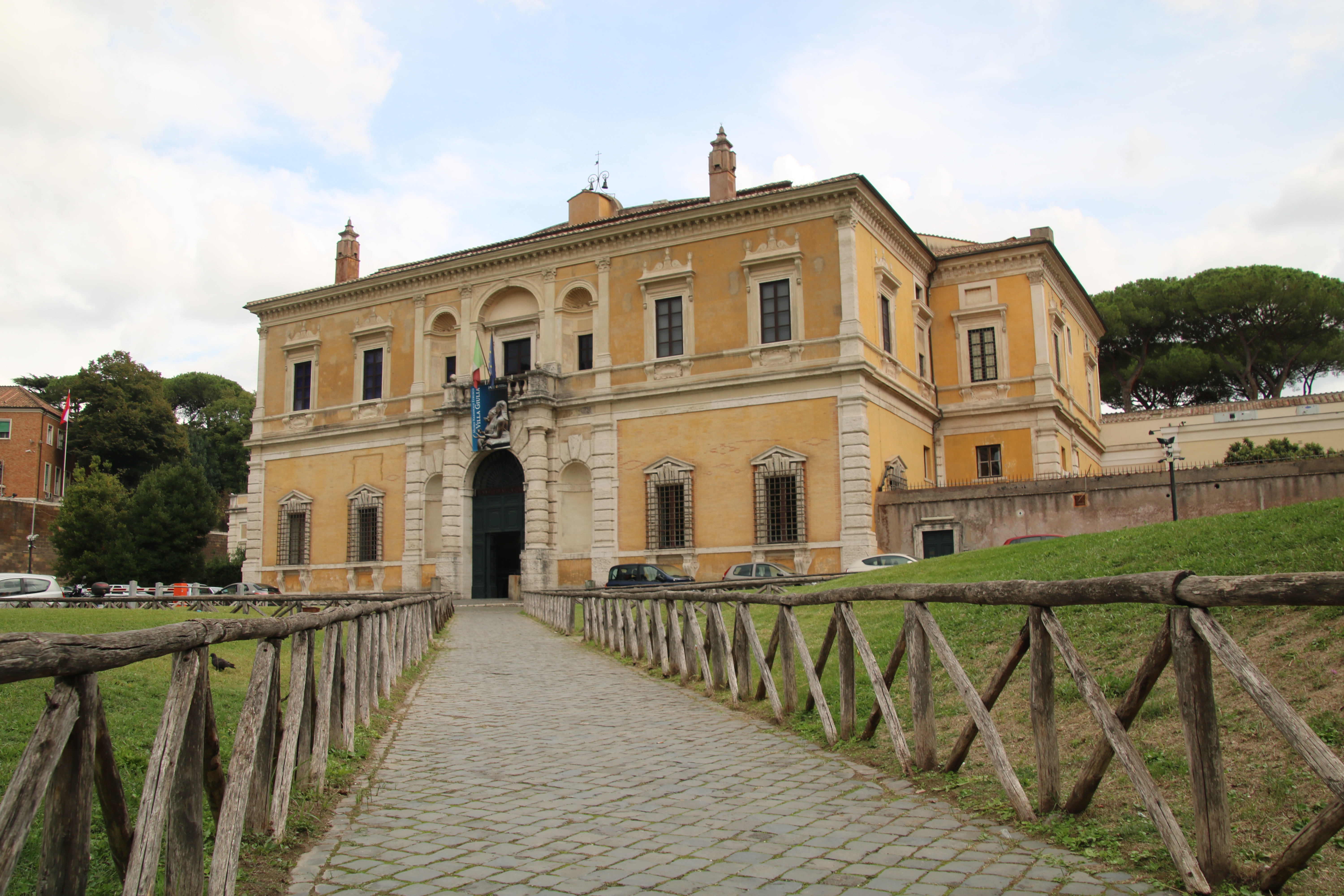 Villa GiuliaMuseum · 1.5h · €10
Villa Giulia is Rome's spectacularly stunning, comprehensive National Etruscan Museum, housed in a lavish, elegant Renaissance summer villa. It focuses on the mysterious, brilliant civilization that dominated Italy long before the massive rise of Rome.
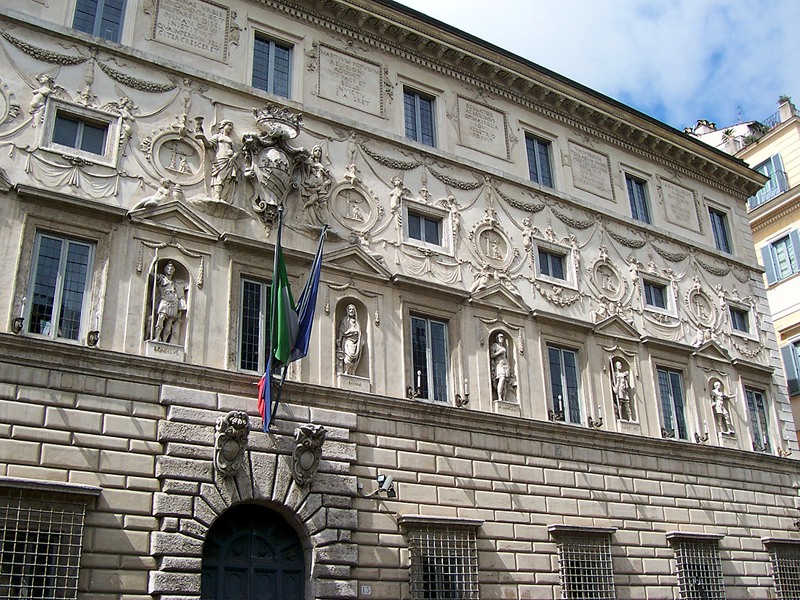 Galleria SpadaMuseum · 45 min · €5
Tucked off a busy street near Campo de' Fiori, Palazzo Spada houses a brilliant, fascinating private art gallery. However, almost every single visitor comes here for one famous, mind-bending architectural magic trick hidden deep in the courtyard.
 Palazzo AltempsMuseum · 1h · €10
Hidden behind Piazza Navona, Palazzo Altemps is a spectacular, beautiful 15th-century aristocratic mansion. Functioning as a branch of the National Roman Museum, it flawlessly displays a staggering collection of massive ancient marble sculptures within opulent, frescoed Renaissance rooms.
 Palazzo Massimo alle TermeMuseum · 1.5h · €10
Located right next to Termini Station, Palazzo Massimo alle Terme is arguably one of the greatest, curated, and overlooked ancient art museums in the world. As the premier branch of the National Roman Museum, it houses Rome’s absolute finest, mind-bending classical frescoes and bronze statues.
 MACROMuseum · 1.3h · Free
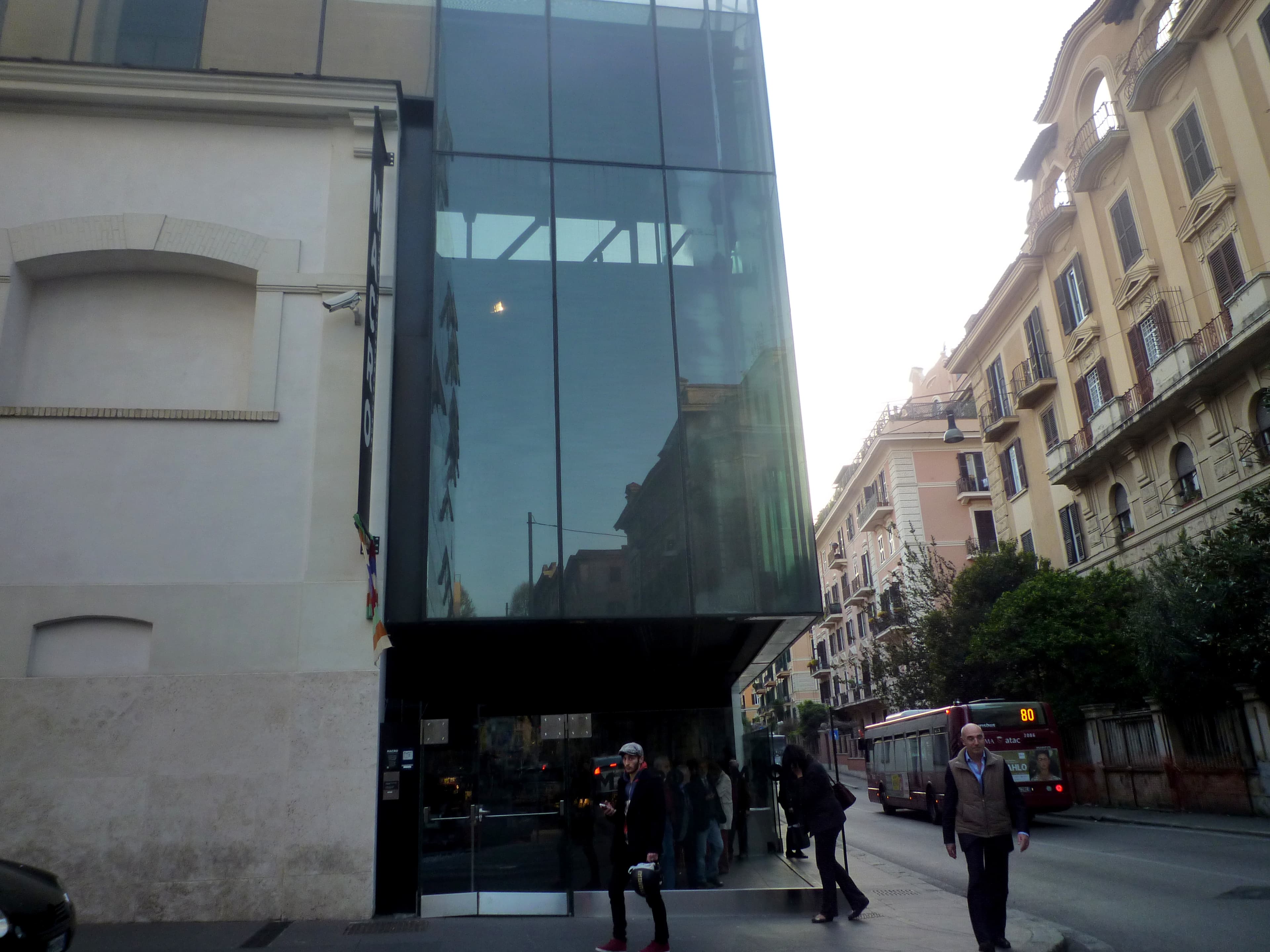
The MACRO (Museum of Contemporary Art of Rome) is a dynamic, experimental, edgy massive cultural hub located in the residential Salario neighborhood. distinct from the massive MAXXI, it operates as an free, massive "museum as a massive magazine."
 Keats-Shelley HouseMuseum · 45 min · €6
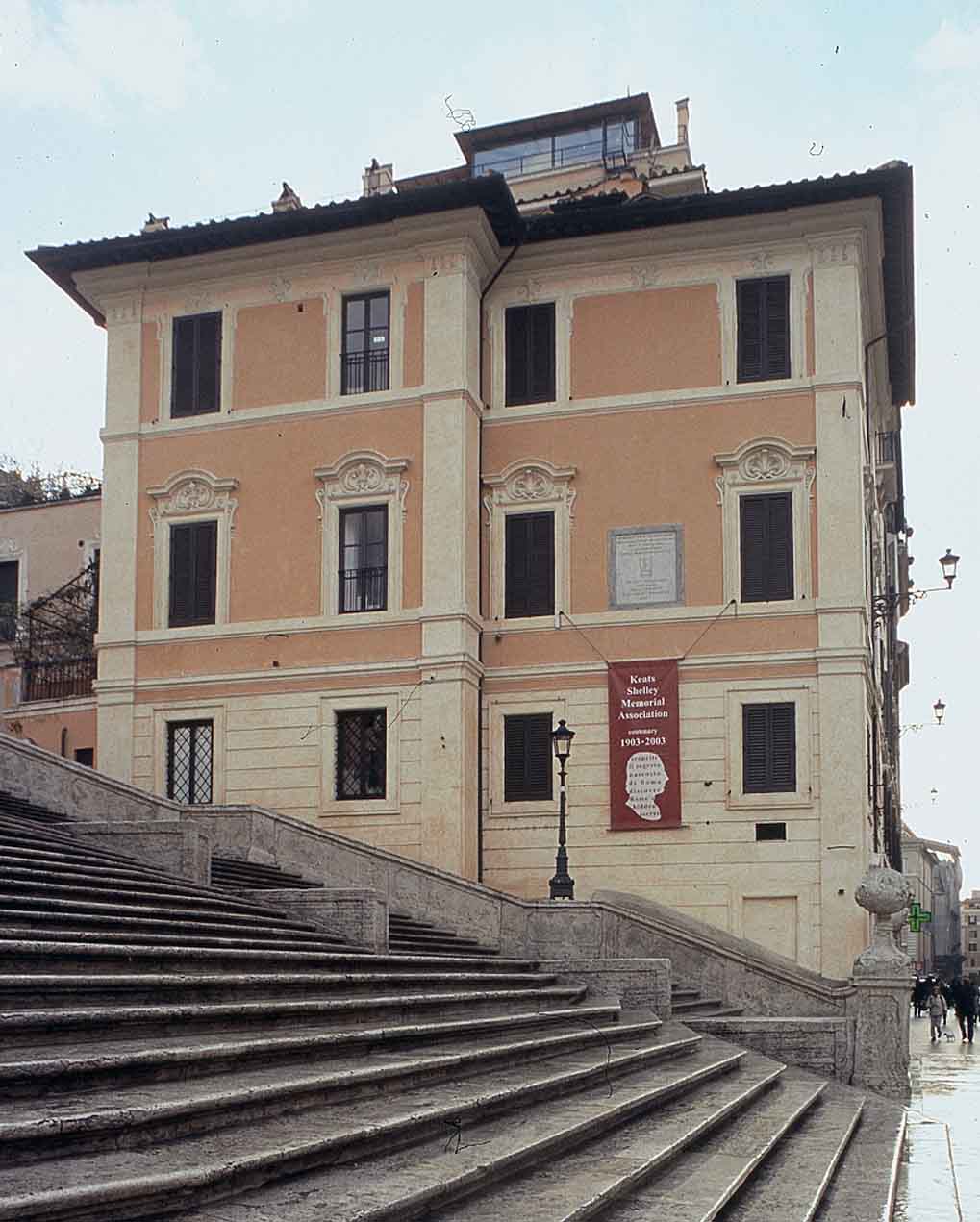
Sitting at the bottom right corner of the massive Spanish Steps, the Keats-Shelley House is a haunting, romantic, incredibly tiny museum passionately dedicated to the brilliant English Romantic poets who tragically lived and died in Italy.
 Crypta BalbiMuseum · 1h · €10
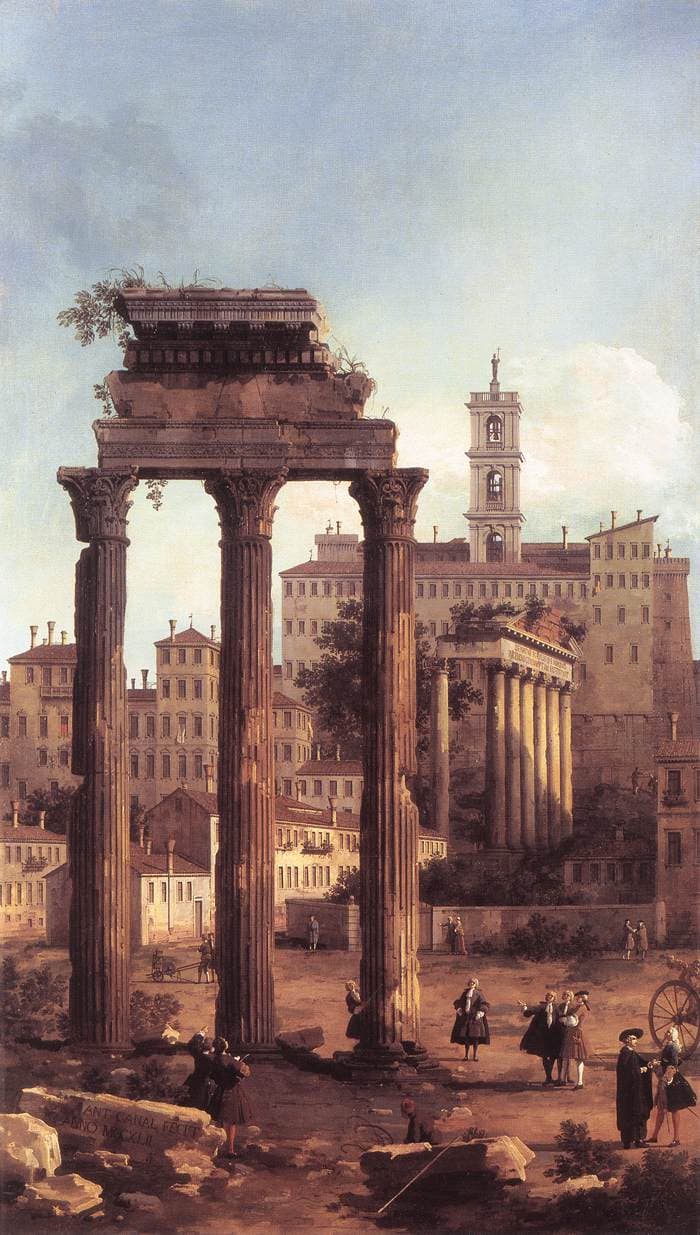
Part of the National Roman Museum, the Crypta Balbi is arguably the most unique, fascinating archaeological site in Rome. Instead of just displaying statues, it cuts a massive vertical slice straight down through a single city block, exposing 2,000 years of continuous, chaotic urban evolution layered on top of each other.
- Centrale MontemartiniMuseum · 1.5h · €11
Centrale Montemartini is arguably the coolest, most striking, visually jarring museum in all of Rome. It displays pristine, gleaming ancient white marble Roman statues against the gritty, massive rusted black iron machinery of an abandoned 20th-century power plant.
 Casina delle CivetteMuseum · 45 min · €6
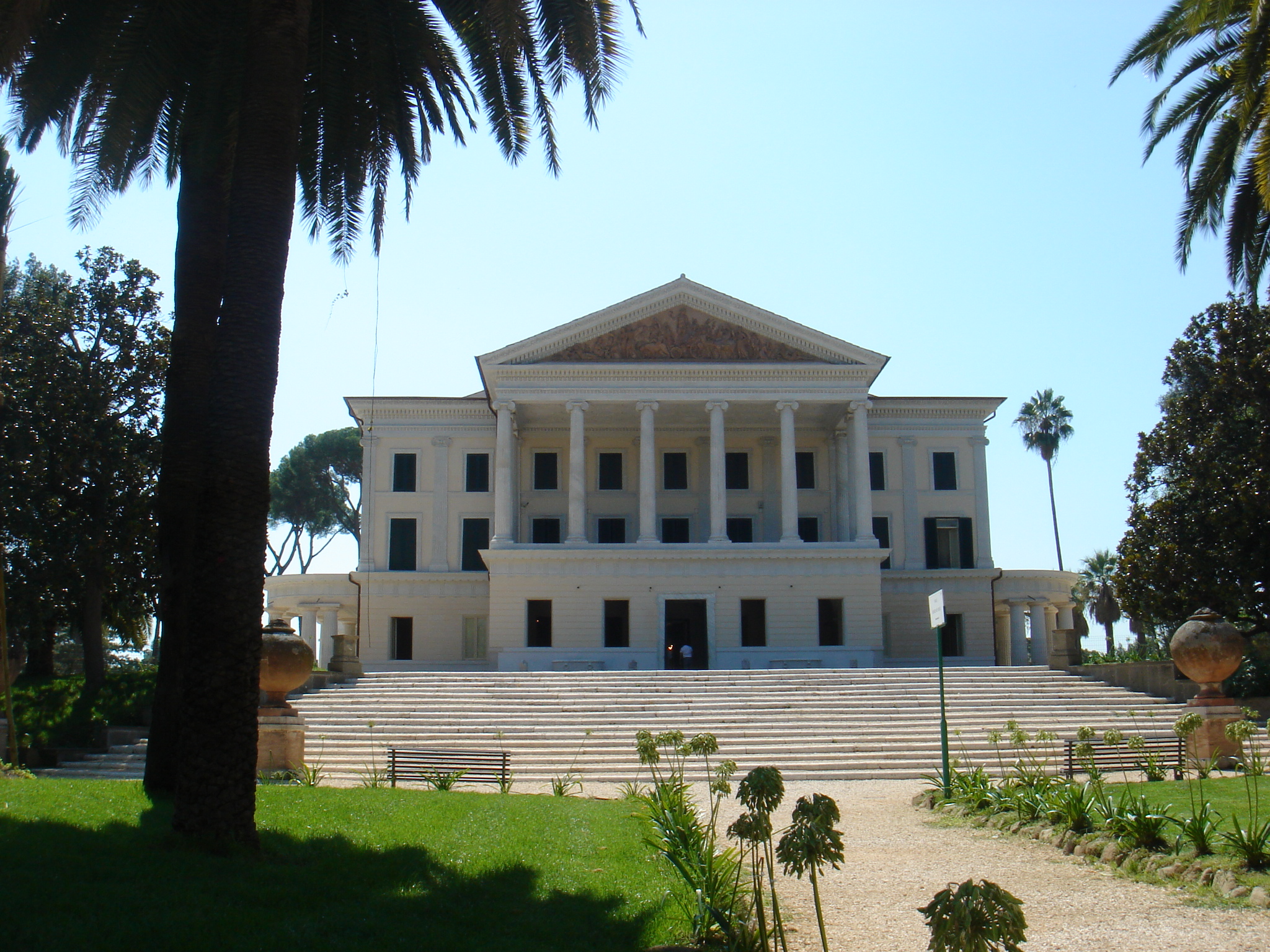
Buried inside the sprawling Villa Torlonia park, the Casina delle Civette (House of the Owls) is Rome's absolute most bizarre, delightful architectural oddity. It feels like a hallucinogenic Bavarian fairy-tale cottage dropped right into the middle of the Italian capital.