Loading place...
Skip to main content
Photos
5 images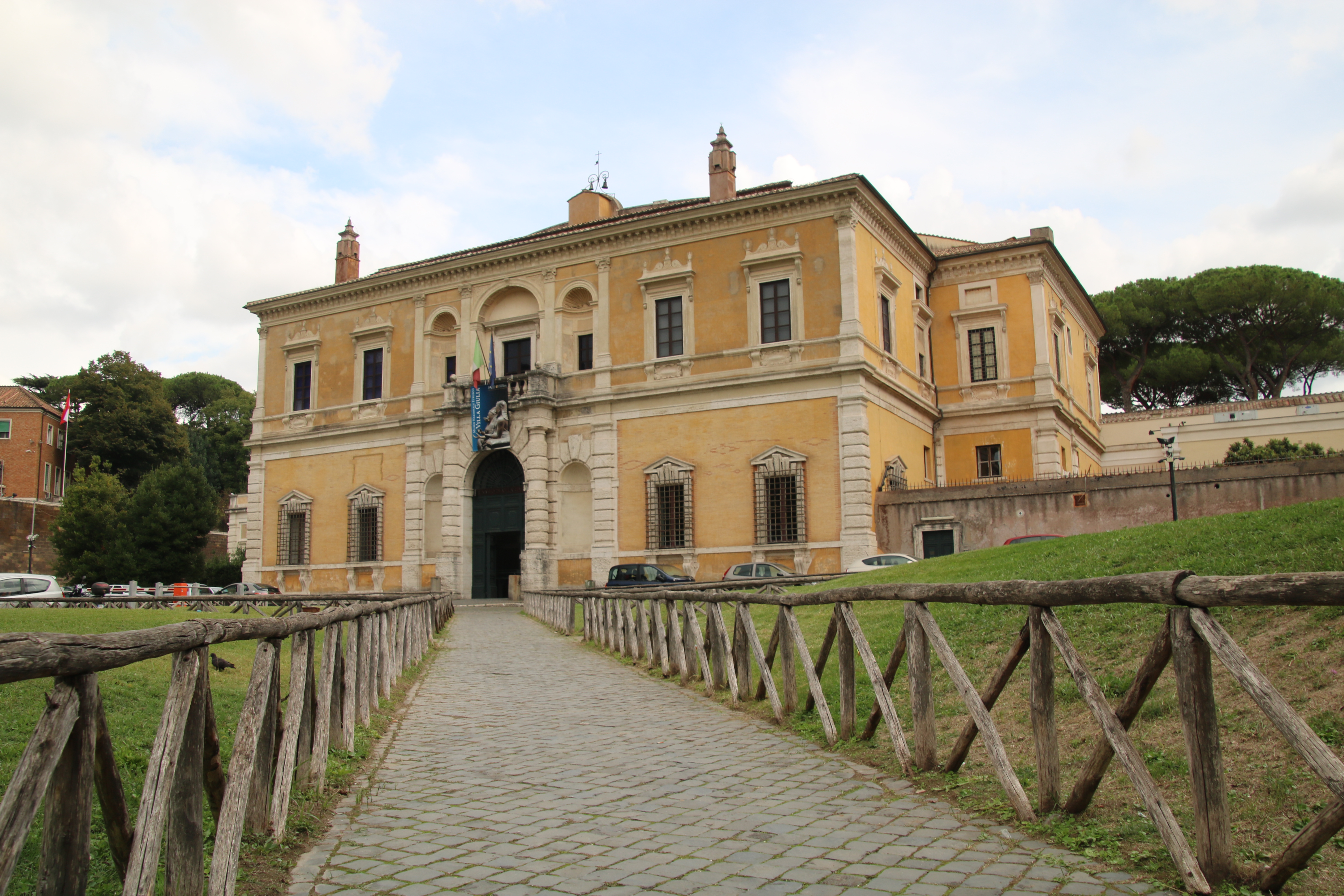


Duration
90 min
Entry Fee
€10
Overview
Villa Giulia is Rome's spectacularly stunning, comprehensive National Etruscan Museum, housed in a lavish, elegant Renaissance summer villa. It focuses on the mysterious, brilliant civilization that dominated Italy long before the massive rise of Rome.
Highlights
- The Sarcophagus of the Spouses: the crown jewel—a massive, staggering 6th-century BC lifelike terracotta massive tomb depicting an incredibly smiling, affectionate Etruscan husband and wife lounging intimately together on a massive dining couch.
- The Pyrgi Tablets: Three massive, famous ancient gold leaf panels inscribed with an ancient bilingual text that crucially, helped scholars finally crack the mysterious Etruscan language.
- The Nymphaeum: A breathtaking, sunken theatrical water garden located in the rear courtyard, designed by Ammanati with heavy input from Michelangelo, capturing the essence of Renaissance luxury.
History
The opulent villa was built in 1551 for Pope Julius III as a lavish, extravagant summer party retreat just outside the massive city walls. After the decadent Papal era, the massive building fell into ruin until 1889, when the Italian government boldly restored it to loudly display the massive flood of ancient Etruscan artifacts being dug up north of Rome.
Visitor Tips
- The Context: The Etruscans were, different from the later Romans— prioritizing women's equality, massive elaborate banquets, and joyful colorful art, making this museum refreshing.
- The Gardens: The massive courtyards and deep sweeping gardens are quiet and romantic, brilliant for a relaxing afternoon.
Tags
#museum#history#archaeology#architecture
Location
See something wrong with this page? Help us fix it →