Loading city...
Skip to main content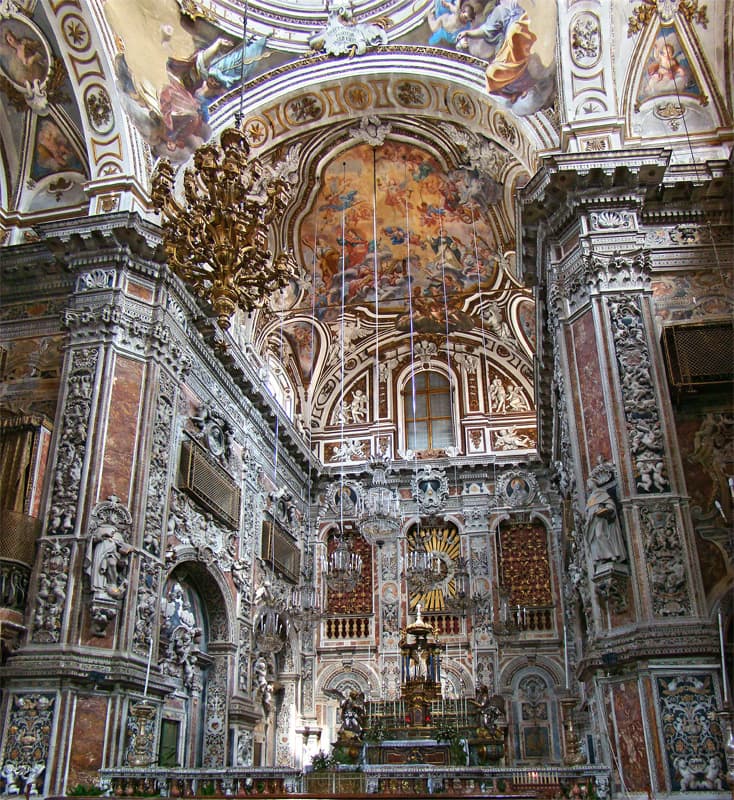
Attractions in Palermo
15 attractions selected in this guide.
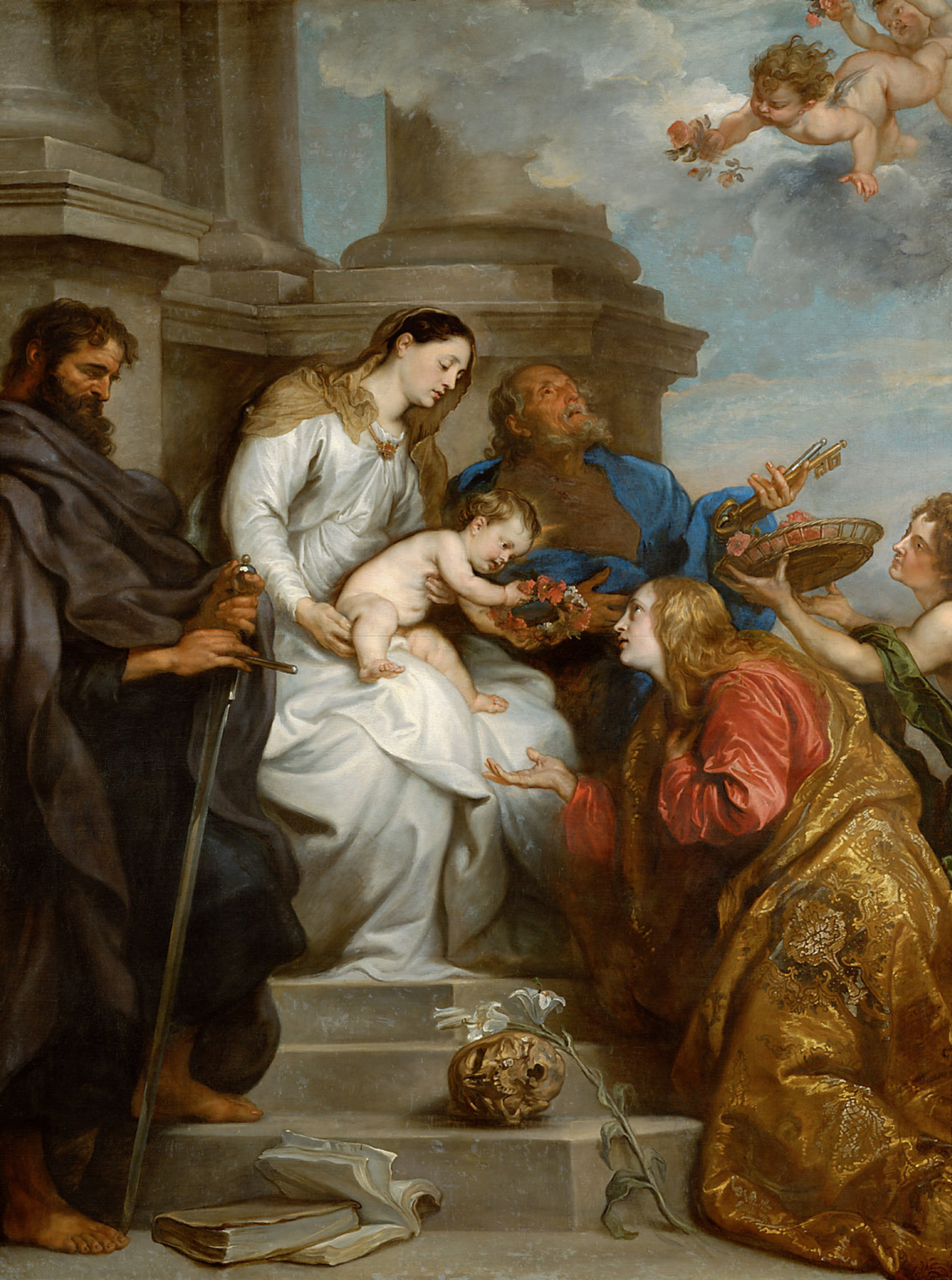 Sanctuary of Santa RosaliaAttraction · 45 min · Free
The Santuario di Santa Rosalia is a cave chapel on the slopes of Monte Pellegrino dedicated to Palermo's patron saint. Water dripping from the cave ceiling is channelled through ornate pipes and collected by the faithful, who believe it has miraculous properties.
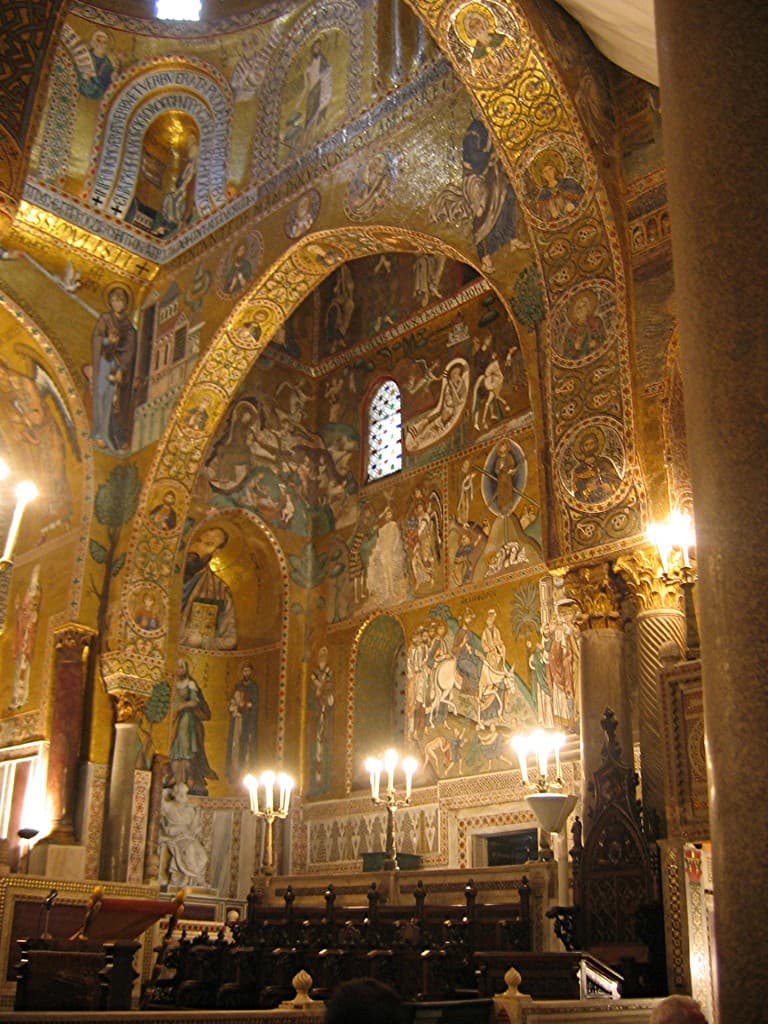 Cappella PalatinaAttraction · 1h · €19
The Cappella Palatina is the private chapel of the Norman kings, located on the first floor of Palazzo dei Normanni. Completed in 1143 under Roger II, it is universally considered one of the most beautiful churches in the world, blending Byzantine mosaics, Islamic muqarnas ceilings, and Romanesque architecture.
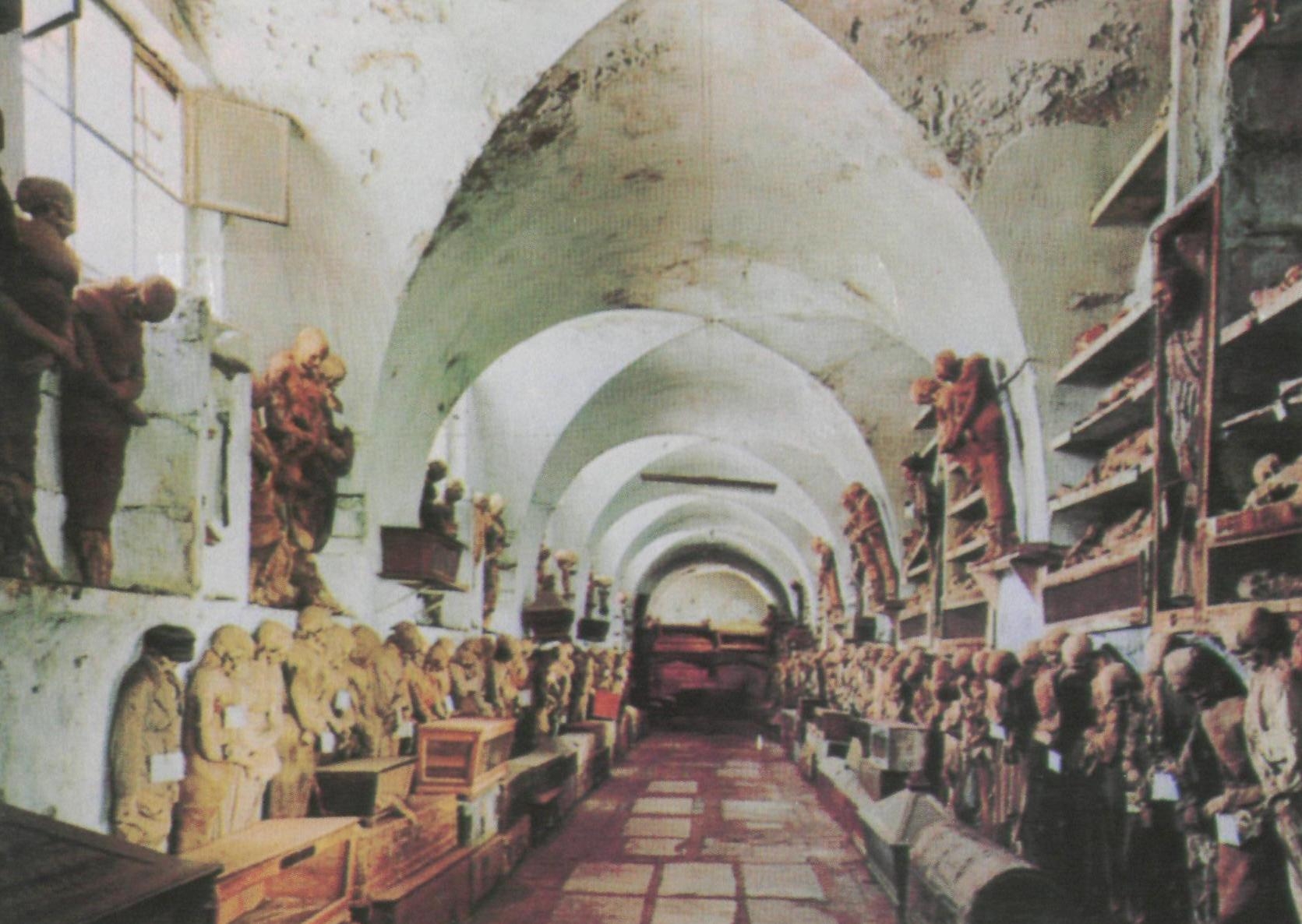 Catacombe dei CappucciniAttraction · 45 min · €5
The Catacombe dei Cappuccini is one of the most unusual sites in Europe: an underground cemetery beneath the Capuchin monastery where some 8,000 mummified bodies line the corridors, dressed in their original clothes. The catacombs offer a stark and fascinating look at Sicilian attitudes toward death.
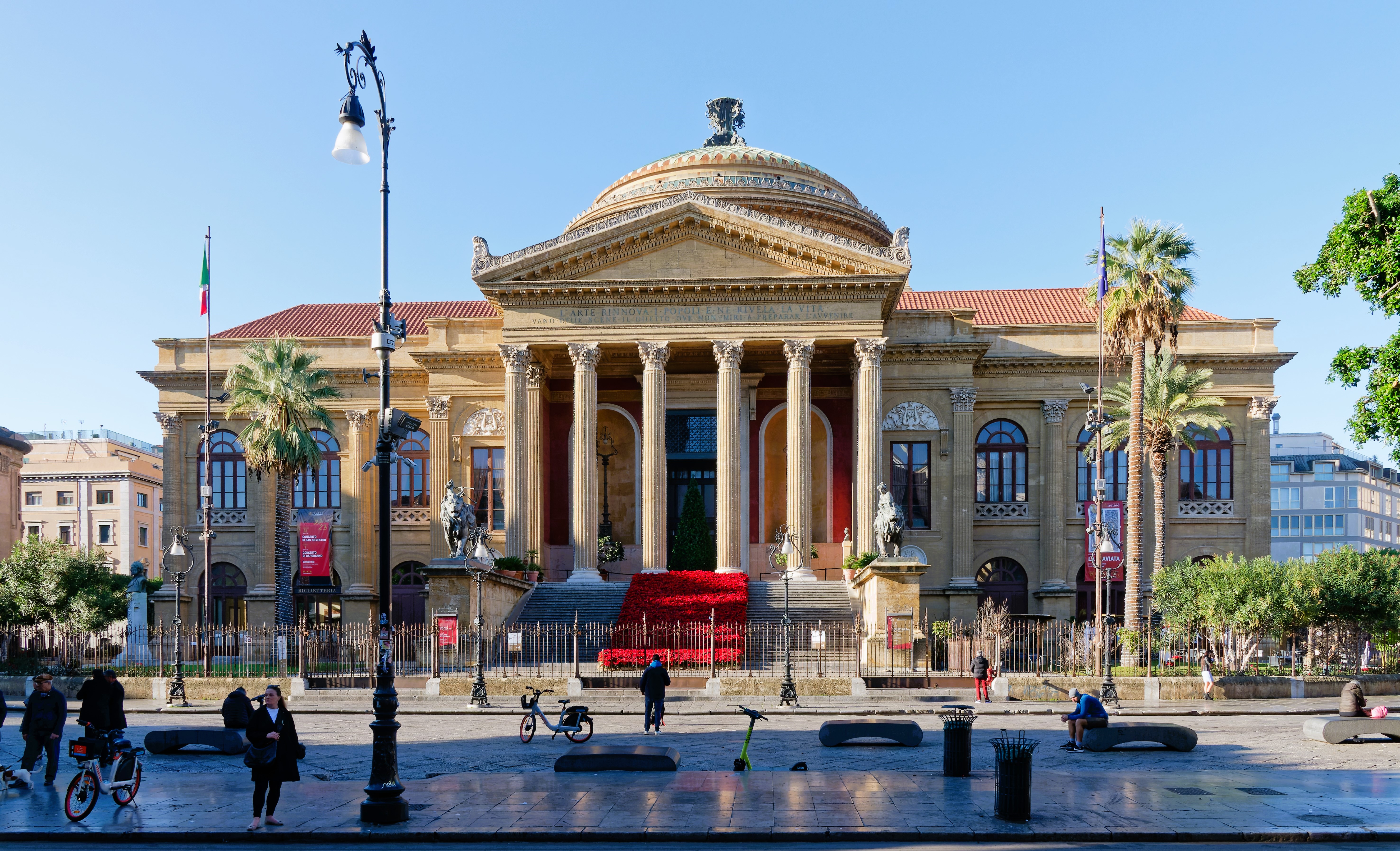 Teatro MassimoAttraction · 1h · €12
Teatro Massimo is Italy's largest opera house and the third-largest in Europe, commanding Piazza Verdi with its grand Neoclassical portico. Inaugurated in 1897 after over 20 years of construction, it is celebrated for its perfect acoustics and was famously used as a filming location for the final scene of The Godfather Part III.
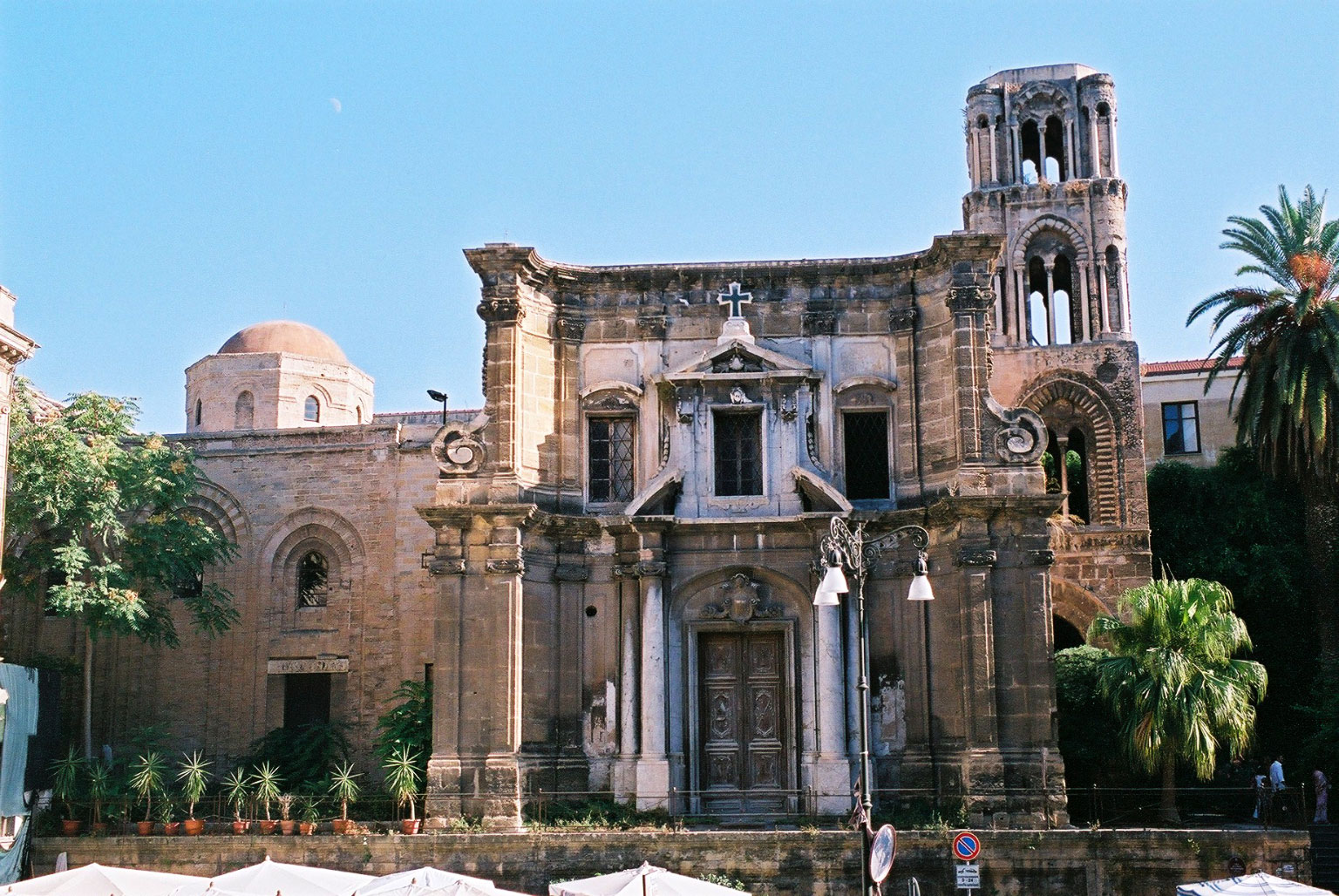 Church of the MartoranaAttraction · 30 min · Free
The Church of the Martorana (Santa Maria dell'Ammiraglio) is a Greek Orthodox-rite church on Piazza Bellini, celebrated for its luminous 12th-century Byzantine mosaics. It is part of the UNESCO Arab-Norman Palermo World Heritage Site.
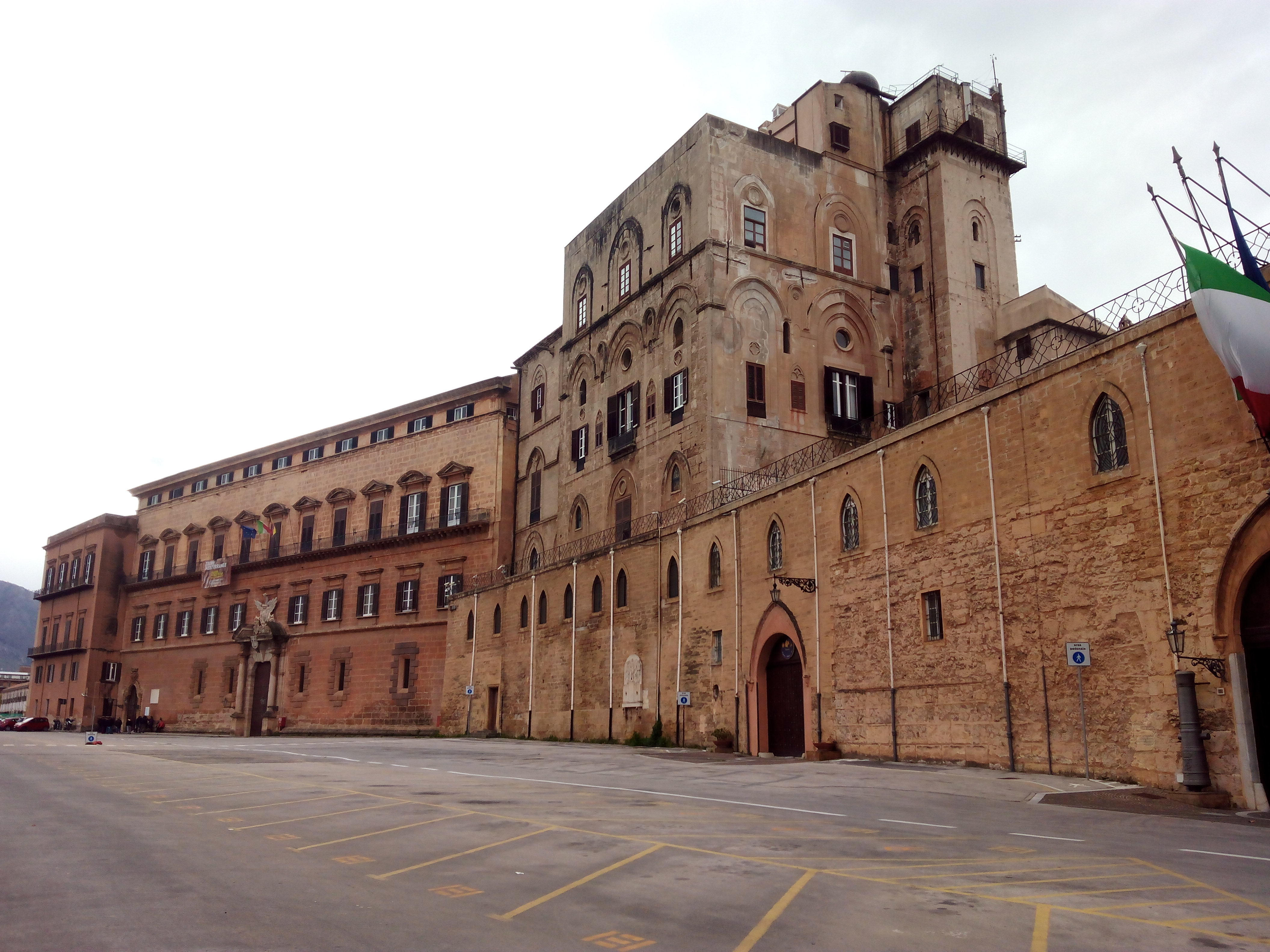 Palazzo dei NormanniAttraction · 2h · €19
The Palazzo dei Normanni (Palace of the Normans) is the oldest royal residence in Europe, sitting on the highest point of Palermo's ancient core. Originally built in the 9th century as an Arab emir's fortress, it was expanded by the Norman kings into a sumptuous palace and today serves as the seat of the Sicilian Regional Assembly.
 Quattro CantiAttraction · 15 min · Free
The Quattro Canti (Four Corners), officially Piazza Vigliena, is a Baroque octagonal piazza at the intersection of Palermo's two main streets. Each of its four concave façades represents a season, a Spanish king, and a patron saint of the city's historic quarters.
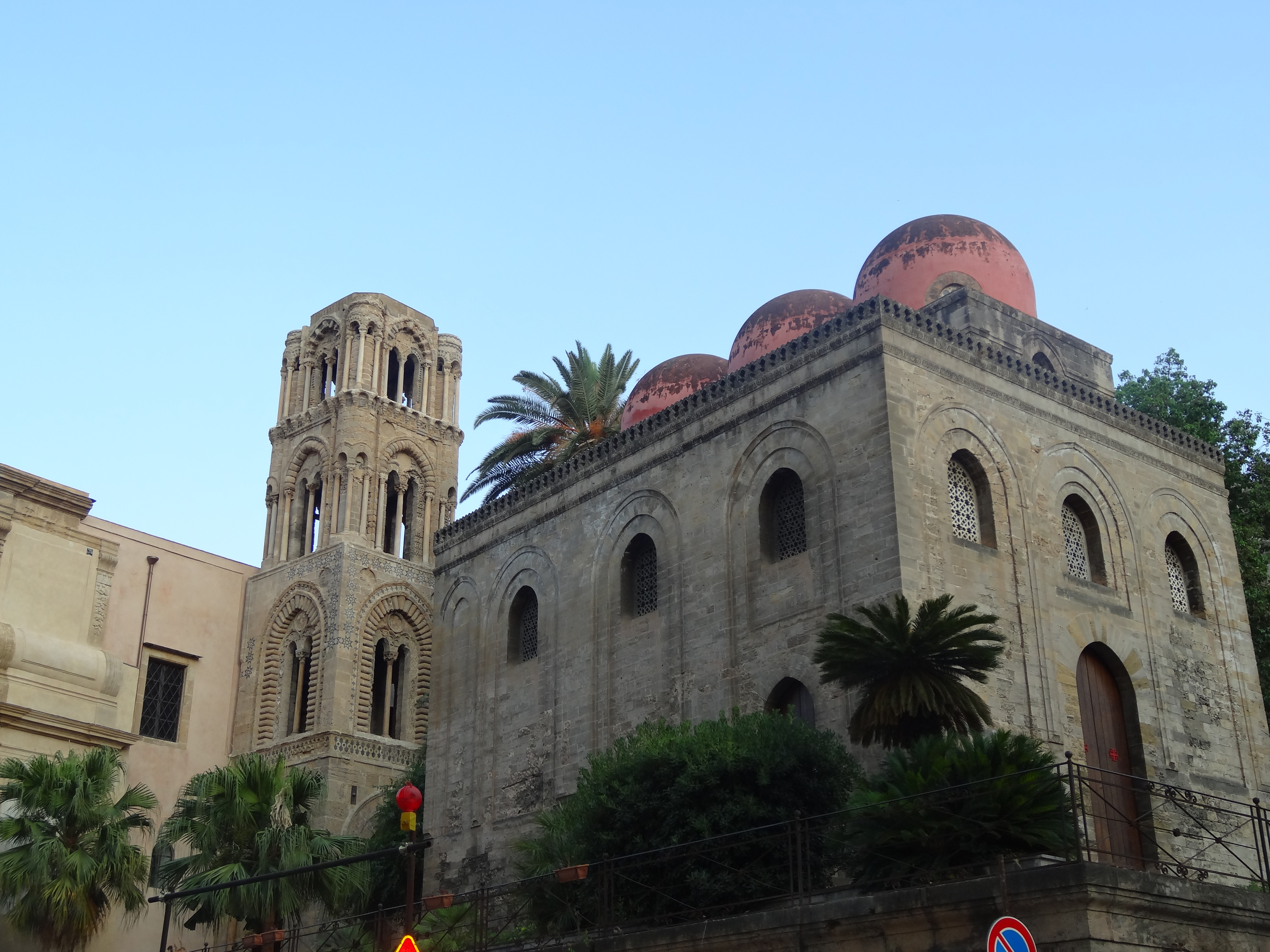 Church of San CataldoAttraction · 20 min · €3
San Cataldo is a small, austere Norman church next to the Martorana on Piazza Bellini, instantly recognisable by its three red domes and crenellated roofline. The stark, unadorned interior heightens the sense of its Arab-Norman origins.
 Church of San Giovanni degli EremitiAttraction · 45 min · €6
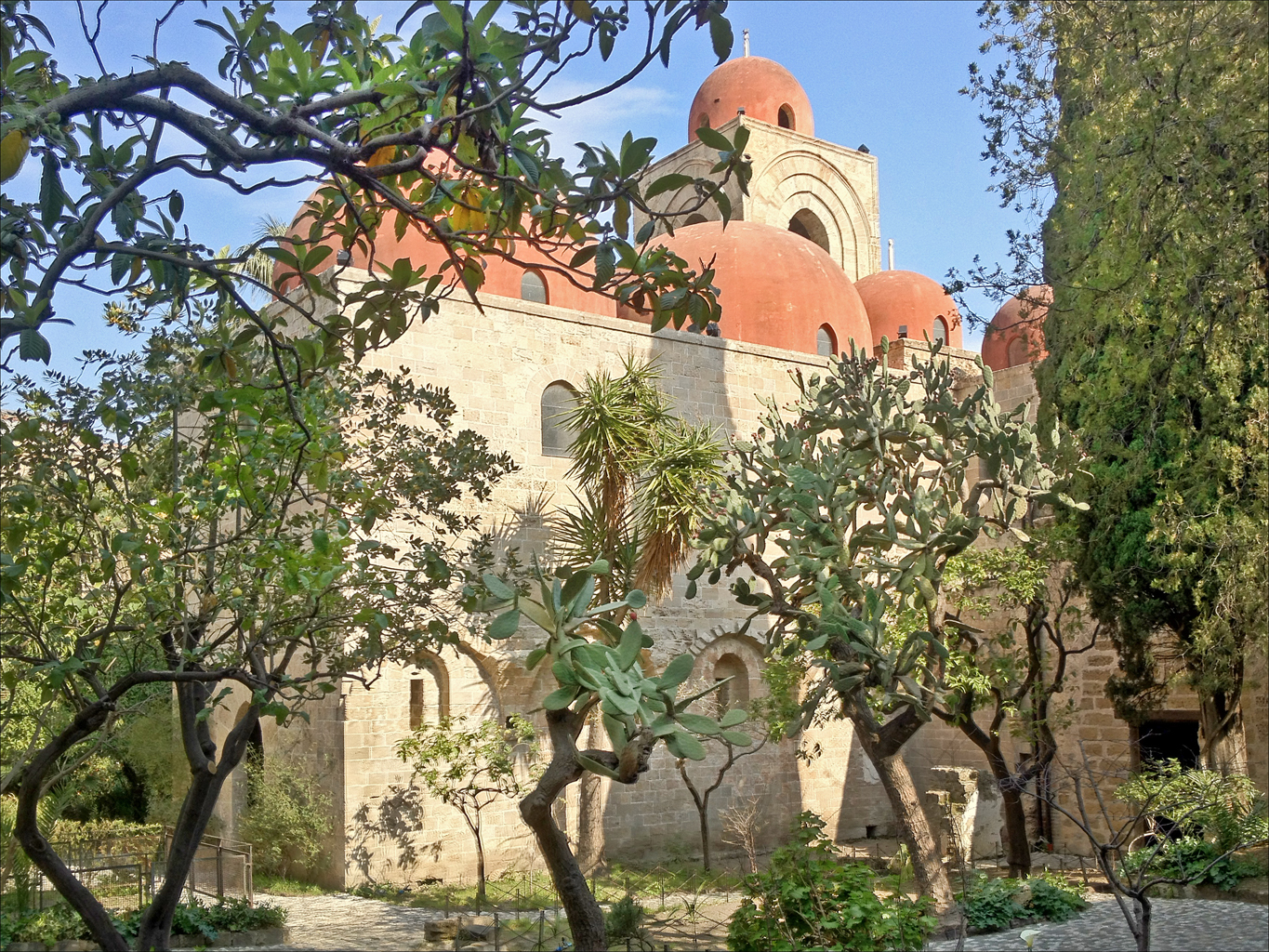
San Giovanni degli Eremiti is a deconsecrated Norman church recognisable by its five pink-red domes, a hallmark of Arab-Norman architecture. Its tranquil cloister garden, with citrus trees and bougainvillea, is one of Palermo's most photogenic spots.
 Chiesa del GesùAttraction · 30 min · Free
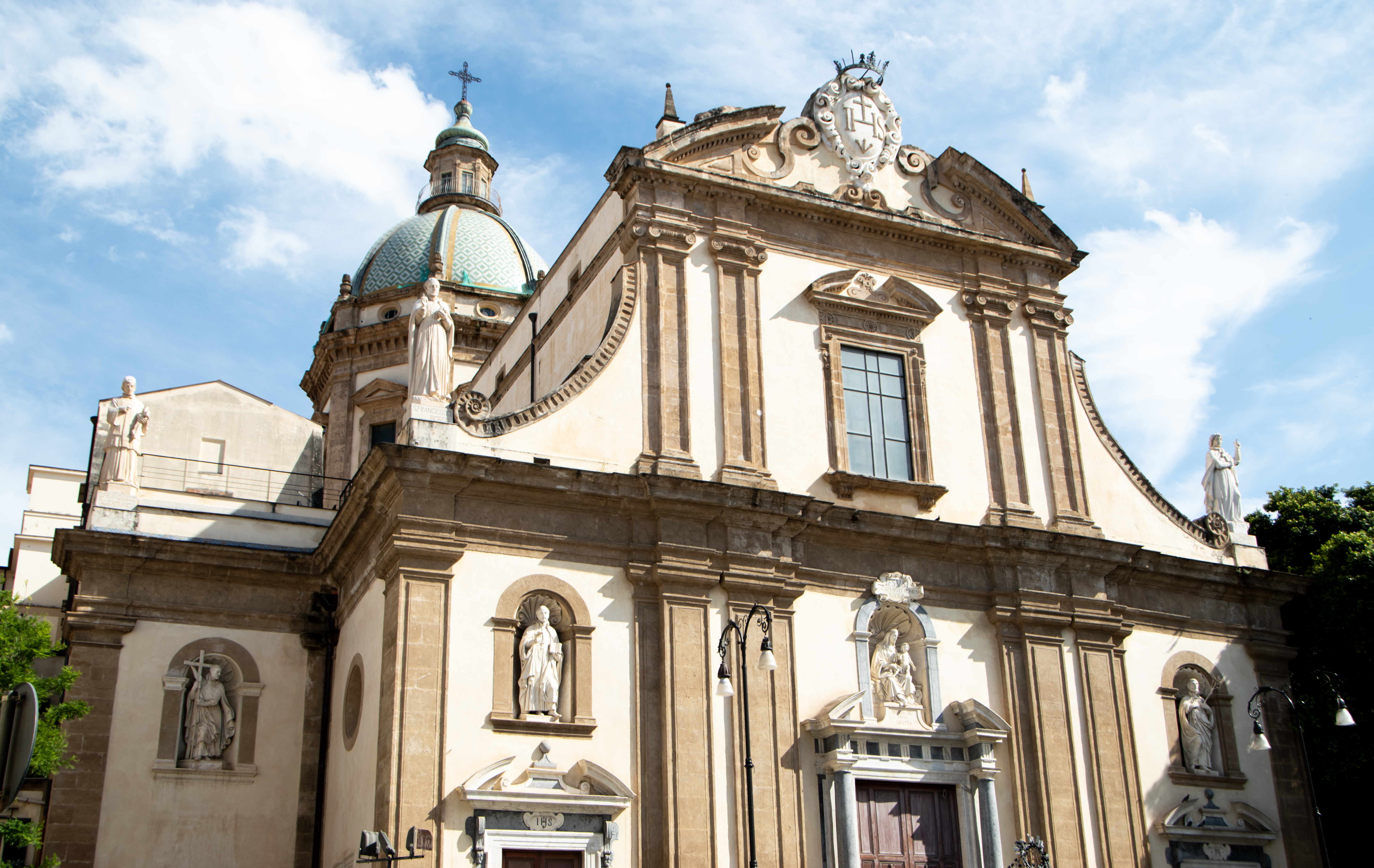
The Chiesa del Gesù (Casa Professa) is the first Jesuit church in Sicily, a riot of polychrome marble inlay, stucco, and frescoes covering every centimetre of the interior. It is one of the most exuberantly decorated Baroque churches in Italy.
 Fontana PretoriaAttraction · 15 min · Free
The Fontana Pretoria is a monumental Renaissance fountain in the piazza of the same name, featuring over 40 white marble statues of gods, nymphs, and animals. Palermitans irreverently dubbed it the 'Fountain of Shame' because of its nude figures.
 Teatro PoliteamaAttraction · 45 min · €8
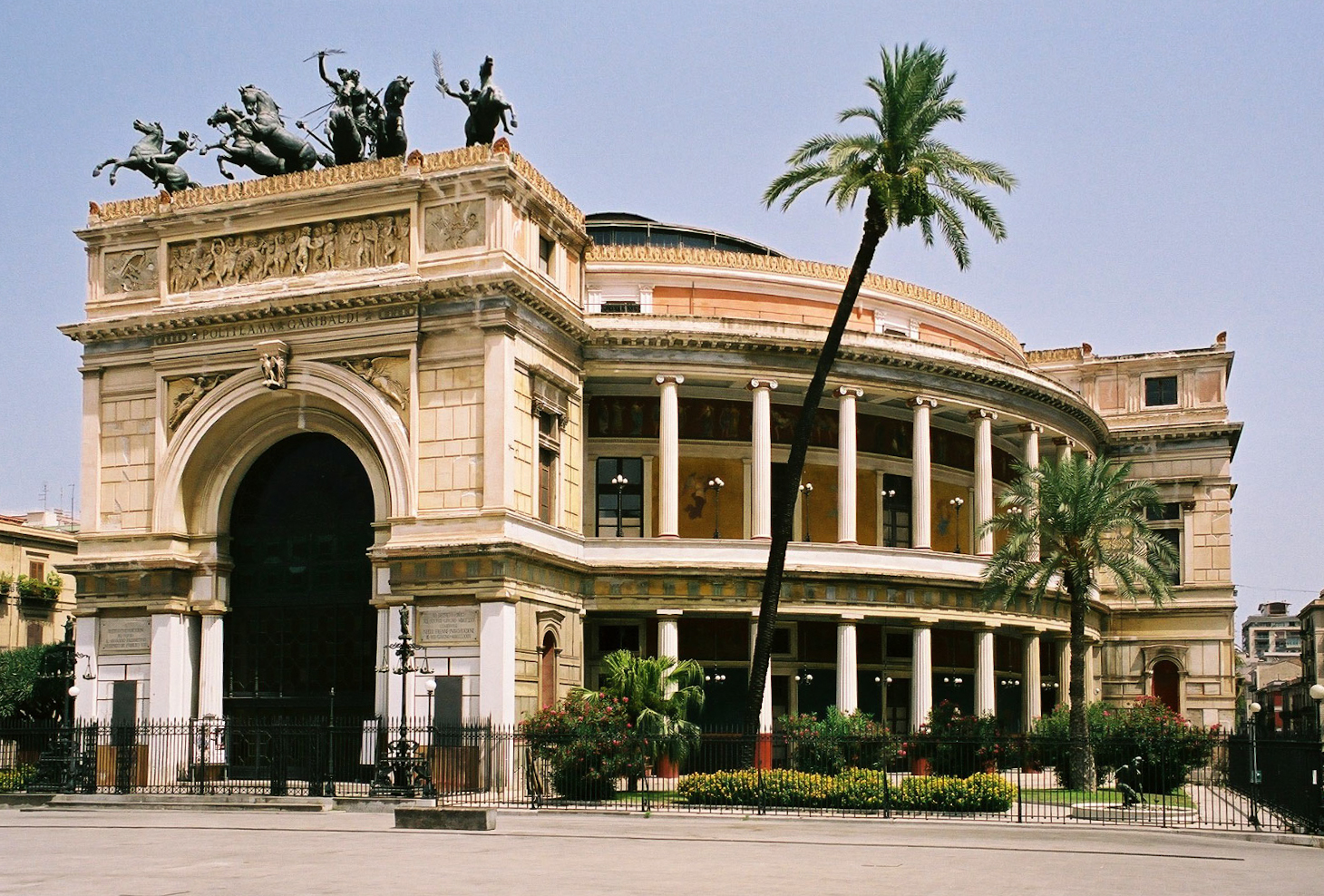
The Teatro Politeama Garibaldi is a distinctive horseshoe-shaped theatre in Piazza Ruggiero Settimo, crowned by a bronze quadriga. It serves as the home of the Orchestra Sinfonica Siciliana and host to exhibitions and cultural events.
- Cathedral of PalermoAttraction · 1h · Free
The Cathedral of Palermo is a monumental church on Via Vittorio Emanuele that reflects every era of Sicilian history — from its original 6th-century basilica through Arab mosque, Norman cathedral, and 18th-century Neoclassical renovations. It holds the royal tombs of Frederick II and other Hohenstaufen and Norman monarchs.
 Porta NuovaAttraction · 15 min · Free
Porta Nuova is a monumental Renaissance gateway at the western end of Corso Vittorio Emanuele, marking the historic entrance to the city from the direction of Monreale. Its upper section features four Atlas figures — Moors bearing the weight of the pyramid-capped tower.
 Oratorio di San LorenzoAttraction · 30 min · €5
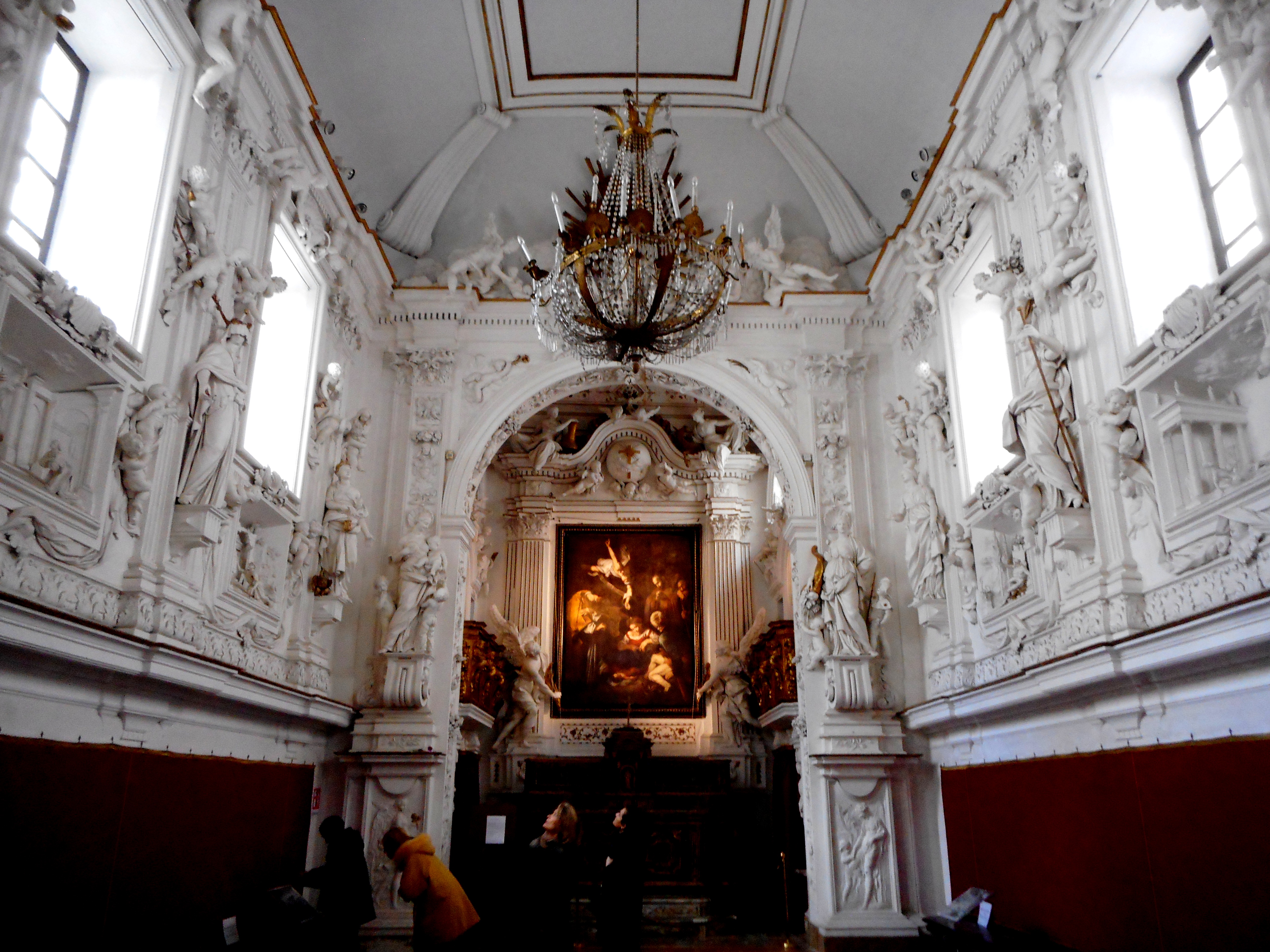
The Oratorio di San Lorenzo is a small chapel renowned for the extraordinary white stucco decorations by Giacomo Serpotta, transforming every surface into theatrical Baroque tableaux. It was also once home to Caravaggio's Nativity with St Francis and St Lawrence, stolen in 1969 and never recovered.