Loading city...
Skip to main content
Attractions in Florence
13 attractions selected in this guide.
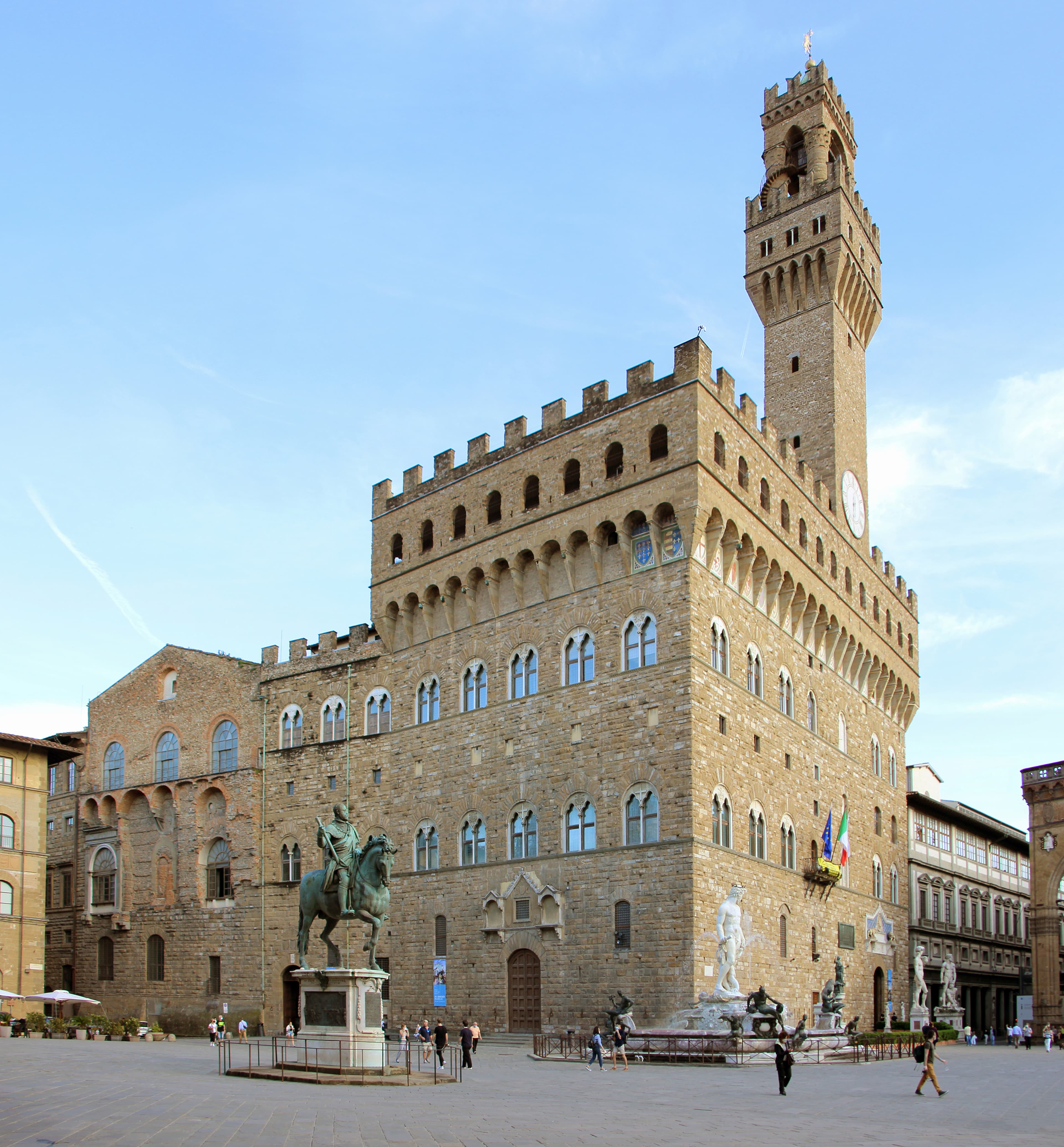 Palazzo VecchioAttraction · 1.5h · €14
Palazzo Vecchio is the fortress-like town hall of Florence, crowned by its 94-metre Arnolfo tower. The Salone dei Cinquecento—a vast hall frescoed by Vasari—was Florence's seat of government and possibly hides a lost Leonardo mural behind its walls.
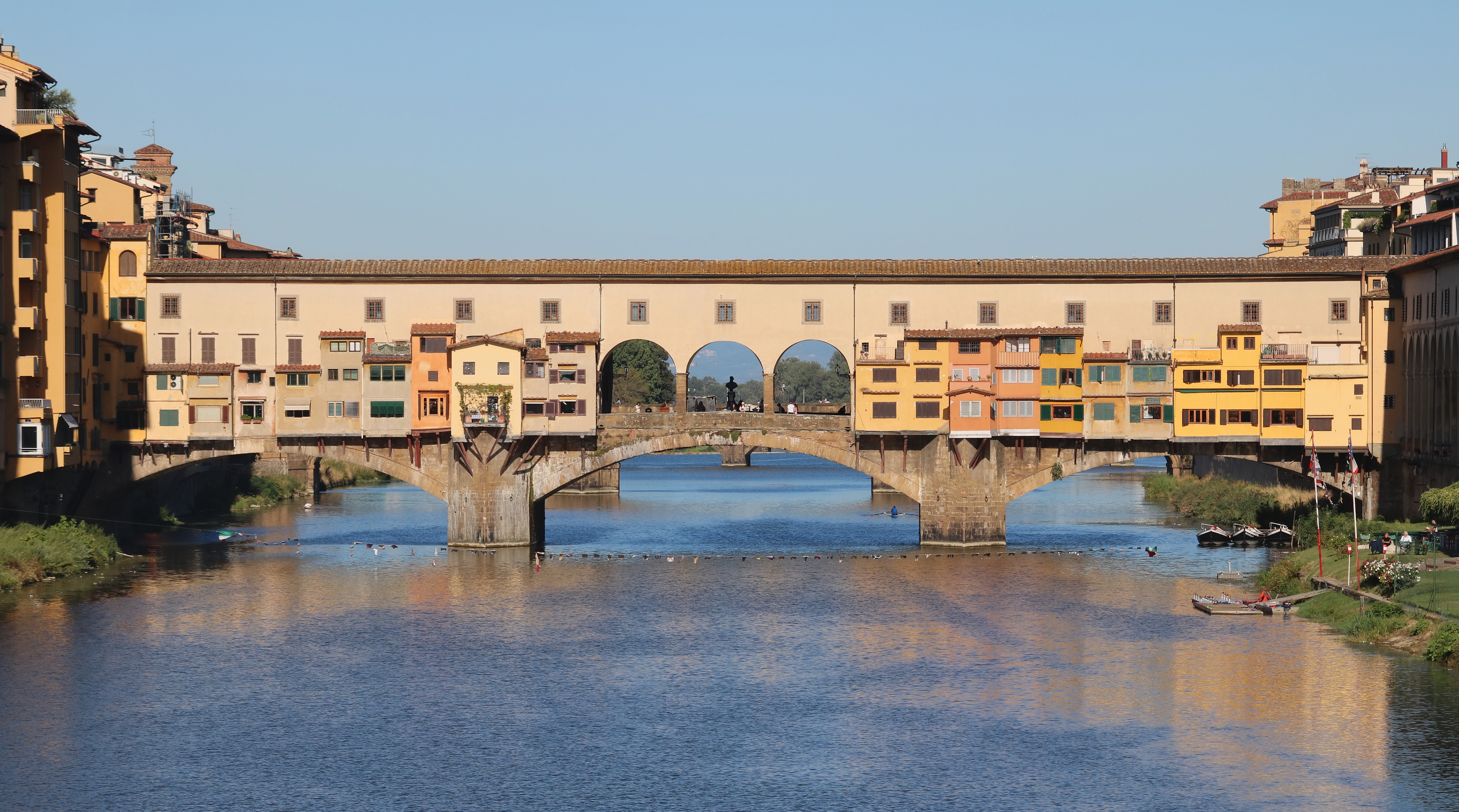 Ponte VecchioAttraction · 20 min · Free
The Ponte Vecchio (1345) is Florence's oldest bridge, famous for the rows of jewellery shops lining both sides—a tradition since the Medici replaced the original butchers and tanners in 1593. Above runs the enclosed Vasari Corridor connecting Palazzo Vecchio to Palazzo Pitti.
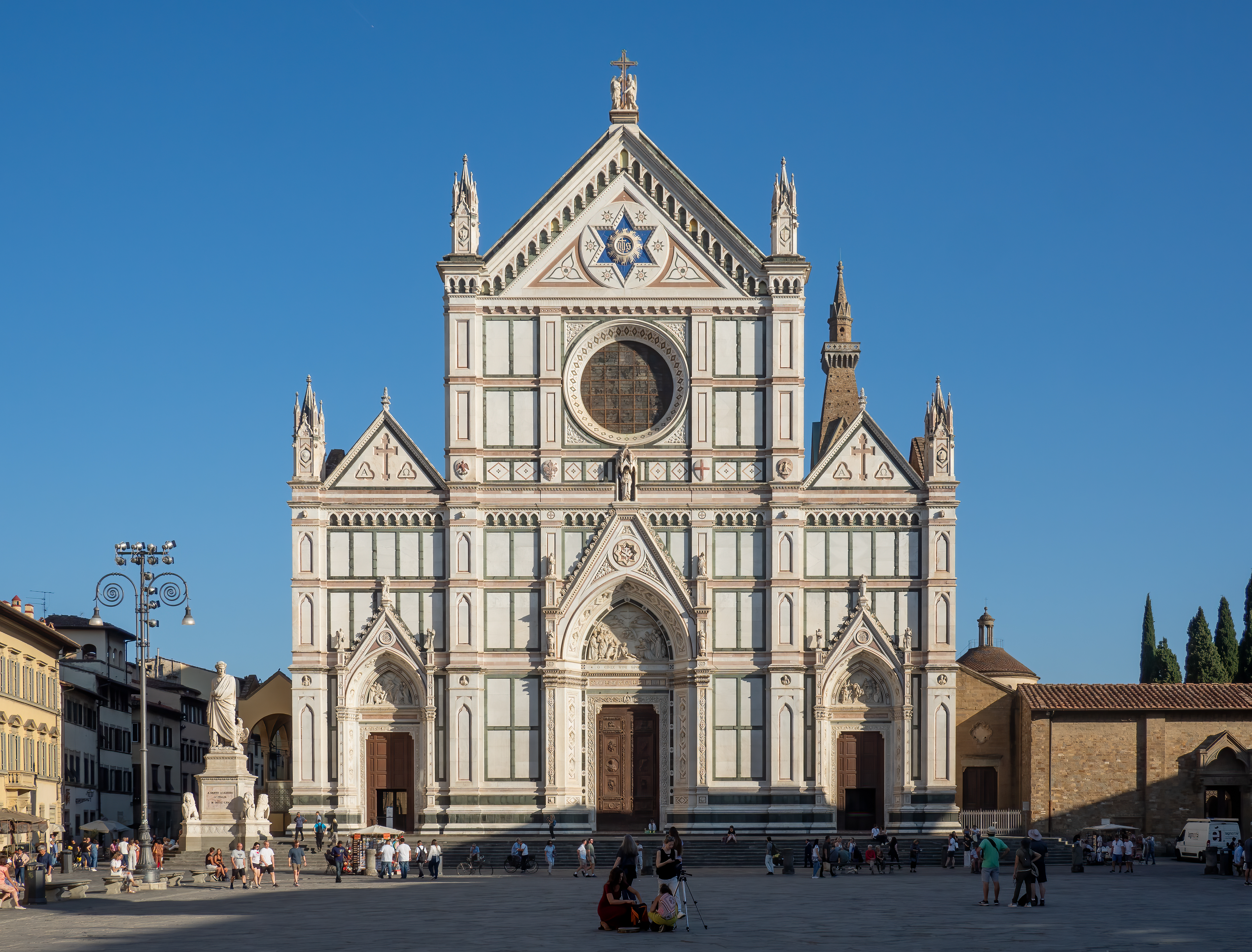 Basilica di Santa CroceAttraction · 1h · €10
The Basilica di Santa Croce is the largest Franciscan church in the world and Florence's pantheon: Michelangelo, Galileo, Machiavelli, and Rossini are all buried here. Its chapels contain frescoes by Giotto and Gaddi, and Brunelleschi's Pazzi Chapel is an early Renaissance masterpiece.
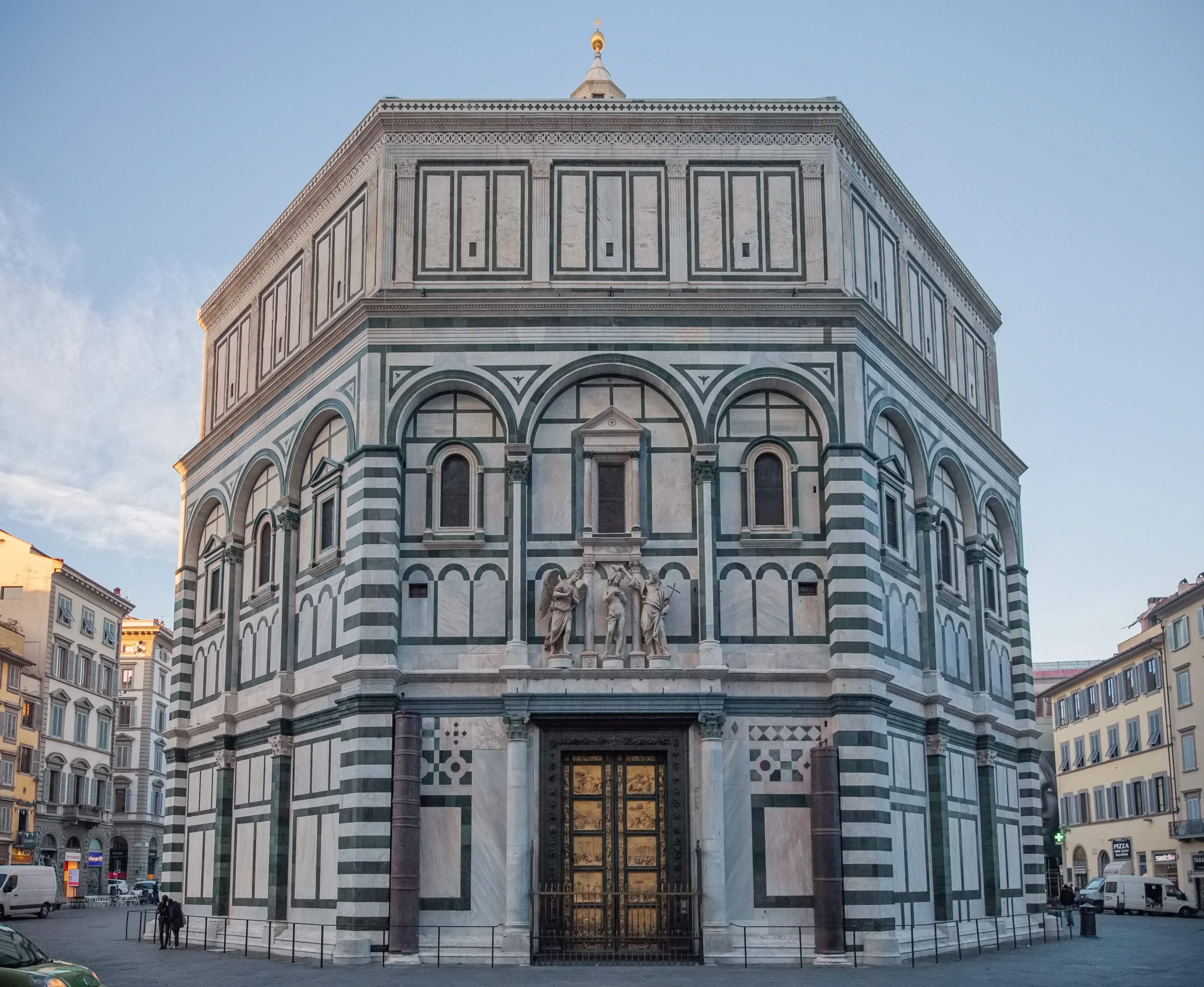 Baptistery of San GiovanniAttraction · 30 min · €15
The Baptistery of San Giovanni is one of Florence's oldest buildings, an octagonal Romanesque structure with a stunning gold mosaic ceiling. Its three sets of bronze doors—especially Ghiberti's 'Gates of Paradise'—are masterpieces of Renaissance sculpture.
 Basilica di Santa Maria NovellaAttraction · 45 min · €8
Santa Maria Novella is a Gothic-Renaissance church with one of Florence's most beautiful marble facades. Inside, its art collection rivals Santa Croce—Masaccio's 'Trinity', Ghirlandaio's choir frescoes, and Giotto's crucifix are all here.
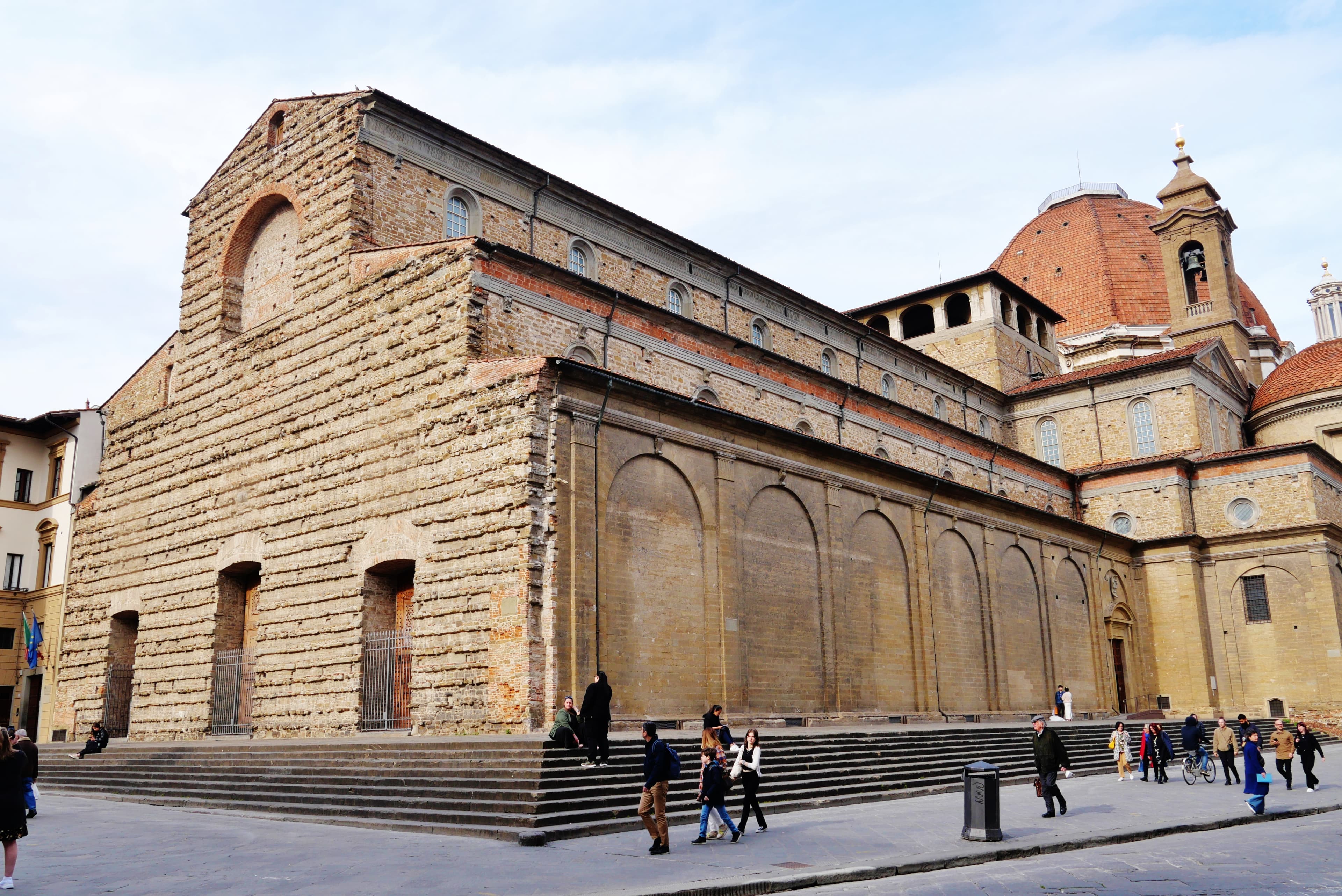 Basilica di San LorenzoAttraction · 1h · €9
San Lorenzo is the Medici family's parish church, its austere unfinished facade hiding one of Brunelleschi's most harmonious interiors. The attached Medici Chapels—including Michelangelo's New Sacristy—are essential viewing.
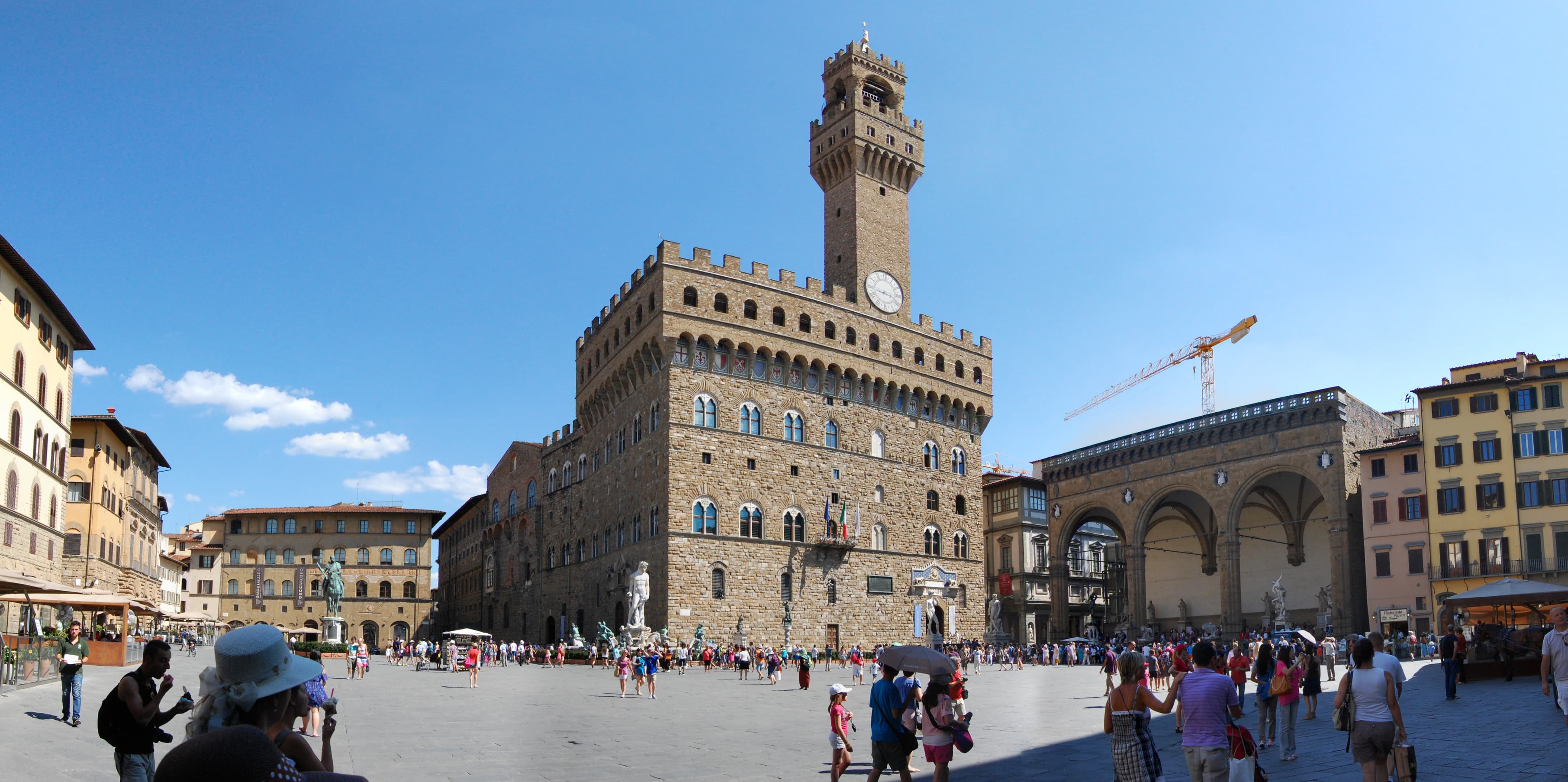 Piazza della SignoriaAttraction · 30 min · Free
Piazza della Signoria is Florence's political heart and an open-air sculpture gallery. Dominated by Palazzo Vecchio, the L-shaped square holds the Loggia dei Lanzi, the Neptune Fountain, and a copy of Michelangelo's David marking where the original once stood.
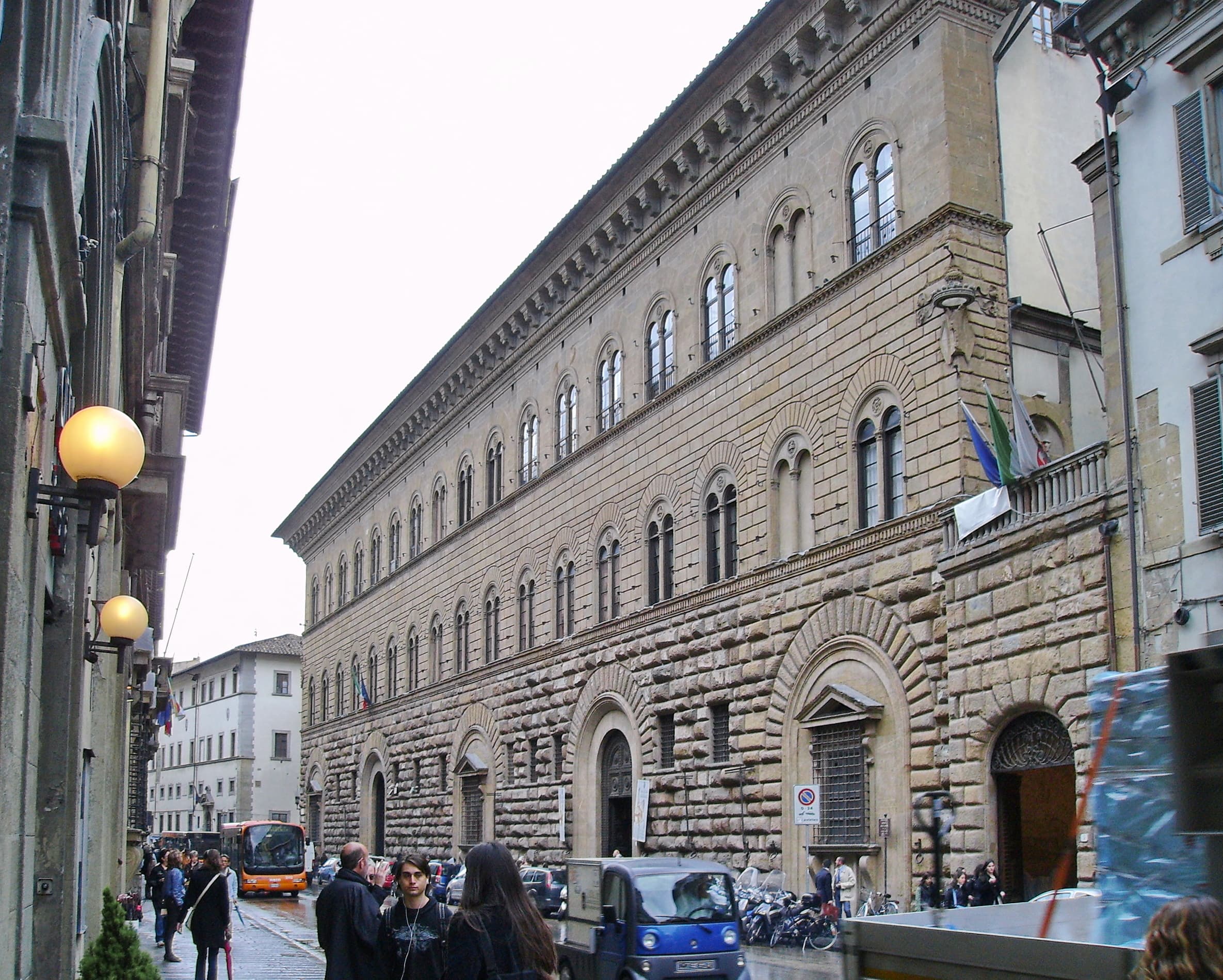 Palazzo Medici RiccardiAttraction · 45 min · €7
Palazzo Medici Riccardi was the original Medici family residence, built by Michelozzo in 1444 for Cosimo the Elder. Its gem is the Chapel of the Magi—a tiny room entirely covered in Benozzo Gozzoli's luminous frescoes of the Procession of the Magi.
 Brancacci ChapelAttraction · 30 min · €15
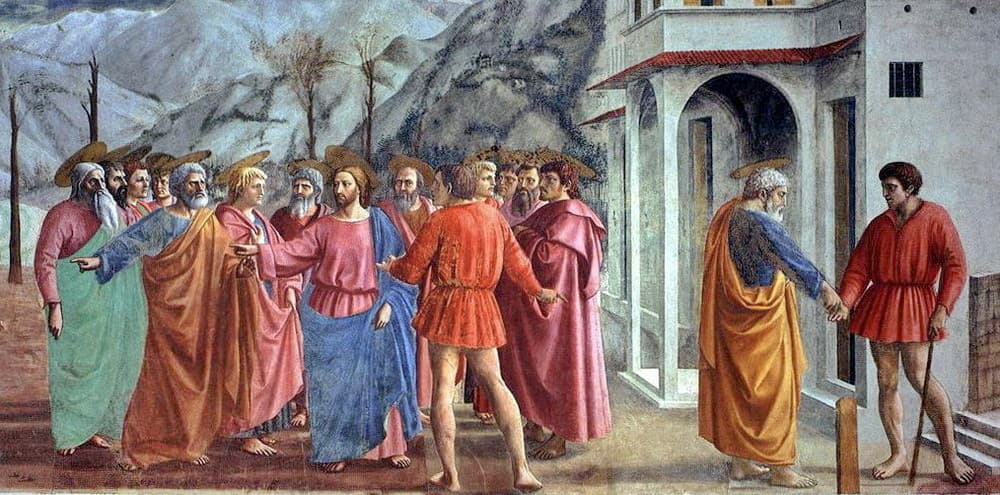
The Brancacci Chapel in the church of Santa Maria del Carmine contains the most important fresco cycle of the early Renaissance—Masaccio's revolutionary paintings that taught Michelangelo, Leonardo, and Raphael how to paint the human figure.
 San Miniato al MonteAttraction · 30 min · Free
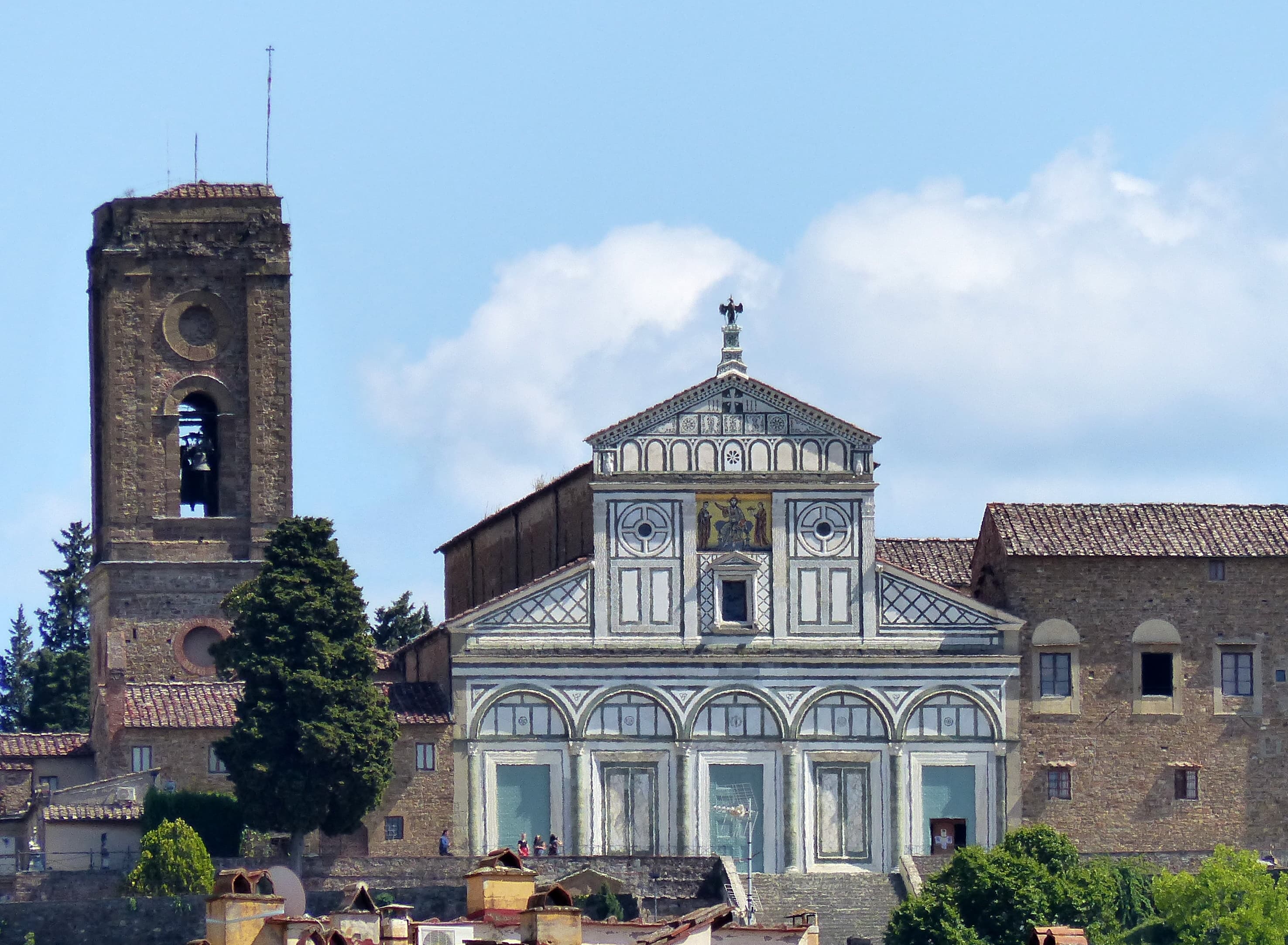
San Miniato al Monte is a Romanesque masterpiece perched on one of the highest points in Florence, with a green-and-white marble facade dating to 1013. Its position above Piazzale Michelangelo makes it the city's defining hilltop church.
 Vasari CorridorAttraction · 1h · €45
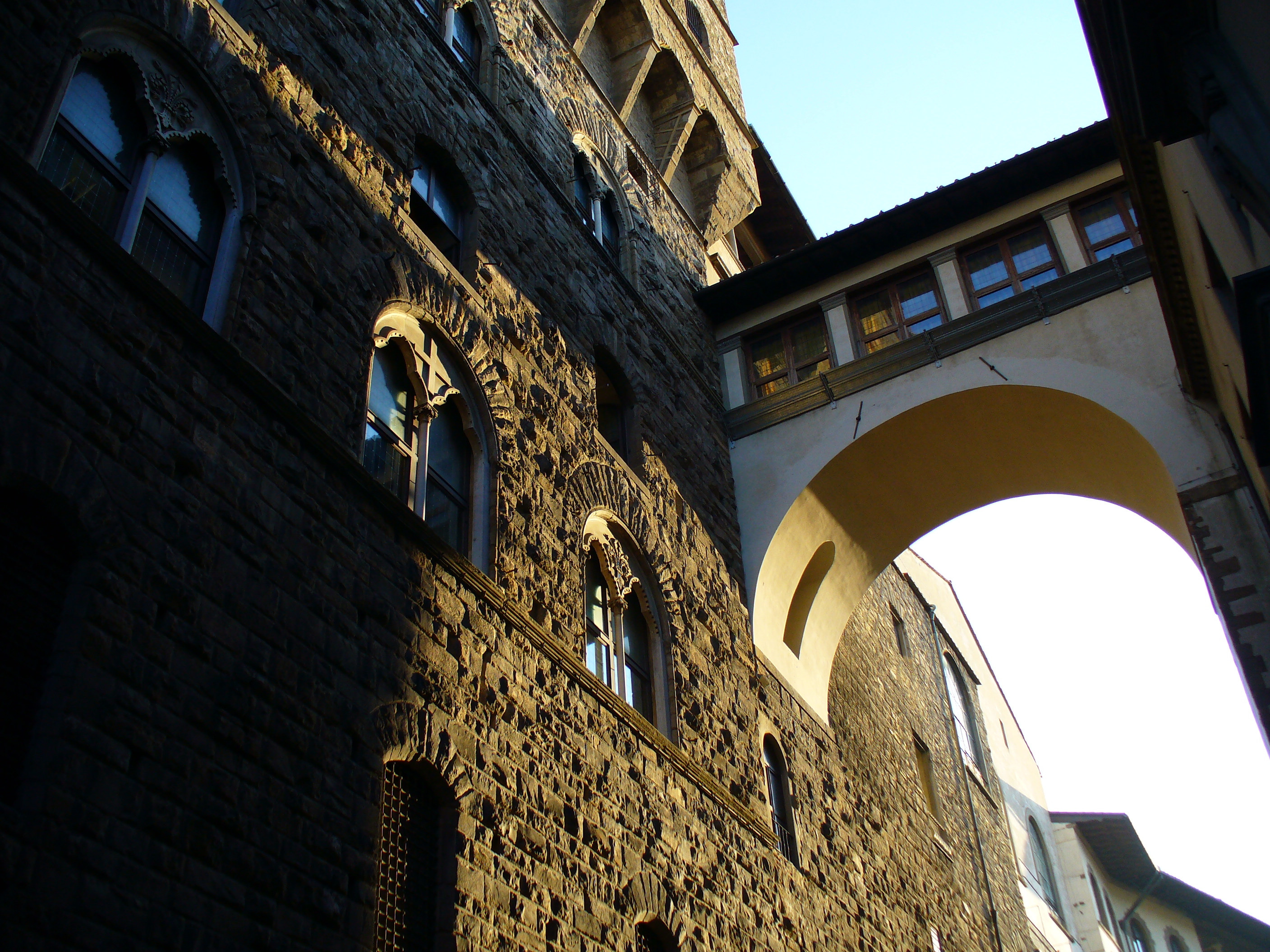
The Vasari Corridor is a 1-km elevated passageway connecting Palazzo Vecchio to Palazzo Pitti via the Uffizi and Ponte Vecchio. Built in just five months in 1565, it allowed the Medici to move between their residences unseen. After years of closure, it has reopened for guided tours.
 Duomo di FirenzeAttraction · 1.5h · €30
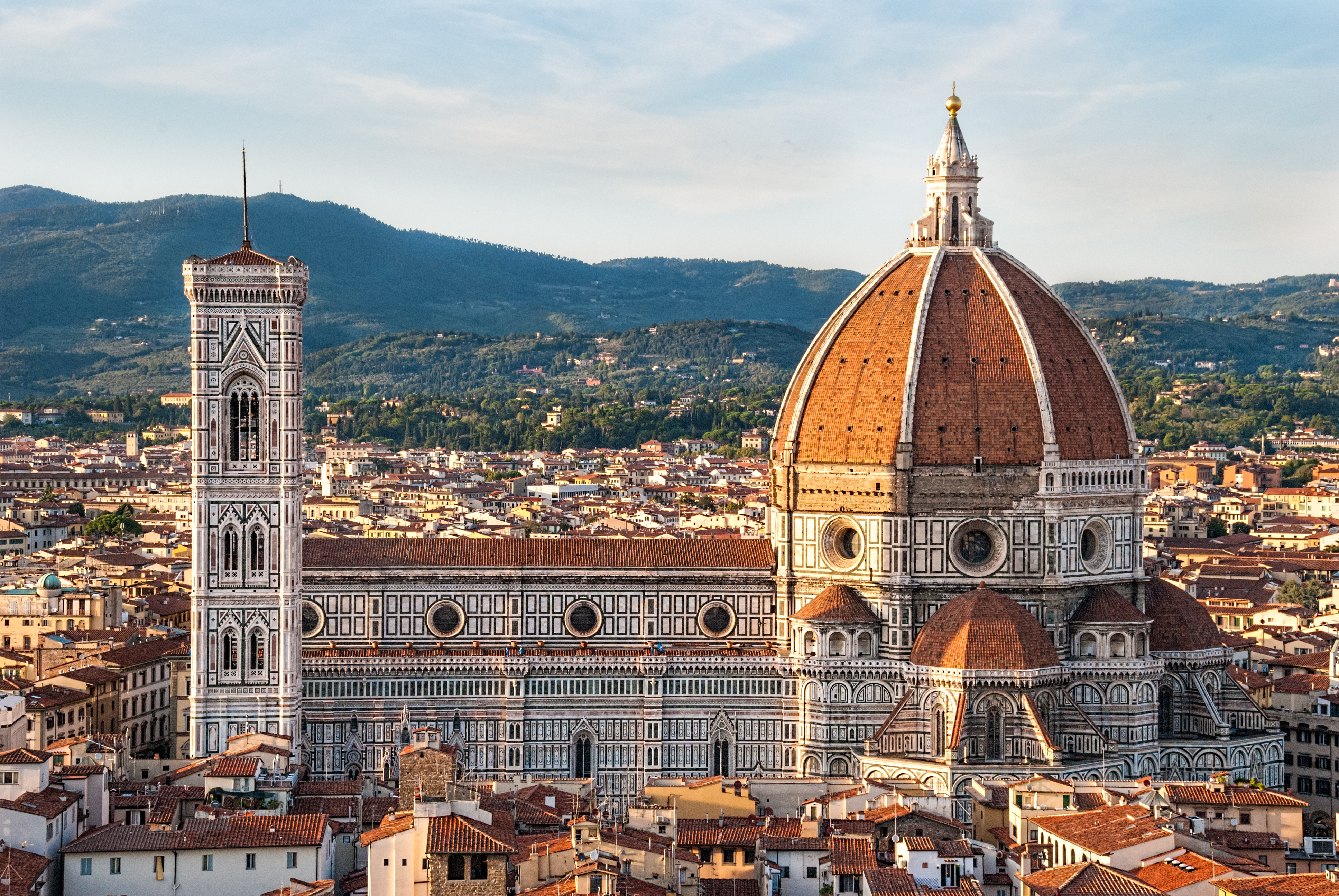
The Cattedrale di Santa Maria del Fiore—Florence's Duomo—is crowned by Brunelleschi's iconic brick dome, the largest masonry dome ever built. The white, green, and pink marble facade and Giotto's bell tower create one of the world's most recognisable architectural ensembles.
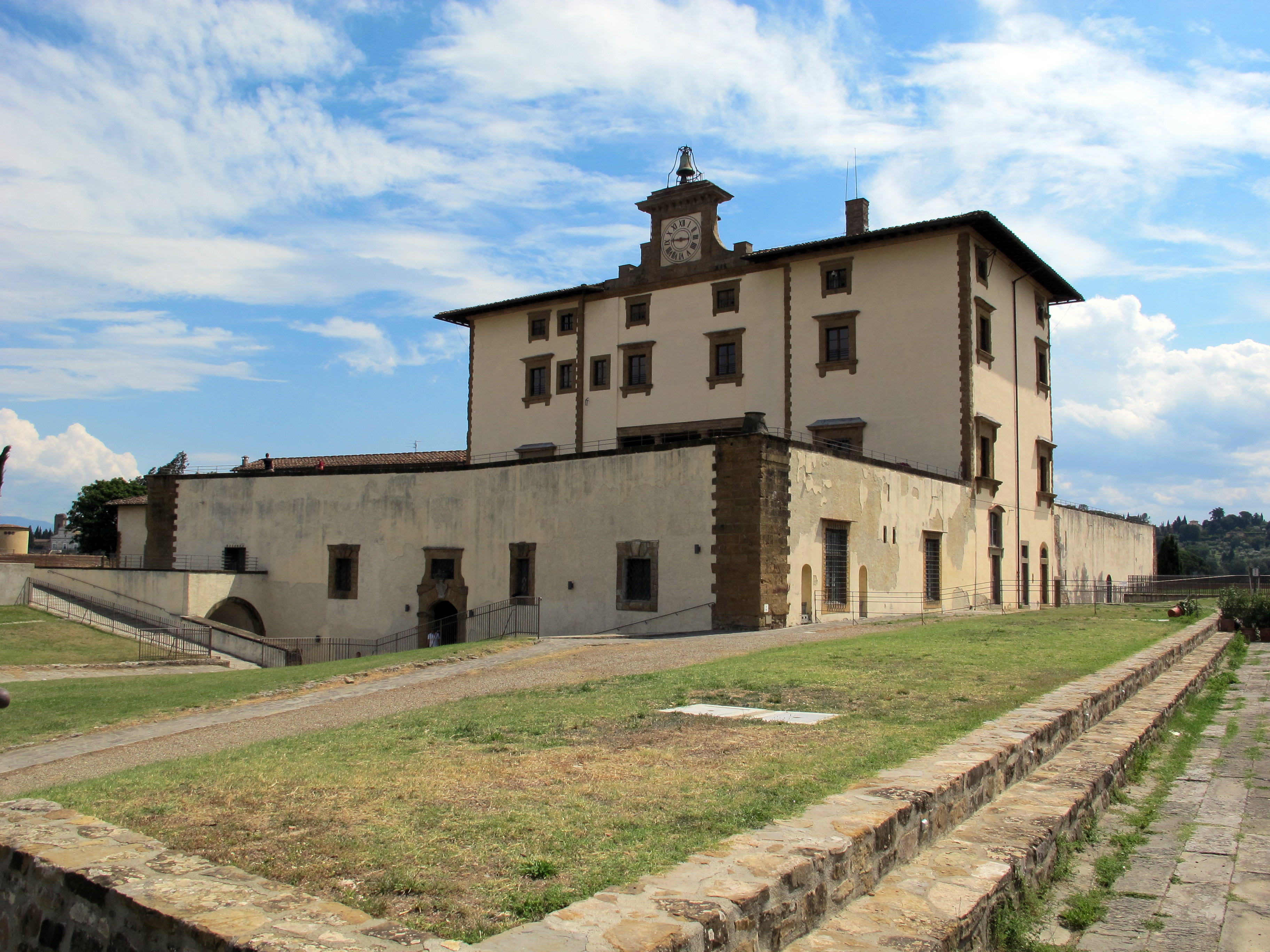 Forte BelvedereAttraction · 45 min · Free
Forte Belvedere is a star-shaped Medici fortress perched above the Boboli Gardens, offering panoramic views and hosting summer contemporary art installations. The combination of military architecture and art creates a unique hilltop experience.