Loading city...
Skip to main content
Attractions in Goa (Panaji)
9 attractions selected in this guide.
 Basilica of Bom JesusAttraction · 1h · Free
The Basilica of Bom Jesus is a UNESCO World Heritage Site in Old Goa and one of the finest examples of Baroque architecture in India. Built between 1594 and 1605, it houses the mortal remains of St. Francis Xavier in a silver casket. The basilica is the only church in Old Goa not plastered on the outside, exposing its laterite stone facade.
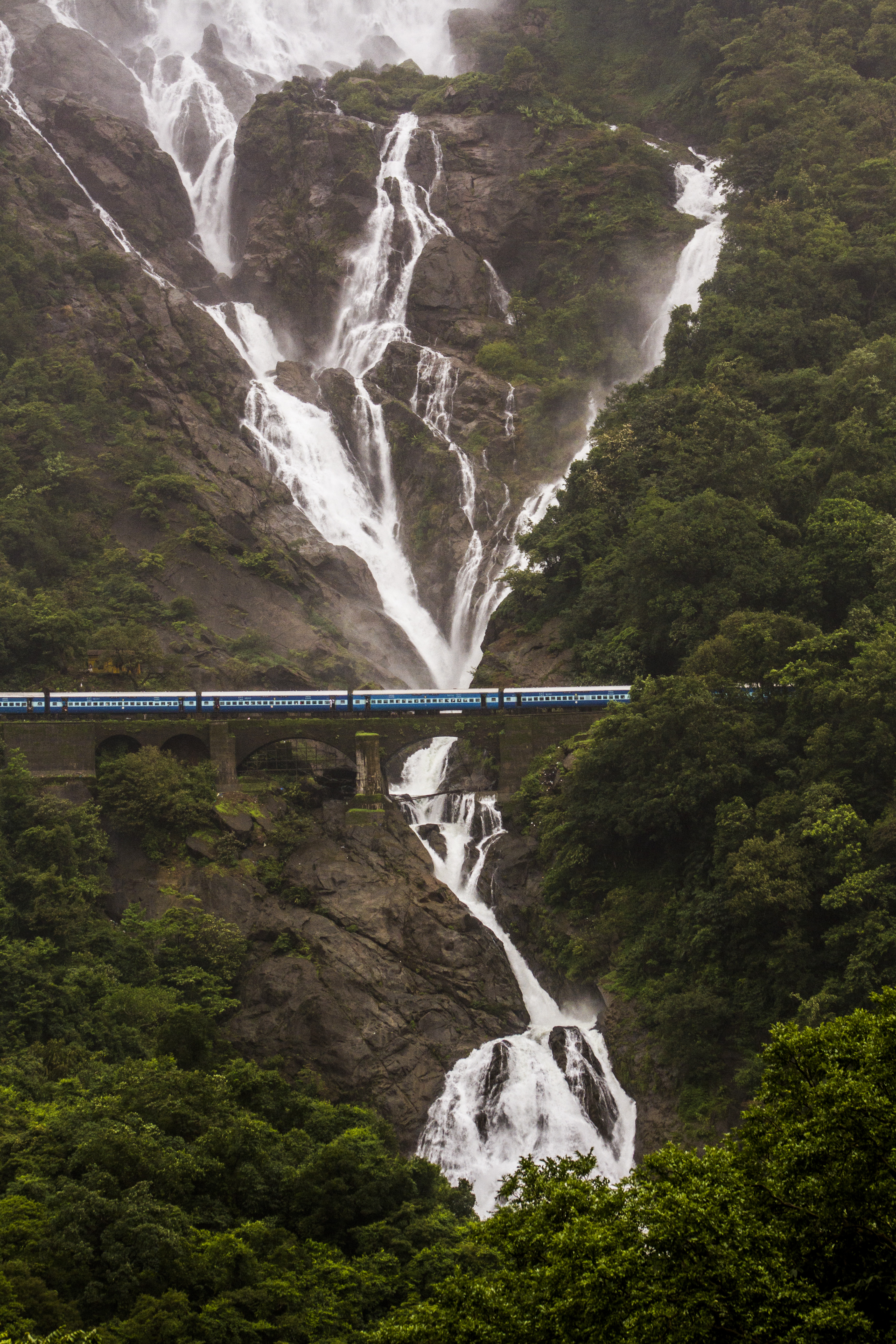 Dudhsagar FallsAttraction · 4h · ₹600
Dudhsagar Falls is a spectacular four-tiered waterfall on the Mandovi River at the Goa–Karnataka border. At 310 metres high and 30 metres wide, it is among India's tallest waterfalls. The name means Sea of Milk, referring to the white cascade through the Western Ghats.
 Sé CathedralAttraction · 45 min · Free
Se Cathedral is one of the largest churches in Asia and the seat of the Archbishop of Goa. Constructed between 1562 and 1619 in Portuguese-Manueline and Tuscan styles, it dominates Old Goa's skyline. It was built to celebrate the Portuguese victory over a Muslim army on St. Catherine's feast day.
- Reis Magos FortAttraction · 45 min · ₹100
Reis Magos Fort is a beautifully restored 16th-century laterite fortress on the north bank of the Mandovi River, facing Panaji. Built in 1551, it now serves as a cultural centre hosting contemporary art exhibitions and events.
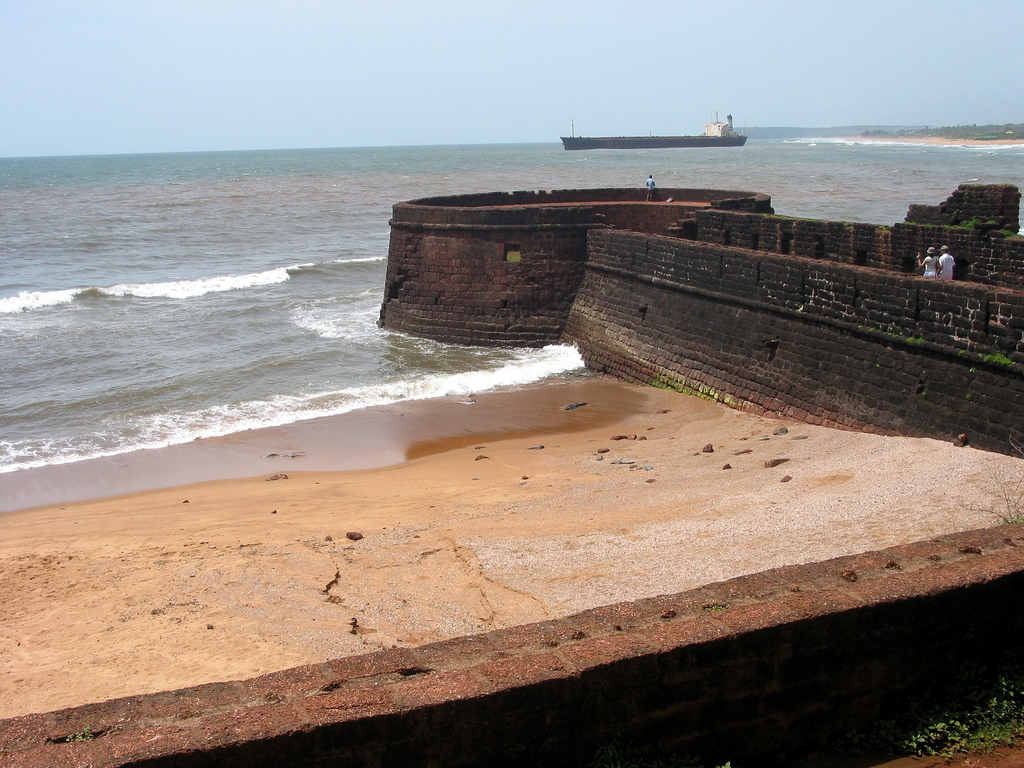 Fort AguadaAttraction · 1h · Free
Fort Aguada is a well-preserved 17th-century Portuguese fort and lighthouse at the confluence of the Mandovi River and the Arabian Sea. Built in 1612, it was the most strategic of all Portuguese forts in Goa. Its name comes from the Portuguese word for water — freshwater springs within the fort supplied passing ships.
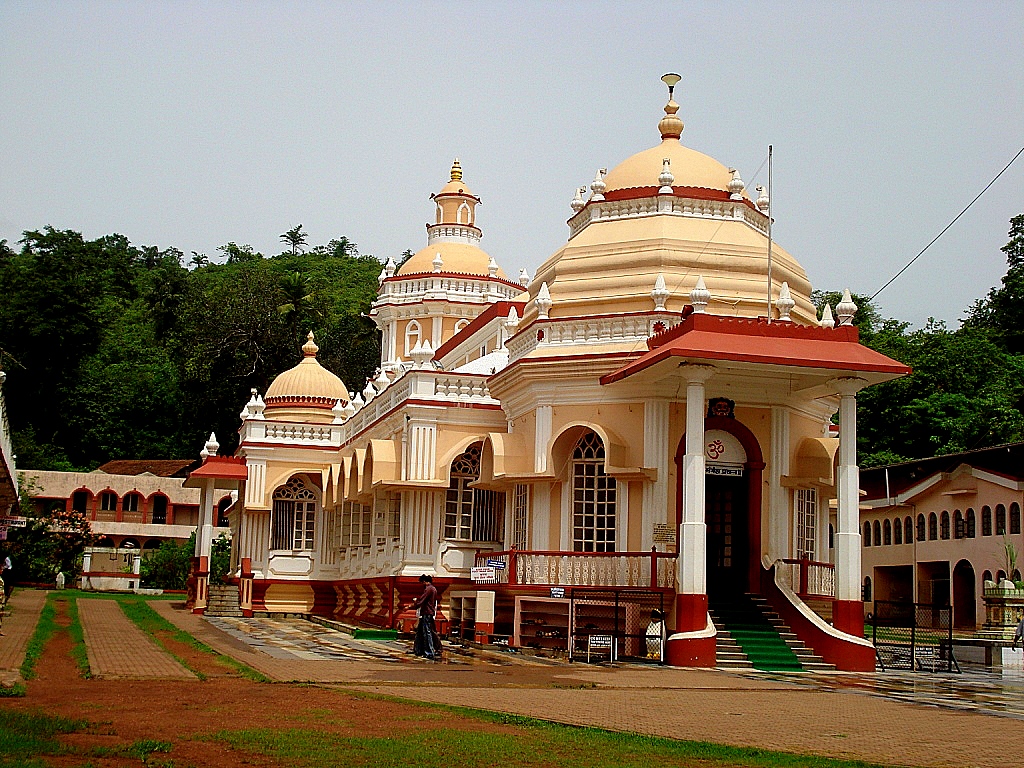 Mangeshi TempleAttraction · 45 min · Free
Mangeshi Temple in Priol is one of Goa's most revered Hindu temples, dedicated to Lord Mangesh — a local incarnation of Shiva. It features an elegant seven-storey deepstambha, octagonal drum tower, and white-and-ochre exterior.
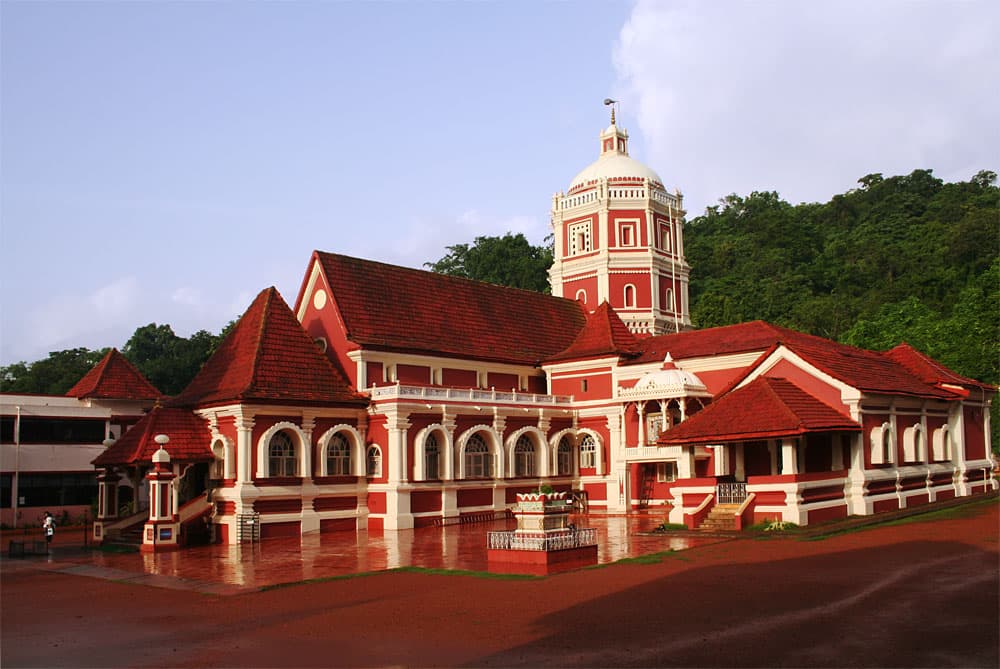 Shanta Durga TempleAttraction · 45 min · Free
Shanta Durga Temple in Kavlem is one of Goa's most important Hindu temples. Dedicated to Shantadurga — the peaceful form of Durga who mediated between Vishnu and Shiva — it blends traditional Goan temple architecture with Portuguese Baroque elements.
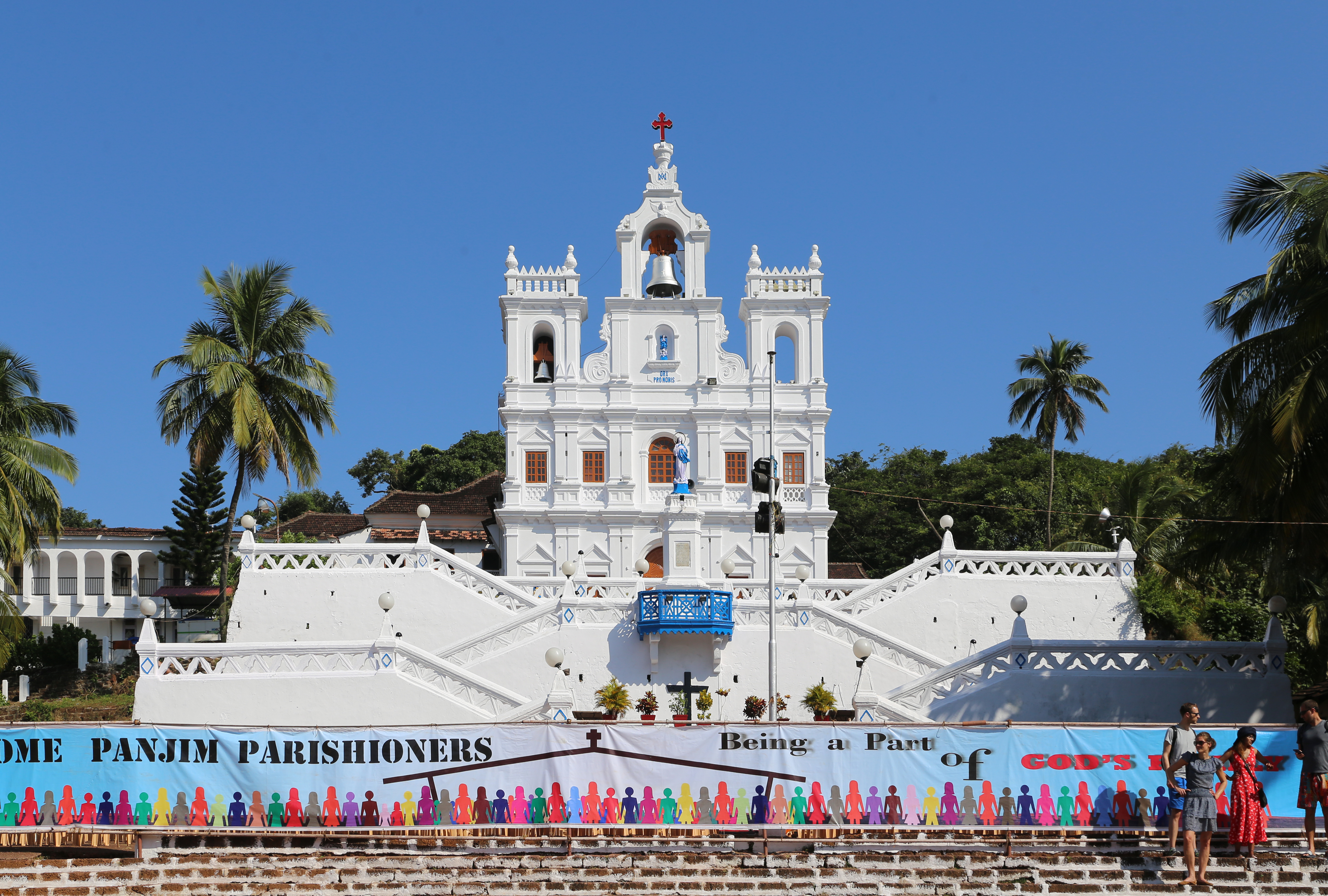
- Church of Our Lady of the Immaculate ConceptionAttraction · 30 min · Free
Perched atop a hill in Panaji's centre, this church is one of Goa's most photographed landmarks. Its dramatic whitewashed zigzag staircase and twin bell towers form a striking backdrop to the city's main square. Originally built in 1541, the present structure dates largely to 1619.
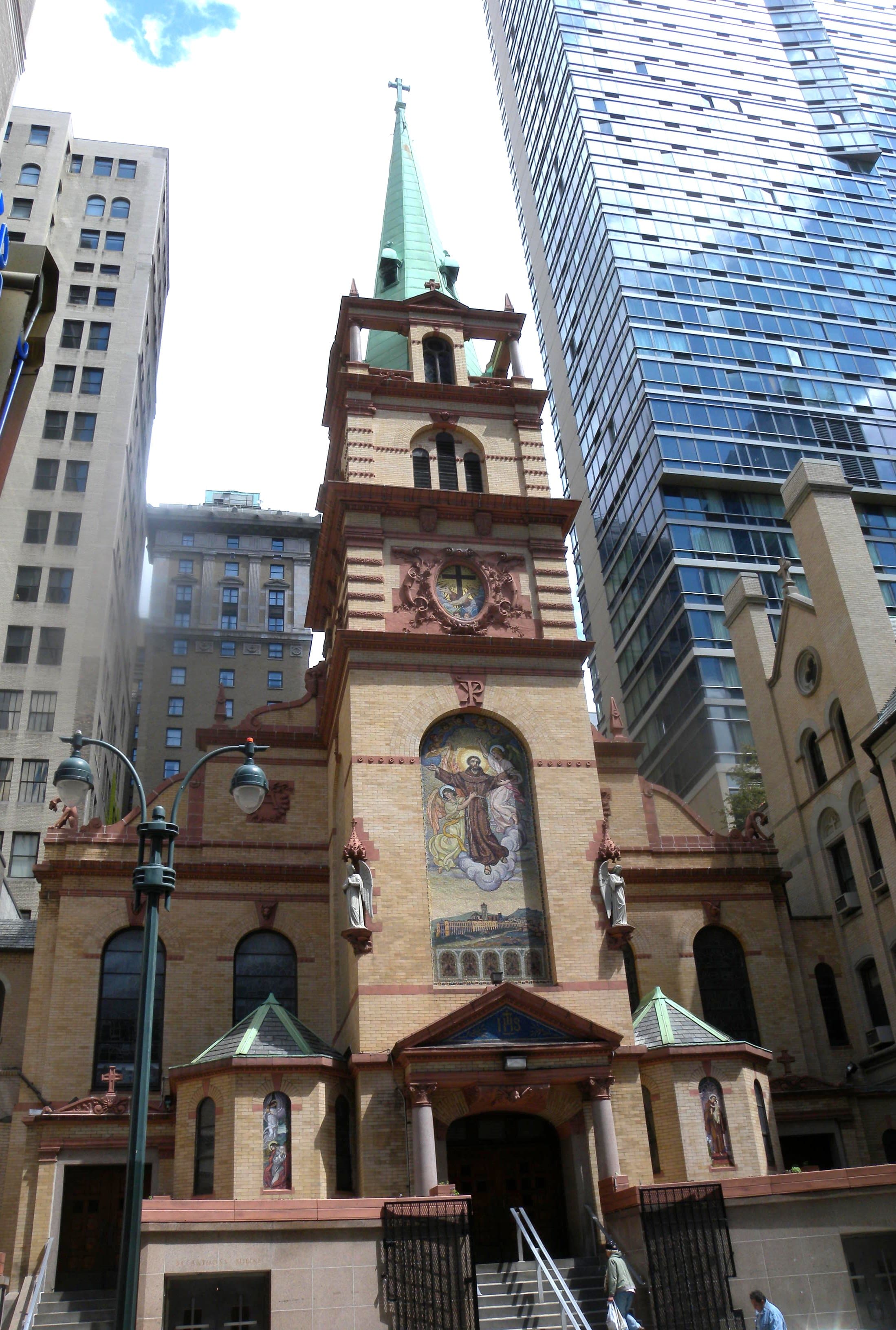 Church of St. Francis of AssisiAttraction · 40 min · Free
The Church of St. Francis of Assisi in Old Goa dates to 1661, replacing an earlier 1517 chapel. Its Manueline-style entrance portal and richly gilded interior make it one of the finest colonial-era churches in the region. The former convent now houses the Archaeological Museum.