Loading city...
Skip to main content
Attractions in Delhi
21 attractions selected in this guide.
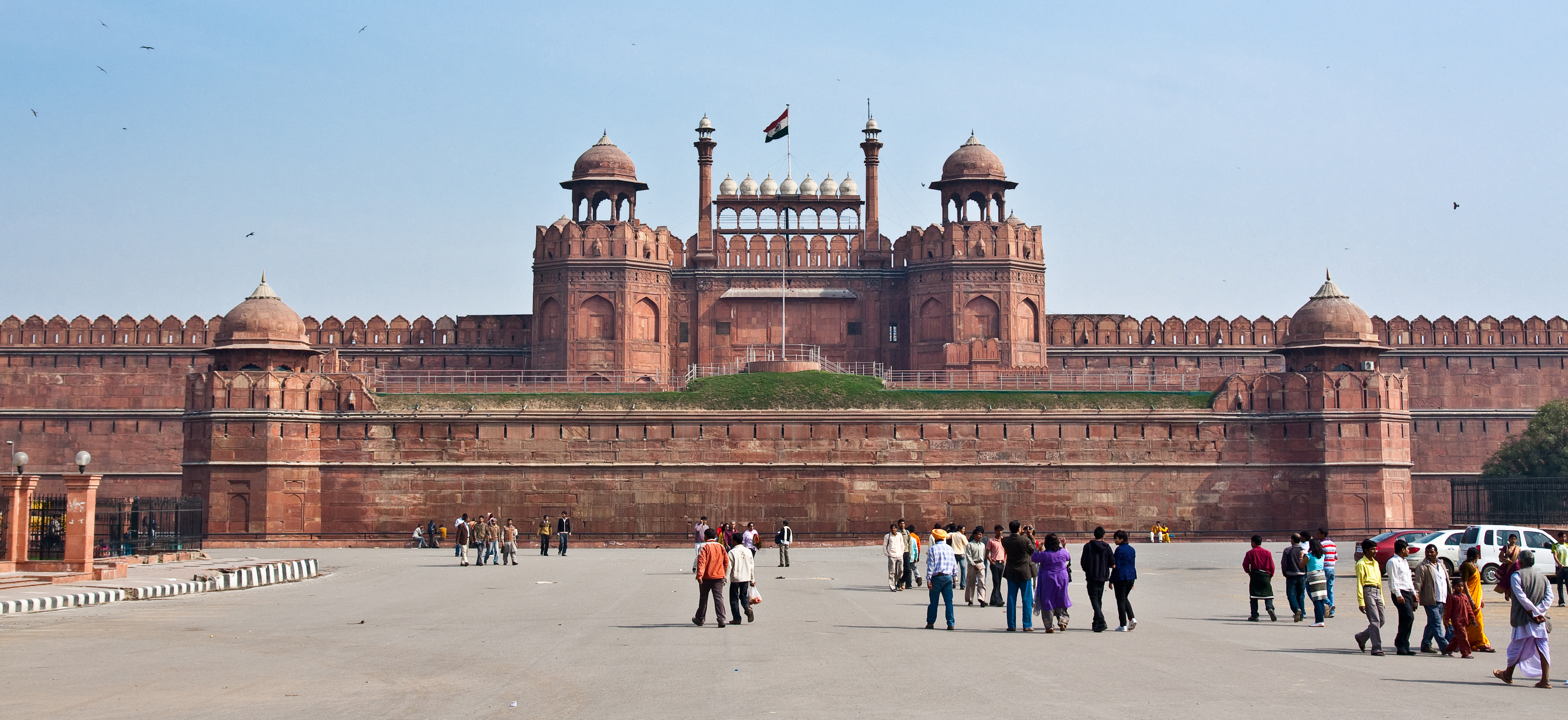 Red FortAttraction · 2h · ₹35
The 17th-century Mughal fortress in Old Delhi, a UNESCO World Heritage Site and the venue for India's Independence Day address by the Prime Minister. Its massive red sandstone walls enclose palaces, audience halls, gardens, and museums across 254 acres.
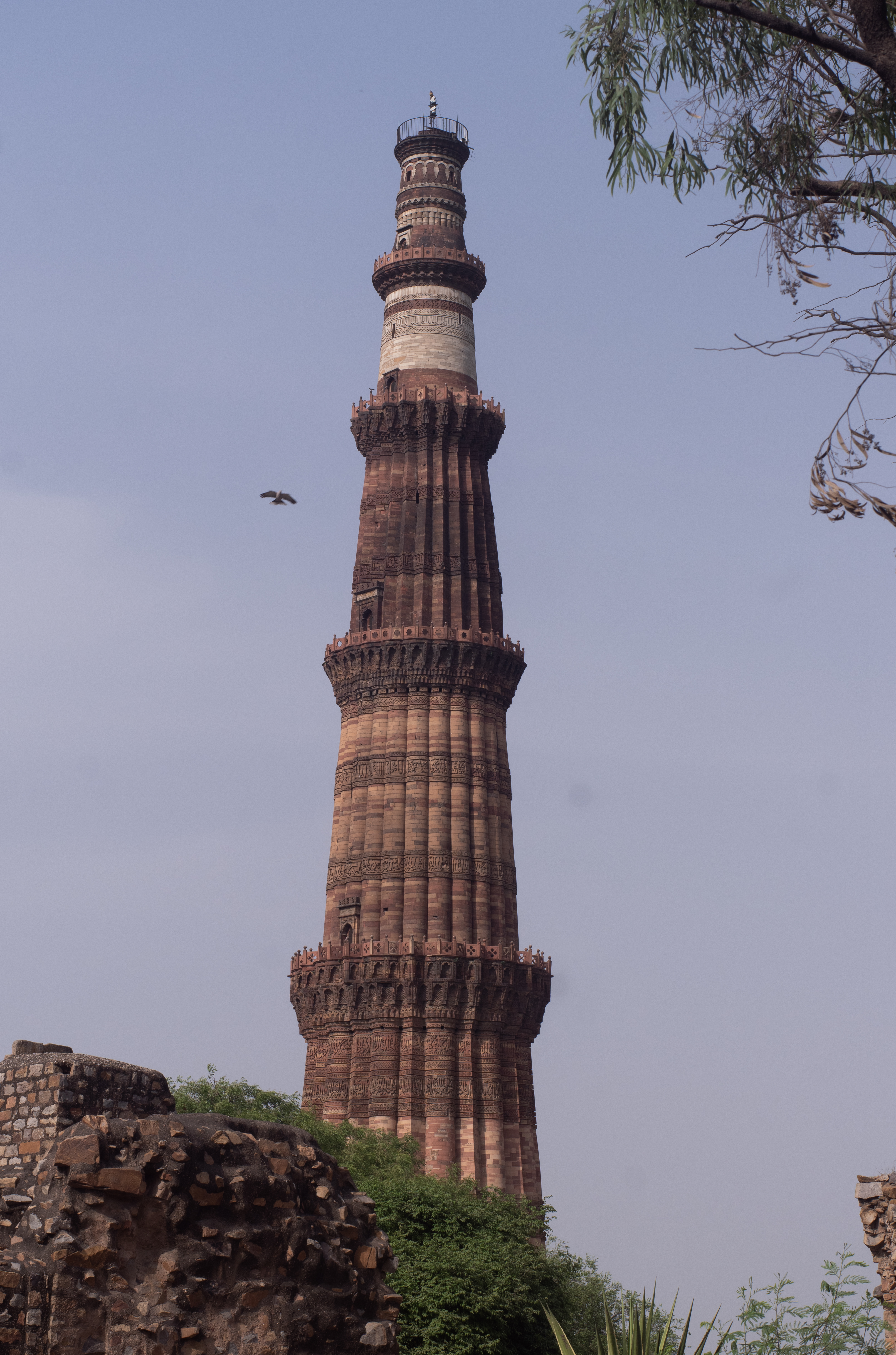 Qutub MinarAttraction · 1.5h · ₹35
A UNESCO World Heritage Site, the Qutub Minar is a 72.5-metre-tall victory tower built in 1192–1220, the tallest brick minaret in the world. The surrounding archaeological complex includes the earliest mosque in India and the mysterious iron pillar that has resisted rust for over 1,600 years.
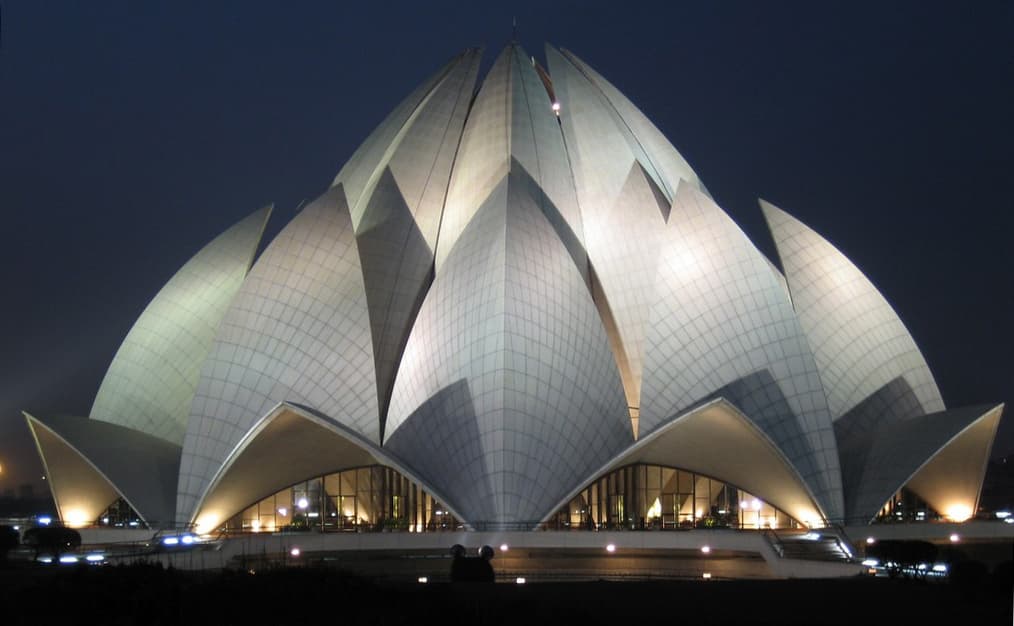 Lotus TempleAttraction · 45 min · Free
A Bahá'í House of Worship completed in 1986, shaped like a lotus flower with 27 free-standing marble-clad petals. Open to people of all faiths, it has won numerous architectural awards and attracts over 4 million visitors annually.
 India GateAttraction · 30 min · Free
A 42-metre-high sandstone war memorial arch on Rajpath, designed by Edwin Lutyens in 1931 to commemorate the 70,000 Indian soldiers who died in World War I and the Third Anglo-Afghan War. It is one of Delhi's most iconic landmarks.
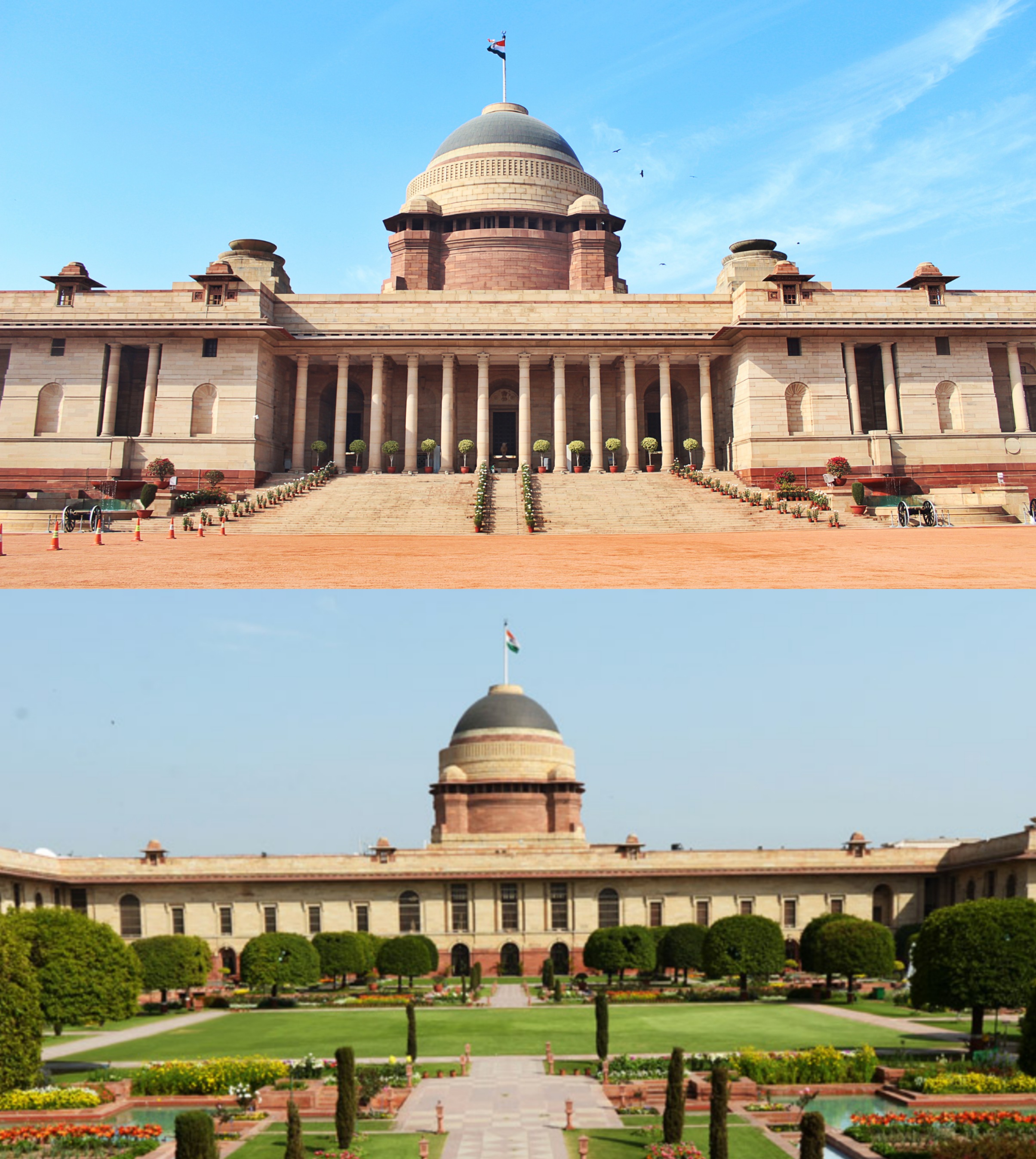 Rashtrapati BhavanAttraction · 1.5h · ₹50
The official residence of the President of India, a 340-room Lutyens-era palace completed in 1929. Spread over 130 hectares including the Mughal Gardens, it is one of the largest presidential residences in the world.
 Jama MasjidAttraction · 1h · Free
India's largest mosque, built by Shah Jahan between 1644 and 1656 with a courtyard that can hold 25,000 worshippers. Constructed of red sandstone and white marble, it stands opposite the Red Fort in Old Delhi.
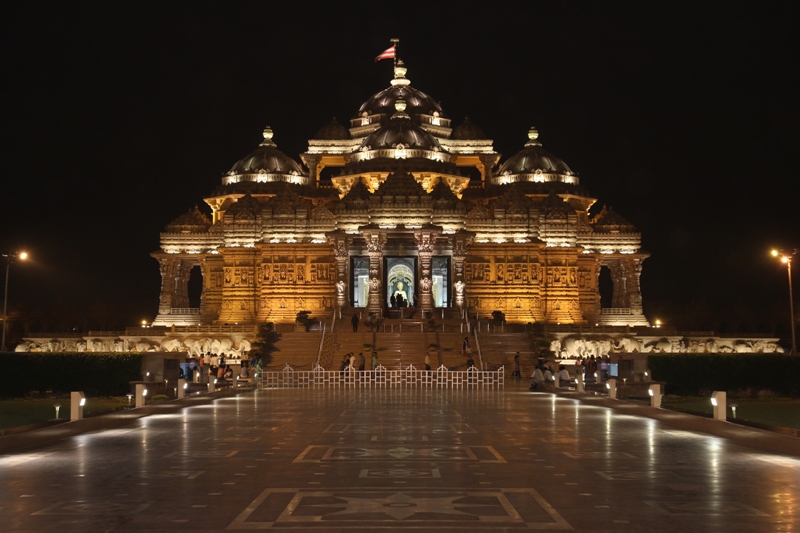 Akshardham TempleAttraction · 3h · Free
A massive Hindu temple complex on the Yamuna bank, completed in 2005, dedicated to Bhagwan Swaminarayan. The central monument is carved from Rajasthani pink sandstone and Italian Carrara marble with no structural steel, following traditional Vastu and Pancharatra Shastra design.
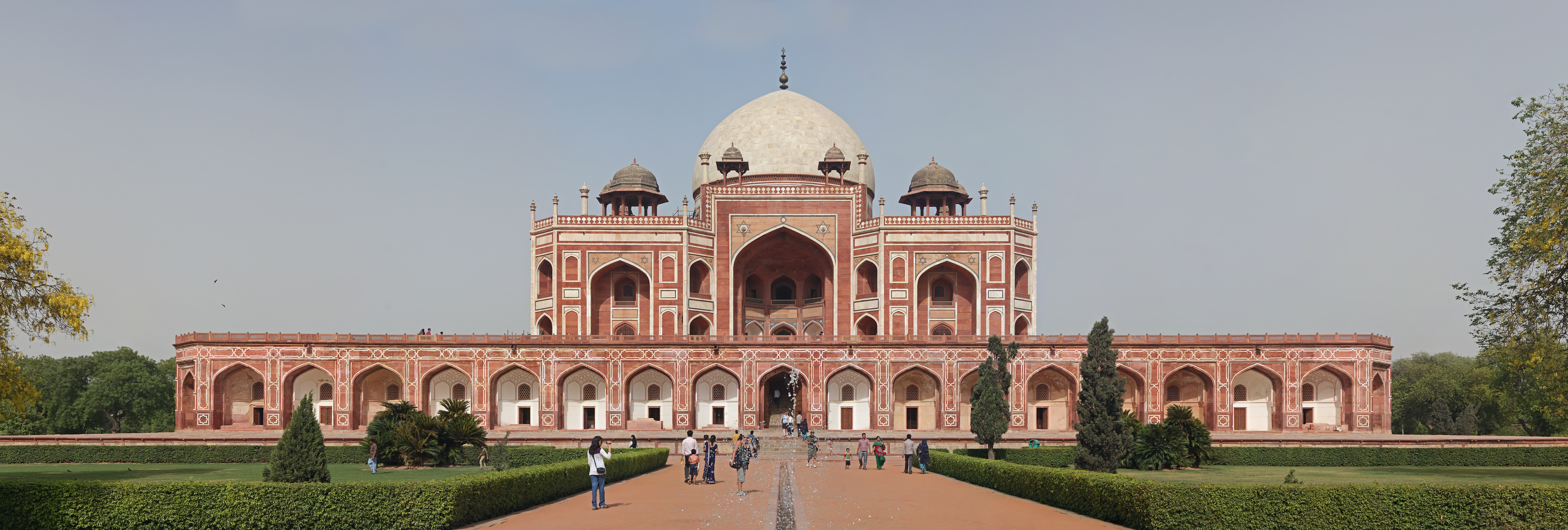 Humayun's TombAttraction · 1.5h · ₹35
A UNESCO World Heritage Site built in 1570, this is the first garden tomb on the Indian subcontinent and the direct architectural precursor to the Taj Mahal. Set in 30 acres of restored Mughal char-bagh gardens, it houses the tomb of the second Mughal emperor, Humayun.
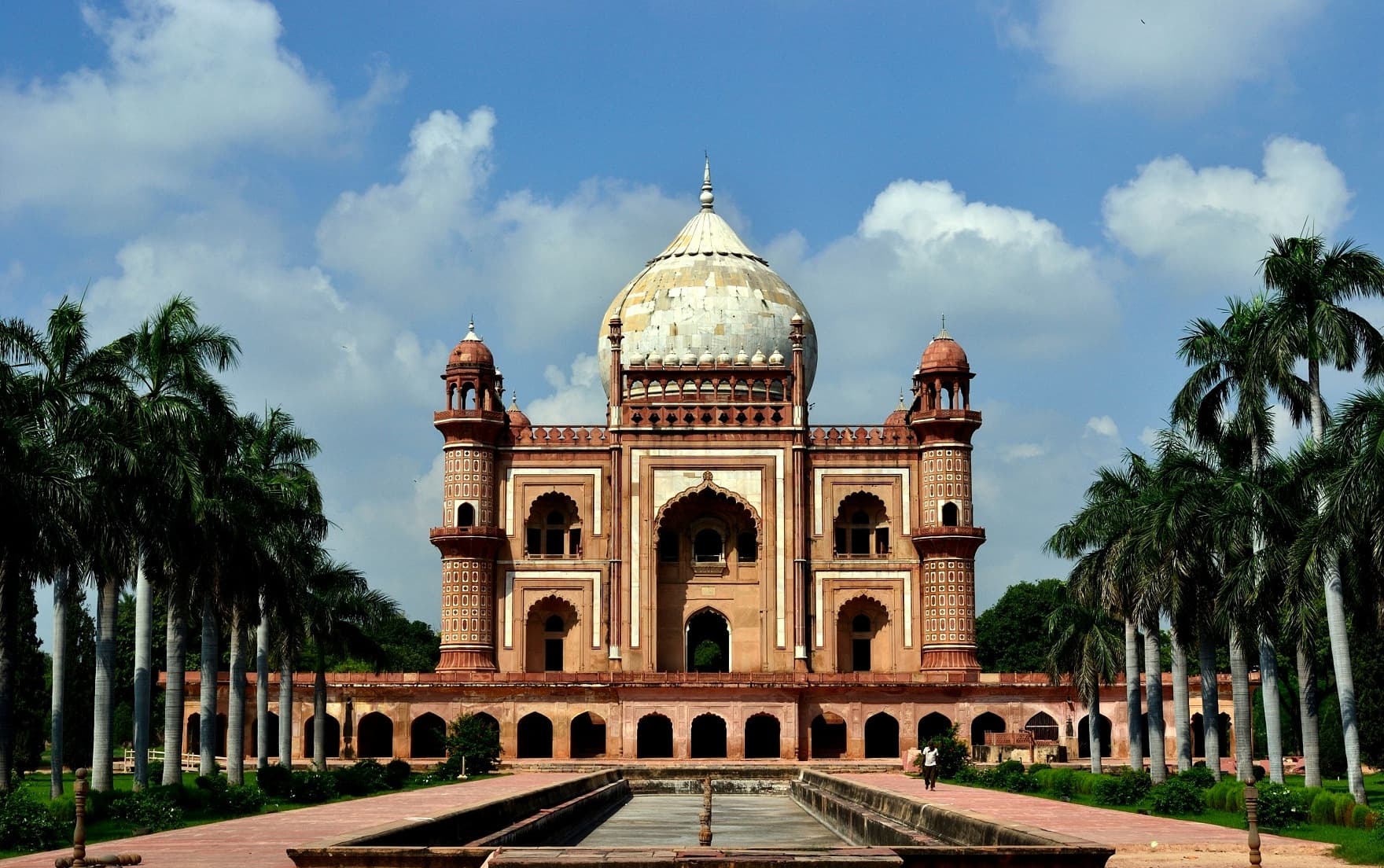 Safdarjung's TombAttraction · 1h · ₹25
Safdarjung's Tomb is often described as the last gasp of Mughal garden-tomb architecture in Delhi. Built in 1754 for the Nawab of Awadh, the red-sandstone-and-marble mausoleum sits within a charbagh garden that is less manicured — and less crowded — than Humayun's Tomb.
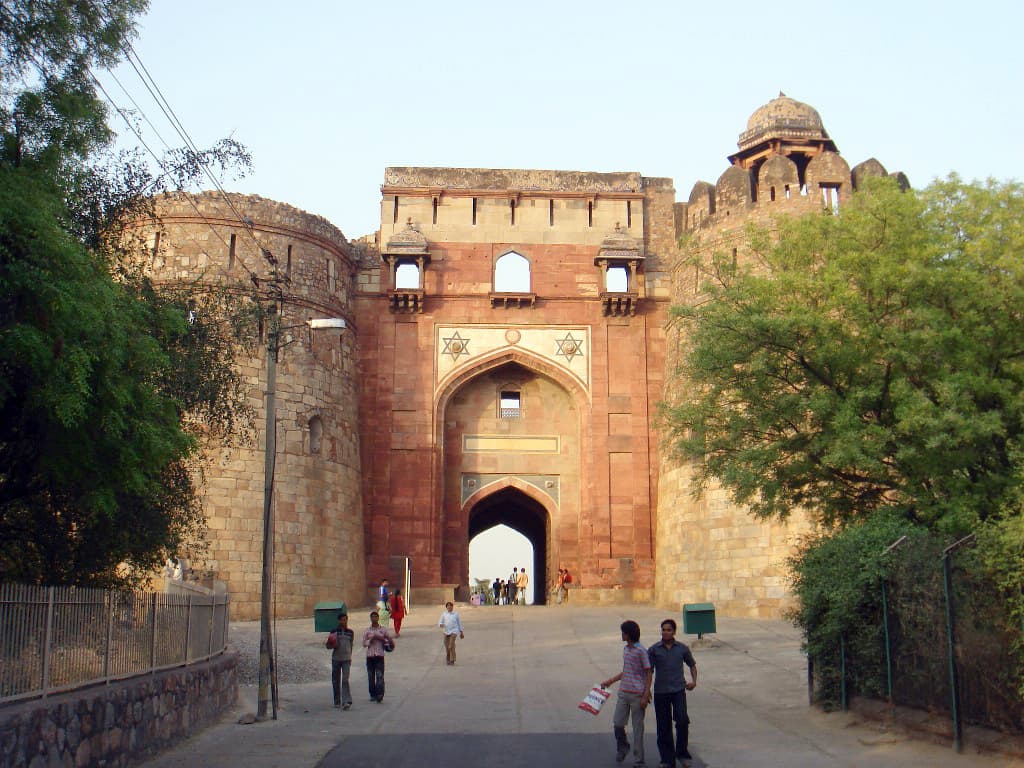 Purana QilaAttraction · 1h · ₹30
Purana Qila (Old Fort) is a 16th-century citadel that may stand on the site of the legendary city of Indraprastha. Sher Shah Suri's Qila-i-Kuhna Mosque inside the walls is a masterpiece of Indo-Islamic architecture, while the octagonal Sher Mandal tower is where Mughal emperor Humayun met his fatal fall.
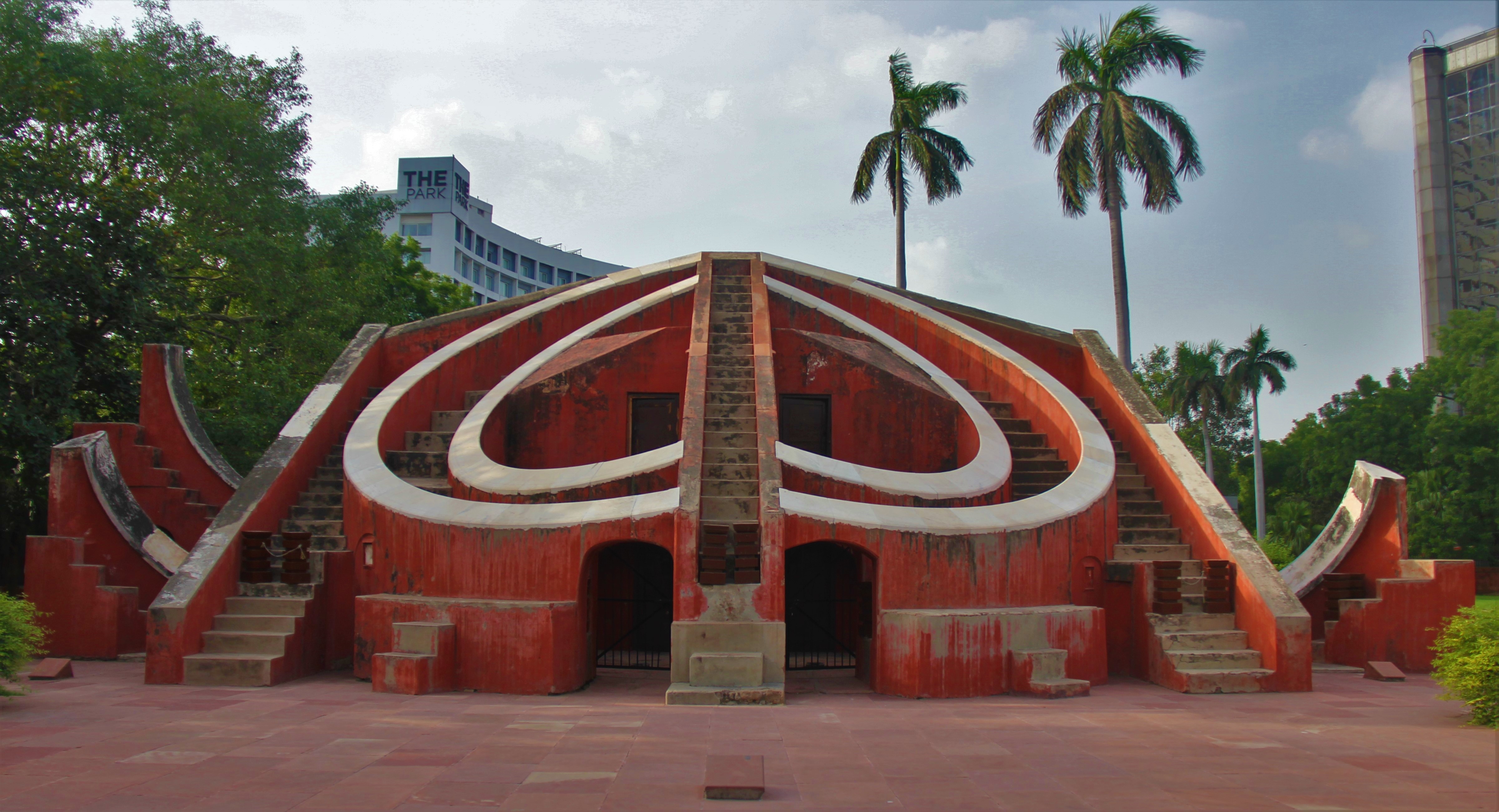 Jantar MantarAttraction · 45 min · ₹25
An 18th-century astronomical observation site in central Delhi, one of five built by Maharaja Sawai Jai Singh II. Its 13 massive masonry instruments were used to measure time, predict eclipses, and track celestial bodies.
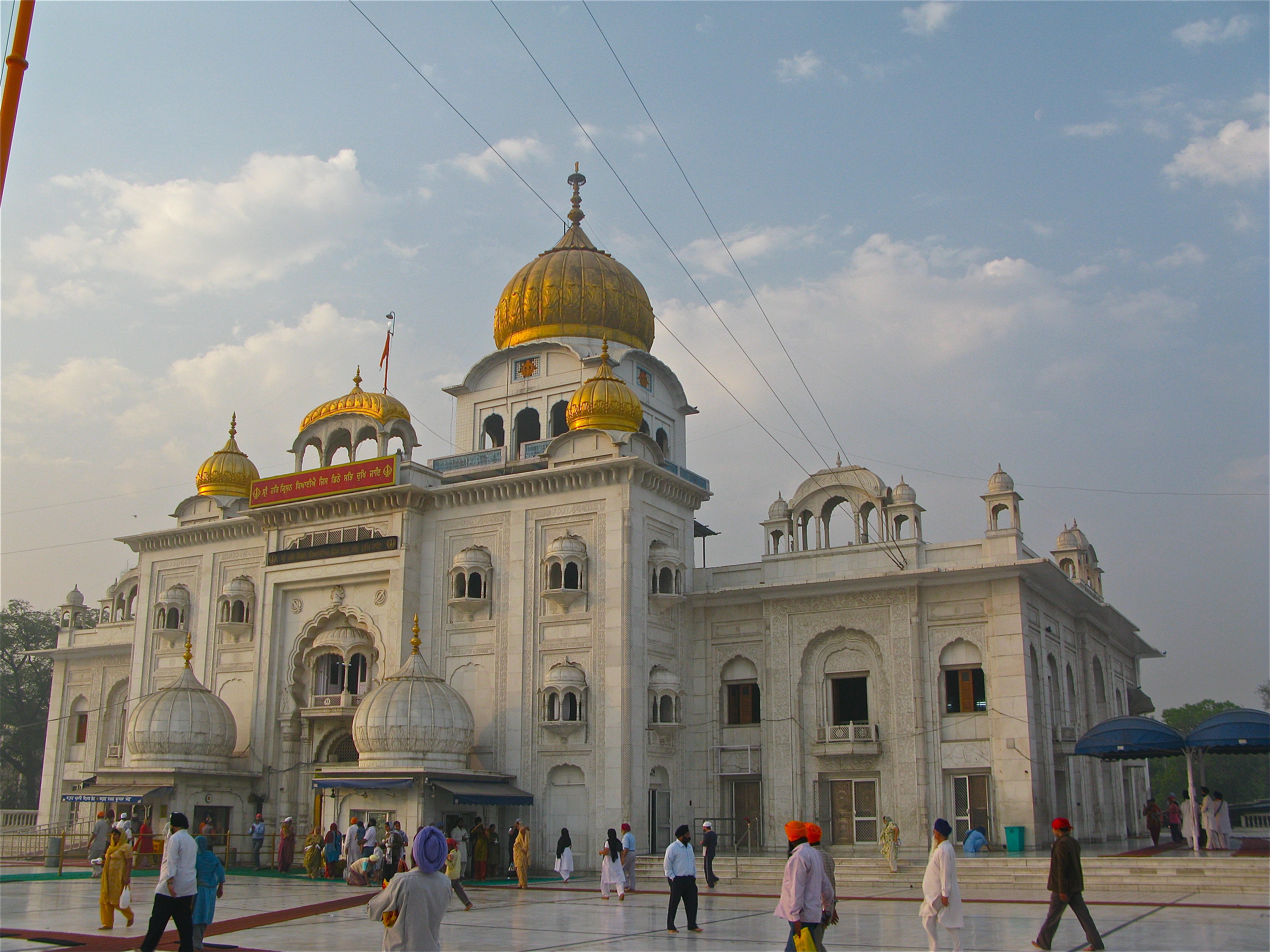 Gurudwara Bangla SahibAttraction · 45 min · Free
Gurudwara Bangla Sahib is Delhi's most prominent Sikh temple, its golden dome and white marble facade visible across Connaught Place. The gurdwara's sacred pool (sarovar) reflects the dome beautifully, while the langar (community kitchen) serves free meals to thousands daily.
- Jantar MantarAttraction · 30 min · ₹50
Jantar Mantar is an 18th-century astronomical observatory built by Maharaja Jai Singh II of Jaipur. Its giant sundials, armillary spheres and geometric instruments — the largest of which stands 21 metres tall — calculated time, tracked celestial bodies and predicted eclipses with remarkable precision.
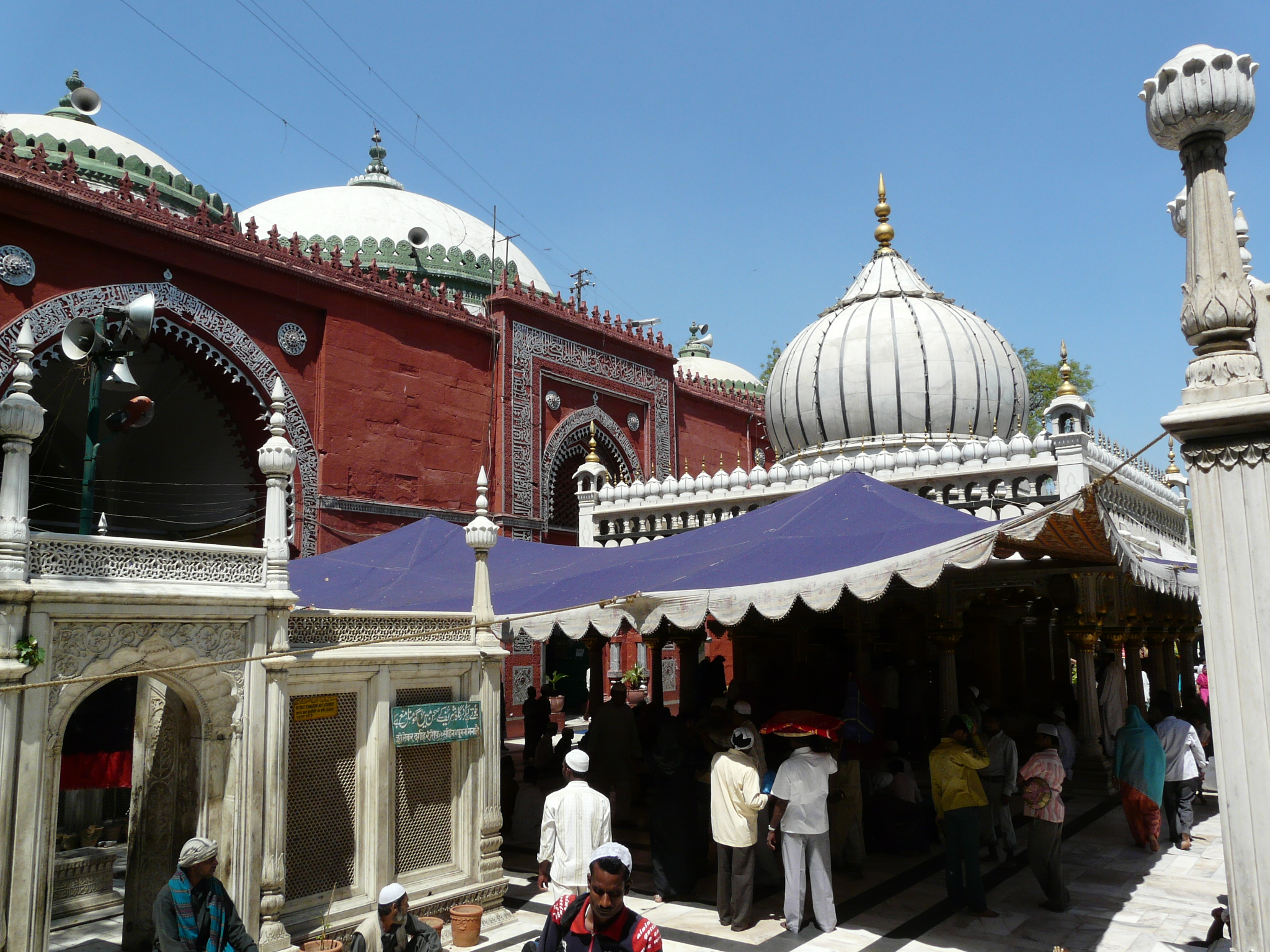 Nizamuddin DargahAttraction · 1h · Free
The marble-and-lattice shrine of the 14th-century Sufi saint Hazrat Nizamuddin Auliya, one of the most significant Sufi sites in South Asia. Qawwali devotional singing sessions take place every Thursday evening in the courtyard.
 Tughlaqabad FortAttraction · 1h · ₹25
Tughlaqabad Fort is a massive 14th-century citadel sprawling across a rocky ridge in south Delhi. The ruins of the Tughlaq dynasty's short-lived capital include city walls, bastions, underground passages and a causeway connecting to the tomb of founder Ghiyasuddin Tughlaq.
 Laxminarayan TempleAttraction · 45 min · Free
Also called Birla Mandir, this ornate Hindu temple was inaugurated by Mahatma Gandhi in 1939 with the condition that people of all castes could enter. Dedicated to Lakshmi (goddess of wealth) and Narayana (Vishnu), it is built in the Orissan style.
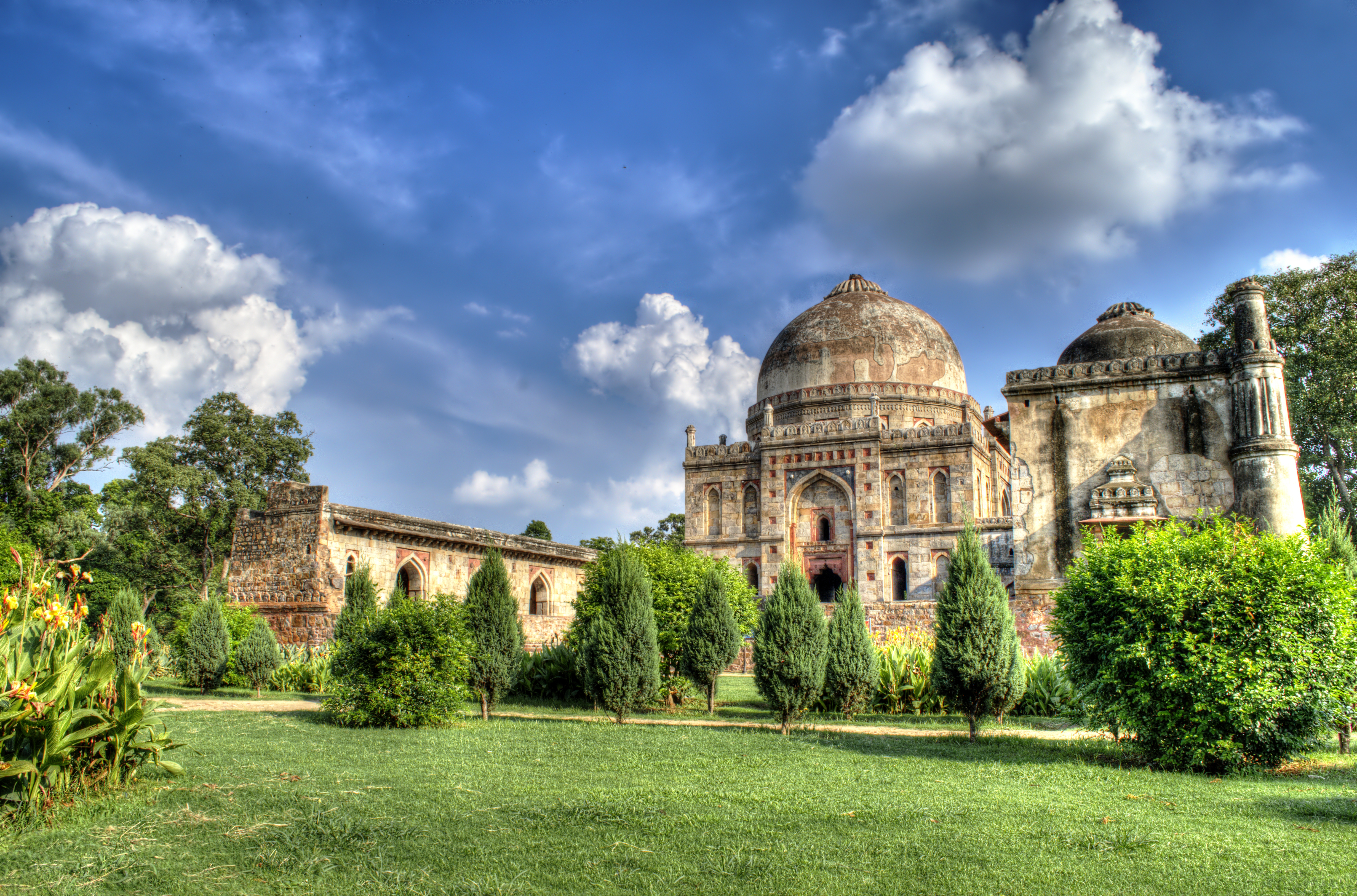 Lodi Gardens TombsAttraction · 45 min · Free
The tombs within Lodi Gardens span 200 years of pre-Mughal Delhi. The octagonal tomb of Muhammad Shah (1444), the graceful Bara Gumbad complex and the Sheesh Gumbad create a landscape of ruined domes and arched pavilions set amid rolling lawns and flowering trees.
 National War MemorialAttraction · 30 min · Free
Inaugurated in 2019, this modern war memorial near India Gate honours the 26,466 Indian soldiers who have fallen in combat since independence in 1947. Four concentric circles symbolize sacrifice, valour, protection, and the military's relationship with the nation.
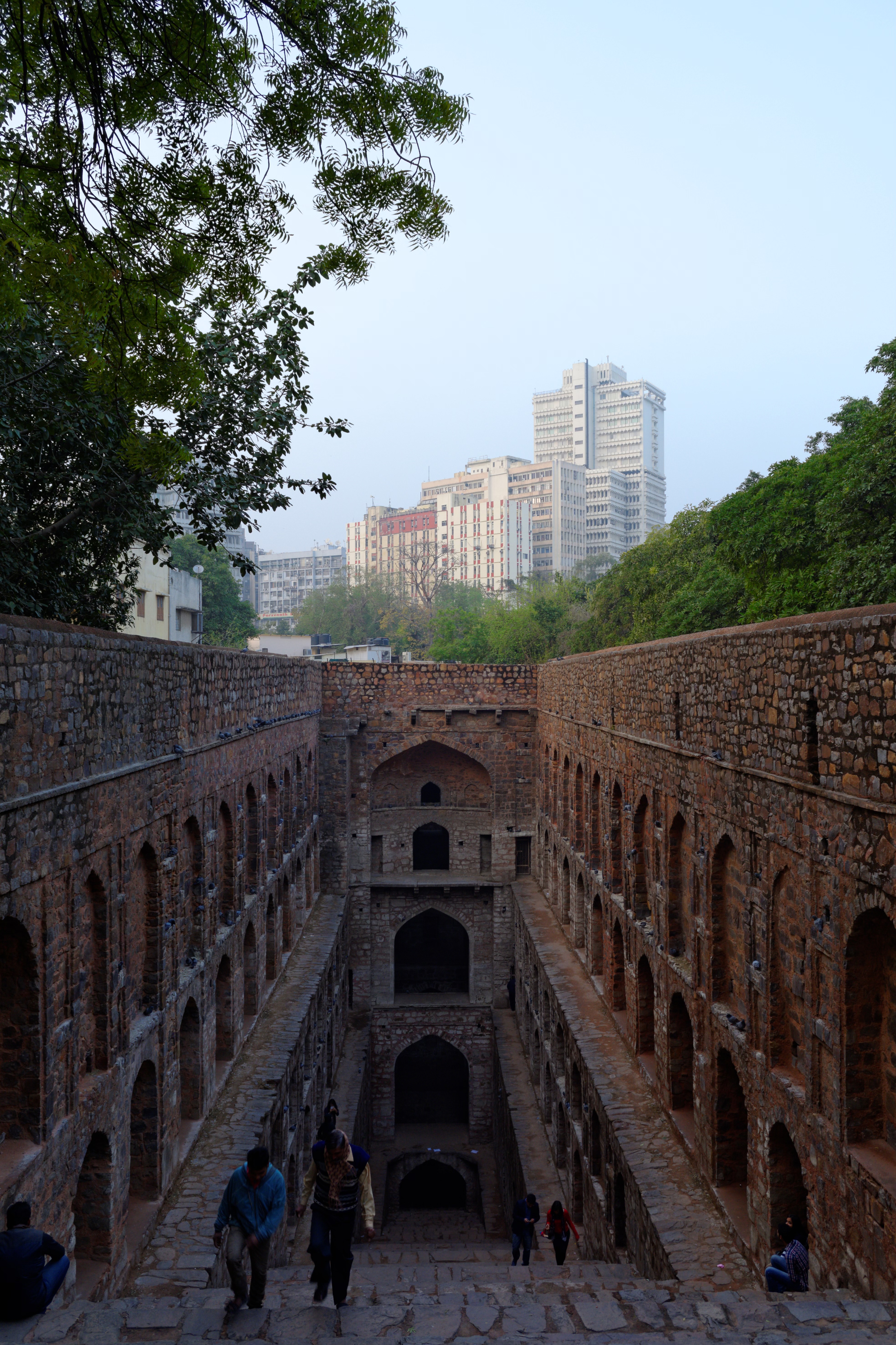 Agrasen ki BaoliAttraction · 30 min · ₹25
Agrasen ki Baoli is a 14th-century step-well hidden among the high-rises of central Delhi's Connaught Place area. The well descends 103 steps through three levels of arched galleries into shadow and silence — an eerie, photogenic contrast to the traffic above.
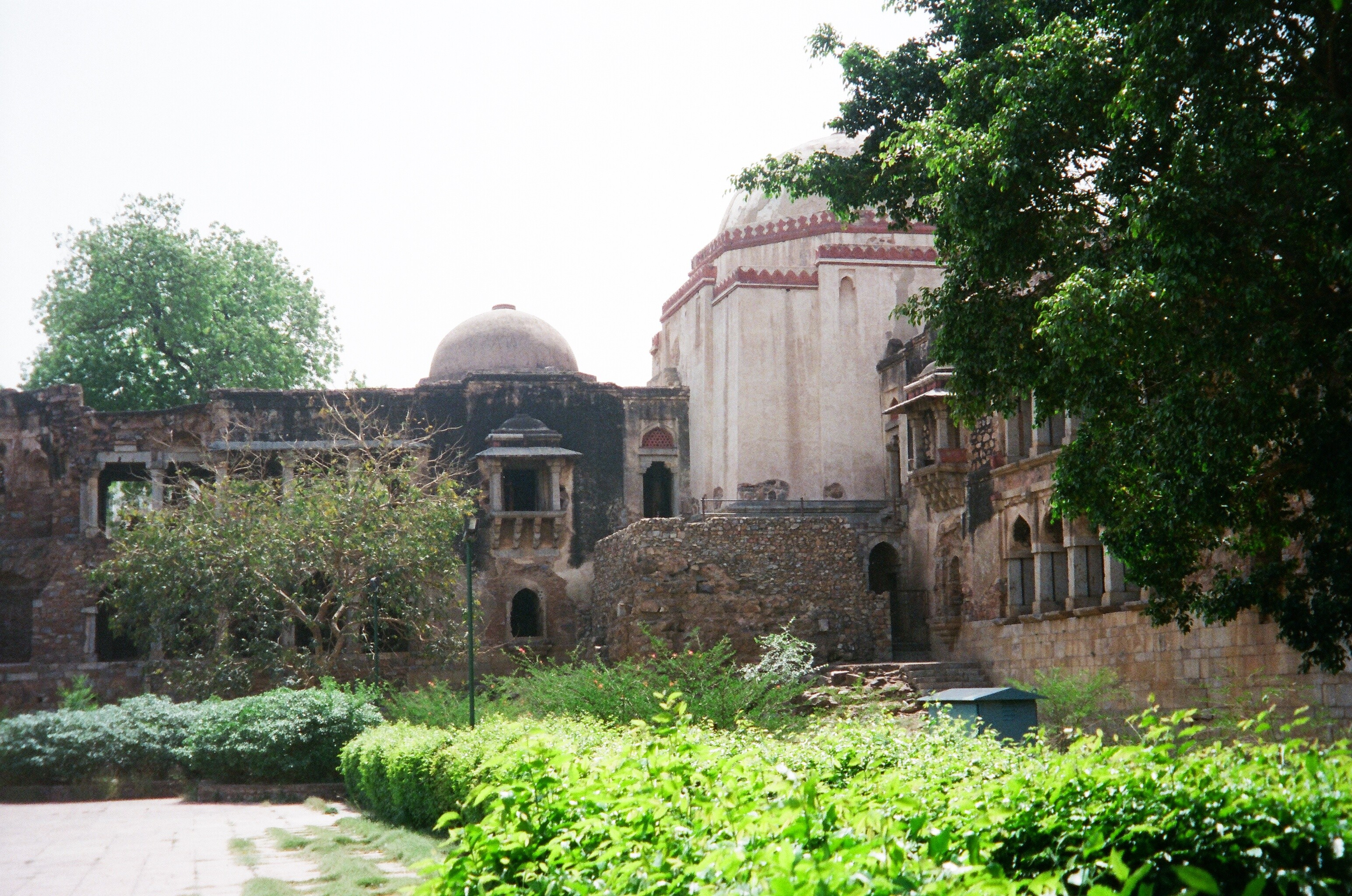 Hauz Khas FortAttraction · 45 min · Free
Hauz Khas is where medieval Delhi meets millennial culture. The 14th-century fortress ruins and royal reservoir are surrounded by a cluster of trendy cafés, galleries, fashion boutiques and rooftop bars that have made the neighbourhood one of Delhi's hippest destinations.
 Mehrauli Archaeological ParkAttraction · 1.5h · Free
Mehrauli Archaeological Park is a 200-acre forested reserve surrounding over 80 historical monuments spanning the Delhi Sultanates, Mughal empire and British Raj. Tombs, step-wells, mosques and colonial ruins appear between the trees at every turn.