Loading city...
Skip to main content
Museums in Budapest
8 museums selected in this guide.
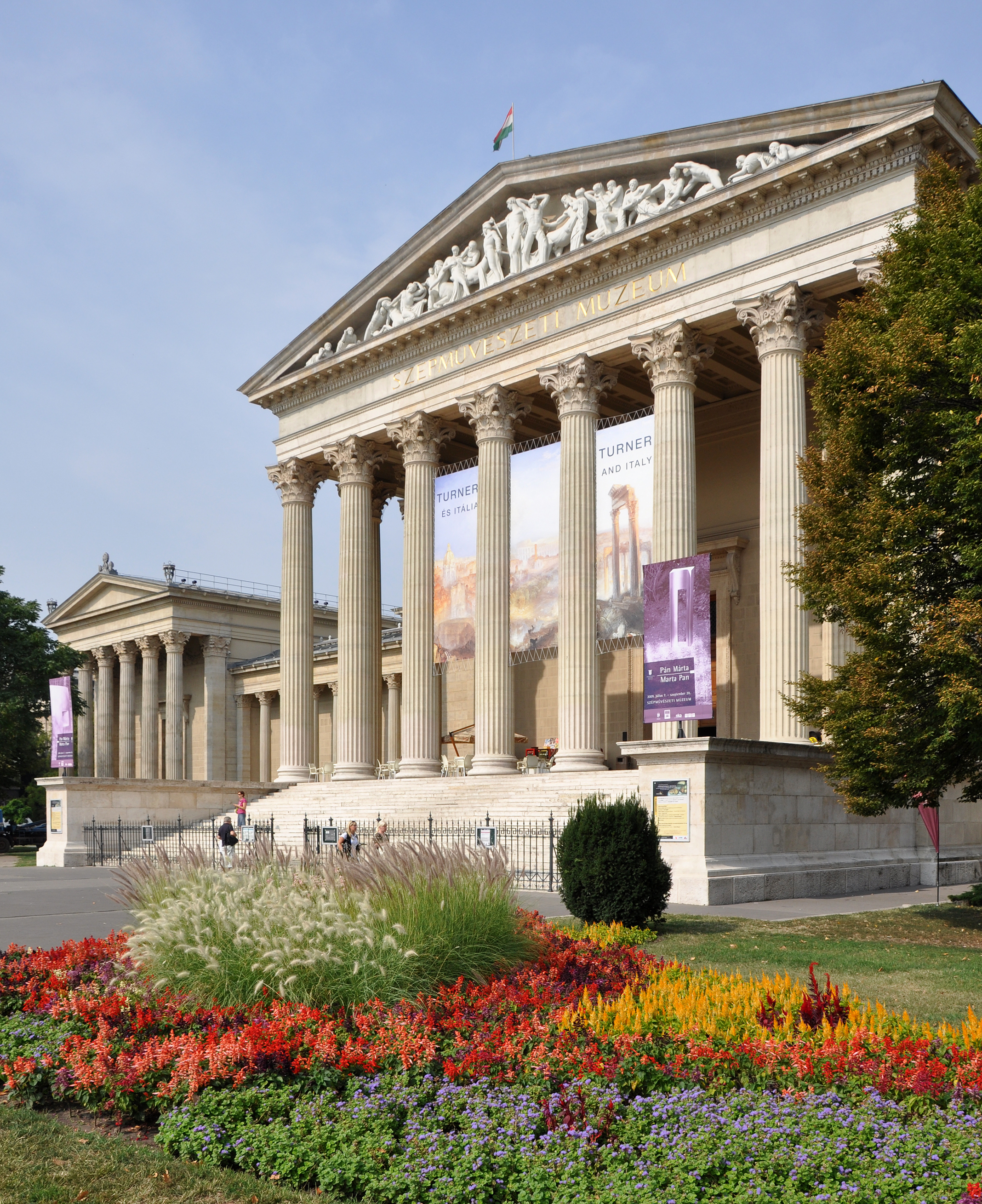 Museum of Fine ArtsMuseum · 2h · 3200 Ft
The Museum of Fine Arts is Hungary's premier international painting collection, housed in a neoclassical temple on Heroes' Square. Spanish Old Masters (El Greco, Goya, Velázquez) are the highlight.
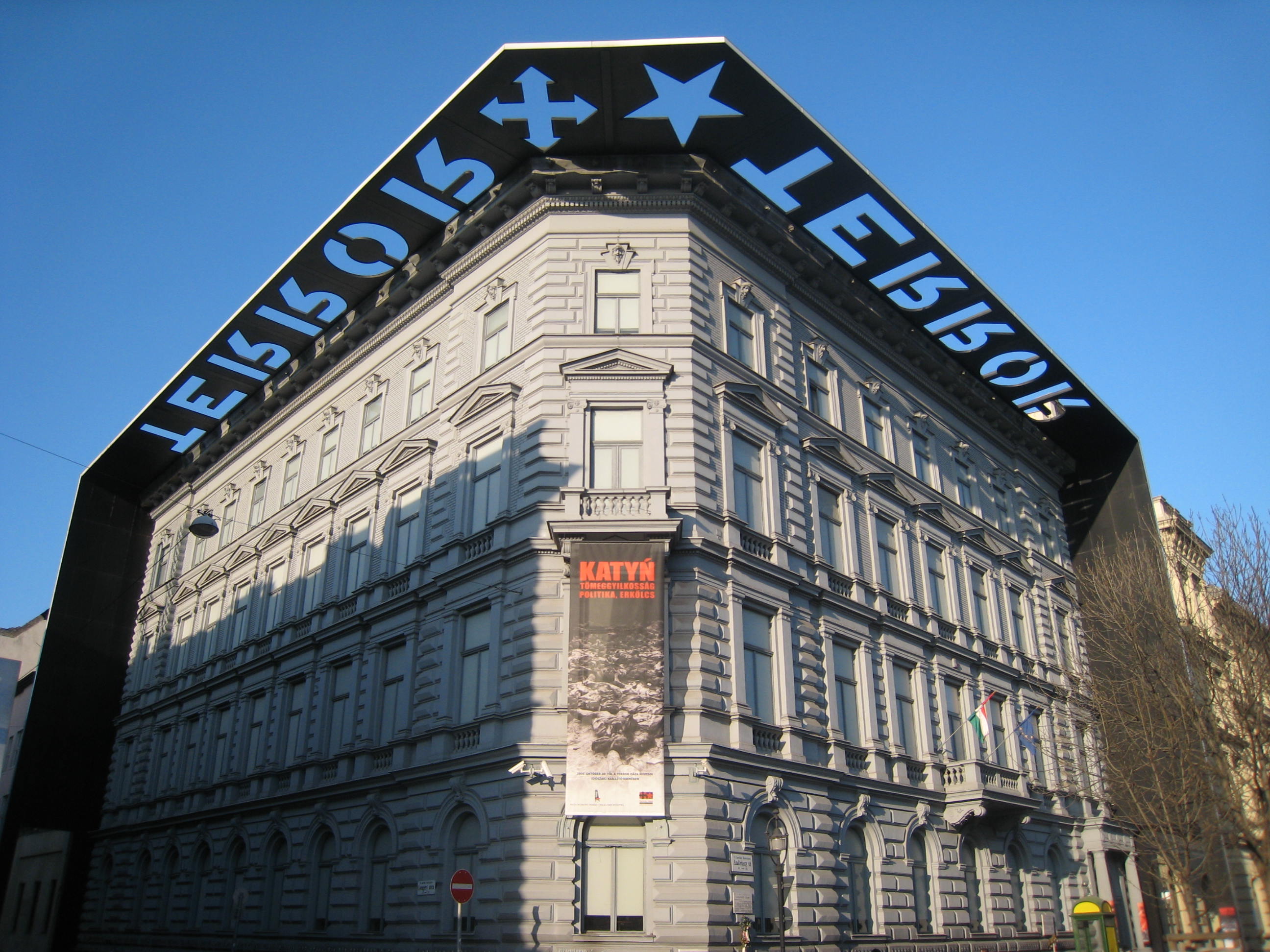 House of TerrorMuseum · 1.5h · 3000 Ft
The House of Terror is one of Europe's most powerful memorial museums, documenting the terror imposed by both the Nazi Arrow Cross and Soviet communist regimes from this building—their actual headquarters at 60 Andrássy Avenue.
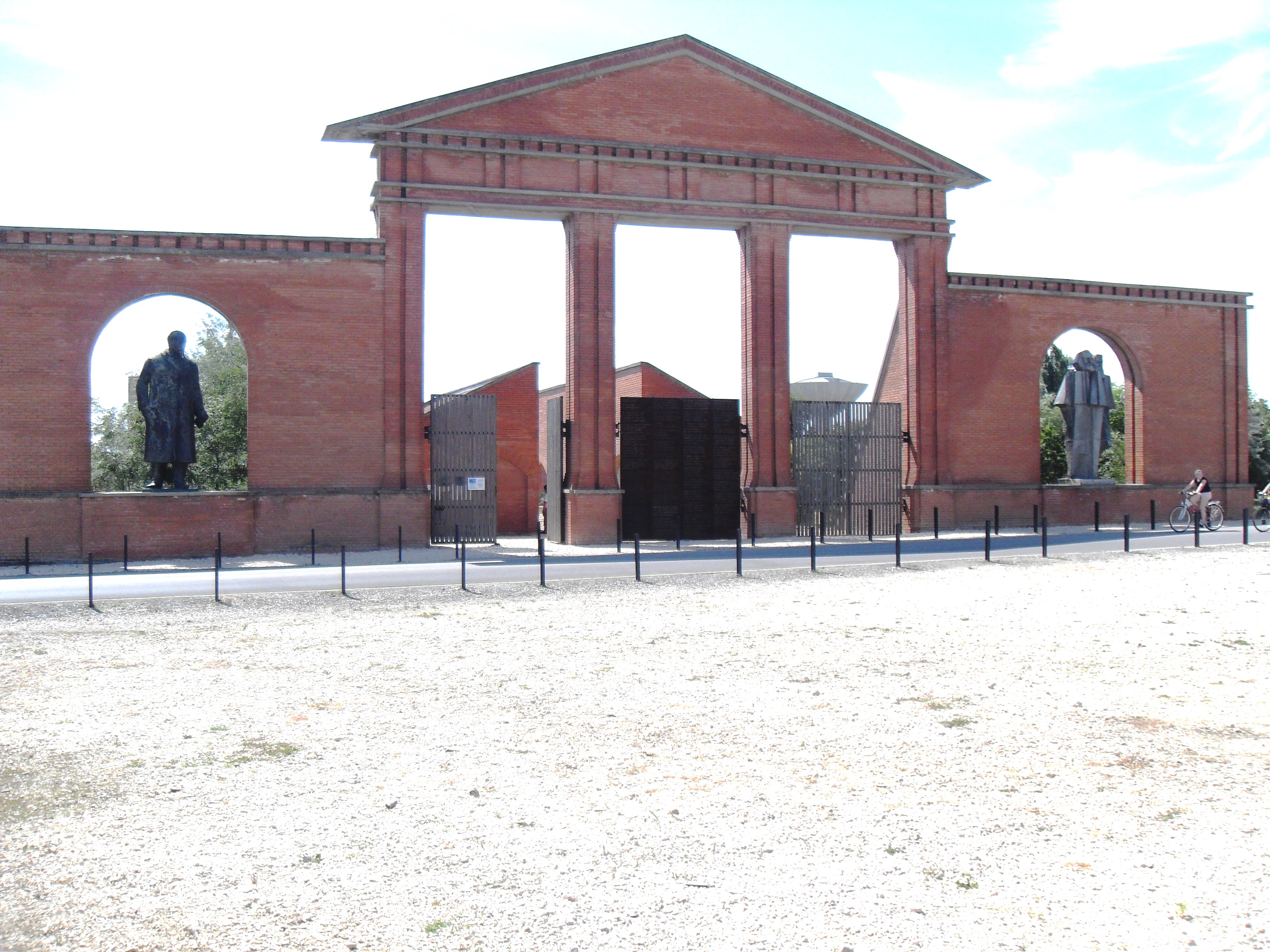 Memento ParkMuseum · 1.5h · 2500 Ft
Memento Park is an open-air museum on the southwestern outskirts of Budapest, collecting over 40 monumental statues that stood in the city's public spaces during the communist era. After the regime change in 1989, these colossal bronze and stone works — including towering Lenins, Red Army soldiers, and socialist-realist allegories — were removed from their pedestals and relocated here in 1993 by architect Ákos Eleőd.
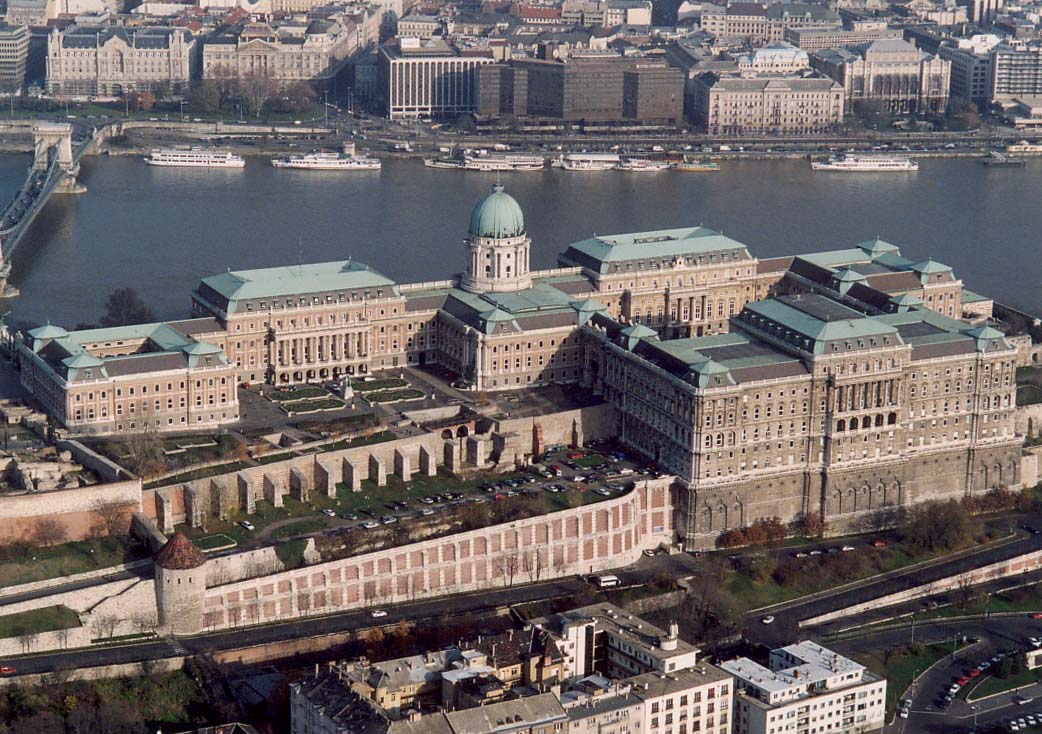 Hungarian National MuseumMuseum · 1.5h · 3000 Ft
The Hungarian National Museum traces the history of the Carpathian Basin from the Stone Age to the fall of communism, housed in a neoclassical palace. Its collection includes the coronation mantle of St. Stephen.
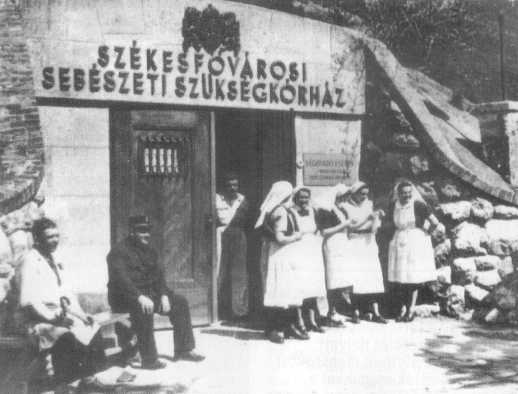 Hospital in the RockMuseum · 1h · 4000 Ft
The Hospital in the Rock is a declassified WWII hospital and Cold War nuclear bunker carved into the caves beneath Castle Hill. Original medical equipment, wax figures, and preserved operating rooms tell the story of wartime and Cold War Budapest.
 Budapest Pinball MuseumMuseum · 1.3h · 5000 Ft
The Budapest Pinball Museum houses over 130 fully playable pinball machines spanning 140 years of gaming history — from Victorian-era marble bagatelle tables to modern multiball digital hybrids. Located in a vaulted basement near Vörösmarty Square, the museum is entirely hands-on: a single admission ticket grants unlimited play on every machine.
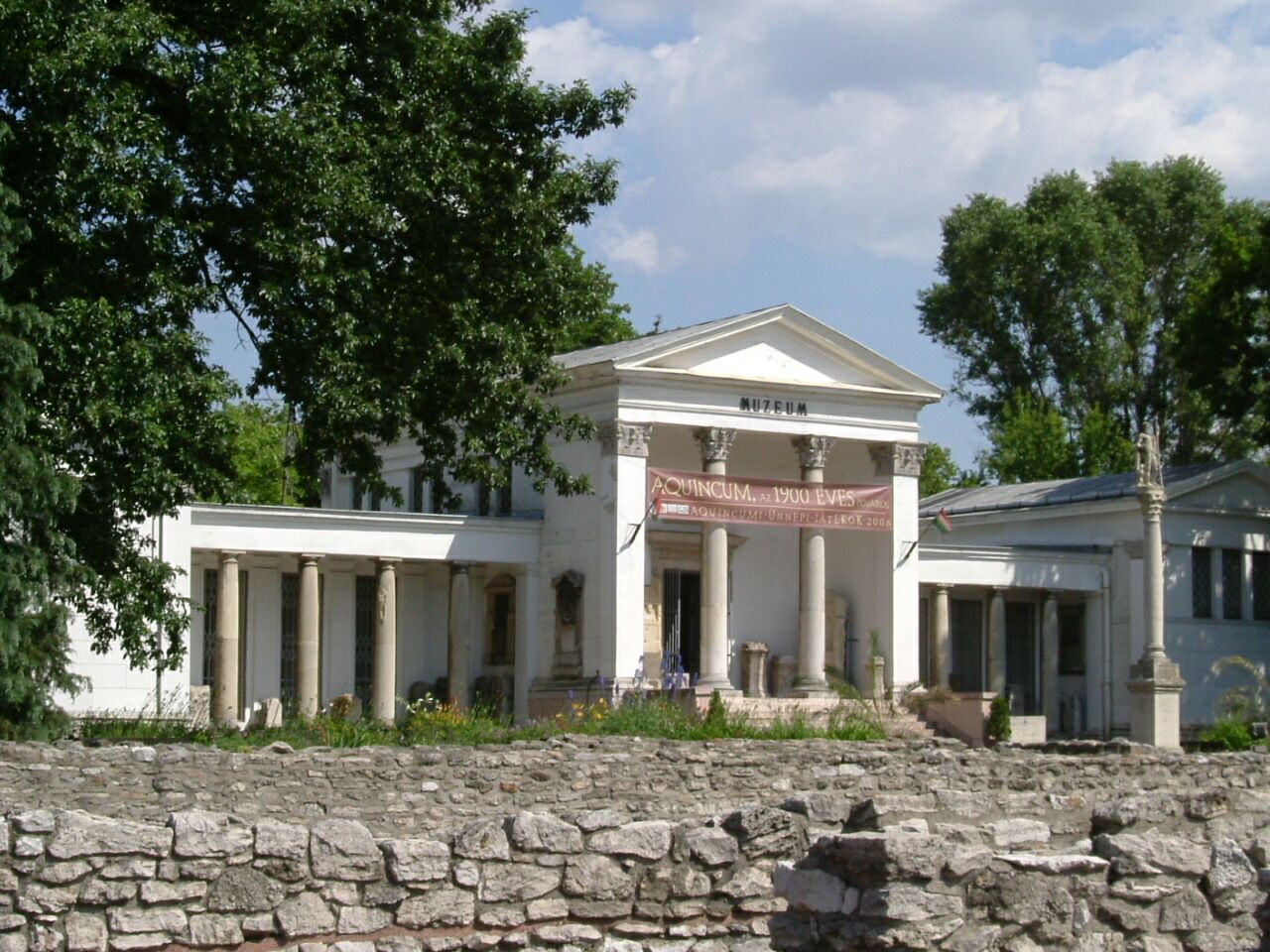 Aquincum MuseumMuseum · 1.5h · 2600 Ft
The Aquincum Archaeological Park preserves the civilian town of the Roman provincial capital of Pannonia Inferior, occupied from the 1st to the 5th century AD. The open-air site displays excavated streets, thermal baths, a marketplace, and a small reconstructed house, while the indoor museum exhibits pottery, jewellery, and the famous Aquincum water organ.
 Zwack Unicum MuseumMuseum · 1h · 4000 Ft
The Zwack Unicum Heritage Centre occupies the working distillery where Hungary's most famous herbal liqueur has been produced since 1840. A guided tour traces the Zwack family's 230-year story — from court physician Dr. Zwack's first recipe offered to Emperor Joseph II in 1790 to the family's Cold War exile and triumphant return after 1989.