Loading place...
Skip to main content
Photos
5 images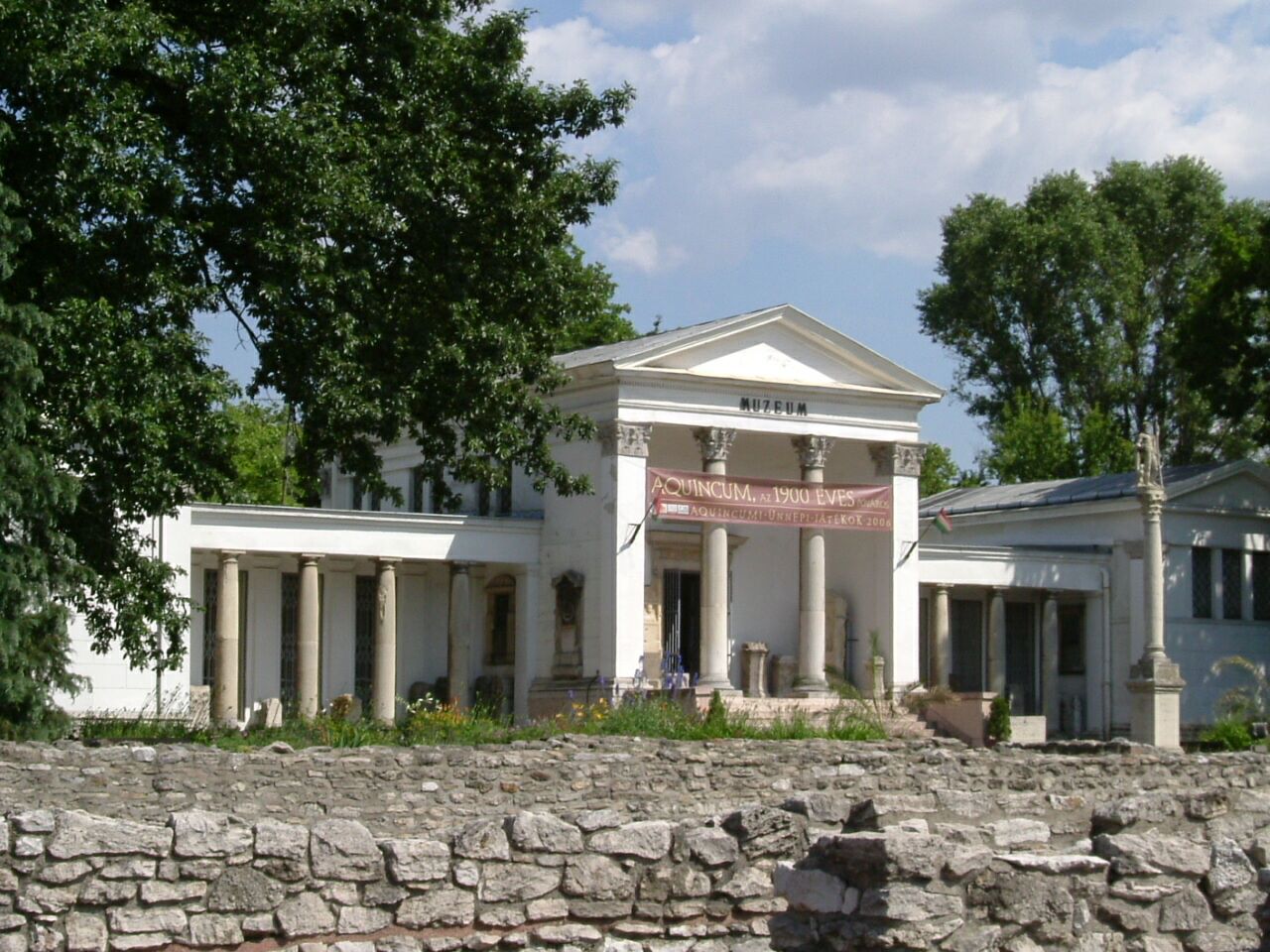


Duration
90 min
Entry Fee
2600 Ft
Overview
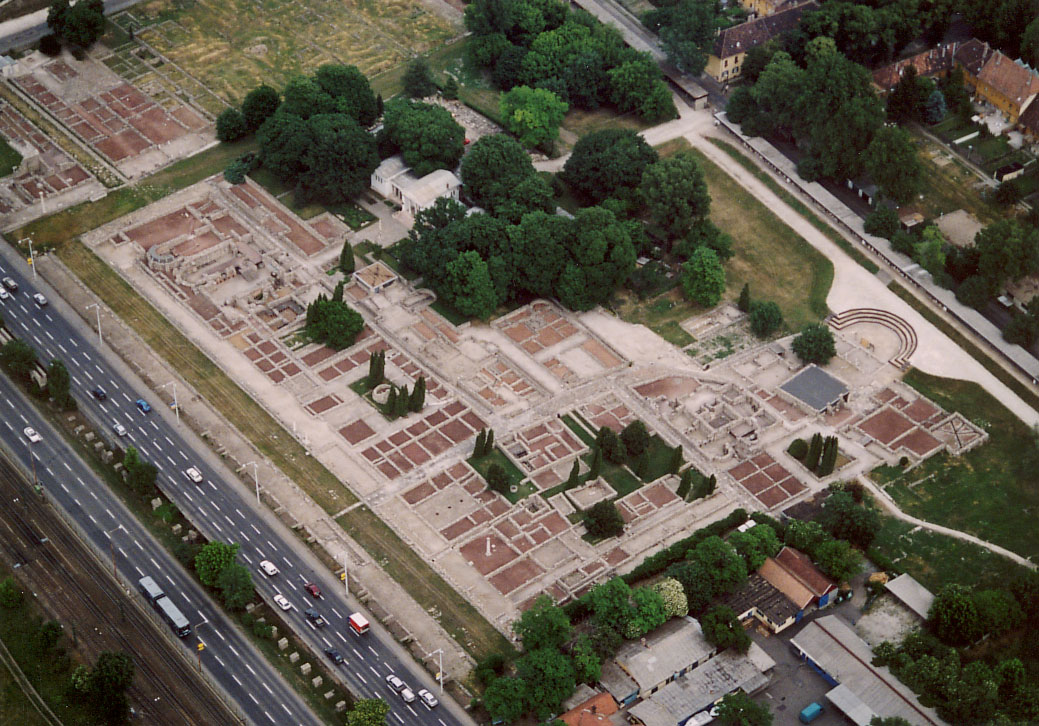
The Aquincum Archaeological Park preserves the civilian town of the Roman provincial capital of Pannonia Inferior, occupied from the 1st to the 5th century AD. The open-air site displays excavated streets, thermal baths, a marketplace, and a small reconstructed house, while the indoor museum exhibits pottery, jewellery, and the famous Aquincum water organ.
Highlights
- Aquincum Water Organ: A remarkably reconstructed 3rd-century hydraulic organ — one of only a few surviving from the Roman world.
- Thermal Bath Ruins: The outlines of a Roman public bath with hypocaust heating clearly visible underfoot.
- Painted Sarcophagi: Elaborately decorated Roman coffins with mythological scenes in the indoor galleries.
History
Aquincum served as the capital of the province of Pannonia Inferior from around AD 106. At its peak, the civilian town housed some 30,000 residents. Systematic excavations began in 1894, and the site museum opened in 1896 — Budapest's earliest archaeological museum.
Visitor Tips
- Visit in spring or autumn: The open-air ruins are best enjoyed in mild weather.
- Allow extra time for the military amphitheatre: Located 3 km south in Óbuda, it's a separate site but covered by the same ticket.
- Duration: 1.5–2 hours.
Tags
#history#archaeology#ruins#museum
Location
See something wrong with this page? Help us fix it →