Loading city...
Skip to main content
Attractions in Lyon
16 attractions selected in this guide.
 Institut & Musée LumièreAttraction · 30 min · Free
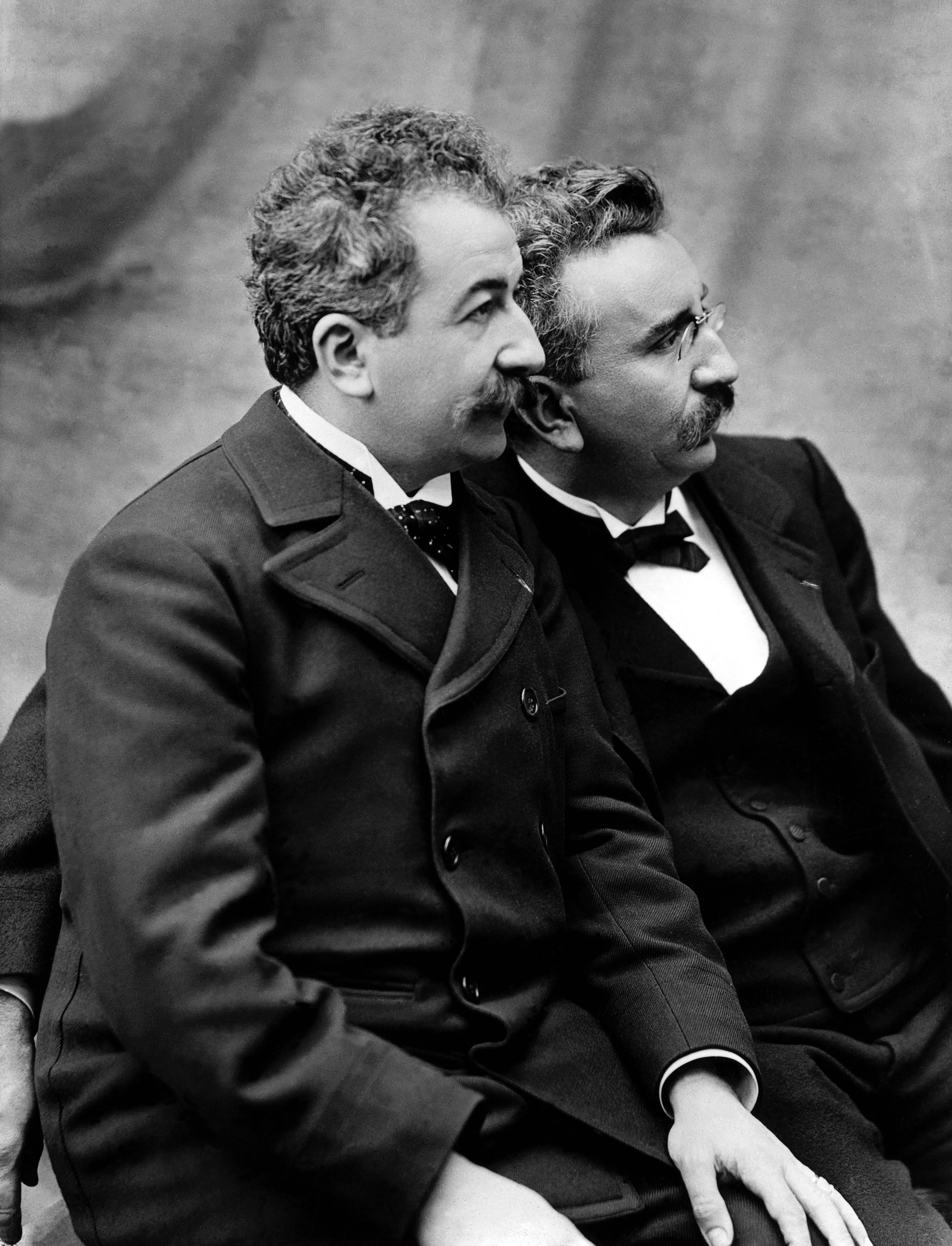
The Institut Lumière is the cultural wing of the Lumière estate, operating a repertory cinema in the Hangar du Premier-Film — a modern building on the site of the original Lumière factory. It is the institutional guardian of the Lumière brothers' legacy and a major venue for Lyon's film culture.
 Hôtel de Ville de LyonAttraction · 20 min · Free
The Hôtel de Ville de Lyon is one of the grandest municipal buildings in France, its monumental Baroque facade dominating the east side of Place des Terreaux. The richly decorated interior houses the offices of Lyon's mayor and the metropolitan council.
- Opéra de LyonAttraction · 1.5h · €15
The Opéra de Lyon is a striking architectural hybrid — a completely modern glass-and-steel barrel vault by Jean Nouvel sits atop the preserved 19th-century neoclassical facade. The result is one of France's most visually arresting opera houses and a symbol of Lyon's bold approach to urbanism.
 Passerelle du Palais de JusticeAttraction · 15 min · Free
The Passerelle du Palais de Justice is a graceful pedestrian footbridge spanning the Saône between the Presqu'île and Vieux Lyon. Its position directly opposite the monumental neoclassical Palais de Justice makes it one of Lyon's most photogenic crossing points.
 Basilica of Notre-Dame de FourvièreAttraction · 1h · Free
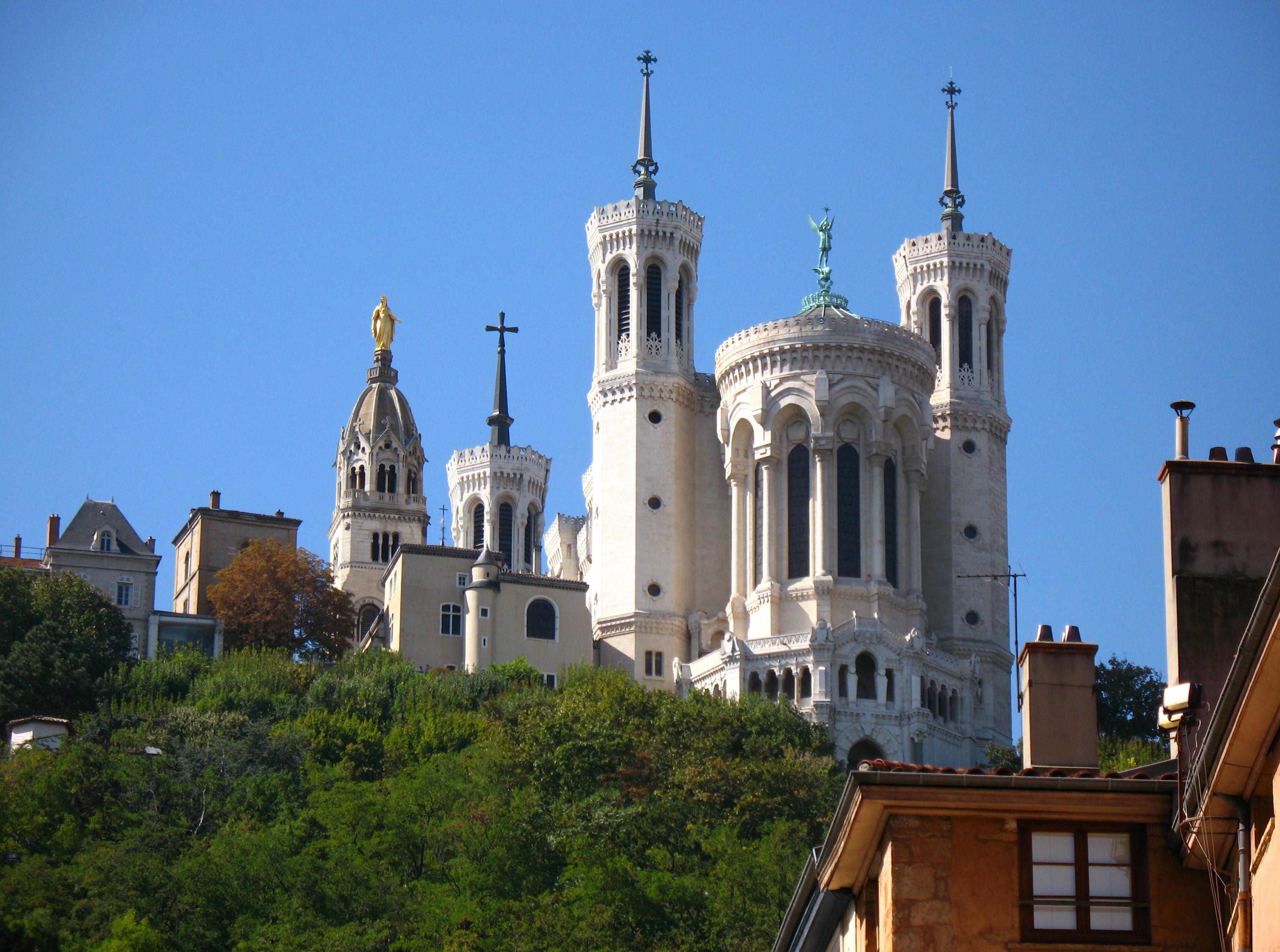
The Basilica of Notre-Dame de Fourvière crowns the Fourvière hill, dominating Lyon's skyline with its four octagonal towers and gilded statue of the Virgin Mary. Built between 1872 and 1884, this ornate basilica blends Byzantine, Romanesque, and Gothic elements into one of France's most striking churches.
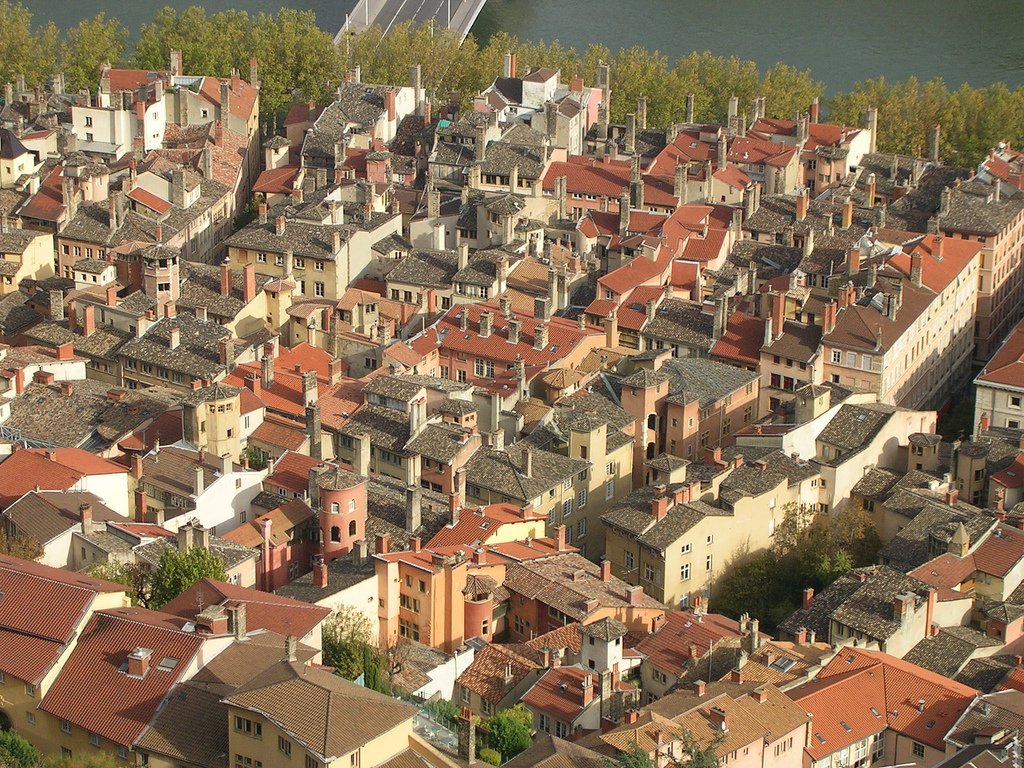 Rue Saint-JeanAttraction · 30 min · Free
Rue Saint-Jean is the bustling main artery of Vieux Lyon, stretching from the cathedral to Place du Change. Lined with Renaissance facades at the upper floors and busy shops and restaurants at street level, it is the most visited street in the historic quarter.
- Traboules of Vieux LyonAttraction · 1h · Free
The traboules are Lyon's signature hidden passageways — covered corridors that cut through buildings, connecting one street to another via internal courtyards and spiral staircases. Over 40 traboules in Vieux Lyon are open to the public, revealing some of the city's most intimate Renaissance architecture.
 Place BellecourAttraction · 20 min · Free
Place Bellecour is the largest pedestrian square in Europe and the symbolic center of Lyon, sitting at the heart of the Presqu'île peninsula between the Rhône and Saône rivers. The vast open expanse of red gravel is anchored by an equestrian statue of Louis XIV.
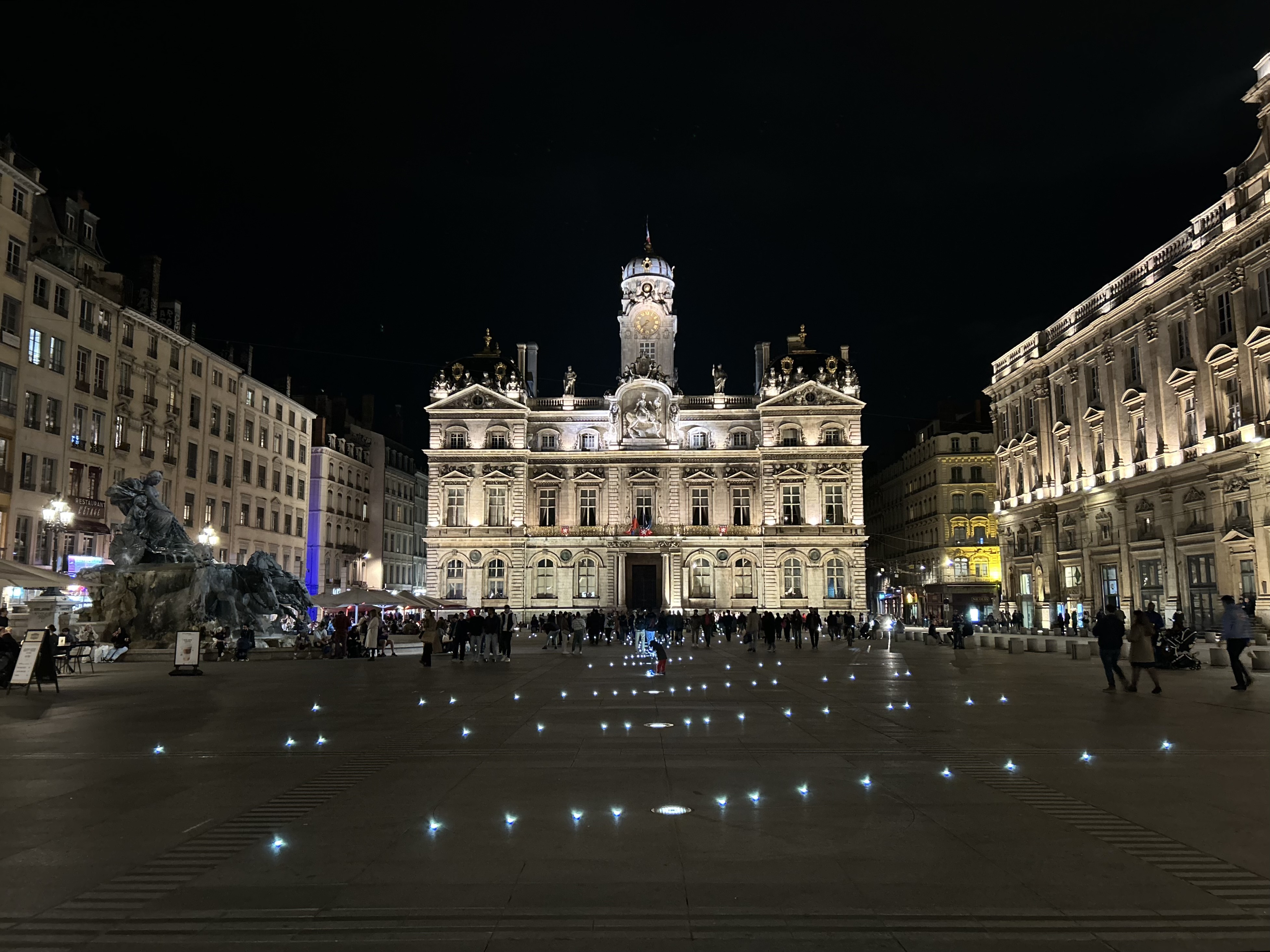 Place des TerreauxAttraction · 20 min · Free
Place des Terreaux is one of Lyon's most photogenic squares, anchored by the monumental Bartholdi Fountain and flanked by the Hôtel de Ville and the Musée des Beaux-Arts. The square's 69 ground-level fountains, designed by Daniel Buren, create a playful water grid underfoot.
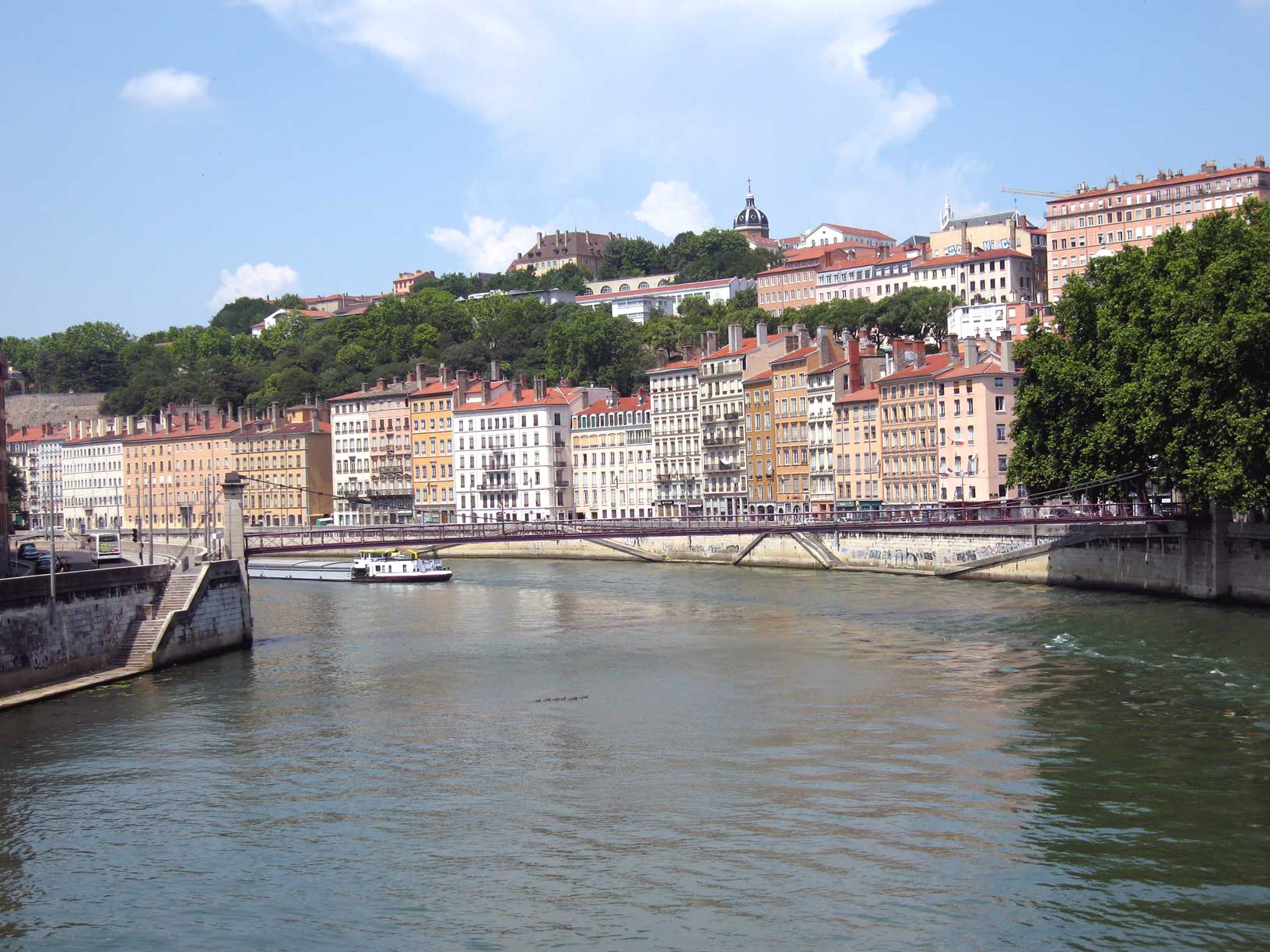 Traboules de la Croix-RousseAttraction · 1h · Free
The traboules of La Croix-Rousse are historically linked to the silk industry — canuts (silk workers) used these passageways to transport delicate fabrics between workshops and merchants without exposing them to rain. Over a dozen are open to the public on the Pentes (slopes) of the hill.
 Théâtres Romains de FourvièreAttraction · 45 min · Free
The Roman Theatres of Fourvière are the oldest Roman theatres in France, carved into the western slope of Fourvière hill overlooking the city. The Grand Theatre and the smaller Odeon sit side by side, surrounded by ancient ruins and offering sweeping views over Lyon.
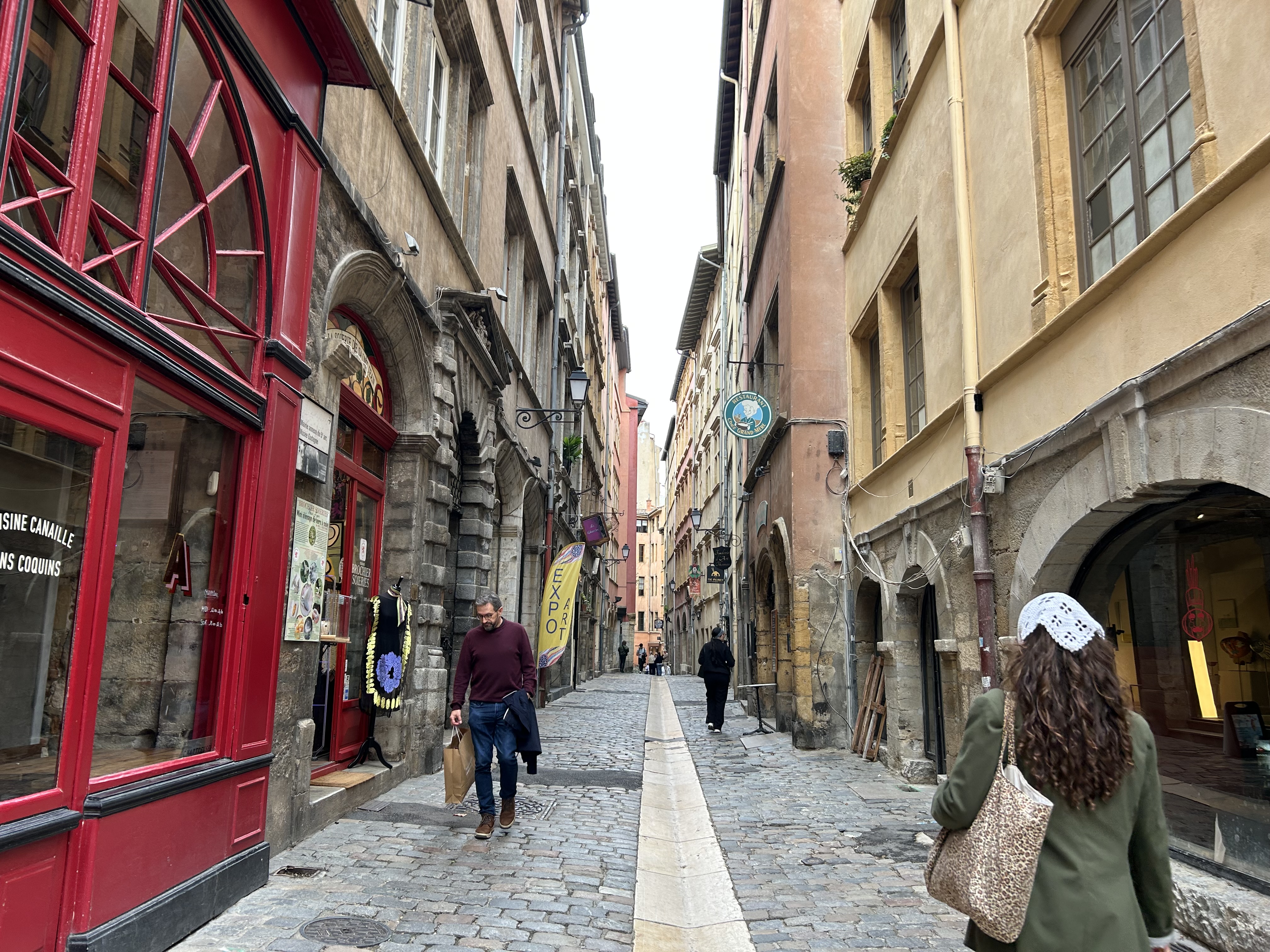 Rue du BœufAttraction · 30 min · Free
Rue du Bœuf is one of the most atmospheric medieval streets in Vieux Lyon — a narrow, winding lane of Renaissance townhouses, vaulted doorways, and some of the finest traboules in the city. Named after a medieval ox statue that once marked the intersection, it runs parallel to Rue Saint-Jean.
 Cathédrale Saint-Jean-BaptisteAttraction · 45 min · Free
The Cathédrale Saint-Jean-Baptiste is Lyon's primatial cathedral, seat of the Primate of Gaul, giving Lyon the rare distinction of outranking even Paris in the Catholic ecclesiastical hierarchy. This Romanesque-Gothic structure dominates the heart of Vieux Lyon at the foot of Fourvière hill.
 Fresque des LyonnaisAttraction · 15 min · Free
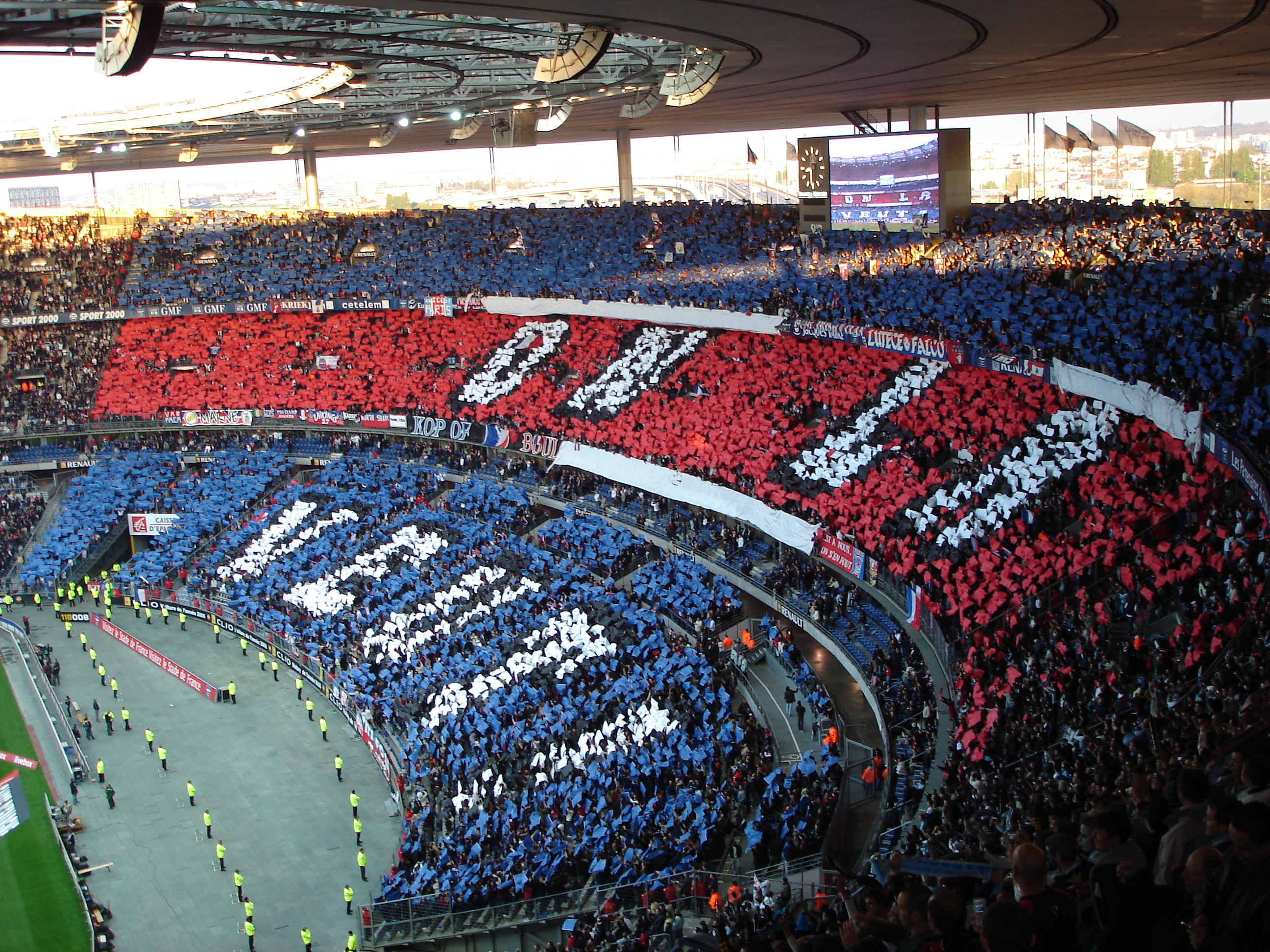
The Fresque des Lyonnais is a massive 800 m² trompe-l'œil mural painted on the side of a building at the corner of Quai Saint-Vincent and Rue de la Martinière. It depicts 30 famous historical and contemporary figures from Lyon across six stories of remarkably lifelike painted architecture.
 Amphithéâtre des Trois GaulesAttraction · 30 min · Free
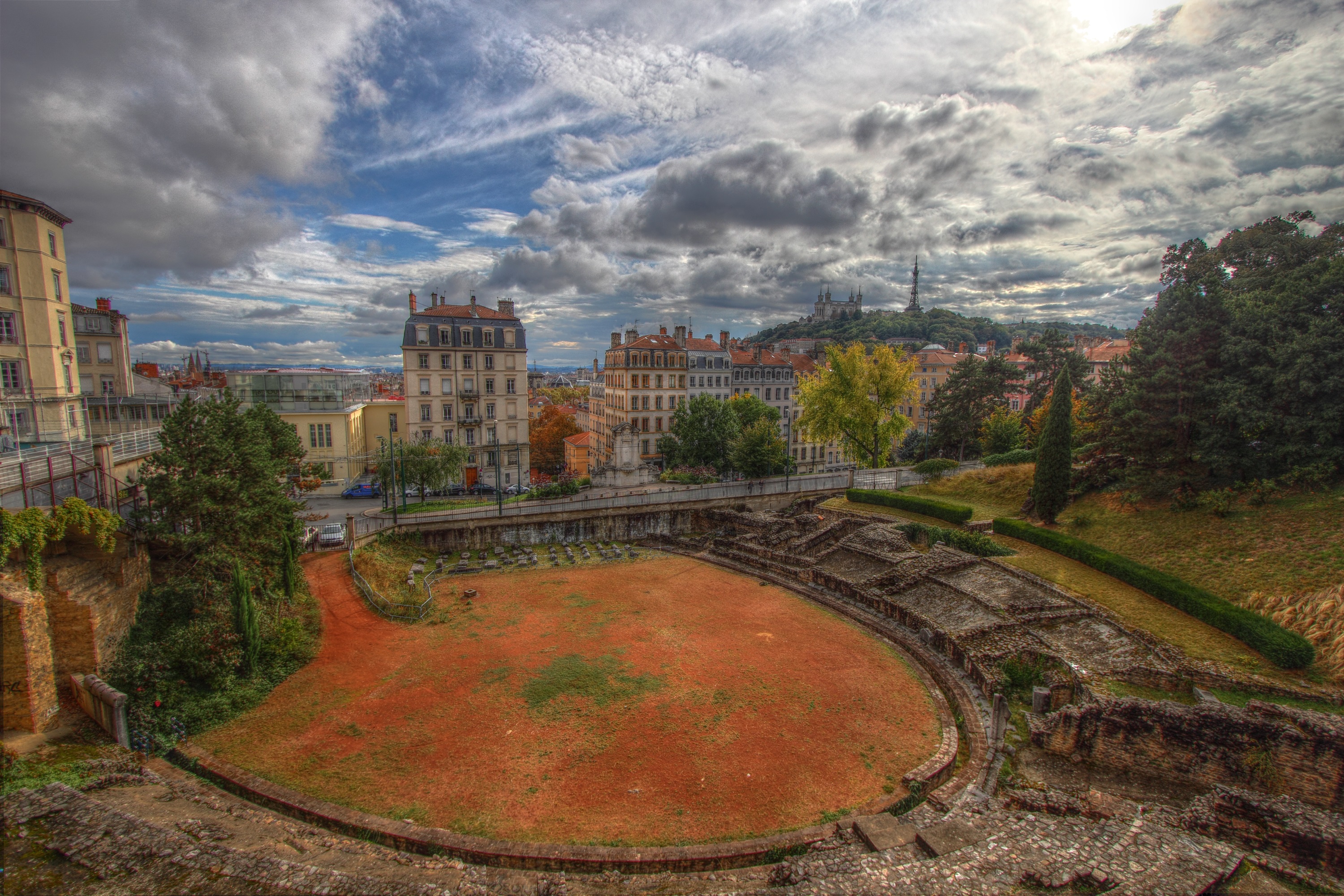
The Amphithéâtre des Trois Gaules is the oldest Roman amphitheatre in France, tucked into the slopes of the Croix-Rousse hill. This intimate, partially excavated site marks the place where representatives of the 60 Celtic tribes of Gaul gathered annually to express their loyalty to Rome.
- Mur des CanutsAttraction · 15 min · Free
The Mur des Canuts is the largest trompe-l'oeil mural in Europe, covering 1,200 m² of a building's facade in the Croix-Rousse district. It depicts a realistic streetscape of the silk-workers' neighborhood complete with staircases, balconies, pedestrians, and even a cat on a windowsill.