Loading city...
Skip to main content
Neighborhoods in Palma de Mallorca
5 neighborhoods selected in this guide.
- Santa CatalinaNeighborhood · 1.5h · Free
Santa Catalina is Palma's trendiest neighbourhood, a former fishermen's quarter transformed into a vibrant hub of international restaurants, independent boutiques, and artisan bakeries — all while keeping its narrow-street, village-like character.
 Passeig des BornNeighborhood · 30 min · Free
Passeig des Born is Palma's most distinguished promenade, a wide tree-shaded boulevard linking Plaça de la Reina to Plaça del Rei Joan Carles I. Once the site of jousting tournaments, it's now flanked by upscale shops, cafés, and heritage mansions.
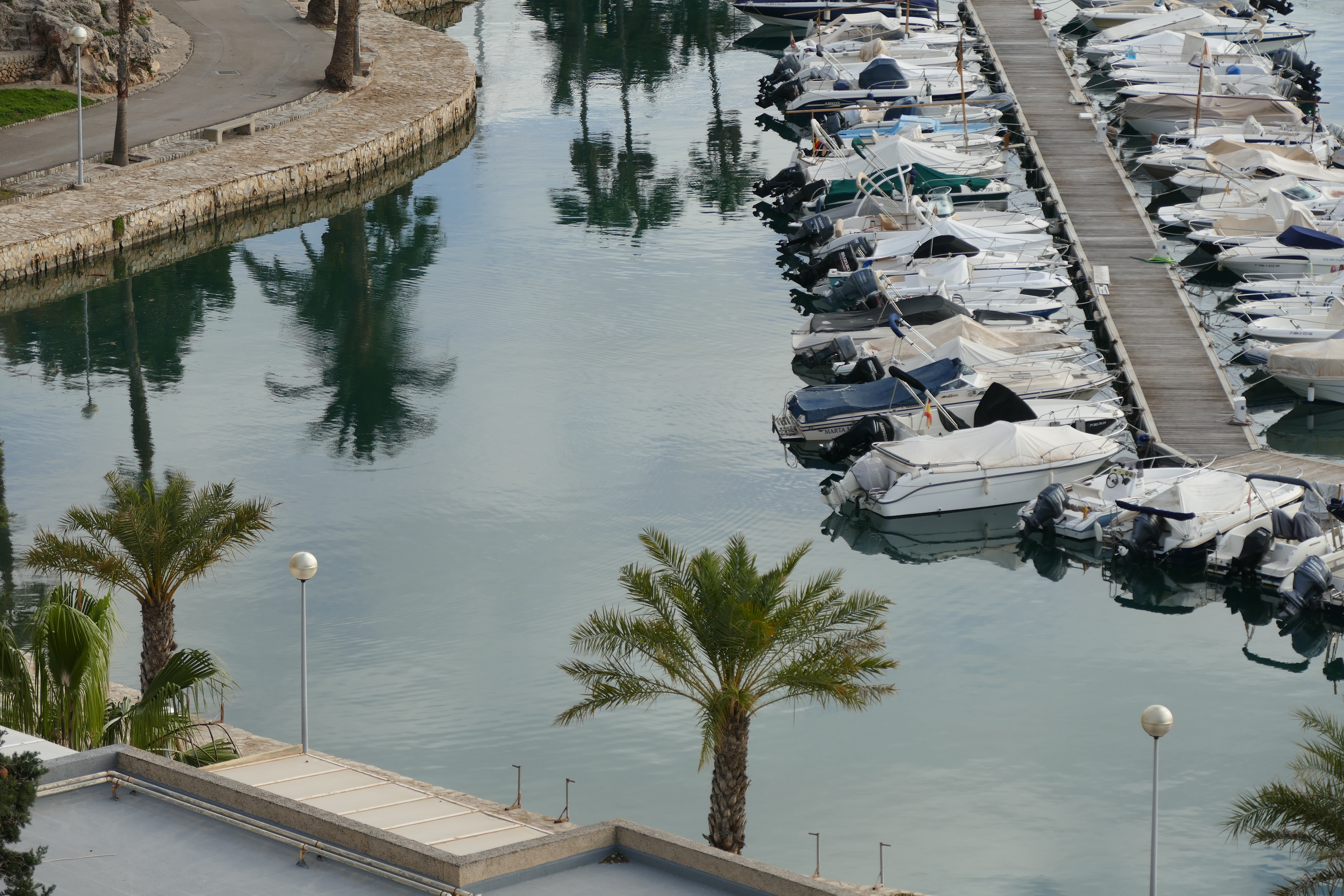 La Lonja & Portside QuarterNeighborhood · 1h · Free
The La Lonja and Portside Quarter stretches along the waterfront between the Llotja and the Real Club Náutico, combining medieval architecture with a lively dining and gallery scene. It's where Palma's maritime heritage meets its contemporary nightlife.
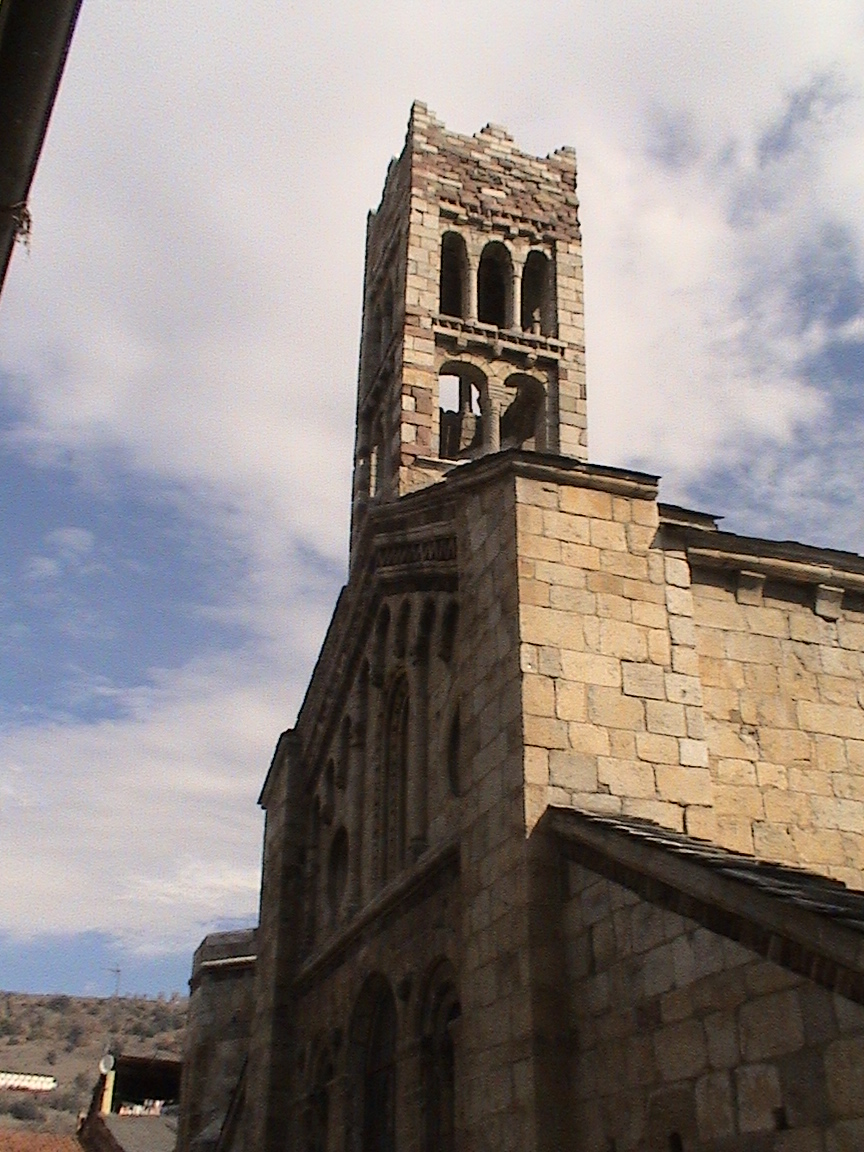 Old Town (Casc Antic)Neighborhood · 2h · Free
Palma's Old Town (Casc Antic) is one of the largest and best-preserved medieval quarters in Europe, a maze of narrow limestone lanes, hidden courtyards, and aristocratic townhouses with distinctive enclosed patios (patis). Walking its streets reveals layers of Roman, Moorish, Jewish, and Catalan-Gothic heritage.
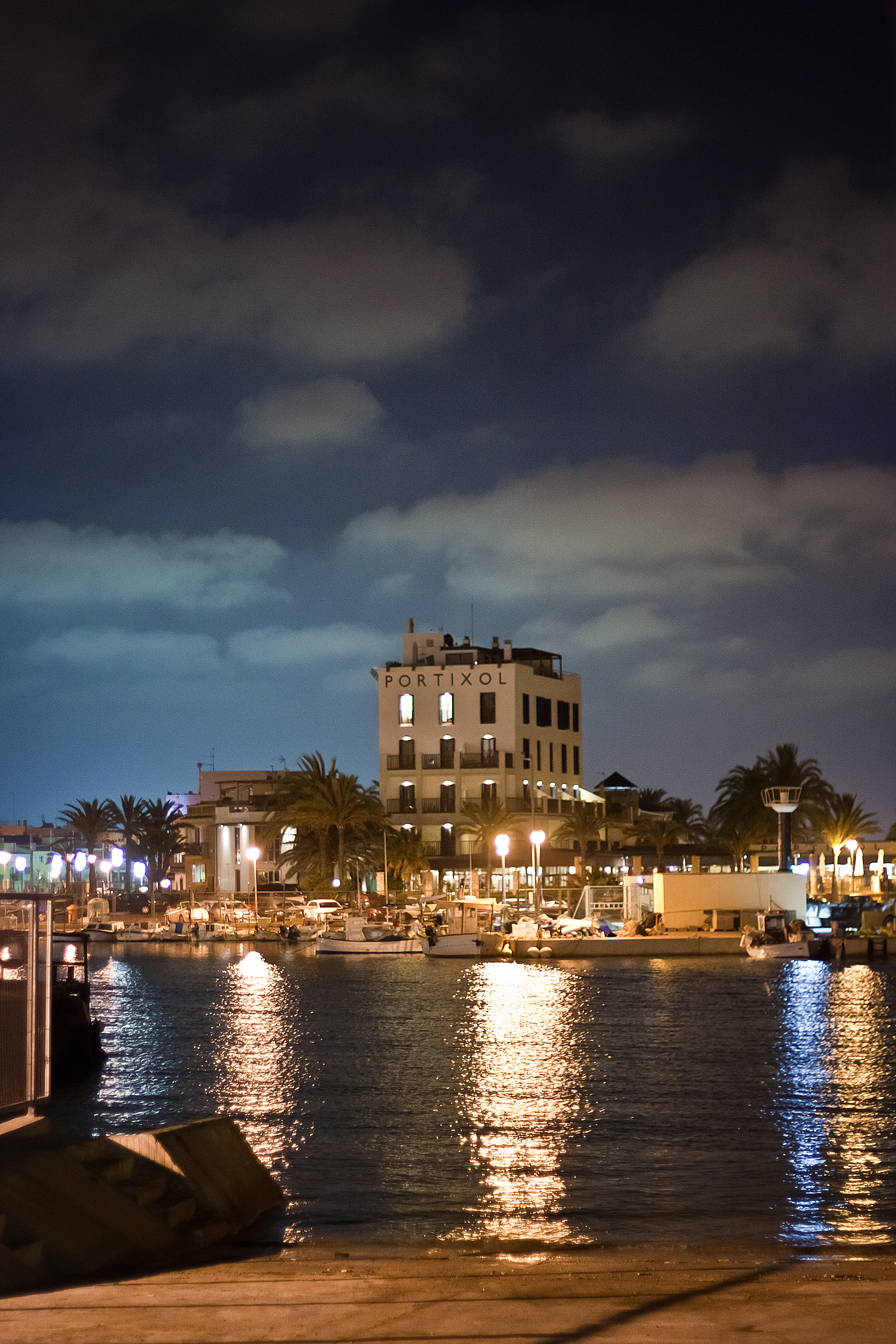 Portixol PromenadeNeighborhood · 1h · Free
Portixol is a once-sleepy fishing village on Palma's eastern waterfront, now a chic and inviting neighbourhood prised for its cycling path, independent restaurants, and village-square atmosphere — all framed by views back toward the cathedral.