Loading city...
Skip to main content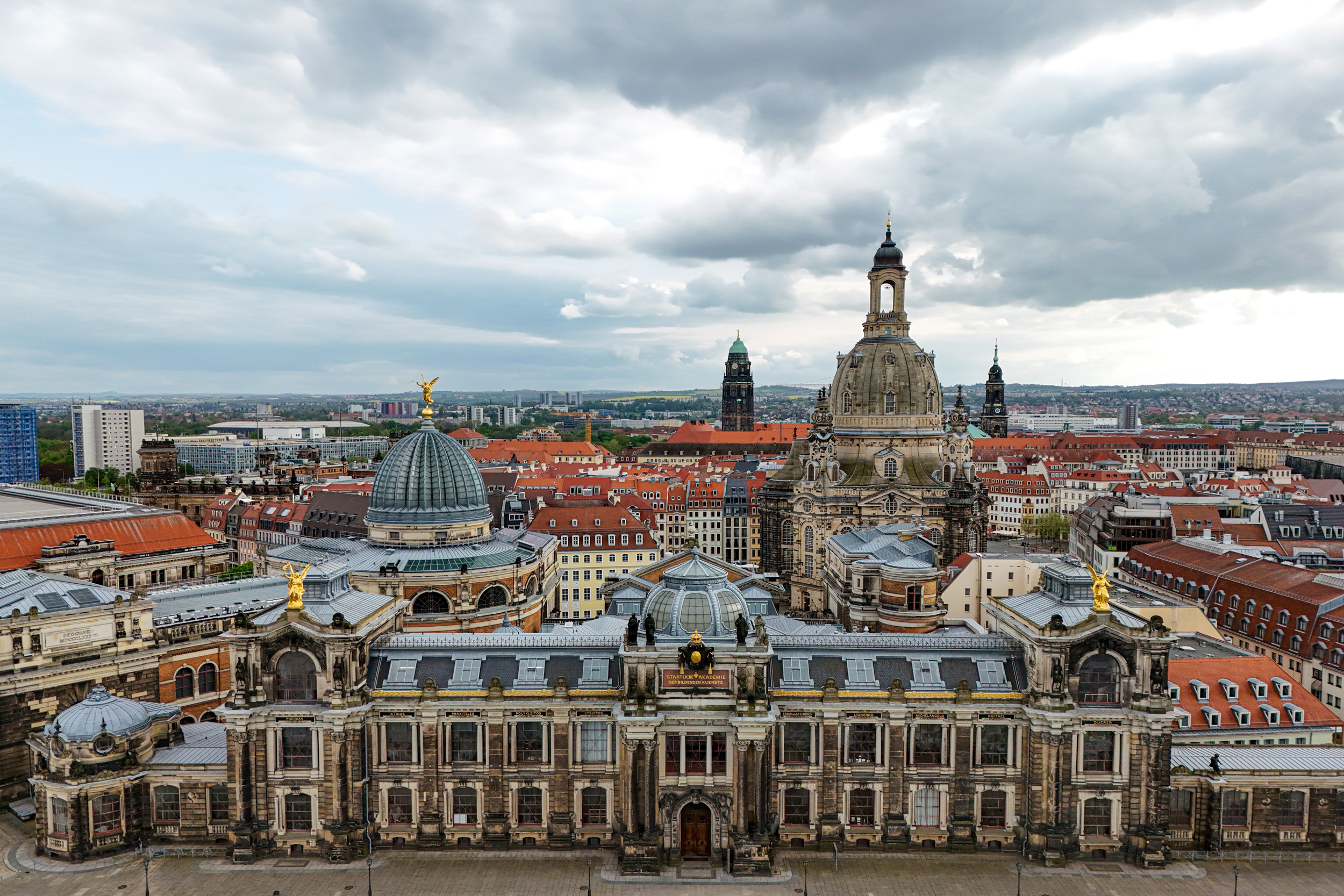
Attractions in Dresden
13 attractions selected in this guide.
 FrauenkircheAttraction · 1h · Free
The Frauenkirche (Church of Our Lady) is a Lutheran church whose massive stone dome — called the Stone Bell — dominates Dresden's skyline. Destroyed in the 1945 firebombing, its ruins stood as a war memorial for 50 years before a meticulous reconstruction completed in 2005.
 Goldener ReiterAttraction · 10 min · Free
The Goldener Reiter (Golden Rider) is a gilded equestrian statue of Augustus the Strong, Elector of Saxony and King of Poland, mounted atop a marble base at the entrance to the Neustadt. It is one of Dresden's most recognized landmarks.
 Zwinger PalaceAttraction · 2h · Free
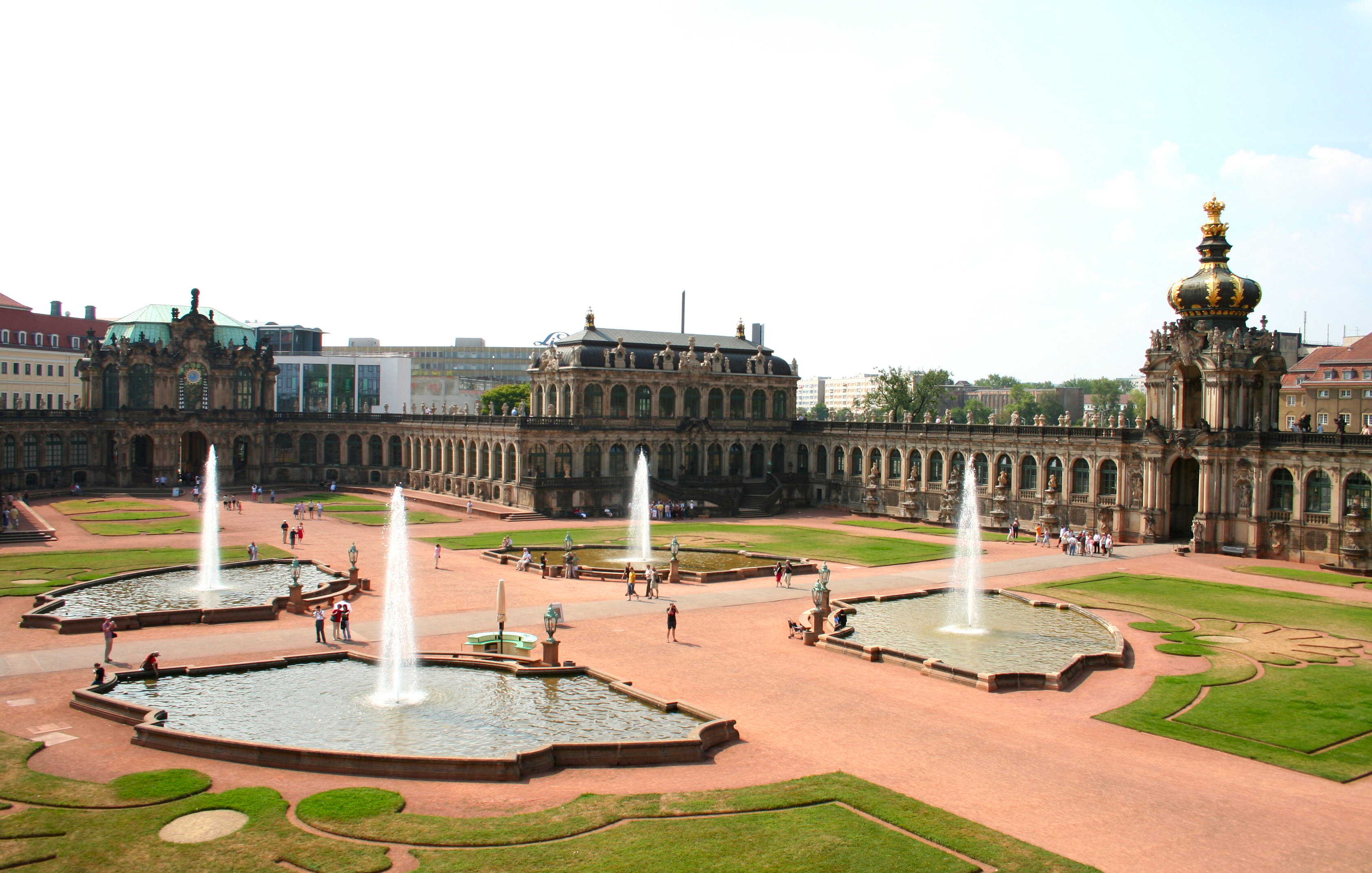
The Zwinger is Dresden's most celebrated Baroque masterpiece, a grand palace complex built between 1710 and 1728 by architect Matthäus Daniel Pöppelmann under Augustus the Strong, Elector of Saxony. Originally designed as an orangery and festival arena, it now houses three world-class museums.
 SemperoperAttraction · 1.3h · €16
The Semperoper is one of the world's most prestigious opera houses, home to the Sächsische Staatsoper (Saxon State Opera) and the Sächsische Staatskapelle Dresden, an orchestra founded in 1548. The current building is actually the third iteration, rebuilt in 1985 after wartime destruction.
 Hofkirche (Cathedral of the Holy Trinity)Attraction · 30 min · Free
The Hofkirche (Cathedral of the Holy Trinity) is Dresden's Roman Catholic cathedral, built between 1739 and 1755 in Italian Baroque style. It was constructed so that the Protestant city's Catholic ruler, Augustus III, could worship — connected to the Royal Palace by a covered walkway.
 FürstenzugAttraction · 20 min · Free
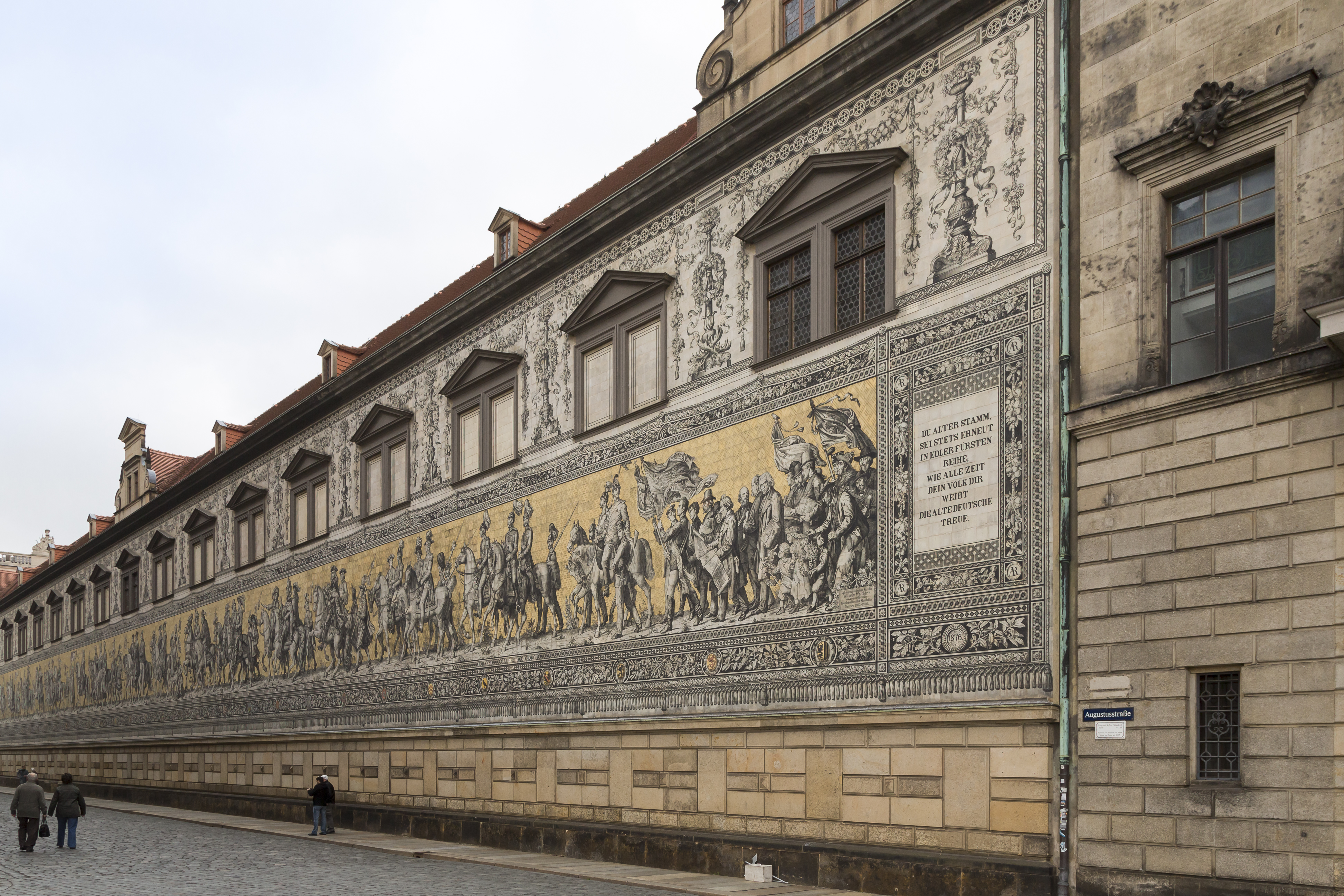
The Fürstenzug (Procession of Princes) is a 102-meter-long mural on the outer wall of the Stallhof (Royal Stables), depicting 35 margraves, electors, dukes, and kings of the House of Wettin who ruled Saxony from 1127 to 1904.
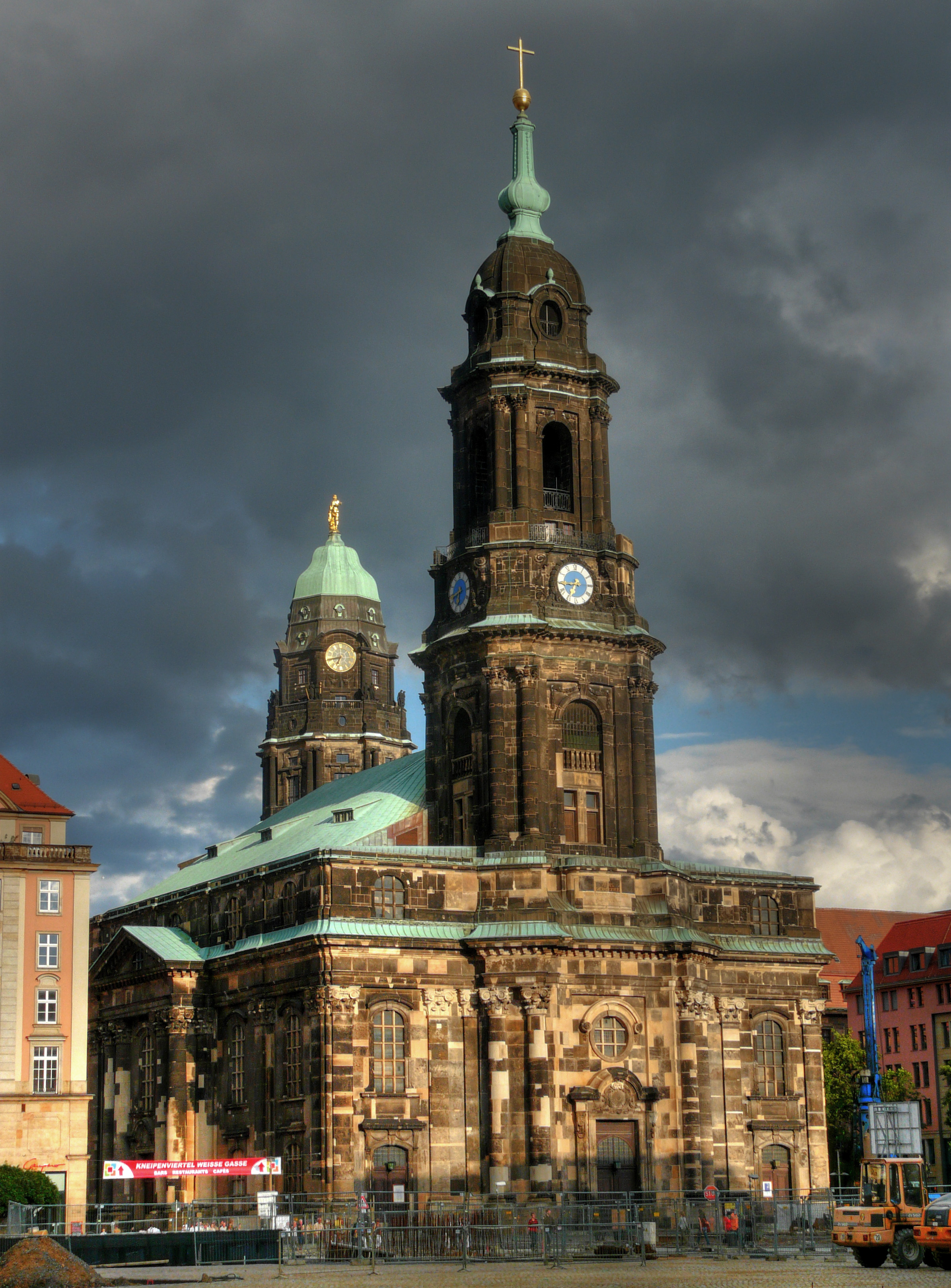 KreuzkircheAttraction · 30 min · Free
The Kreuzkirche (Church of the Holy Cross) is the largest church in Saxony and spiritual home of the Dresdner Kreuzchor, one of the world's oldest boys' choirs (founded 1216). Its austere interior — left deliberately unfinished after 1945 — contrasts dramatically with Dresden's ornate Baroque churches.
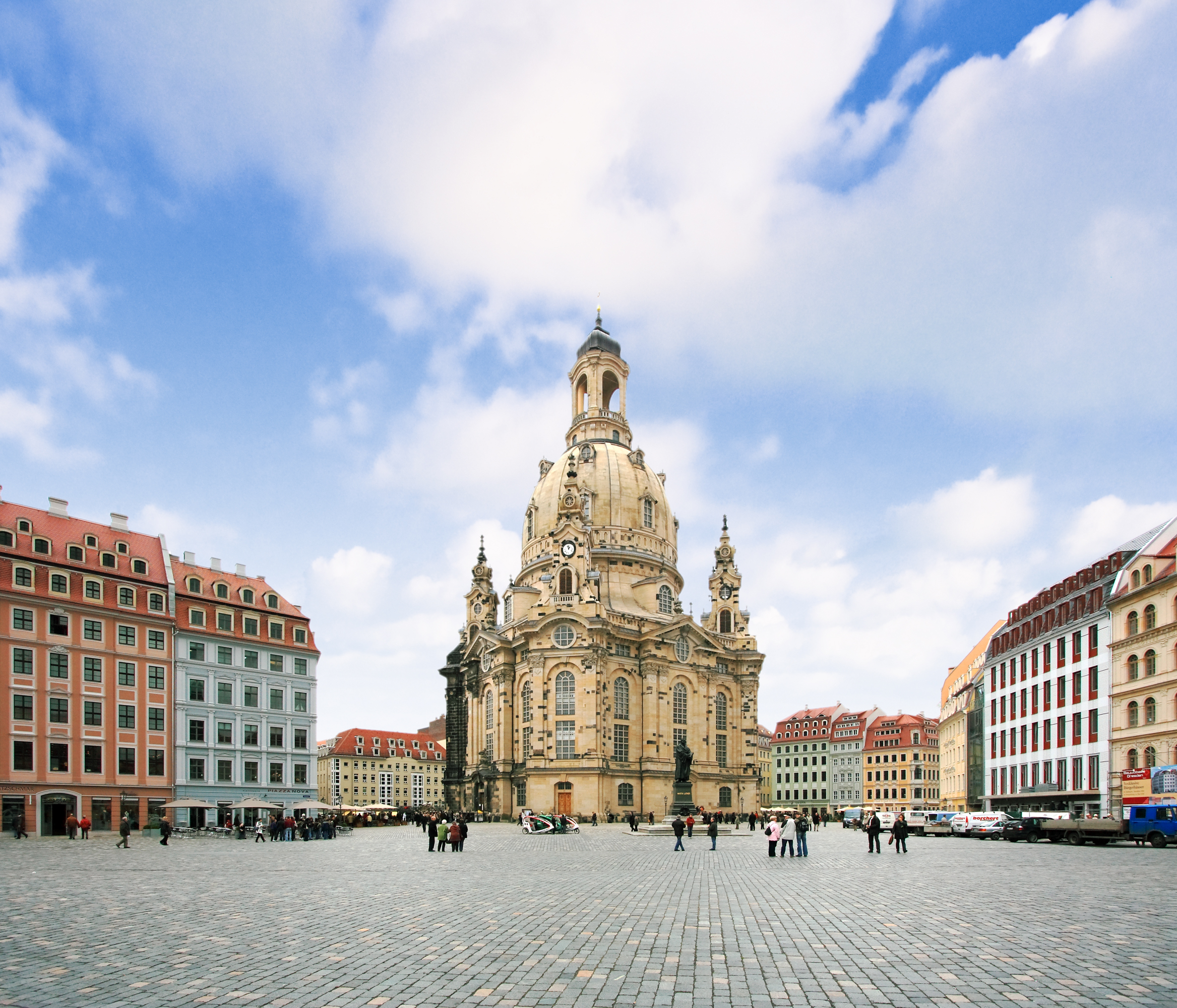 NeumarktAttraction · 20 min · Free
The Neumarkt is a grand Baroque square surrounding the Frauenkirche, painstakingly reconstructed after German reunification to recreate its pre-war appearance. With its pastel-colored townhouses and the church dome as backdrop, it is Dresden's most elegantly composed urban space.
 Augustus BridgeAttraction · 15 min · Free
The Augustusbrücke (Augustus Bridge) is the oldest and most iconic bridge crossing the Elbe in Dresden, connecting the Altstadt's Schlossplatz with the Neustadt's Neustädter Markt. The current stone bridge, rebuilt in 1910, follows the alignment of the medieval original from 1287.
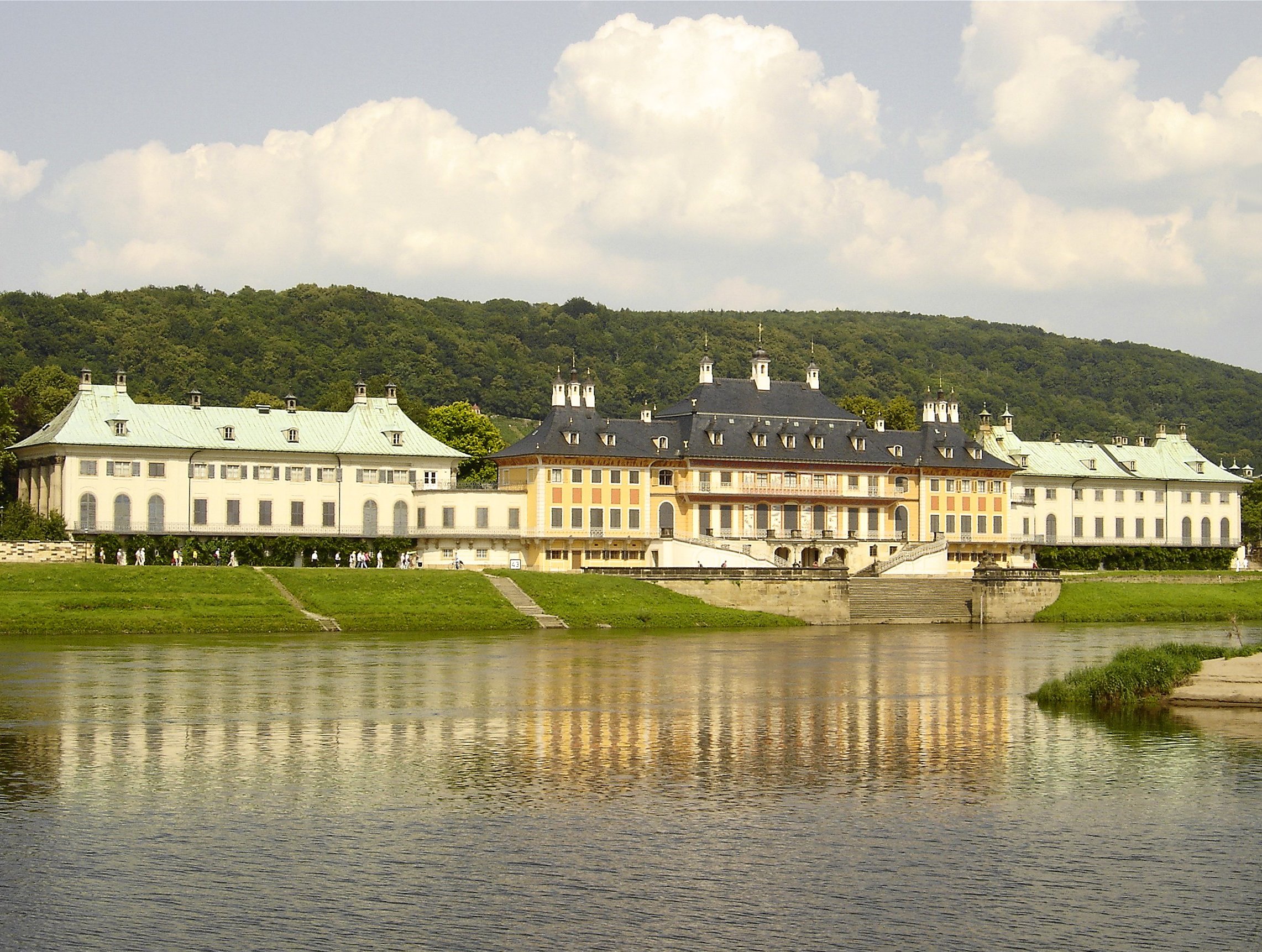 Pillnitz Palace & ParkAttraction · 2.5h · €8
Pillnitz Palace (Schloss Pillnitz) was the summer residence of the Saxon royal family, set on the banks of the Elbe 10 km southeast of central Dresden. The palace complex blends Baroque and chinoiserie styles across three buildings surrounding Baroque gardens.
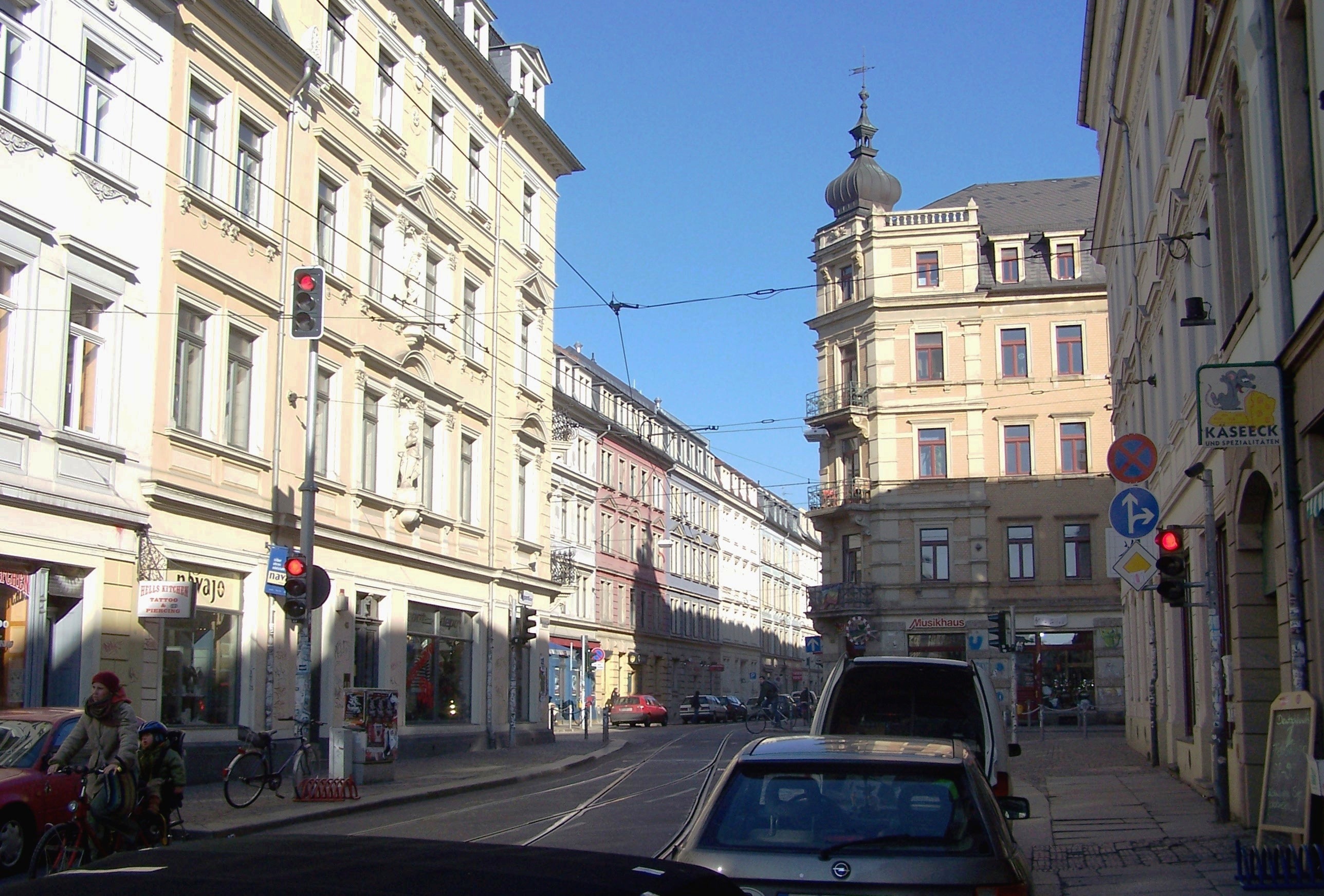 KunsthofpassageAttraction · 30 min · Free
The Kunsthofpassage is a series of five interconnected courtyards between Görlitzer Straße and Alaunstraße, each redesigned by different artists with distinctive themes. It is the most Instagram-famous spot in Dresden's Neustadt.
 Blaues Wunder (Loschwitz Bridge)Attraction · 20 min · Free
The Blaues Wunder (Blue Wonder) is a steel suspension bridge spanning the Elbe between the leafy villa suburbs of Loschwitz and Blasewitz. Built in 1891–93, it was a technological sensation at the time — and its survival through both World Wars makes it a beloved Dresden landmark.
- AltmarktAttraction · 20 min · Free
The Altmarkt (Old Market) is Dresden's oldest square, serving as the city's market center since the founding of the Neustadt in 1206. Today it is best known as the venue for the Striezelmarkt, Germany's oldest Christmas market, held here since 1434.