Loading city...
Skip to main content
Parks in Xi'an
10 parks selected in this guide.
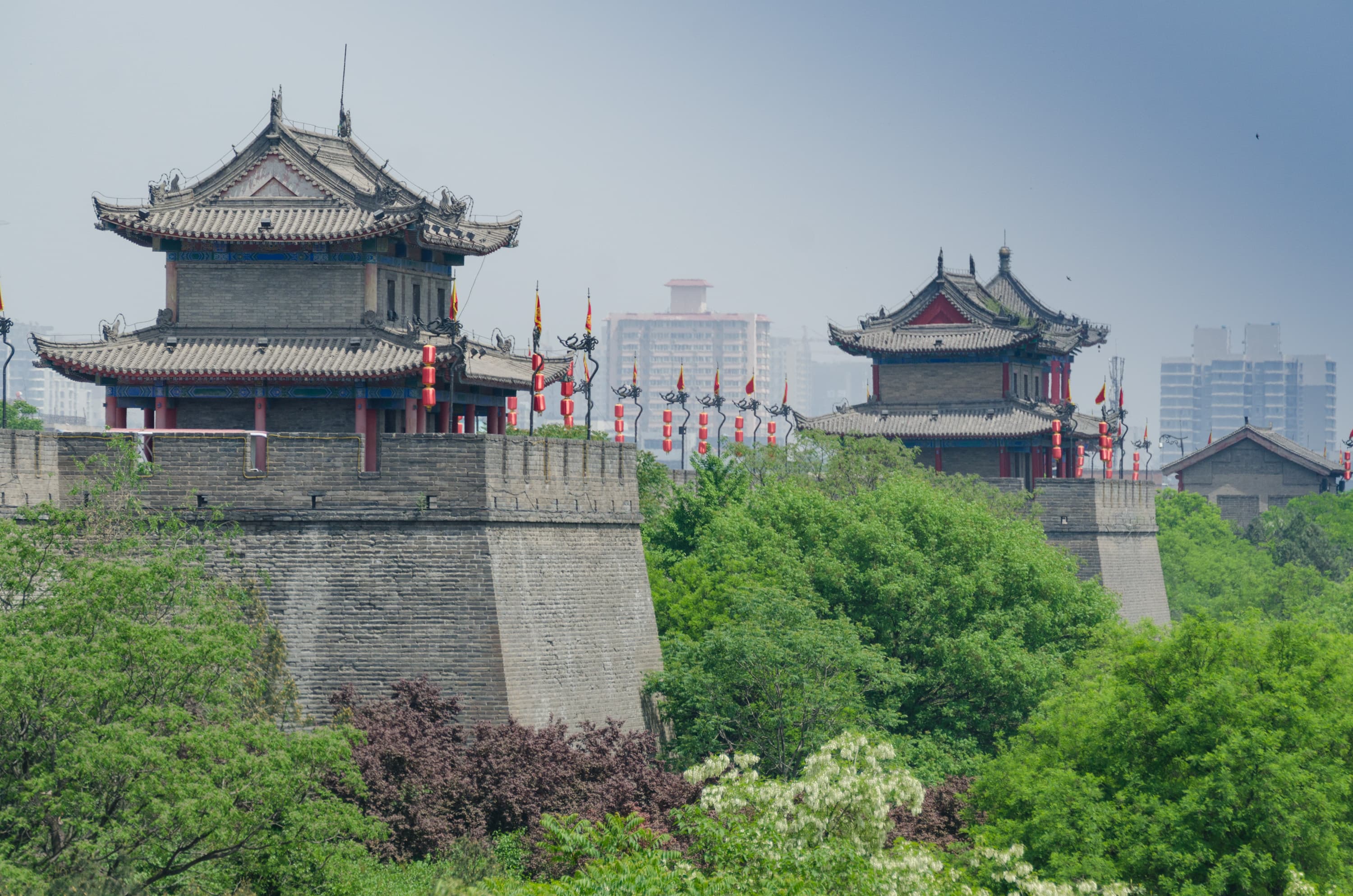 Revolution ParkPark · 1h · Free
Revolution Park (Geming Gongyuan) is a central green space commemorating 1920s revolutionary martyrs. Tree-lined paths, a small lake, and morning exercise groups.
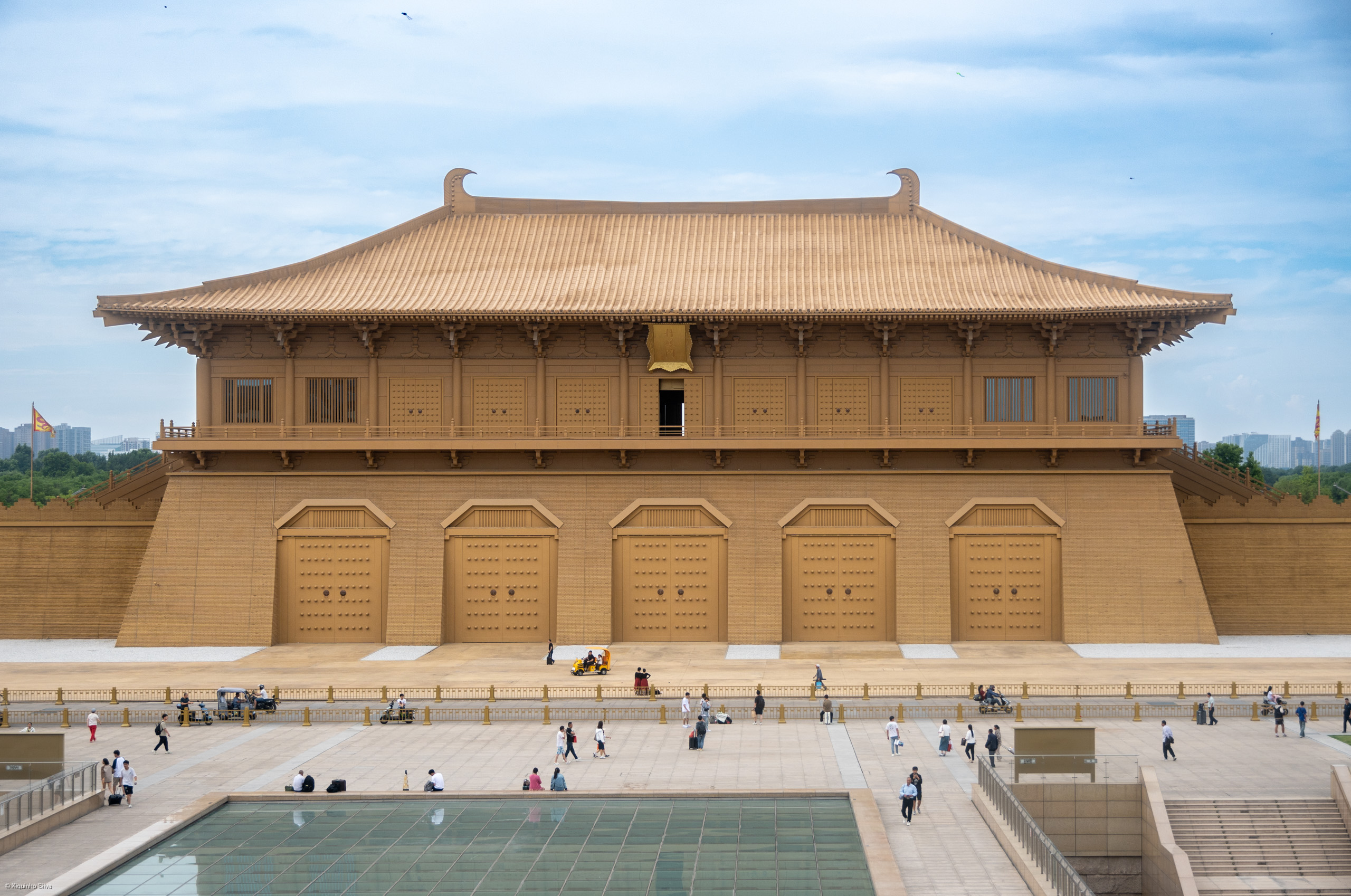 Daming Palace National Heritage ParkPark · 2h · CNY60
Daming Palace National Heritage Park preserves the ruins of the primary Tang-dynasty imperial palace, once seven times larger than the Forbidden City. A UNESCO World Heritage Site since 2014.
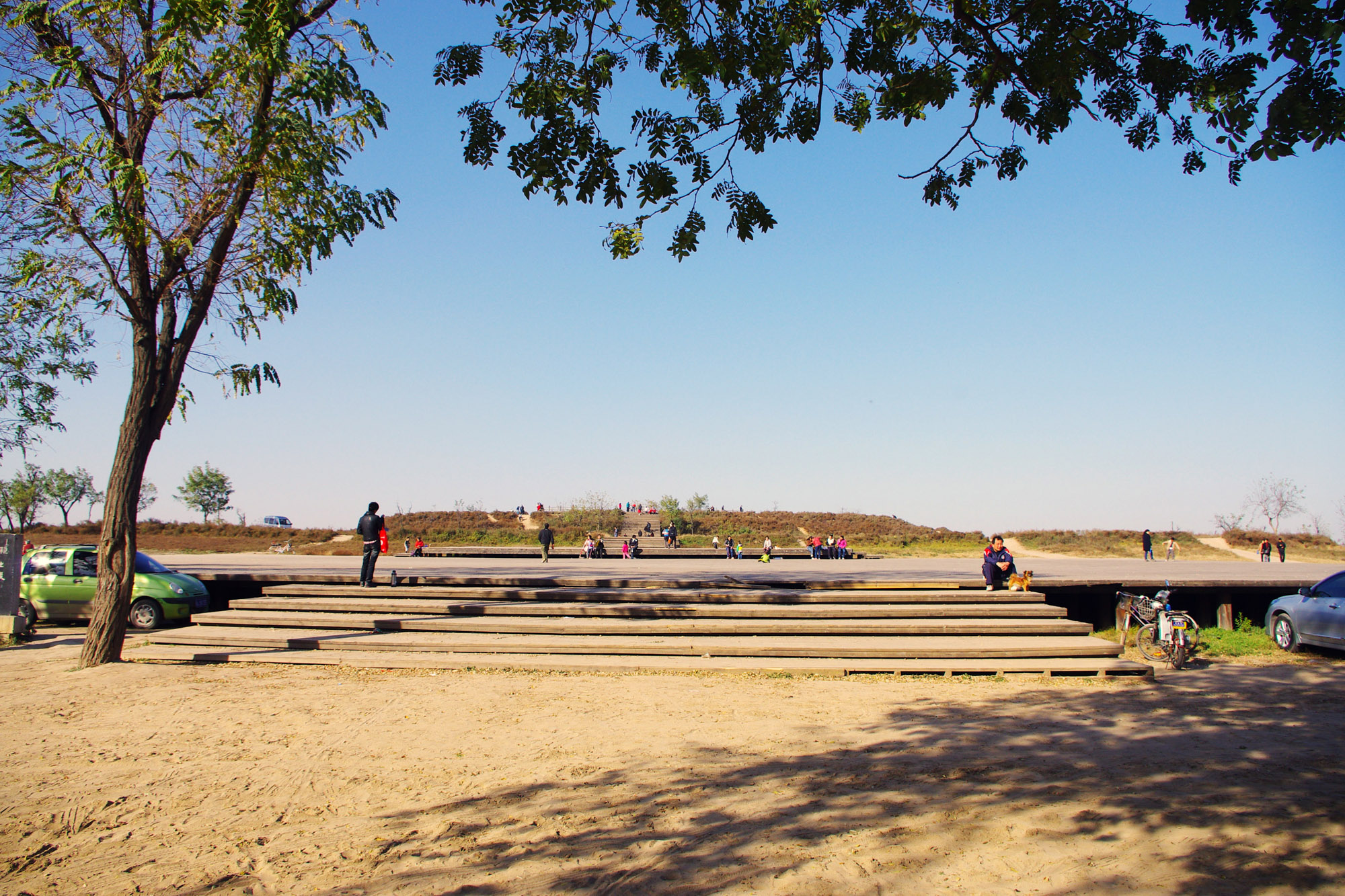 Ba River Ecological ParkPark · 1.5h · Free
The Ba River Ecological Park is a wetland corridor east of the City Wall, restored with cycling paths, lotus ponds and native plantings. The park follows the river's course through quiet residential neighbourhoods, attracting herons, egrets and migratory birds in season.
 Fengqing ParkPark · 45 min · Free
Fengqing Park is a neighbourhood park near the West Gate popular with local chess players, evening tai chi groups and grandparents minding grandchildren. The park has no famous monuments — its appeal lies in being a snapshot of everyday Xi'an life.
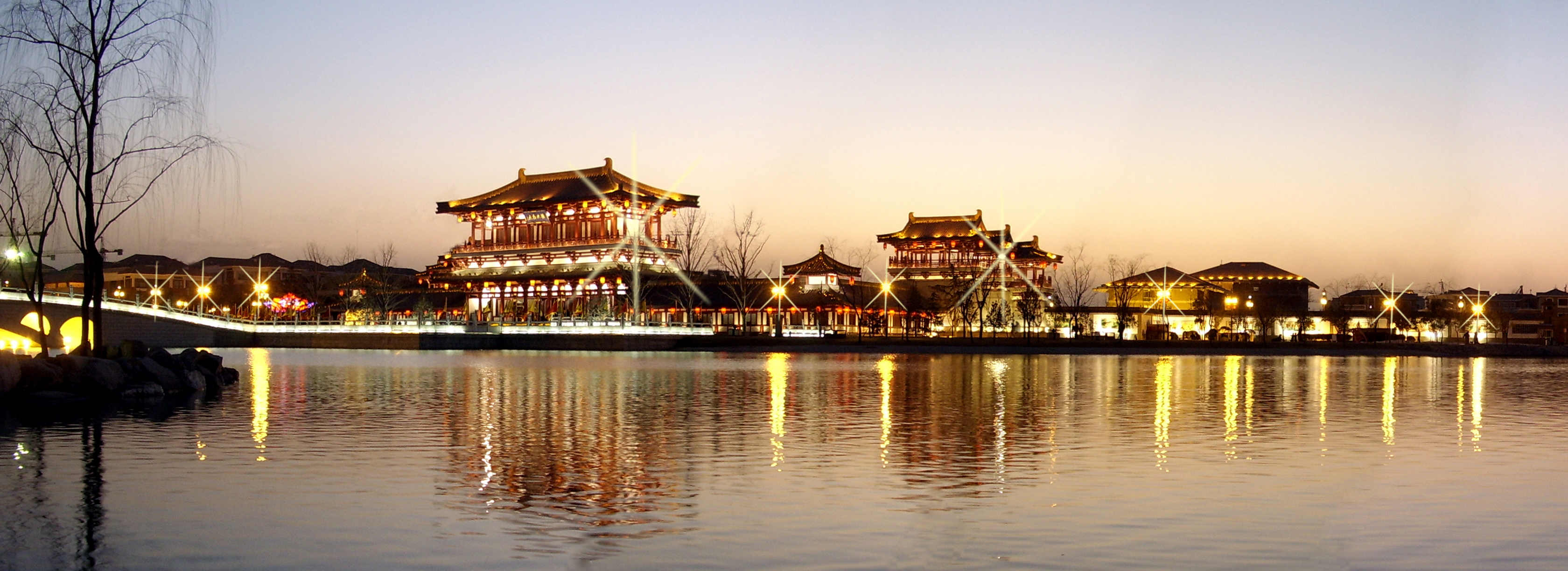 Tang ParadisePark · 2h · CNY120
Tang Paradise is a cultural theme park recreating Tang-dynasty imperial gardens. Spanning 500 acres around an artificial lake with palaces, pavilions, and nightly performances.
 Xingqing Palace ParkPark · 1h · Free
A large urban park on the site of Emperor Xuanzong's Xingqing Palace, the centre of Tang-dynasty cultural life. A free public park beloved by locals.
 Xi'an Botanical GardenPark · 1h · CNY10
A 20-hectare garden featuring themed sections for peonies, roses, bamboo, and medicinal plants. Both a research station and peaceful escape.
- Qujiang Pool Ruins ParkPark · 1h · Free
A landscaped green space over the remains of the Tang dynasty's Qujiang Pool, once an imperial pleasure garden. Modern paths trace the original shoreline.
- Qujiang Pool Ruins ParkPark · 1h · Free
Qujiang Pool Ruins Park occupies the site of a Tang imperial pleasure garden — a vast lakeside complex where emperors held poetry competitions and boat races. The ruins have been landscaped into a modern waterside walking park with bridges, willow-draped banks and illuminated paths at night.
 曲江寒窑遗址公园 (Hanyu Ruins Park)Park · 1h · CNY50
A romantic-themed park built around the legendary site where Tang scholar Lü Mengzheng lived in poverty before becoming prime minister.