Loading city...
Skip to main content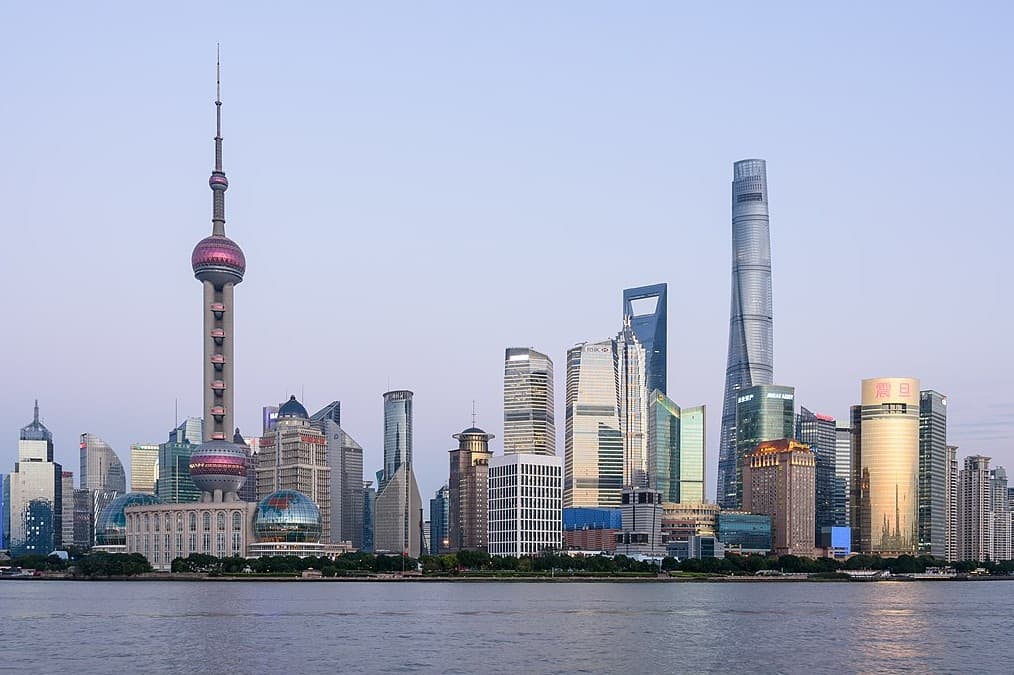
Attractions in Shanghai
16 attractions selected in this guide.
 Sinan MansionsAttraction · 45 min · Free
Sinan Mansions is a cluster of beautifully restored 1920s garden villas in the heart of the French Concession, converted into a cultural and hospitality complex. The compound blends heritage architecture with contemporary art galleries, boutique shops, and fine dining.
 1933 ShanghaiAttraction · 1h · Free
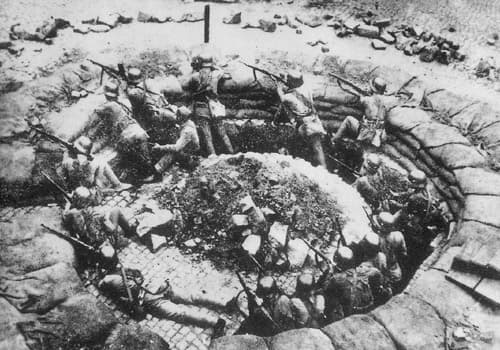
1933 Shanghai is a former municipal slaughterhouse transformed into a creative lifestyle destination. Designed by British architects and completed in 1933, its Brutalist concrete structure features an extraordinary interlocking system of ramps, bridges, and air wells.
 The BundAttraction · 1.5h · Free
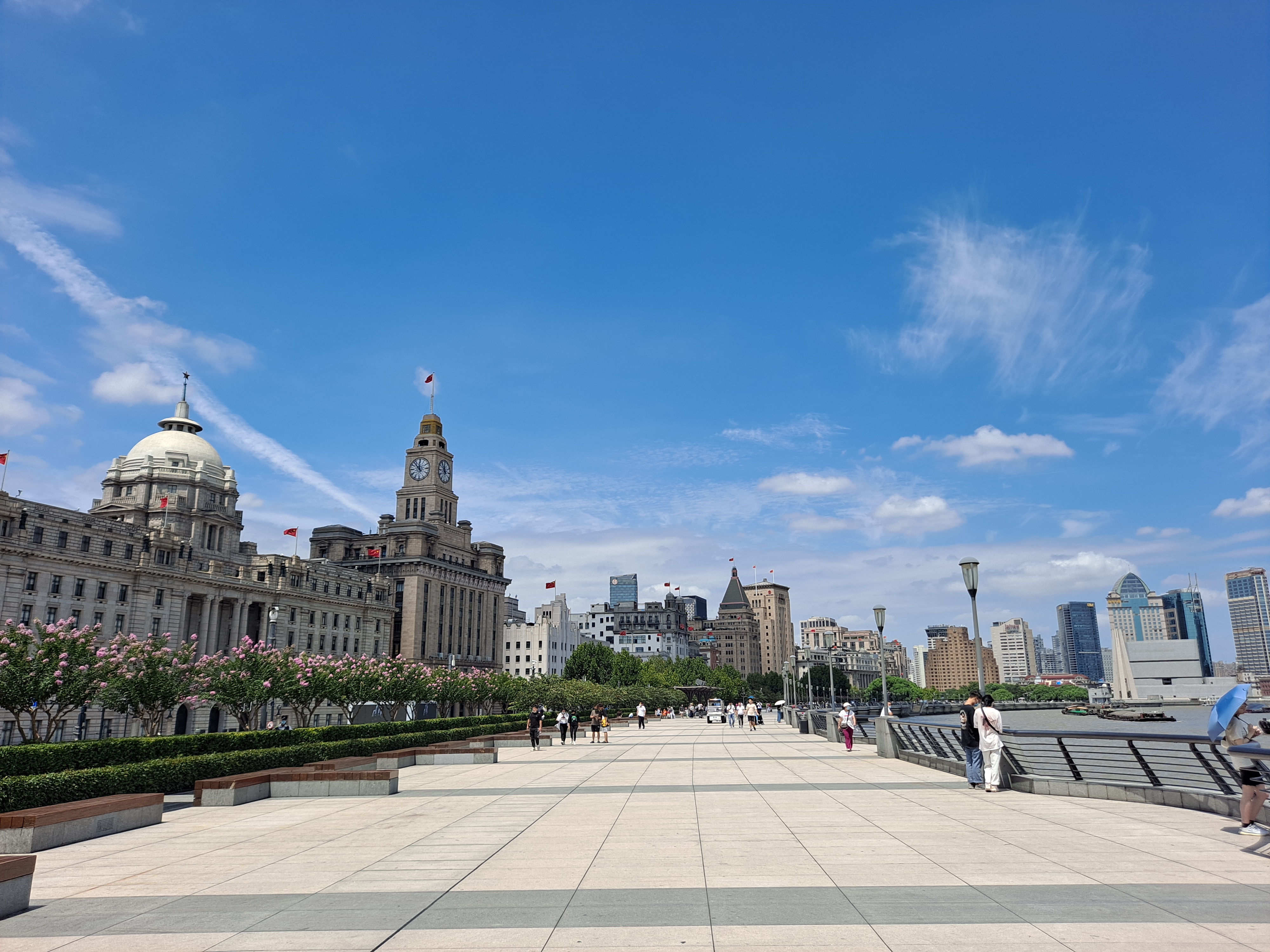
The Bund is Shanghai's most celebrated waterfront promenade, stretching 1.5 kilometers along the western bank of the Huangpu River. Lined with 52 buildings in a medley of Neoclassical, Art Deco, Beaux-Arts, and Gothic styles, it stands as a living museum of early 20th-century architecture and the city's most photographed landmark.
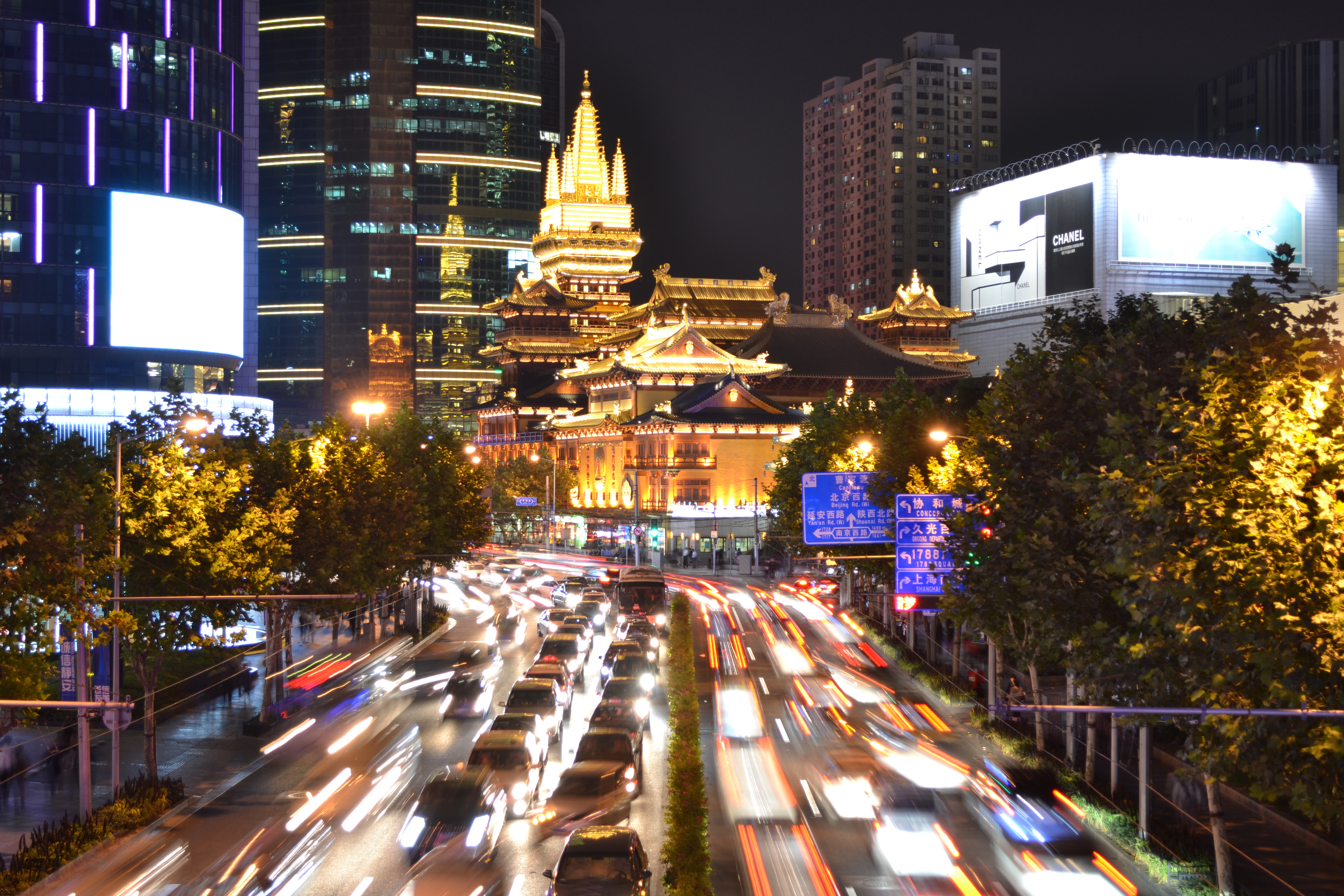 Jing'an TempleAttraction · 45 min · CNY50
Jing'an Temple is a striking Buddhist temple whose gilded roofs and pillars gleam against the glass towers of Shanghai's commercial center. Originally founded in 247 AD during the Three Kingdoms period, it is one of the oldest temples in the Yangtze Delta.
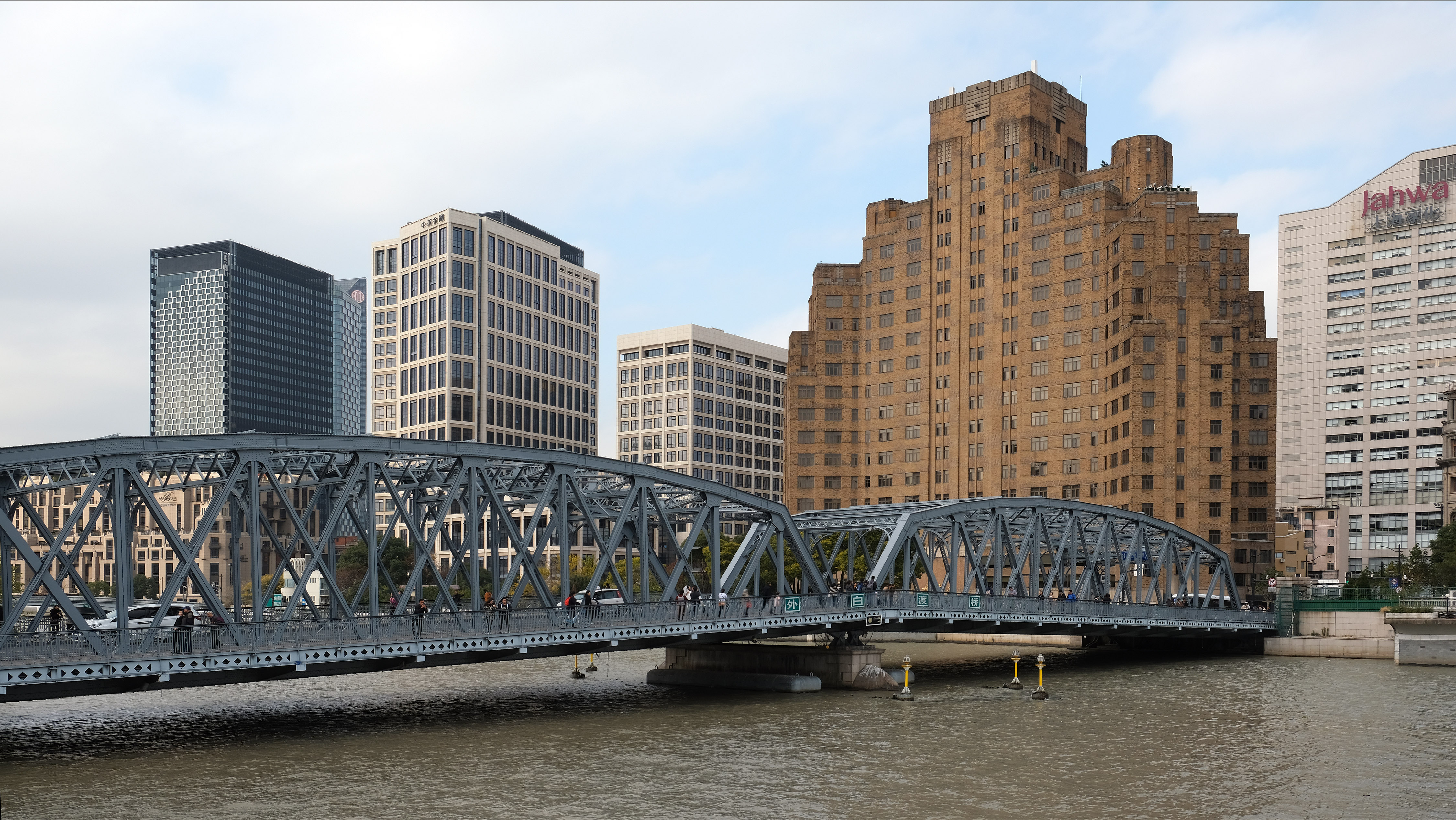 Waibaidu BridgeAttraction · 20 min · Free
Waibaidu Bridge is a steel truss garden bridge spanning Suzhou Creek at its confluence with the Huangpu River. Built in 1907, it is one of the few surviving examples of an early-20th-century camelback truss bridge and a designated Shanghai Cultural Heritage site.
 Jade Buddha TempleAttraction · 1h · CNY20
The Jade Buddha Temple is one of Shanghai's most revered Buddhist sanctuaries, famous for its two jade Buddha statues imported from Burma in 1882. An active monastery, it remains a place of daily worship amidst meditation halls and incense-filled courtyards.
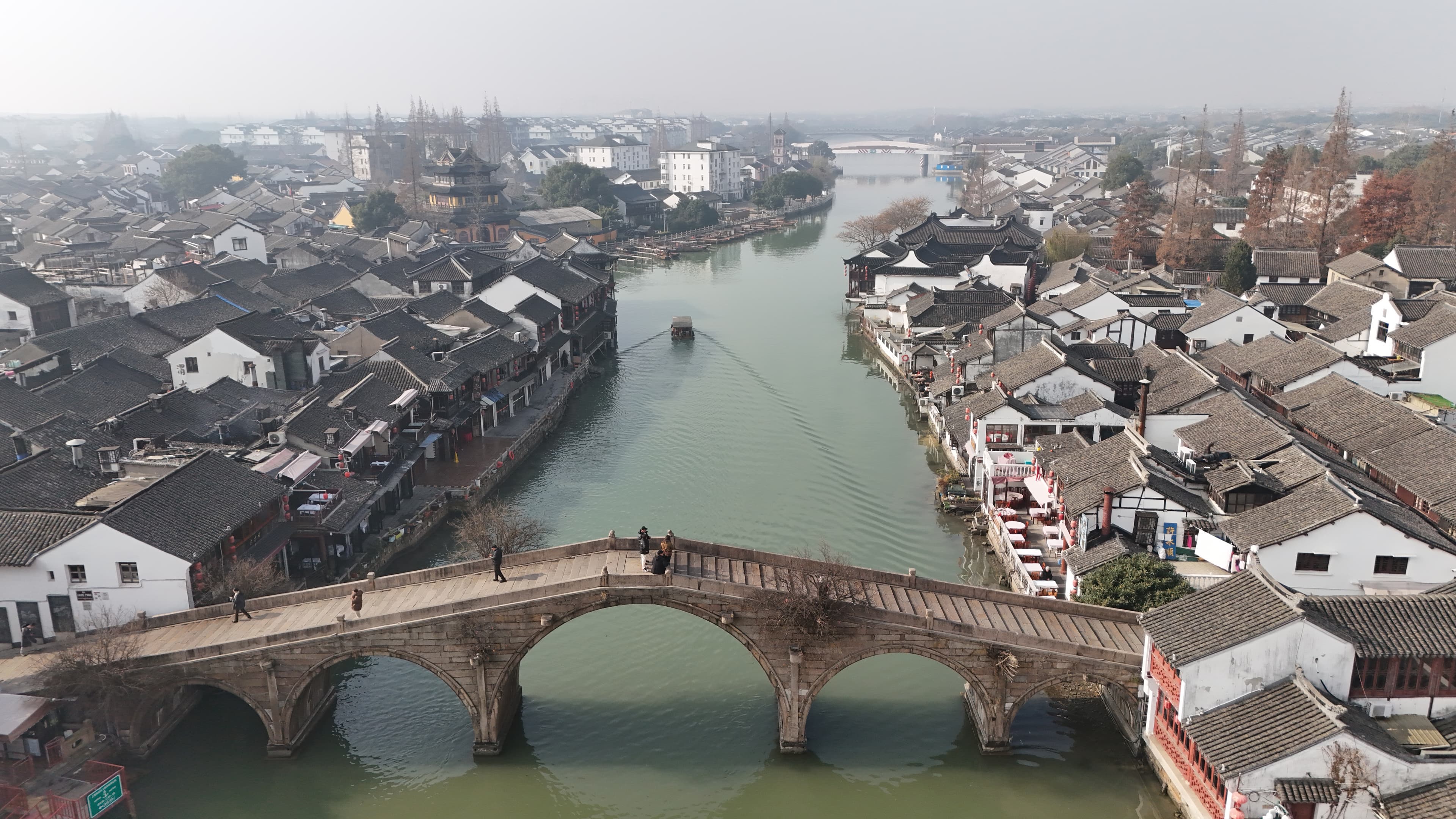 Zhujiajiao Water TownAttraction · 4h · Free
Zhujiajiao is a 1,700-year-old water town located 48 kilometers west of downtown Shanghai. Built along a network of canals, it features well-preserved Ming and Qing dynasty architecture, arched stone bridges, and a traditional market-town atmosphere.
 City God TempleAttraction · 40 min · CNY10
The City God Temple (Chenghuang Miao) is a Taoist temple in Shanghai's Old City, dedicated to the three patron deities who protect the city. Located adjacent to the Yuyuan Bazaar, it remains an active place of worship.
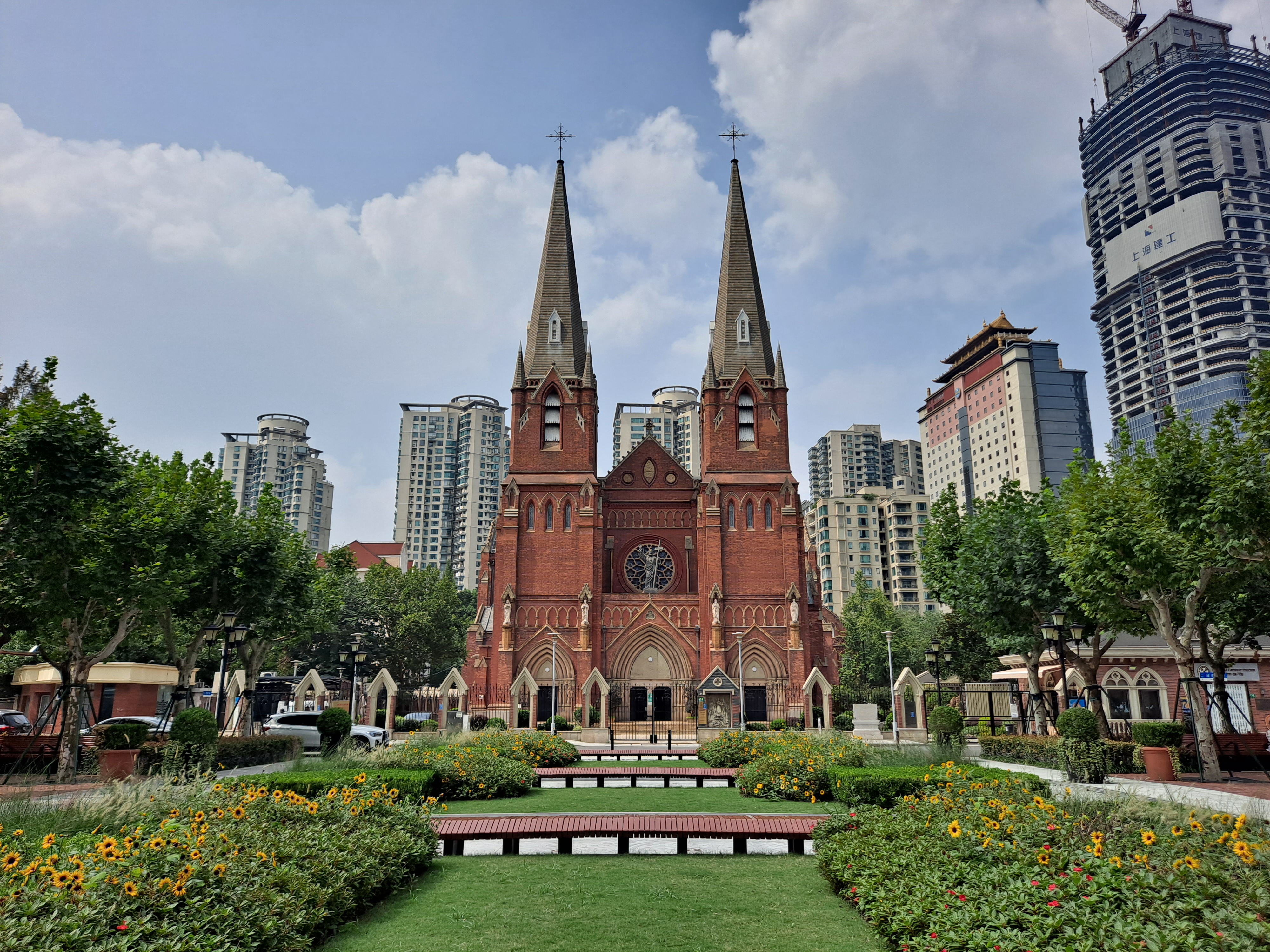 Xujiahui CathedralAttraction · 30 min · Free
St. Ignatius Cathedral in Xujiahui is one of the largest Catholic churches in China. Built in 1910 in a Gothic Revival style with twin 60-meter bell towers, it serves as the seat of the Roman Catholic Diocese of Shanghai.
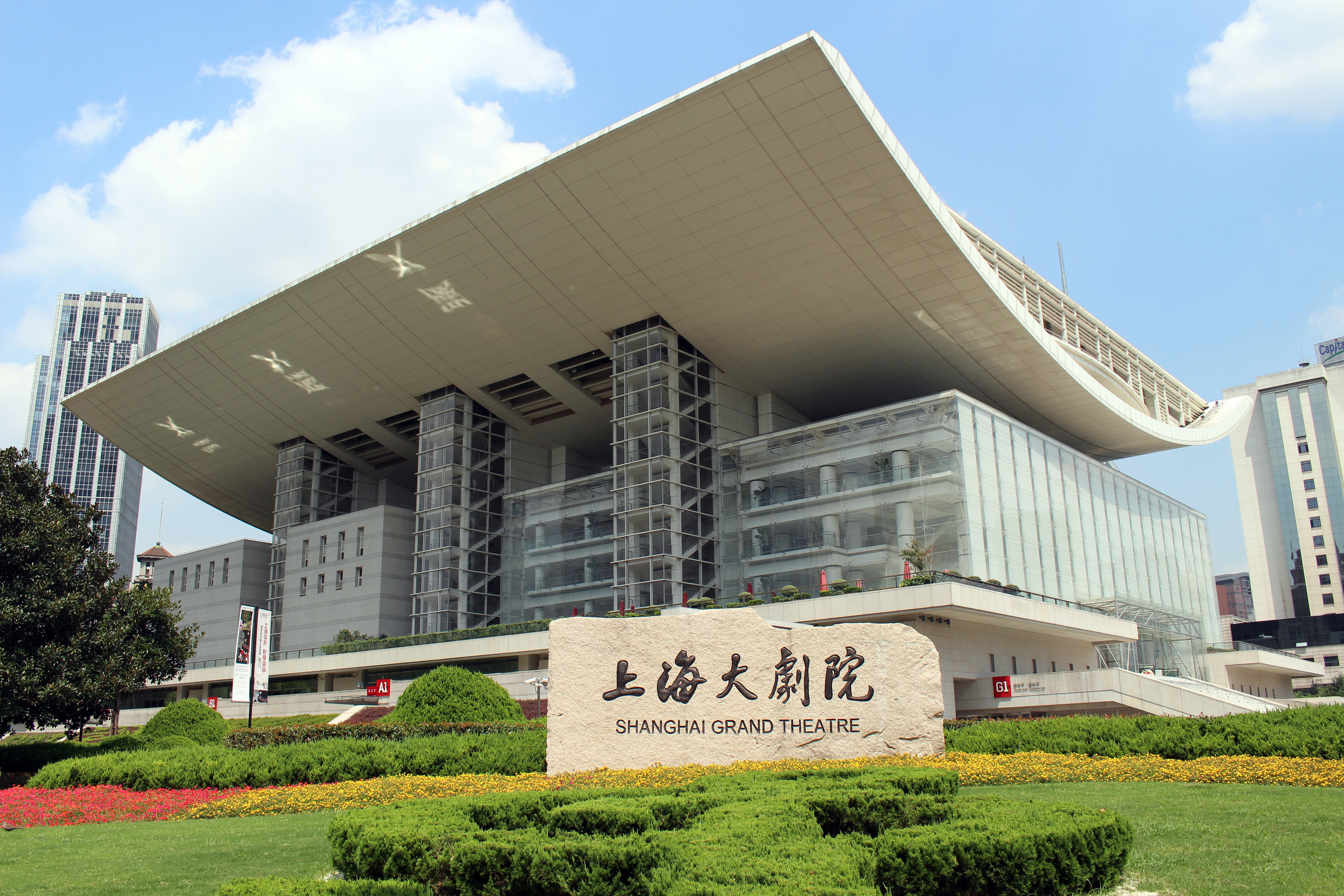 Shanghai Grand TheatreAttraction · 2h · CNY200
The Shanghai Grand Theatre is a striking glass-and-steel performing arts venue on People's Square, designed by French architect Jean-Marie Charpentier. Its upswept roof was inspired by the form of a traditional Chinese vessel and shelters three performance halls.
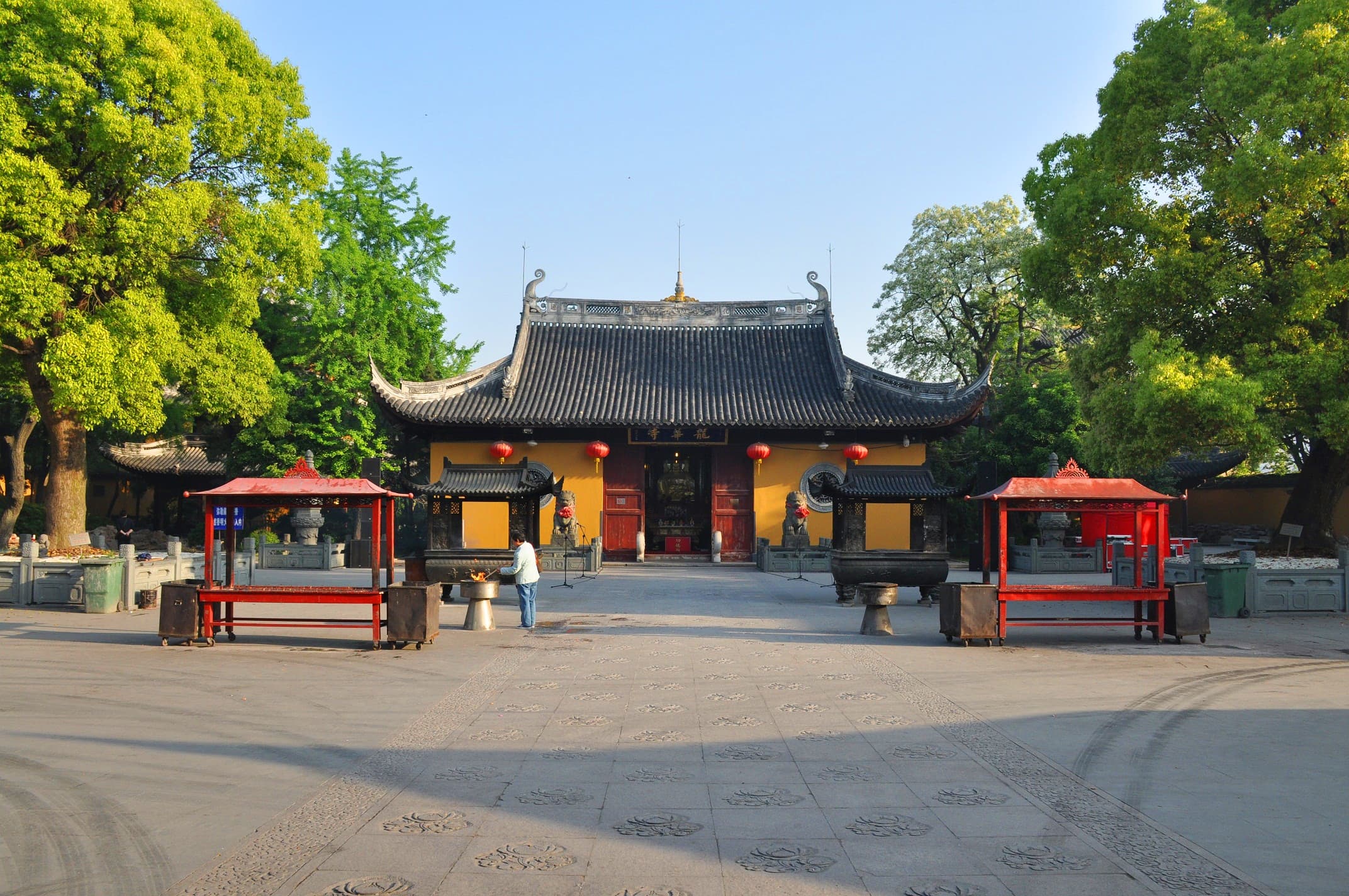 Longhua Temple and PagodaAttraction · 1h · CNY10
Longhua Temple is Shanghai's oldest and largest temple complex, believed to have been founded in 242 AD by Sun Quan of the Eastern Wu Kingdom. Its seven-story pagoda, visible from afar, is the city's only surviving ancient pagoda.
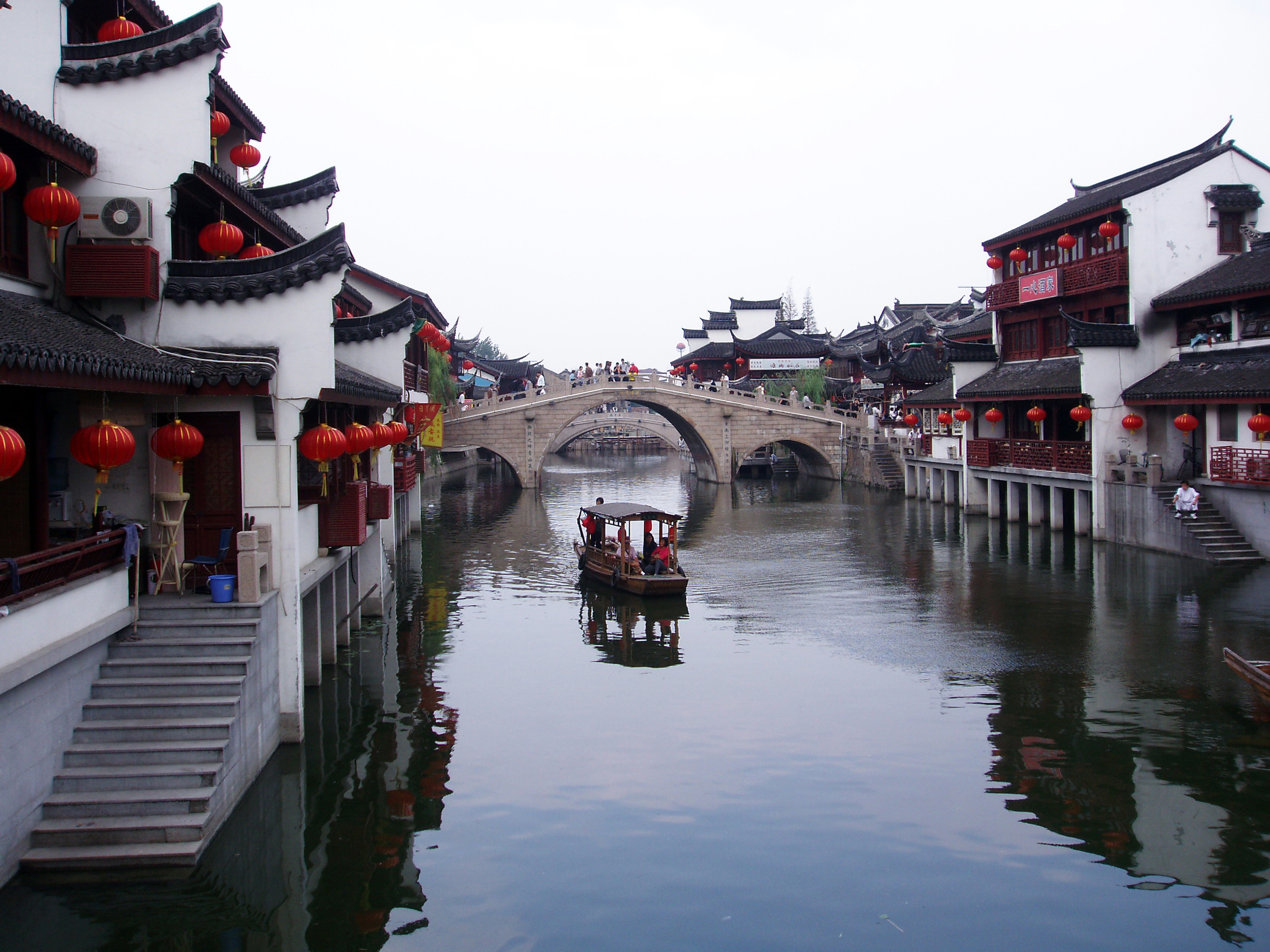 Qibao Ancient TownAttraction · 2h · Free
Qibao is a well-preserved canal town dating back over 1,000 years, located just 18 kilometers from downtown Shanghai and reachable by metro. Its narrow lanes, stone bridges, and waterside teahouses offer a quick escape from the modern city.
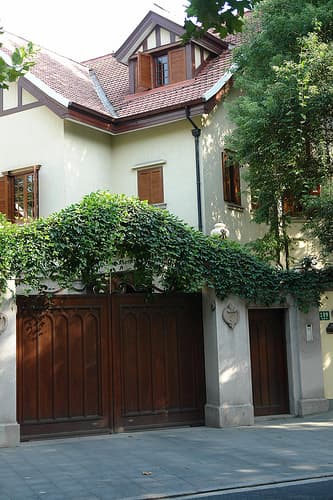 Wukang RoadAttraction · 45 min · Free
Wukang Road is a 1.2-kilometer tree-lined avenue in the heart of the Former French Concession, renowned for its concentration of early-20th-century architecture. The wedge-shaped Wukang Mansion at its northern tip is one of Shanghai's most-photographed buildings.
 Duolun Road Cultural StreetAttraction · 45 min · Free
Duolun Road Cultural Street is a 550-meter heritage lane in the Hongkou district, lined with the former residences of China's greatest modern writers and intellectuals. Statues, plaques, and small museums along the road bring the literary history to life.
 Huxinting TeahouseAttraction · 45 min · Free
Huxinting Teahouse is Shanghai's oldest teahouse, perched in the middle of an artificial lake and reached via the famous Nine-Turn Zigzag Bridge. The building dates to 1784 and has been serving tea to visitors for over 230 years.
- Riverside Promenade PudongAttraction · 1h · Free
The Pudong Riverside Promenade is an 8-kilometer waterfront walkway offering unobstructed views of the Bund's historic skyline from across the Huangpu River. Quieter and less crowded than its Bund counterpart, it provides arguably the better photographic angle.