Loading city...
Skip to main content
Attractions in Bruges
13 attractions selected in this guide.
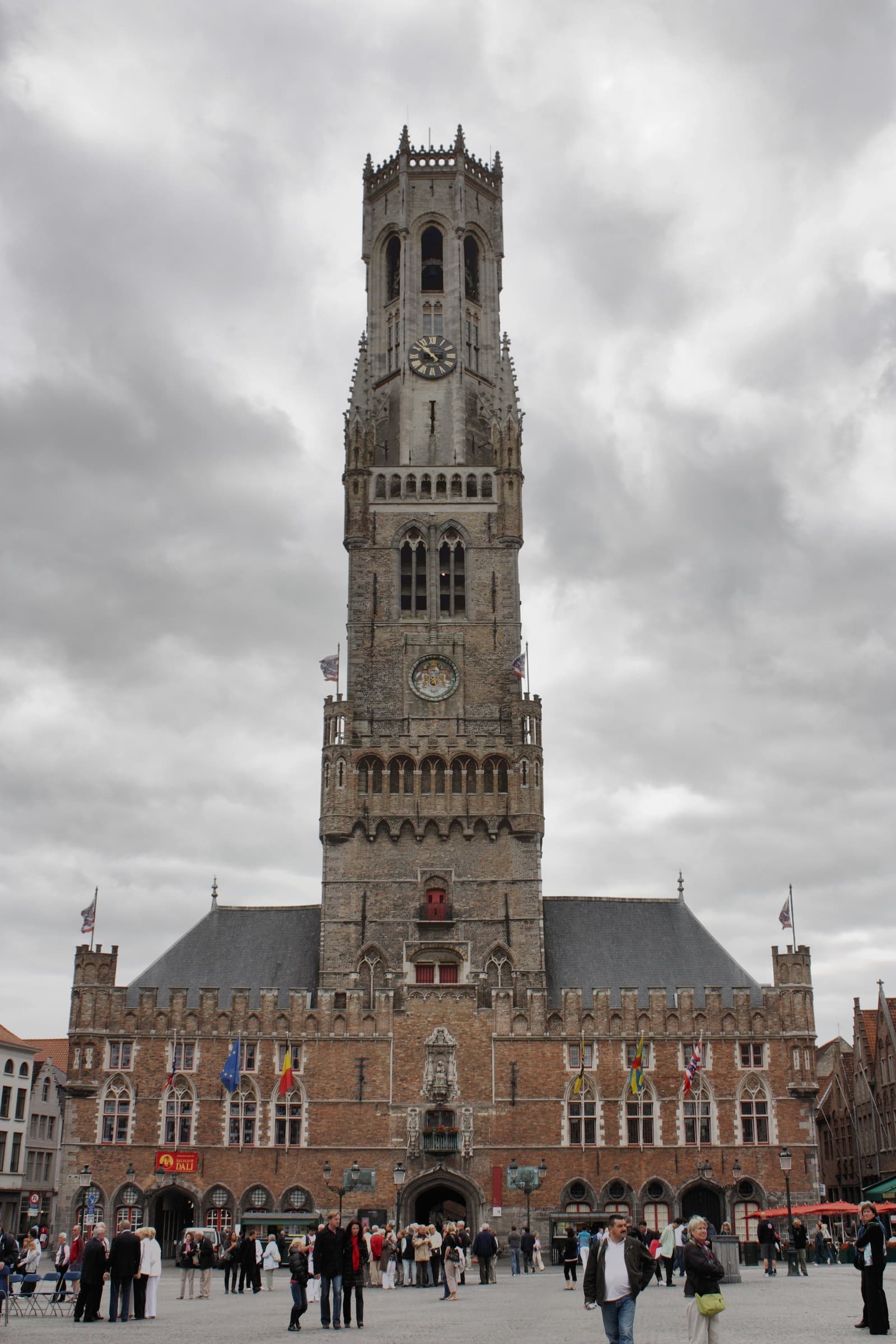 Belfry of BrugesAttraction · 45 min · €14
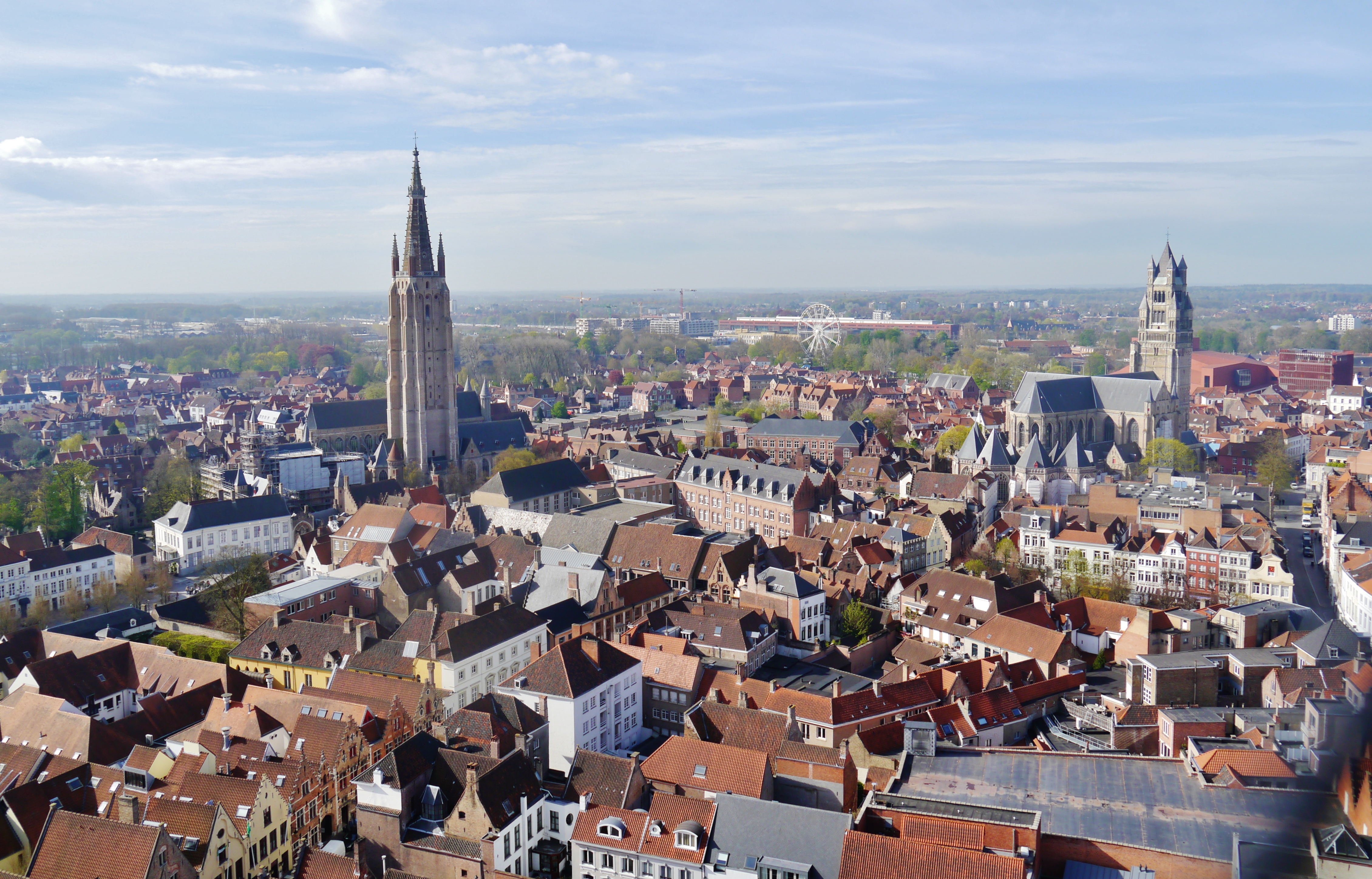
The Belfry of Bruges is an 83-metre medieval bell tower that has dominated the Markt since the 13th century. Climbing its 366 narrow steps rewards visitors with a sweeping panorama over the rooftops, canals, and flat Flemish countryside. It is a UNESCO World Heritage Site.
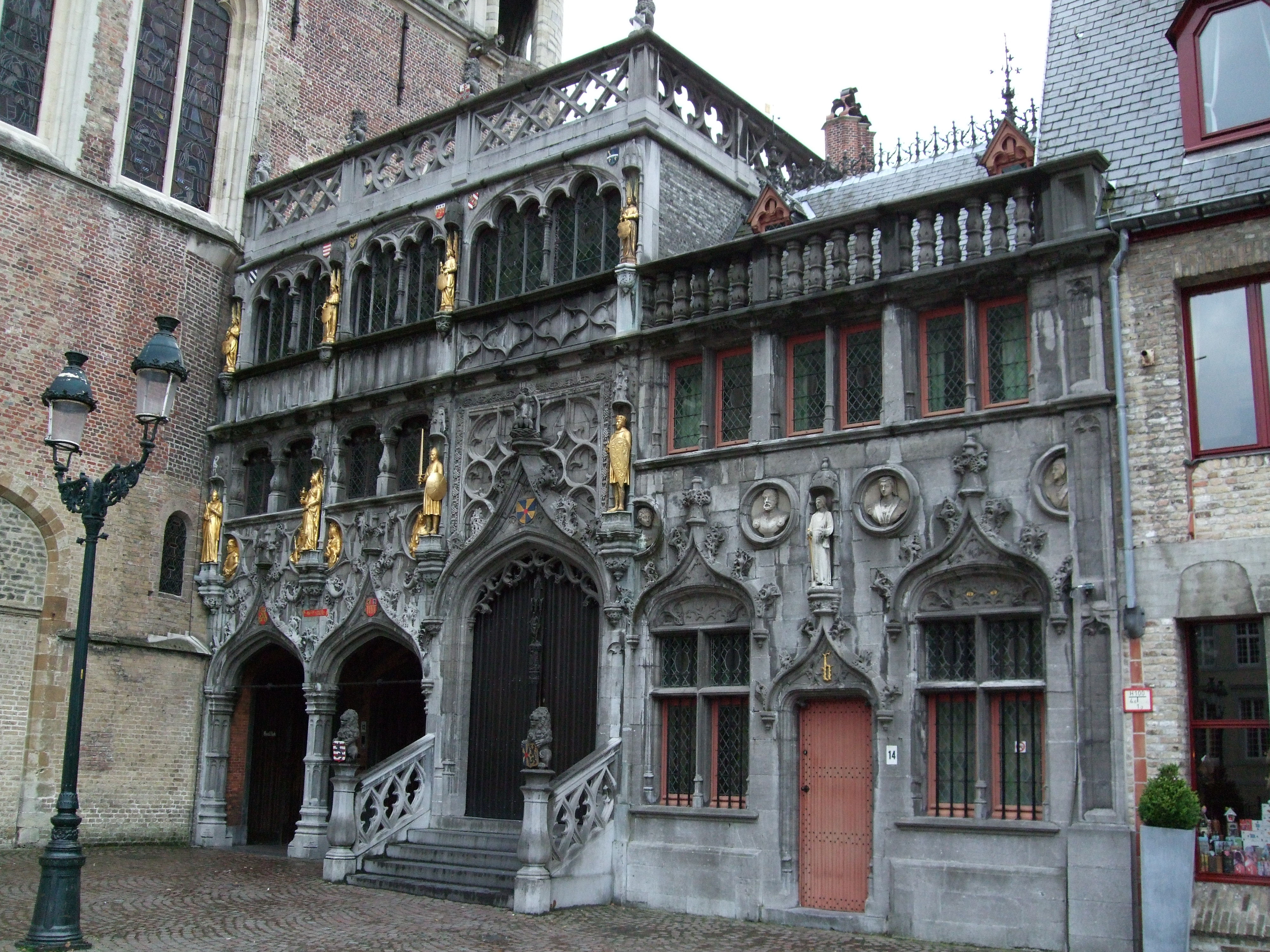 Basilica of the Holy BloodAttraction · 30 min · Free
The Basilica of the Holy Blood (Heilig-Bloedbasiliek) houses a venerated relic said to contain a cloth stained with the blood of Jesus Christ, brought from the Holy Land by Thierry d'Alsace, Count of Flanders, in 1150. The building comprises a dark Romanesque lower chapel and a flamboyant Gothic upper chapel.
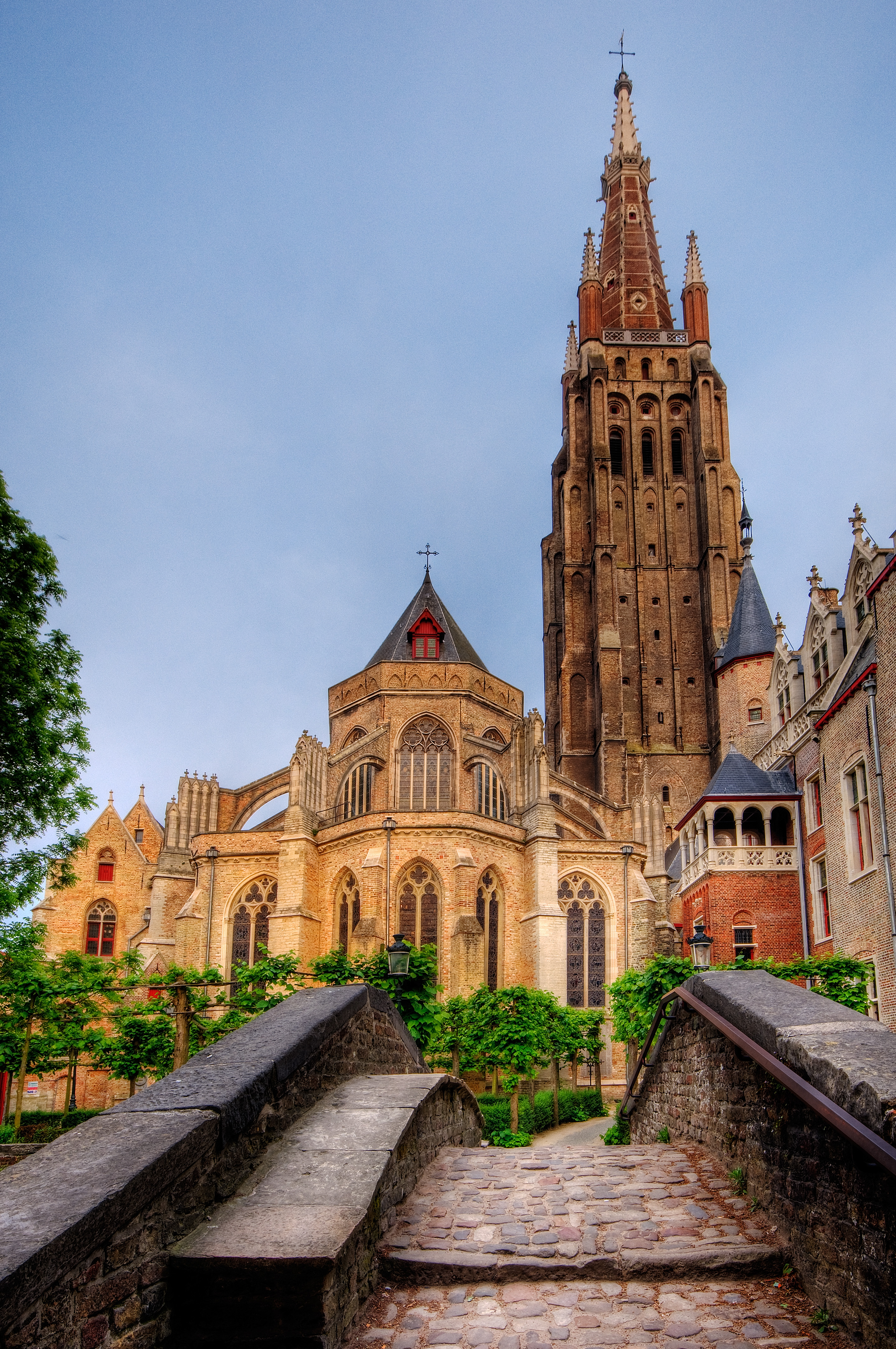 Church of Our LadyAttraction · 45 min · €10
The Church of Our Lady (Onze-Lieve-Vrouwekerk) boasts the tallest brick tower in the world at 115.5 metres and houses Michelangelo's *Madonna and Child* (1504) — the only Michelangelo sculpture to leave Italy during his lifetime. The church also contains the painted tombs of Charles the Bold and Mary of Burgundy.
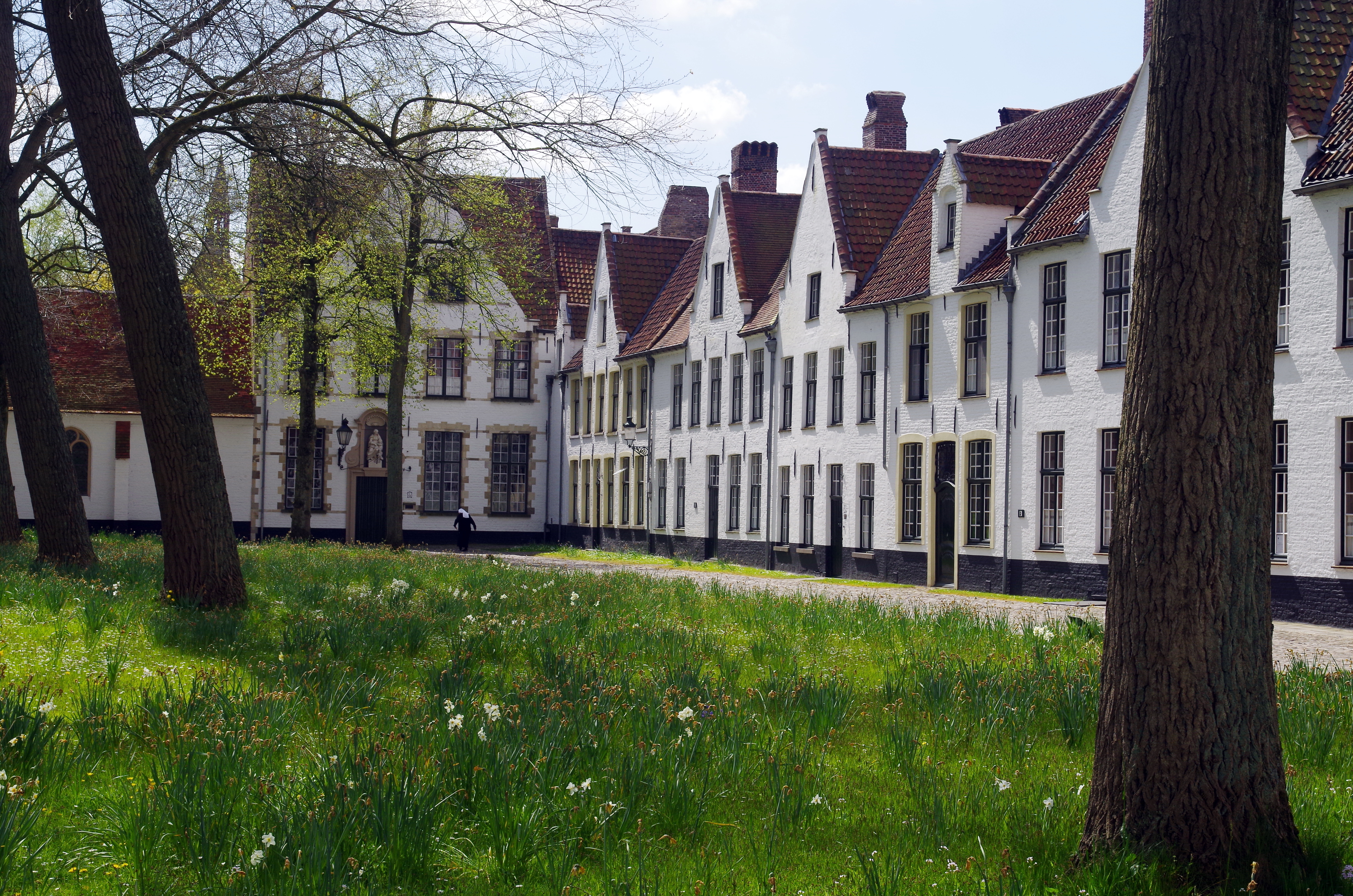 BeguinageAttraction · 30 min · Free
The Princely Beguinage Ten Wijngaarde is one of Belgium's 13 UNESCO-listed beguinages — walled communities of lay religious women. Founded in 1245, its whitewashed houses, central green, and tall poplars form one of Bruges' most serene scenes.
 MarktAttraction · 30 min · Free
The Markt (Market Square) is Bruges' beating heart — a vast trapezoidal plaza surrounded by colourful step-gabled guild houses, the towering Belfry, and the neo-Gothic Provincial Court. It has served as a commercial and civic hub since the 10th century.
 City Hall of BrugesAttraction · 30 min · €8
Bruges' City Hall (Stadhuis) is one of the oldest civic buildings in the Low Countries, with a lavishly decorated Gothic facade dating to 1376–1421. Inside, the vaulted Gothic Hall features 19th-century murals depicting highlights of Bruges' history.
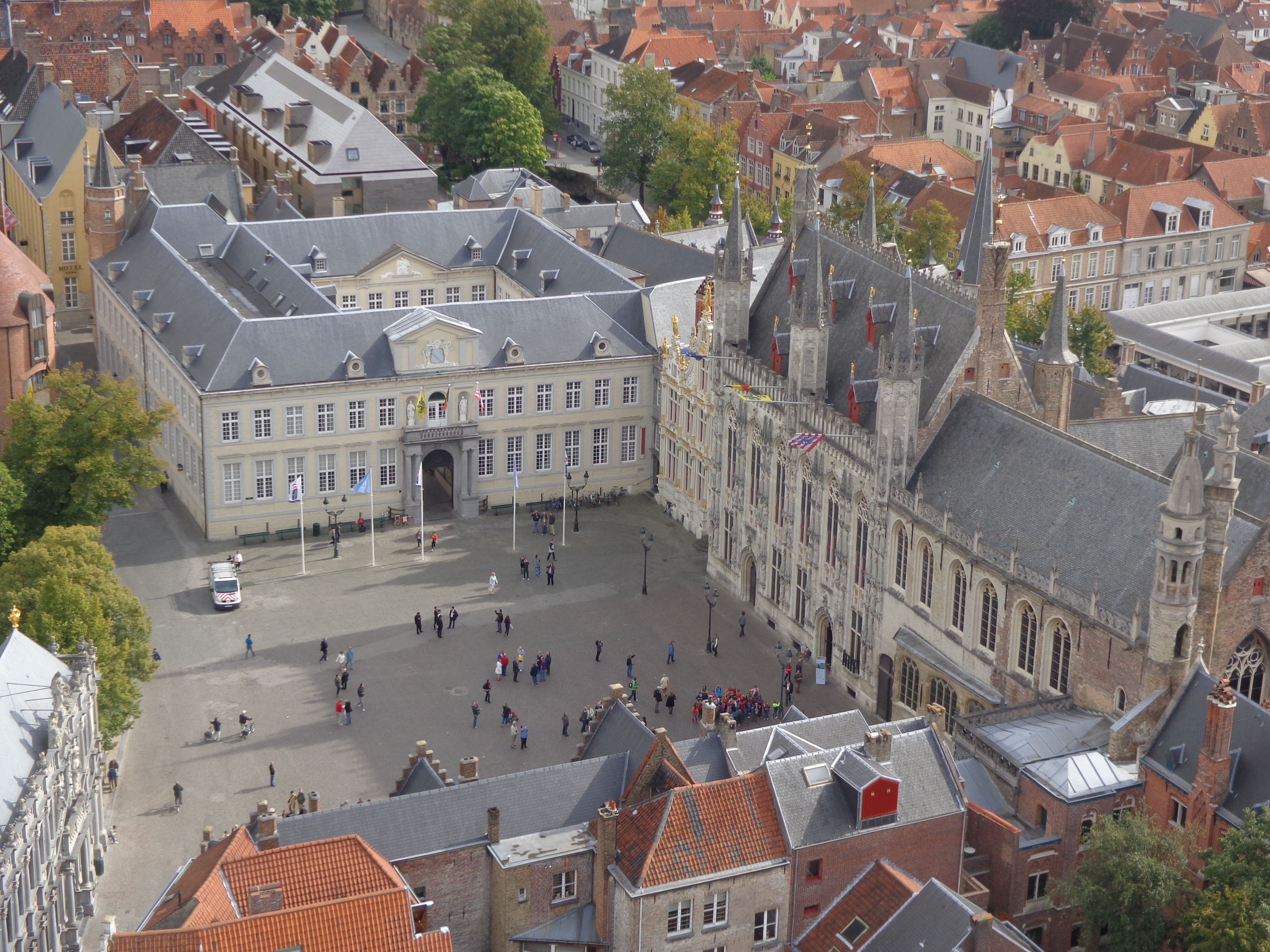 Burg SquareAttraction · 25 min · Free
Burg Square is Bruges' civic heart, enclosed by an extraordinary layering of architectural styles spanning 800 years: Romanesque, Gothic, Renaissance, Baroque, and Neoclassical facades all face the same compact plaza. It has been the seat of government since the 9th century.
 De Halve Maan BreweryAttraction · 1h · €16
De Halve Maan is Bruges' last remaining active city-centre brewery, producing the popular Brugse Zot and Straffe Hendrik beers. The guided tour climbs to the rooftop for panoramic views before descending to the historic copper brewhouse.
 Provinciaal HofAttraction · 15 min · Free
The Provinciaal Hof (Provincial Court) dominates the eastern side of the Markt with its elaborate neo-Gothic facade. Built to house the West Flanders provincial government, it now serves as an exhibition and event space.
 Sint-SalvatorskathedraalAttraction · 30 min · Free
Sint-Salvatorskathedraal (Holy Saviour Cathedral) is Bruges' oldest parish church, elevated to cathedral status in 1834. Its austere Romanesque-Gothic exterior contrasts with a richly furnished Baroque interior holding Flemish tapestries, paintings by Dirk Bouts, and a treasury of medieval goldwork.
 Godshuis De VosAttraction · 15 min · Free
Godshuis De Vos is one of the best-preserved almshouses in Bruges — a set of small whitewashed houses arranged around a quiet courtyard garden, originally built for the elderly poor. It offers a peaceful respite from the busy streets.
 JeruzalemkerkAttraction · 25 min · €7
The Jeruzalemkerk (Jerusalem Chapel) is a 15th-century private chapel modelled on the Church of the Holy Sepulchre in Jerusalem. Built by the Adornes merchant family after their pilgrimages to the Holy Land, it retains its original tower, crypt, and stained glass.
 GentpoortAttraction · 20 min · €4
The Gentpoort (Ghent Gate) is one of four surviving medieval city gates in Bruges, built between 1400 and 1406 on the road leading to Ghent. Its imposing twin-towered structure now houses a small museum on the city's fortifications.