Loading city...
Skip to main content
Attractions in Salzburg
11 attractions selected in this guide.
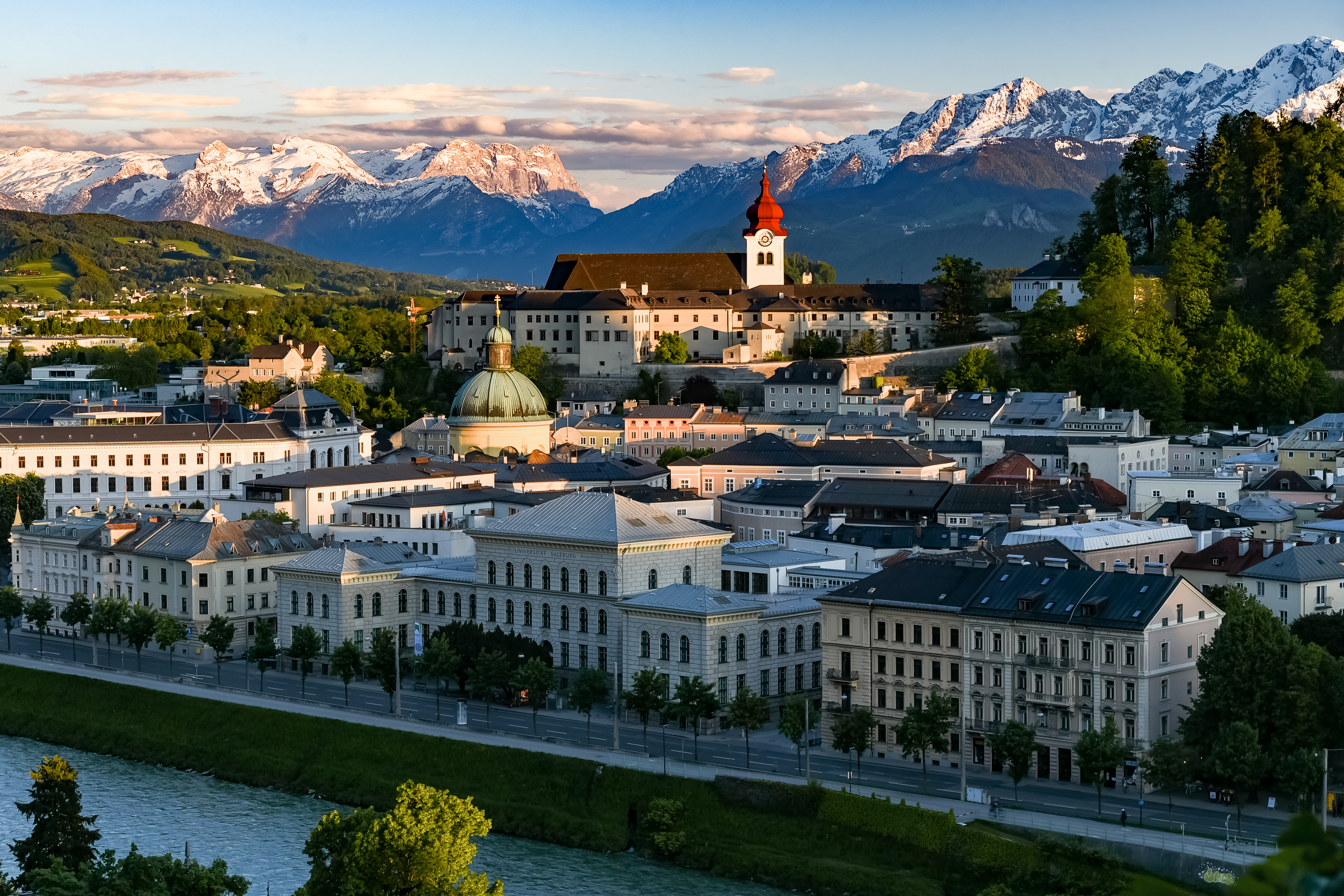 Salzburg Festival DistrictAttraction · 45 min · €8
The Salzburg Festival District (Festspielbezirk) comprises the Großes Festspielhaus, Haus für Mozart, and the dramatic Felsenreitschule — performance venues partly carved into the Mönchsberg cliff face. Together they host the world-famous Salzburg Festival every summer since 1920.
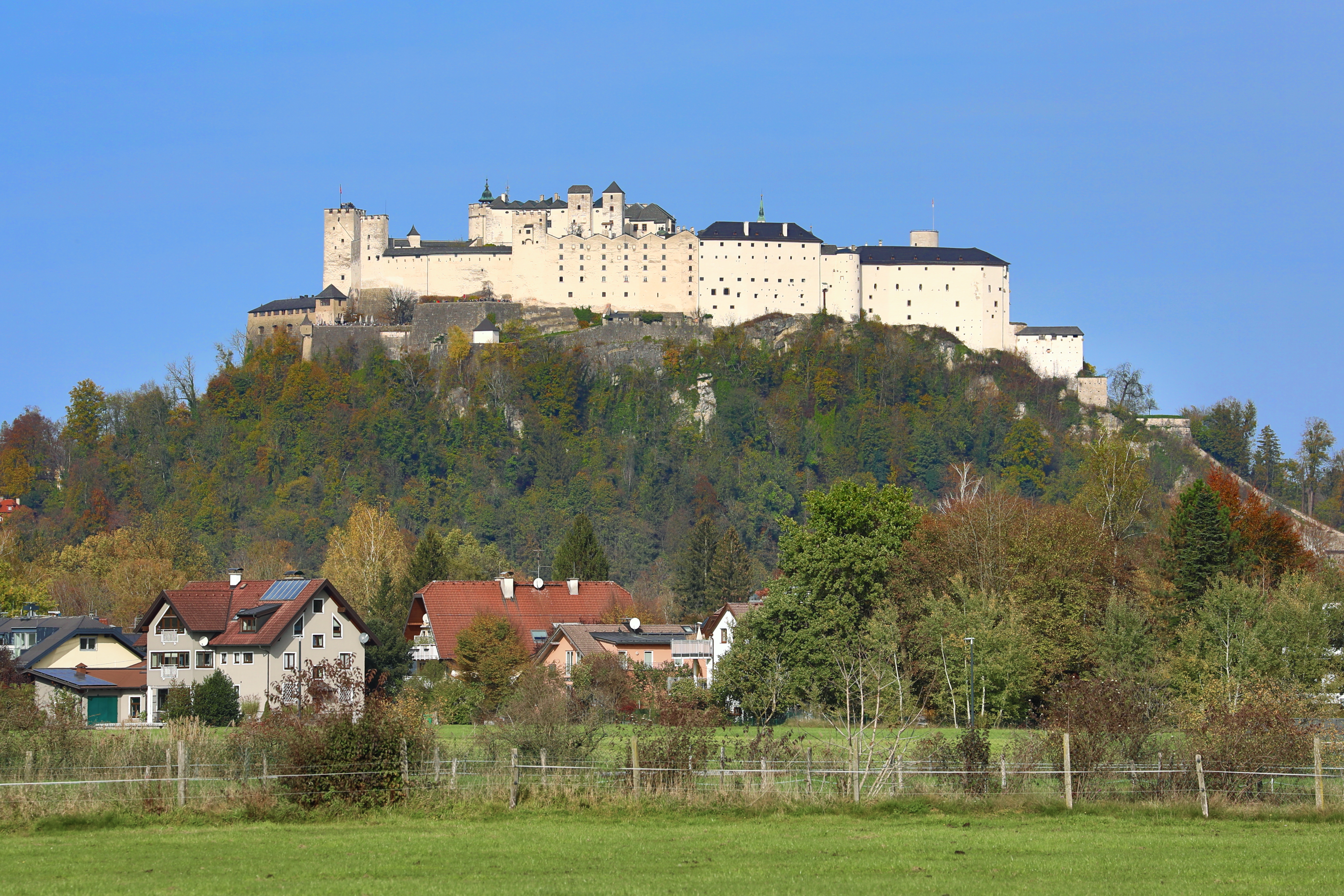 Hohensalzburg FortressAttraction · 2h · €15
Hohensalzburg Fortress is one of the largest and best-preserved medieval castles in Europe, sitting atop the Festungsberg at 506 meters above sea level. Built in 1077 and expanded over five centuries, it dominates Salzburg's skyline and has never been conquered.
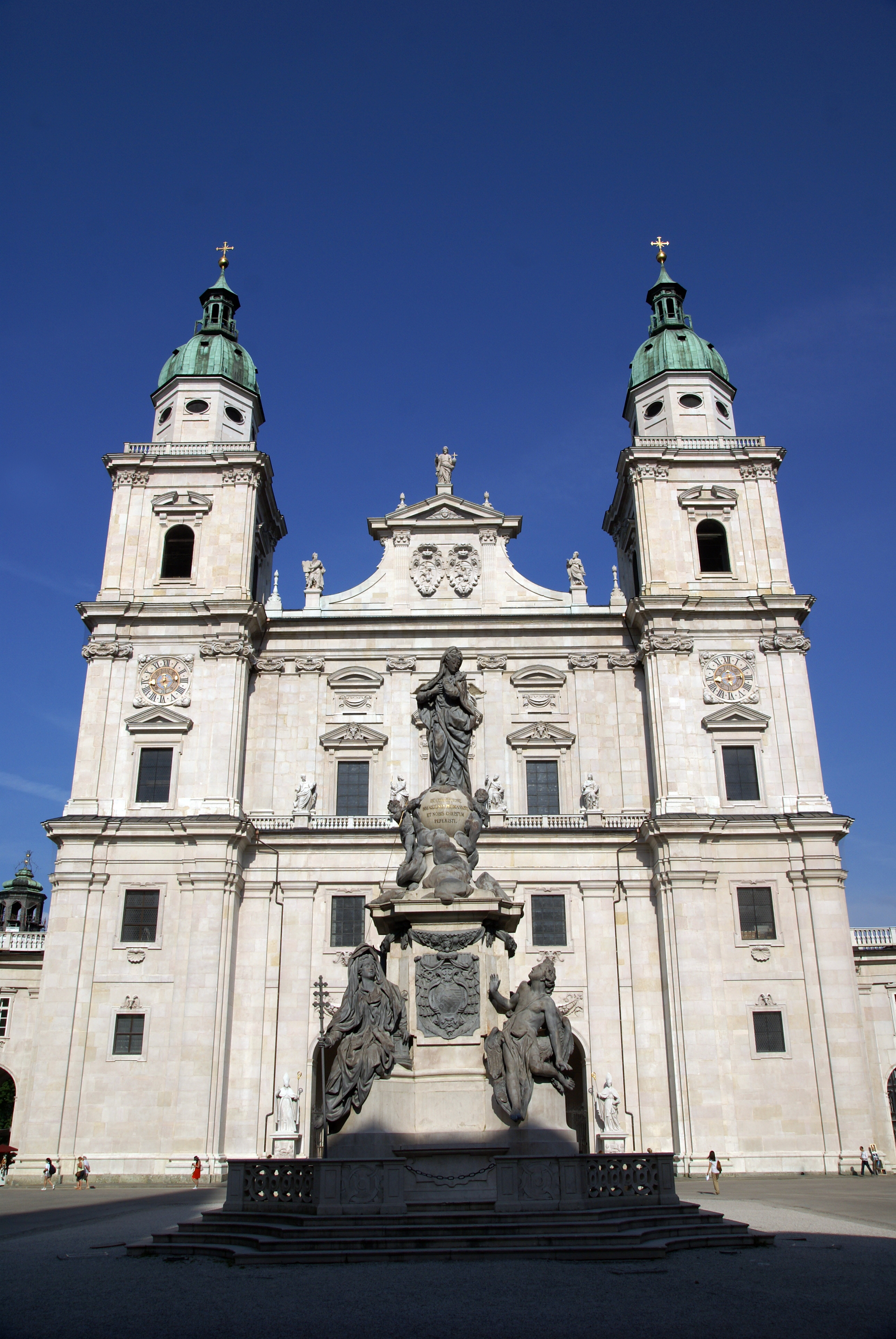 Salzburg CathedralAttraction · 45 min · Free
Salzburg Cathedral (Salzburger Dom) is a monumental Baroque church on Domplatz, built between 1614 and 1628 by Italian architect Santino Solari. Its twin towers and 79-meter dome define the Altstadt skyline. Mozart was baptized here on 28 January 1756.
 St. Peter's AbbeyAttraction · 45 min · Free
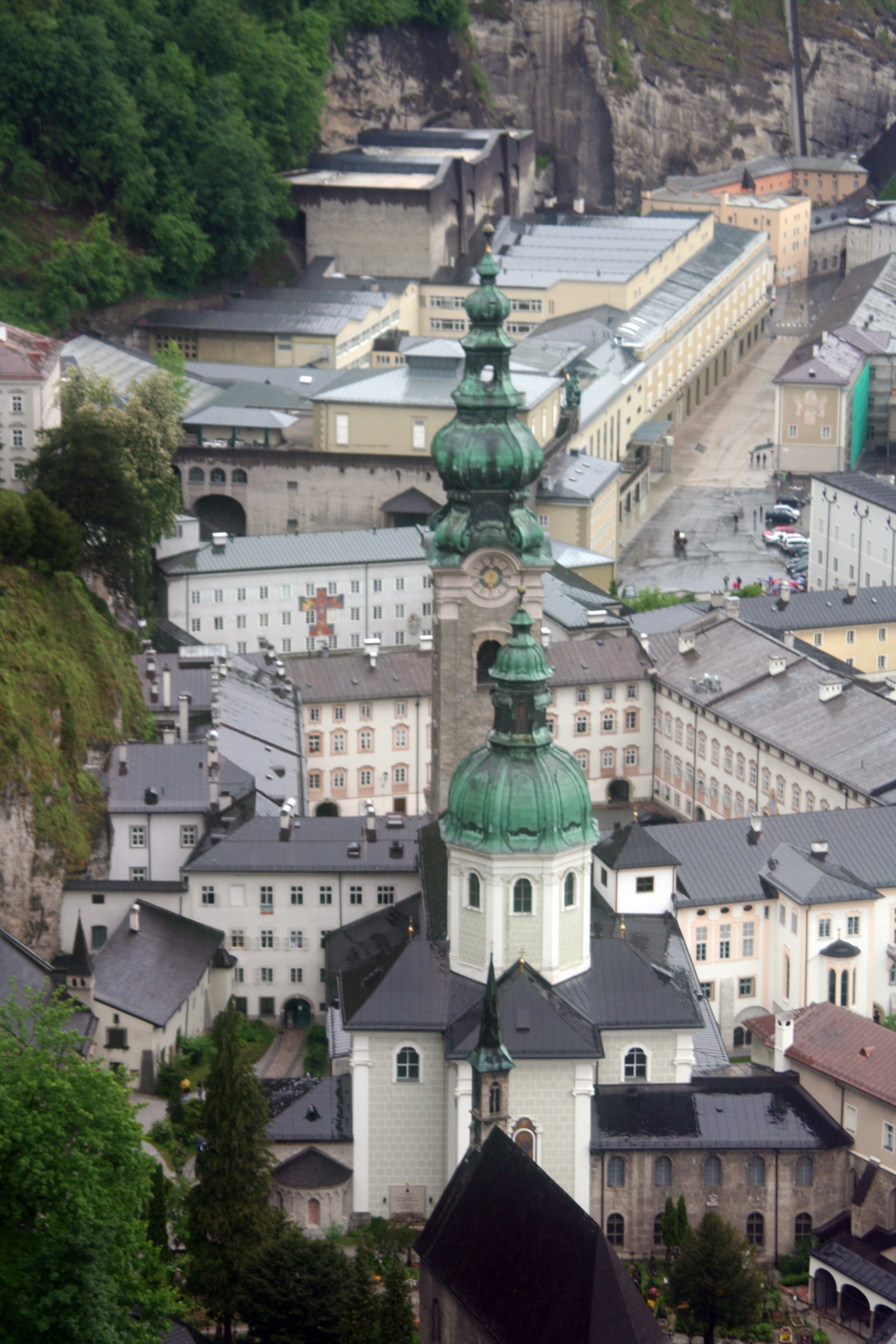
St. Peter's Abbey (Stift St. Peter) is the oldest monastery in the German-speaking world, founded by St. Rupert of Salzburg in 696 AD. The Romanesque-Baroque church, catacombs carved into the Mönchsberg cliff, and the adjacent Petersfriedhof cemetery form one of the city's most atmospheric ensembles.
- St. Peter's CemeteryAttraction · 30 min · Free
The Petersfriedhof (St. Peter's Cemetery) is one of the most beautiful and oldest cemeteries in the world, nestled at the foot of the Mönchsberg cliff behind St. Peter's Abbey. Its wrought-iron crosses, flower-covered graves, and cliff-carved chapels create an unforgettable atmosphere.
 Hellbrunn Palace & Trick FountainsAttraction · 2h · €17
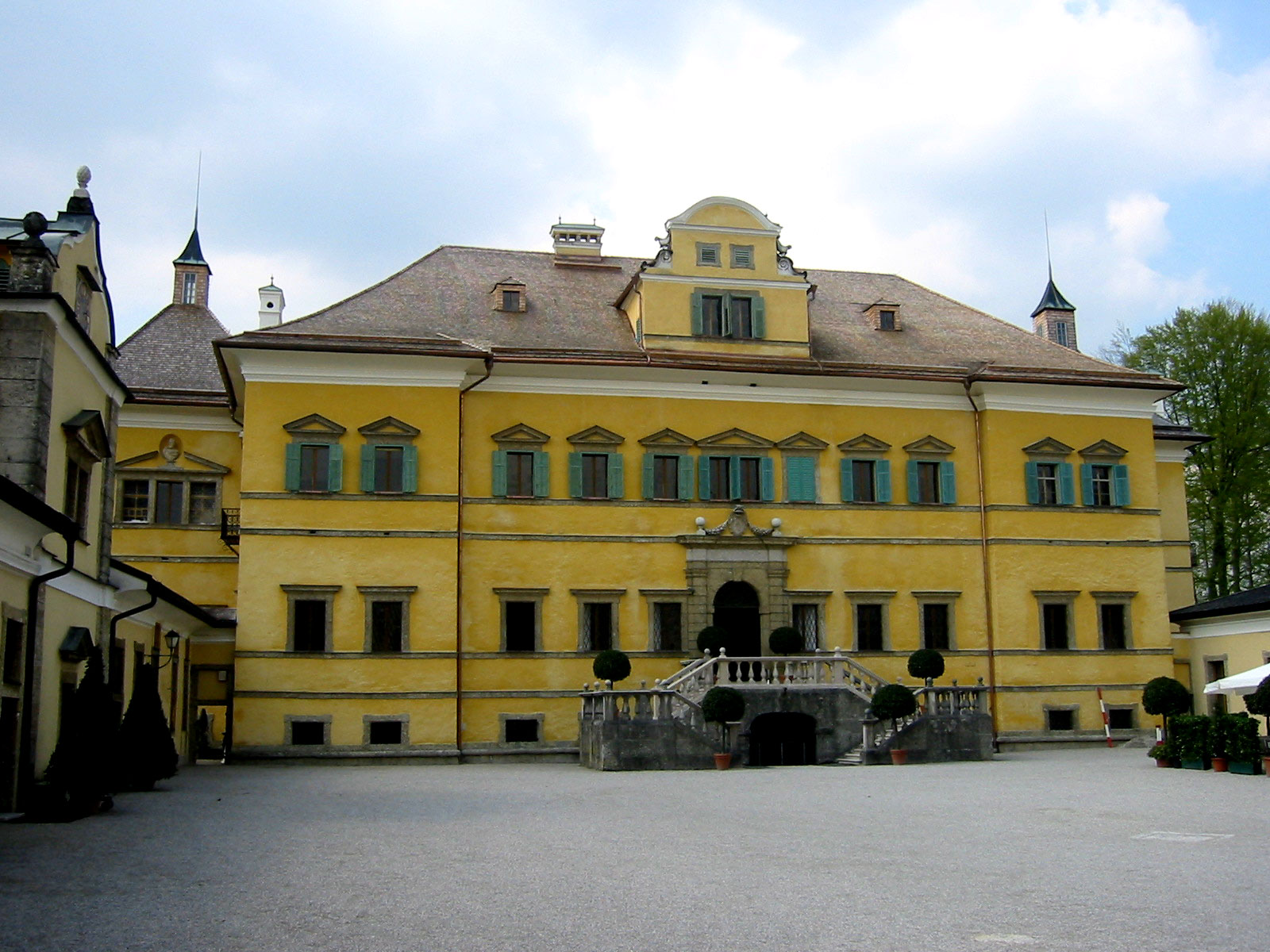
Hellbrunn Palace was built in 1613–15 as a day-trip pleasure palace for Prince-Archbishop Markus Sittikus. It is famous above all for its Wasserspiele (trick fountains) — an elaborate system of hidden water jets designed to surprise and soak unsuspecting guests, still operating exactly as 400 years ago.
 Nonnberg AbbeyAttraction · 30 min · Free
Nonnberg Abbey (Stift Nonnberg) is the oldest continuously operating convent north of the Alps, founded around 714 AD. Perched on a hill below the Hohensalzburg Fortress, it is famous worldwide as the convent where the real Maria von Trapp was a novice before marrying Captain Georg von Trapp.
 Leopoldskron PalaceAttraction · 30 min · Free
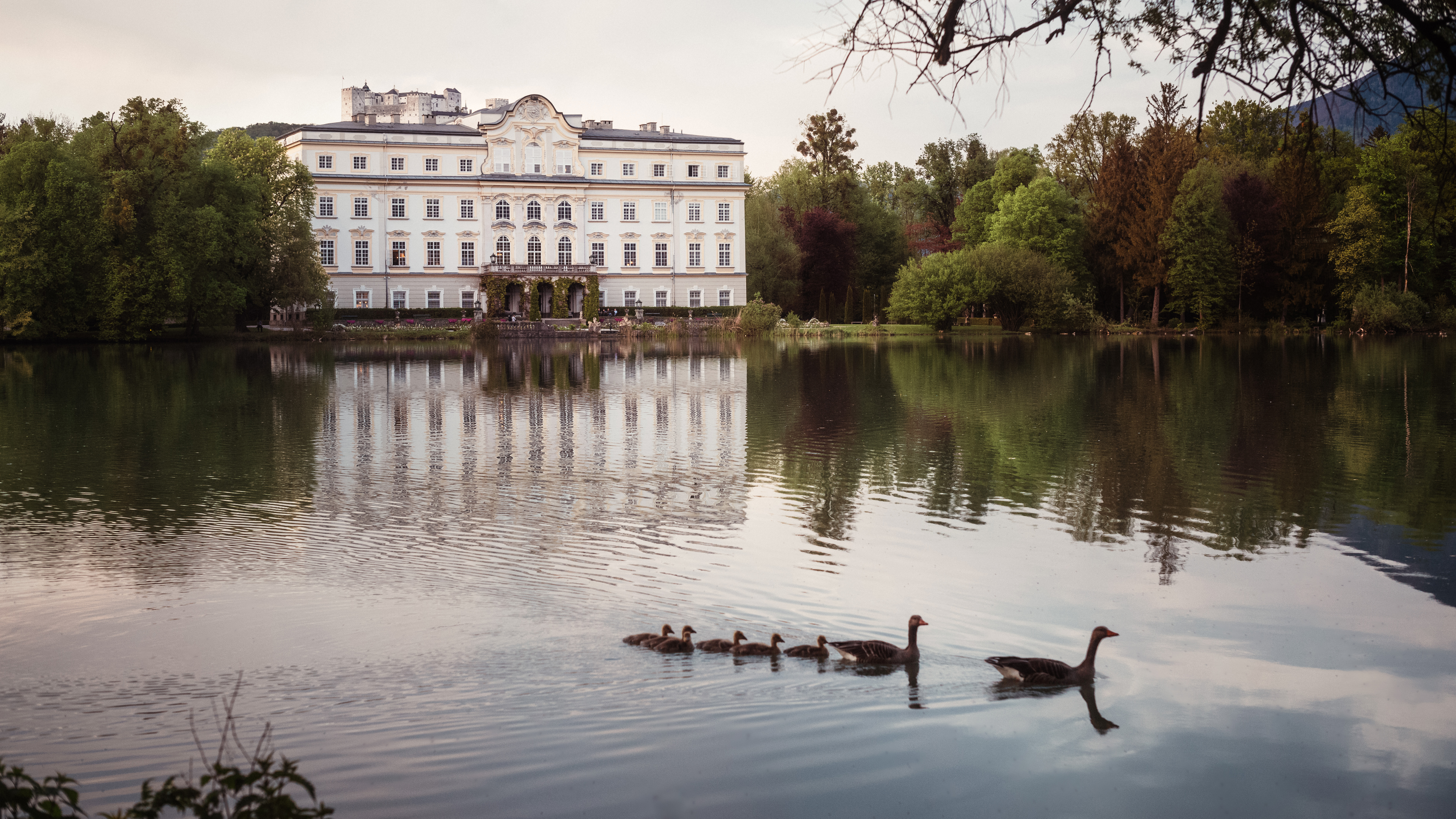
Leopoldskron Palace is a Rococo masterpiece set on the shores of Leopoldskroner Weiher, a small lake reflecting the fortress-topped Festungsberg behind it. The palace served as the exterior of the Von Trapp family home in the 1965 film The Sound of Music.
 ResidenzplatzAttraction · 20 min · Free
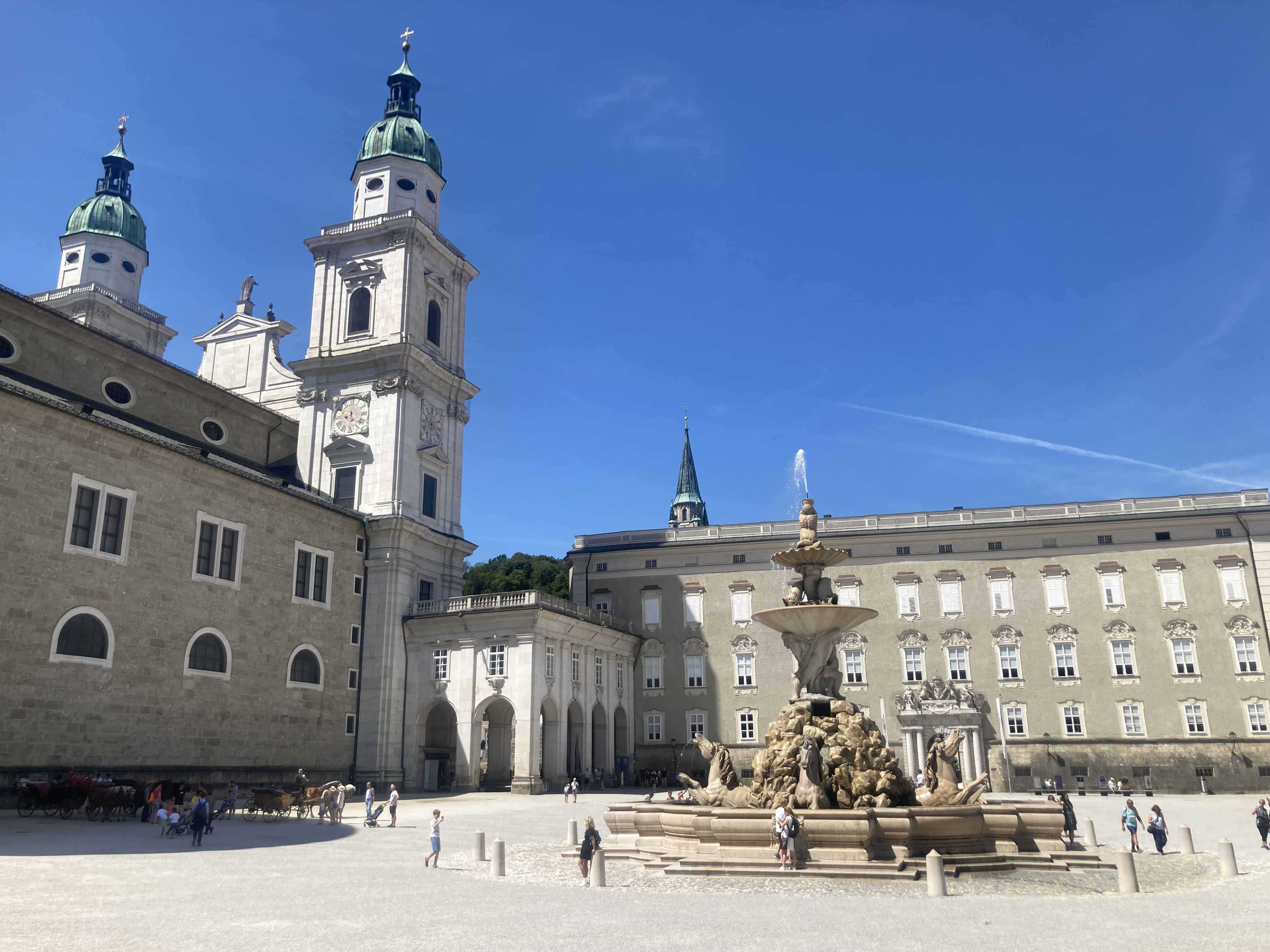
Residenzplatz is the grand ceremonial square at the heart of Salzburg's Altstadt, flanked by the Residenz palace, the Neue Residenz with its carillon, and the cathedral. The square's monumental horse fountain is the largest Baroque fountain in Central Europe.
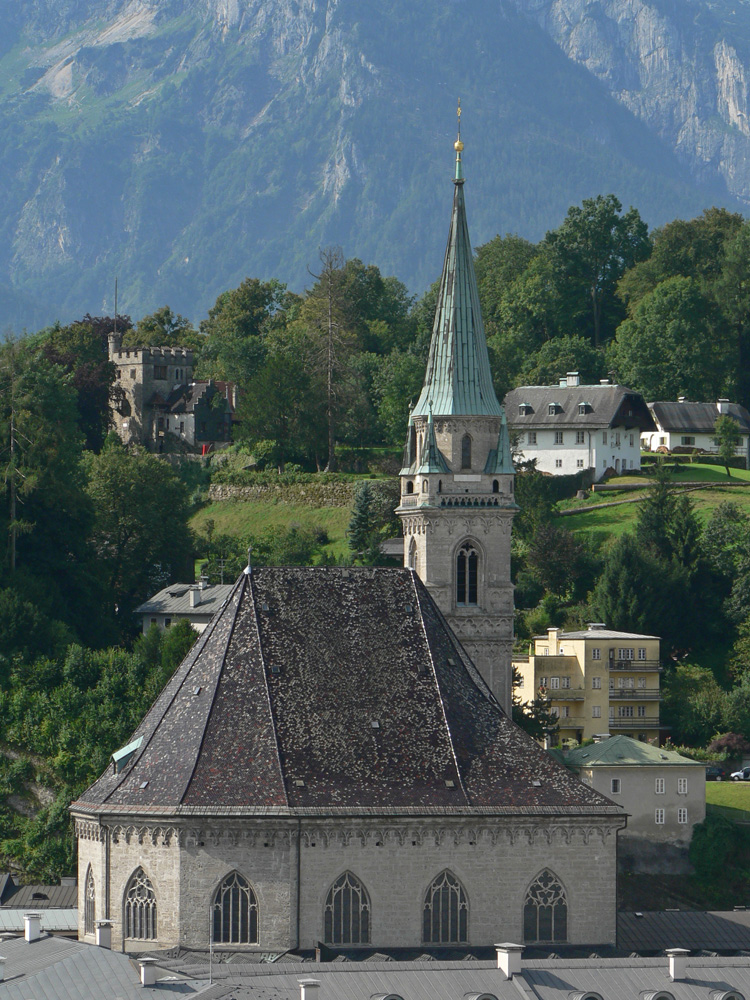 FranziskanerkircheAttraction · 20 min · Free
The Franziskanerkirche (Franciscan Church) is one of the oldest churches in Salzburg, remarkable for the dramatic contrast between its dark, heavy Romanesque nave (13th century) and the soaring, light-filled late-Gothic choir (1408–50) by Hans von Burghausen.
 Salzach Riverfront WalkAttraction · 30 min · Free
The Salzach Riverfront promenade runs along both banks of the river through central Salzburg, connecting key landmarks and offering classic postcard views. The left-bank (Altstadt) side delivers fortress panoramas, while the right bank frames the Baroque skyline.