Loading city...
Skip to main content
Museums in Tashkent
10 museums selected in this guide.
 Amir Temur MuseumMuseum · 1h · UZS20000
A blue-domed museum celebrating the legacy of Amir Temur through documents, maps, and replicas..
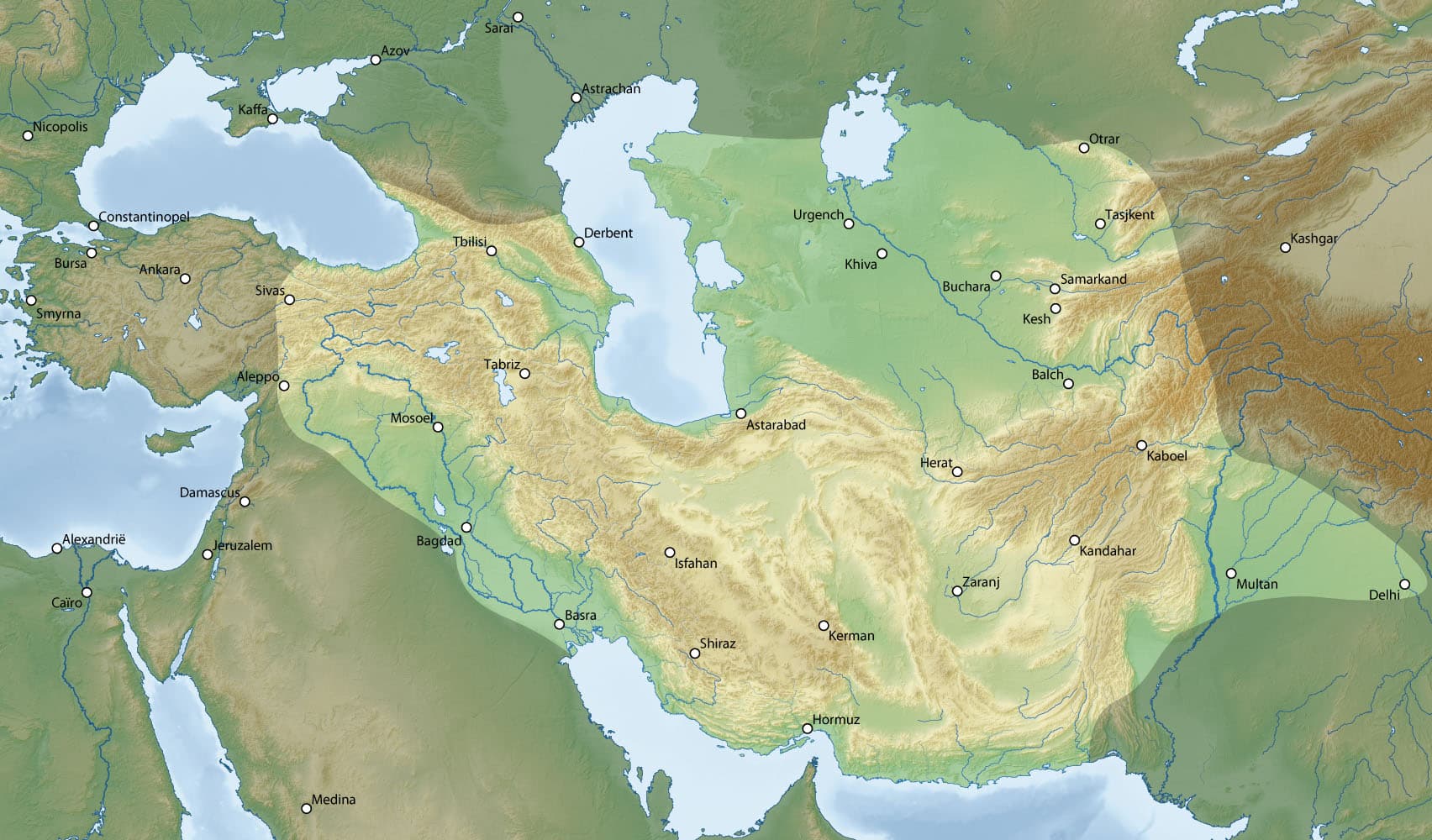 State Museum of the TimuridsMuseum · 1h · UZS20000
A blue-domed museum devoted to the Timurid dynasty, with manuscripts, armour, and astronomical instruments..
- Amir Timur MuseumMuseum · 1h · UZS30000
The Amir Timur Museum is a grand rotunda dedicated to Tamerlane (Amir Timur), the 14th-century conqueror who built one of history's largest empires from his capital in Samarkand. The museum's striking blue dome and ornate interior rival the exhibits themselves.
 State Museum of Art of UzbekistanMuseum · 1.3h · UZS25000
The State Museum of Art of Uzbekistan holds the country's finest art collection, spanning from medieval Uzbek miniatures and Bukharan embroidery through Russian avant-garde works to Soviet-era paintings and contemporary Central Asian art.
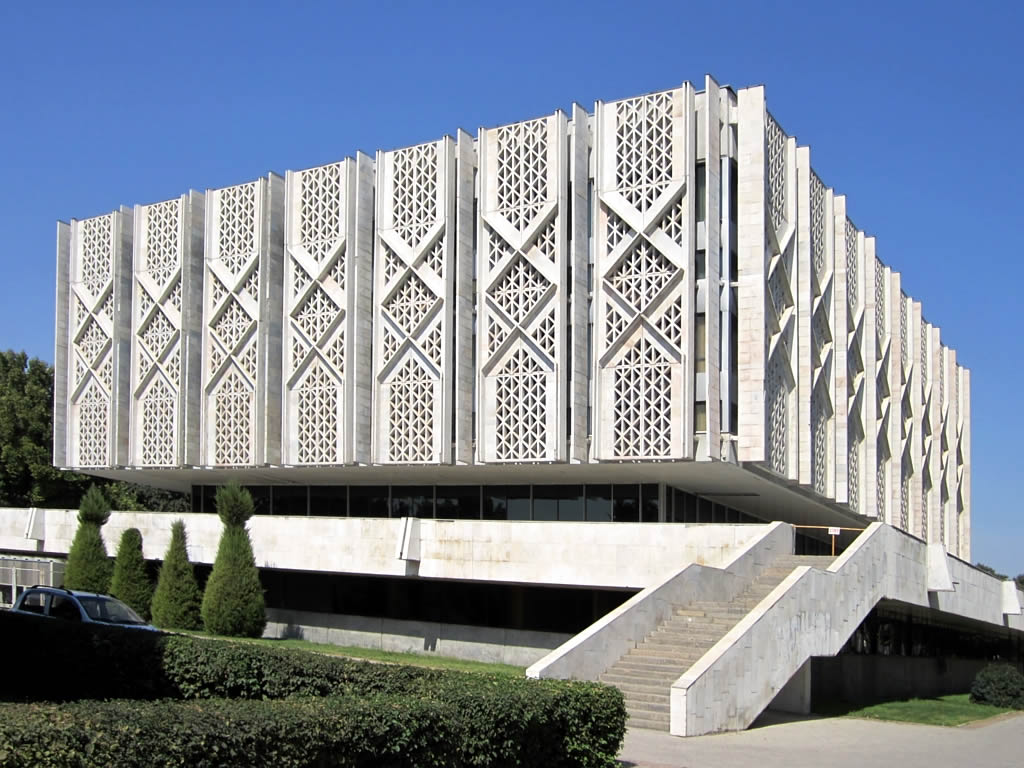 State Museum of History of UzbekistanMuseum · 1.5h · UZS30000
The State Museum of History of Uzbekistan is the country's oldest and most comprehensive museum, spanning from prehistoric archaeological finds through the Silk Road era to modern independence. The collection includes over 250,000 artifacts.
- Uzbekistan State History MuseumMuseum · 1.3h · UZS25000
The Uzbekistan State History Museum houses an extensive archaeological and ethnographic collection that traces the civilizations of the region from the Bronze Age through the Timurid Empire to the modern Republic.
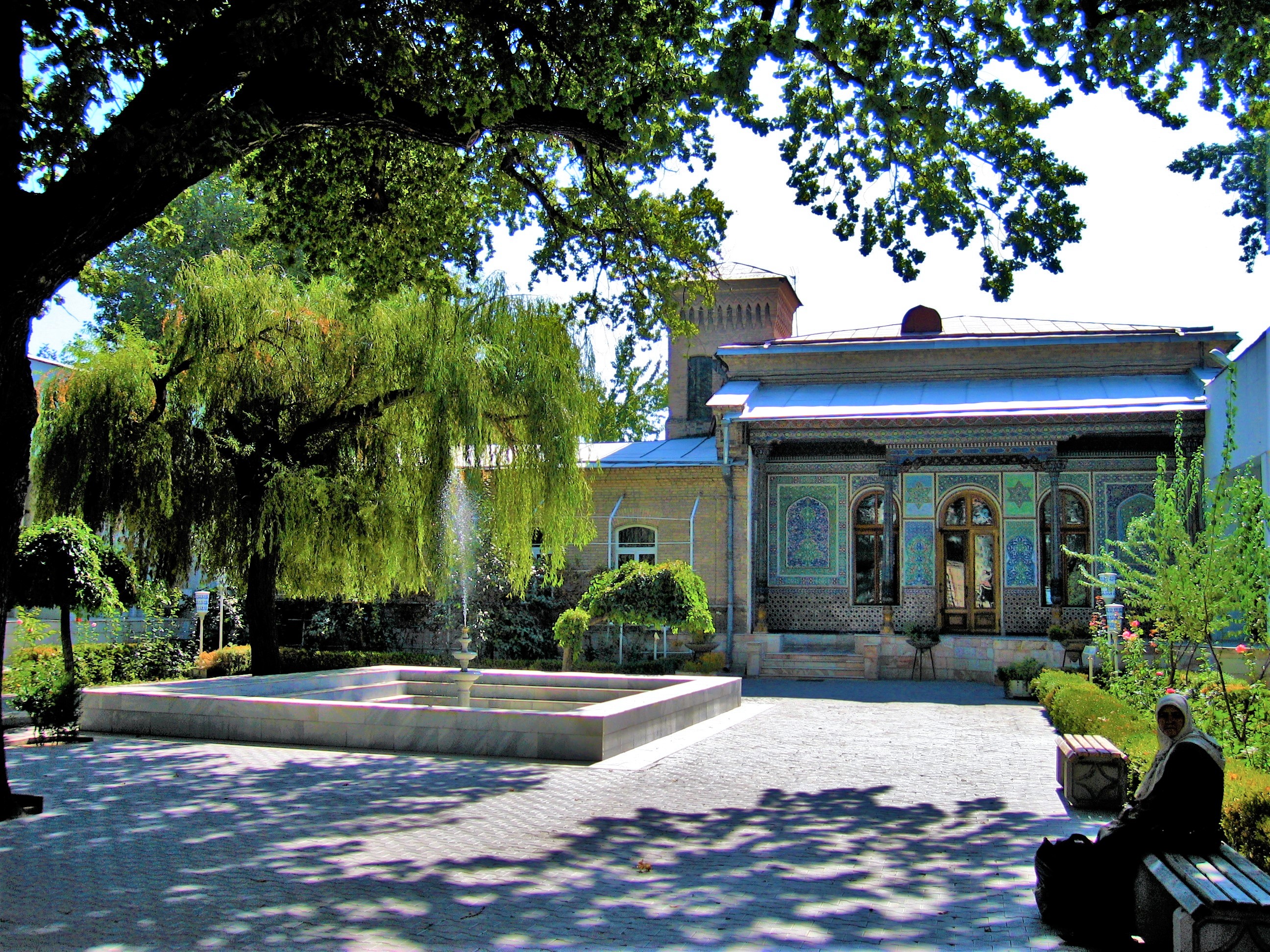 Museum of Applied ArtsMuseum · 1h · UZS25000
The Museum of Applied Arts showcases Uzbekistan's extraordinary craft traditions — suzani embroidery, hand-knotted carpets, carved wood, ceramics, and gold-thread weaving — all displayed in a magnificent 19th-century diplomat's residence.
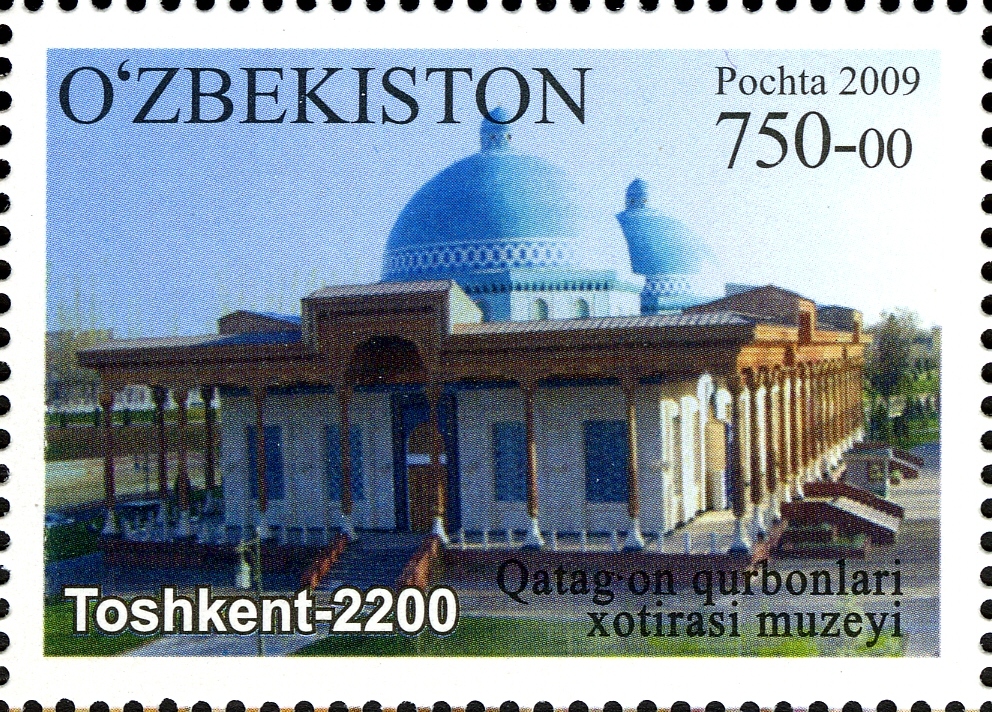 Memorial to the Victims of RepressionMuseum · 1h · Free
The Memorial to the Victims of Repression is an open-air museum and park commemorating the thousands of Uzbek intellectuals, politicians, and citizens who were imprisoned, exiled, or executed during the Soviet period.
 Museum of Railway TechniquesMuseum · 45 min · UZS10000
The Museum of Railway Techniques is an open-air museum near Tashkent's main railway station, displaying a fascinating collection of Soviet-era locomotives, armored trains, and vintage rolling stock.
 Tashkent Ceramic MuseumMuseum · 45 min · UZS15000
The Tashkent Ceramic Museum is a hidden gem — a private museum in the home and workshop of the Rakhimov family, who have been master ceramicists for six generations. The collection spans 1,000 years of Central Asian ceramic arts.