Loading city...
Skip to main content
Museums in Samarkand
5 museums selected in this guide.
 Ulugh Beg ObservatoryMuseum · 45 min · UZS30000
The Ulugh Beg Observatory, built in the 1420s, was the foremost astronomical facility of the medieval world. Though only the underground arc of a giant sextant survives, it was here that Ulugh Beg compiled his Zij-i Sultani star catalogue — the most accurate astronomical table until Tycho Brahe's work 150 years later. A museum at the site explains the scientific achievements.
 Afrosiyob MuseumMuseum · 1h · UZS25000
The Afrosiyob Museum sits on the edge of the ancient Sogdian city of Afrosiyob (Maracanda), which predates Timurid Samarkand by over a millennium. The museum's centerpiece is a suite of 7th-century Sogdian wall paintings discovered in 1965 — vivid tableaux depicting a diplomatic reception, Chinese boats, and processions that are among the most important pre-Islamic artworks in Central Asia.
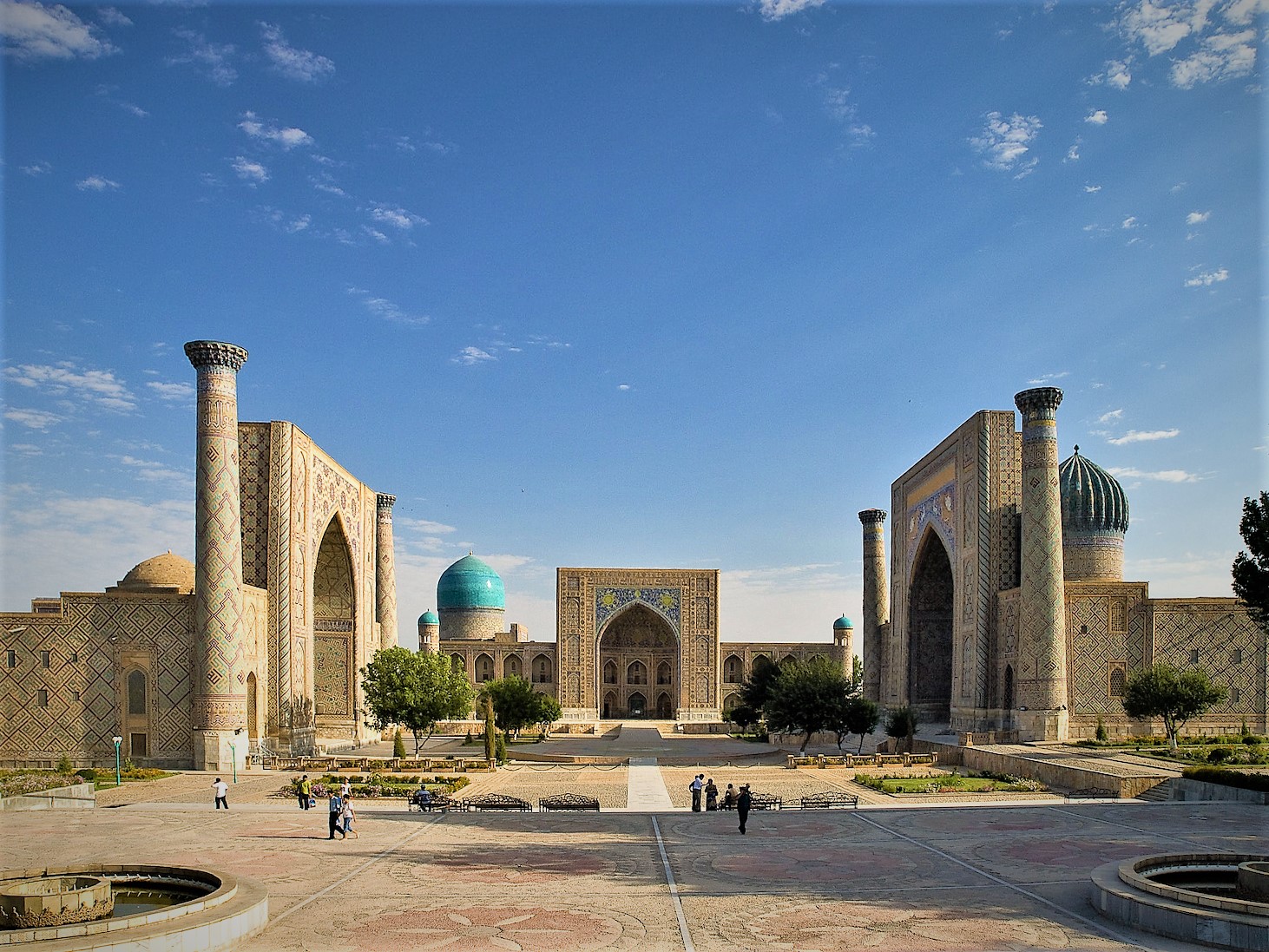 Samarkand State Museum of HistoryMuseum · 1h · UZS20000
The Samarkand State Museum of History is housed in a modern building near the city center, covering the region's history from prehistoric flint tools through the Sogdian, Timurid, and Russian colonial eras. The collection includes archaeological finds from Afrosiyob, Timurid ceramics, and ethnographic displays on 19th-century Samarkand life.
 Museum of Samarkand Wines (Khovrenko Winery)Museum · 45 min · UZS25000
The Khovrenko Winery Museum occupies the premises of one of Samarkand's oldest wineries, founded in 1868 by Russian colonial-era vintners. The museum traces the surprisingly deep wine-making history of Central Asia — grapevines have been cultivated here for over 3,000 years. The visit includes a tasting of local wines including the distinctive 'Samarkand Wine' dessert blend.
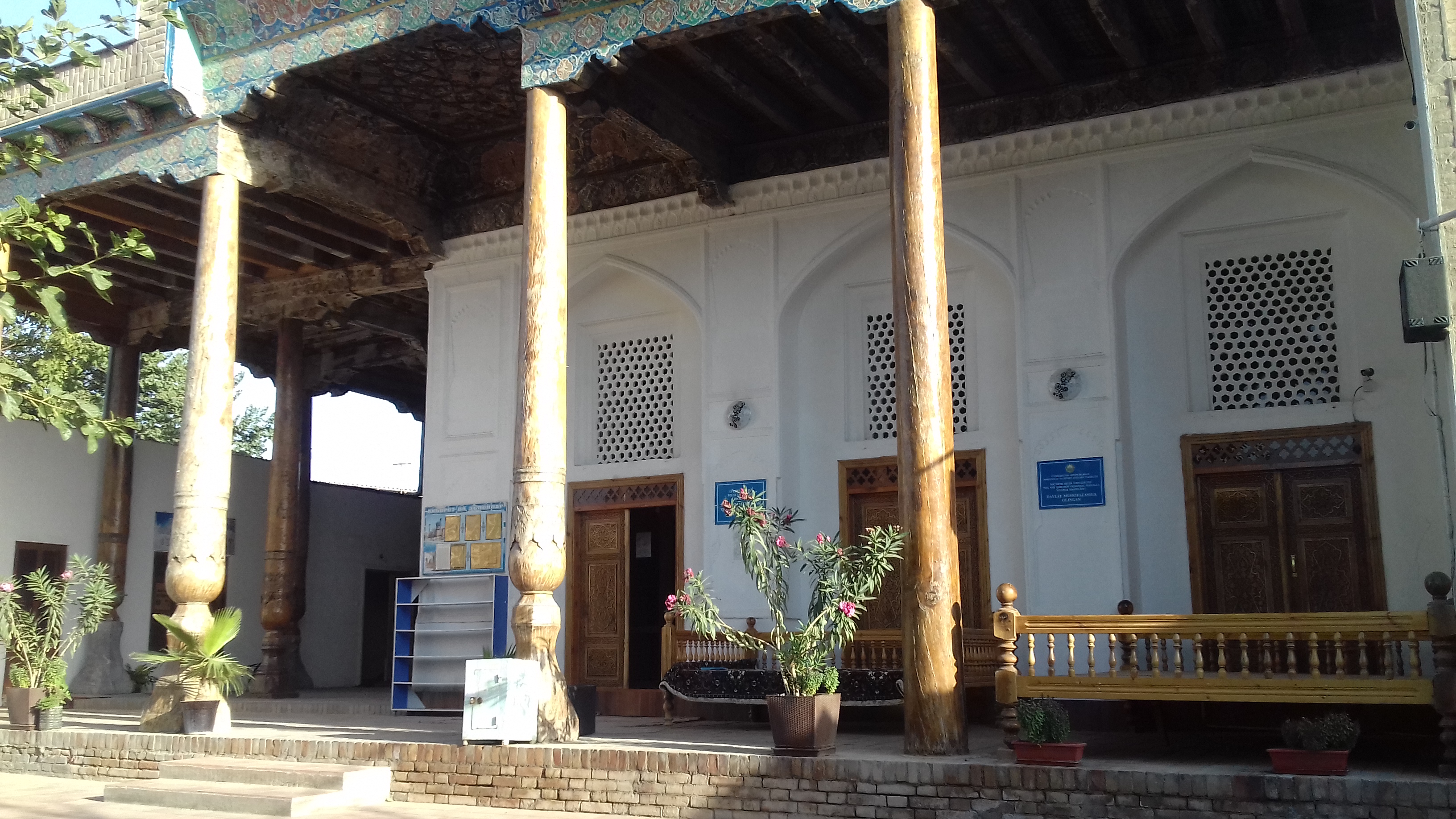 Samarkand Bread MuseumMuseum · 30 min · UZS15000
The Samarkand Bread Museum celebrates the city's legendary non (flatbread), universally regarded as the finest in Central Asia. The small museum displays traditional baking tools, bread stamps, and the history of non in Silk Road culture. A working tandoor oven on-site produces fresh bread, and visitors can try stamping and baking their own loaf.