Loading city...
Skip to main content
Museums in New Orleans
10 museums selected in this guide.
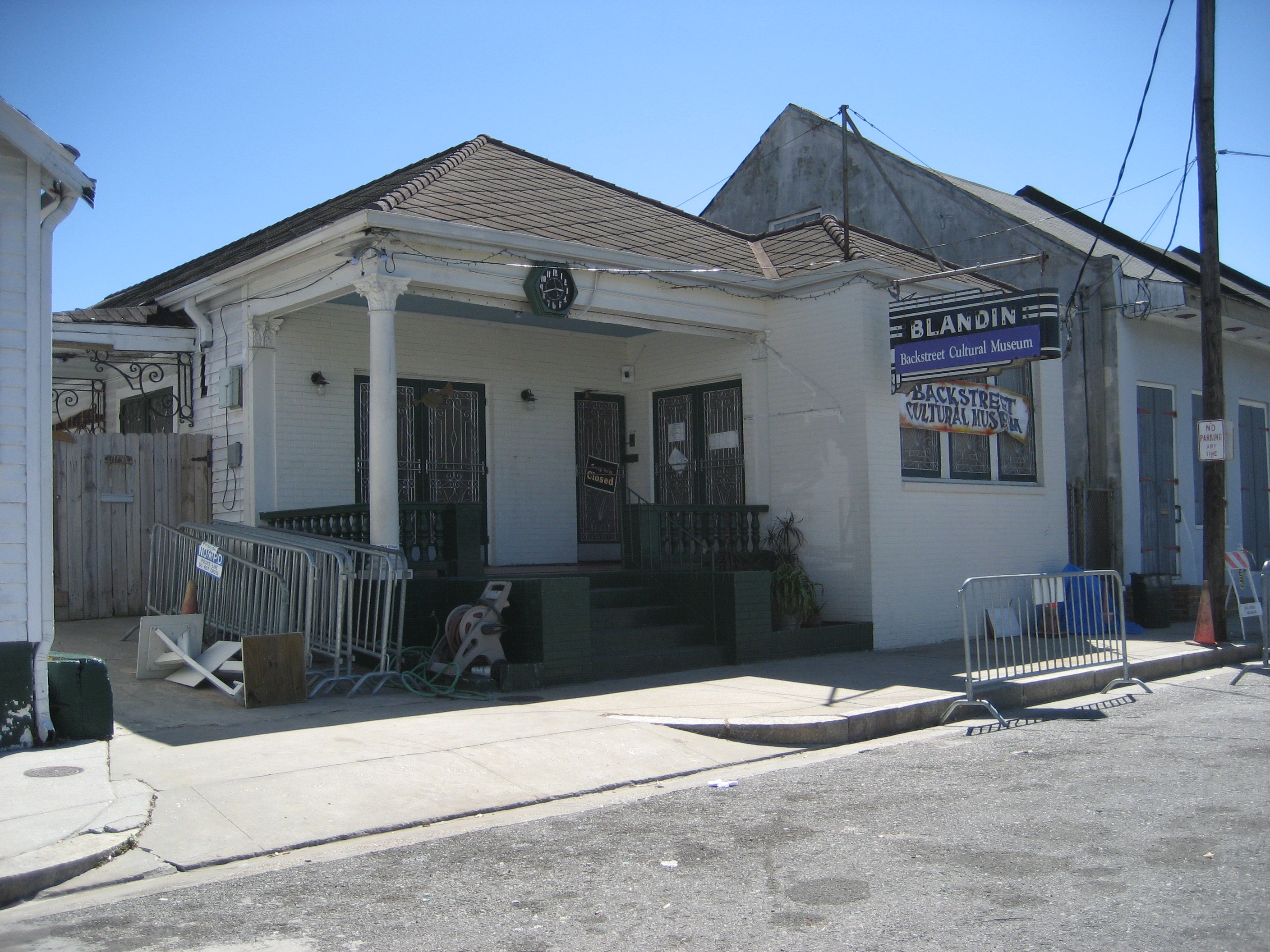 Backstreet Cultural MuseumMuseum · 1h · Free
The Backstreet Cultural Museum documents the African American cultural traditions of New Orleans, including Mardi Gras Indians, jazz funerals, and social aid and pleasure clubs.
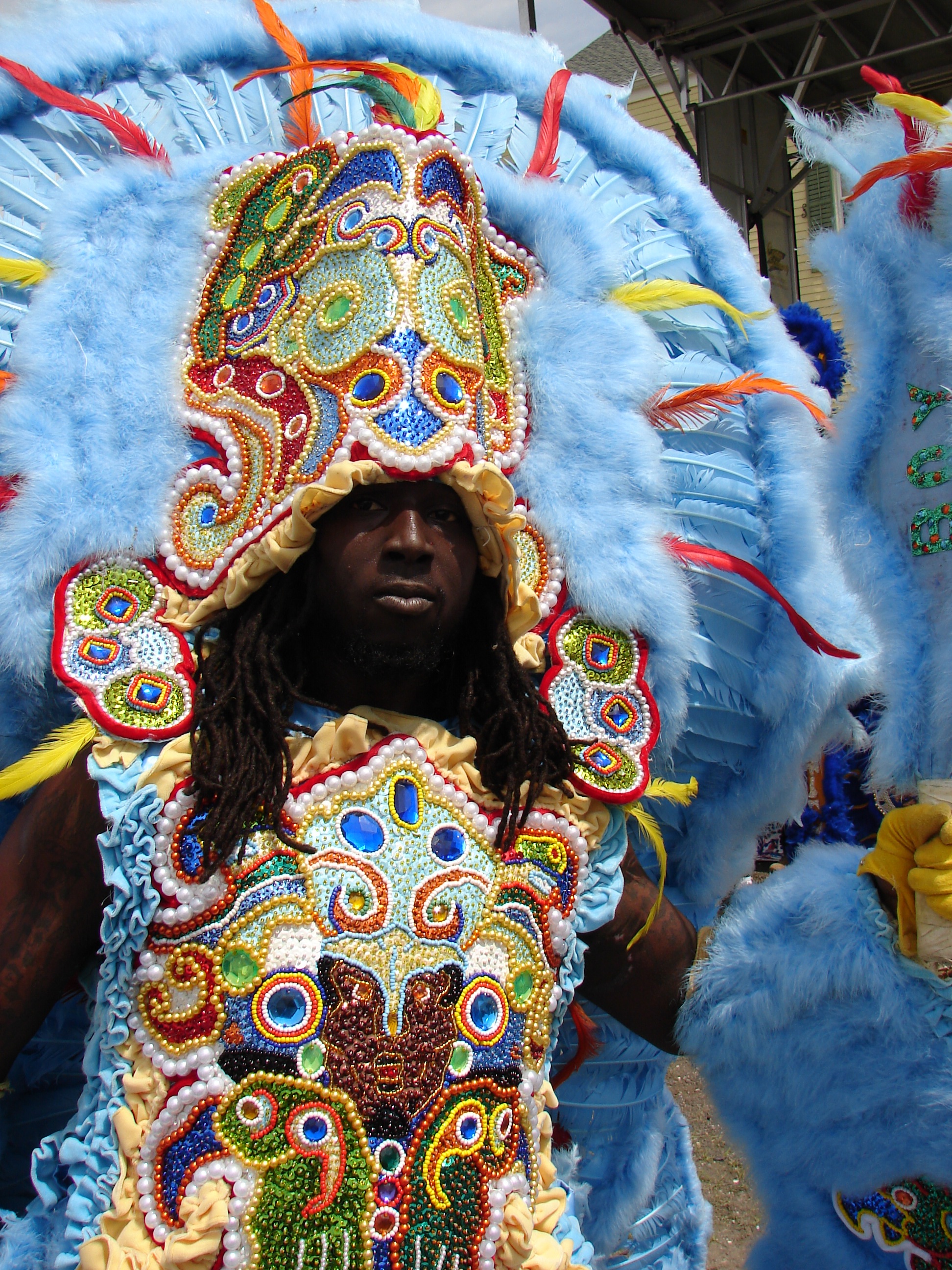 Mardi Gras WorldMuseum · 1.5h · Free
Mardi Gras World is a working warehouse where Blaine Kern Artists build the enormous floats used in Carnival parades. Visitors can walk among the props, try on costumes, and watch artisans at work.
 New Orleans Jazz MuseumMuseum · 1.5h · Free
Housed in the historic Old U.S. Mint building, the New Orleans Jazz Museum traces the evolution of jazz from its roots in Congo Square to modern interpretations. The collection includes Louis Armstrong's first cornet.
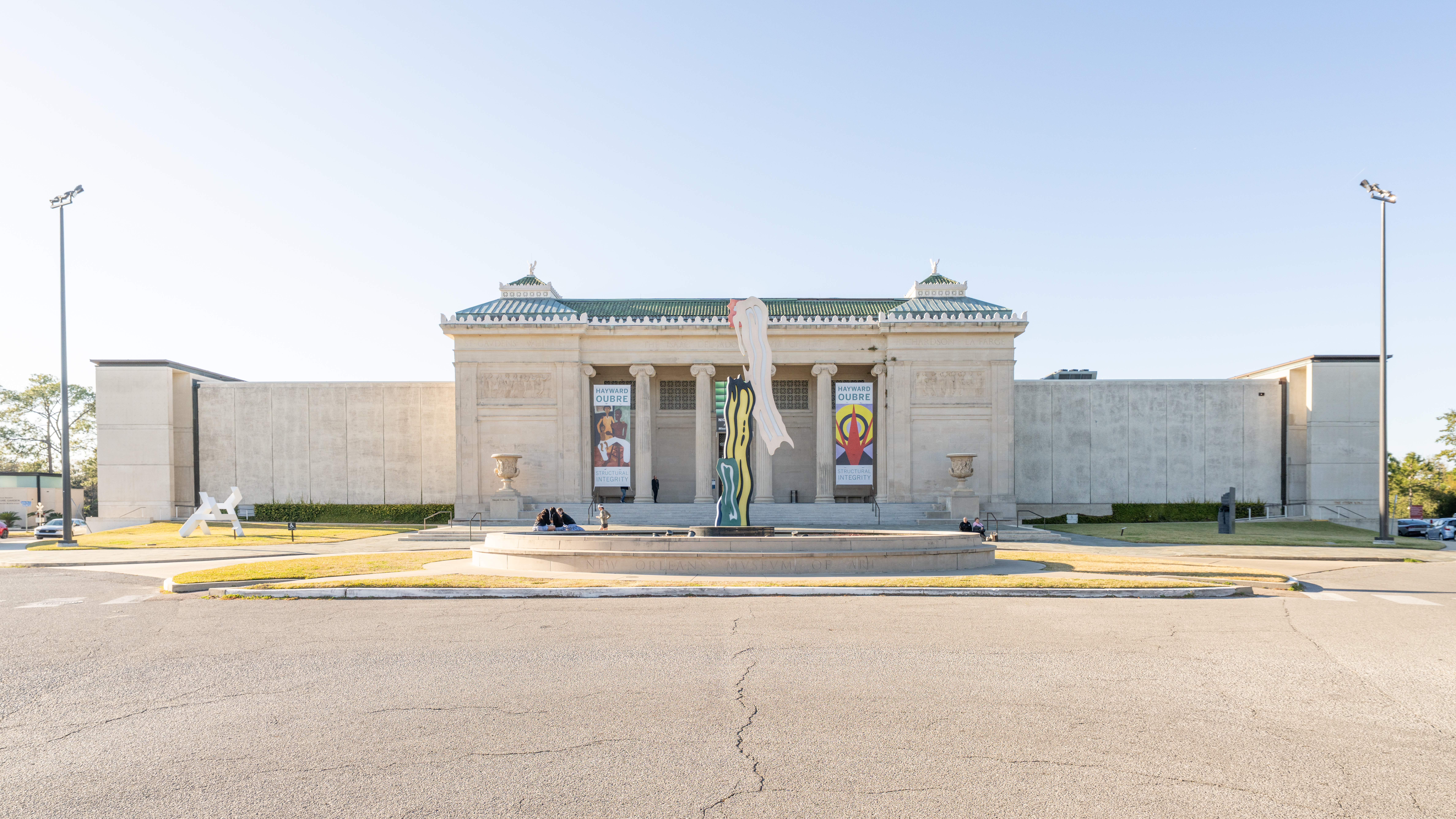 New Orleans Museum of ArtMuseum · 2h · Free
NOMA houses a permanent collection of nearly 40,000 works spanning French and American art, photography, glass, and Japanese paintings. Located in City Park since 1911, it is the oldest fine arts museum in the city.
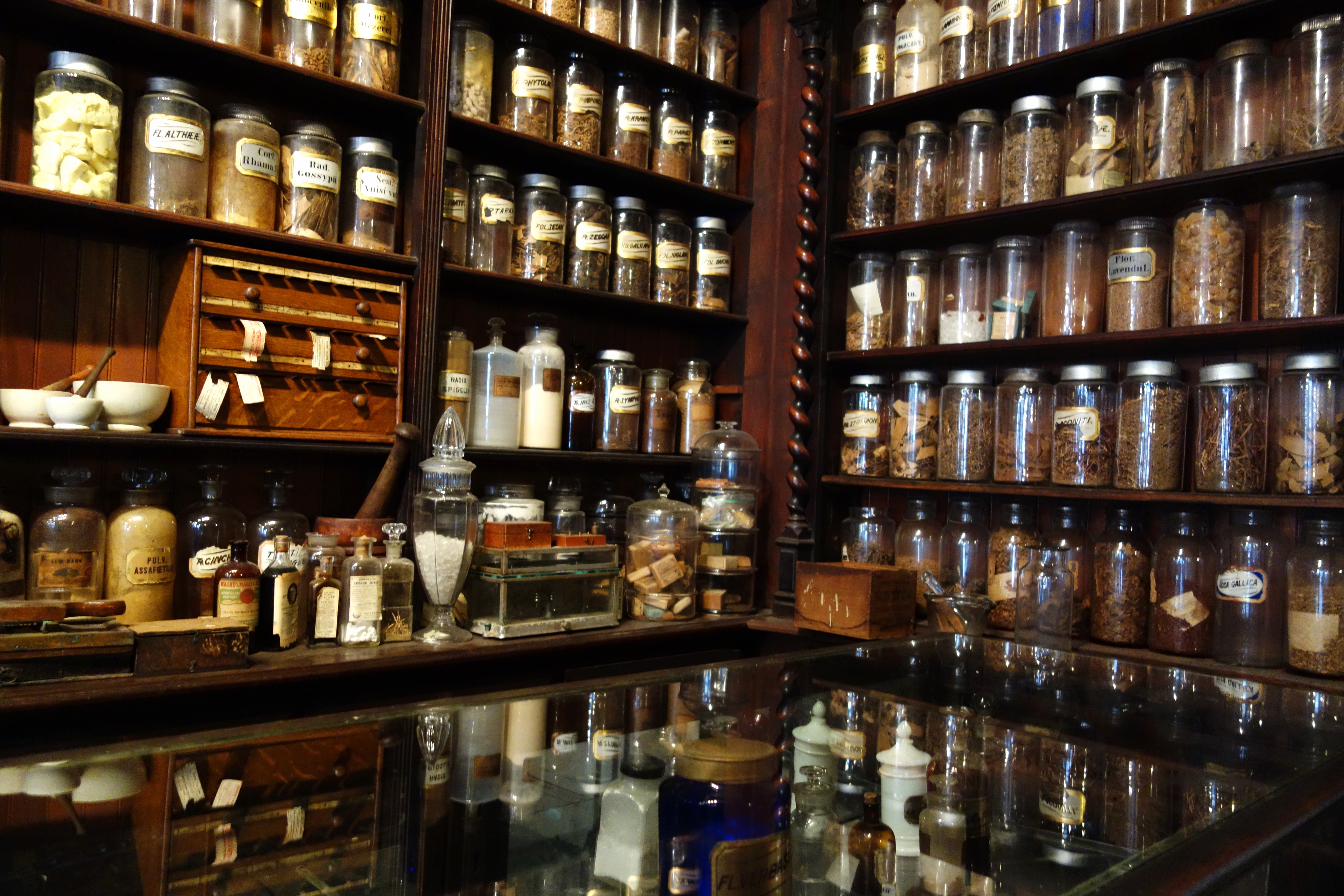 New Orleans Pharmacy MuseumMuseum · 1h · Free
The New Orleans Pharmacy Museum occupies the apothecary shop of Louis Dufilho Jr., America's first licensed pharmacist. The collection includes antique medical instruments, potions, and voodoo remedies.
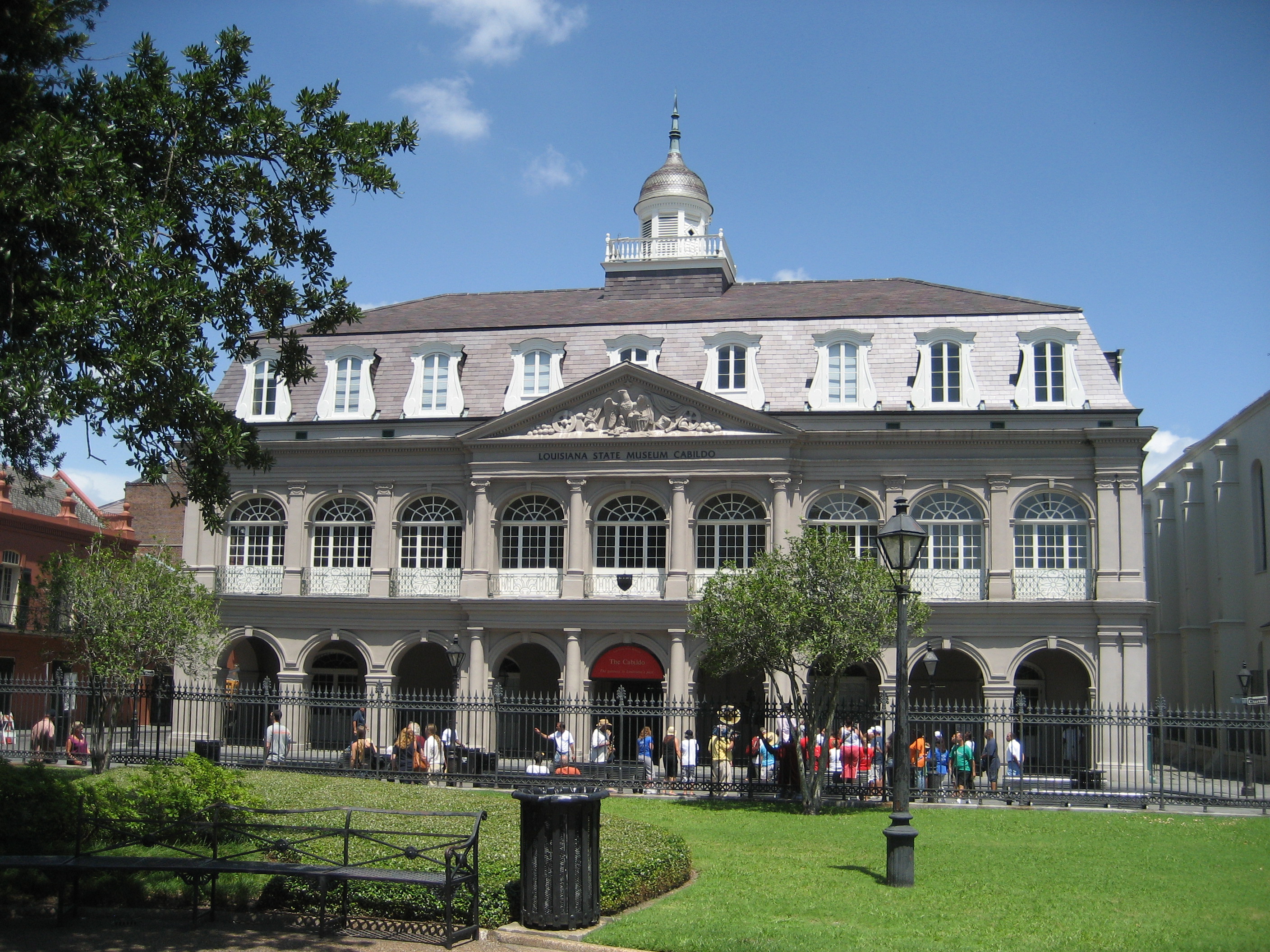 The CabildoMuseum · 1.5h · Free
The Cabildo is a landmark building on Jackson Square where the Louisiana Purchase was signed in 1803. Now a museum, it chronicles Louisiana history from colonial times through Reconstruction.
- Historic New Orleans CollectionMuseum · 2h · Free
The Historic New Orleans Collection is a museum, research center, and publisher dedicated to preserving the history and culture of New Orleans and the Gulf South. Admission to the main galleries is free.
 Ogden Museum of Southern ArtMuseum · 1.5h · Free
The Ogden Museum of Southern Art holds the largest collection of Southern art in the world, with over 4,000 works spanning from the 18th century to present day. It sits in the Warehouse District adjacent to the WWII Museum.
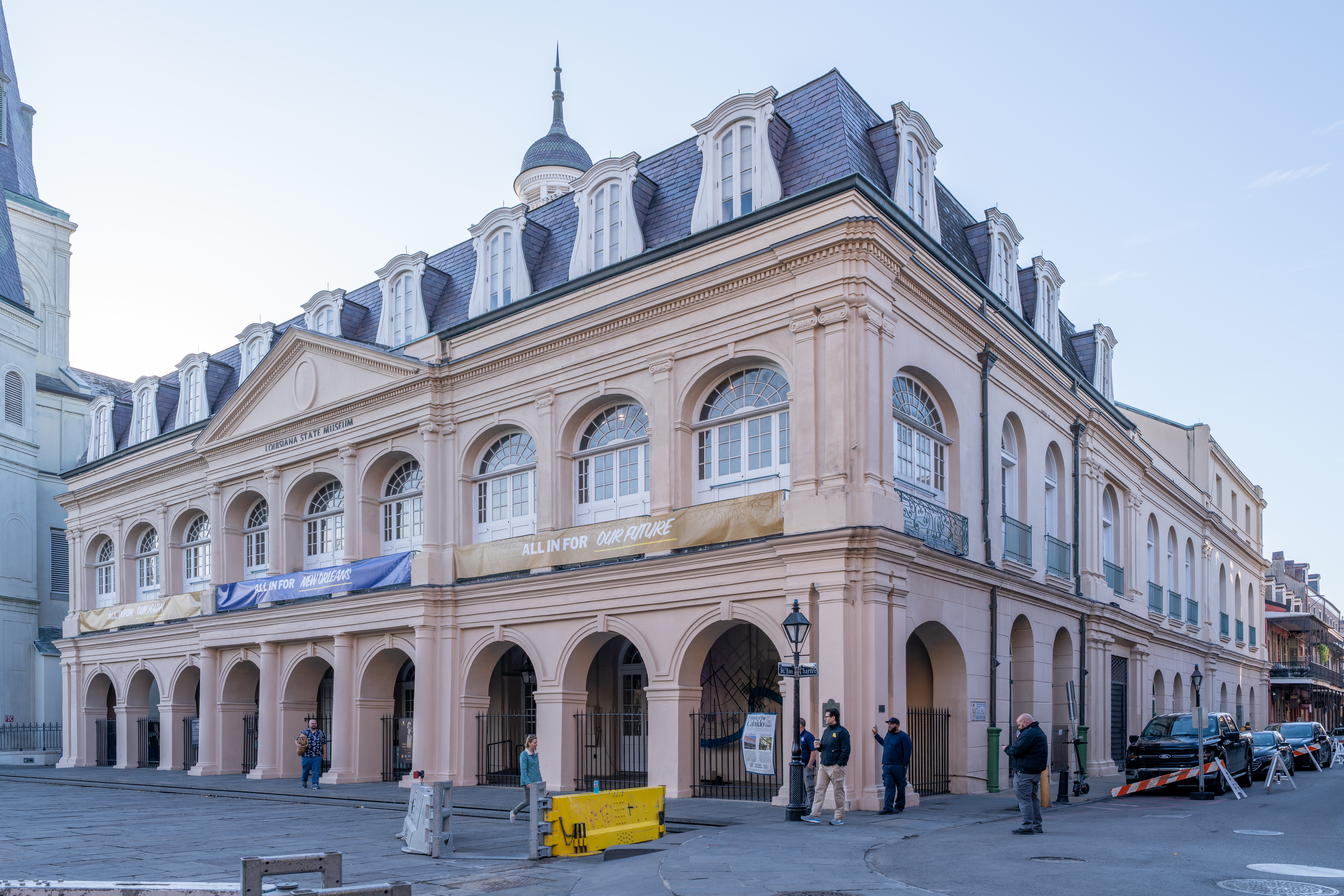 The PresbytèreMuseum · 1.5h · Free
The Presbytère flanks the opposite side of St. Louis Cathedral from the Cabildo and houses two outstanding permanent exhibitions: one on Mardi Gras and another on Hurricane Katrina.
 The National WWII MuseumMuseum · 3h · Free
The National WWII Museum is one of the top-ranked museums in the world, offering an immersive journey through the American experience in World War II. Founded in 2000 by historian Stephen Ambrose, it spans over six acres in the Warehouse District.